
Why the U.A.E. Is Quitting OPEC
The United Arab Emirates announced it will leave OPEC in May 2026, opting to set its own oil‑production policy. The decision comes as the regional war with Iran creates a strategic opening for the Emirates to operate independently. Analysts see the move as a bid to protect revenue amid volatile prices and to leverage its growing downstream capacity. The exit marks the first major OPEC departure since Saudi Arabia’s brief 2020 suspension.

GITEX Unveils Expansion Into Kenya with Inaugural 2026 Edition Set to Unlock US$2.4 Billion AI-Driven Economic Potential
GITEX, organized by KAOUN International, will launch its first Kenyan edition, Ai Everything Kenya x GITEX Kenya, in Nairobi from May 19‑21, 2026. The event is projected to unlock $2.4 billion of AI‑driven GDP growth for Kenya by 2030 and create...

The Executive Roadmap to Open Company in Saudi Arabia: A 2026 Strategic Blueprint
Saudi Arabia’s 2026 investment climate, driven by Vision 2030, now offers foreign firms full 100% ownership and a streamlined, digital‑first incorporation process. The new Investment Law treats overseas investors on par with locals, while a unified portal accelerates registration, licensing,...

Is the EU the Next Migration Destination for Uzbeks?
Uzbekistan adds about 600,000 new workers each year, a figure expected to approach one million by 2030. Russia and Kazakhstan still dominate Uzbek migration, but Germany and the wider EU are gaining traction, evidenced by a 26% rise to 58,691...
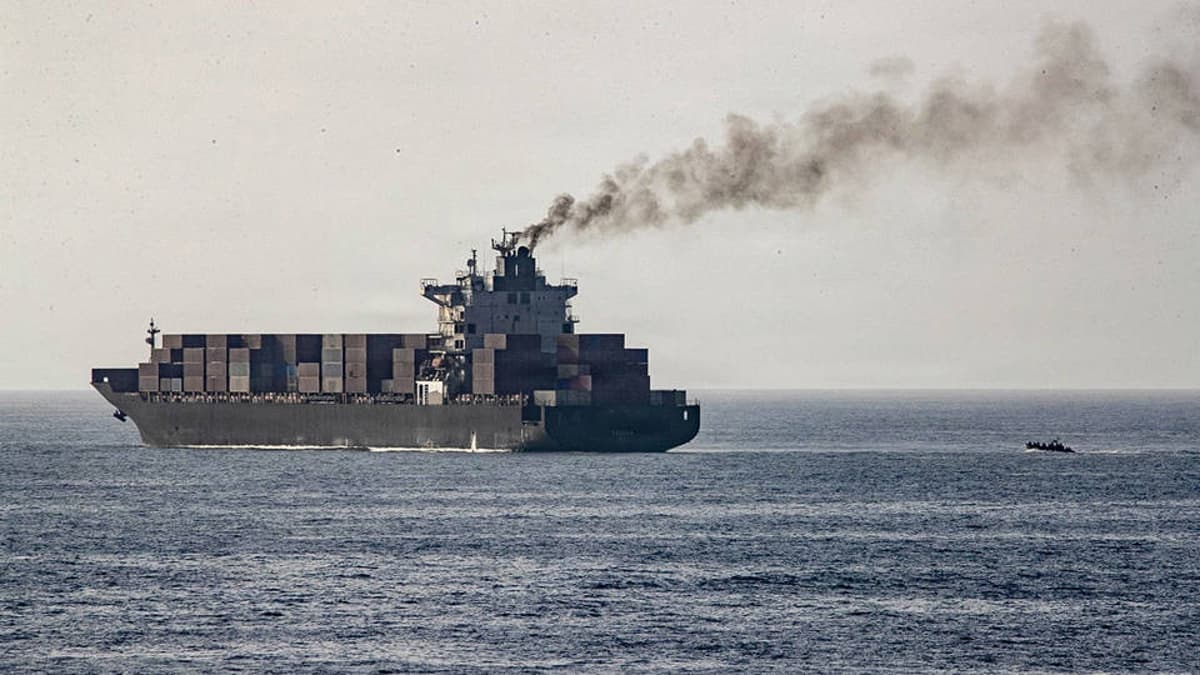
An Economic Model for Securing Hormuz
With roughly one‑quarter of global seaborne oil flowing through the Strait of Hormuz, recent disruptions have highlighted the fragility of the world’s energy supply chain. The authors contend that a military solution to a potential closure is unlikely to succeed...

Webinar: Asia’s Energy Shock - Who Is Most Exposed?
ING is hosting a 30‑minute webinar on May 7 to dissect Asia’s exposure to the recent oil supply shock through the Strait of Hormuz. The session, led by Deepali Bhargava, Lynn Song and Min Joo Kang, will compare strategic oil reserves, import dependence and energy‑mix...

Côte D'Ivoire Powers Ahead but Faces Human Capital Challenge
Côte d'Ivoire is projected to expand 6.4% in 2026, placing it among Africa’s top ten performers, driven by extractives, agro‑industrial and services growth. Recent ENI gas field discovery and Resolute’s $190 million Doropo Gold investment add long‑term momentum. Strong macro fundamentals—S&P...

Can Countries Grow Richer by Exporting People, Not Goods?
Kerala’s prosperity increasingly stems from its diaspora rather than traditional exports. About 1.7 million Keralites—roughly 5 % of the state’s population and 11 % of its workforce—are employed in Gulf nations. Their earnings, sent home as remittances, now constitute a sizable share of...

India’s Weak Currency Reflects Deeper Problems than the Iran War
The IMF’s April update shows India’s rupee lost roughly 10% against the dollar in the fiscal year ending March, pushing the country to sixth place in global GDP rankings, behind the United Kingdom. The currency slide reflects not just external...

Taiwan’s Cheng Will Face a Tough Crowd on US Visit
Cheng Li‑wun, chair of Taiwan’s Kuomintang, will travel to the United States in June after recent talks with China’s leader Xi Jinping. She intends to pitch a cross‑Strait peace formula while still courting U.S. arms sales, a stance that clashes with...

World Bank Resurrects Industrial Policy: Ball Is in Southeast Asia’s Court
The World Bank has reversed its long‑standing opposition to industrial policy, declaring it a core component of national development strategies in its 2026 report. It cites three transformative trends—global value chains, green industrial policies, and AI—that require countries to upgrade...
This Oil Shock Will Hit Asia Harder than the 1970s
The recent oil shock stemming from the Iran‑Strait of Hormuz crisis is reverberating across Asia more intensely than the 1970s oil crises. Jet fuel in Singapore has doubled, prompting airlines to trim May schedules by 10‑15%, while Japan’s subsidies only...

The EU-Mercosur Trade Agreement Is Finally Happening
After more than two decades of negotiations, the EU and Mercosur bloc reached a provisional interim trade agreement that took effect on May 1. The pact creates a trade zone encompassing roughly 700 million consumers, lowering tariffs on a range of goods...
How China Can Avoid a Repeat of Japan’s ‘Lost Decades’, in Eyes of Top Economist
Chinese President Xi Jinping will make his first overseas trip this year, visiting North Korea on Monday and Tuesday, his first visit to the hermit state since 2019. The trip underscores Beijing’s effort to revive a strategic partnership with Pyongyang...

Where Do Thailand-China Relations Stand in 2026?
Thailand’s ties with China deepened in 2026 as high‑level visits, booming Chinese consumer brands and joint infrastructure ambitions reinforced a pragmatic partnership. The Bangkok International Motor Show saw BYD outpace Toyota, while Thailand’s “land bridge” rail project looks to Chinese...
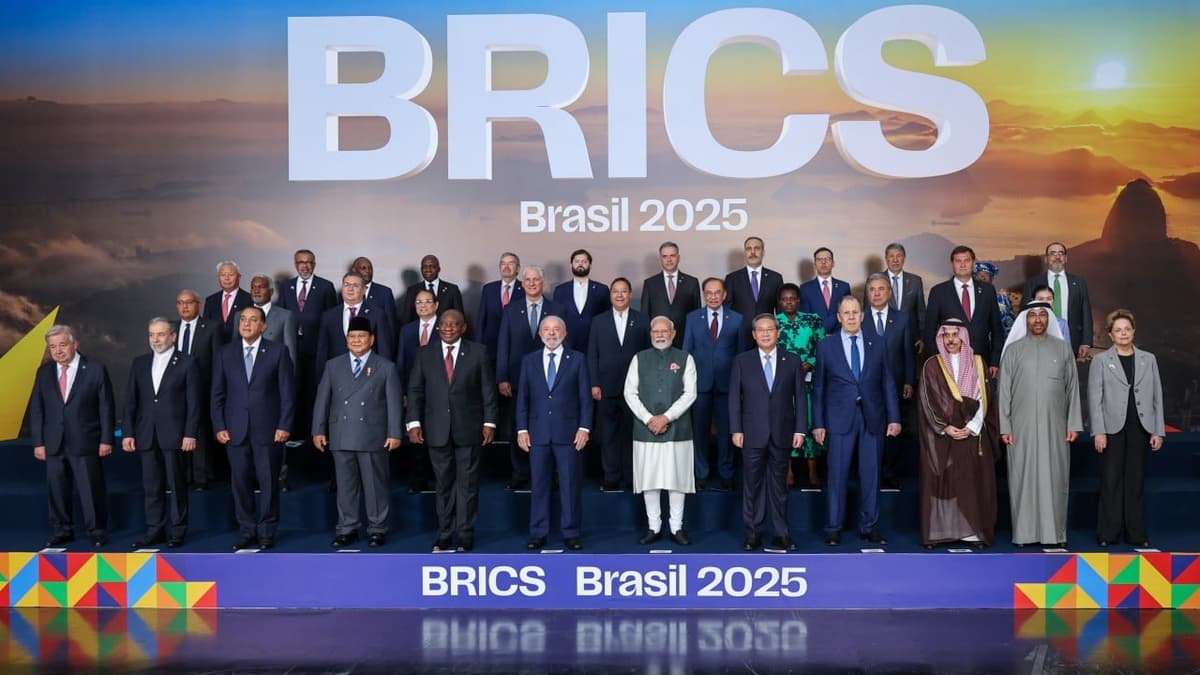
Brics to Push for Intra-Currency Payments as ‘Immunity’ Against Western Clout
BRICS is evaluating a digital payments framework that would settle cross‑border transactions in member currencies, aiming to reduce reliance on the US‑dollar‑centric SWIFT system and mitigate sanctions risk. The proposal, spearheaded by India’s central bank, will be discussed at a...

Kazakhstan Sticking with OPEC
Kazakhstan’s Energy Ministry announced on April 29 that the country will maintain its current OPEC+ participation, rejecting calls to follow the United Arab Emirates’ imminent withdrawal. The decision comes despite repeated quota overruns and ongoing struggles to meet OPEC+ compensation requirements....
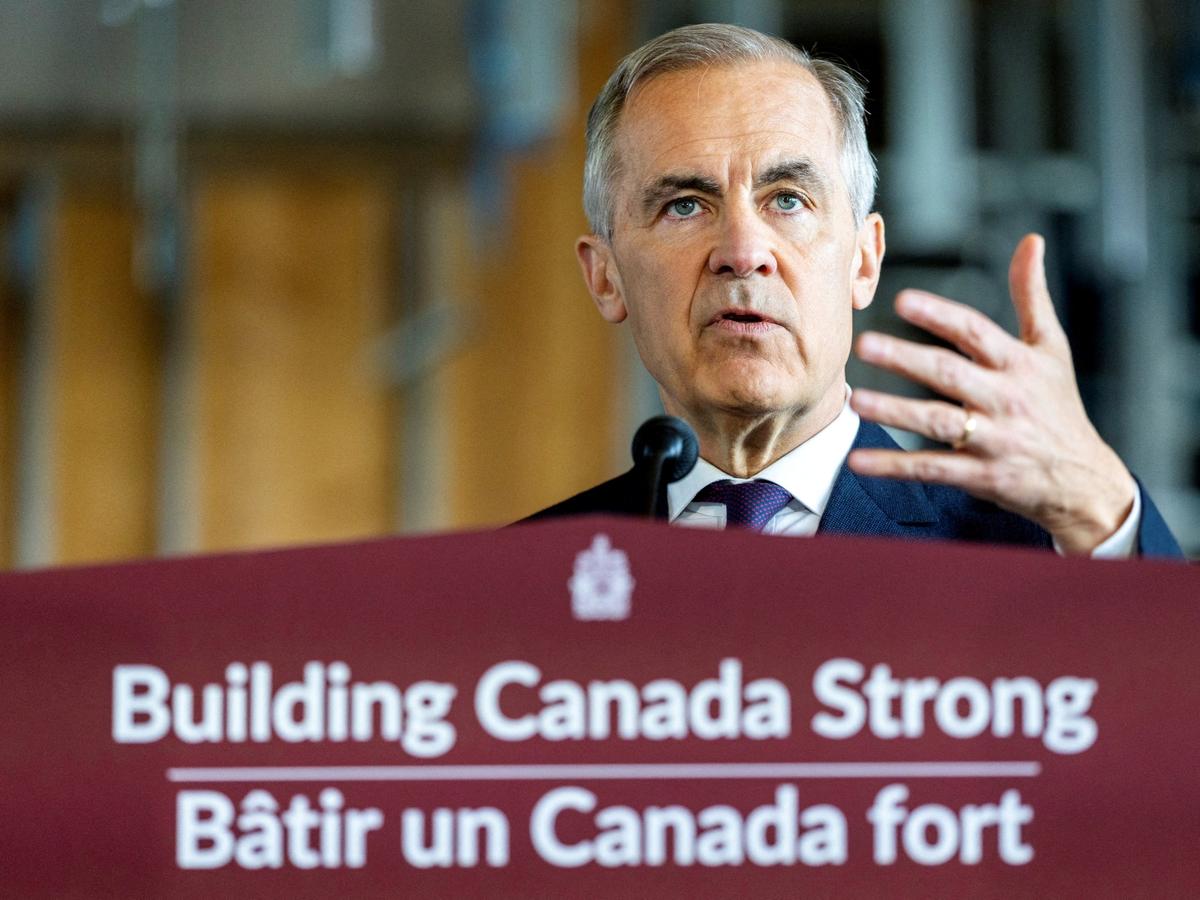
Carney ‘Strong’ in Year One, Now Must Deliver on Promises in Canada
Canadian Prime Minister Mark Carney’s first year was defined by a confrontational U.S. trade environment under President Donald Trump, prompting Carney to resist a rushed US‑Canada trade pact and maintain policy independence. He leveraged the tension to reset relations with...

NFTY: Structural Headwinds Persist (Still On Hold)
The First Trust India NIFTY 50 Equal‑Weight ETF (NFTY) tracks the Nifty 50 Equal‑Weighted Index but is currently on hold due to persistent macro headwinds. Elevated energy prices, recent oil‑price shocks, and a 3.8% two‑decade rupee depreciation are weighing on total returns....

Brazil's Cuts Rate by 25bp to 14.50% but Flags Deanchored Inflation and Middle East Risks
Brazil's monetary policy committee (Copom) unanimously cut the Selic benchmark rate by 25 basis points to 14.50%, matching the majority of economists' expectations. For the second meeting in a row, the board offered no forward guidance, tying any further moves...
Africa’s Aviation Growth Collides with Financing Barriers
Africa’s aviation market is booming as urban growth and the African Continental Free Trade Area drive passenger demand, but airlines struggle to secure affordable financing. Nearly $1 billion in blocked funds and higher lease costs force carriers to operate aging fleets,...

Meta Deal Reversal Deepens Split Between China and Silicon Valley
Meta’s $2 billion acquisition of Chinese AI startup Manus has been ordered undone by Beijing, marking a rare reversal of a high‑profile cross‑border deal. The Chinese government’s demand underscores escalating geopolitical friction over advanced technology. As U.S. investors pull back from...
/file/dailymaverick/wp-content/uploads/BM-Natale-Labia-Opinionista.jpg)
As the Strait of Hormuz Blockade Continues, a Food Crisis Looms
The Strait of Hormuz remains effectively blockaded, cutting roughly 20 million barrels of oil a day and straining global supply chains. Vitol’s CEO warned that even a rapid reopening would still drain about one billion barrels from the market. The disruption has...

The Global Economic Impact From the Iran Conflict
The IMF has lowered its 2026 global growth outlook to 3.1% from 3.4% as the Strait of Hormuz remains closed, pushing oil prices toward $100‑$110 a barrel. In its adverse scenario, world growth could slip to 2‑2.5% with inflation edging...
Current Growth Trajectory Paves Way for India to Be a Developed Nation by 2047: Jeffrey D Sachs
Renowned economist Jeffrey D. Sachs told a FICCI event that India could become a developed nation by 2047 if its current growth trajectory continues. He urged New Delhi to maintain a non‑aligned stance, avoiding participation in the US‑led Quad and steering...

West Asia War, Weak Monsoon Pose Downside Risk to Growth, Says Finance Ministry
India’s finance ministry warned that the ongoing West Asia conflict and a potentially weak monsoon pose upside inflation risks and could dampen growth. Crude oil prices have hovered near $115 a barrel, feeding higher energy costs that may be passed...
ADB Cuts Growth Outlook of Asia to 4.7% as West Asia Disruptions Deepen
The Asian Development Bank lowered its 2026 growth outlook for Asia and the Pacific to 4.7%, down from 5.1%, citing prolonged disruptions in West Asia that are driving higher energy prices and tighter financial conditions. Inflation expectations were sharply revised...
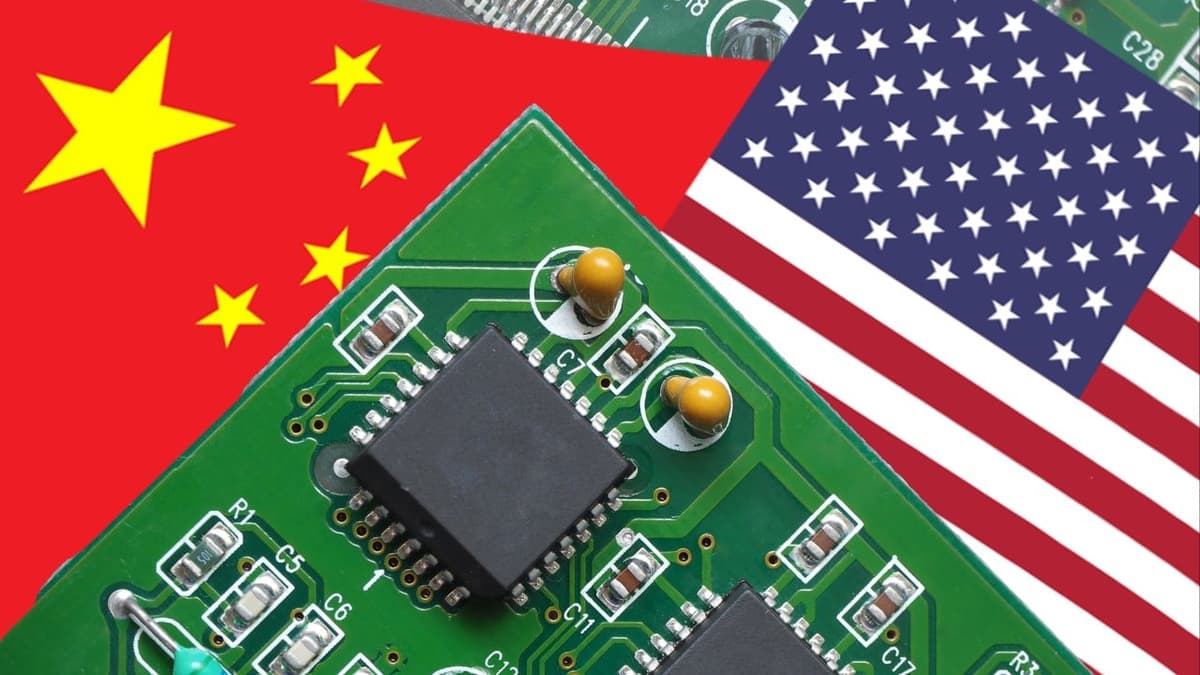
Chips, Oil and Iran: Why US Is Raising Pressure on China Before Xi-Trump Talks
The United States is intensifying a multi‑front pressure campaign on China ahead of President Trump’s planned mid‑May summit with Xi Jinping. The House Foreign Affairs Committee advanced 20 new export‑control measures that would tighten allies’ sales of advanced semiconductor equipment...

The United States Is Losing the Race for Central Asia’s Critical Minerals
The United States is falling behind in securing Central Asia’s critical‑mineral wealth, a region valued at roughly $46 trillion and home to at least 32 of the 60 U.S.‑identified critical minerals. While China and Russia together command about 70 percent of the...
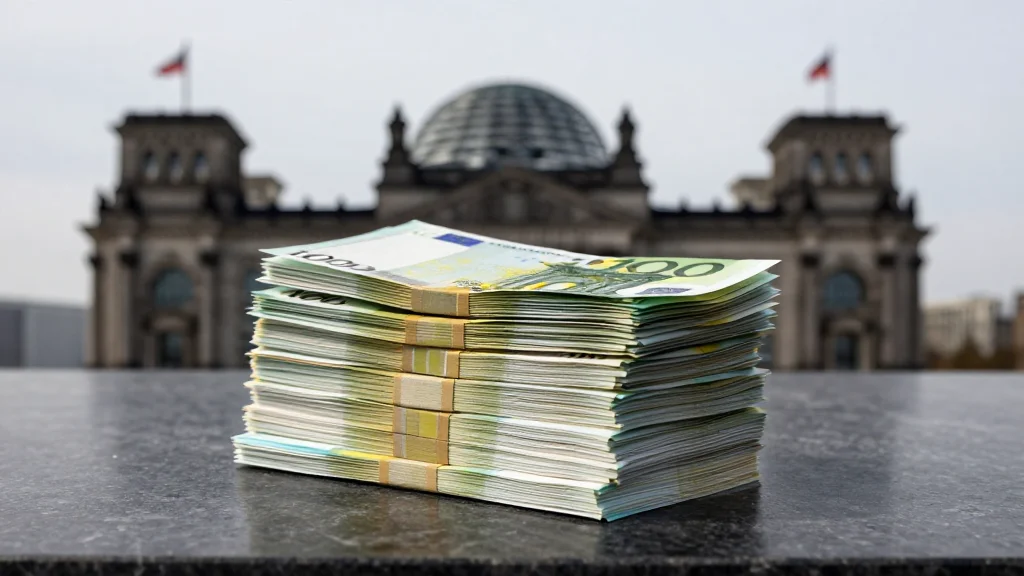
German Finance Minister Doesn’t Rule Out Emergency Borrowing as ‘Trump’s Irresponsible War’ Bites
German Finance Minister Lars Klingbeil warned that Germany will need unprecedented borrowing over the next four years, with a budget plan calling for €200 billion ($215 billion) next year and €600 billion ($645 billion) over the following three years. About €85 billion ($91 billion) will be...

The Bangladesh-US Trade Deal Is a Litmus Test for Dhaka’s Strategic Autonomy
The U.S.–Bangladesh Agreement on Reciprocal Trade (ART), signed days before Bangladesh’s February elections, expands market access to the United States but embeds clauses that restrict dealings with “non‑market economies” and bind Dhaka to U.S. export‑control, energy and defense rules. Those...
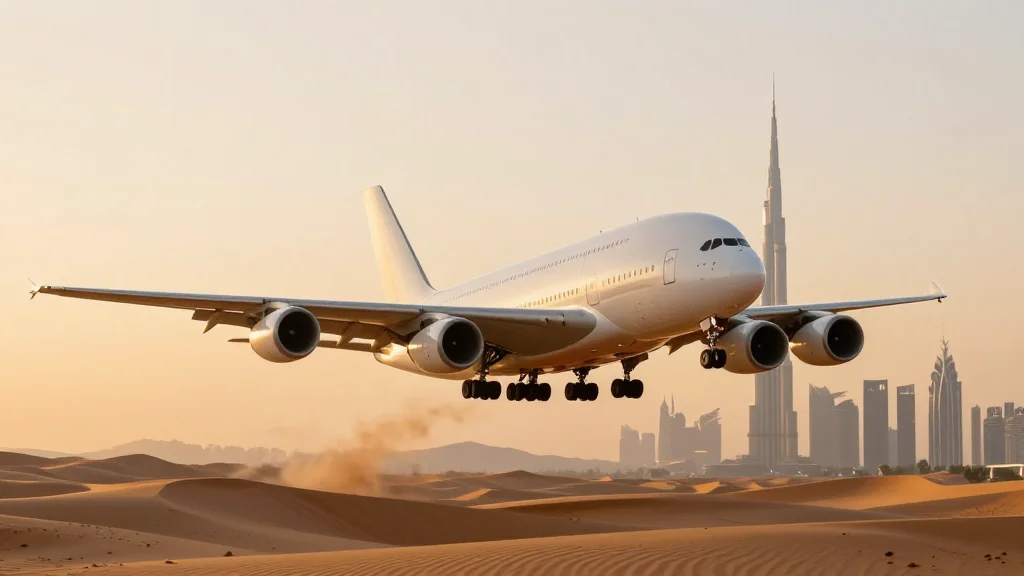
UAE Exit From OPEC Signals New Era for Aviation and Tourism
The United Arab Emirates announced its departure from OPEC, signaling a strategic pivot from oil to aviation and tourism as primary growth engines. By exiting the cartel, the UAE hopes to gain flexibility in energy policy that could lower jet‑fuel...
Why China May Benefit From the UAE’s Opec Withdrawal Amid Iran War Oil Crisis
The United Arab Emirates will leave Opec on May 1, ending its role as the bloc’s third‑largest producer, which accounts for roughly 12% of total output. Analysts expect the move to give China greater flexibility to source more Emirati crude, potentially...
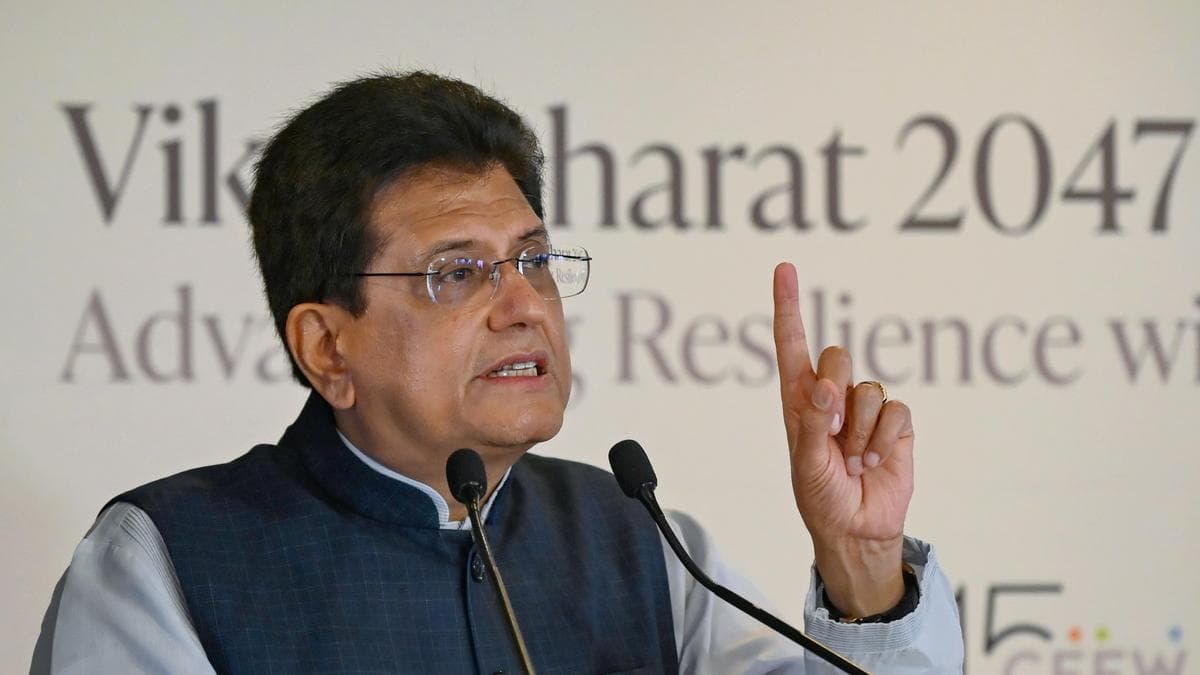
India Exports Rise in Early April Despite West Asia Crisis: Piyush Goyal
India's exports rose in the first three weeks of April compared with the same period last year, despite the West Asia conflict. Commerce Minister Piyush Goyal said exporters remain enthusiastic and are using alternative routes around the Strait of Hormuz....
Asian Development Bank Cuts Regional Growth Forecasts on Impact of War in West Asia
The Asian Development Bank slashed its growth outlook for Asia and the Pacific to 4.7% in 2026 and 4.8% in 2027, down from 5.1% for both years, citing the war in West Asia. It lifted its inflation projection to 5.2%...
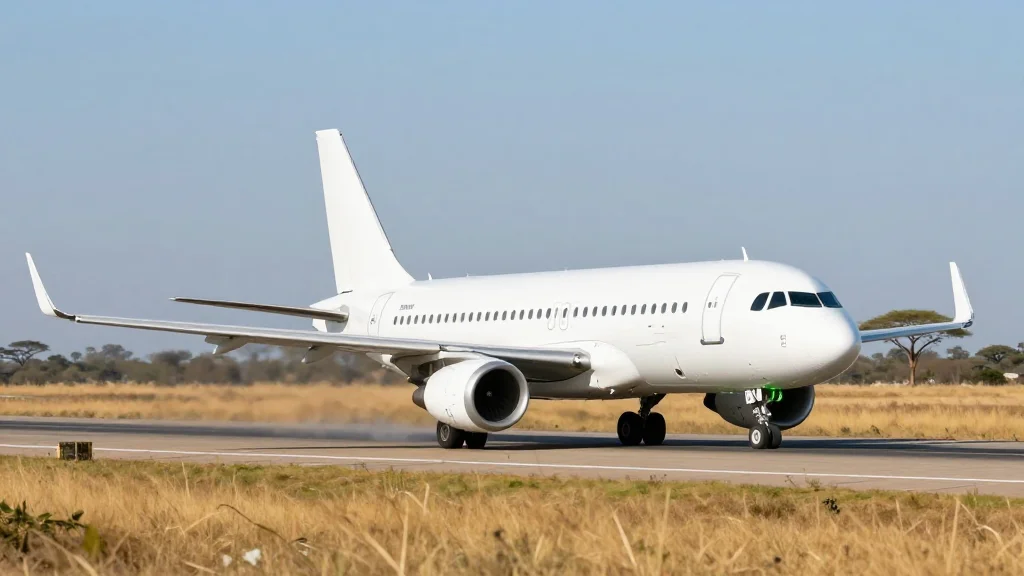
IATA Urges African Governments to Elevate Aviation as Driver of Growth and Integration
The International Air Transport Association called on African governments to treat aviation as essential infrastructure, presenting a four‑pillar strategy focused on safety, cost, regulatory ease, and sustainability. Accident rates fell to 7.86 per million sectors in 2025 but still lag...
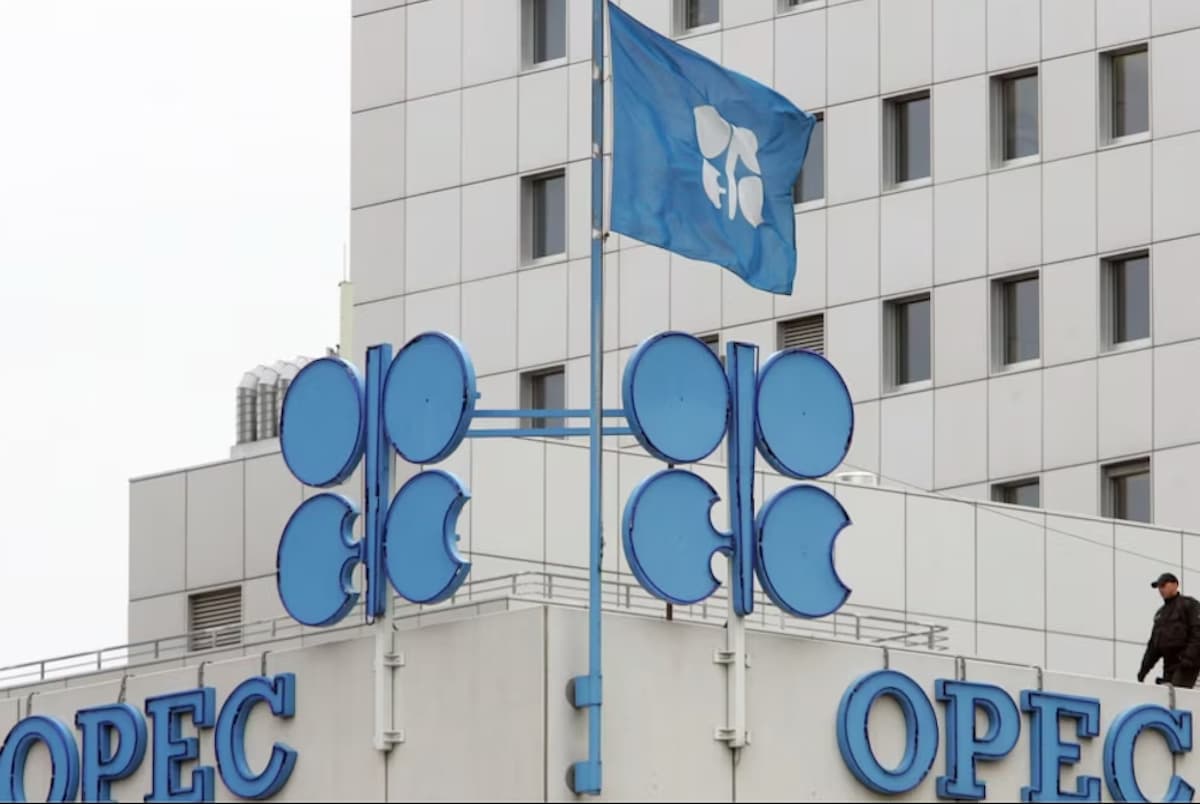
UAE’s OPEC Exit Signals New Global Oil Order
The United Arab Emirates announced its exit from OPEC and OPEC+, citing a need for greater production flexibility that aligns with its broader diversification into logistics, finance, aviation, and technology. The move highlights growing strategic divergence among Gulf states, as...
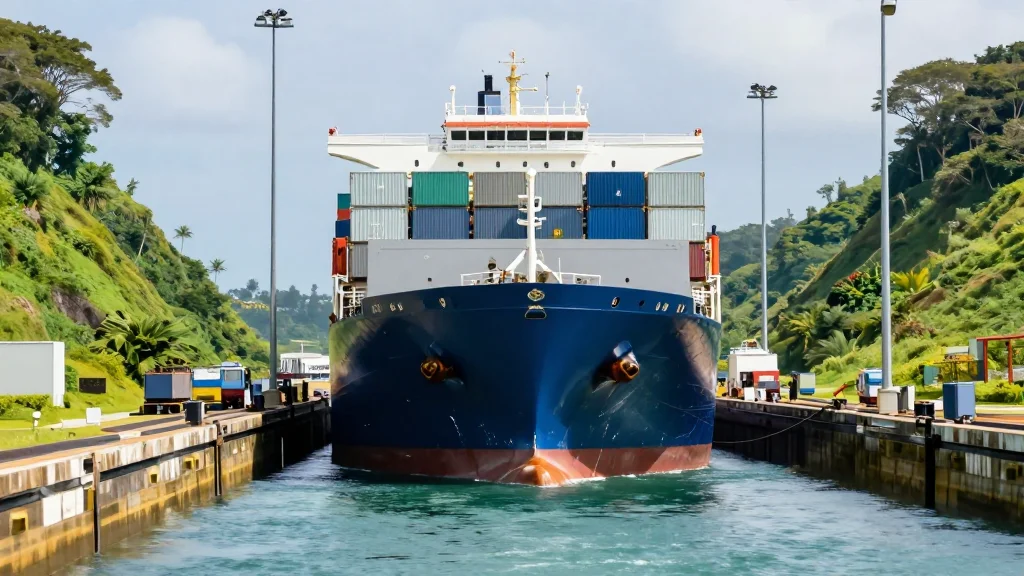
Panama Reaffirms ‘Neutrality’ of Canal Amid Middle East War
Panama reaffirmed the canal’s neutrality on April 28 as the Middle East war forces a surge in alternative shipping routes. Iran’s blockade of the Strait of Hormuz has driven oil and gas carriers to the Panama Canal, lifting daily transits...

Bank of Thailand Keeps Interest Rate Unchanged
The Bank of Thailand left its one‑day repurchase rate unchanged at 1.00%, the lowest level in more than three years, after six consecutive cuts that shaved 150 basis points off the policy rate. The decision reflects concerns that higher oil...

Nigeria Rebound Exposes Global Benchmark Blind Spot in African Markets
Nigeria’s equity market posted a sharp rebound in April 2026, rallying over 15% after months of underperformance. The surge highlighted a systematic blind spot in global benchmark indices, which largely exclude or underweight Nigerian and broader African equities. Analysts argue...

Hormuz Crisis Revives Thailand’s Land Bridge Plan but Business Case Still Lacking
Thailand is reviving its $30 billion land‑bridge plan that would link ports on the Gulf of Thailand and the Andaman Sea, a proposal gaining urgency after Iran’s virtual closure of the Strait of Hormuz. Prime Minister Anutin Charnvirakul says a special...

Are Investors Underestimating Emerging Markets? MoneyWeek Talks
Charles Jillings, co‑fund manager of Utilico Emerging Markets Trust, highlighted the resilience of emerging economies amid Trump‑era tariffs and lingering fallout from the Iran conflict. He argued that markets such as Brazil and the Philippines remain undervalued despite solid growth...
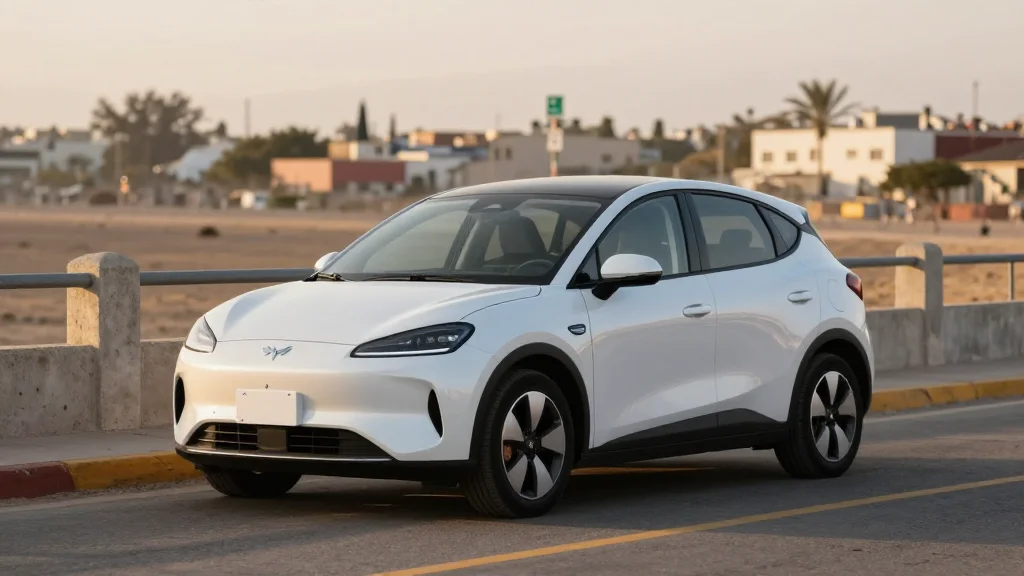
The U.S. Wants to Ban China’s High-Tech Cars, but They’re Already Here in El Paso
Chinese automakers Geely, BYD and Great Wall are selling affordable high‑tech vehicles in Ciudad Juárez, just five miles from El Paso, where U.S. consumers can easily cross the border to purchase them. The Geely EX2 electric compact starts around $20,000 and the...

China Plans Reforms and Technology Investment to Expand Service Sector by 2030
China announced a plan to expand its service sector to 100 trillion yuan—about $14.6 trillion—by 2030. The strategy combines regulatory reforms, digital‑technology investment, and greater openness to foreign cooperation. Key focus areas include producer services that back high‑end manufacturing, AI‑driven software upgrades,...

U.A.E. Is Leaving OPEC but Will Still Need to Exercise Caution as It Increases Oil Production
The United Arab Emirates announced it will leave OPEC on May 1, ending its roughly 12 percent contribution to the cartel’s output. The move follows long‑standing disputes with Saudi Arabia over quota allocations and reflects the UAE’s desire for greater production flexibility....

Kyrgyzstan Establishes New Trade Route to Pakistan, via China
Kyrgyzstan successfully completed a pilot truck run from Bishkek to Karachi, establishing a 3,300‑kilometer land corridor that runs through China via the Karakoram Highway. The route bypasses Afghanistan, offering a secure alternative for the landlocked nation to reach a seaport....

Turkmen Gas Is Back on Turkey’s Agenda
Turkey has lost its Iranian gas imports, which supplied about 15% of its demand, and is reviving interest in a trans‑Caspian pipeline to bring Turkmen gas to Turkey and Europe. Energy Minister Alparslan Bayraktar urged international talks on the never‑built...

These Two Countries Are the Most Likely to Leave OPEC’s Orbit Next
The United Arab Emirates is viewed as the most likely member to exit the Organization of the Petroleum Exporting Countries, signaling a potential shift in the cartel’s composition. Analysts point to Kazakhstan and possibly Iraq as the next candidates, citing...
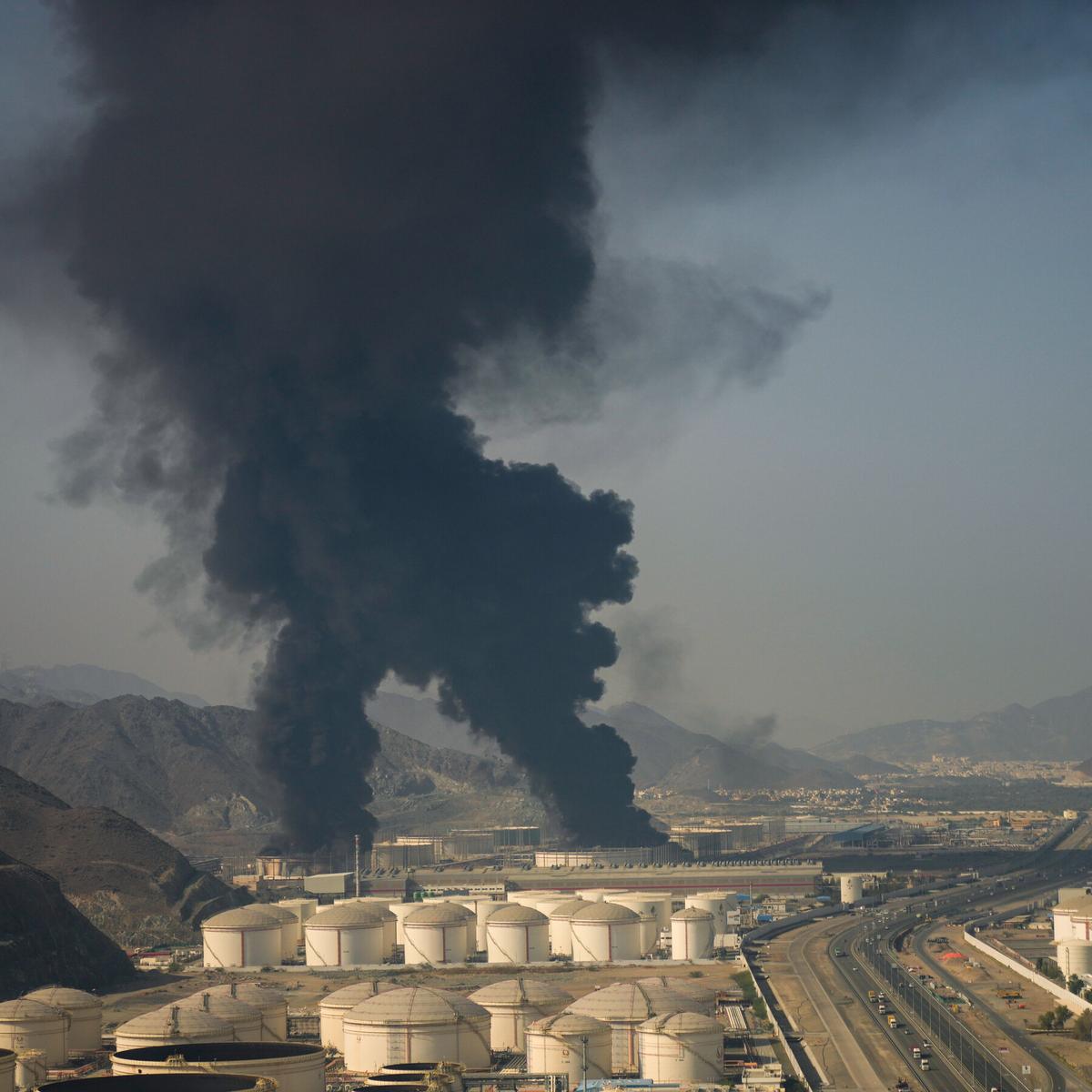
Amid Iran War and Tensions with Neighbors, U.A.E. Goes Its Own Way
The United Arab Emirates announced it is leaving OPEC as Saudi Arabia hosted a Gulf summit, positioning itself to increase oil output independently. Abu Dhabi cited long‑term market needs and frustration with Saudi‑driven production quotas. The move underscores a widening...

China Pulls the Plug on Meta’s AI Acquisition
Meta’s $2.5 billion acquisition of Singapore‑based AI startup Manus was approved by Chinese regulators in December but was abruptly blocked in April. The reversal reflects a rapid shift in Beijing’s national‑security calculus over artificial intelligence. Meta now faces a likely loss...