
Iran War Disrupting Global Gas Markets
The International Energy Agency warns that the war in Iran has triggered a sharp supply shock in the global natural‑gas market. Production disruptions and transport bottlenecks are pushing spot prices higher and eroding the momentum of a planned surge in liquefied natural‑gas (LNG) capacity. The IEA’s latest quarterly report projects that the conflict will delay the entry of new LNG projects by at least one year, tightening global supply‑demand balances. Analysts see the fallout reverberating across Europe, Asia and North America as utilities scramble for alternative sources.

Cashless Payments Increasingly Adopted Across Emerging Markets, Report Reveals
The Bank for International Settlements reports cashless payments are expanding faster in emerging markets than in advanced economies. Per‑capita cashless transactions in EMDEs rose 21% to 242 last year, while advanced economies saw a 6% increase to 579. Credit transfers...
How to Incorporate Rising Political Risk Into Investment Management
The article outlines how investment managers can systematically embed rising political risk into portfolio construction and oversight. It highlights the shift from ad‑hoc news monitoring to quantitative scenario modeling, stressing the need for granular country‑level exposure data. The piece also...

Gov’t Handling Crisis Well
The Philippine government swiftly declared a national energy emergency amid the Middle East conflict, unlocking powers to procure fuel and curb hoarding. It released roughly $357 million from the Malampaya gas fund, secured a 400,000‑barrel crude shipment that provides about 50...
Faisal Islam: Why the UAE's Exit From Opec Is a Big Deal
The United Arab Emirates announced an abrupt exit from OPEC, ending its 3‑3.5 million barrel‑per‑day production quota. As the OPEC member with the second‑largest spare capacity, the UAE could boost output to roughly 5 million barrels daily and ship oil through new...
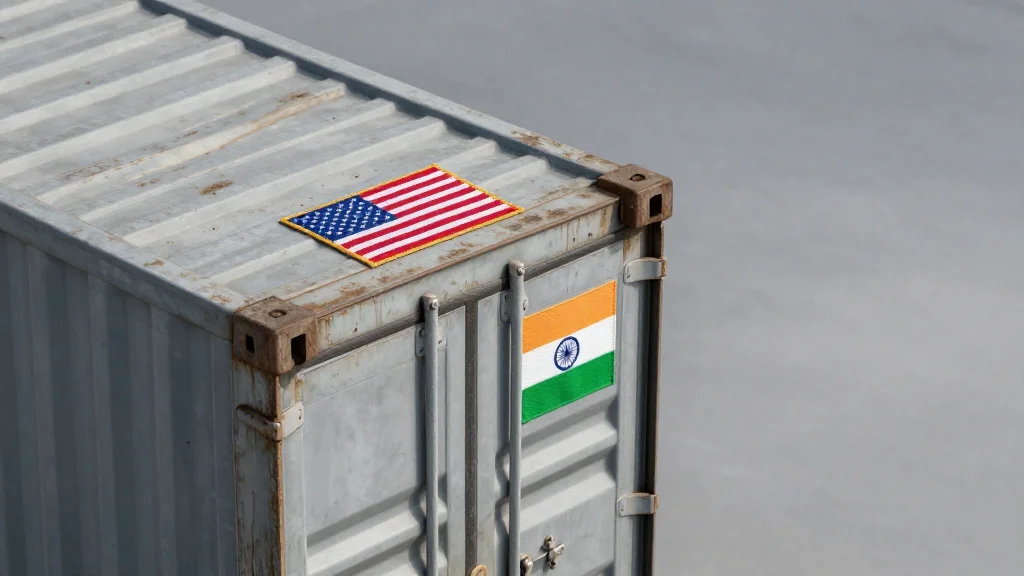
India to Challenge US Section 301 Probes in Public Hearings over Two Weeks
The Indian government and industry representatives from textiles, auto parts, plastics and solar are testifying in Washington to contest USTR Section 301 investigations. Hearings on forced‑labour allegations are set for April 28‑29, followed by overcapacity hearings May 5‑8. India argues the probes mischaracterize...
Asia’s Economic Diplomacy for Tumultuous Times
Asia’s leading economies—China, India, Japan, South Korea and Vietnam—are reshaping economic diplomacy by pairing strategic international engagement with robust domestic capacity‑building. The article argues that this hybrid model, rooted in pragmatic bargaining and institutional learning, offers a playbook for middle...
U.A.E. Quits OPEC: Here’s What It Means for Oil Prices and the Economy
On May 1, 2026 the United Arab Emirates will withdraw from OPEC and its OPEC+ alliance, citing a strategic decision to expand its own energy output. The move follows heightened geopolitical tension from the Iran‑Israel conflict, which has already driven down global...
Egypt on the Frontline of Iran War's Economic Disruption
Egypt is feeling the brunt of the Iran‑Israel‑US conflict as oil prices surged to around $100 a barrel, inflating its petroleum import bill and widening the current‑account gap. The Atlantic Council estimates the deficit could swell from $15 billion to $24 billion,...

Magyar Promises Austerity to Get Into Eurozone by 2030
Hungary’s new Tisza party, led by Peter Magyar, has pledged euro‑zone membership by 2030, launching the accession process within weeks. Finance‑minister nominee András Kármán says the government will meet Maastricht criteria, despite current deficits of 4.7% of GDP and public...
The United Arab Emirates Is Quitting OPEC Oil Cartel After Nearly 60 Years
The United Arab Emirates announced it will leave OPEC on May 1, ending almost 60 years of membership. The exit is presented as part of a long‑term strategic vision that lets the emirate tap its large spare‑capacity and raise output once export...

Canada’s Push to Rebuild Ties with China Hits a Snag: A Lack of Direct Flights
Canada announced it will increase direct passenger flights to China and allow up to 20 weekly cargo services, aiming to revive tourism after a surge in Chinese bookings following visa‑free entry. Travel demand from China to Canada has more than...

Japan: Passive Anchor Turned Capital Powerhouse
Japan is shedding its image as a passive anchor of ultra‑low rates, with monetary normalization driving yields on Japanese Government Bonds higher. A narrowing interest‑rate gap with the United States is prompting global investors to rebalance allocations toward Japan. Simultaneously,...
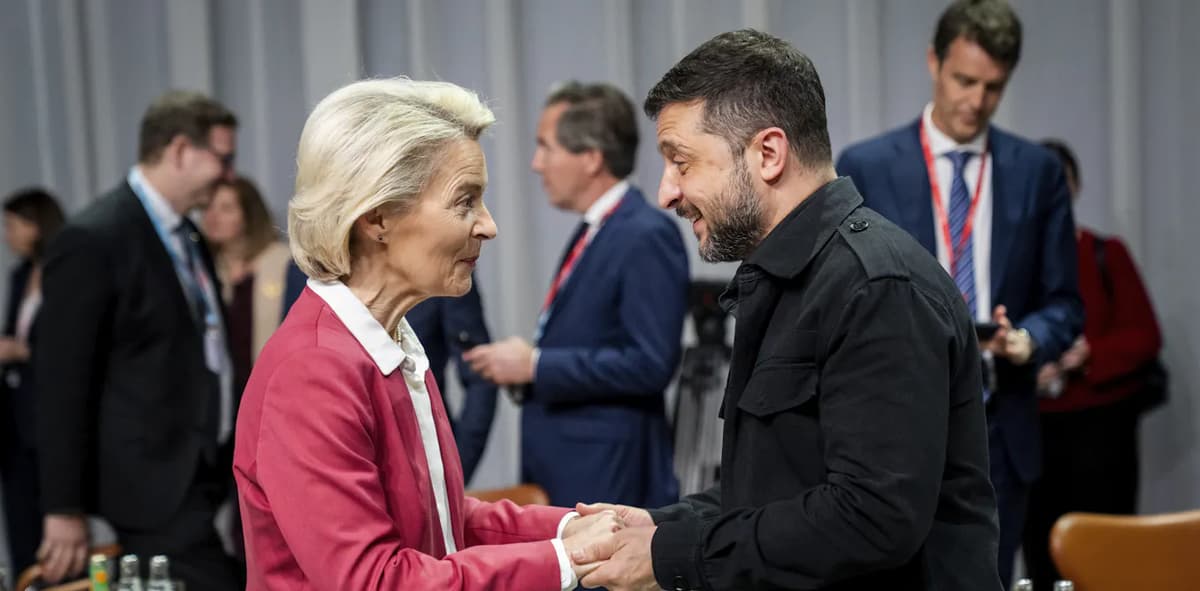
EU Enlargement Is Often Deeply Political – as Ukraine and Montenegro Show
The EU cleared a $97 billion loan for Ukraine after Hungary and Slovakia dropped their objections, coinciding with Viktor Orbán’s electoral defeat. At the same time, EU leaders at a Cyprus summit could not agree on a timeline for Ukraine’s accession,...

TerraHex Rebrand Signals Nigeria’s 18MW Bitcoin-AI Compute Push
TerraHex Digital Assets Corp, formerly Terrahash, announced a rebrand that underscores its expansion into Nigeria’s digital‑infrastructure market. The company has secured 18 MW of underutilised power to run both bitcoin mining and high‑performance AI compute workloads. Its Power‑for‑Equity model partners with...

Debt Boom Lifts Africa Startup Funding to $600m in Q1 2026
African startups secured $600 million in Q1 2026, a 27% rise driven almost entirely by a six‑fold jump in debt financing to $305 million. Equity funding fell 27% to $290 million, and the total number of deals dropped 34% to 92, with smaller rounds...
Ghana Gambles On Gold Royalties
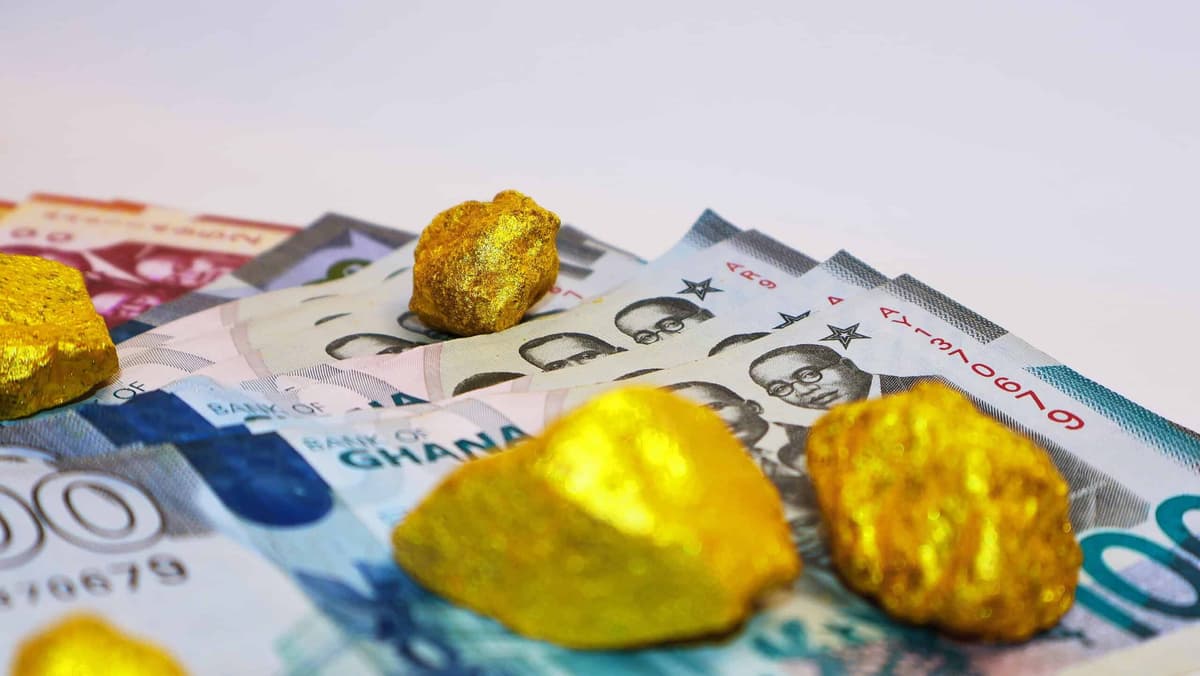
Ghana introduced a sliding‑scale gold royalty that rises to 12% once the spot price passes $4,500 per ounce, immediately placing the country’s major miners in the highest tax bracket as gold traded above $5,000. The sector, which produced a record...
South Korea’s Precarious Balancing Act
South Korea faces a precarious balancing act as it navigates an unpredictable U.S. administration under President Donald Trump and a rapidly assertive China. The export‑driven economy, long protected by the U.S. security umbrella, now confronts heightened geopolitical risk and volatile...
China Orders Maritime Security Research as Strait of Hormuz Crisis Exposes Trade Risks
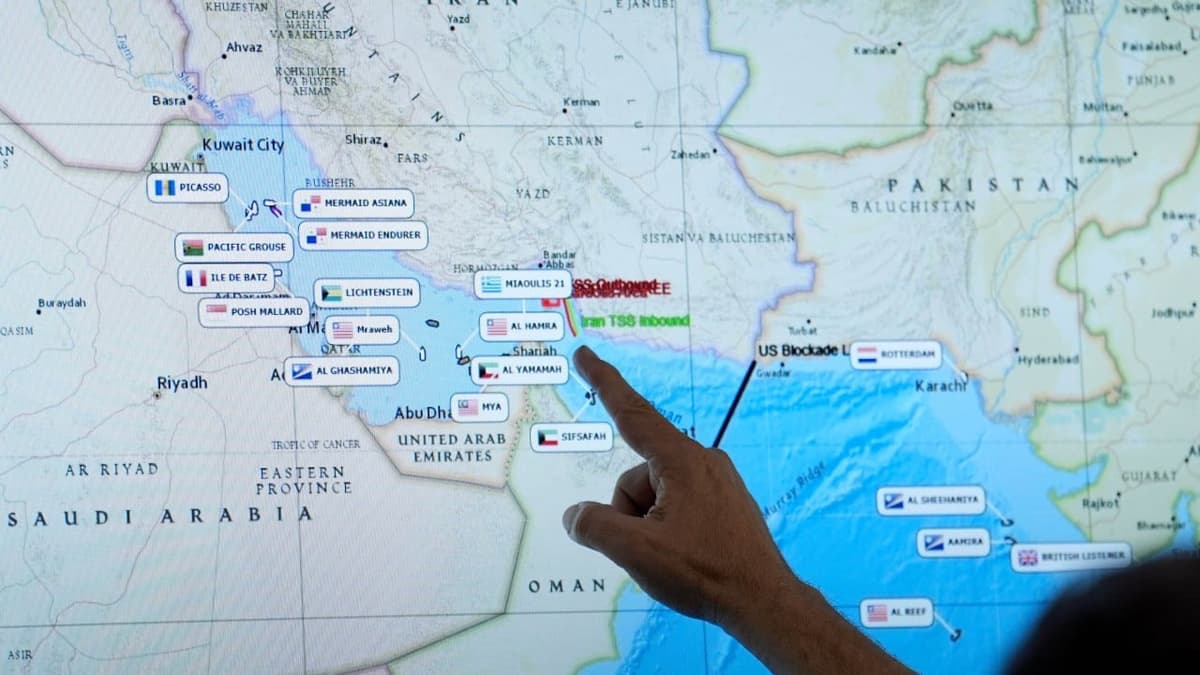
China’s State‑owned Assets Supervision and Administration Commission (Sasac) unveiled a 30‑project research agenda, with four studies dedicated to energy security and maritime chokepoints after the Iran‑Israel war effectively shut the Strait of Hormuz, which carries roughly 20% of global oil...
Facing US and Chinese Pressure, the EU Must Forge Its Own Strategy
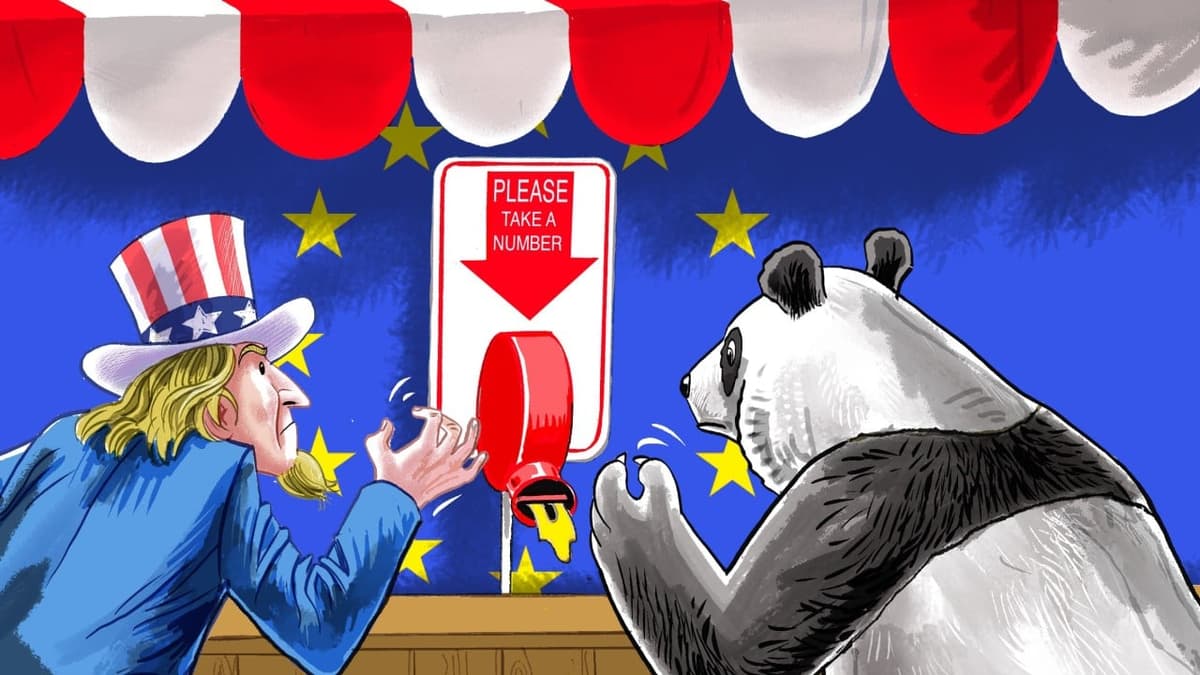
The EU faces a widening trade deficit with China—about €360 billion (≈$425 billion) in 2023—while U.S. tariffs have forced Europe into a reactive, rather than coordinated, stance. This drift has left the bloc economically tethered to Beijing yet pressured to align with...

Iran Standoff Keeps Crude Near US$100 and Puts Strait Risk in Focus
Oil prices surged over 2.5% as the Strait of Hormuz remained effectively closed, keeping crude near the $100 per barrel threshold. Iran offered to reopen the waterway if the U.S. lifts its naval blockade, but President Trump rejected the proposal...
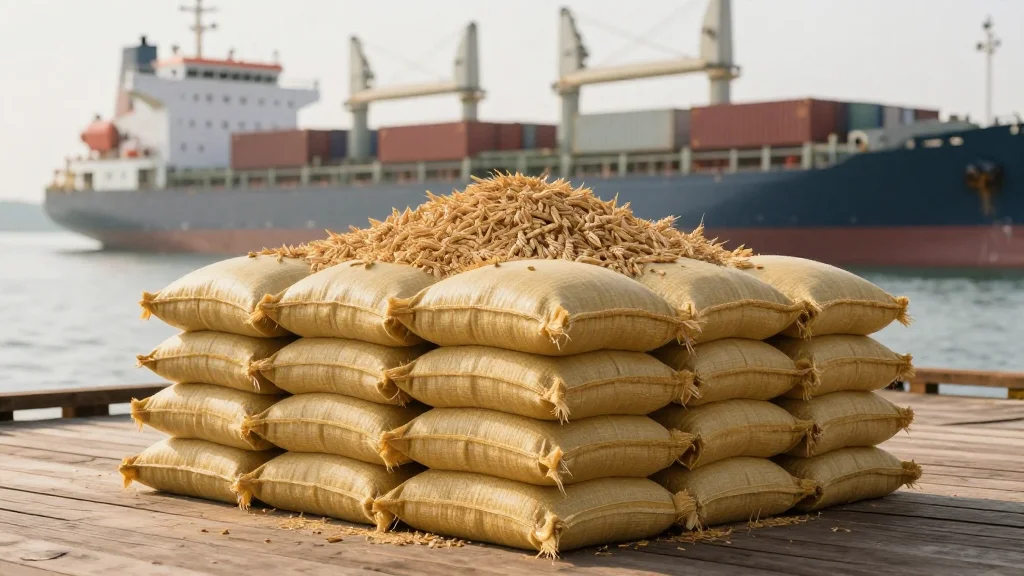
India Allows 25 Lakh Tonnes Additional Wheat Exports, Total Reaches 50 Lakh Tonnes
India's Directorate General of Foreign Trade approved an additional 2.5 million tonnes of wheat for export, raising the total permissible wheat export quota to 5 million tonnes for the 2025‑26 marketing year. The decision also expands wheat‑product exports by 1 million tonnes, bringing...
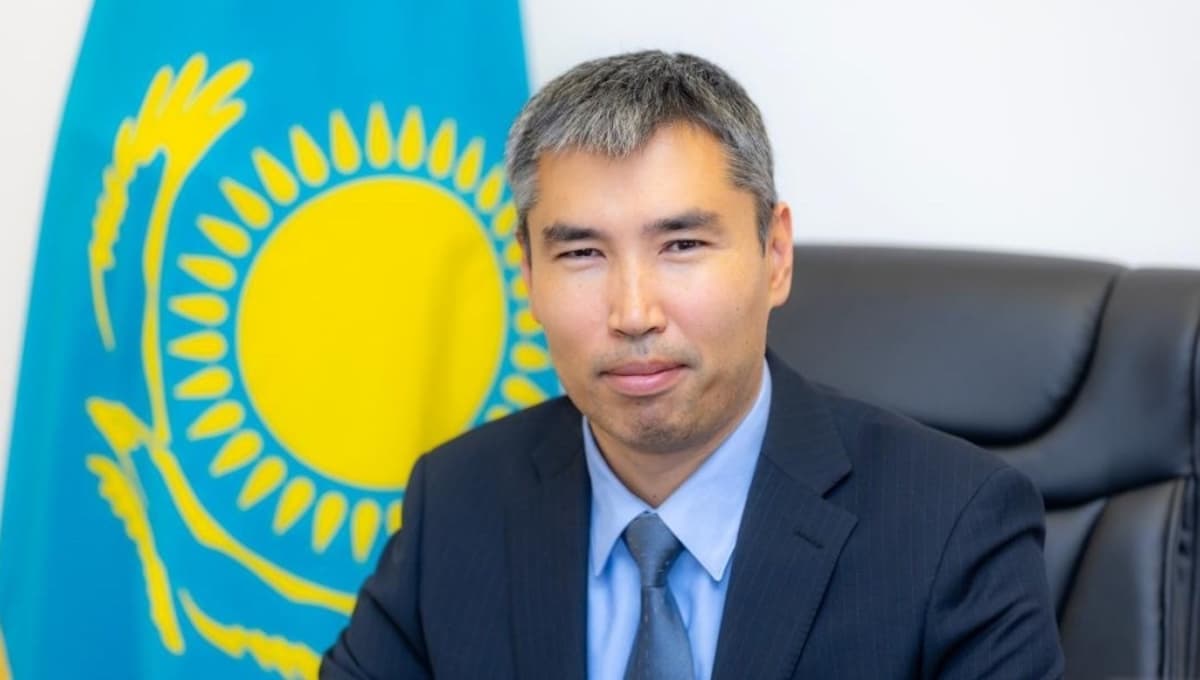
INTERVIEW: Kazakhstan Bets on Reliability, Digitisation to Capture Shifting Global Supply Chains
Kazakhstan is leveraging reliability and digitalisation to turn its land‑locked position into a logistics hub, centring on the Middle Corridor that links Asia and Europe. Recent infrastructure upgrades—including a second Dostyk‑Moyntau railway line that quintupled capacity and expanded Caspian ports—have...

Hormuz Deadlock Spurs Landbridge Developments
The Hormuz blockade is prompting Saudi Arabia and Egypt to build a landbridge logistics corridor that bypasses the Strait of Hormuz, linking Gulf ports to the Mediterranean via rail and sea. The route will run across Saudi to Red Sea...
What Global Turmoil Means for Company Structure
The accelerating geopolitical upheaval—from wars in Ukraine and the Middle East to digital‑sovereignty battles—is forcing multinationals to overhaul traditional structures. Companies are reconsidering the classic exit‑relocate‑reorganize playbook, with many opting for polynational models that embed semi‑autonomous units and local ownership....
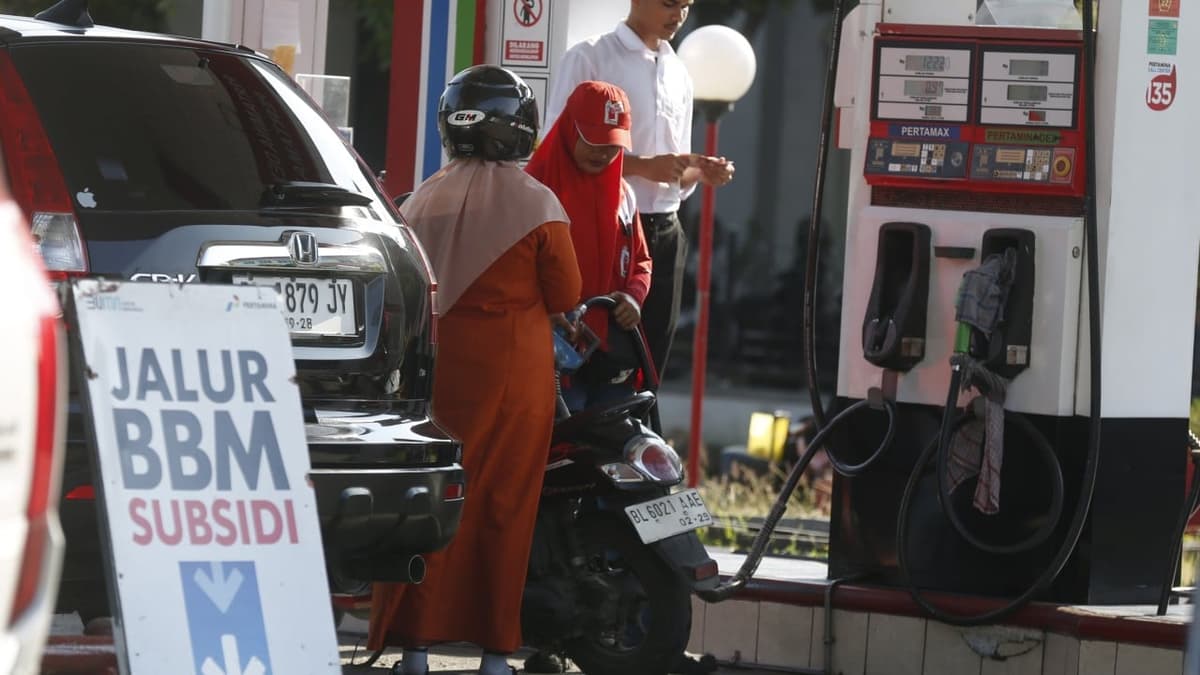
Energy Security Comes First for Indonesia as It Defies EU over Russian Oil
Indonesia announced a commitment from Russia to ship 150 million barrels of crude oil, enough to meet domestic demand through the end of the year. The deal was sealed during President Prabowo Subianto’s meeting with Vladimir Putin and comes as the...
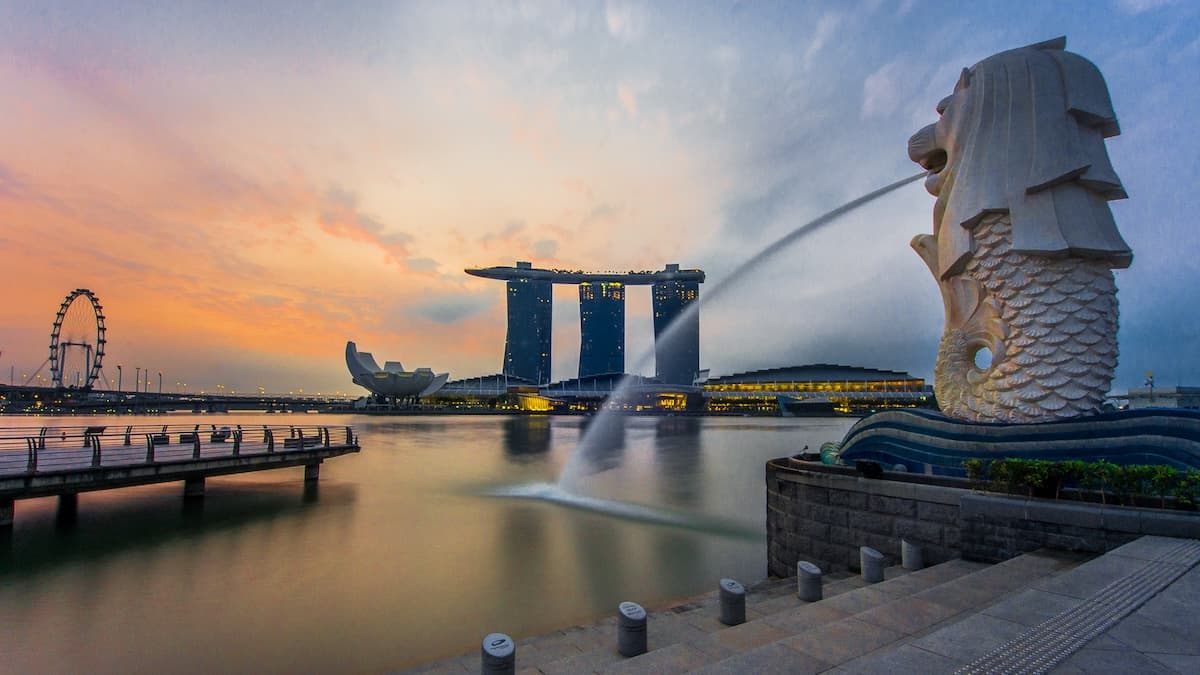
Singapore’s AI Neutrality Is Cracking Under US-China Pressure
Singapore’s long‑standing claim of political neutrality is being tested as U.S. and Chinese pressures converge on its AI ecosystem. This week Chinese regulators forced Meta to unwind its $2 billion acquisition of Singapore‑based AI startup Manus, signaling that a company’s origin...
Mugur Isărescu: South-East Europe's Next Leap Forward
Governor Mugur Isărescu outlined Romania’s post‑Covid recovery, noting that inflation, which spiked after energy and food price shocks, has begun to ease but remains exposed to supply‑side volatility. He emphasized the need for gradual fiscal consolidation, deeper structural reforms, and...
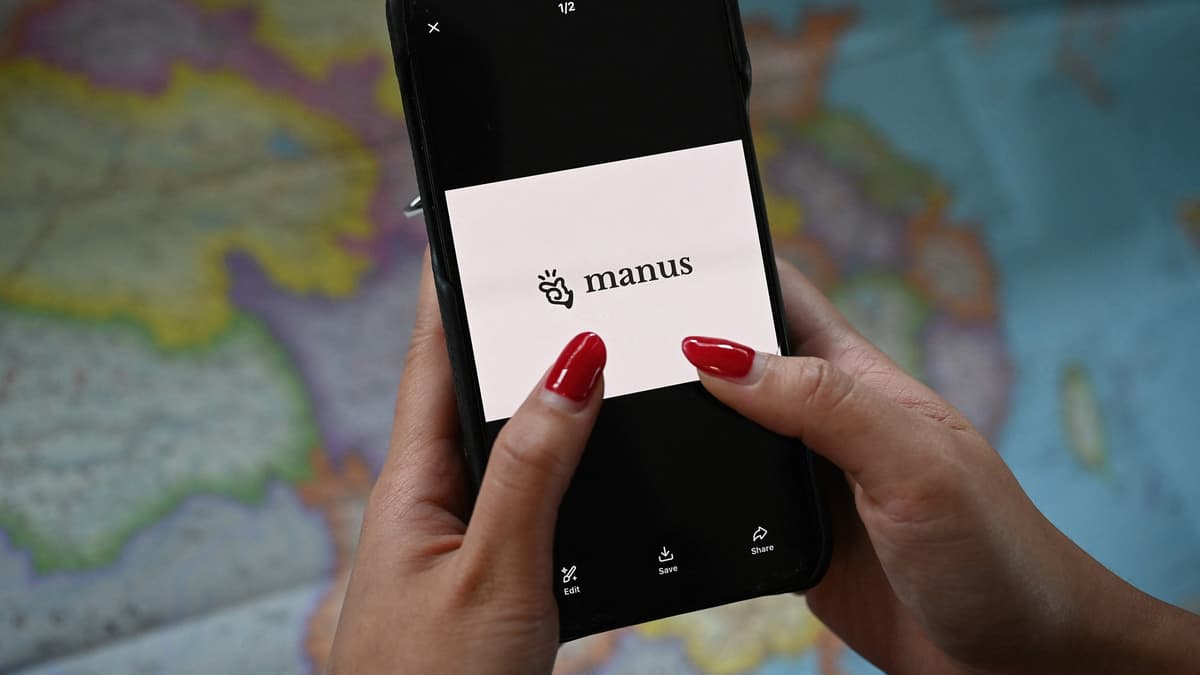
China’s Meta-Manus Block Slams Door on ‘Singapore-Washing’
China’s National Development and Reform Commission abruptly blocked Meta’s $2 bn acquisition of AI start‑up Manus, ordering the deal’s cancellation after the company moved its legal domicile to Singapore. The move ends a four‑month‑old transaction that Meta had already integrated, underscoring...

'If We Invest Wisely Today...': Vijay Kedia Shares Growth Mantra for India, Cites China’s Big Spending Model
Ace investor Vijay Kedia used a X post to compare India’s FY 2025‑27 spending with China’s, highlighting stark gaps in education, R&D, defence and infrastructure. He argues that India’s lower per‑capita income and resource constraints are offset by a youthful demographic...

Cuba Courts Exiles, Entrepreneurs In Reform Effort
Cuba has unveiled Decree‑Law 114/2025, creating mixed limited‑liability companies (SRL mixta) that let private firms, state entities and foreign partners jointly manage accounts, pricing and trade. The reform also permits Cuban expatriates to open foreign‑currency accounts and own or partner...

U.S. Turns to Africa for Critical Minerals as Supply Chain Risks Grow
The United States is turning to Africa to secure critical minerals essential for electric vehicles, renewable energy, and defense. Gabon now supplies 100% of U.S. manganese imports, while South Africa provides the majority of platinum, chromium and palladium. This shift...

China Supplies over 30% of India's Industrial Goods; Overdependence on Single Nation Critical: GTRI
India’s industrial imports are heavily weighted toward China, with the latter supplying roughly 30.8% of the nation’s industrial goods in FY 2025‑26. While China accounts for 16% of India’s total imports, its share jumps to 66% in high‑tech categories such as...
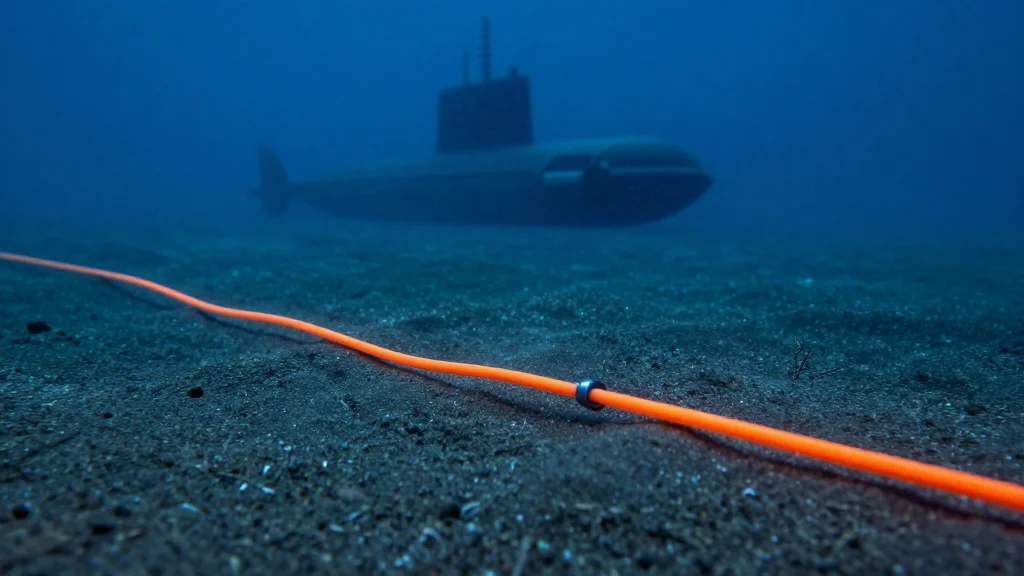
Explainer: The War in Iran Now Threatens the Global Internet
Iran has warned that the Strait of Hormuz’s submarine cables are a vulnerable chokepoint for the region’s digital economy, underscoring the strategic importance of the undersea network that carries roughly 99% of global internet traffic. The waterway links Southeast Asia,...

Finance Ministry Cuts 2026 Growth Forecast to 1.6% Due to Middle East War
Thailand’s Ministry of Finance cut its 2026 GDP growth forecast to 1.6% from 2.0% after the Middle East war raised energy costs and disrupted trade. The ministry lifted its export growth outlook to 6.2% for the year, up from a...
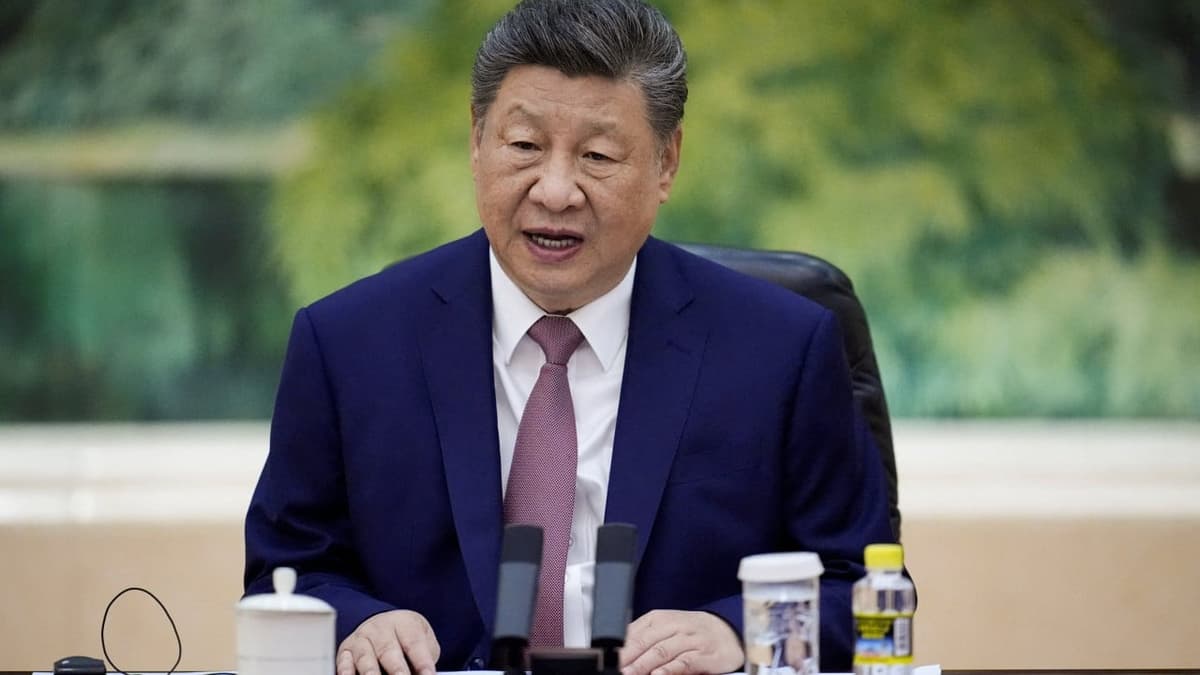
China’s Politburo Steps up Policy Response as Iran War Shakes Global Economy
China’s Politburo announced a sweeping policy push to cushion the economy from the fallout of the US‑Israel conflict over Iran. The leadership pledged to accelerate infrastructure projects, deepen technology self‑reliance, and tighten energy‑security measures. Officials framed the response as a...
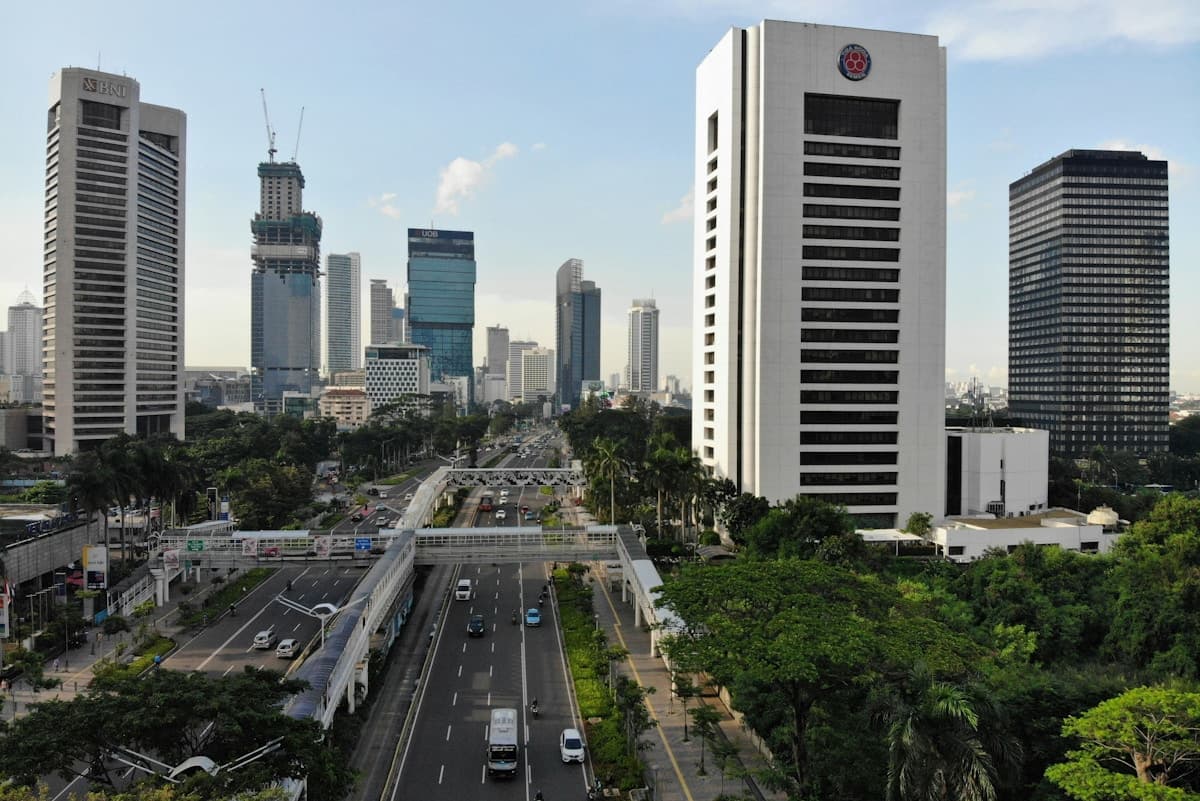
Indonesia Ends Nationwide EV Tax Breaks, Shifts Control to Regions
Indonesia has ended its nationwide zero‑tax incentive for electric vehicles, moving tax authority to provincial governments. Under the new framework, EVs will be subject to the standard Motor Vehicle Tax and title‑transfer fee, with rates set locally. The shift creates...
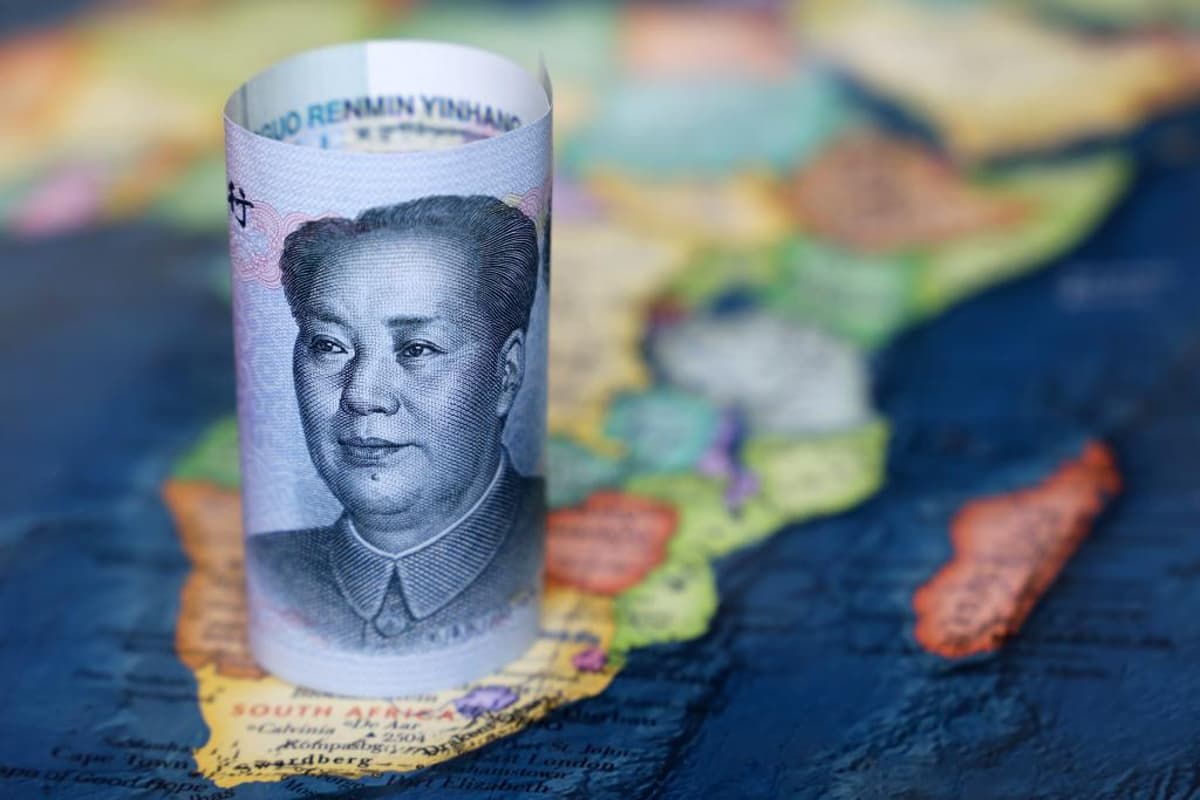
Why Are Chinese Banks Investing in Airports in Africa and Who Are They?
Chinese state-owned banks are increasingly providing loan financing for African airport projects, using the deals to extend Beijing’s soft power and secure access to critical minerals. Over 60 Chinese‑financed airport contracts have been signed in the past 20 years, with...
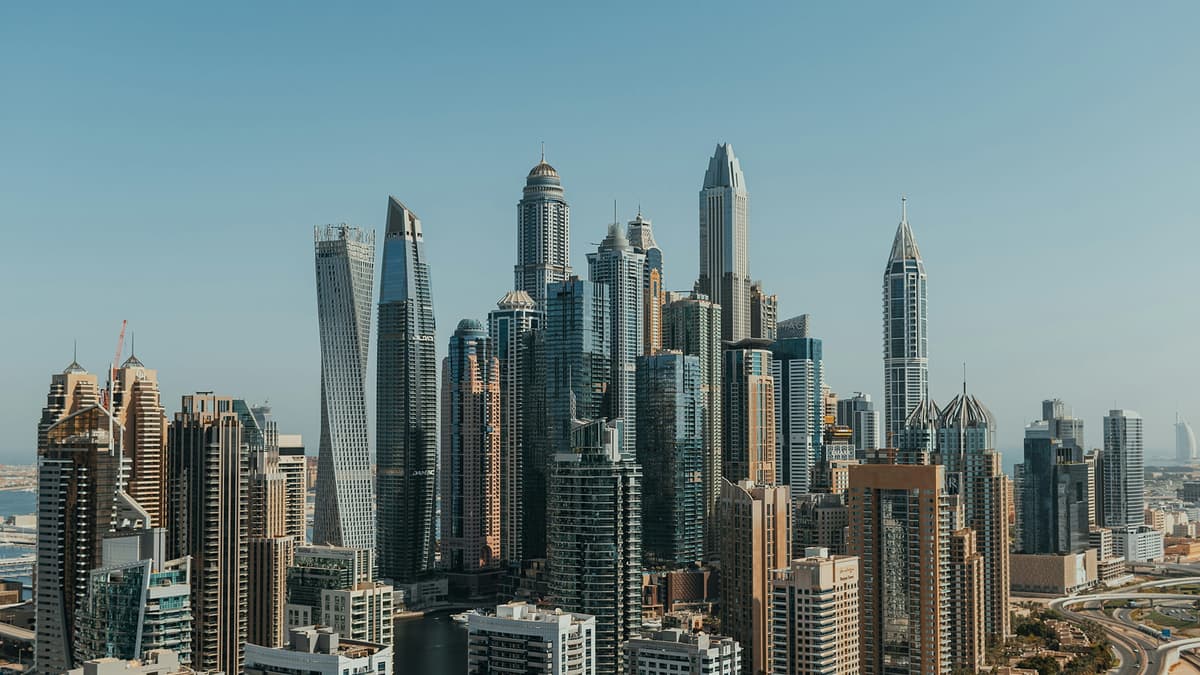
Dubai Open for Business, as Economic Head Cites Oman “Green Corridor”
Dubai’s economic chief Hadi Badri reassured investors that the emirate remains a safe haven despite escalating Iran‑U.S. tensions, highlighting a new “green corridor” with Oman that streamlines customs for air and road shipments. On April 1 the government unveiled a AED 1 billion...
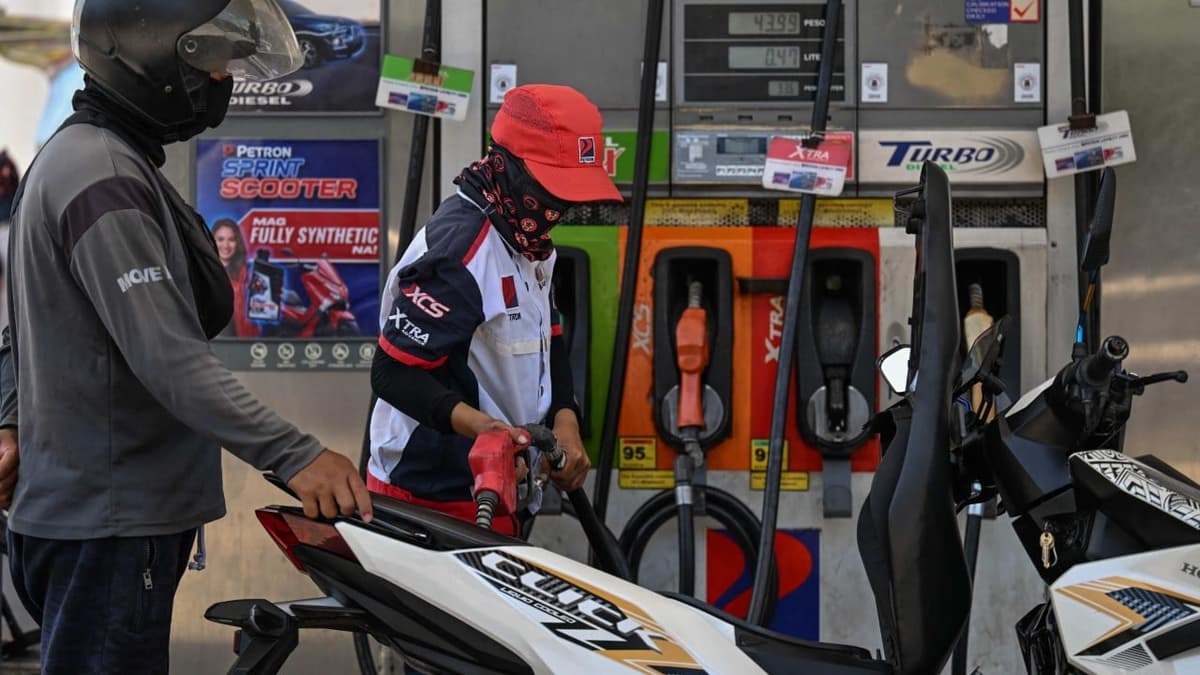
Will Asean’s Scramble for Russian Oil Fuel Shift in Regional Alliances?
Southeast Asian nations are turning to Russian oil to fill shortages caused by the Strait of Hormuz blockage. Countries including Vietnam, Indonesia, Malaysia, the Philippines and Myanmar have secured U.S. sanctions waivers and signed energy deals with Moscow. The move...

China Faces a France-Sized Demographic Loss that Threatens Coastal Growth: Analysts
China is projected to lose about 60 million people over the next decade, a decline roughly equal to France’s entire population. The shrinkage will hit the affluent coastal provinces that have driven most of China’s growth, reducing labor productivity and household...

Taking the Three Seas Initiative to the Next Level
The Three Seas Initiative, now a 13‑nation coalition covering the Baltic, Black and Adriatic seas, has built an investment fund that posts roughly 15% annual returns but still operates without a permanent bureaucracy. With a combined GDP of over $3 trillion...

Iran Crisis: Pakistan’s Prominence and India’s Strategic Silence
The U.S.–Iran cease‑fire has been extended indefinitely, yet the Strait of Hormuz remains shut, keeping global oil shipments constrained. On The Diplomat’s Asia Geopolitics podcast, hosts highlighted Pakistan’s unexpected emergence as the primary mediator between Tehran and Washington. In contrast,...

Middle East Tensions Hit Saudi Plans on FOREIGN CORRESPONDENT
ABC’s Foreign Correspondent examined Saudi Arabia’s Vision 2030 amid escalating Middle‑East conflict. Reporter Matthew Doran returned during a fragile cease‑fire to assess whether the war sparked by the US and Israel’s actions against Iran threatens the Kingdom’s multi‑trillion‑dollar diversification plan....
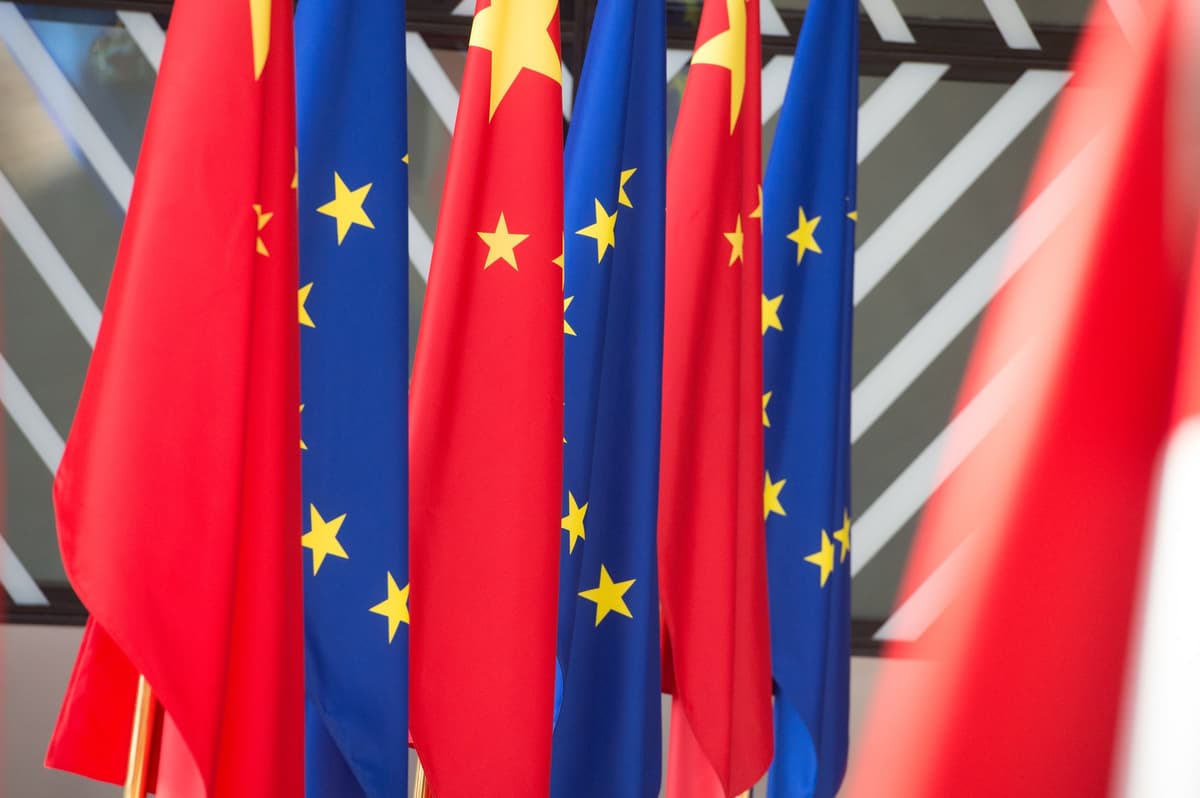
A Trade Row ‘Made in Europe’
The EU Commission’s Industrial Accelerator Act introduces a “Made in Europe” rule that ties public funding in strategic sectors to a minimum share of European‑origin parts. The provision, aimed at reducing reliance on foreign suppliers, effectively forces Chinese electric‑vehicle and...
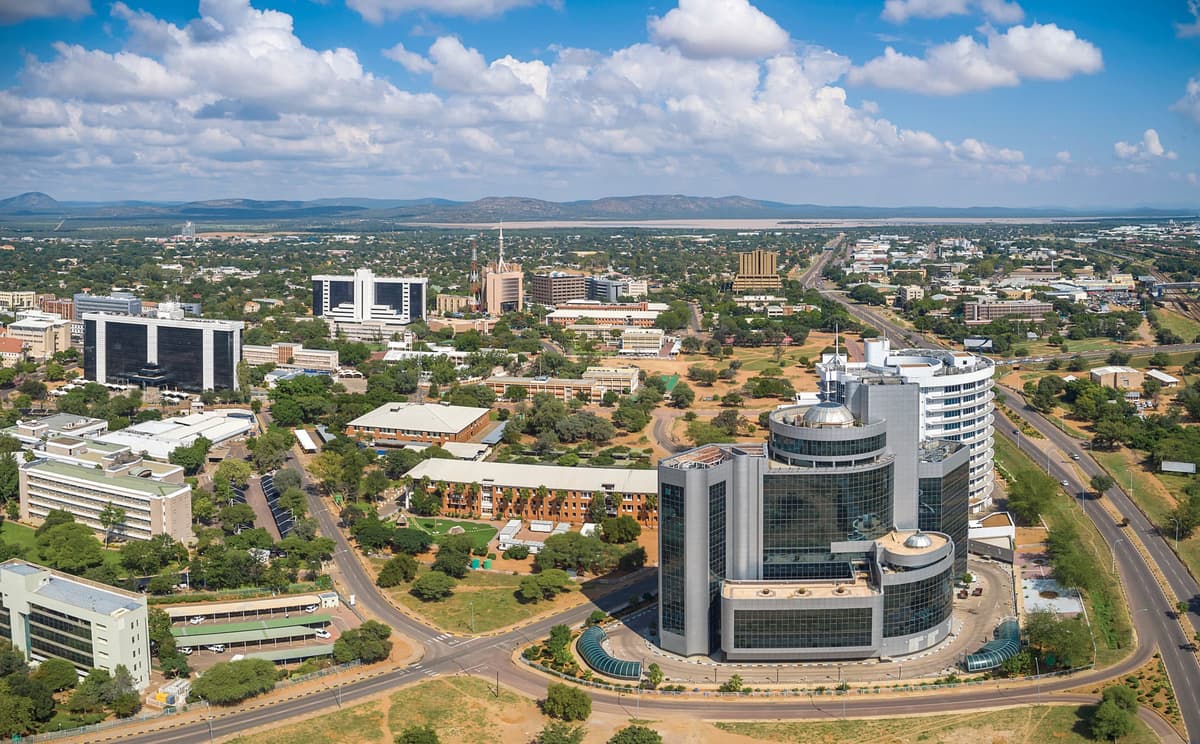
Botswana Tech Fund Sees Opportunity Where African Venture Capital Rarely Flows
The Botswana Tech Fund, anchored by billionaire Stephen Lansdown, has secured £10 million ($13.5 million) to invest in under‑funded Southern African startups. Its multi‑stage approach combines a pre‑seed accelerator offering £100 k ($135 k) cheques to about 100 companies over five years with growth‑stage...

Live Updates: Oil Prices Rise
Iran has signaled willingness to reopen the Strait of Hormuz for commercial shipping if the United States ends its military blockade of Iranian ports and vessels. The proposal offers no concessions on Tehran’s nuclear program, which President Trump insists must...
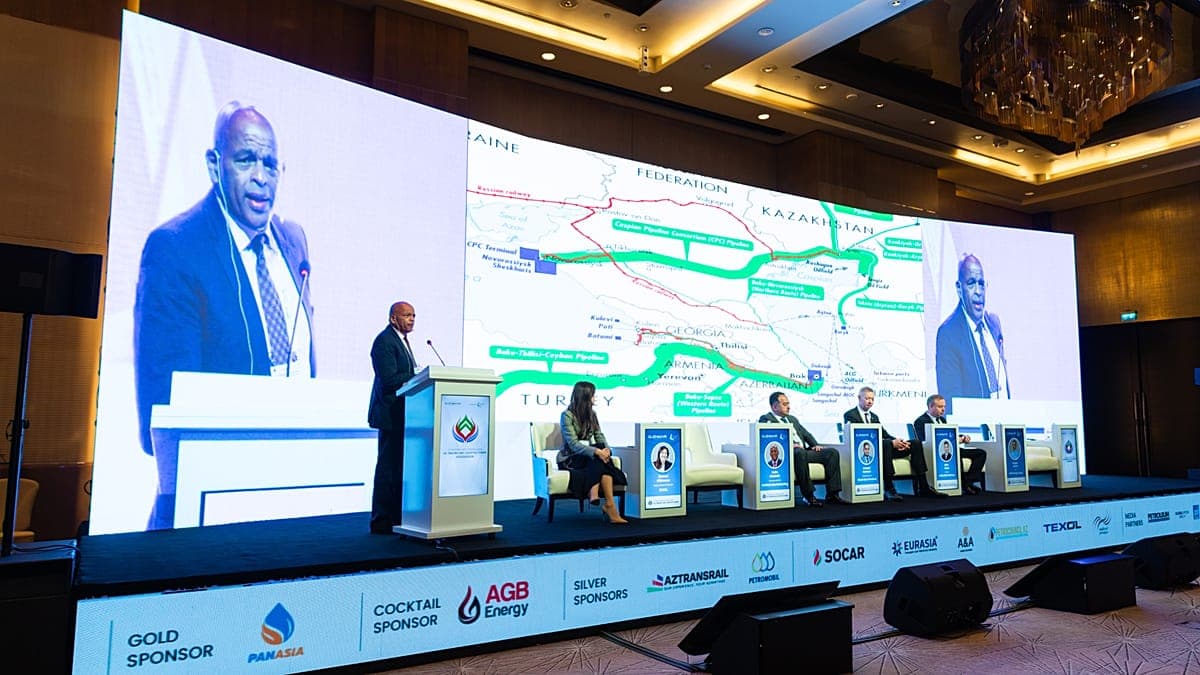
Caspian and Central Asian Oil Markets Recalibrate Amid Trade Shifts
At the second Caspian and Central Asia Oil Trading and Logistics Forum in Baku, producers and traders highlighted a pivot toward flexible, short‑term trading as Asian refiners dominate demand. Long‑standing pipeline routes remain vital, but participants are exploring alternative corridors,...
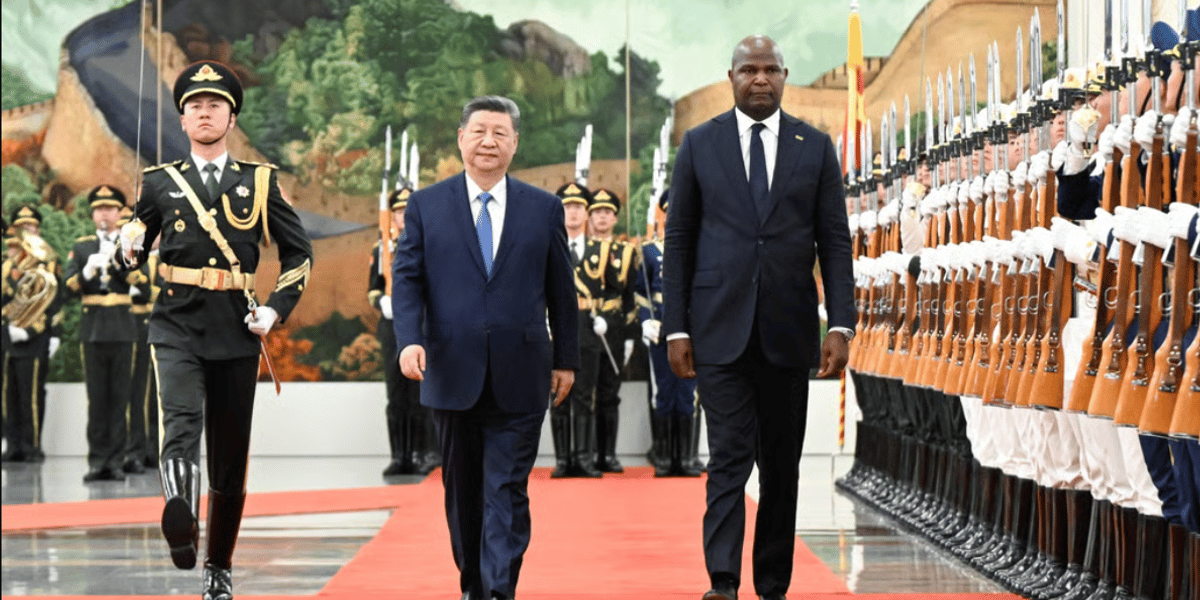
Mozambique and China Forge Strategic Pact to Develop Minerals, Energy and Security Capacity
Mozambique and China signed a comprehensive cooperation pact that blends defence collaboration, geological mapping and industrial investment to unlock the country’s vast natural‑resource frontier. The agreement targets the Rovuma Basin’s more than 5 trillion cubic metres of gas and untapped deposits...
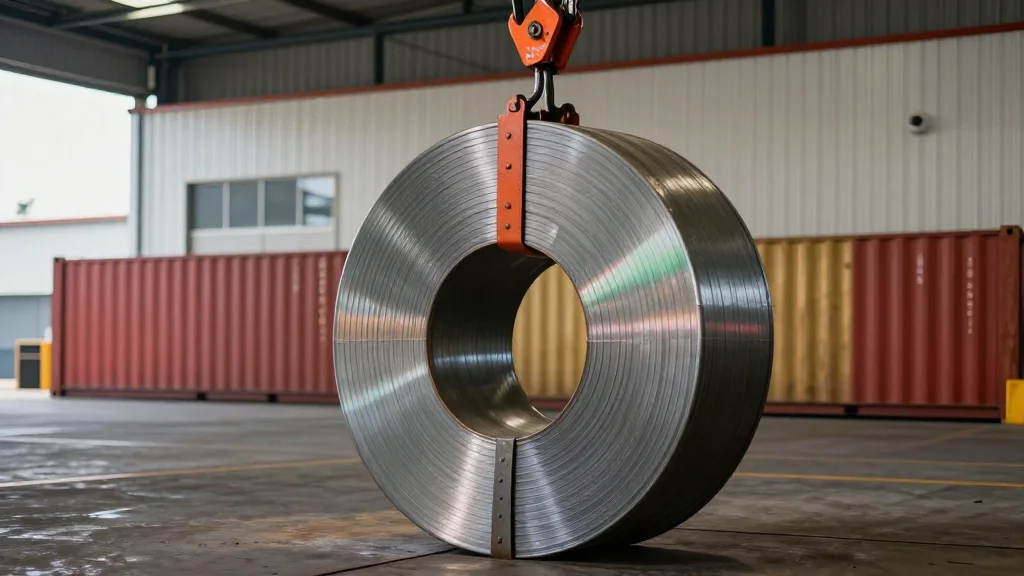
Why Chinese Steel Imports Threaten Mexican Manufacturing Jobs
China’s steel sector is awash with excess capacity after a construction slowdown, prompting a flood of low‑priced steel into global markets. In 2025 China produced roughly 960 million tonnes of crude steel, dwarfing Latin America’s 55.5 million tonnes. Mexican officials warn that...