Today's Emerging Markets Pulse
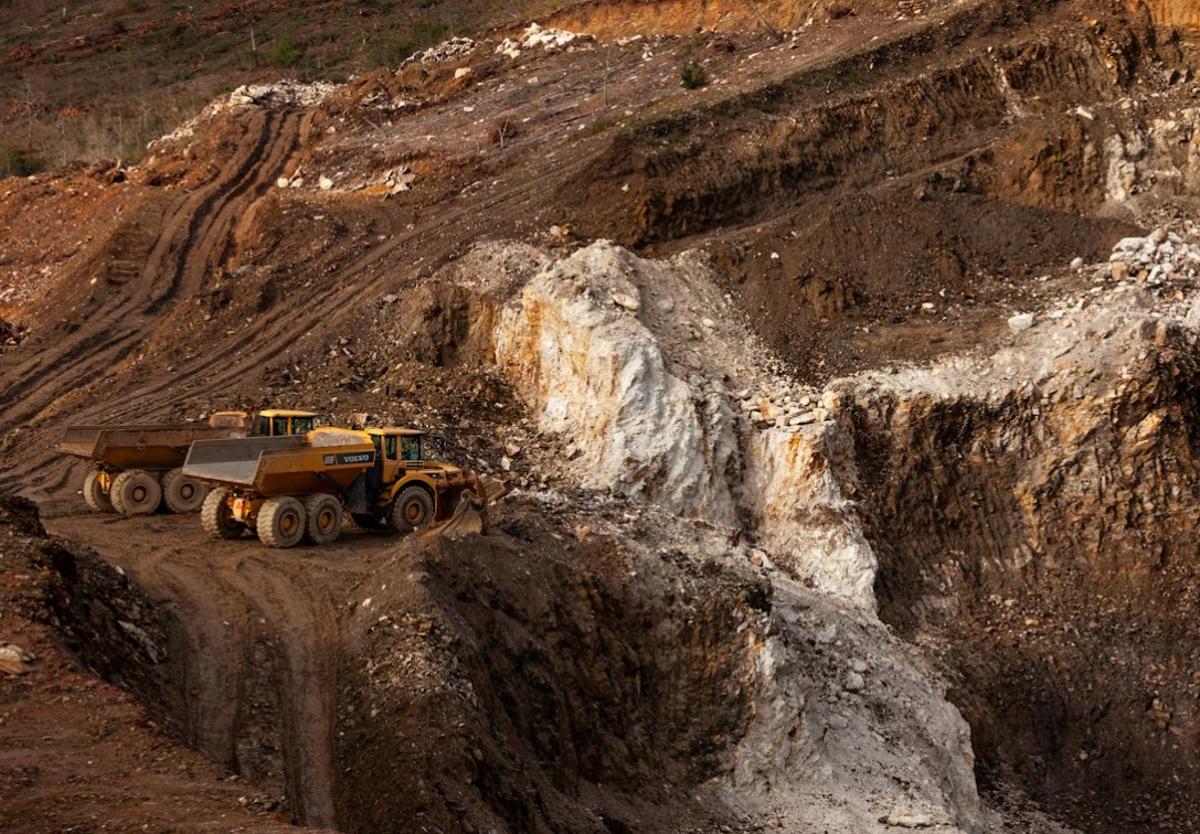
India and U.S. forge $20 billion critical minerals framework
India and the United States signed a bilateral framework in New Delhi on May 26 to cooperate on critical minerals and rare‑earth supply chains. The pact covers mining, processing, recycling and project financing and could mobilise up to $20 billion, tapping India’s estimated 13 million tonnes of monazite deposits.

Trump Orders Blockade of Strait of Hormuz
On April 12, 2026 President Donald Trump announced that the U.S. Navy would immediately begin blockading the Strait of Hormuz and clearing suspected sea mines, escalating pressure on Iran over alleged threats to global shipping. In response, Iran’s Islamic Revolutionary Guard Corps warned a U.S. destroyer during a de‑mining operation, heightening the risk of direct confrontation. Within days, Trump reversed course, declaring a two‑week ceasefire after Tehran submitted a 10‑point peace plan backed by Chinese mediation, prompting the strait’s reopening. The rapid policy swing sent shockwaves through energy markets and diplomatic circles.

VC Activity in LatAm Region Exhibited Renewed Strength in Q1 2026 : Research
Venture capital activity in Latin America rebounded in Q1 2026, with startups securing $1.03 billion—a 12% year‑over‑year rise. Late‑stage and growth‑equity deals drove the surge, delivering $761 million, more than two‑and‑a‑half times the prior year’s Q1 amount. Mexico emerged as the regional leader,...

BBC: Trump Says US to ‘Blockade’ Strait of Hormuz After Talks Failed over Iran’s ‘Nuclear Ambitions’
Former President Donald Trump announced that the United States will impose a naval blockade of the Strait of Hormuz after diplomatic talks with Iran collapsed over its nuclear program. The statement came amid an escalating US‑Israel‑Iran conflict that has already...

ZXMOTO’s Double WSBK Win Highlights China’s Shift to Premium Motorcycles
Chinese motorcycle maker ZXMOTO captured two wins at the Portuguese round of the Superbike World Championship, the first time a Chinese brand has toppled European and Japanese rivals. The triumph reflects a broader industry shift, with China’s output rising 10.6%...

Bill Ackman Urges Investors to Ignore Media Doom as Iran Tensions Rise
Bill Ackman, founder of Pershing Square Capital Management, posted on X urging U.S. investors to disregard bearish media narratives and buy quality businesses at “extremely cheap” prices as geopolitical risk around Iran escalates. His contrarian stance, echoing Buffett’s fear‑greed principle,...
US‑Iran Talks Collapse in Islamabad, Leaving Emerging Markets on Edge
U.S. Vice President JD Vance led a 21‑hour delegation to Islamabad that failed to secure a nuclear‑non‑proliferation commitment from Iran, prompting the United States to leave with a “final and best offer.” The breakdown deepens geopolitical risk for oil‑exporting and...
Indian Equities Surge 5.8% as US‑Iran Ceasefire Sparks Best Weekly Gains Since 2021
The BSE Sensex climbed 4,230.70 points (5.77%) to 77,550.25 and the NSE Nifty 50 rose 1,337.5 points (5.88%) to 24,050.60, delivering the best weekly performance since February 2021. The rally was sparked by a tentative US‑Iran ceasefire, which eased geopolitical...
Agricultural Bank of Egypt Teams with eFinance to Roll Out Digital Services Across North Africa
The Agricultural Bank of Egypt has signed a memorandum of understanding with eFinance Investment Group to develop and operate a suite of digital financial services, including a new Farmer Card and pensioner platforms. The partnership aims to broaden the bank’s...
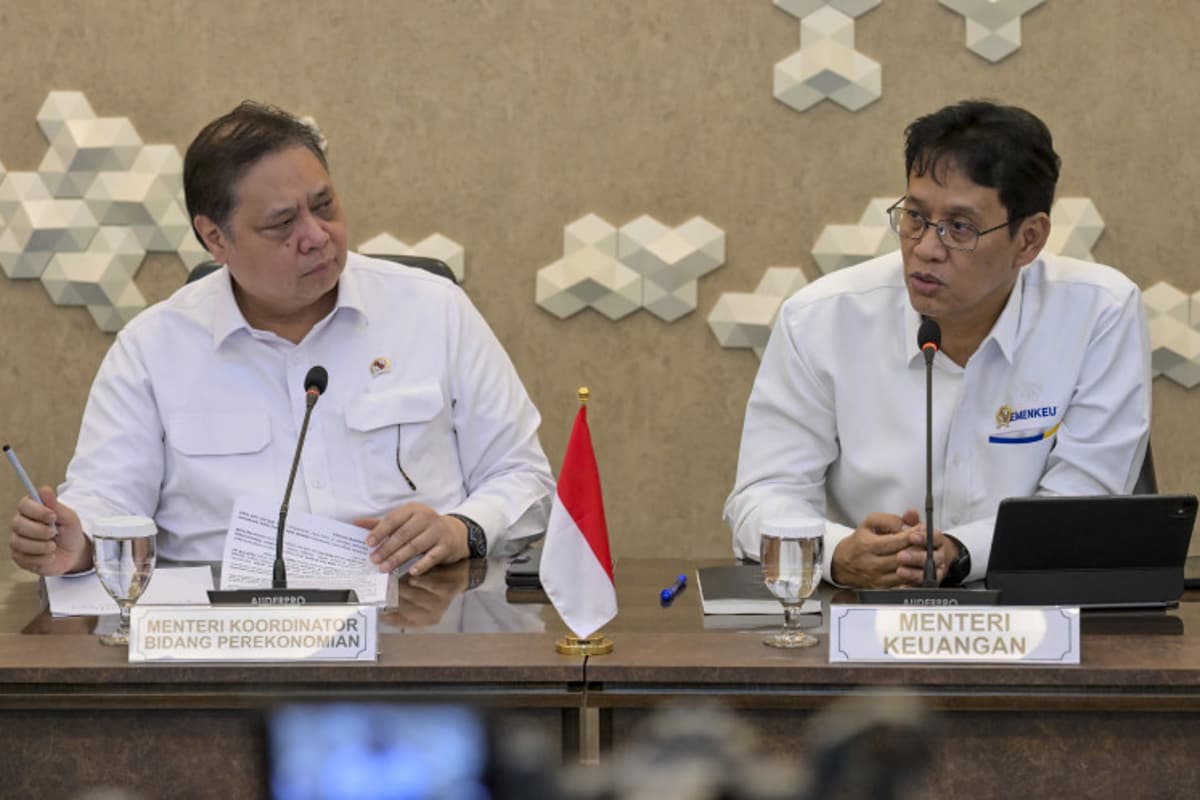
Govt Insists on Growth Target as World Bank Lowers Forecast
Indonesia’s government reaffirms a 5.4% GDP growth target for 2026, insisting it will meet or exceed the budgeted figure despite external headwinds. Economy Minister Airlangga Hartarto warned that the outcome hinges on geopolitical stability, particularly the ongoing United States‑Israel conflict...

Central Asia: The New Energy Battleground Not On Your Radar
The Iran‑Hormuz crisis exposed the fragility of global energy routes and turned attention to Central Asia’s untapped oil and gas reserves. Kazakhstan, Uzbekistan and Turkmenistan are quietly shifting export reliance from Russia toward China, which has already financed and built...
US‑India Deal Set to Boost Energy, Metals, Tech Trade
The US-India trade deal could expand energy, metals, aircraft, and technology trade while reducing tariff pressure. https://www.metalnomist.com/2026/04/us-india-trade-deal-could-reshape.html

Will the Iran Truce Hold? Where to Invest—Whether It Fizzles or Settles In
U.S. diplomats are negotiating a tentative truce with Iran, aiming to halt hostilities that have rattled global markets. Analysts warn that a breakdown could reignite volatility, while a durable cease‑fire may unlock a modest rally in risk assets. The piece...

US-Iran War: Ceasefire Negotiation Fails; What Does It Mean for Gold, Oil, Silver and Indian Stock Market?
Cease‑fire negotiations between the United States and Iran collapsed in Islamabad, reviving geopolitical risk across markets. Analysts expect crude oil to gap up as the risk premium widens, while gold and silver are likely to open flat unless tensions intensify....
Analysts Warn Iran‑U.S. Rift Could Spike Oil Prices, Threaten US Inflation
Foreign‑affairs expert Robinder Sachdev warned that the breakdown of high‑stakes US‑Iran negotiations has turned the Strait of Hormuz into a “super weapon,” risking a sharp rise in oil prices. He said insurance refusals and Iran’s new maritime tactics could choke...

Kremlin Order Seizes $700M CANPACK Russian Unit, Prompting CFOs to Re‑Assess Geopolitical Risk
A Kremlin decree signed on Dec. 31, 2025 transferred 100% of CANPACK’s Russian operations, valued at roughly $700 million, to state‑appointed managers. The move stripped the Pennsylvania‑based holding company of any operational authority, underscoring the growing exposure of multinational firms to political risk...

Ethiopian Birr Becomes Weakest Sub‑Saharan Currency, Down 18% in 2025
The World Bank’s latest Africa Economic Update flags the Ethiopian birr as the continent’s weakest currency, slipping 18% year‑on‑year through 2025. The depreciation outpaces regional peers and underscores the strain of Ethiopia’s recent forex liberalisation and macro‑economic reforms.
Trump Announces Strait of Hormuz Clearance, Lifts Oil Prices as Indian Glass Sector Cuts Output 50%
U.S. President Donald Trump declared the start of clearing the Strait of Hormuz, sending oil futures up and Brent crude hovering near $96 a barrel. Simultaneously, India's glass industry, strained by gas supply cuts linked to the Middle East conflict,...

Regional VC Activity Holds Steady Amid Middle‑East Conflict, Highlighting $280M Indian Unicorn Deal
Asian venture capital kept a pulse on growth as India’s fintech KreditBee secured a $280 million round that lifted it to unicorn status, even as overall Indian startup funding fell 33% in March. The week also saw a $73 million strategic financing...

Failure of US-Iran Talks Set to Weigh on Risk Assets Monday
The United States and Iran failed to secure a cease‑fire agreement during talks in Pakistan, reviving geopolitical risk. Analysts expect the setback to push investors toward safe‑haven assets, lifting the dollar and oil prices while dragging equities lower. Treasury yields...
/file/attachments/2990/SA-ICJ-1000x612_849895.jpg)
FUELLING WAR: ‘Hypocrisy’: Critics Slam SA for Boosting Coal Exports to Israel Despite Gaza Genocide Case
South Africa’s coal exports to Israel surged in the past two years, reaching roughly 2.99 million tonnes between October 2023 and December 2025, even as Pretoria pursues a genocide case against Israel at the International Court of Justice. The increase followed Colombia’s decision...

Leadership Decisions Reflect Competing Geopolitical Pressures
Leaders don’t operate in isolation. Every major decision sits under layers of pressure: Allies. Opponents. Domestic expectations. Strategic constraints. And when those pressures pull in ditterent directions, outcomes become less clear... and less consistent. What looks like indecision is often competing forces at work. That’s the reality of high-stakes geopolitics. More...
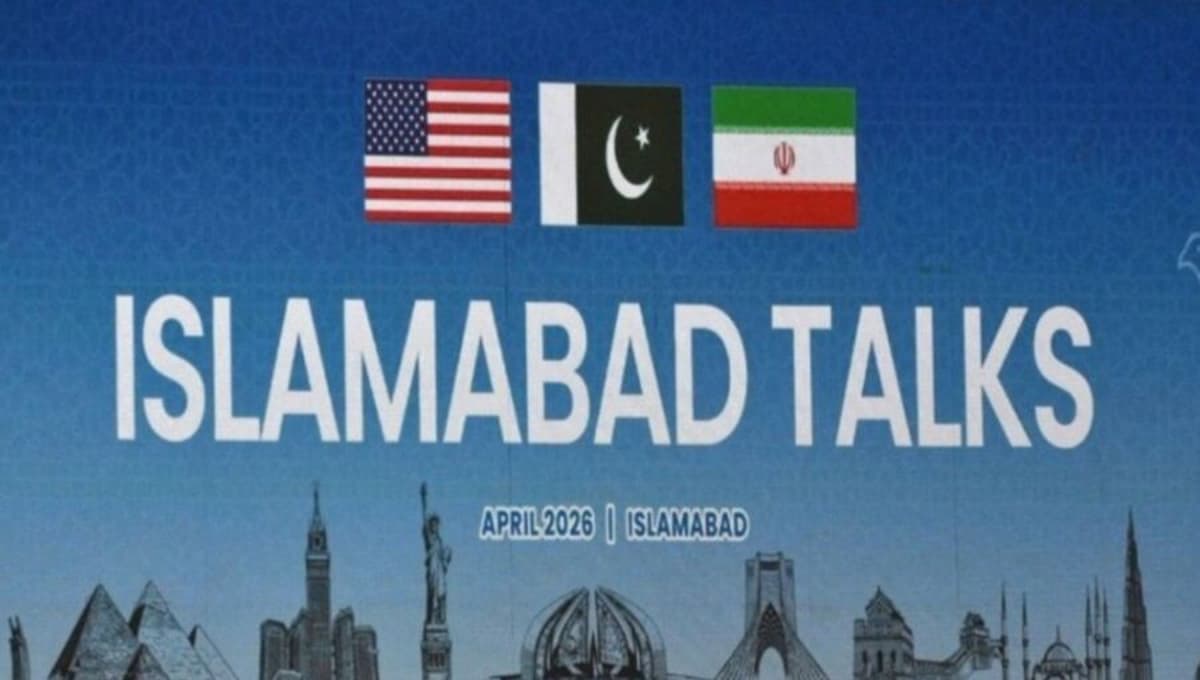
US-Iran Islamabad Talks End without Deal as Hormuz Control Remains Key Sticking Point
The United States and Iran held their first high‑level face‑to‑face talks since 1979 in Islamabad, but after more than 21 hours the meeting ended without an agreement. The core dispute centered on the Strait of Hormuz, where Washington demands unrestricted...
India-UK Free Trade Pact May Come Into Force From Second Week of May: Official
The India‑UK Comprehensive Economic and Trade Agreement (CETA), signed in July 2025, is slated to take effect in the second week of May 2026. The pact grants duty‑free access for 99% of Indian exports to the British market and cuts...
Iran's SoH Blockade Remains Tehran's Ultimate Bargaining Chip
Point No. 1 was entirely to be expected. SoH blockade and the economic pain it is inflecting is Tehran’s biggest leverage. It will hold on to it till the very end. Why would the US think it would surrender it this early?...
China Offers Incentives to Taiwan Following Opposition Leader's Visit
China unveiled ten new incentive measures for Taiwan, ranging from relaxed travel restrictions and food‑inspection standards to permissive broadcasting of Taiwanese TV dramas, contingent on opposition to Taiwan independence. The package was announced shortly after KMT chairwoman Cheng Li‑wun met...
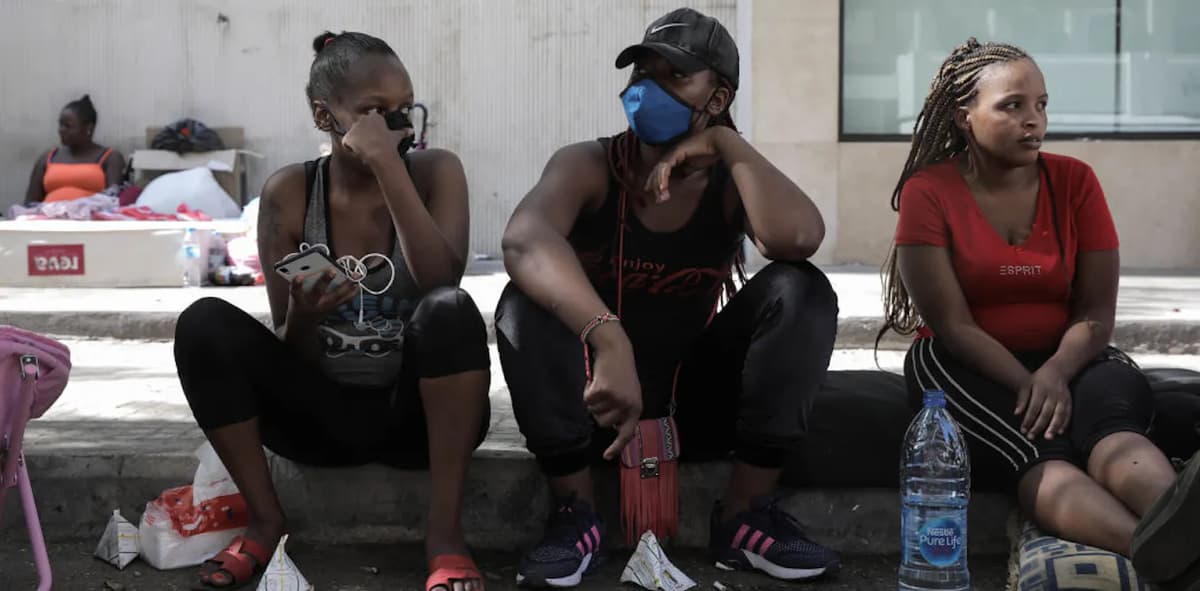
Kenyans Are Encouraged to Work Abroad, but Protection Rights Remain Weak – New Research
Kenya is pushing a new labour‑migration drive toward Gulf states, targeting $10 billion in annual remittances and a million jobs abroad under President William Ruto’s agenda. By 2025 more than 300,000 Kenyans are employed in Saudi Arabia, Qatar and the United...
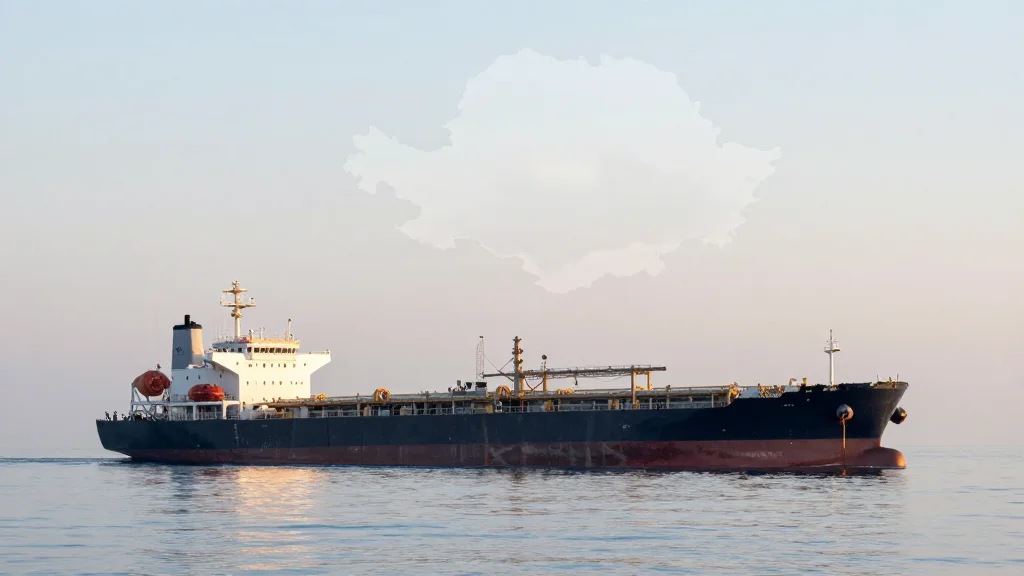
South Korea Nears Kazakhstan Oil Deal as Middle East Supply Risks Mount
South Korea is close to finalising a crude‑oil supply agreement with Kazakhstan, a move aimed at reducing its heavy reliance on Middle Eastern imports. The deal follows a high‑level diplomatic tour that also visited Oman and Saudi Arabia amid growing...

Control of the Strait of Hormuz and Iran’s Uranium Stockpiles Were Sticking Points
U.S. Vice‑President JD Vance and Iran’s parliamentary chief Mohammad Bagher Ghalibaf met in Islamabad but left without a permanent cease‑fire, citing three core disputes: reopening the Strait of Hormuz, the fate of roughly 900 pounds of highly enriched uranium, and the...

FPIs Extend Sell-Off in April; Pull Out Rs 48,213 Crore From Indian Stocks in 10 Days
Foreign portfolio investors pulled $5.14 billion (Rs 48,213 crore) from Indian equities in the first ten days of April, extending a sharp outflow trend that began with a record $12.7 billion exit in March. The cumulative outflows for 2026 now exceed $18 billion, reflecting heightened...
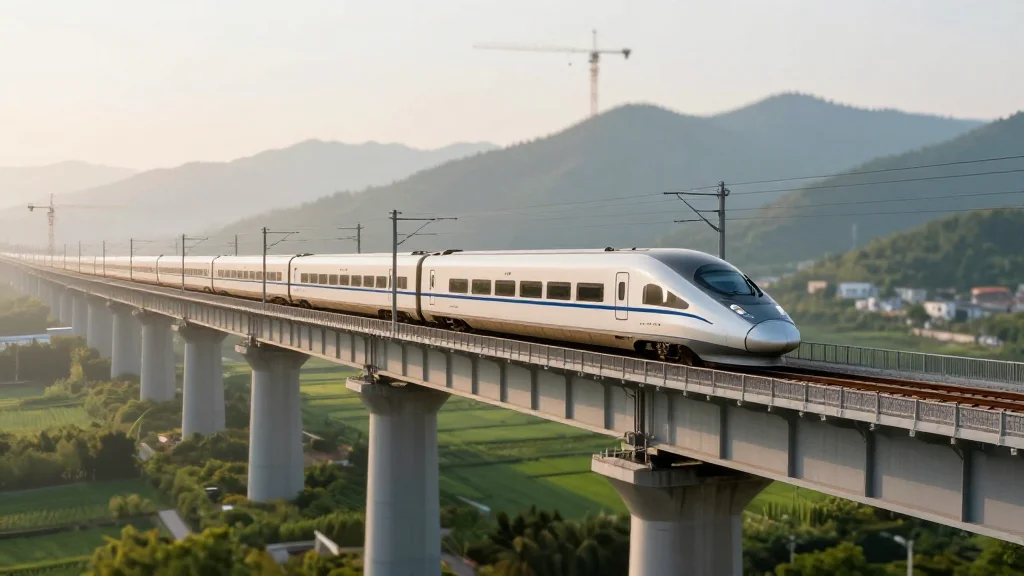
China Railway Boosts Q1 Investment 5% to Spur Growth
Xinhua: "In the first three months of 2026, China State Railway completed 137.9 billion yuan in fixed-asset investment, a year-on-year increase of 5.1 percent. The company will implement the key railway construction tasks specified in the 15th Five-Year Plan (2026-2030),...
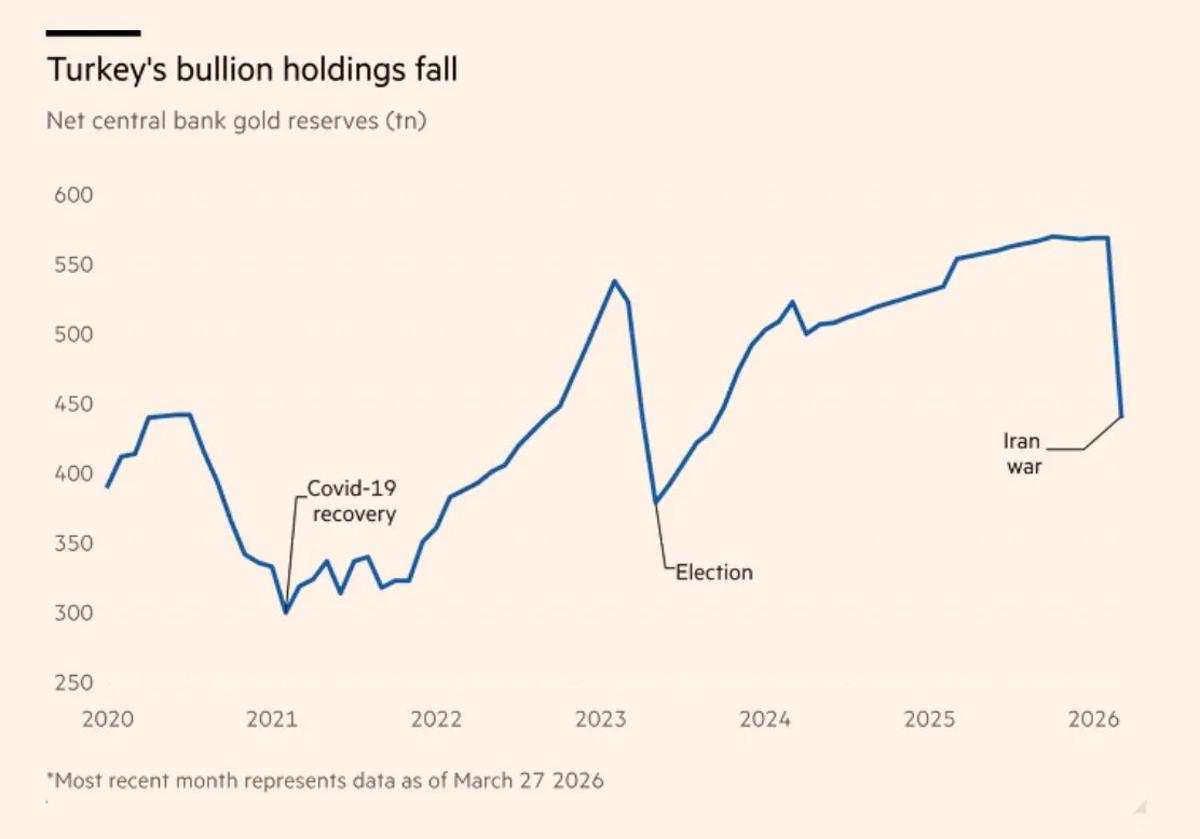
Turkey's Economy Fueled by Dwindling Gold Reserves
Turkey appears to be living off its gold reserves. Find out more in the Chartbook Top Link of today. https://t.co/E1jmvOnLzt

The 21-Hour Farce
The latest U.S.–Iran nuclear talks collapsed after a 21‑hour session, leaving both sides entrenched in opposing positions. Vice President JD Vance reiterated Washington’s demand for an unconditional pledge from Tehran not to pursue nuclear weapons, while Iran’s ten‑point proposal called...
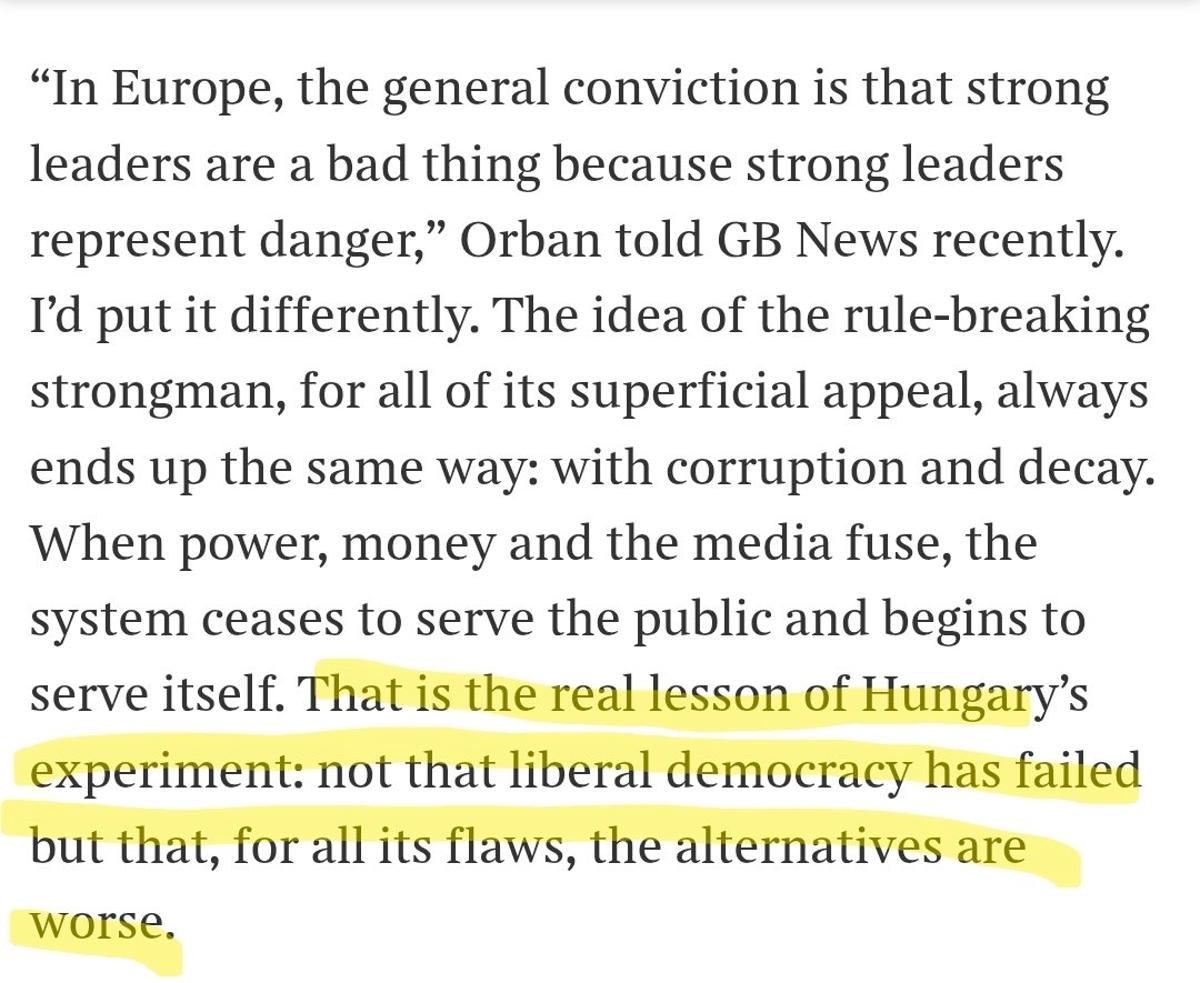
Poland and Baltics Poised to Outpace Italy, Spain
"For all of the intellectual dressing, Hungary has ended up looking more like Vladimir Putin’s mafia state, while Poland and the Baltic states, which adopted more classic market solutions, are on course to be richer than Spain and Italy." https://t.co/5aciS10VYB
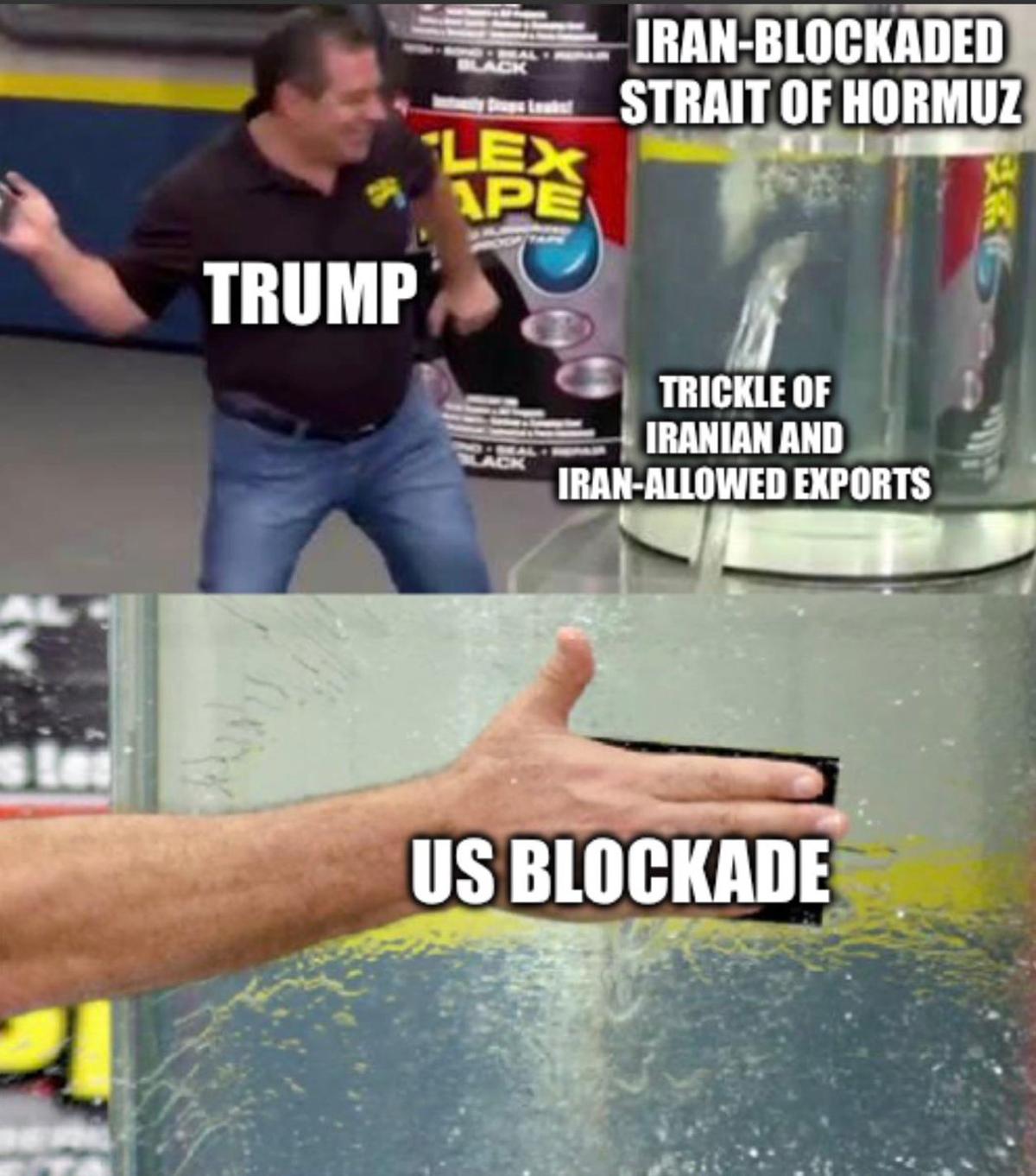
Quick Summary of Today’s Strait of Hormuz Events
This morning’s Strait of Hormuz developments, summarized so you don’t need to read the president’s rambling morning long-posts: https://t.co/KWcJKMp2QV
US and Iran Fail to Reach Agreement After Marathon Talks
U.S. Vice President JD Vance and senior Trump officials returned from marathon talks in Pakistan without an agreement, as Iran refused to provide firm assurances it would not pursue a nuclear weapon. The negotiations, the highest‑level U.S.–Iran contact since the...

Trump Announces US Blockade of Hormuz Shipping
*TRUMP SAYS US WILL BEGIN BLOCKADE OF SHIPS TO AND FROM HORMUZ The shipping tourists can stop counting ships. It is now zero. https://t.co/1AQGj4UeEF
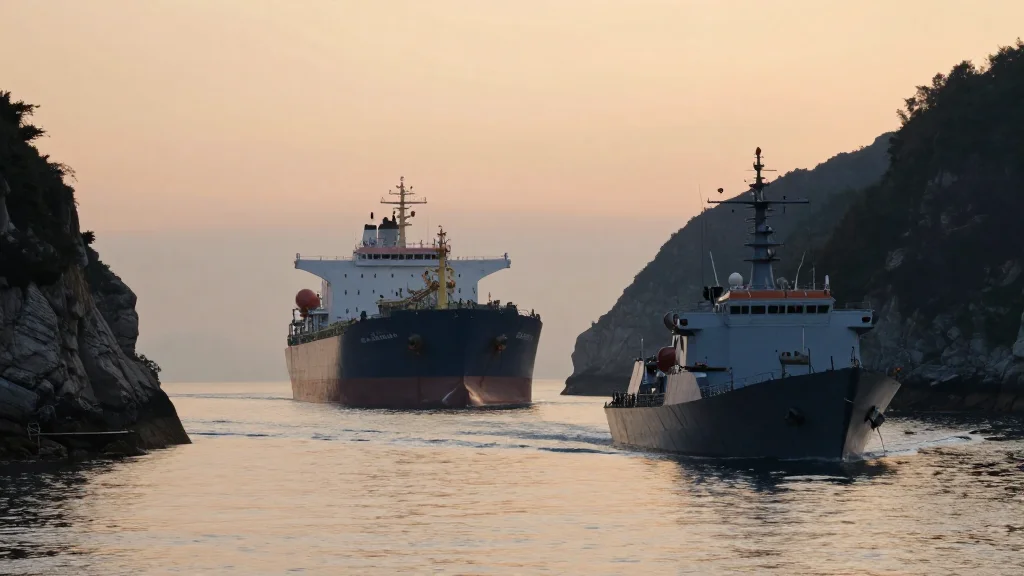
ADNOC Warns World Cannot Afford Hormuz Closure
Adnoc CEO: “The Strait of Hormuz has never been Iran’s to close or restrict… The world simply cannot afford it and must not allow it” (Adnoc hasn’t been able to export LNG for over a month to customers in Asia and...

Doubts About Trump Strain Southeast Asia’s US-China Balancing Act
The 2026 State of Southeast Asia survey shows a sharp decline in confidence toward U.S. leadership under President Trump, with 52% of respondents now favoring China over the United States. Climate change has become the region’s top concern, cited by...
Vitol’s Star Trader Loses Hundreds of Millions in Iran War
A team at Vitol led by a star trader took a several hundred million dollar hit early in the Iran war after bets in the oil market went awry, people familiar with the matter said https://t.co/wVuSf1Bx1e
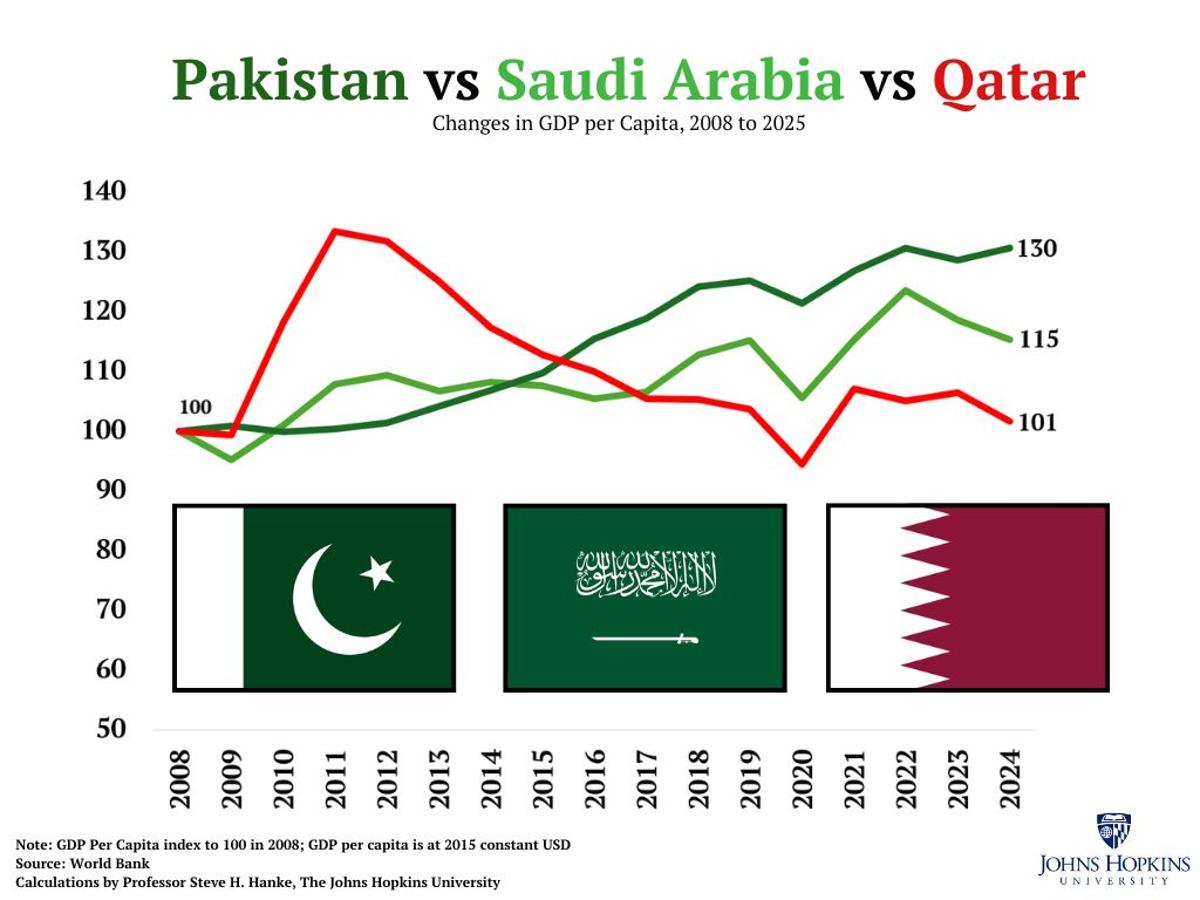
Pakistan Receives Fifth $5B Bailout, Repeats Dependency Cycle
#PakWatch🇵🇰: Saudi Arabia and Qatar just announced another $5B bailout package for Pakistan. This is the 5th major bailout since 1998. Pakistan passes the begging bowl again. Why wouldn’t it? It seems to work. FREE IMRAN KHAN. https://t.co/JEXSVNuiU1

China Unveils Taiwan Goodwill Steps After Opposition Talks
China announced a package of goodwill measures toward Taiwan after President Xi met opposition leader Cheng Li‑wun. The package includes facilitating sales of Taiwanese agricultural and fishery products to the mainland. It also encourages Taiwanese investment in China and plans...

Trump Threatens Full US Naval Blockade of Iran
🚨 MAJOR ESCALATION Trump has indicated the possibility of a full U.S. naval blockade against Iran. https://t.co/kFVKKAaVvy

Iran Halts New Talks with US Amid Ongoing Deadlock
JUST IN: Iran is skipping fresh negotiations with the US due to the ongoing deadlock.
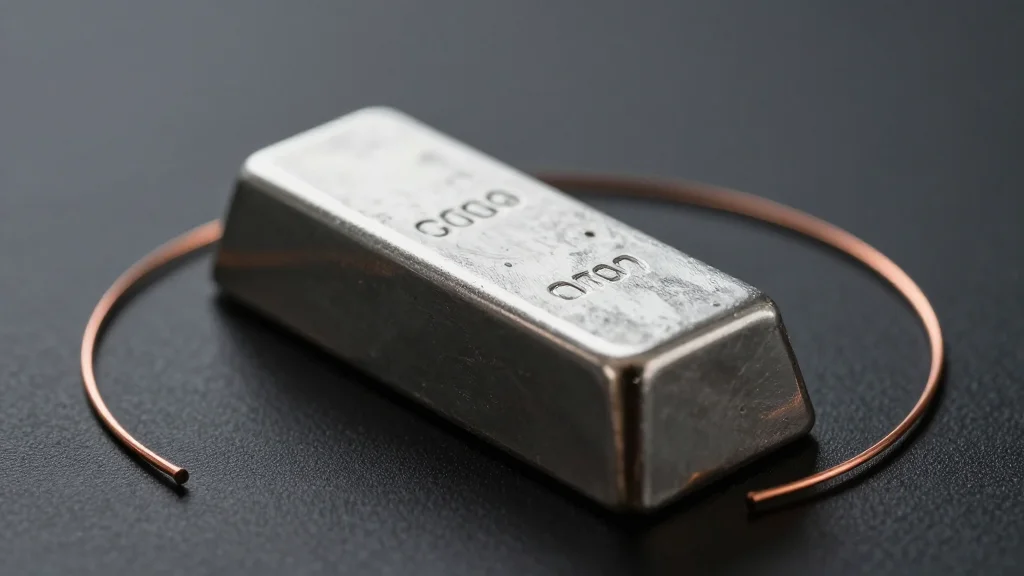
Tin Prices Surge in 2026 as Supply Constraints and Tech Demand Tighten Market
Tin prices have surged in 2026, driven by a tight supply base concentrated in unstable regions and accelerating demand from the electronics sector. The combination of geopolitical risk, a depleted mine base and limited new projects is reshaping the tin...
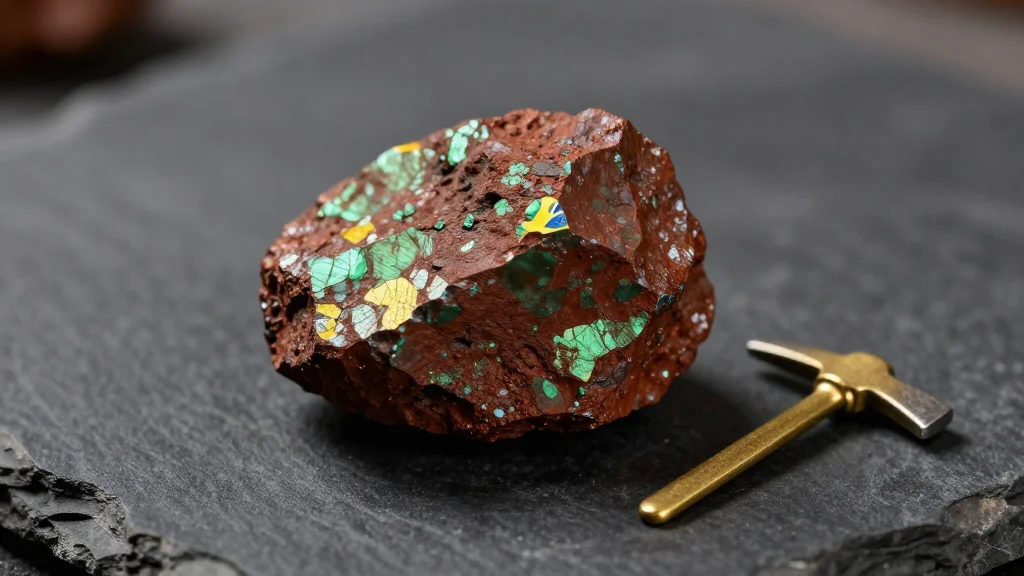
Latin America Races to Secure Rare‑Earth Supply as Brazil Proposes State‑Run Critical‑Mineral Firm
Brazil's ruling PT party introduced legislation to create Terrabras, a state‑owned enterprise to explore and process critical minerals, signaling a sovereign push in Latin America. The move comes as the region draws attention from the U.S., EU and other powers...

ASEAN Finance Ministers Warn Middle East Conflict Threatens Growth, Push Regional Defences
Finance ministers and central bank governors from ASEAN issued a joint statement warning that the ongoing Middle East war could derail the region’s growth, prompting a pledge to tighten financial cooperation, expand climate‑finance tools and reduce reliance on external capital.
India's Sensex and Nifty Record Biggest Weekly Gains Since 2021
The BSE Sensex surged 4,230.70 points (5.77%) to 77,550.25 and the Nifty 50 rose 1,337.5 points (5.88%) to 24,050.60, delivering the best weekly performance since February 2021. The rebound was broad‑based, spurred by easing geopolitical tensions, a slowdown in foreign‑investor...

DeepSeek Targets Late‑April Launch of V4 LLM on Huawei and Cambricon Chips
DeepSeek announced a late‑April rollout of its V4 large‑language model, now re‑engineered to run on Huawei Ascend and Cambricon processors. The move underscores China’s push for AI self‑sufficiency as U.S. chip export restrictions tighten.
PowerLabs Secures Pre‑Seed Funding to Deploy AI Energy Orchestration Across Africa
PowerLabs announced a pre‑seed round led by Breega, with Catalyst Fund, Mercy Corps Ventures and Kaleo Ventures participating, to scale its AI‑driven Pai Enterprise platform. While the exact amount was not disclosed, the funding arrives as Nigeria’s manufacturing sector spent...

Asian Marco Initial Thoughts: Data Impacting Asia April 13 -17
The Asian data calendar for April 13‑17 is light overall, but China dominates with a suite of macro releases including GDP growth, retail sales, industrial production, house‑price index and fixed‑asset investment. India will publish key inflation, unemployment and wholesale‑price data,...