NVIDIA Corp (NVDA) Q1 2027 Earnings Call Transcript
NVIDIA reported record Q1 2027 revenue of $82 billion, an 85% year‑over‑year increase and 20% sequential growth, propelled by explosive demand for its Blackwell AI GPUs. Data‑center revenue jumped 92% YoY to $75 billion, while free cash flow surged to $49 billion and the company returned $20 billion to shareholders. NVIDIA introduced the Vera CPU platform, forecasting $20 billion in standalone CPU revenue and unlocking a $200 billion total addressable market. Guidance projects Q2 revenue around $91 billion with margins near 75% and an $80 billion share‑repurchase extension.

Rethinking How Physics Is Used in Hardware Design
Modern hardware design is hitting a workflow bottleneck: physics is evaluated only after lengthy, separate simulation steps. As devices span nanometers to centimeters and involve tightly coupled thermal, mechanical, and electrical effects, traditional meshing and multi‑tool workflows delay insight and...
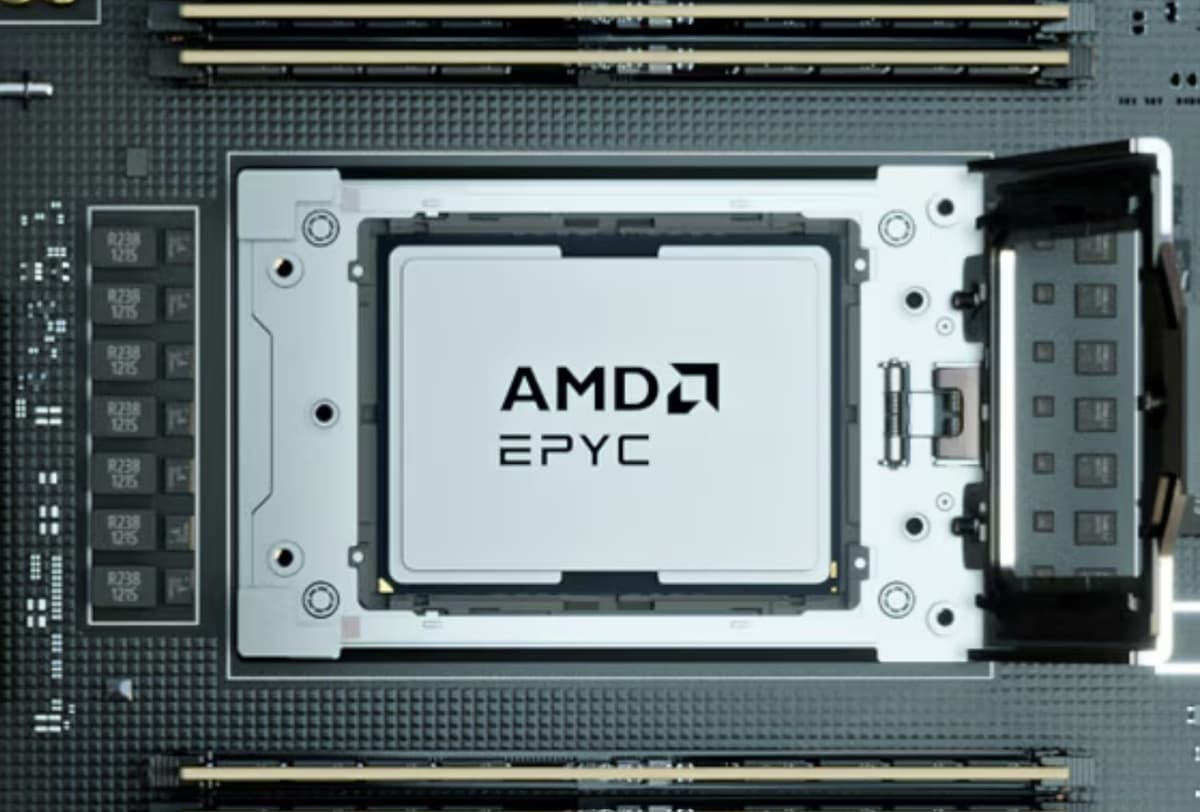
AMD EPYC 8005 Is Out with Up to 84 Zen 5 Cores in a 225W TDP Package
AMD unveiled the EPYC 8005 series at MWC 2026, introducing full Zen 5 cores across a range of SKUs. The flagship 84‑core EPYC 8635P runs at a 225 W TDP and tops out at 4.5 GHz, while lower‑end models start at 8 cores. All chips support...
Startup Bolt Graphics Promises 5x Performance over Nvidia’s Best GPU
Bolt Graphics, a 2020‑founded startup, announced that its Zeus GPU has taped out on TSMC’s 12 nm process and targets a 2027 launch. The company claims the card delivers five times faster path‑tracing than Nvidia’s RTX 5090 while drawing only 250 W, roughly...
GPUs: A High-Throughput Architecture Confronting a Workload Shift
Graphics processing units still power large‑scale AI training, but frontier large language models are exposing a growing memory bottleneck. While Nvidia H100 GPUs can deliver petaflops of FP8 throughput, trillion‑parameter inference often falls below 10 FLOPs per byte, making bandwidth...
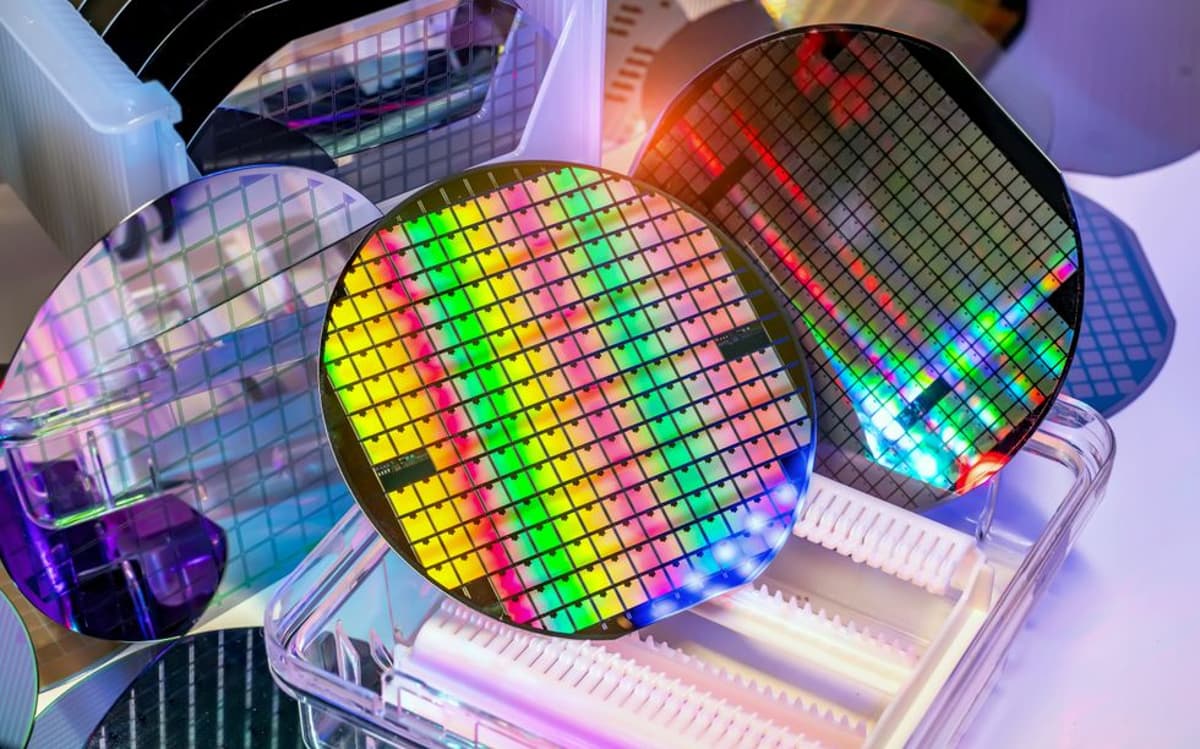
The Next 15 Years of Moore’s Law, According to Imec
Imec’s new 15‑year roadmap predicts the commercial debut of complementary FET (CFET) technology around 2033, effectively stacking PMOS and NMOS devices to halve circuit area. The institute also foresees a shift to two‑dimensional semiconductor channels by 2041 to boost power...
Nvidia Faces Mounting AI Chip Rivalry Ahead of Blockbuster Earnings
Nvidia is poised to report another blockbuster earnings quarter, but its near‑monopoly in AI training chips faces growing pressure as the market shifts toward inference workloads. Competitors such as Intel, AMD, Alphabet’s TPU business and Amazon’s Trainium are targeting the...

The $132 Billion Infrastructure Pivot You Might Have Missed
The server‑CPU market is projected to balloon to roughly $132 billion by 2030 as agentic artificial‑intelligence workloads shift demand from GPU‑centric training to CPU‑heavy inference. This structural pivot creates a 35% CAGR for legacy compute, with the specialized agentic‑CPU segment expected...
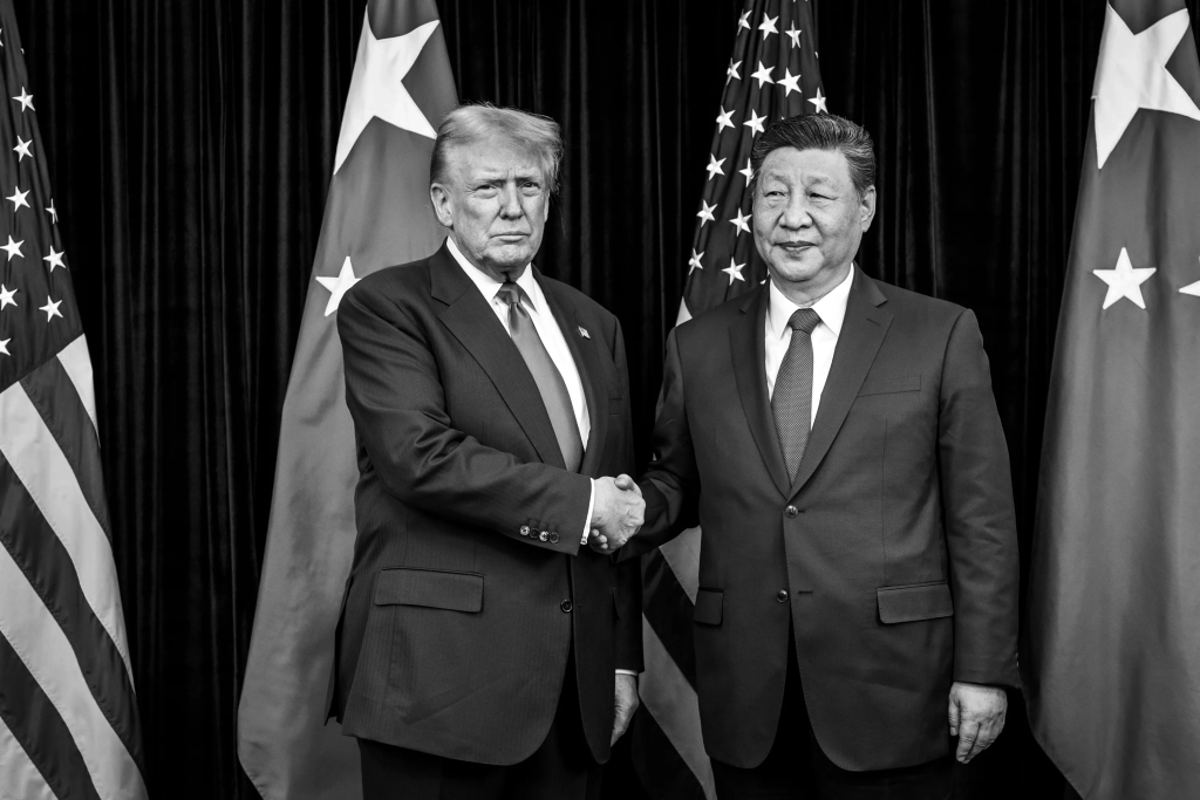
The Nvidia H200 China Deal Survived the Trump-Xi Summit–Just Not in the Way Anyone Expected
President Trump’s Beijing visit ended with no new Nvidia H200 shipments, despite the chips receiving U.S. export licences in December 2025. Ten Chinese firms—including Alibaba, Tencent, ByteDance and JD.com—have licences for up to 75,000 units each, but Beijing has barred...
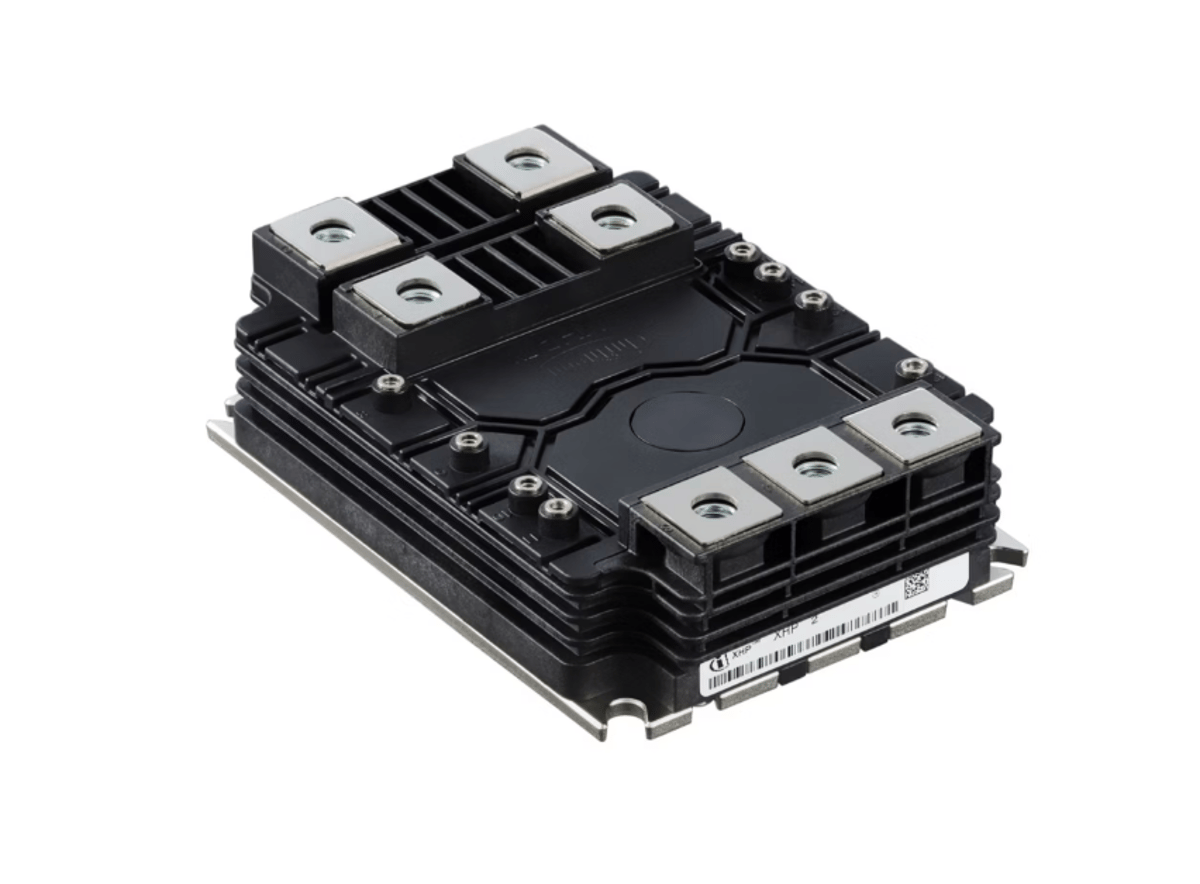
Infineon Expands XHP 2 CoolSiC MOSFET Portfolio with 2300 V Modules for Renewable Energy
Infineon Technologies has added 2300 V CoolSiC™ MOSFET variants to its XHP 2 power‑module family, targeting high‑voltage renewable‑energy converters. The new modules support DC‑link voltages up to 1500 V, feature on‑resistance between 1 mΩ and 2 mΩ, and offer 4 kV or 6 kV isolation. Leveraging silicon‑carbide...
Imec’s Patrick Vandenameele: Full-Stack Innovation Is the Name of the Game
Imec CEO Patrick Vandenameele said full‑stack, cross‑technology co‑optimization will drive semiconductor innovation over the next decade. He highlighted five shifts: angstrom‑scale system co‑optimization, silicon photonics, strategic memory, chiplet‑based edge computing, and industrial quantum computing. Imec is expanding its role with...

AMD EPYC Venice Reportedly Combines TSMC N2P and N2 CCD Designs
AMD’s upcoming EPYC “Venice” server line will employ two distinct chiplet (CCD) designs. The mainstream variant will use TSMC’s N2P process, delivering up to 96 cores per socket with 12 Zen 6 cores per CCD. A high‑density version will run on...
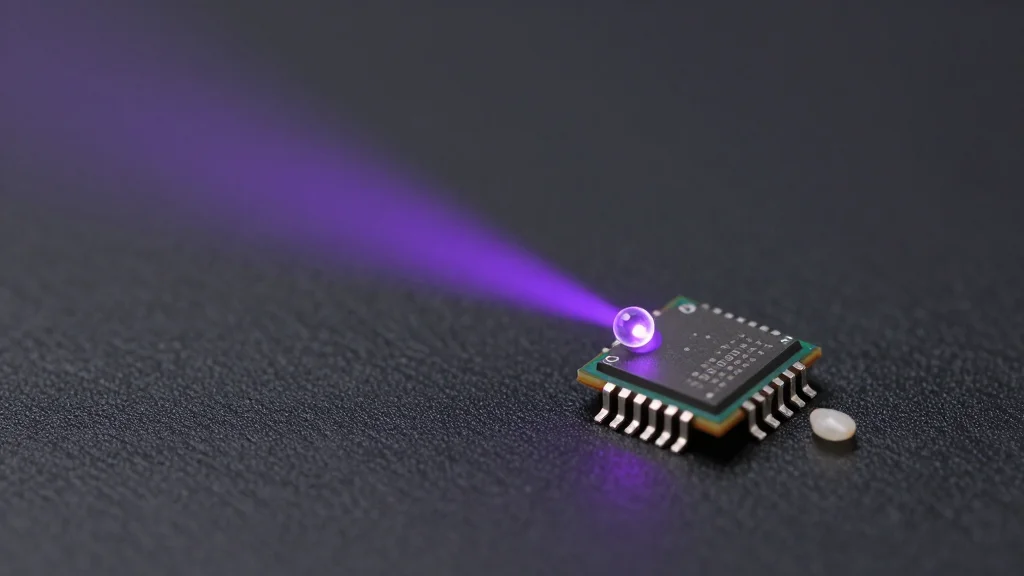
Uviquity Announces World’s First Chip-Scale Deep-UV Laser
Uviquity announced the world’s first chip‑scale deep‑UV laser operating at 229 nm, produced from a single semiconductor chip. The device leverages the company’s aluminum nitride photonic‑integrated‑circuit platform and second‑harmonic generation to deliver collimated, narrow‑line‑width output. Sampling for OEM partners begins in...
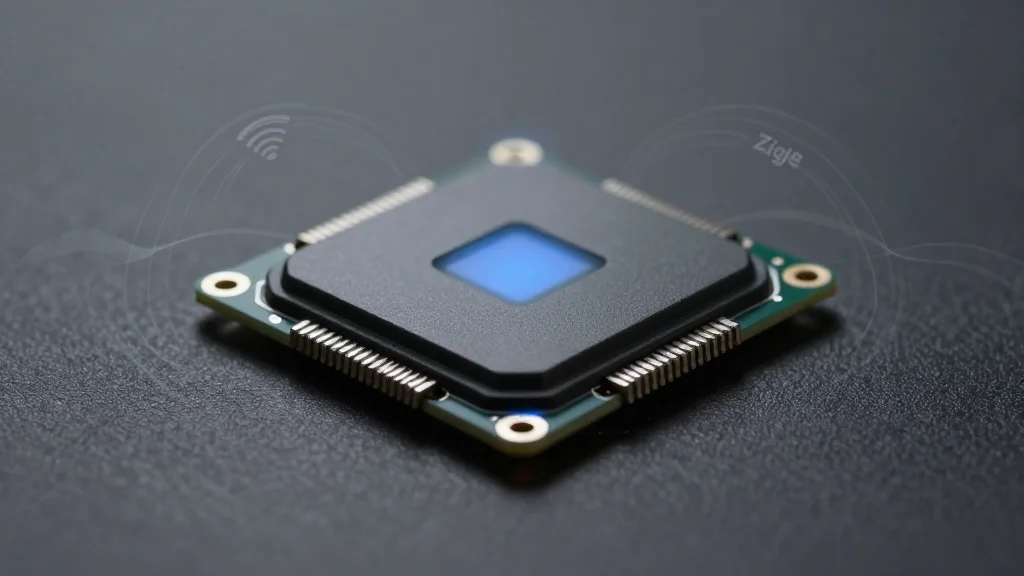
Variscite to Launch NXP i.MX 95-Based SoM Product Family
Variscite is set to launch a SMARC‑compatible system‑on‑module (SoM) built around NXP’s i.MX 95 processor. The VAR‑SMARC‑MX95 will deliver up to six Cortex‑A55 cores, dedicated real‑time co‑processors, and a 2 TOPS eIQ Neutron NPU for edge AI workloads. Three variants will embed...
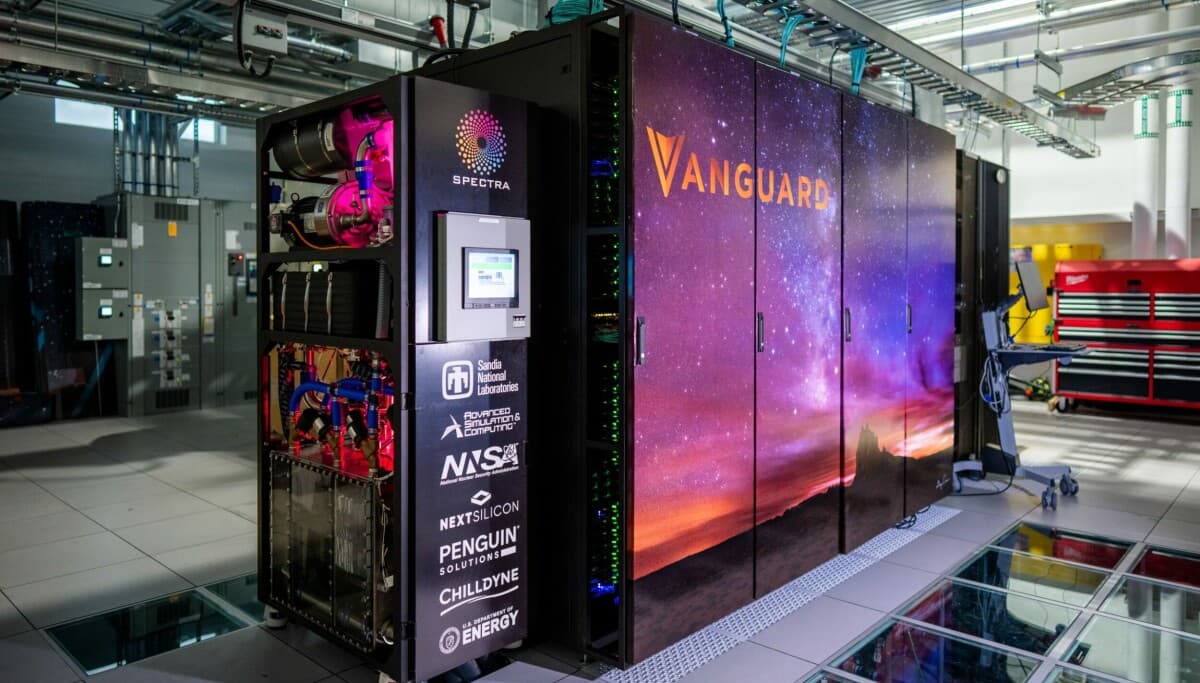
Uncle Sam's Next Big Supercomputer Might Use Something More Exotic than GPUs
U.S. national labs are testing NextSilicon’s Maverick‑2 dataflow processor as a potential alternative to GPU‑centric supercomputers. Sandia National Laboratory’s 64‑node Spectra testbed, built with Penguin Solutions, recently met all system acceptance criteria, proving the chips can run key HPC workloads....
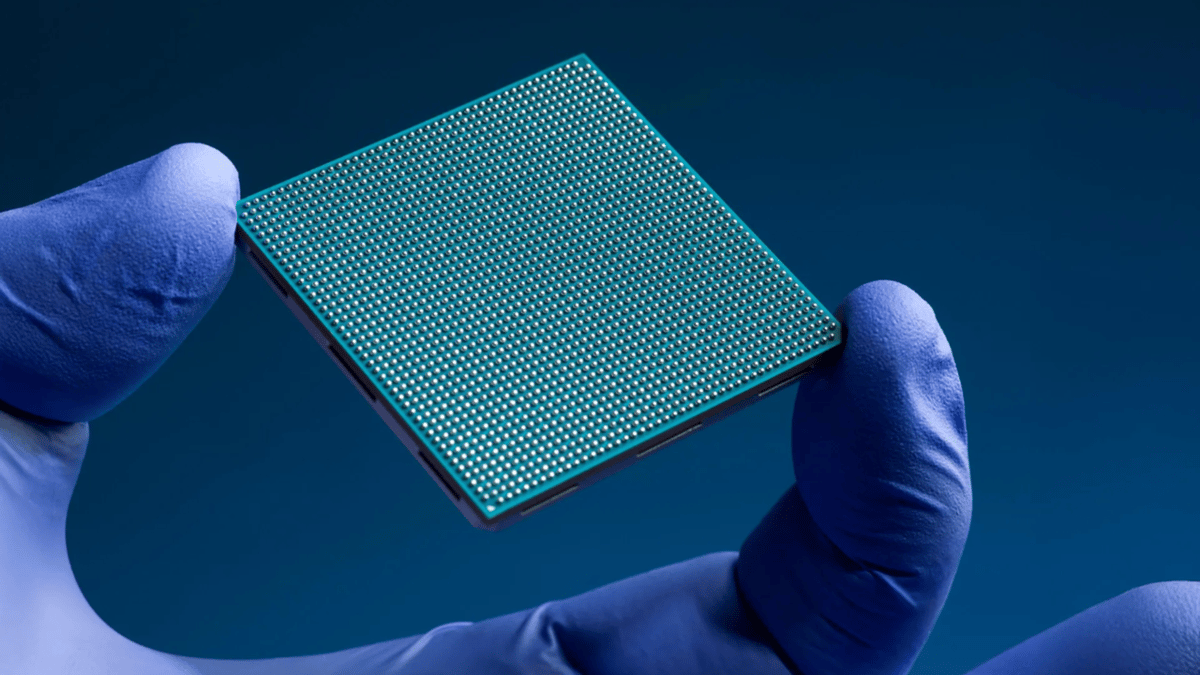
'I'm Sorry Dave': NASA Is Working on an AI Chip to Help Next-Generation Spacecraft Think for Themselves — so Clearly...
NASA’s High‑Performance Spaceflight Computing (HPSC) project is unveiling a new radiation‑hardened AI processor that promises up to 100 times the computing power of current spaceflight hardware, with early tests indicating performance as high as 500 times. The multicore chip is engineered to...

Banned Nvidia AI Chips Keep Reaching China Despite US Crackdown
U.S. authorities say banned Nvidia AI chips continue to reach China and Russia through encrypted broker networks, shell companies, and third‑country routes, prompting the Bureau of Industry and Security to levy $420 million in penalties, including a $252 million fine against Applied...
Trump's 25% Cut on Nvidia Chips Sold to China Backfired — Beijing Won't Approve a Single H200 Purchase, Costs Huang...
President Trump confirmed that Beijing has rejected all purchases of Nvidia's H200 AI chips, despite a Commerce Department clearance that could have unlocked $15‑$20 billion in sales. The 25% routing fee tied to the export framework sparked security concerns, prompting Chinese...
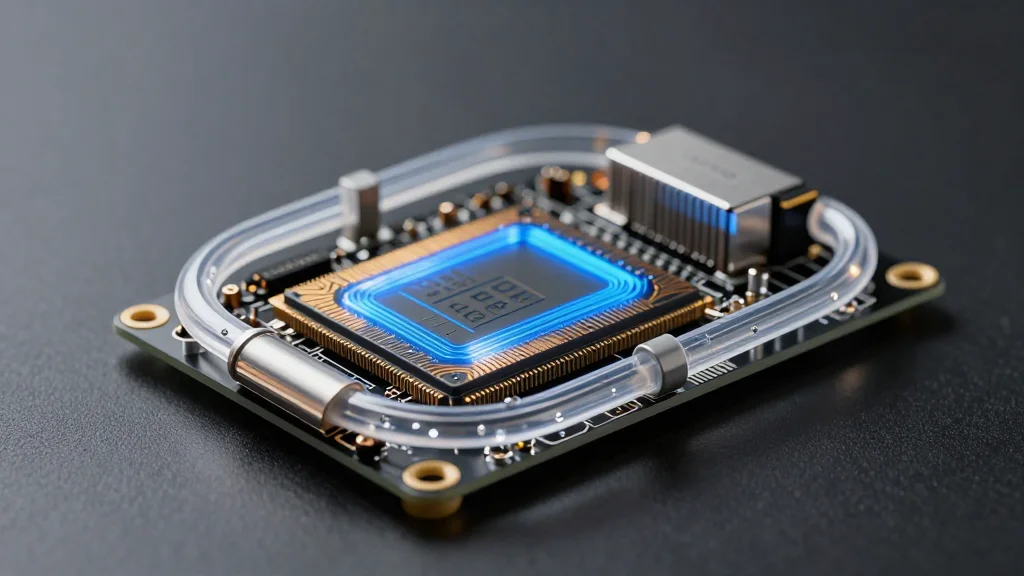
New Power, Memory, Interconnect, and Thermal Architectures for AI Infrastructure at Scale
The AI industry is pivoting from training to inference, which analysts expect to represent 85% of enterprise AI workloads within three years. This shift exposes four systemic bottlenecks—power, memory, thermal and copper interconnects—each limiting scale and efficiency. Companies are responding...
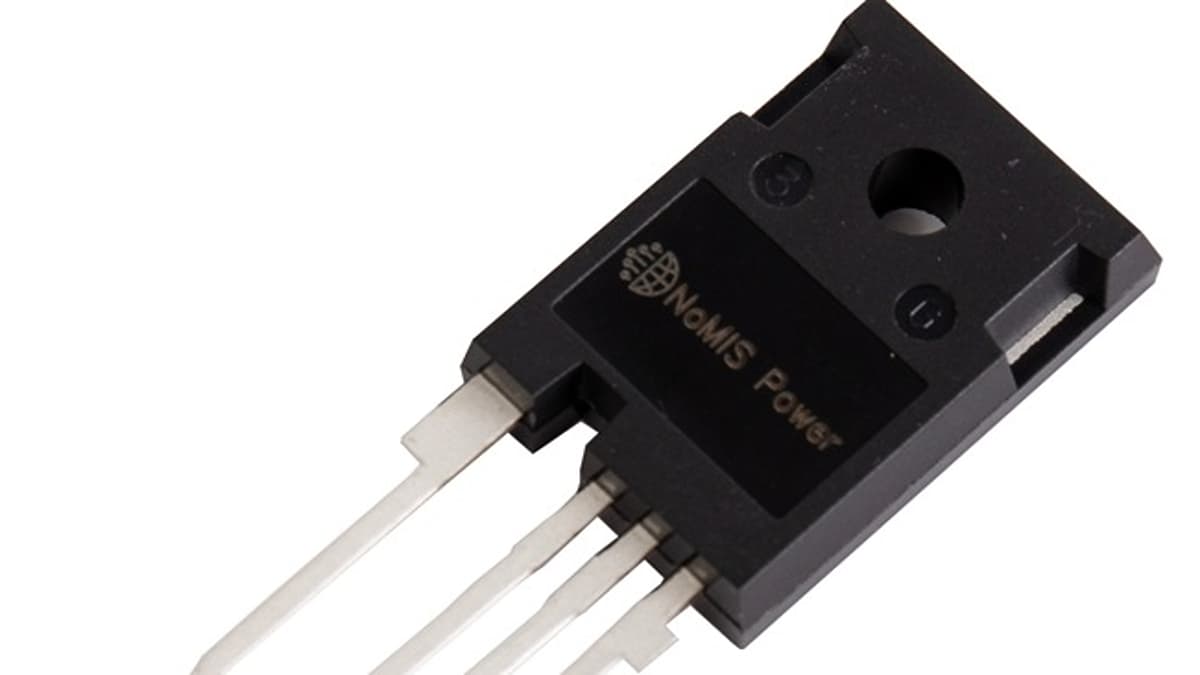
NoMIS Joins ARPA-E Project on High-Voltage SiC HVDC
NoMIS Power Corporation has become an industry partner in a three‑year, $2.5 million ARPA‑E DC‑GRIDS project led by Michigan State University. The consortium will develop high‑voltage 6.6 kV/2.5 kA Neutral Point Clamped Power Electronics Building Blocks (NPC‑PEBB) using NoMIS’s 3.3 kV SiC MOSFET portfolio,...
Exclusive: The ‘Lobby Wars’ Pitting Europe’s Chip Startups Against Semiconductor Giants
Six European semiconductor startups have banded together to launch a new lobby group called Voices, backed by the European Commission. The coalition seeks to amplify the interests of fledgling chip makers amid aggressive lobbying by industry giants such as Intel,...

Murata to Expand Thermistor Production Capacity with New Japan Facility
Murata Manufacturing announced the construction of a new five‑story production building at its Yokaichi Plant in Shiga, Japan, slated to begin in May 2026 and finish by August 2028. The $113 million investment will add roughly 2,951 m² of ground space and 18,010 m² of...
The Shifting Cost Structure of Advanced Manufacturing
The recent closure of the Strait of Hormuz has triggered a cascade of supply‑chain shocks for the semiconductor industry, most notably a sharp rise in helium prices and a collapse in Gulf air‑cargo capacity. These disruptions expose the sector’s heavy...

India Unprepared as AI Memory Crunch Looks Set to Deepen: Micron CBO
Micron’s executive vice‑president Sumit Sadana warned that global AI‑driven memory demand far exceeds supply and could remain tight beyond 2028. The shortage is most acute for high‑bandwidth memory (HBM), a critical component for AI servers. India’s fast‑growing AI and data‑center...
Researchers Built a Switch 1,000 Times Faster than Today's AI Chips, and It Barely Generates Any Heat
Researchers at the University of Tokyo have created a magnetic spintronic switch that flips binary states in 40 picoseconds—about 1,000 times faster than today’s fastest AI accelerators. The device, built from a manganese‑tin antiferromagnet, consumes only a fraction of the energy and...
'This Is Borderline Mania': Wall Street Sees Bubble-Like Euphoria in AI-Fueled Semiconductor Rally
Wall Street’s AI‑driven semiconductor rally has lifted the Philadelphia Semiconductor Index about 70 % since late March, pushing the broader S&P 500 toward 7,500. Nvidia briefly topped a $5.5 trillion market cap while legacy players like Intel and Cisco joined the surge. Strategists...

Tata Electronics and ASML Partner on India’s First Semiconductor Fab
Tata Electronics and Dutch equipment maker ASML signed an agreement to build India’s first front‑end semiconductor fab in Gujarat. The $11 billion project will feature a 300‑millimetre wafer line and target chips for automotive, mobile and AI applications. The signing ceremony...

Intel Begins iPhone and Mac Chip Production as Apple Explores TSMC Alternative: Report
Apple has started low‑end and legacy processor production for iPhones, iPads and Macs at Intel’s 18A‑P foundry, according to analyst Ming‑Chi Kuo. Roughly 80% of the initial order mix targets iPhone chips, with small‑scale testing slated for 2026 and a...
TetraMem Announces 22nm Multi-Level RRAM Analog In-Memory Computing SoC Milestone
TetraMem announced the tape‑out and initial silicon validation of its MLX200 platform, a 22 nm multi‑level RRAM analog in‑memory computing system‑on‑chip. Fabricated on TSMC’s 22 nm process, the SoC integrates mixed‑signal compute engines that perform vector‑matrix operations directly in memory, aiming at...
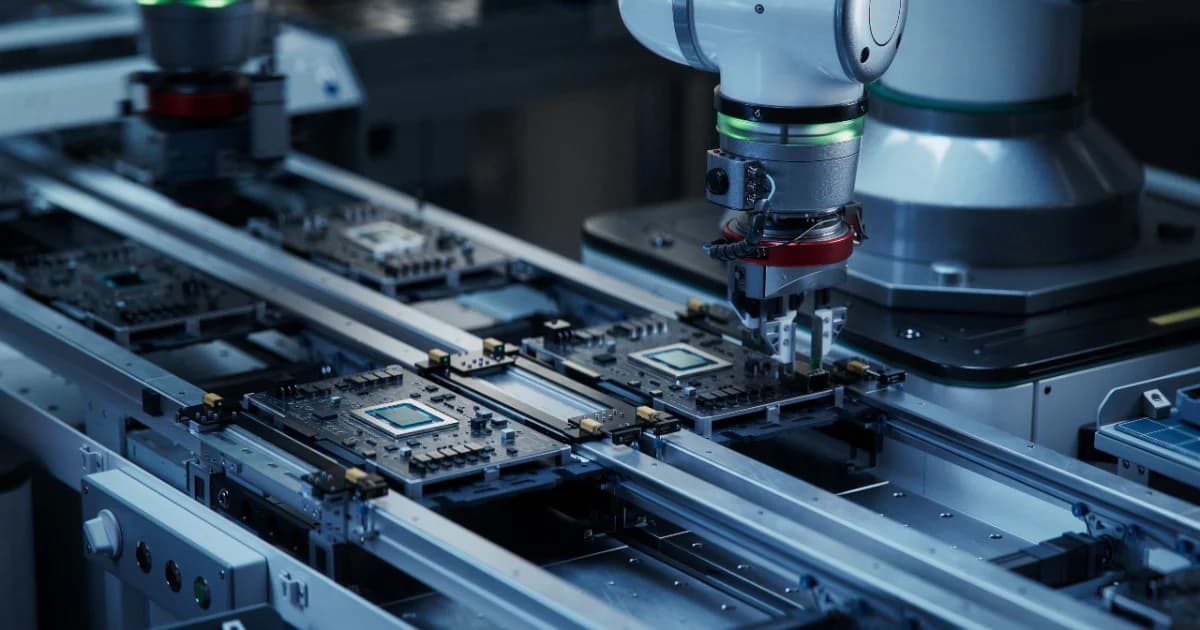
Siemens Unveils AI-Powered Library Characterization to Accelerate Semiconductor Design
Siemens introduced Solido™ Characterizer, an AI‑driven addition to its Solido™ Characterization Suite, aimed at speeding up semiconductor library creation. The tool leverages predictive AI to generate SPICE‑based Liberty files up to seven times faster, shrinking turnaround from weeks to days....
Foundry Set To Boom
In October 2002 UMC CEO John Hsuan projected the silicon‑foundry sector to grow over 30% in 2003, while TSMC chairman Morris Chang forecast annual growth above 20% that could persist through 2010. Both foundries were operating below capacity—UMC at 60%...

Mobile DRAM Prices Squeeze Smartphone Production
TrendForce reports that mobile DRAM prices are soaring in Q2 2026, with LPDDR4X ASPs up 70‑75% and LPDDR5X up 78‑83% quarter‑on‑quarter. Samsung is pursuing an aggressive one‑step price hike while SK Hynix opts for a milder, phased increase. The surge forces smartphone...

The Tech Download: Trump's China Visit Left Chip Export Issue Unresolved, with Rare Earths Deal Still Uncertain
President Donald Trump’s May 2026 visit to China, accompanied by top U.S. tech CEOs, failed to address the looming chip export control dispute, leaving Nvidia’s H200 AI chip sales to Chinese firms in limbo. The bilateral talks also left the...

Japan Power Chip Alliance Talks Slow as Rohm Resists Integration
Denso has withdrawn its bid to acquire Rohm, leaving Japan’s power‑semiconductor consolidation in limbo. Ongoing talks among Rohm, Toshiba and Mitsubishi Electric are stalled by concerns over joint management control and operational integration. Meanwhile Toshiba and Mitsubishi have each launched...
Chip Export Controls Were Not a Major Topic in Beijing, US Trade Rep Greer Says
U.S. Trade Representative Jamieson Greer told Bloomberg that semiconductor export controls were not a major topic at the recent US‑China bilateral meetings in Beijing. The administration, however, cleared Nvidia’s H200 AI chips for several Chinese firms shortly after the summit,...

Intel Razor Lake-AX Rumored with 32 Xe3 Graphics Cores
Intel is developing a Razor Lake‑AX client SoC that could ship with up to 32 Xe³ GPU cores, a dramatic increase over current mobile iGPUs. The graphics tile is rumored to cover roughly 162.84 mm² and may be paired with on‑package...
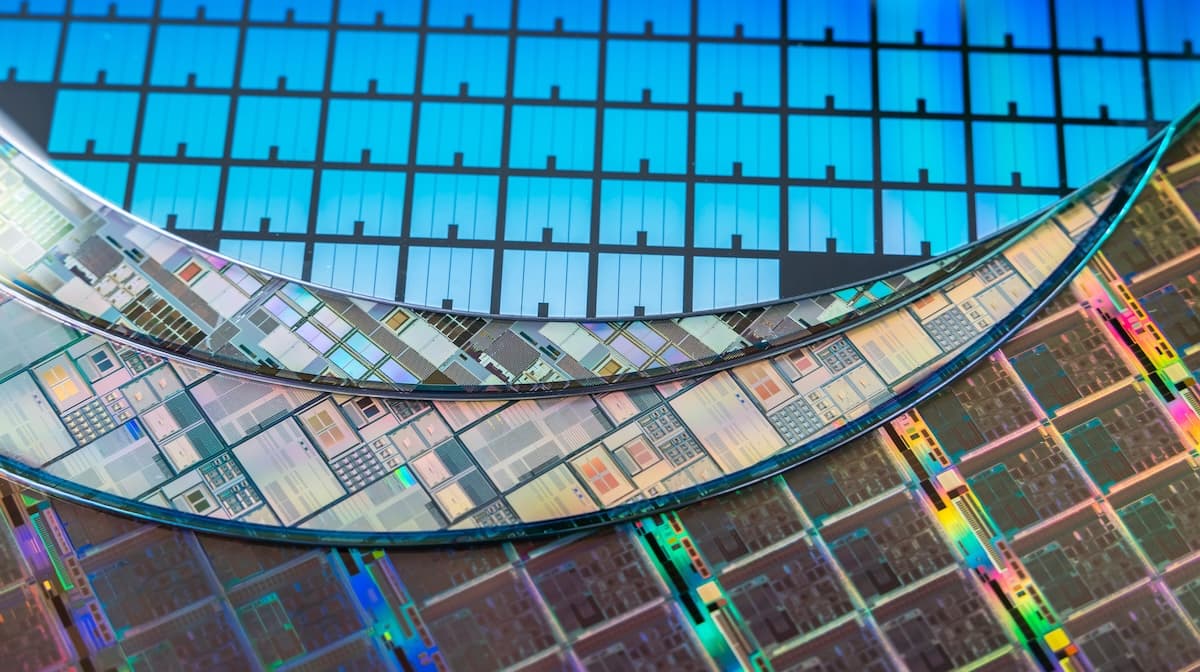
Chip Industry Week in Review
The United States approved Nvidia’s H200 chip sales to ten Chinese firms, though no shipments have been confirmed yet. Industry groups are pressing Congress to extend the semiconductor tax credit and broaden it to design activities as TSMC forecasts IC...

0.1μm-UMS GaN-on-SiC Technology: Qualification & Perspectives
United Monolithic Semiconductors (UMS) announced that its GH10-10 0.1 µm GaN‑on‑SiC technology has completed qualification and entered production. The new process delivers higher power density and faster switching speeds than previous generations. UMS says the qualification enables customers to accelerate time‑to‑market...

Applied Materials Boosts Its Outlook as AI Chipmakers Scramble to Add More Production Capacity
Applied Materials lifted its outlook for the current quarter, forecasting earnings of $3.36 per share and revenue of $8.95 billion, both above analyst estimates. The company posted Q2 revenue of $7.9 billion, an 11% year‑over‑year increase, and net income of $2.806 billion. Strong...
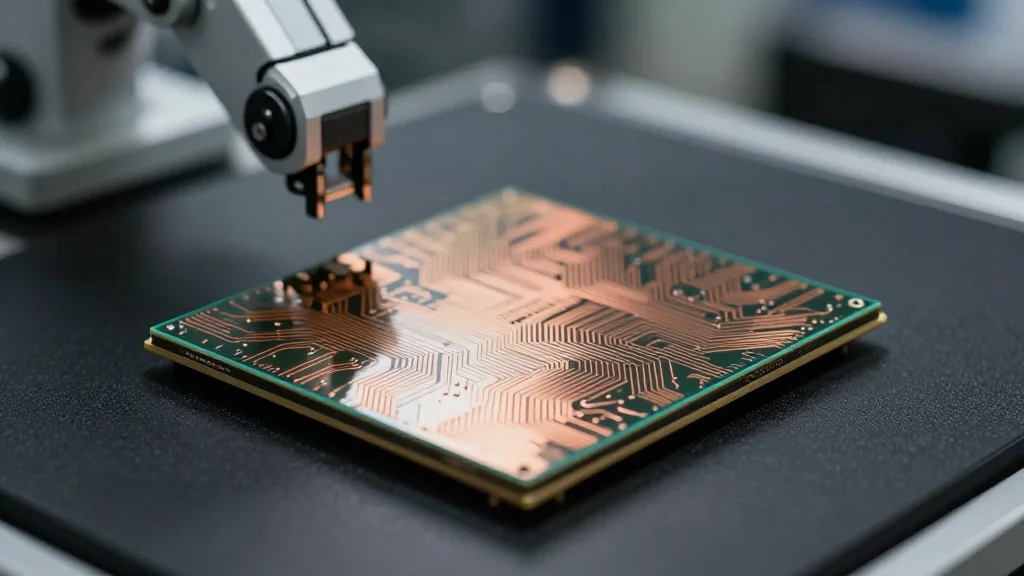
Mature Nodes, Missing Links And Niche Markets
China is accelerating its mature‑node semiconductor fab capacity, growing four times faster than global demand between 2015 and 2023. The country now accounts for roughly half of new mature‑node capacity projected over the next three to five years, squeezing Japanese...

AI Chip Maker Cerebras Systems Hits $95B Valuation After IPO, Giving Its Founder a 2nd Big Win
Cerebras Systems went public, pricing shares at $185 and closing at $311, which lifts its market cap to roughly $95 billion. The IPO sold 30 million shares, raising $5.55 billion, making it the biggest U.S. tech listing since Uber in 2019. The company’s...
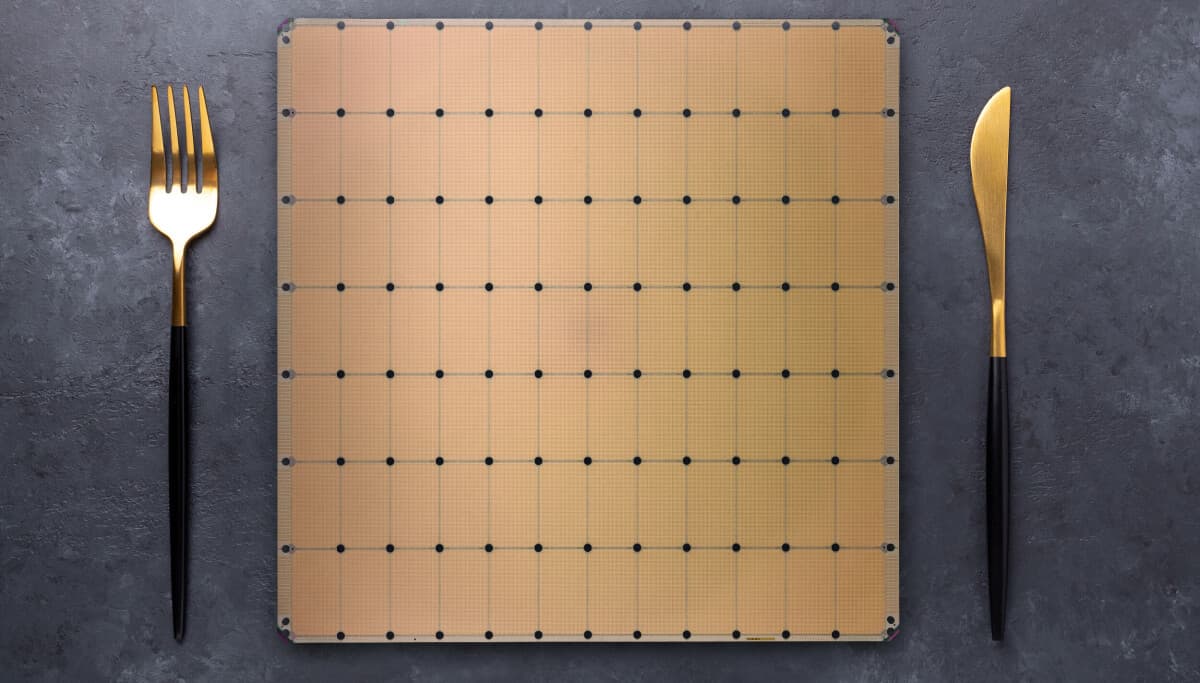
Cerebras Risked It All on Dinner Plate-Sized AI Accelerators a Decade Ago. Today It’s Worth $66 Billion
Cerebras Systems completed a blockbuster IPO on Thursday, raising $5.55 billion and debuting with a market valuation exceeding $66 billion. The company’s wafer‑scale engines—giant chips the size of a dinner plate—have evolved from the first‑gen WSE to the current WSE‑3, delivering up...
Cerebras Stock Nearly Doubles on Day One as AI Chipmaker Hits $100 Billion — What It Means for AI Infrastructure
Cerebras Systems went public on Nasdaq at $350 per share, nearly double its $185 IPO price, instantly achieving a $100 billion market value. The company sold 30 million shares, raising $5.55 billion, the largest U.S. tech IPO since Uber in 2019. Its wafer‑scale...
US Clears H200 Chip Sales To 10 China Firms
U.S. Commerce Department has granted export licenses to roughly ten Chinese companies—including Alibaba, Tencent, ByteDance and JD.com—to purchase Nvidia's H200 AI chip, the company's second‑most powerful accelerator. Each approved buyer may acquire up to 75,000 units, but no shipments have...

Cerebras Opens at $385. IPO Price Was $185 Raising $5.5B at the IPO Price
Cerebras Systems debuted on Nasdaq at $385 per share, more than double its $185 IPO price, delivering a 108% first‑day gain. The offering raised $5.55 billion, valuing the AI‑chip maker at over $100 billion on a fully diluted basis. Cerebras’ wafer‑scale engine,...
Nvidia Hits $5.5 Trillion Valuation With Zero Revenue From Its Former Biggest Growth Market: Could Huang Trip to China Accelerate...
Nvidia’s market capitalization surged to $5.5 trillion, eclipsing Apple and Google as the world’s most valuable public company. The jump reflects exploding demand for its AI‑focused GPUs, yet the firm reported zero revenue from China, its former biggest growth market. Analysts...
Power Corner: IDEAL’s SuperQ Tapping Si’s Potential Beyond Superjunction
iDEAL Semiconductor unveiled SuperQ, a silicon MOSFET architecture that replaces traditional superjunction P‑N pillars with an ultra‑thin high‑K dielectric in high‑aspect‑ratio trenches. This charge‑compensation redesign shrinks the blocking region to as little as 5% of the die, freeing silicon for...
Rethinking Superjunction’s Charge-Compensation Architecture with SuperQ
iDEAL Semiconductor’s SuperQ technology replaces the traditional p‑type pillars in superjunction MOSFETs with a nanometer‑thin high‑k dielectric film, reclaiming up to 95% of the silicon cross‑section for conduction. This asymmetric charge‑compensation architecture reduces specific on‑resistance while preserving high blocking voltages...

ADP: DRAM Shortage Is Affecting Ransomware Recovery
ADP’s chief strategy officer Stacy Hayes warns that the global DRAM shortage is crippling ransomware recovery more than backup. AI workloads are gobbling up memory, driving up hardware costs and lengthening lead times for the infrastructure MSPs rely on. As...
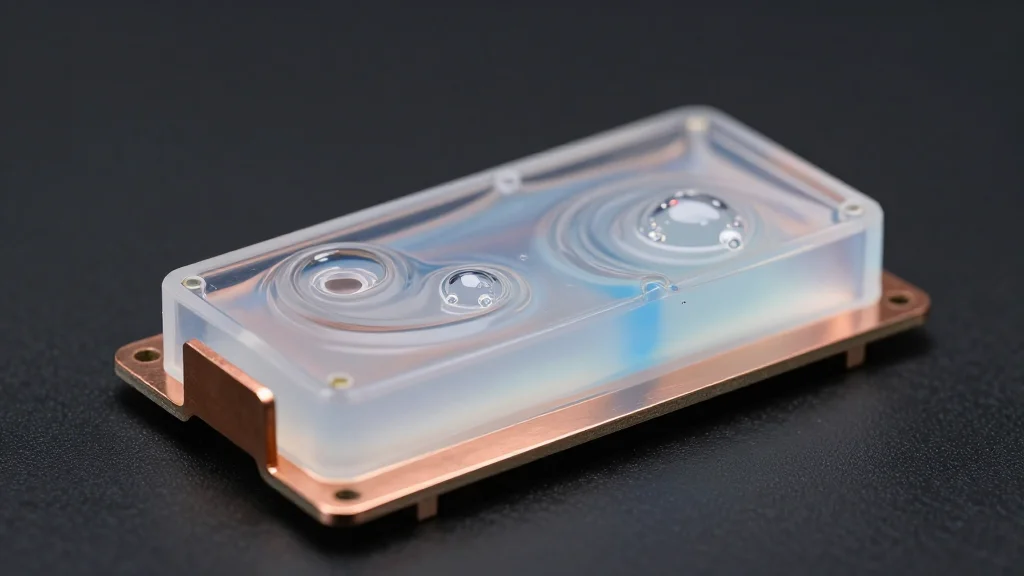
T-Global Partners with SiPearl to Launch Taiwan–France Advanced R&D Initiative
T-Global Technology has teamed with French fabless CPU designer SiPearl in a two‑year joint R&D effort to create high‑thermal‑conductivity materials and two‑phase liquid‑cooling modules for high‑performance computing chips. The project, approved under Taiwan’s Ministry of Economic Affairs “A+ Driving Industrial...