
Nvidia CEO Touts Surge in Spending in Taiwan
Nvidia announced its annual spending in Taiwan has surged to roughly $150 billion, a ten‑fold increase from five years ago. The company plans to expand its local workforce to about 4,000 employees and launch a new Taipei headquarters, dubbed "Constellation," with operations slated for 2030. CEO Jensen Huang highlighted Taiwan’s pivotal role in AI chip design, packaging and supercomputing, and called for greater electricity capacity to sustain the ecosystem. He also reassured staff that AI will augment, not replace, jobs.

Broadcom Rolls Out Wi-Fi 8 and 50G Networking Gear Ahead of Standards Approval
Broadcom unveiled a 50‑gigabit passive optical networking (PON) system‑on‑chip, the BCM68850, that embeds a neural processing unit for edge‑AI workloads, alongside three Wi‑Fi 8 router chips and a fixed‑wireless platform co‑developed with Samsung. The chips arrive years before the IEEE 802.11bn...

AI Is an Arms Race, and the US Wants $9 Billion in Nvidia Superchips to Keep Up
The U.S. government has submitted a secret $9 billion request to purchase Nvidia's GB10 "Grace Blackwell" superchips for the CIA, NSA and other intelligence agencies. The GB10 combines a 20‑core Arm CPU with a Blackwell GPU, delivering 1 petaflop of FP4 AI...
As Micron Heeds Trump’s Call for Domestic DRAM Manufacturing, MU Stock Is Still Undervalued
Micron (MU) is moving its 1‑alpha DRAM production to Manassas, Virginia, aligning with President Trump’s push for domestic chip manufacturing. The 1‑alpha node, the fourth generation of Micron’s 10‑nm DRAM architecture, delivers 40% higher density and up to 20% power...

Junctionless Transistors Show a New Path to 3D Chips
Researchers at the University of Illinois Urbana‑Champaign have demonstrated a silicon‑based monolithic 3‑D chip built with junctionless transistors at temperatures below 200 °C using a roll‑transfer‑printing process. The technique stacks three layers of 10‑nm‑thin silicon membranes with sub‑10‑nm alignment, creating SRAM...

Innodisk Launches APEX Series Edge AI Systems to Accelerate Industrial AI Deployment at the Edge
Innodisk unveiled its APEX Series Edge AI Systems, anchored by the APEX‑A100 module powered by Qualcomm’s Dragonwing IQ9 processor. The A100 offers up to 100 dense TOPS of compute while maintaining high energy efficiency and promises component availability through 2038....
Intelligent, Configurable I/O: Edge Autonomy, Thermal Efficiency, and Higher Uptime in Industrial Control Systems
The paper examines how intelligent, configurable I/O is reshaping industrial control systems. By moving from fixed‑function to software‑defined channel assignment, a single I/O module can handle multiple signal types and adapt to late‑stage design changes. This flexibility reduces SKU count,...
Broadcom Expands Wi-Fi 8 Portfolio With BCM6772, BCM6774 and BCM6776 SoCs for Multi-Gigabit Home Networks
Broadcom announced three new Wi‑Fi 8 system‑on‑chip solutions—BCM6772, BCM6774 and BCM6776—aimed at high‑performance Ethernet routers and mesh networking equipment. The chips integrate application processors, network processing engines, dual‑band Wi‑Fi 8 radios and multi‑gigabit Ethernet PHYs into a single die, reducing power consumption,...
A Closer Look at Huawei’s Chip Design Workaround without EUV
Huawei unveiled a new chip design strategy called LogicFolding, which relies on 3D stacking and aggressive hybrid bonding to sidestep the need for extreme‑ultraviolet (EUV) lithography. The approach targets a 1.4 nm process node slated for 2031, positioning the company to...

The AI Boom Drove Nvidia's Yearly Taiwan Spending From $15 Billion to $150 Billion
Nvidia disclosed that its annual spend on Taiwanese suppliers, chiefly TSMC, has surged to roughly $150 billion, up from $10‑15 billion three to four years ago. The AI boom is driving this ten‑fold increase as the company scales its GPU production for...

AI Is Powering A Semiconductor Boom
Global semiconductor sales are set to top $1.3 trillion in 2026, a 60% jump and the fastest growth in two decades, driven largely by AI‑related demand. AI chips alone will account for roughly 30% of that market, while memory prices surge...

China Adds Homegrown AI Chips to 'Secure and Reliable' Procurement List for the First Time — Nine Options Added as...
China’s technology security bodies have certified nine domestically designed AI processors for state procurement, establishing a new “AI training and inference chips” category under the Anke framework. The approved lineup includes Huawei’s Ascend 310/910, Alibaba’s T‑Head Zhenwu M530 and M890,...
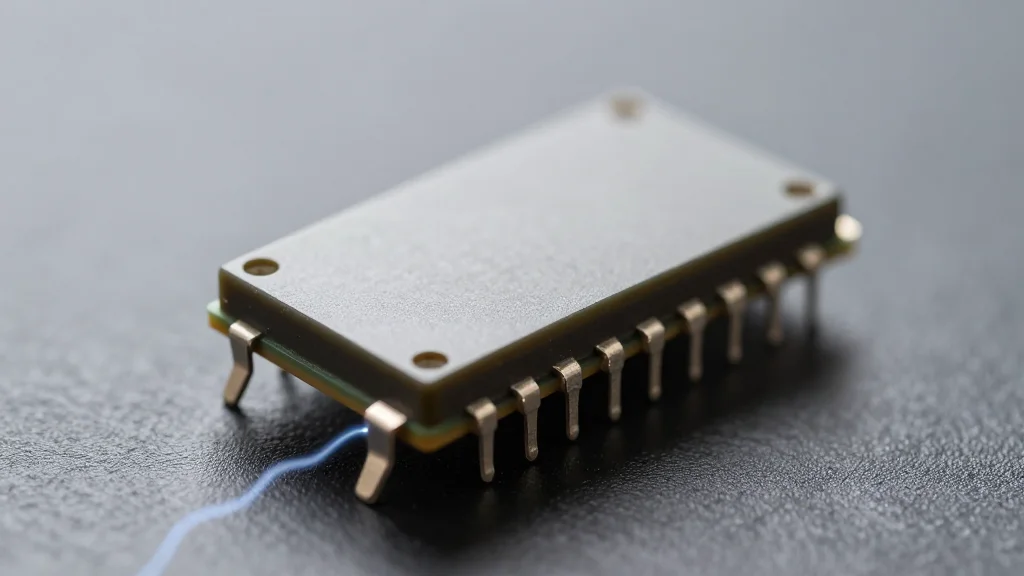
Microchip Launches 3.3kV HV D3 mSiC Power Modules to Enable Solid-State Transformers for AI Data Centers
Microchip Technology announced 3.3 kV HV‑D3 mSiC power modules designed for solid‑state transformers in AI hyperscale data centers. The modules integrate SiC MOSFETs and Schottky diodes in a 62 mm package, offering 6 kV isolation and high thermal conductivity. They halve the number...

Infineon Issues Price Increase Notice Amid Rising Semiconductor Costs
Infineon Technologies announced price increases for selected semiconductor products effective July 1, 2026, citing rising energy, raw‑material, transportation and service costs amid accelerating demand. The company will speed up capacity expansion but can no longer absorb all cost pressures internally. Analysts expect...

Vishay Expands IHXL High-Current Inductors for Automotive and Renewable Power Systems
Vishay Intertechnology has added four high‑current devices to its IHXL series of radial through‑hole inductors, targeting automotive, industrial and renewable‑energy power systems. The new IHXL1500VZ‑3A, IHXL1500VZ‑31, IHXL2000VZ‑3A and IHXL2000VZ‑31 use a novel iron‑alloy core that trims core losses by roughly...

Deterministic, Solver-Accurate Thermal and Warpage Analysis at Manufacturing Resolution for Advanced 2.5D HBM Packages
Thermal management has become the primary bottleneck for high‑performance computing and AI accelerator packages that stack multiple High Bandwidth Memory (HBM) dies on a silicon interposer. Modern 2.5D designs can exceed 1 kW of thermal design power, creating intense die‑to‑die crosstalk...
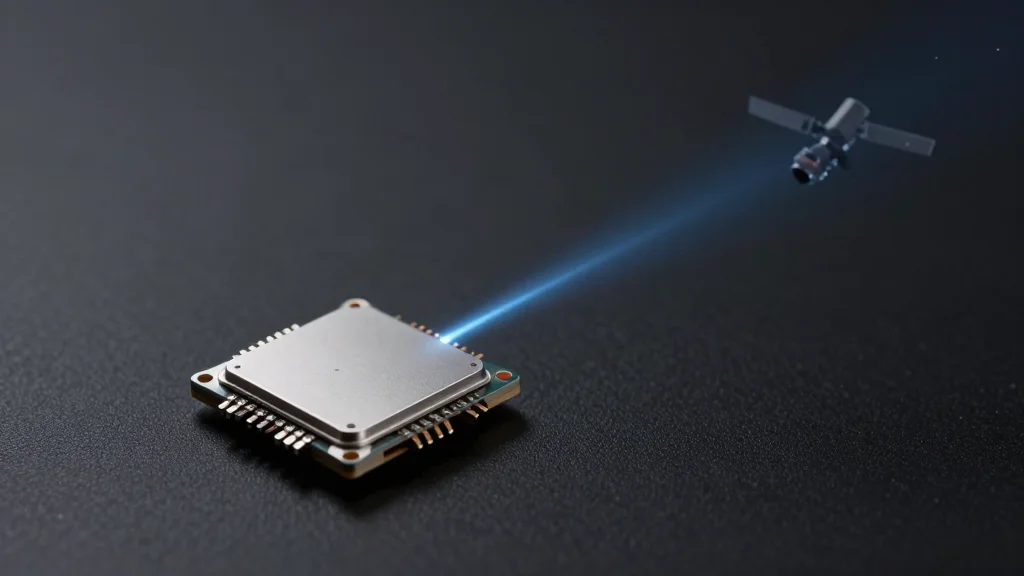
Altera Advances Reconfigurable Optical Modem Development for DIU’s RAZORBAC Initiative
Altera Corp. is teaming with the Defense Innovation Unit to build a reconfigurable coherent free‑space optics (FSO) modem prototype for the RAZORBAC program. The effort leverages Altera’s Agilex FPGA and a multi‑chip package (MCP) to create a flexible, high‑bandwidth optical...

Where AI Actually Delivers in Design Verification
AI is moving from theory to practical assistance in semiconductor design verification, targeting the most resource‑intensive phases of front‑end IC development. The technology is already proving useful for coverage closure, regression analysis, and bug triage, where structured data enables measurable...

Top Ten Foundries 2025
The "Top Ten Foundries 2025" report ranks the world’s leading semiconductor manufacturers based on capacity, technology node adoption, and revenue growth. The list highlights Taiwan Semiconductor Manufacturing Co. (TSMC) and Samsung Electronics retaining the top spots, while emerging players such...

Broadcom Launches 50G PON Portfolio
Broadcom unveiled the BCM68850, the industry’s first 50 Gbps ITU‑PON home‑gateway SoC that integrates a neural processing unit and native Wi‑Fi 8 support. The chip offers symmetric 50 Gbps throughput, edge‑AI inference, self‑healing bandwidth optimization and post‑quantum security. It completes Broadcom’s wireless‑broadband portfolio,...
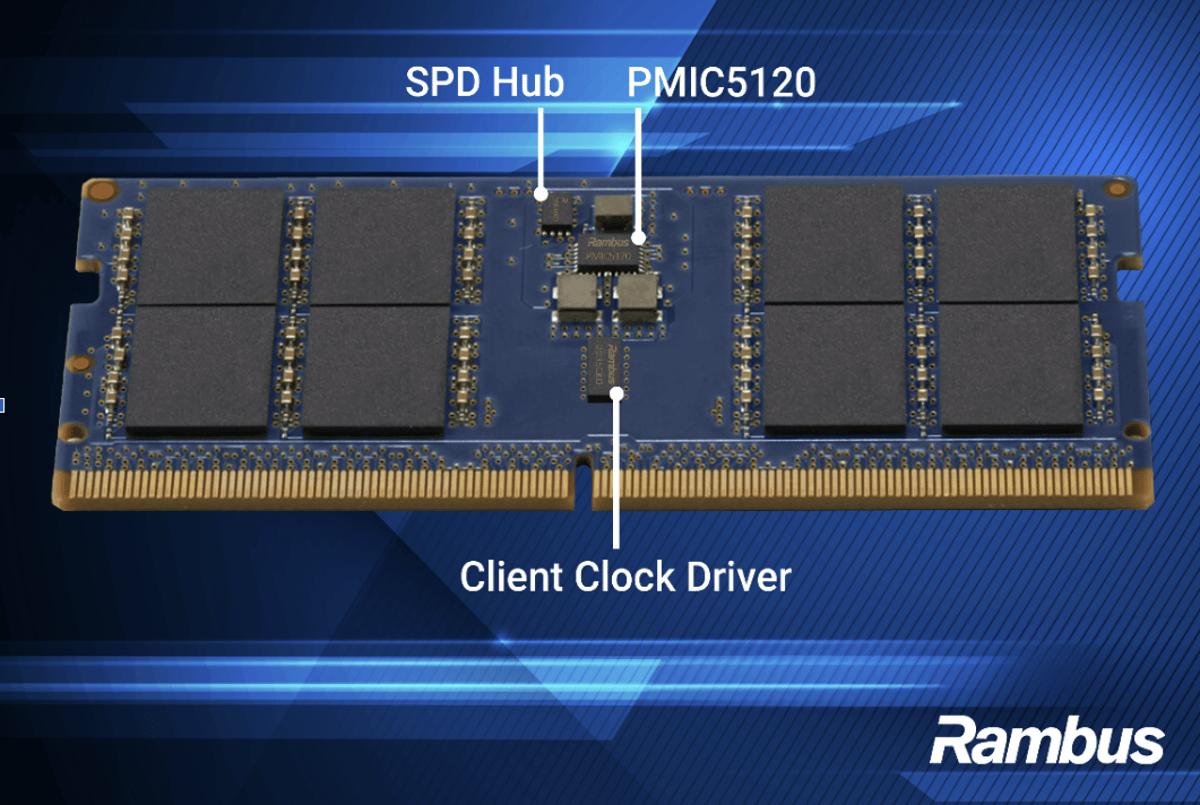
Rambus Targets Agentic AI Workloads with Faster Client Memory Chipset
Rambus announced a DDR5 9600 client memory chipset that pushes module speeds to 9,600 MT/s, aiming at the bandwidth‑heavy demands of agentic AI workloads on desktops and laptops. The solution bundles a second‑generation clock driver (CKD02), a PMIC5120 power‑management IC, and an...
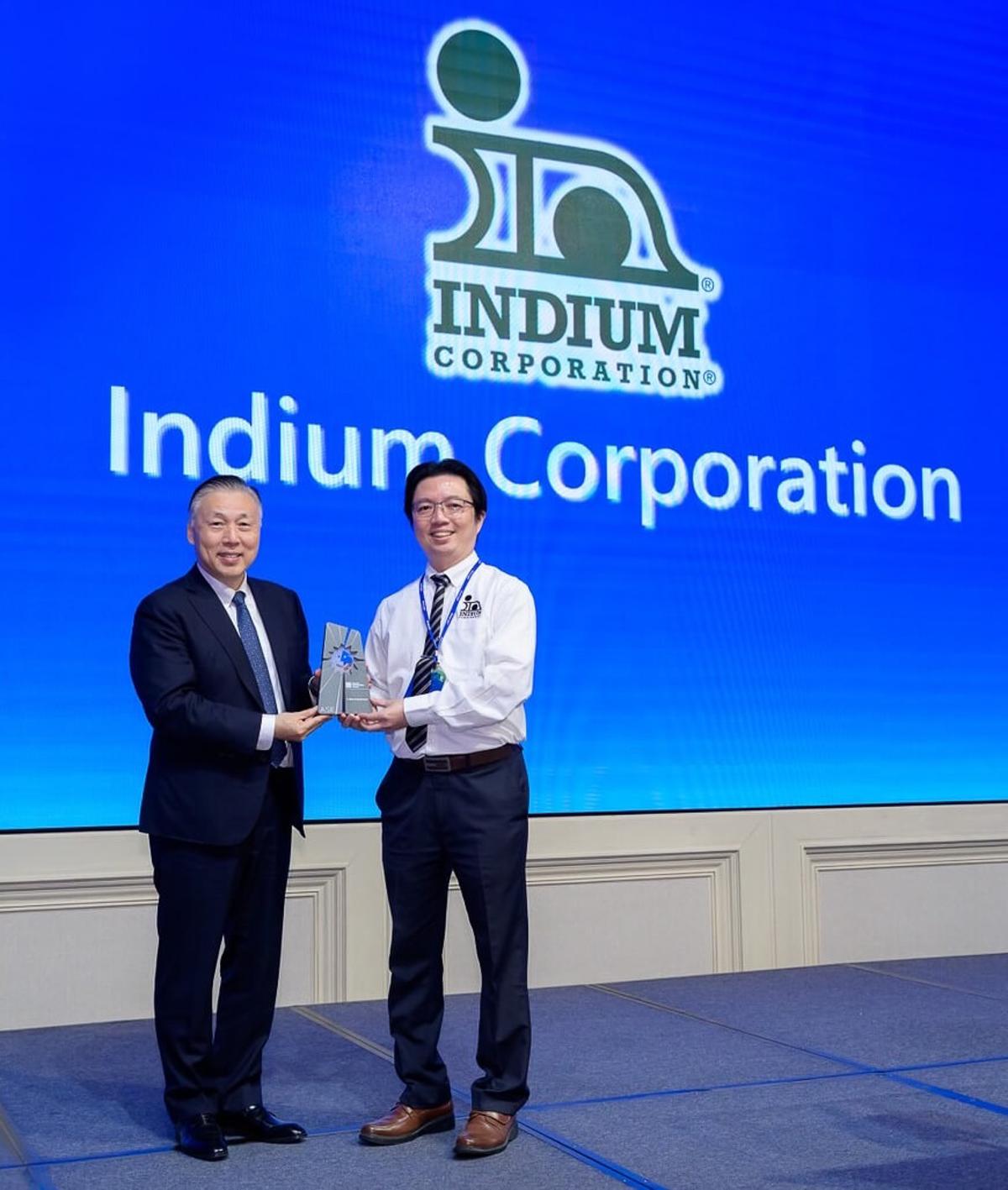
Indium Corporation Receives ASE Technology Sustainability Award
Indium Corporation earned ASE Technology Holding’s 2025 Sustainability Award for its WS-575-C ball‑attach flux, which lets ASE clean BGA assemblies with room‑temperature water instead of heated water. The change cuts electricity use by roughly 157,680 kWh annually, reduces carbon emissions by...

DCD-SEMI Introduces eSPI Combo for Next-Generation Intel-Based Platforms
DCD‑SEMI announced the DESPI eSPI Combo, a unified controller‑and‑target IP solution for Enhanced Serial Peripheral Interface (eSPI) on Intel‑based platforms. The combo supports up to 66 MHz serial clocks across single, dual, and quad SPI links, replacing legacy LPC interfaces with...
Intel's $43 Billion Government Windfall Gains Momentum With Apple Deal
Intel's shares have surged since the White House bought a 9.9% stake at $20.47 per share, delivering roughly $43 billion in paper gains. The company is now in preliminary talks with Apple to supply chips for undisclosed products, marking a potential...
Low-Power, Flexible Radio-Frequency Transistors Break 100 GHz Barrier
Researchers at Peking University and Stanford have demonstrated flexible carbon‑nanotube radio‑frequency transistors that operate above 100 GHz, achieving a 152 GHz current‑gain cutoff and a 102 GHz power‑gain cutoff while consuming less than 200 mW mm⁻¹. The devices use an electro‑thermal co‑design that routes heat...

Accelerated Embedded Systems for Physical AI
Hailo showcased its latest AI accelerators, the Hailo‑10 M.2 module and the upcoming Hailo‑15 family, targeting physical‑AI devices such as robots and drones. The Hailo‑10 provides 40 TOPS of INT4 performance while drawing less than 2.5 W, enabling on‑edge large‑language and visual‑language...
AMD Targets TSMC's A14 Node for Zen 7, Pushing Server Chips Into the Angstrom Era
AMD is evaluating TSMC’s A14 process for its upcoming Zen 7 CPUs, moving the company into the angstrom‑scale manufacturing era. The Zen 7 "Grimlock" core‑complex will retain 16 cores but focus on AI‑centric workloads, introducing the unified AVX10 instruction set and new...
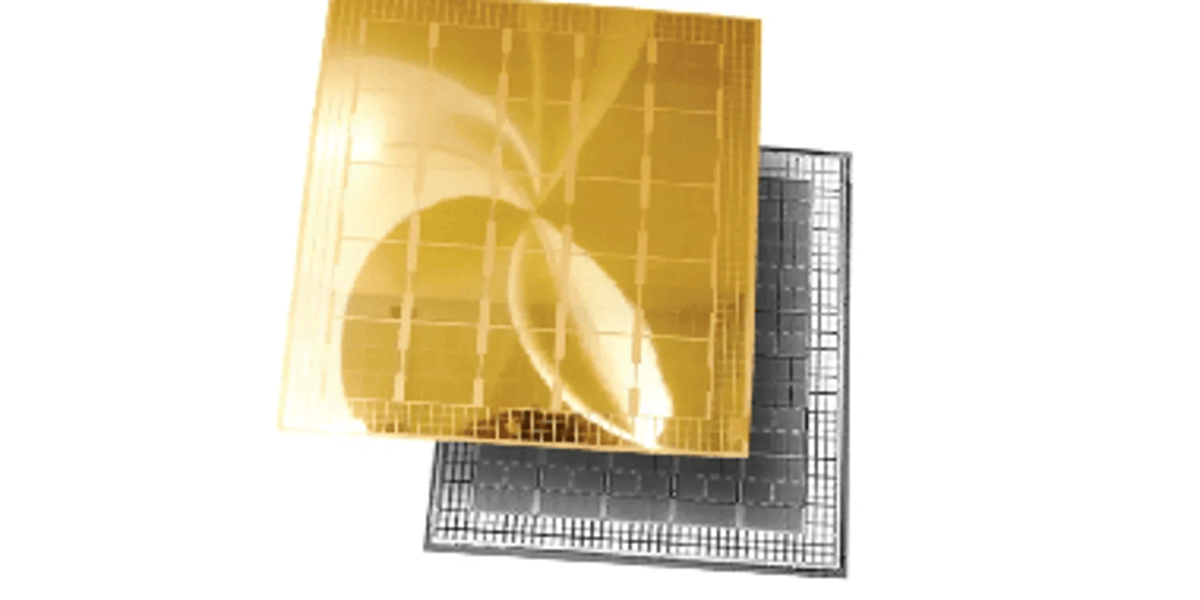
ASE Launches Automated 310mm Panel-Level Packaging to Accelerate AI Innovation
Advanced Semiconductor Engineering (ASE) announced an industry‑first automated 310 mm × 310 mm panel‑level packaging production line slated for start‑up in the first half of 2027. The new line expands usable area to 96,100 mm² per panel and supports FOCoS and FOCoS‑Bridge platforms with 2 µm/8 µm...
Untitled
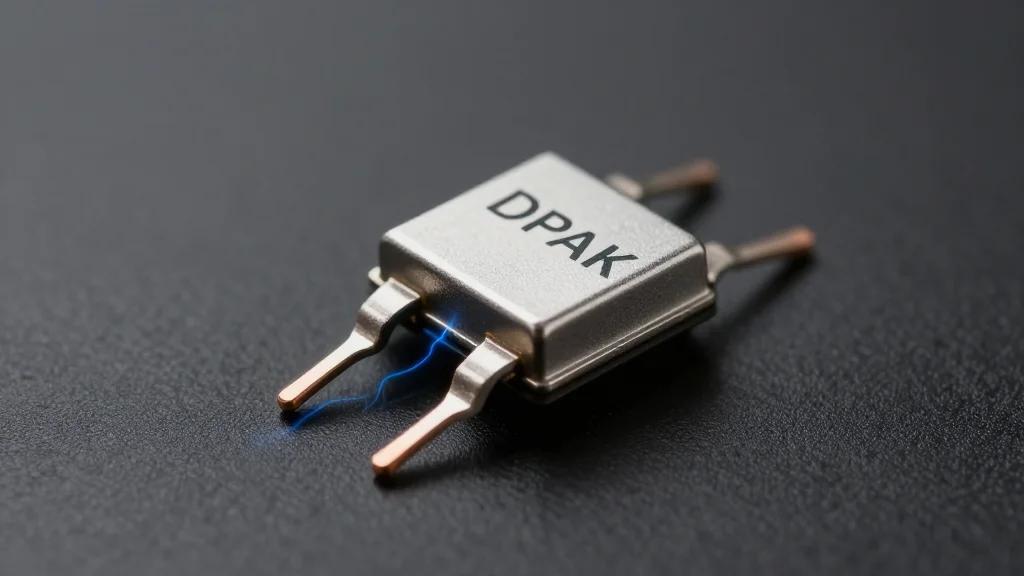
STMicroelectronics introduced a new family of 700 V PowerGaN transistors that target high‑power, high‑efficiency markets such as AI data‑center servers, humanoid robotics, and smart‑grid converters. The seven enhancement‑mode devices span continuous currents from 6 A to 29 A with on‑resistance as low as...
AI Server Demand Drives NAND Flash Revenue Surge as Enterprise SSD Orders Soar
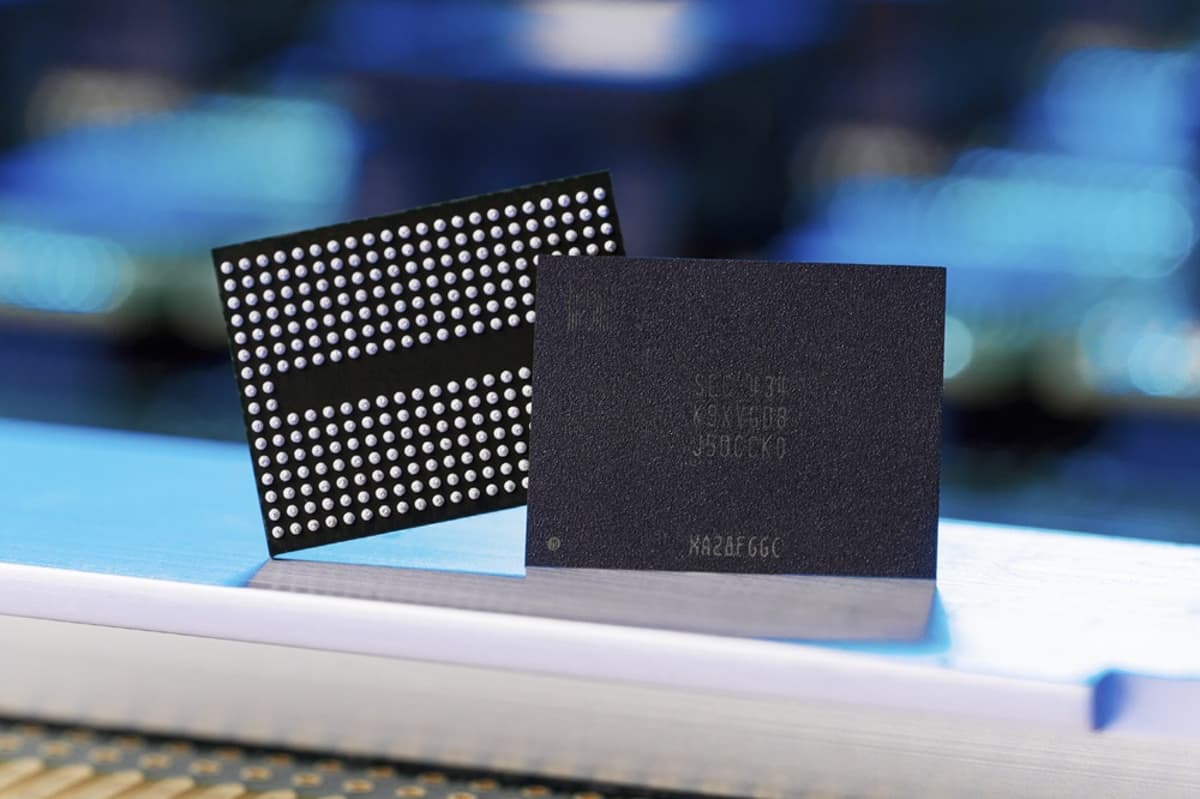
Global NAND flash suppliers saw first‑quarter 2026 revenue surge to $38.9 billion, an 83.7% sequential jump, driven by exploding AI server demand and enterprise SSD adoption. Hyperscale cloud providers are buying high‑capacity QLC SSDs, pushing average selling prices above expectations. Samsung...

Huawei Unveils Chip Tech Intended to Ensure Chinese Independence
Huawei unveiled the Tau Scaling Law, a new semiconductor design paradigm that de‑emphasizes transistor shrink in favor of time‑based scaling and LogicFolding architecture. The company claims the approach can deliver chips equivalent to a 1.4 nm process by 2031, with the...

SK Hynix Integrating Cooling Into Next-Gen High-Bandwidth Memory Chips
SK Hynix has introduced Integrated Cooling Elements (ICE) directly into its high‑bandwidth memory (HBM) chips, targeting the die‑to‑die physical layer where heat accumulates. The ICE columns, made of electrically non‑conductive, thermally conductive silicon, cut thermal resistance by about 30 percent and...
Tiny On-Chip Circuit Could Power Next-Generation Quantum and AI Technologies
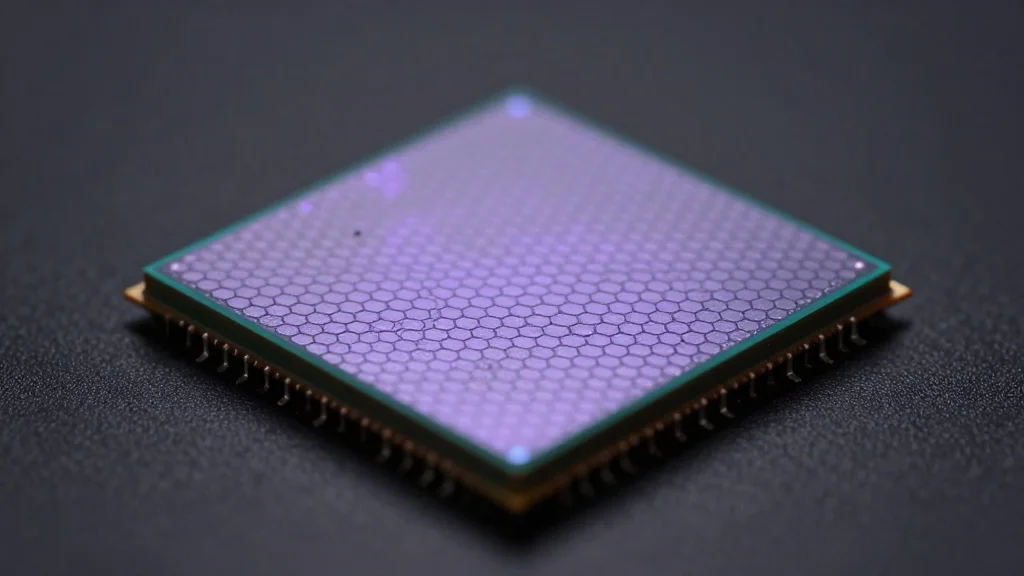
Researchers at Monash University have unveiled a nanoscale on‑chip circuit that can generate, direct, and read light‑based information using the valley degree of freedom. The integrated device combines atom‑thin materials with metasurface nanostructures, achieving full signal control on a single...
GUC Showcases VSORA’s Jotunn8 AI Inference Processor at TSMC Europe Technology Symposium
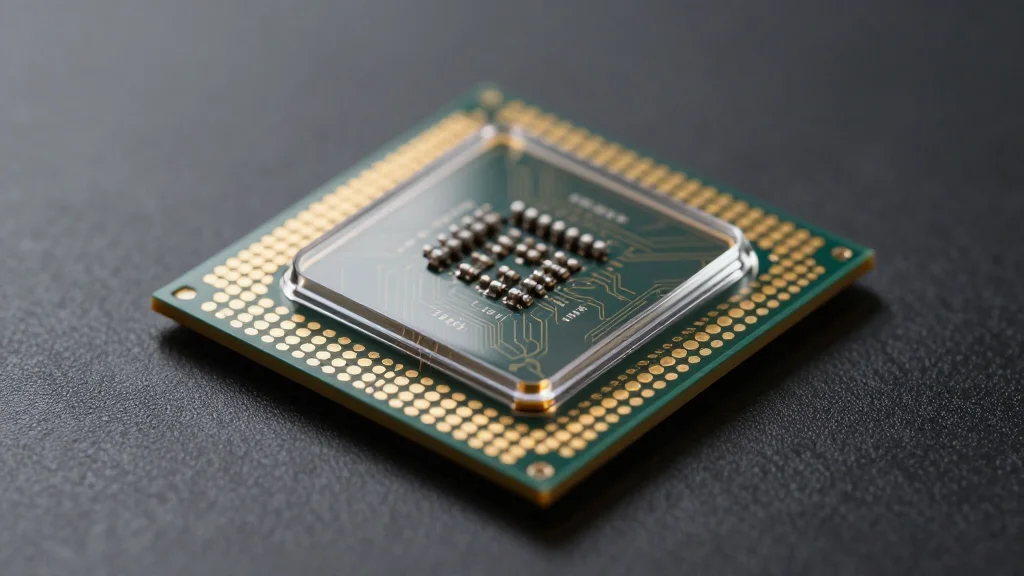
Global Unichip Corp. (GUC) will showcase VSORA’s Jotunn8 AI inference processor at the TSMC Europe Technology Symposium. The chip, built on TSMC’s 5nm node with HBM3E and 2.5D CoWoS packaging, delivers ultra‑low latency and high throughput for data‑center workloads. GUC...
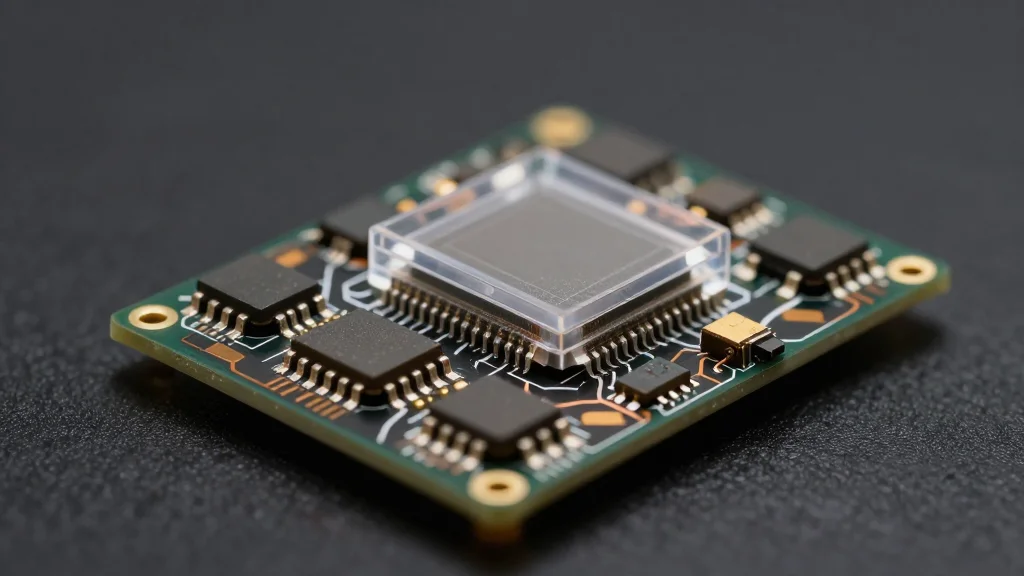
ASICs Becoming System-Specific
The surge in AI workloads is forcing ASIC designers to move beyond monolithic, application‑specific chips toward system‑specific, modular architectures. Disaggregation splits a large die into multiple specialized dies that are integrated with advanced packaging, allowing each block to be optimized...

Detecting Defect-Induced Silent Data Corruptions in CPUs (Stanford, Google)
Stanford and Google researchers introduced ITHICA, an intra‑thread instruction‑checking framework that uncovers defect‑induced silent data corruptions (SDCs) in CPUs. The method challenges the long‑standing assumption that silicon defects produce consistent errors, showing that identical instructions can yield divergent results depending...

An Agent-Driven End-to-End HW-SW Co-Design Benchmark for Heterogeneous SoCs (Columbia, IBM)
Columbia University and IBM Research introduced HSCO-Bench, the first benchmark that tests large language model (LLM) agents on end‑to‑end hardware‑software co‑design for heterogeneous system‑on‑chips. The suite runs on an open‑source SoC platform and deploys generated designs to an AMD Virtex‑7...
AI Speeds up Discovery of Next-Gen Computer Chips and Electronic Materials
An international team led by Flinders University and Khalifa University has created a machine‑learning platform that uses Bayesian optimization to discover new gallium‑based semiconductor materials. The AI engine learns chemical rules from thousands of existing compounds and proposes only chemically...
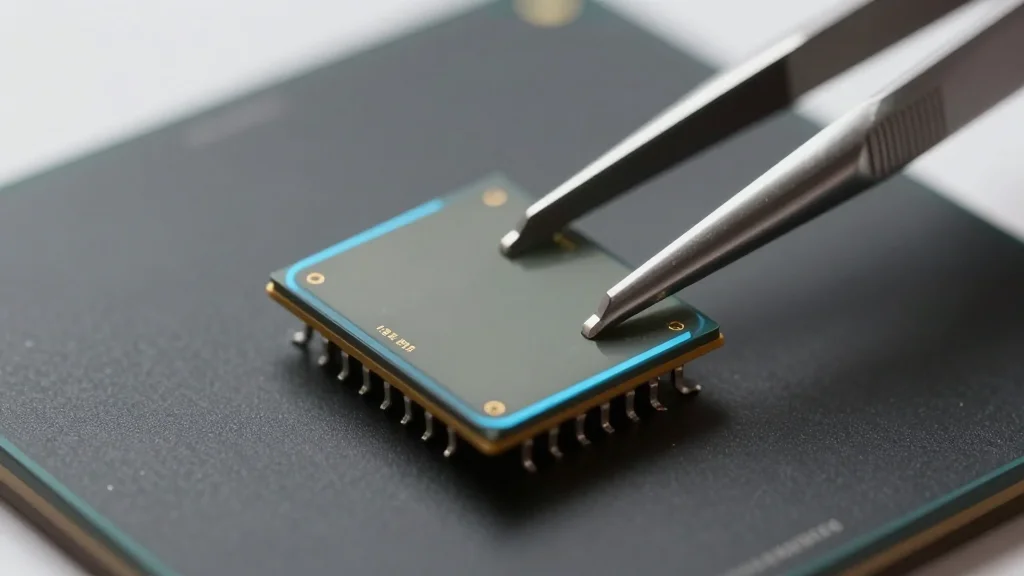
Re-Spins Get You Fired, Says Intel CEO
Intel CEO Lip‑Bu Tan announced a hard‑line chip‑design rule: engineers must achieve a first‑time pass (A0) at tape‑out, with any additional revisions leading to termination. He criticized the current engineering culture as too lax and cited the Sapphire Rapids processor,...

Huawei Proposes New Path for Chips as Moore’s Law Runs Out of Road
Huawei unveiled its "Tau Scaling Law" at the 2026 ISCAS conference, proposing time‑based scaling instead of traditional geometric shrinkage. The approach hinges on a new LogicFolding architecture that shortens signal paths to boost transistor density without cutting‑edge lithography. Huawei claims...

Intel Reportedly Developing GPU-Focused Nova Lake Edge AI Processor with Unusual 8E+12Xe Configuration
Intel is reportedly developing a Nova Lake processor built around an 8E+12Xe configuration, pairing eight efficiency cores with a high‑end integrated Xe graphics engine while omitting traditional performance cores. The design emphasizes GPU‑centric compute for edge AI workloads such as small‑language‑model...

Huawei Claims Chip Design Breakthrough
Huawei announced that its next‑generation chips will achieve transistor density comparable to a 1.4 nm process within five years, a milestone that would place the Chinese firm near the global frontier of semiconductor technology. The claim was made at a Shanghai...
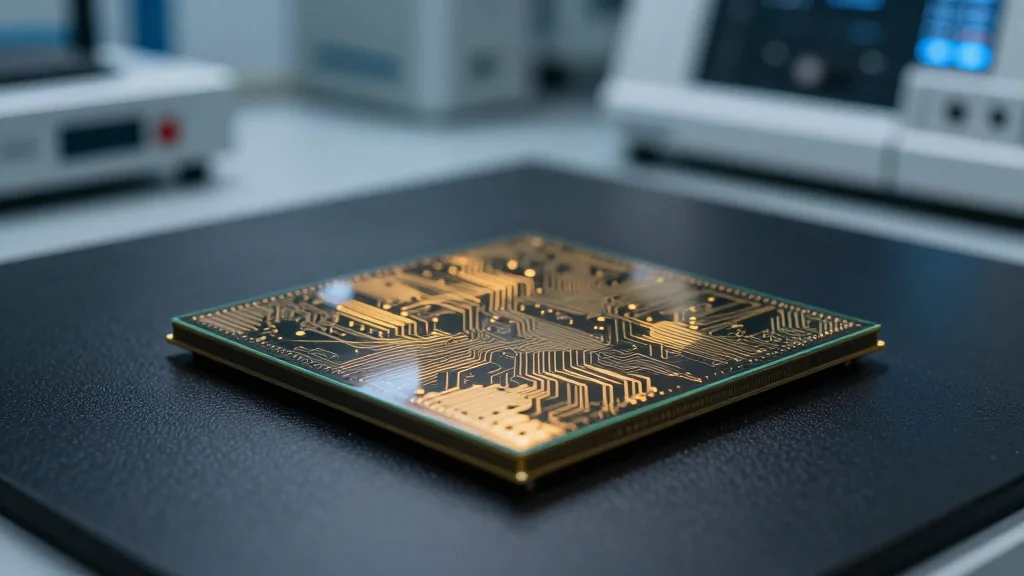
Huawei Says It Has Workaround to Match Leading Chips
Huawei Technologies announced it has devised a workaround that could enable the company to produce chips comparable to Intel’s most advanced products by 2031. The method sidesteps the need for the cutting‑edge lithography machines that the United States has barred...
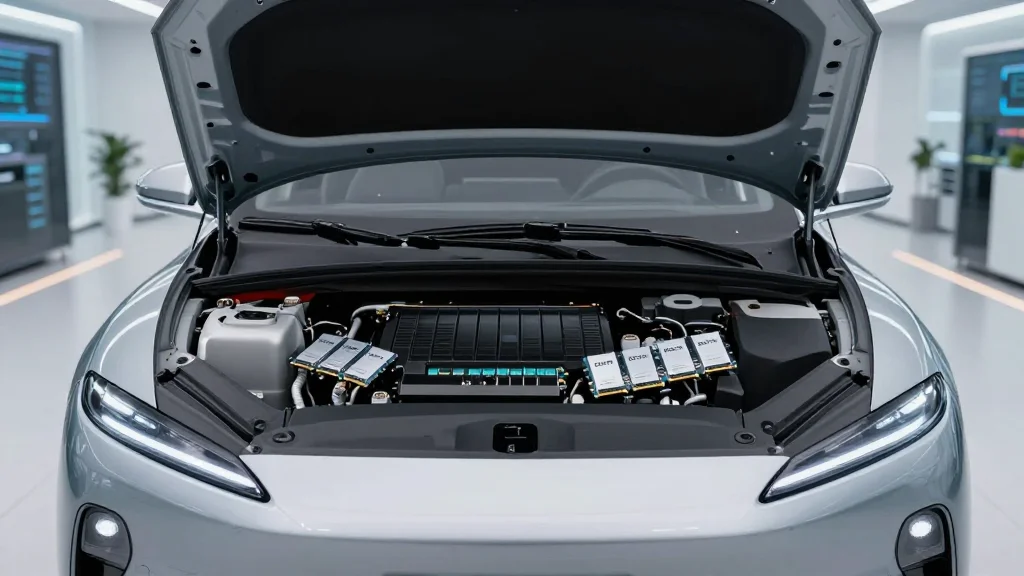
Automakers Now Competing with AI Infra Developers for Memory Supply
In 2026 automakers are confronting a severe DRAM and NAND flash shortage as AI data‑center developers prioritize high‑bandwidth memory. The scarcity forces OEMs to compete directly with AI infrastructure firms, reshaping procurement and slowing autonomous‑driving rollouts. New EU safety regulations...
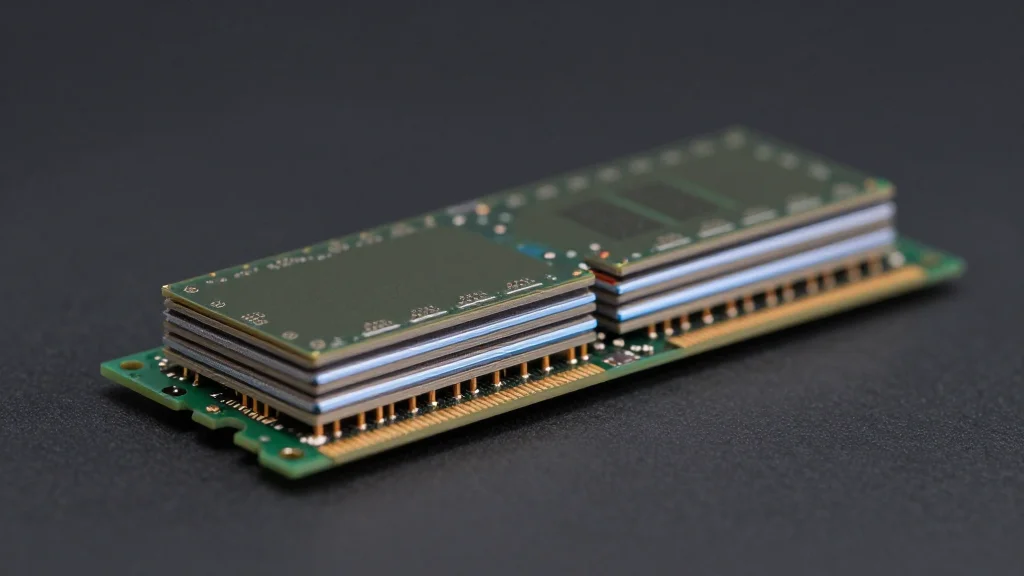
Memory Has Grown to Nearly Two-Thirds of AI Chip Component Costs
High‑bandwidth memory now makes up roughly two‑thirds of AI‑chip component spending, climbing from 52% in Q1 2024 to 63% by Q4 2025. In absolute terms, HBM outlays jumped from about $12 billion to $32 billion, driving total component spend from $22 billion to $52 billion. Logic‑die...
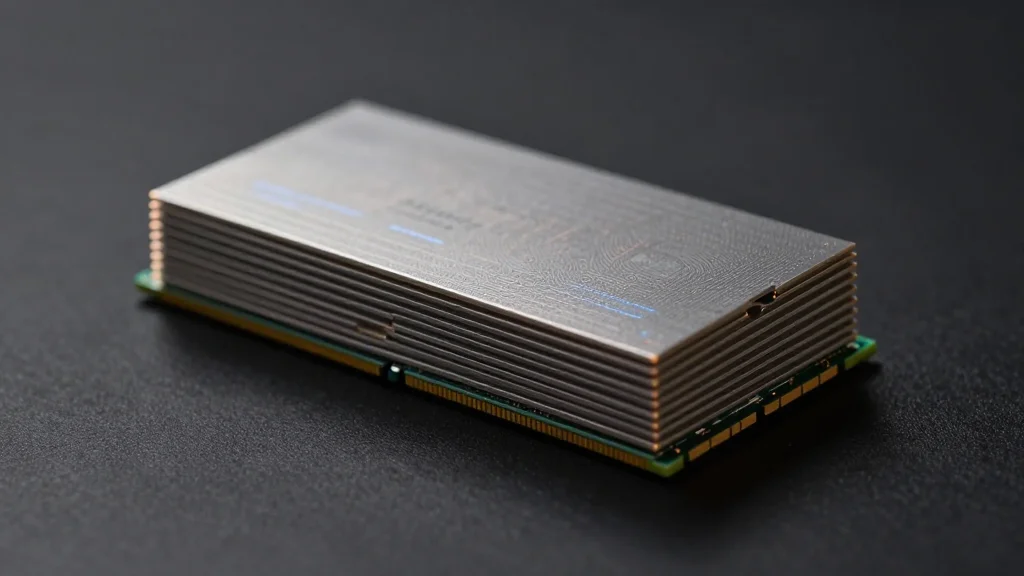
AI Is Killing the Cheap Smartphone. The Memory that Powers Your Phone Now Goes to Data Centres Instead.
AI‑driven demand for high‑bandwidth memory (HBM) is forcing the three dominant DRAM producers—Samsung, SK Hynix and Micron—to divert capacity away from cheap smartphones, sending LPDDR prices soaring. By 2026, HBM is expected to occupy 20% of DRAM wafers, with margins above...
AMD (Xilinx) Is Excluding Linux From the Free Tier For Its FPGA Dev Tool
AMD announced that beginning with the Vivado 2026.1 release, the free Vivado ML Standard Edition will no longer be offered on Linux. The change is paired with support for additional FPGA devices in the free tier, but key debug features...
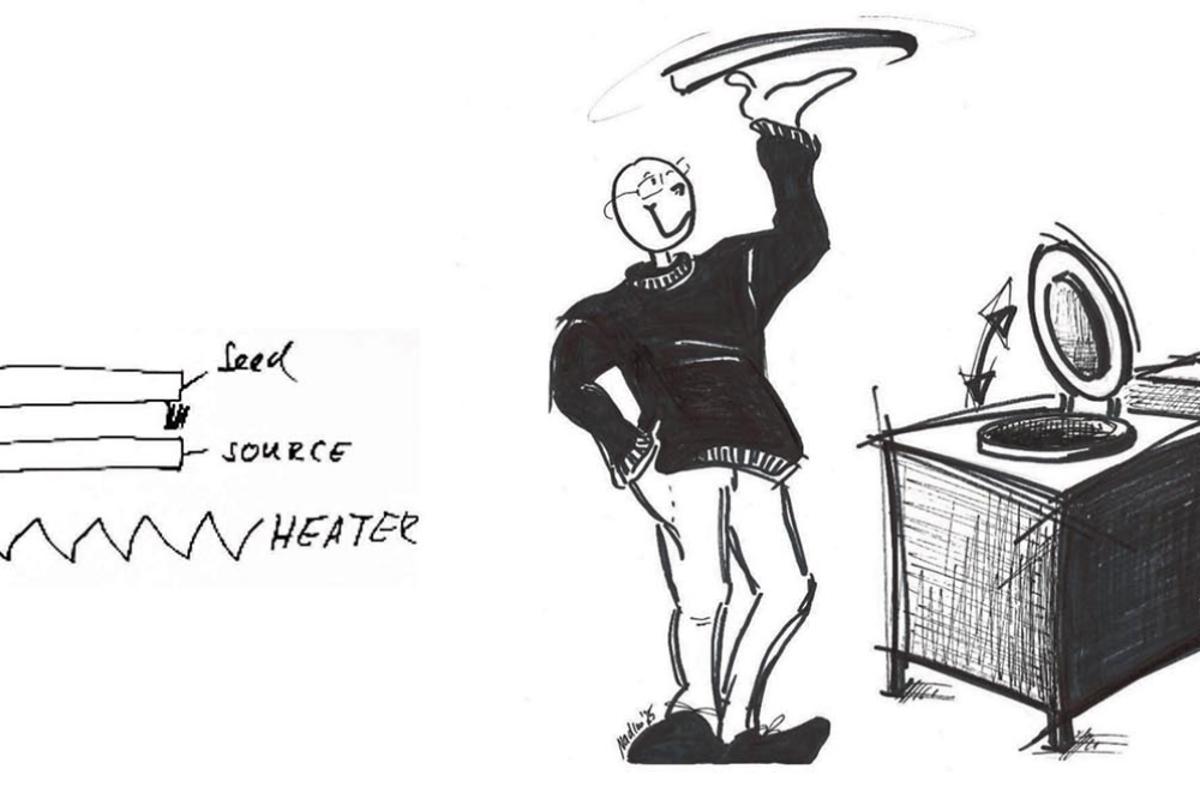
SiC Substrates with Table-Top Closed-Space PVT
Researchers at the University of Erlangen‑Nürnberg have unveiled a compact, table‑top close‑space physical vapour transport (CS‑PVT) system for silicon‑carbide (SiC) crystal growth. The tool operates at roughly 1900 °C under ultra‑high vacuum, delivering radial thermal gradients an order of magnitude lower...
Strengthening the World's First CS Cluster
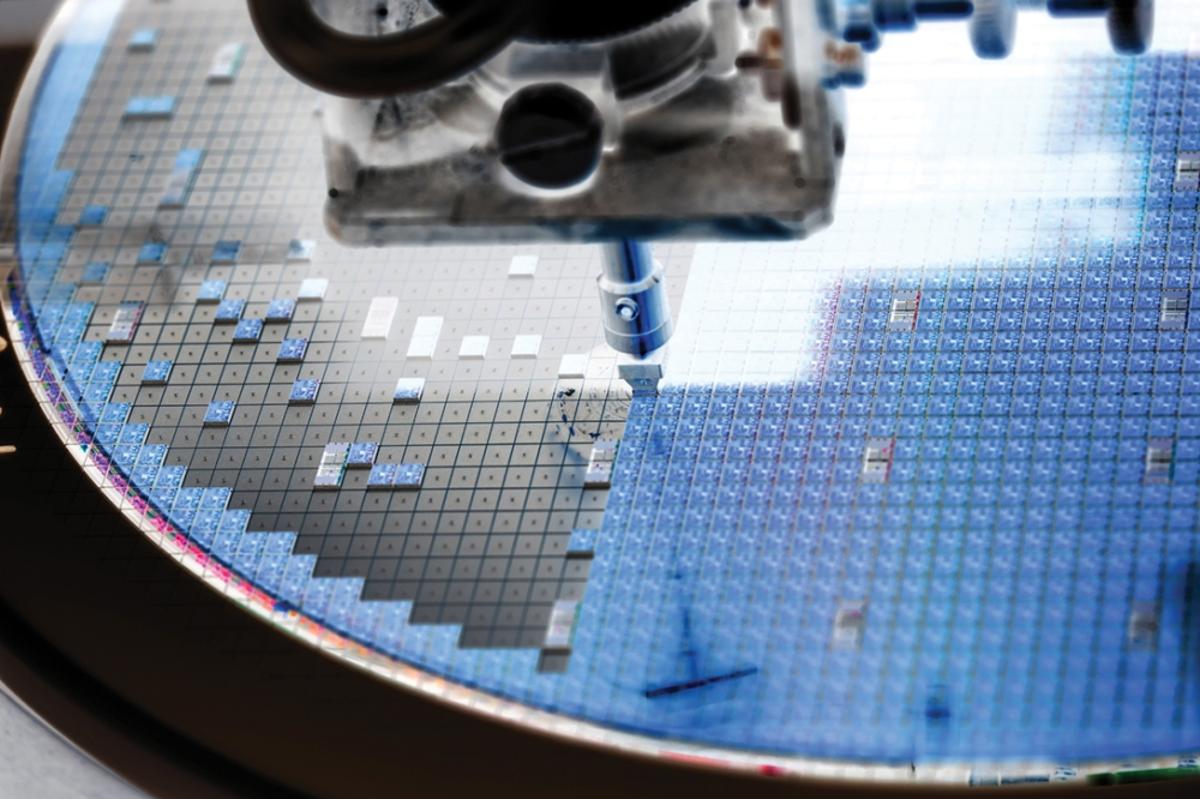
The UK’s Strength in Places Fund (SIPF) has poured £43 million (≈$55 M) into South Wales, turning an existing concentration of compound‑semiconductor firms, universities and government into a coordinated ecosystem. Key technical milestones include IQE’s scale‑up of InP epitaxy to 6‑inch wafers...

Nvidia Says Its Forecast for $200 Billion CPU Market Includes China
Nvidia CEO Jensen Huang said the company’s new Vera central processors give it access to a $200 billion CPU market, and that this forecast includes China despite ongoing U.S.–China tech tensions. The forecast expands Nvidia’s growth narrative beyond GPUs, aligning with...