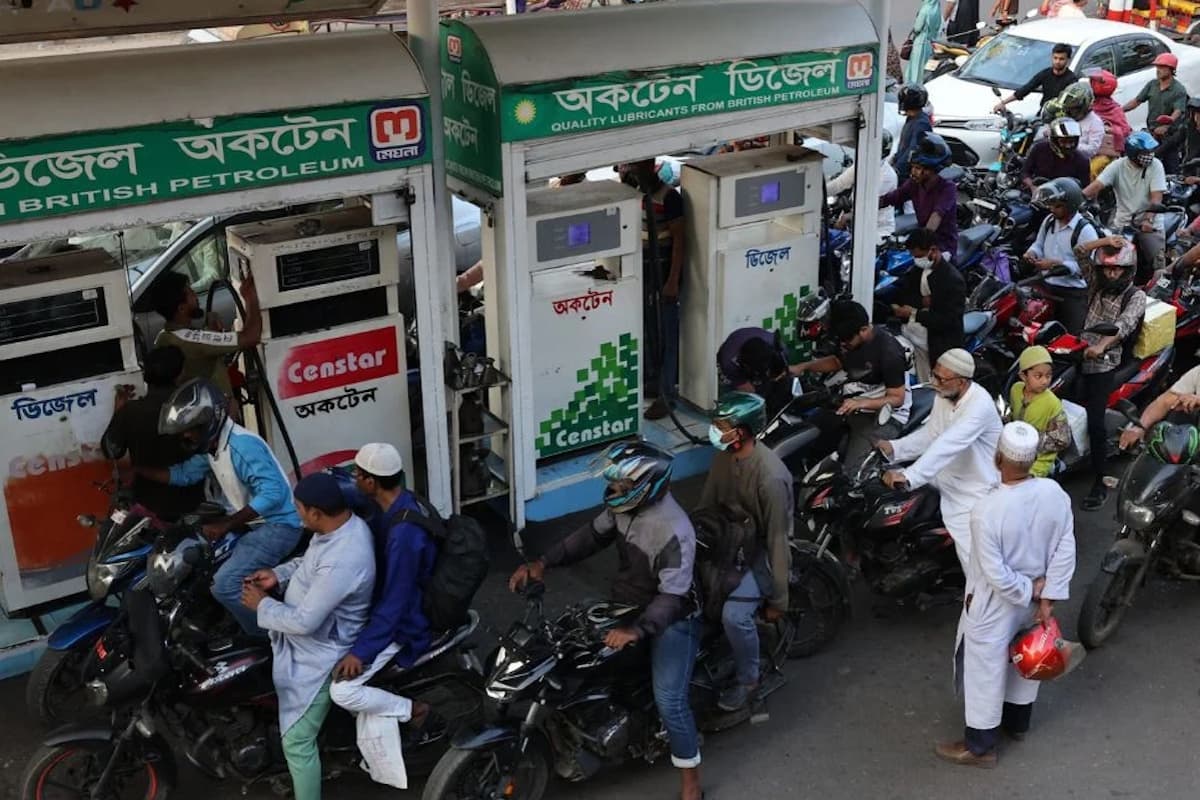
Asia Fracturing Into Energy Security Haves and Have-Nots
Asia’s once‑uniform growth story is fracturing into tiers defined by energy security. Wealthy economies such as Japan, South Korea and Singapore can leverage massive foreign‑exchange reserves to secure fuel and stabilize currencies, while lower‑resilience nations face soaring inflation, weaker currencies and tighter fiscal space. The Asian Development Bank cut regional growth forecasts to 4.7% and raised inflation expectations to 5.2%, underscoring the macro impact. Investors must now treat Asia as a collection of distinct risk‑return profiles rather than a single market.

Asia Absorbs Rising, Uneven Cost of Energy Crisis Caused by War on Iran
Asia, the world’s largest oil‑importing region, is feeling the brunt of the energy shock triggered by the U.S. and Israel’s war on Iran. Oil imports fell 30% in April, the lowest level since 2015, prompting the Asian Development Bank to...

What Does yet Another Rate Rise Mean for Australian Retail?

RBA Interest Rates: Michele Bullock Says Australians Poorer with ‘No Way Out’ as She Warns of More Rate Hikes
The Reserve Bank of Australia lifted its cash rate to 4.35% as oil‑price spikes from the US‑Israel‑Iran conflict push inflation higher. Governor Michele Bullock warned that the rate hike will not curb inflation in the short term and signaled that...

Five Things You Can Do to Save Money Now that Interest Rates Have Gone Up
Australia’s central bank lifted the cash rate by 0.25 percentage points to 4.35% as inflation stalled at 4.6%, aiming to curb spending. The hike will likely push mortgage repayments higher while offering savers modestly better deposit rates. Consumers are urged...

Middle East Weekly: Li Auto Expands UAE, Saudi Footprint; UAE Launches Industrial Fund; Qatar Rolls Out Business Measures; and More
Li Auto announced its entry into the UAE and Saudi Arabian markets, launching its L series through partnerships with Al Fahim Motors and Mohamed Yousuf Naghi Motors. Lenovo confirmed that its Riyadh factory will start commercial production this year, targeting two million devices annually...

FX Daily: It’s Good to Be Hawkish
Central banks in commodity‑exporting economies are tightening as oil prices stay high, with the Reserve Bank of Australia lifting its policy rate to 4.35% and Norges Bank expected to push rates to 4.25%. The Fed’s latest hawkish meeting has markets...

Australia Hikes Rates Again and Warns Inflation Will Stay Higher for Longer
The Reserve Bank of Australia raised its cash rate to 4.35%, matching the December 2024 peak and marking a third consecutive hike. The move reflects stubborn inflation, which climbed to 4.6% in March and remains above the 2‑3% target range....

Global Manufacturing Sees Growth in April but Momentum May Be Short-Lived – JP Morgan
The J.P. Morgan Global Manufacturing PMI jumped to 52.6 in April, the strongest reading since March 2022, and marked the ninth straight month above the 50‑point growth threshold. Four of the five PMI components – new orders, output, inventories and supplier...
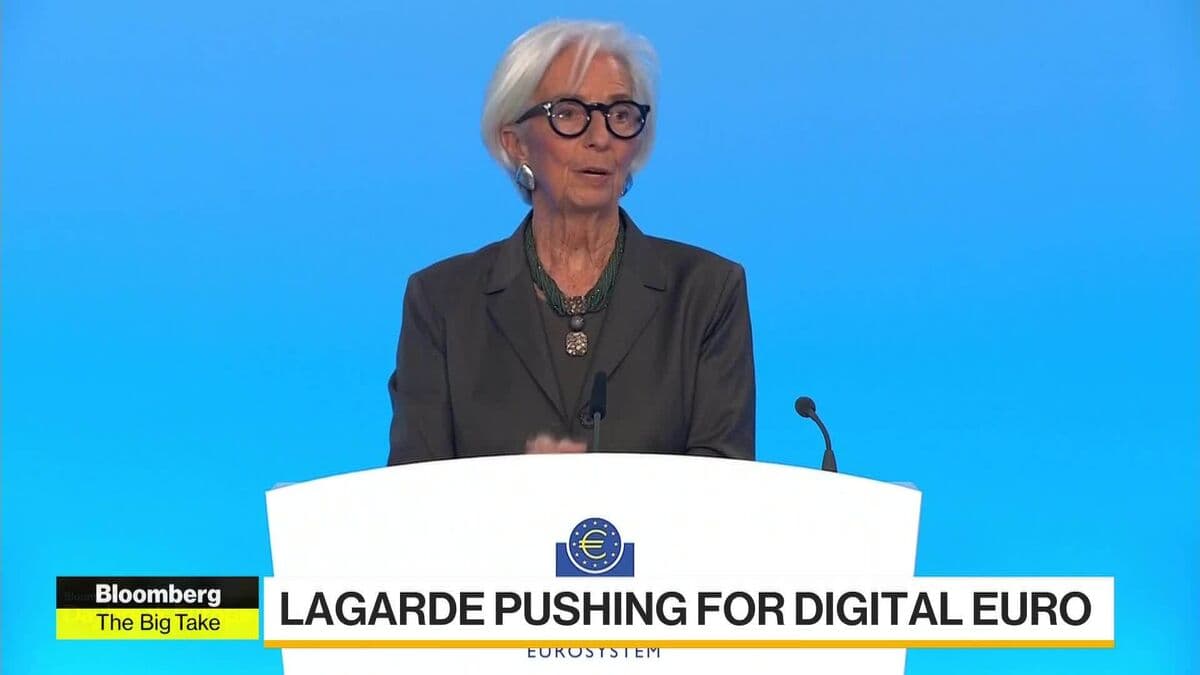
Europe Is Debating a Digital Euro But Progress Is Slow
The European Central Bank, led by Christine Lagarde, is pushing for a digital euro but expects the first issuance no earlier than 2029. The initiative is framed as a geopolitical move to secure payment‑system sovereignty and reduce reliance on U.S....
Dollar Rises as US-Iran Ceasefire Comes Under Strain, Markets Brace for Escalation Without Panic
The U.S. dollar is gaining as the fragile U.S.–Iran cease‑fire shows signs of breaking. Iran expanded the conflict by striking the Fujairah Petroleum Zone in the United Arab Emirates, while the U.S. Navy reported sinking seven Iranian vessels in the...
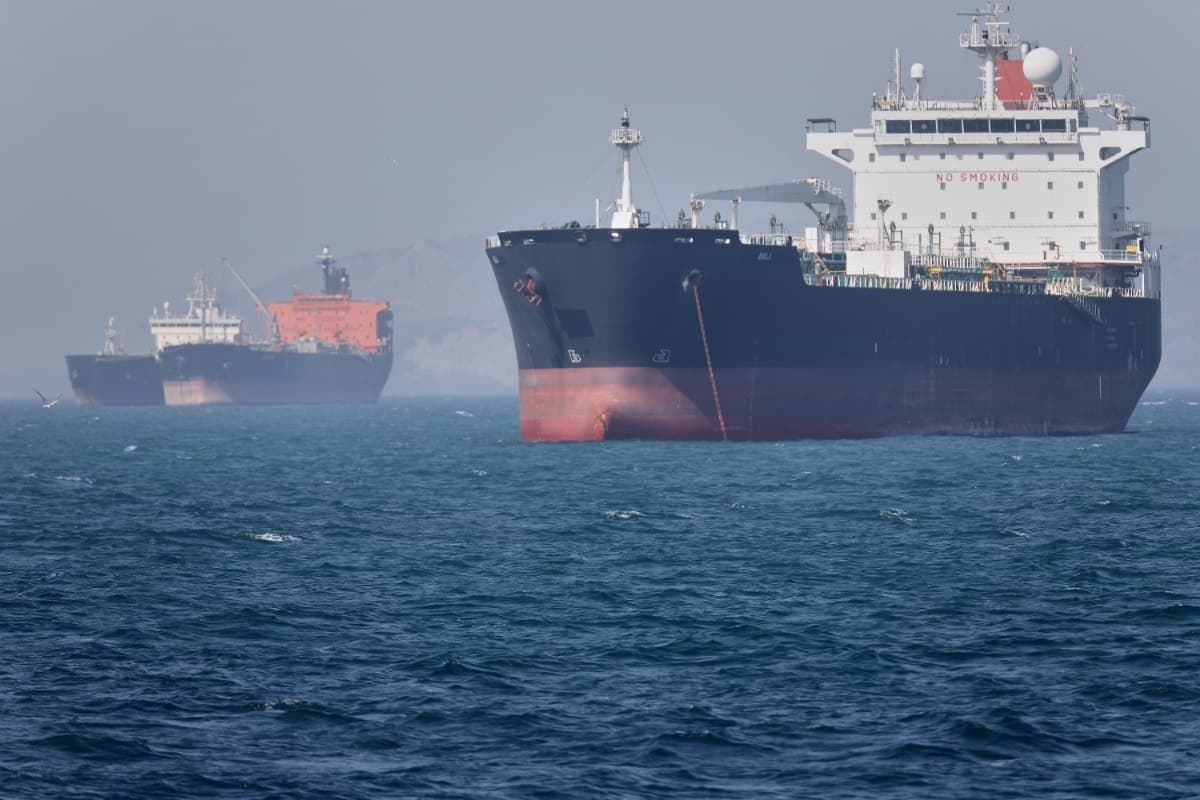
FTSE 100 Live: Stocks Dip After Oil Spikes on Hormuz Tensions
London’s FTSE 100 edged lower on Monday as oil prices spiked amid renewed tensions in the Strait of Hormuz. The United States announced it had struck seven Iranian boats attempting to block the narrow waterway, while Iran’s Revolutionary Guard warned...
RBA Risks a Recession but Feels There's Nothing Else It Can Do
The Reserve Bank of Australia lifted the cash rate to 4.35%, marking its third increase this year as it battles persistent inflation and downgraded growth outlooks. In its latest Statement on Monetary Policy, the RBA projects GDP will stall at...
Oil, Metals, and the Dollar: What Treasury Professionals Must Watch
U.S. military action in the Strait of Hormuz has turned the waterway into a critical chokepoint, driving oil prices higher and tightening treasury payment timelines. At the same time, Iran’s attempts to use the Chinese yuan for oil fees highlight...
RBA Lifts Interest Rates for Third Time Since February

RBA Hikes Interest Rates: “It Is a Very Tough Time”
The Reserve Bank of Australia lifted the cash rate to 4.35% on May 5, marking its third consecutive hike this year after a sharp jump in headline inflation. Governor Michele Bullock warned that Australia faces a “very tough time” as high inflation,...
Statement by the Monetary Policy Board: Monetary Policy Decision
The Reserve Bank of Australia’s Monetary Policy Board raised the cash rate by 25 basis points to 4.35 percent, marking the fourth increase this year. The decision was driven by a resurgence of inflation, fueled by higher fuel and commodity prices...
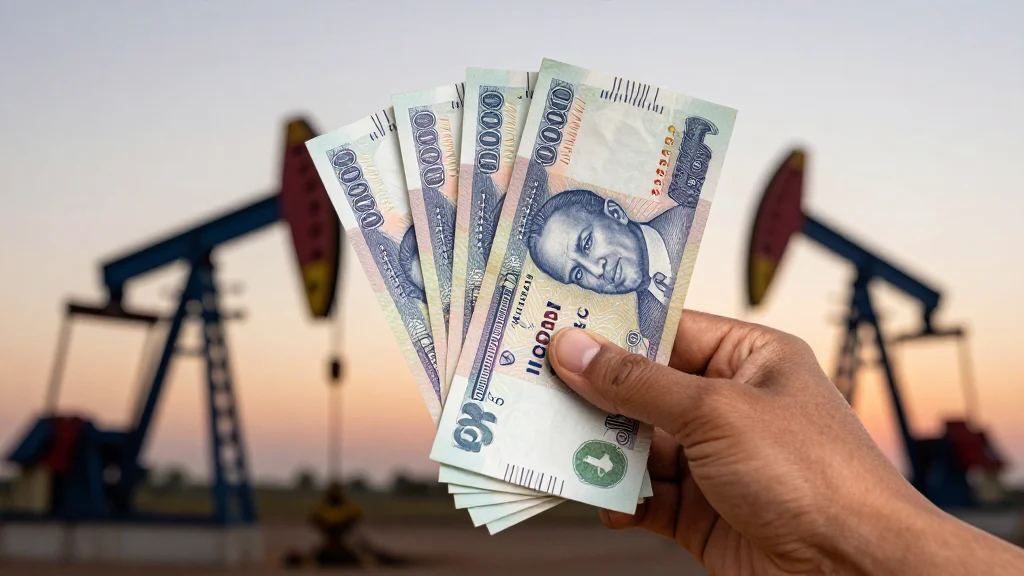
South Sudan’s Kiir Orders Banks to Lift Withdrawal Limits as Cash Crisis Deepens
South Sudan President Salva Kiir has ordered commercial banks to remove all cash‑withdrawal limits to help small depositors amid a deepening liquidity crisis. The directive follows the Bank of South Sudan’s decision to increase cash allocations to banks after the economy...

Only Congress Can Fix American Trade
The U.S. Supreme Court recently nullified President Trump’s “Liberation Day” tariffs that were based on a broad reading of the International Emergency Economic Powers Act. The decision highlights a long‑standing gap: Congress has delegated most tariff authority to the executive...

Inflation Jumps to 7.2%, Highest Since 2023
Philippine inflation accelerated to 7.2% in April, the fastest pace since March 2023. The jump far outstripped Reuters’ 5.5% forecast and the STAR’s 5.6% median estimate. Food and beverage prices rose 6%, while transport costs surged 21.4%, together accounting for over...
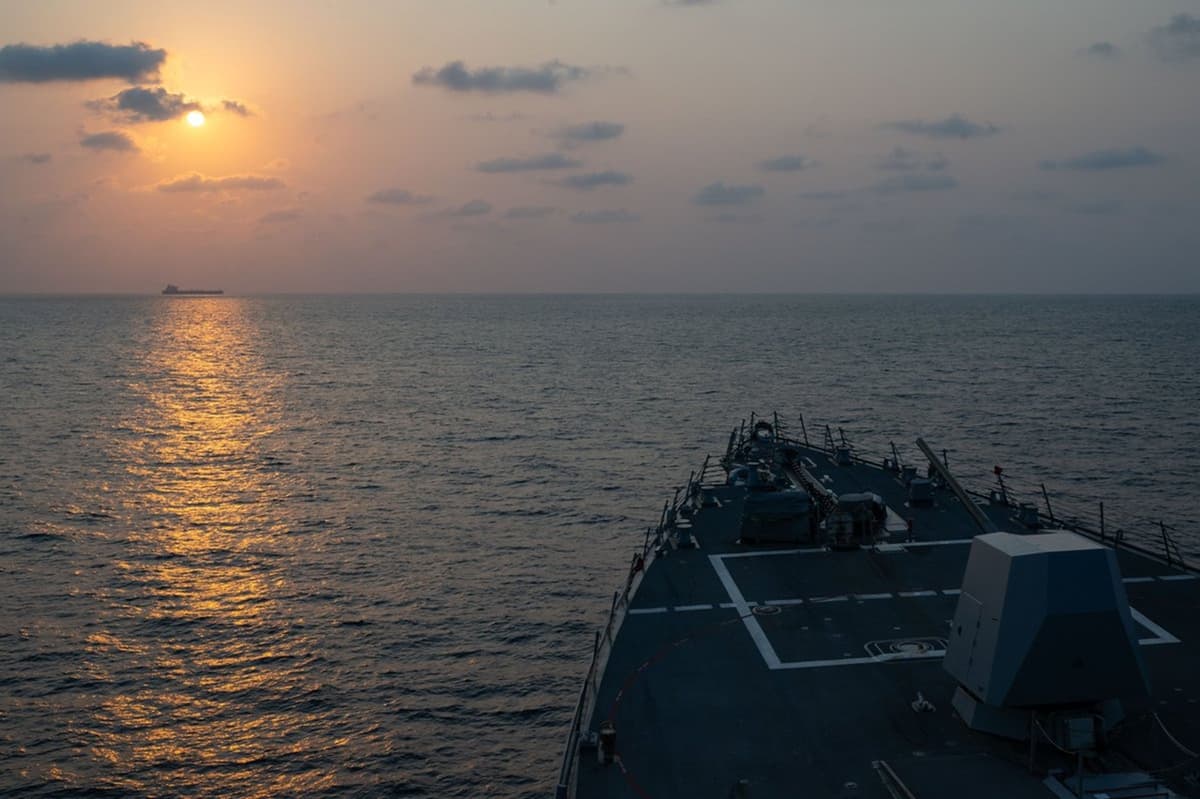
US Strikes Iran Fast Boats, Two Vessels Transit Hormuz
The United States launched Project Freedom, a maritime security effort to reopen the Strait of Hormuz, and successfully escorted two U.S.-flagged vessels, including Maersk’s Alliance Fairfax, through the waterway. In response, Iran intensified attacks, striking multiple ships, a Fujairah oil...
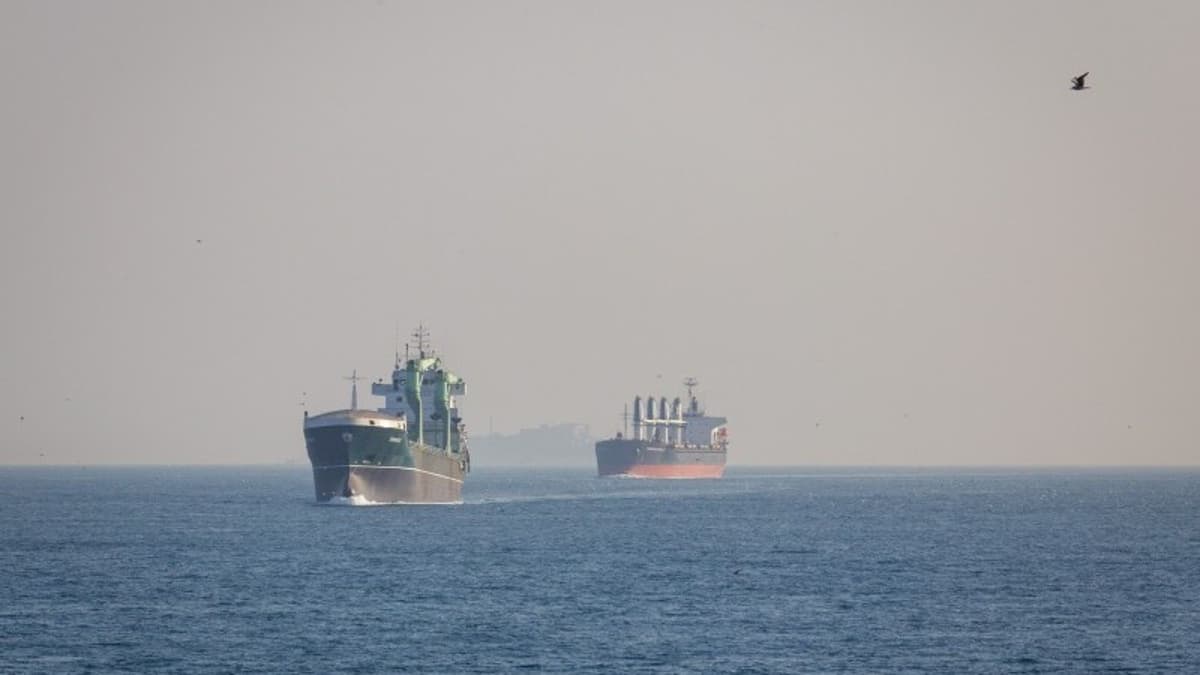
The Commodities Feed: Middle East Re-Escalation Pushes Oil Prices Higher
The cease‑fire between the United States and Iran is unraveling, with U.S. forces striking Iranian boats and Iran allegedly hitting a U.S. warship and UAE infrastructure. Brent crude rallied 5.8% to settle above $114 per barrel, while Fujairah port—crucial for...

How China’s New Trade Rules Aim to Nullify Trump Sovereignty Push
Beijing unveiled broad trade rules that allow Chinese authorities to investigate and punish foreign firms that shift sourcing away from China, a move announced just weeks before President Trump’s summit with Xi Jinping. The regulations target any “suspension of normal...
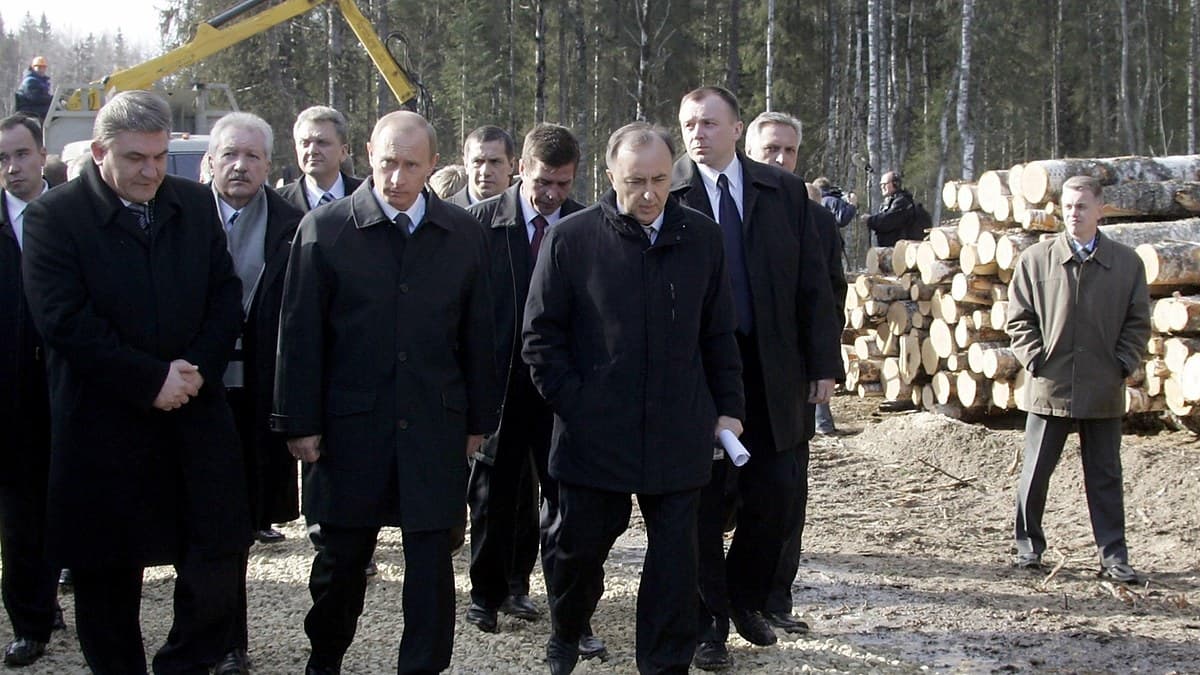
NATO-Aligned Intelligence Finds Russian Timber Worst-Hit by Sanctions
NATO‑aligned Latvian intelligence agency SAB reports that Russian timber and cellulose exports have slumped 50% between 2021 and 2025, making the sector the hardest‑hit by Western sanctions. The analysis estimates sanctions have already cost Moscow more than $130 billion, with an...

US National Debt Reaches 100% of GDP
The U.S. public debt has surpassed 100 percent of nominal GDP, a ratio last seen after World War II. Treasury data attribute the rise to pandemic relief, higher defense outlays, and chronic deficits. Analysts warn that a debt‑to‑GDP level above one could...
New Report Documents How Central Asian States Abet Russian Sanctions-Busting
A new CGCPS report finds Central Asian states serving as a back‑door for Russia’s sanctions‑busting trade, channeling high‑priority dual‑use goods and financial flows. Exports of Common High Priority List (CHPL) items from Kazakhstan surged 400% in 2022 before falling sharply,...

Redfin Economists’ Weekly Take: Volatile Rates Ahead as Fed Turns Hawkish and Energy Shock Builds
Redfin economists warn that interest rates will stay volatile as the Federal Reserve adopts a more cautious, hawkish tone amid rising inflation and an escalating Iran‑related energy shock. Core PCE inflation remains at 3.2% YoY, the highest since late‑2023, while...

The US Blockade of Hormuz: Who Holds the Advantage?
The United States entered its third week of a naval blockade in the Strait of Hormuz, forcing 38 Iranian‑linked vessels to divert and boarding several ships in the Indian Ocean. Iran has responded by reviving a selective‑closure policy and moving...
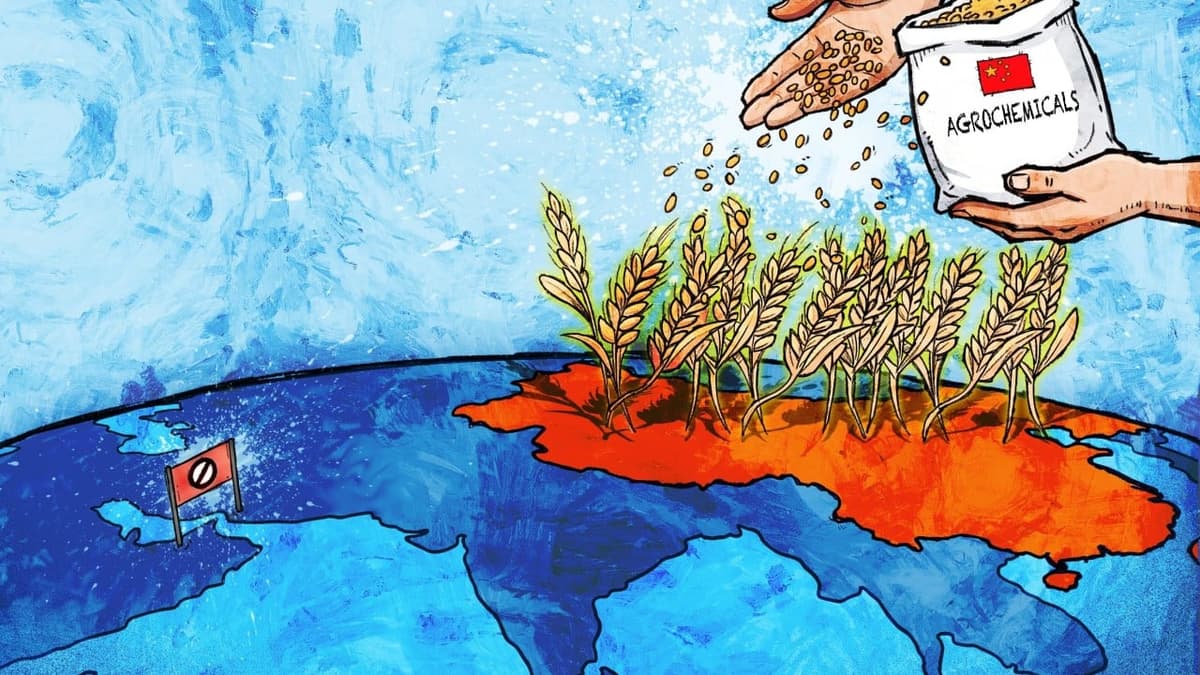
How the Middle East Crisis Is Expanding China’s Agrochemical Influence
Amid the escalating Middle East conflict, global farmers face uncertainty over fertilizer and pesticide supplies. China, which already accounts for roughly a third of worldwide fertilizer production and 70% of the raw materials for chemical pesticides, is poised to fill...
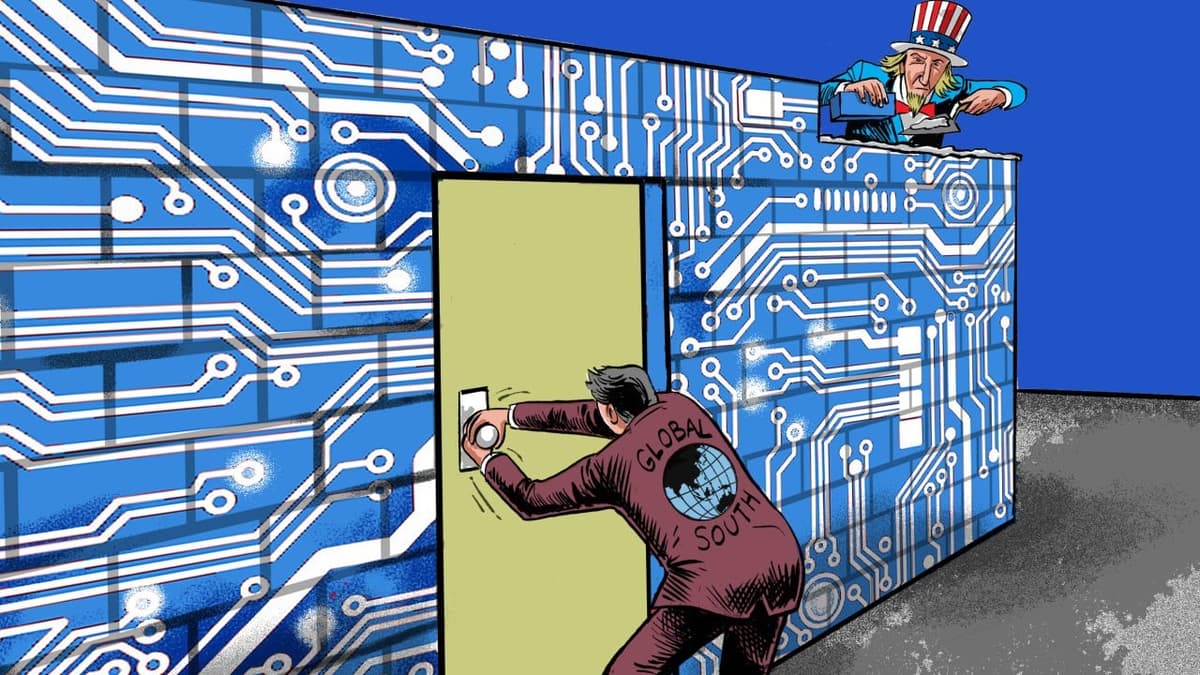
How US Tech Hegemony Is Locking Out the Global South
The United States is leveraging patents, export bans and alliance‑driven standards to cement a monopoly over emerging technologies such as 6G, creating a closed‑loop ecosystem that excludes non‑aligned nations. This strategy has choked the Global South, from African farmers forced...

Is Israel’s Interception of the Global Sumud Flotilla Legal?
Israeli naval forces stopped the Gaza‑bound Global Sumud flotilla in international waters off Greece, detaining two activists. The seizure occurred roughly 1,000 km from the Gaza Strip, prompting immediate legal questions about jurisdiction and the right to intercept vessels on the...
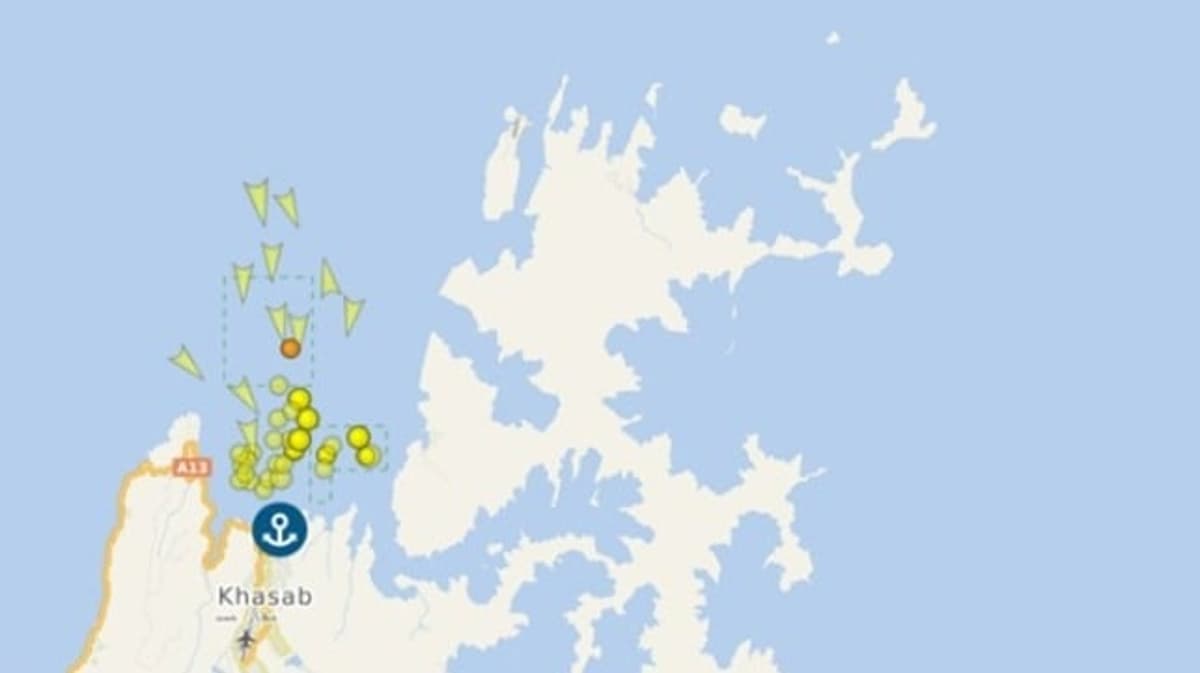
IRGC Threatens Ships at Anchor Off Musandam Peninsula
Iran’s Islamic Revolutionary Guard Corps (IRGC) Navy issued a repeated “serious warning” on Channel 16, ordering vessels anchored in Oman's Musandam port of Khasab to return to the Dubai anchorage. The directive also covered ships in nearby Omani ports of Mina Saqr...
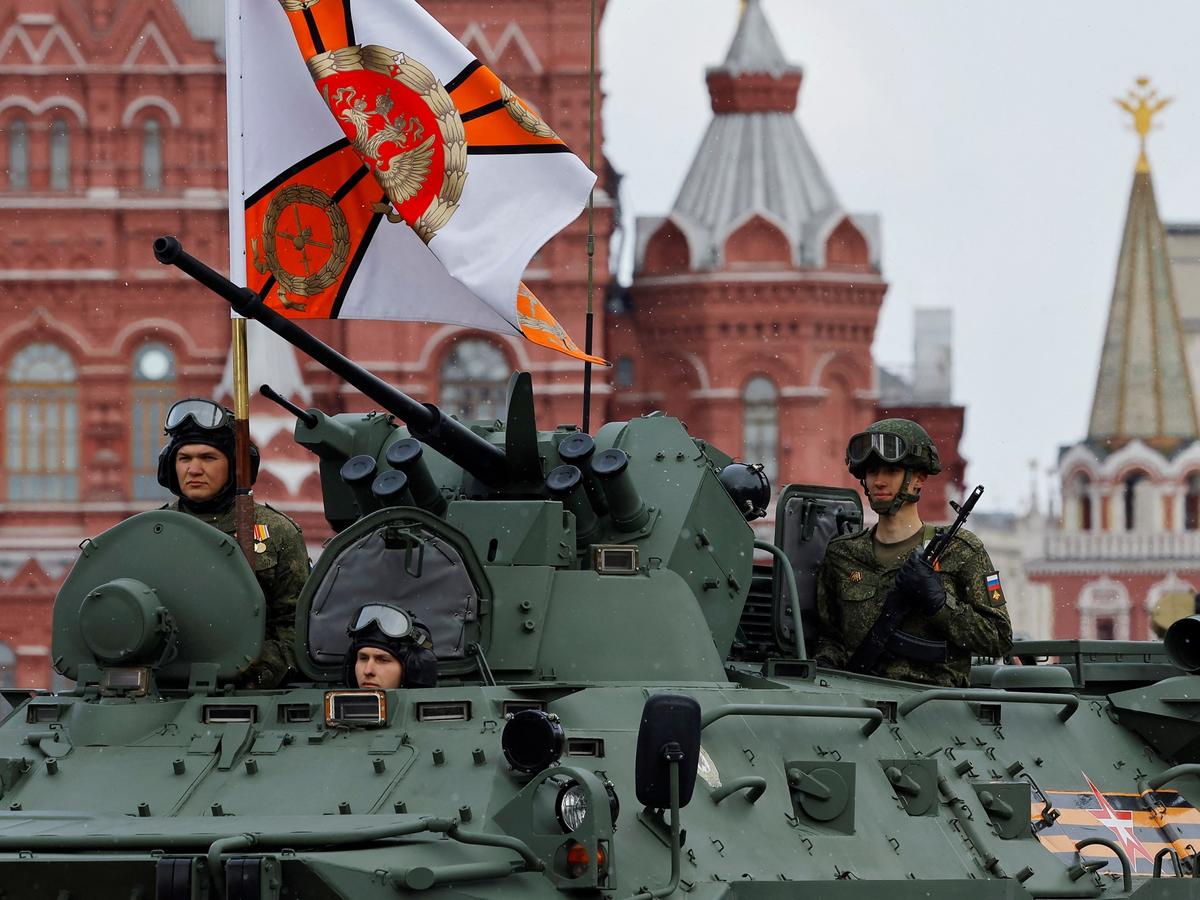
Russia and Ukraine Declare Competing Ceasefires
Russia’s Defence Ministry announced a unilateral cease‑fire for May 8‑9 to coincide with its Victory Day parade, while Ukraine set its own cease‑fire for May 5‑6. Kyiv’s President Zelenskyy said Moscow gave no official notice and warned Russia against attacks on the...
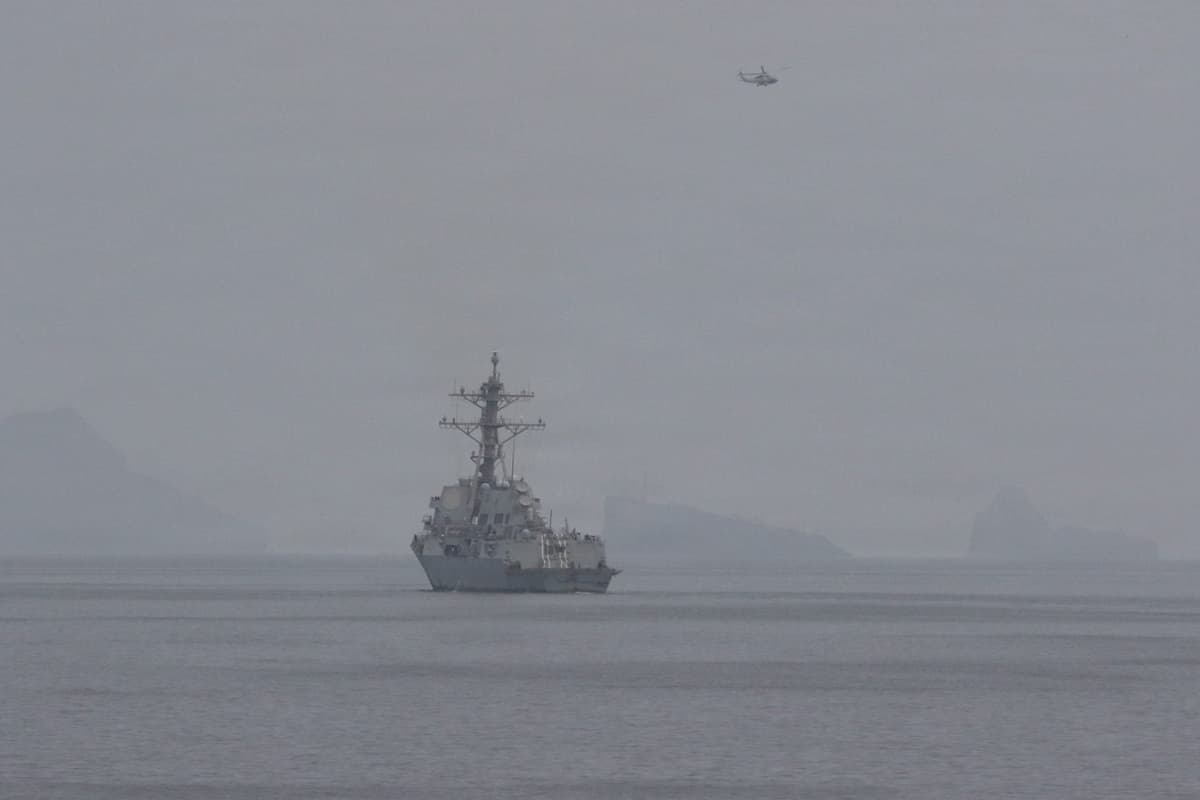
Maersk Ship Exits Hormuz Under U.S. Protection
Maersk confirmed that its U.S.-flagged roll‑on/roll‑off vessel Alliance Fairfax successfully transited the Strait of Hormuz on May 4 under U.S. military protection, marking one of the first escorted commercial passages since the February escalation between the United States and Iran. The...

IMF Says Worst-Case Global Economy Warning Is Now the Working Assumption - Oil Shock Hit
The International Monetary Fund has dropped its mild slowdown baseline and moved to an adverse scenario, warning that a prolonged Middle East conflict could keep oil at $125 a barrel through 2027. Georgieva said this price path would generate a...

Bond Yields Are Rising. Why That Could End the Stock Market’s Rally.
U.S. Treasury yields have surged, pushing the 10‑year rate above 4.5% and prompting a pullback in equities. The S&P 500 slipped 0.4% while growth names like Amazon rose modestly and the bond‑focused TLT ETF fell 0.8%. Analysts warn that continued...
Dow Drops 557 Points as Iran Tensions Ramp Up: Stock Market Today
The Dow Jones Industrial Average slipped 1.1% to 48,941 as Middle East tensions escalated, pushing West Texas Intermediate crude above $106 a barrel. Norwegian Cruise Line’s stock plunged 8.6% after it missed Q1 revenue targets and warned that higher fuel...

US Stocks Today: US Stocks Today: US Stocks Fall From Record High on Middle East Worries
U.S. equity markets slipped from record highs on Monday as an explosion aboard a South Korean vessel in the Strait of Hormuz and renewed Middle‑East tensions dampened investor optimism. The S&P 500 fell 0.39% to 7,201.75, the Nasdaq dropped 0.17% to...

The EU Wants to Unshackle Its Economy. For Real This Time
The European Union is launching a sweeping regulatory reform agenda aimed at reducing bureaucratic hurdles that have long hampered growth. The plan targets red tape in sectors ranging from technology to manufacturing, promising faster approvals for high‑impact projects like AI‑focused...
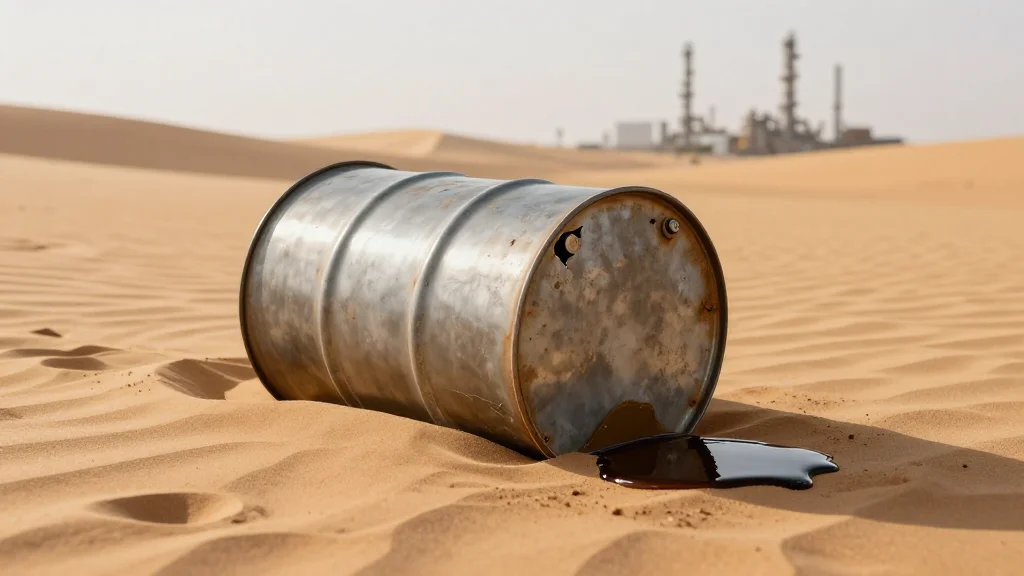
Over A Barrel? Middle East Energy Crisis' Next Phase
The Iran crisis has tightened oil and gas supplies, pushing Brent to $114 a barrel and WTI to $105. Asia and Europe are bearing the brunt of the shortage, while U.S. crude and refined product exports have surged to record...
Rates Spark: 10yr SOFR Hits the 4% Handle
On Monday the 10‑year SOFR rate climbed to 4%, up 50 basis points from the pre‑Iran‑war level of 3.5%. The rise places the rate in a zone the firm identifies as optimal for receiving fixed in swap‑to‑floating strategies, offering potentially...
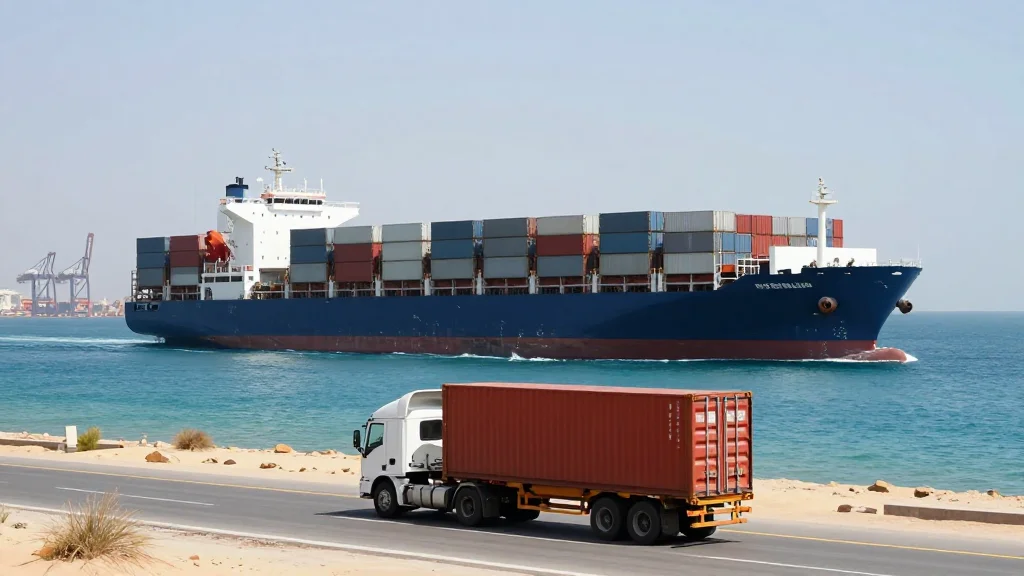
Hapag-Lloyd, MSC to Use Feeders to Restore Upper Persian Gulf Cargo Links
Ocean carriers Hapag‑Lloyd and Mediterranean Shipping Co. have announced the resumption of container services to the upper Persian Gulf using third‑party feeder vessels. The new routes incorporate land‑bridge options to avoid the still‑closed Strait of Hormuz, which has been inaccessible...

First Trade Convoy From Eastern DRC Reaches Kinshasa via Green Corridor Launch
The Kivu‑Kinshasa Green Corridor, a multimodal route linking North Kivu to Kinshasa via Kisangani and the Congo River, completed its first cargo convoy. The convoy carried three containers of soap, chocolate and beans, showcasing the east’s agro‑industrial potential. Launched in...

Pharma Exports Surpass $31 Billion in FY26 Despite Global Headwinds
India’s pharmaceutical exports exceeded $31 billion in FY 26, marking a robust overall performance despite a sharp 23% drop in March shipments. The decline was driven by a 10% fall in U.S. exports and an 11.5% dip to China, both grappling with...

Powell Out
The Financial Times has assembled a dedicated Monetary Policy Radar team to track global central‑bank actions and forecast rate moves. Chris Giles, the veteran economics commentator, leads the editorial side after 19 years at the FT. Andrew Whiffin, a CFA‑journalist...

Why the U.S. Is Pouring Billions Into Energy Projects in the Balkans
The United States has committed billions to energy infrastructure in the Western Balkans, highlighted by a $1.5 bn Bosnia‑Croatia pipeline linking to the Krk LNG terminal. The deals, including a $6 bn LNG supply contract in Albania and a $58 bn AI data‑center...
Storm Clouds over the European Economy
The European economy faces a perfect storm of an Iranian‑driven oil and fertilizer price shock, a 25% U.S. tariff on European automobiles, and tightening monetary policy by the ECB. Growth has stalled to 0.1% in Q1 2024 after a modest...

Traffic in the Strait of Hormuz Won’t Return to Normal Until August or Later, According to Kalshi Traders
Prediction‑market traders on Kalshi see only a 56% chance that Strait of Hormuz traffic normalizes by August, with odds rising to 57% for September. The market defines normal flow as a 7‑day moving average of 60 vessels per day, based...

Direct Tax Mop-Up Misses FY26 Target; Collections Rise 5%
India’s net direct tax collections rose 5.12% year‑on‑year to ₹23.40 lakh crore (≈ $283 billion) in FY 2025‑26, but fell short of the revised target of ₹24.21 lakh crore (≈ $292 billion). The shortfall of ₹81,000 crore (≈ $975 million) stemmed from weaker corporate and personal income tax receipts, with corporate tax...

Signals From the Strait: Studying the Leading Effects of Oil Price Shocks on Private Markets
The analysis links WTI oil price movements to capital flows into energy‑focused private‑market funds, revealing distinct reaction patterns across major shocks. During the 2007‑08 price surge, fund contributions rose sharply but fell within 1‑2 quarters as the recession hit. The...