
As Amyloid Falls Out of Favor, Here’s Where Alzheimer’s R&D Is Headed Next
The Alzheimer’s drug development pipeline has expanded to 158 agents across 192 trials, with disease‑modifying strategies now representing 73% of the portfolio. Amyloid‑targeting candidates have dropped to 16% of the pipeline, while inflammation, immune modulation, neurotransmitter, and tau approaches are gaining traction. More than a third of the candidates are repurposed drugs such as metformin and Cobenfy, and biomarkers are being used in over half of the trials to select patients and measure outcomes.

EU Pumps €7M in Microbial Fermentation Project to Scale Up Waste-Derived Proteins
The EU’s Circular Bio‑based Europe Joint Undertaking is providing €6.9 million (about $7.5 million) toward the €8.5 million (≈$9.3 million) Proscale project, a pan‑European effort to scale continuous fermentation of food‑industry waste into single‑cell proteins (SCP). Running from September 2024 to 2030, the 16‑partner...

Weight-Loss Drugs Can Cut Breast Cancer Risk by up to 30%, Studies Suggest
Recent analyses presented at the American Society of Clinical Oncology suggest GLP‑1 weight‑loss drugs may lower breast cancer risk and improve outcomes. A retrospective study of 110,000 women found a 30% reduction in incidence among users. Another trial of 27,000...
From Coffee Husk to Brain Health: The Science Behind Iom Bioworks' Prebiotic Push
Iom Bioworks, India’s first science‑backed microbiome health firm, is converting coffee‑husk waste into pectic oligosaccharides (POS), a prebiotic fibre shown to have neuroprotective effects. The startup, founded in 2022, already offers DNA‑sequencing microbiome tests and targeted prebiotic blends for sleep,...

Study: Regenerative Farming Strengthens Drought Resilience for Cereal Crops
A new Soil Capital study of working farms across Europe finds that regenerative agriculture practices reduce cereal yield losses during drought periods by roughly 10 percent. The analysis links higher soil organic carbon, cover cropping, and reduced tillage to improved...
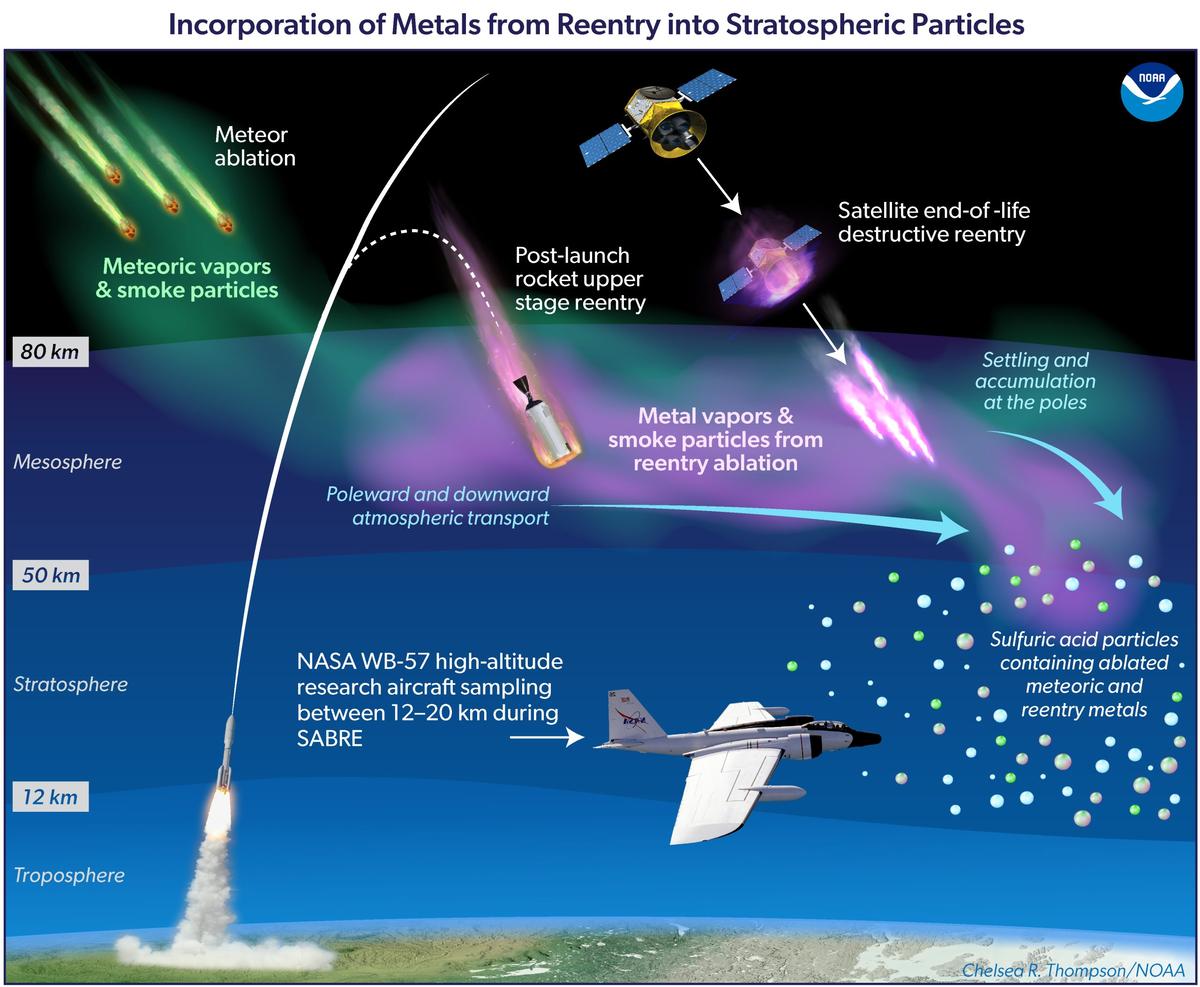
Researchers Call for Regulations to Protect Low Earth Orbit Environment
Researchers at the 2026 European Geosciences Union conference warned that the surge of megaconstellations and frequent spacecraft re‑entries are injecting exotic materials, such as metal oxides, into Earth’s upper atmosphere. New laser‑based scans from the Leibniz Institute and proposals for...
Catalyst Layer Pore Design Based on Oxygen Mean Free Path for Low‐Pt HT‐PEMFCs
Researchers calculated the oxygen mean free path in 100‑200 °C environments and engineered catalyst layers with ~200 nm macropores using a sacrificial templating method. This pore architecture shifts oxygen transport from Knudsen‑limited diffusion to molecular diffusion, slashing transport resistance by 61.2 %. The...

Quencher‐Enhanced Raman Scattering Probes With Large Scattering Cross‐Section for NIR‐II Surgical Navigation and Postsurgical Site Infection Management
Researchers introduced quencher‑enhanced Raman scattering (QERS), a plasmon‑free probe built from non‑fluorescent diammonium building blocks that dramatically boosts Raman signal while eliminating fluorescence background. The QERS probes operate in the second near‑infrared window (NIR‑II) with a Raman cross‑section of 1.27 × 10⁻¹⁹ cm²...
Molten Salt Assisted Carbon Nitride Overcomes Inherent Photocatalytic Limitations: Unique Characteristics for High‐Efficiency Light‐Driven Energy Production
A new review details how molten‑salt‑assisted synthesis creates a structurally tuned carbon nitride (MSCN) that overcomes traditional photocatalytic limits. By precisely regulating porosity, defect sites and surface chemistry, MSCN achieves stronger light absorption, faster charge carrier separation, and more efficient...

ASCO ‘26: Bispecifics Vs. ADCs, a ‘RAS’ Revolution and a Step Change in Prostate Cancer
At ASCO 2026, Merck’s ADC sac‑TMT and Akeso’s bispecific ivonescimab sparred in Phase 3 lung‑cancer trials, highlighting a safety‑efficacy trade‑off between antibody‑drug conjugates and bispecific antibodies. Revolution Medicines reported that its RAS‑targeting drug daraxonrasib almost doubled overall survival in pancreatic cancer,...
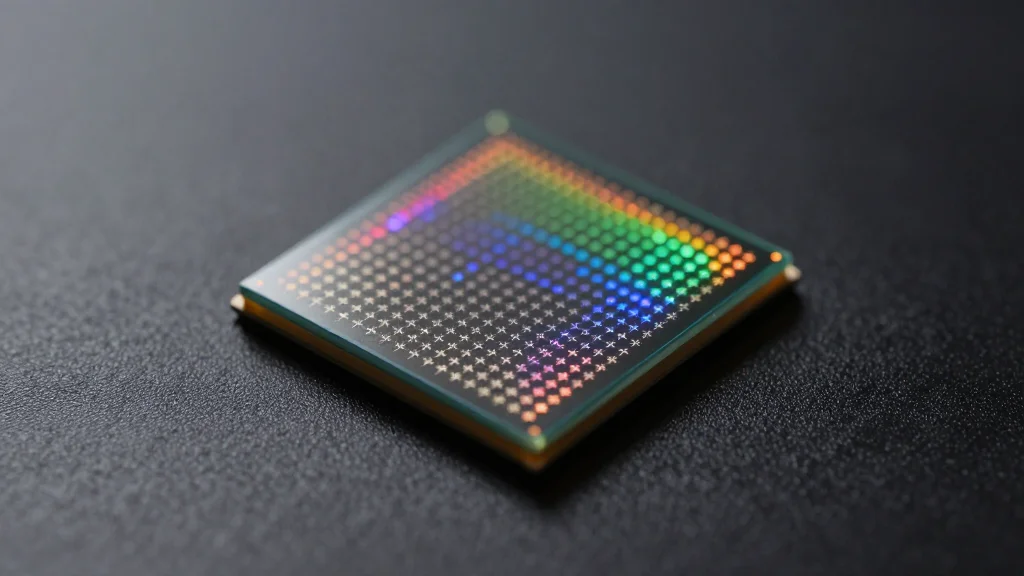
Direct Photo‐Patterning of Ultra‐Bright and Stable Quantum Dot Light‐Emitting Diodes Using Small‐Molecule Crosslinkers
Researchers have unveiled a direct photo‑patterning technique that uses a small‑molecule cross‑linked network to fabricate quantum‑dot LEDs (QLEDs) with ultra‑high resolution (~6,350 PPI) without pre‑patterning. The process preserves both photoluminescence and electroluminescence, delivering record brightness over 1,000,000 cd/m², an external quantum efficiency...

Bridging Motifs Induced Ordered Arrangement Contributing Large Birefringence for Hg4BiQ2Cl5 (Q═S, Se)
Researchers have synthesized Hg4BiSe2Cl5, a chalcogenide crystal that exhibits a giant birefringence of 0.45 at 546 nm, exceeding all commercial birefringent crystals while retaining a bandgap above 2.5 eV. The breakthrough stems from swapping the bridging HgS2Cl2 tetrahedra with planar HgSe2Cl triangles,...

Bridging the Performance Gap: High‐Strength Lignin‐Reinforced Cellulose Papers With Plastic‐Like Barrier Properties
Researchers have created a fully biodegradable lignin‑cellulose composite that narrows the performance gap between paper and plastic. By micronizing softwood kraft lignin and incorporating up to 40% by weight into a paper matrix, then hot‑pressing at 160 °C, they achieved strong...

Uncertainty About Weakening Atlantic Currents Isn’t a Reason to Wait but to Act (Commentary)
The commentary warns that the Atlantic Meridional Overturning Circulation (AMOC) is already weakening, raising the risk of severe climate and ecosystem disruptions. Recent research highlights that ocean acidification has crossed a planetary boundary, intensifying the vulnerability of marine food webs....

Scientists Discover How Coffee Interacts with the Gut Microbiome to Affect the Human Brain
A controlled trial of 62 Irish adults shows that regular coffee consumption reshapes the gut microbiome, which in turn modestly influences mood, stress perception, sleep and cognition. Participants who stopped coffee for two weeks experienced drops in impulsivity and emotional...

Confirming the Polarizing Effect of Chiral Molecules
Researchers at Ilmenau University of Technology have provided definitive evidence that chiral heptahelicene molecules induce spin‑polarized currents, confirming the chirality‑induced spin selectivity (CISS) effect at the single‑molecule level. By coating a surface with alternating enantiomeric domains and probing them with...

Questioning Everything
Scientific American’s special edition tackles the universe’s biggest mysteries, from the elusive nature of dark matter and dark energy to the origins of stars and light. The issue highlights how cutting‑edge tools like the James Webb Space Telescope are revealing...
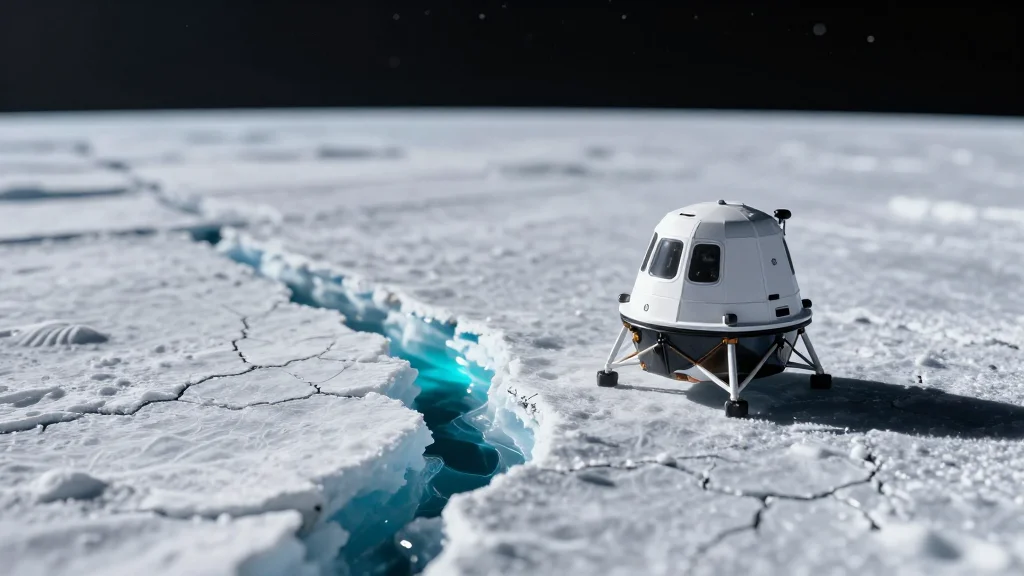
Icy Moons' Ability to Host Life Could Be Revealed Through an Ecology-Based Method
Planetary scientists have adapted ecological diversity theory to assess molecular mixtures on icy moons as a potential biosignature. By treating each amino or fatty acid as a species, the study shows that biological samples exhibit even, function‑driven distributions, whereas abiotic...

Connecting Tissue Physical Changes to What Developing Cells Become
EMBL researchers led by Nicoletta Petridou demonstrated that cell‑cell adhesion directly regulates tissue rigidity in zebrafish embryos, shifting tissues from fluid‑like to solid‑like states. By uncoupling adhesion from cell density, they showed that increased adhesion alone creates lumen formation and...
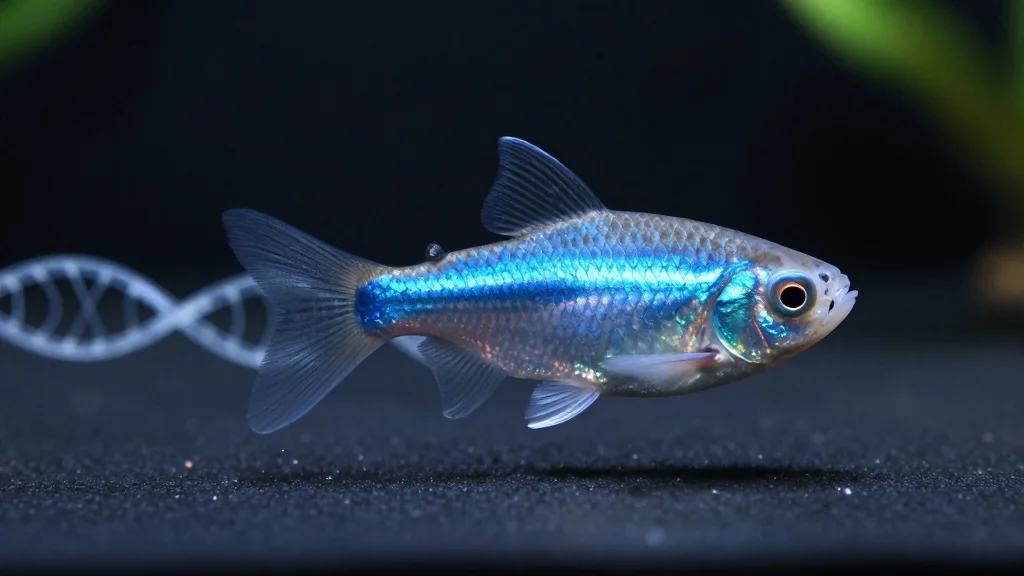
Genetic Trade-Off Linking Early Reproduction to Aging and Cancer Uncovered
Researchers at Hebrew University and collaborators used CRISPR to edit the vgll3 gene in African turquoise killifish, demonstrating that the gene accelerates growth and triggers early sexual maturity. The same genetic alteration shortened the fish's lifespan and dramatically increased age‑related...

Cellular Reprogramming Helps Outsmart Progressive Alzheimers Disease
Researchers at Spain’s Institute for Neurosciences and EPFL have identified an experimental molecule, OLE, that reprograms microglia to better contain β‑amyloid plaques. In mouse models, three months of OLE treatment reduced plaque size and restored memory performance, while worm models...

Strange Winds on Seven Hot Jupiters Reveal Strongest Signs yet of Exoplanet Magnetic Activity
Astronomers using ESO’s VLT and Gemini North have measured wind speeds on seven ultra‑hot Jupiter exoplanets, finding velocities from 7,200 km/h to over 25,000 km/h. The data reveal a counter‑intuitive trend: hotter planets exhibit slower winds, which the researchers attribute to magnetic...

Assessing the Generalizability of Machine Learning Models for Chronic Kidney Disease Prediction Using Cross-Dataset Validation
A recent study evaluated Logistic Regression, Decision Tree and Random Forest models for chronic kidney disease (CKD) prediction using two independent clinical datasets. When trained on Dataset A and tested on Dataset B, Logistic Regression and Decision Tree each reached 98% accuracy,...

Lifestyle Habits Predict Long-Term Health Better than Cancer Treatment History
A new Nature Communications study of 18,664 childhood cancer survivors shows that unhealthy lifestyle habits—especially excess weight and physical inactivity—raise the risk of diabetes, hypertension, heart disease, and mental‑health problems far more than prior chemotherapy or radiotherapy. Survivors with unhealthy...

Experimental Molecule “Reprograms” Brain’s Defenses to Combat Alzheimer’s Disease
Researchers have unveiled an experimental small‑molecule that reprograms the brain's innate immune cells to better clear Alzheimer‑related protein aggregates. In mouse models, the compound crossed the blood‑brain barrier, boosted microglial activity, and cut amyloid plaque burden by roughly 40%. Cognitive...
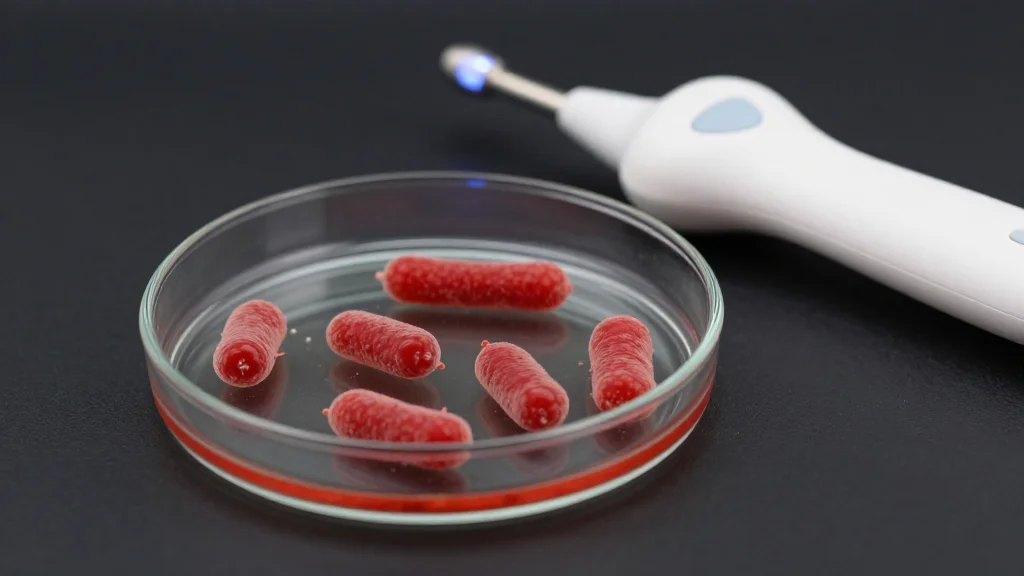
British-French Collaboration to Tackle Women’s Health Challenges and Infectious Disease Using AI and Supercomputers
A new British‑French Strategic Biomedical Alliance will harness AI, advanced imaging and the Isambard‑AI supercomputer to address women’s health, pregnancy safety and infectious diseases such as TB, malaria and emerging viruses. The UK has pledged £900,000 (about US$1.15 million) to link...

German Startup Advancing Compressor-Free Electrocaloric Heat Pump Technology
German start‑up Qurie GmbH, a Fraunhofer spin‑off, is developing a compressor‑free solid‑state heat pump that uses electrocaloric materials to drive a thermal cycle. The patented active electrocaloric heat‑pipe system can operate at up to 20 Hz, far faster than conventional liquid‑based...

Gap CO2 in Septic Patients to Predict Septic Cardiomyopathy
A recent observational study of 98 sepsis patients at Mohammed VI University Hospital identified septic cardiomyopathy as a major driver of mortality. Patients with left‑ventricular ejection fraction below 40 % showed a median cardiac output of 3.3 L/min versus 6 L/min in those without...

Greywolf Reports Early Responses with Oral ERAP1 Inhibitor in Solid Tumours
Oxford‑based Greywolf Therapeutics presented Phase 1b data for its oral ERAP1 inhibitor GRWD5769 combined with the anti‑PD‑1 antibody cemiplimab across six solid‑tumour types at the 2026 ASCO meeting. The non‑randomised expansion cohorts, comprised of patients previously resistant to PD‑1 blockade, reported...

Research Bits: Jun. 2
Researchers at Monash University unveiled an integrated valleytronics circuit that can generate, route, and read light‑based information on a single chip at room temperature, simultaneously handling multiple data streams and demonstrating dual‑image encoding. At the University of Texas at Austin,...
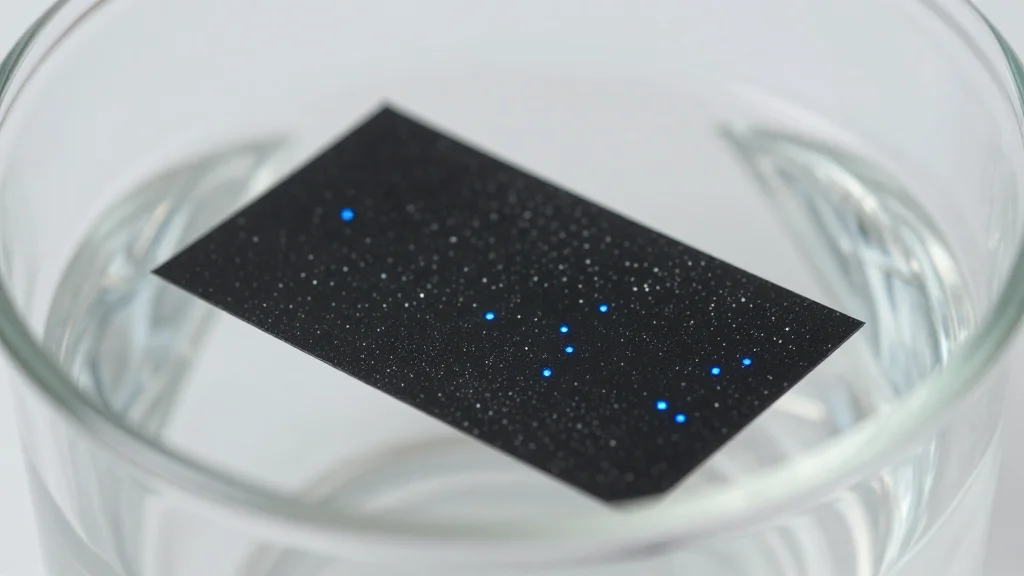
Biomass‑derived Graphene Boosts Ultra‑low Iridium OER Catalyst for PEM Electrolysis
Researchers at Yunnan Normal University and partner institutions have created a graphene‑based electrocatalyst that dramatically reduces iridium usage for the oxygen evolution reaction (OER) in proton exchange membrane (PEM) water electrolysis. The catalyst, built from corn‑stover‑derived graphene nanosheets, anchors ultra‑low...

How Screens Are Reshaping Childhood: New Research Reveals the Developing Brain Integrates Experience Until Age 25, Impacting Mental Health Deeply
Researchers introduced the "criticome"—a framework that captures all sensory, social and cultural inputs the brain integrates from prenatal development through roughly age 25. The model identifies six neurobiological mechanisms that shape critical periods, linking missed or mis‑wired experiences to lasting...
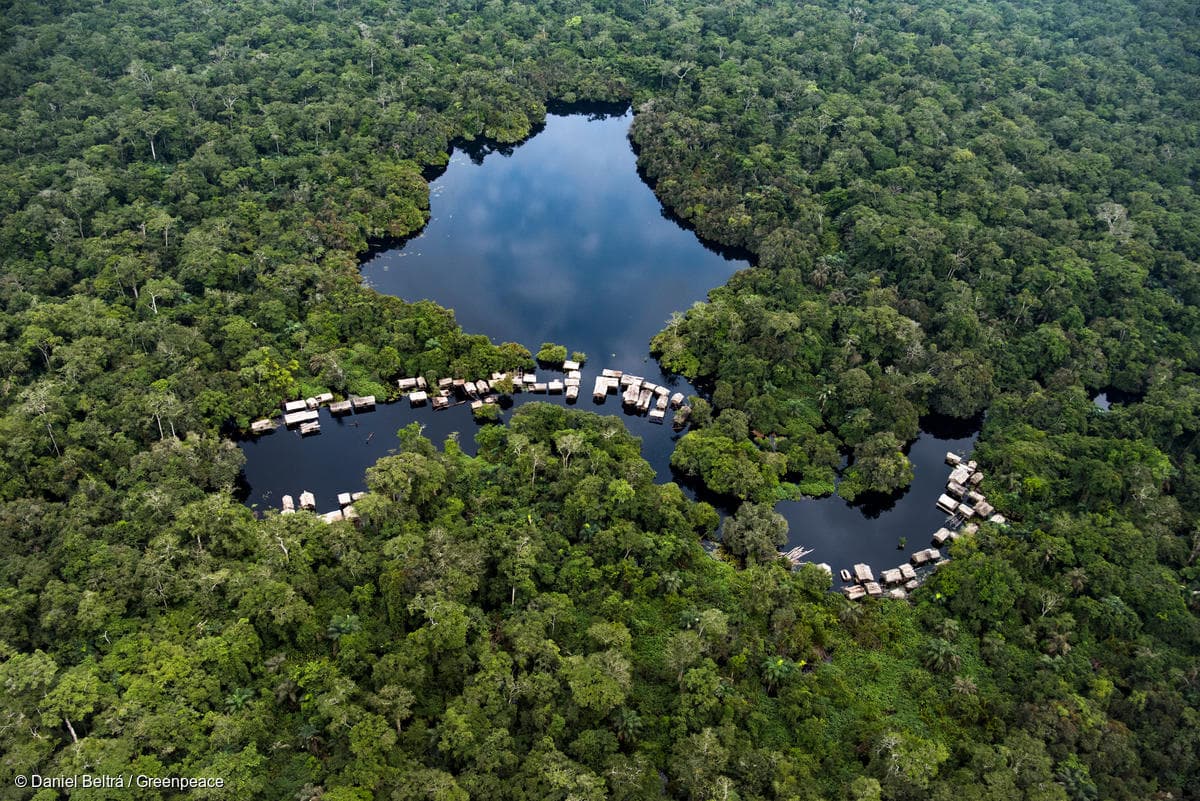
World Peatland Day Honors a Crucial Ecosystem in the Fight Against Climate Change
World Peatland Day on June 2 highlights peatlands’ outsized role in climate mitigation, storing nearly a third of global carbon despite covering only 3% of land. Recent Mongabay reports reveal the Congo Basin’s vast tropical peatland releasing ancient carbon from lakes,...
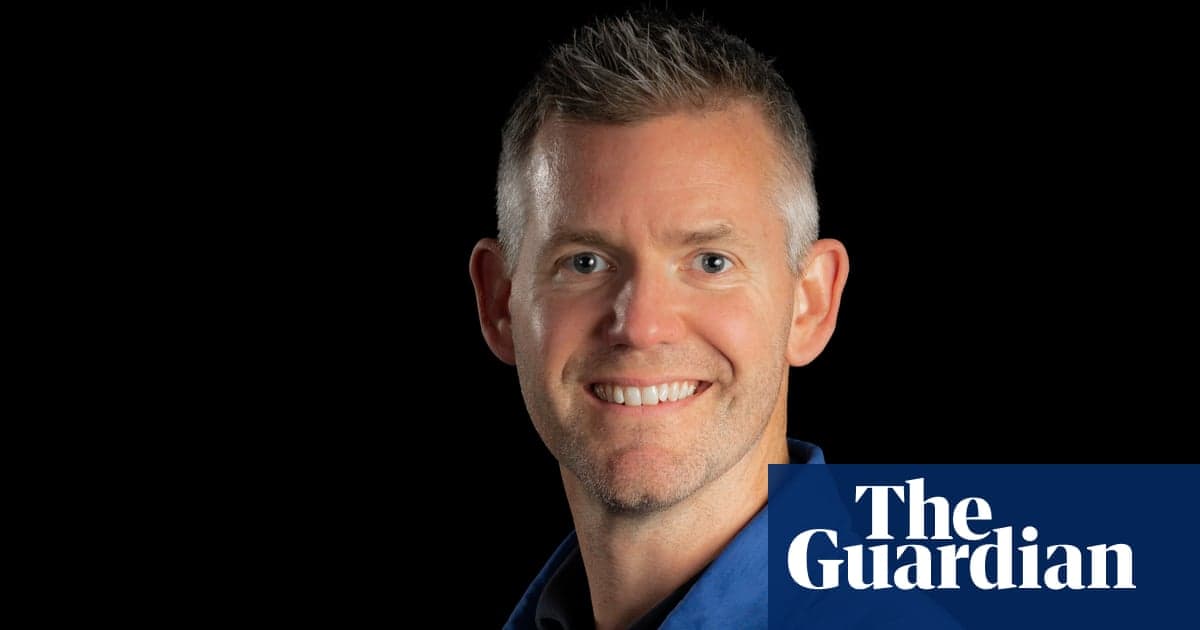
British Paralympian Could Be First Astronaut with Physical Disability to Live in Orbit
British Paralympian and orthopaedic surgeon John McFall, cleared for orbital activities, is poised to become the first astronaut with a physical disability to live in space. He may fly a two‑week research mission to Vast’s Haven‑1 commercial station, slated for launch...
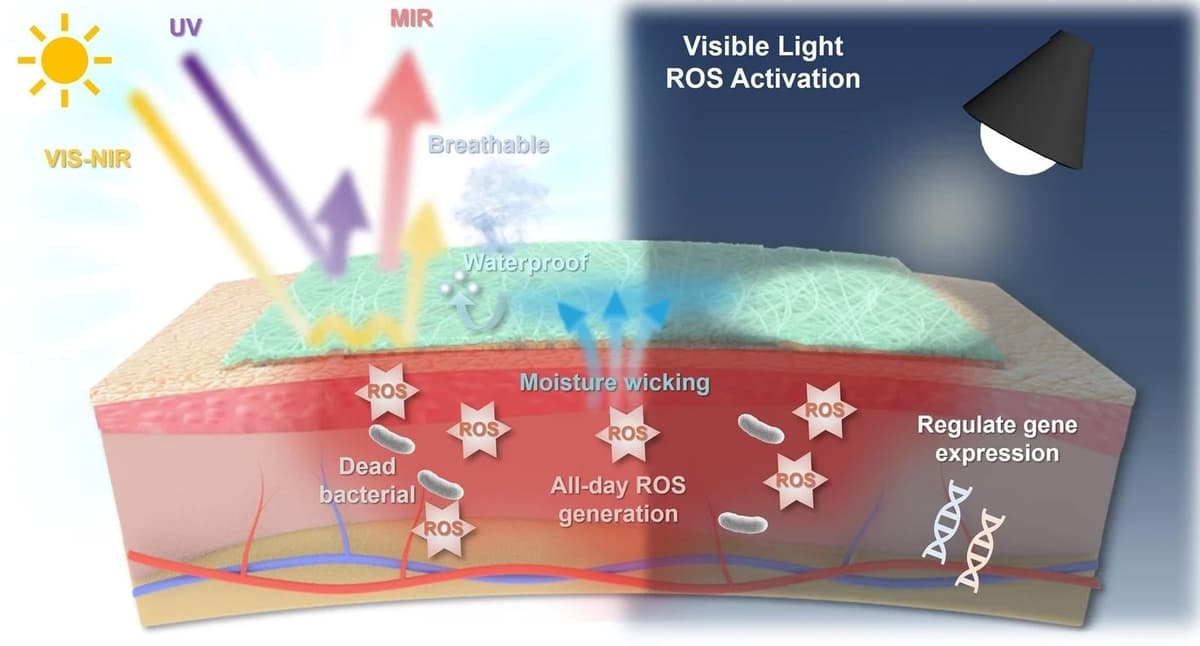
Nanofiber Bionic Skin Helps Infected Wounds Heal Faster in Preclinical Study
Researchers have engineered a Janus nanofiber dressing that mimics human skin, provides passive radiative cooling, and generates visible-light‑triggered reactive oxygen species for antibacterial action. The solvent‑welded PVDF nanofiber membrane achieves 21.6 MPa strength and 54% elongation, while iron‑doped ZIFs deliver a...
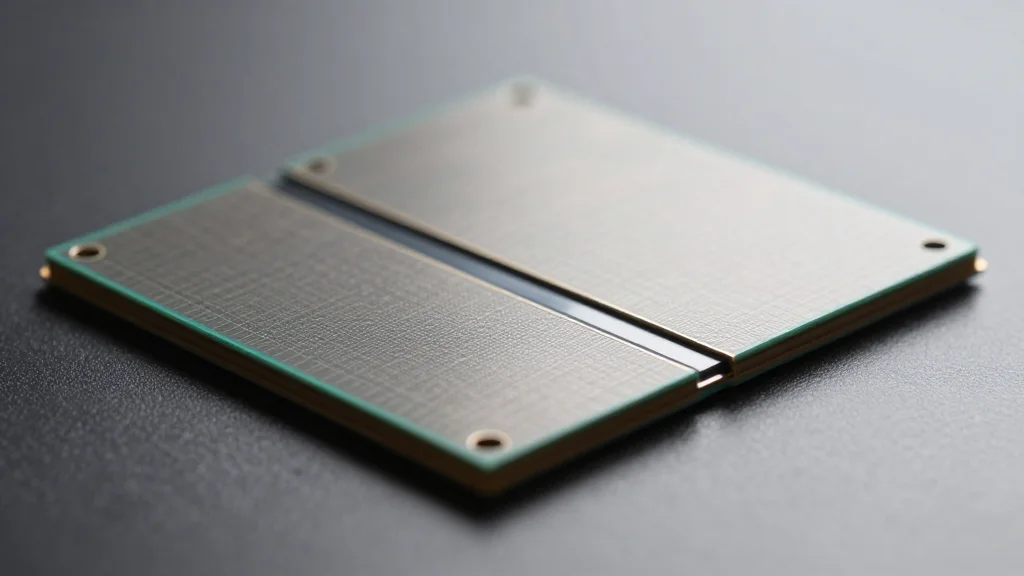
“Solving the Ultra-Thin Challenge: Contact Resistance Reduced 50×, On-State Current Boosted 17×”
Researchers at POSTECH have introduced a raised source/drain (RSD) architecture for ultra‑thin tellurium transistors, selectively thickening the source and drain regions while keeping the channel sub‑5 nm. This modification slashes contact resistance by 50×, from 97.5 kΩ·µm to 1.7 kΩ·µm, and boosts on‑state...
CRISPR Gene Editing Reveals Role of Collagen Dysfunction in Cerebral Microbleeds
Researchers at Ajou University used CRISPR/Cas9 delivered by the AAV‑BR1 viral vector to delete the Col4a1 gene in adult mouse brain microvascular endothelial cells, creating a scalable model that produces cerebral microbleeds mirroring human MRI lesions. The model allows dose‑dependent...
Global Summit on Cutting-Edge Functional Materials and Technologies (ICAFMT)
The International Conference on Advanced Functional Materials and Technologies (ICAFMT) will take place in Dongguan, China, from October 23‑25, 2026, gathering leading scholars and industry executives. The program spans parallel sessions on AI‑driven materials discovery, energy storage, biomaterials, electronic materials,...

Five-mRNA Cocktail Shows Promise in Reducing Heart Failure Post-Myocardial Infarction
Researchers at Osaka University have developed a polyplex nanomicelle system that delivers a cocktail of five therapeutic mRNAs directly into infarcted heart tissue. In mouse models of post‑myocardial infarction heart failure, the treatment markedly improved left‑ventricular ejection fraction, reduced scar...

Edible Coatings and Plasma-Activated Water: Synergistic Strategies for Extending Fresh Produce Shelf Life
Researchers evaluated the combined use of edible coatings (ECs) and plasma‑activated water (PAW) as a hurdle technology for fresh produce. The sequential PAW‑then‑EC approach achieved 2–4 log CFU g⁻¹ microbial reductions and extended marketable shelf life by 40–100 % across strawberries, tomatoes, apples...

Top AI Labs Expand Research Into Machine ‘Consciousness’
Leading AI research labs—including DeepMind, OpenAI, Anthropic and Google Brain—have announced expanded programs to investigate machine consciousness. The initiatives combine $200 million in joint funding, interdisciplinary teams of neuroscientists, philosophers and engineers, and new open‑source toolkits. Researchers aim to define measurable...

Autism-Linked Genes Expressed in Thalamus Make an Impact, and More
This week’s autism roundup spotlights a new analysis showing that most autism‑linked genes are highly expressed in the thalamus, deepening our understanding of the disorder’s neurobiological roots. Parallel studies identify EPAC2 as a promising therapeutic target in fragile‑X mouse models,...

Small Spacecraft Technology in NASA’s 2026 State-of-the-Art Survey
NASA’s May 2026 State‑of‑the‑Art Small Spacecraft Technology survey redefines small satellites as full mission systems rather than scaled‑down versions of traditional spacecraft. It highlights that power, propulsion, communications and autonomous operations now dominate design trade‑offs, while deorbit, tracking and ground‑segment services...

Making Climate-Neutral Plastics and Cosmetics Using Bacteria
European researchers under the CarboNcare project are engineering bacteria to turn renewable methanol into key chemical intermediates such as lactate, succinate and 2,3‑butanediol. By genetically reprogramming industrial strains of E. coli and P. putida, the team links bacterial growth directly...

The Eye of the Sahara Is a Giant Bullseye in the Mauritanian Desert, up to Fifty Kilometres Across, and Astronauts...
The Richat Structure, a 40‑50 km concentric formation in Mauritania known as the Eye of the Sahara, was photographed from orbit by Gemini IV in June 1965 while geologists still debated its origin. At the time the prevailing hypothesis was that it was...

Doubling Down on Controversial Claims, Microsoft Accelerates Quantum Computing Plans
Microsoft announced an accelerated roadmap to a practical quantum computer by 2029, cutting its previous timeline in half. The company claims its new Majorana 2 chip, using lead‑based topological qubits, achieves a 20‑second coherence time—far longer than earlier prototypes. Researchers say...
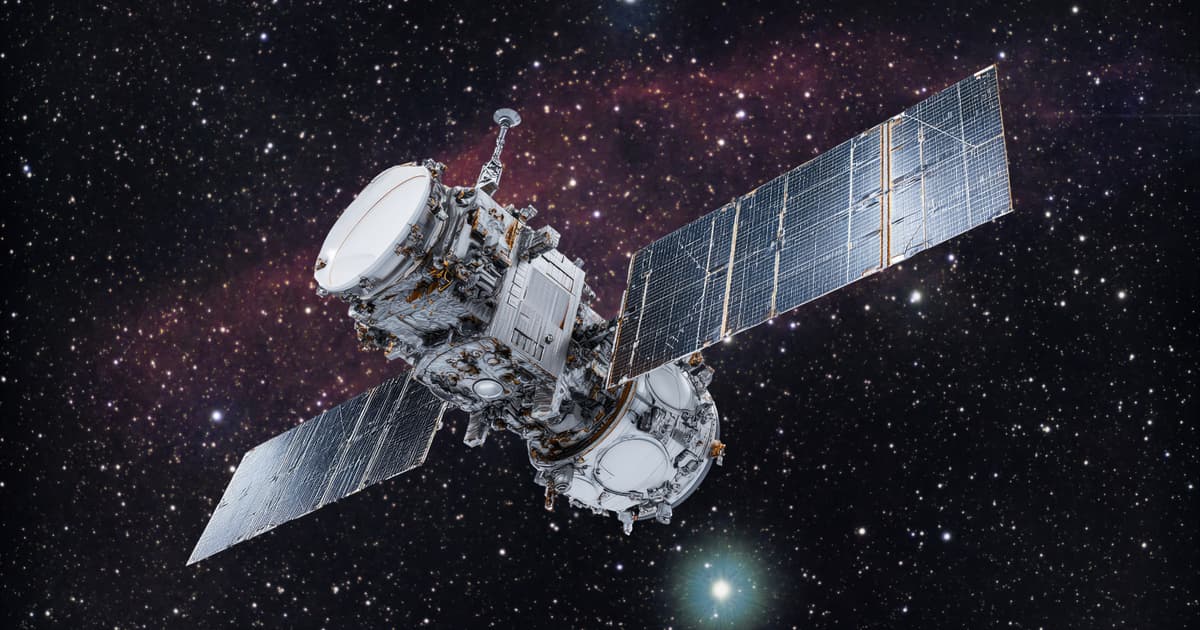
When Rosetta Sniffed the Gas Around Comet 67P, It Found a Cloud that Would Have Smelled of Rotten Eggs, Ammonia...
Between 2014 and 2016, ESA’s Rosetta spacecraft sampled the gas surrounding comet 67P/Churyumov‑Gerasimenko using its ROSINA mass spectrometer. The analysis revealed a mix of smelly trace gases—hydrogen sulfide, ammonia, formaldehyde, hydrogen cyanide—and, crucially, the amino acid glycine, phosphorus, and the...

Crested Ibises Get the Royal Treatment in Japan as They Fly Again
Japan released eight crested ibises on Honshu, attended by the Crown Prince and Princess, marking the first wild release in over 50 years. The species, once near extinction, has rebounded to about 500 individuals thanks to a joint Japanese‑Chinese breeding...

France to Fly Two Astronauts on Vast Missions
Vast has signed a deal with the French government to fly two French astronauts on its private missions, including the first flight to the Haven‑1 commercial space station. The missions, both using SpaceX Crew Dragon, are slated for 2027 and will...
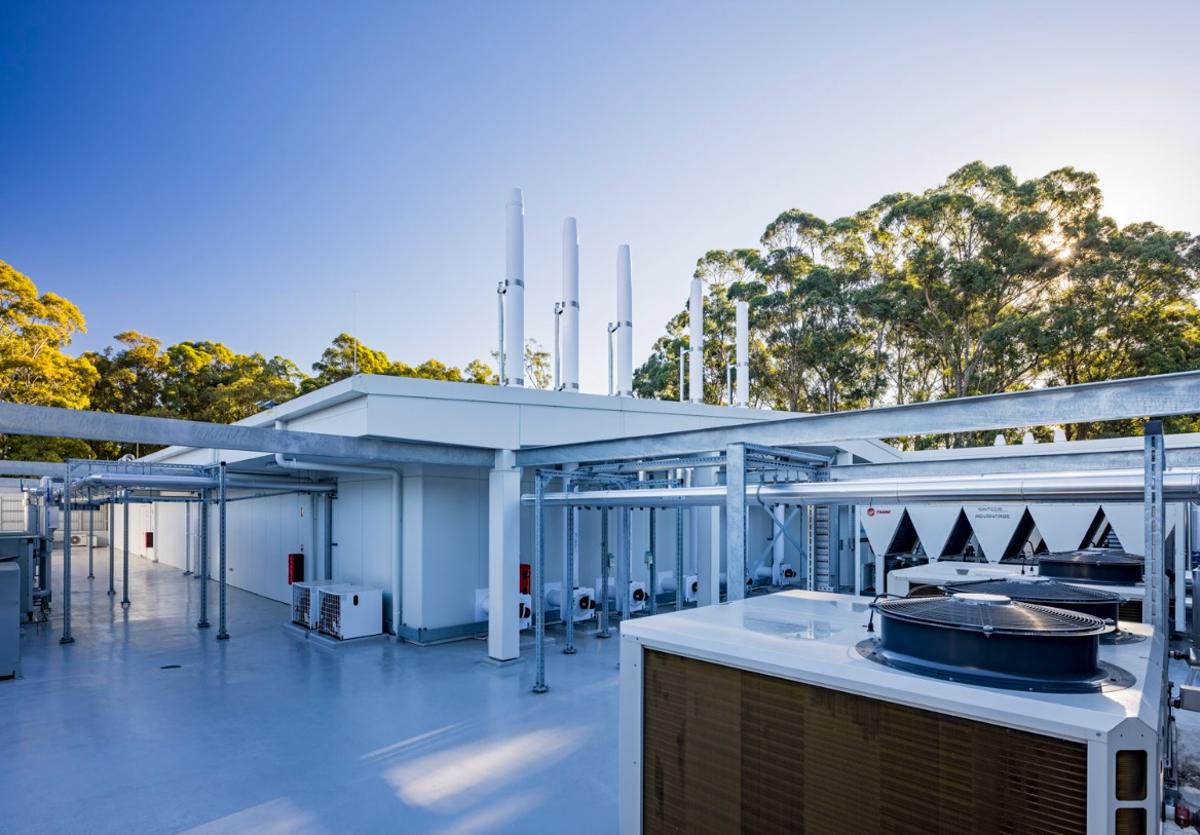
Australia’s First RNA Manufacturing Facility Opens in NSW
Australia’s first dedicated RNA research and manufacturing hub opened at Macquarie University’s Innovation Precinct, delivering a 4,500‑square‑metre, state‑of‑the‑art complex. The $96 million AUD (≈$63 million USD) NSW Government investment equips the site with pDNA and mRNA production suites, lipid‑nanoparticle encapsulation, and pilot‑scale...