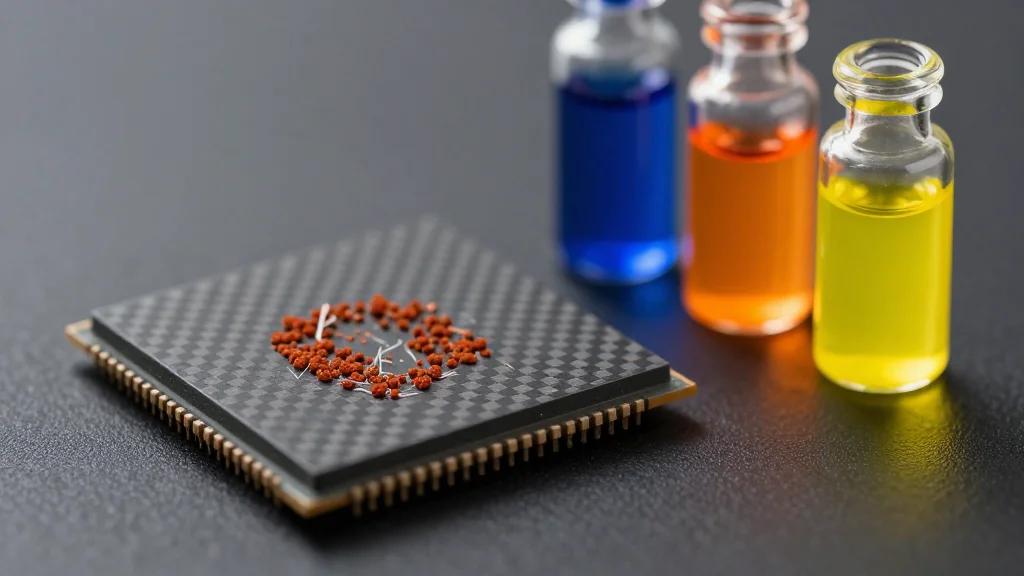
Electrochemical Monitoring of Synthetic Dyes in Water Using Modified Electrodes With Perovskite Oxides Integrated Halloysite Nanotubes Composites
Researchers developed a screen‑printed carbon electrode modified with FeTiO3 perovskite oxide and halloysite nanotubes to electrochemically detect three common synthetic dyes—Indigo Carmine, Sunset Yellow, and Tartrazine. The sensor, fabricated via a green ultrasonication method, delivers a wide linear range of 0.03‑1,350 µM and ultra‑low limits of detection: 0.0011 µM for Indigo Carmine, 0.0205 µM for Sunset Yellow, and 0.0033 µM for Tartrazine. Performance was confirmed using cyclic voltammetry, impedance spectroscopy, and differential pulse voltammetry. Real‑world testing in industrial wastewater and pond water demonstrated practical applicability for environmental monitoring.
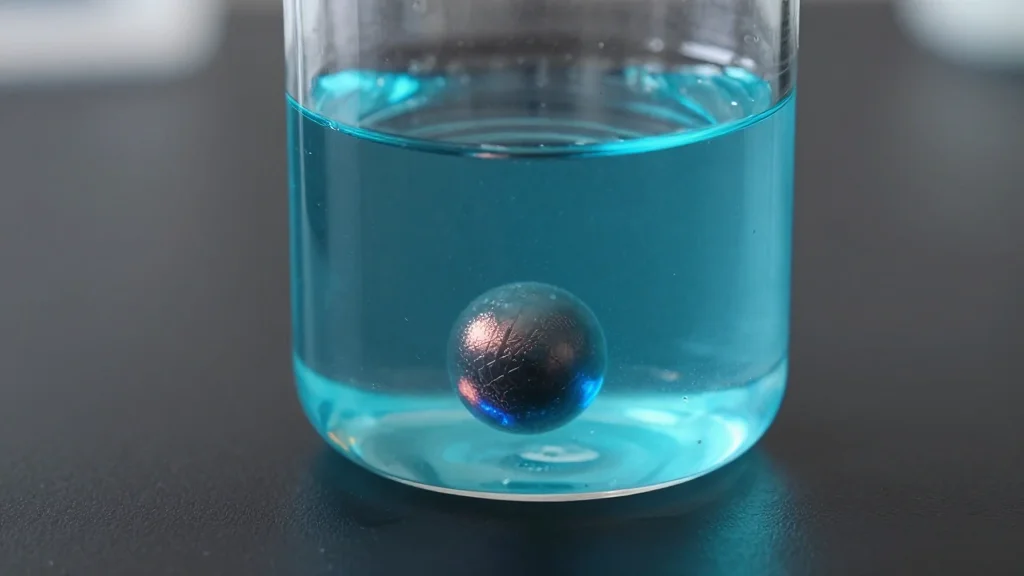
Selective Removal and Recovery of Cu2+ From Complex Water via Asymmetric Electrochemical Separation System
Researchers have created an asymmetric electrochemical separation system that uses a hollow mesoporous carbon sphere–covalent organic framework (HMCS@COF) composite as the cathode to selectively extract copper ions from complex wastewater. The optimized HMCS@COF‑1 delivers 97% removal of Cu²⁺ at 1.2 V,...
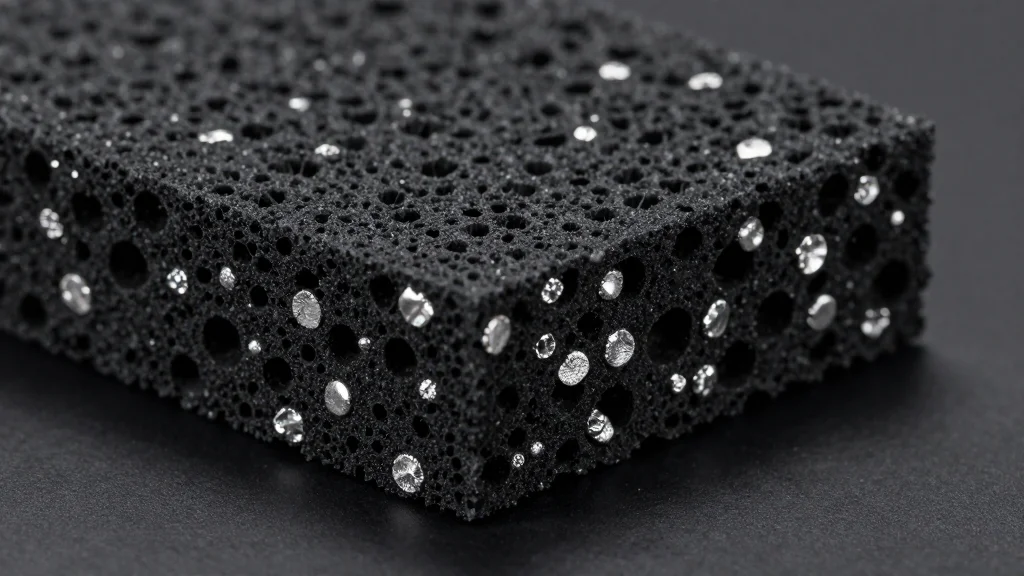
Unlocking the Potential of Organic Cathode in Aqueous Zinc‐Ion Batteries Through Composite Engineering
Researchers have created a PTO@CMK-3 composite that pairs the organic molecule pyrene‑4,5,9,10‑tetrone (PTO) with mesoporous carbon CMK‑3, dramatically improving aqueous zinc‑ion battery (AZIB) performance. The composite delivers more than 90 mAh g⁻¹ after 2,000 charge‑discharge cycles at 0.1 A g⁻¹ and retains 62% of...

Rheumatic Diseases Linked to Persistent COVID Antigen Positivity
Patients with systemic autoimmune rheumatic diseases (SARDs) show markedly longer persistence of SARS‑CoV‑2 antigen after infection, with 36.7% still positive at three months versus 18.9% of non‑SARD controls. A retrospective cohort of 210 SARD patients and 348 comparators revealed adjusted...
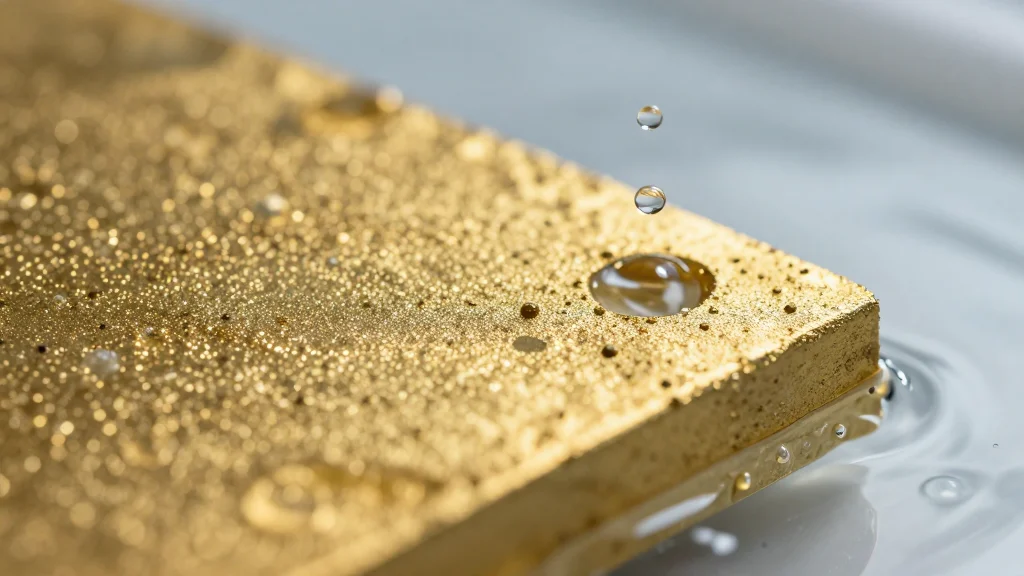
K+‐Intercalation Engineering of 1D Ultrathin K0.25IrO2 Electrocatalyst for Industry‐Level Proton Exchange Membrane Water Electrolysis
Researchers have engineered a potassium‑intercalated 1D K0.25IrO₂ electrocatalyst that restructures the IrO₂ lattice and directs epitaxial growth via cysteamine. The new material delivers an ultralow oxygen‑evolution overpotential of 237 mV at 10 mA cm⁻² and achieves a cell voltage of 1.70 V at 2 A cm⁻²...
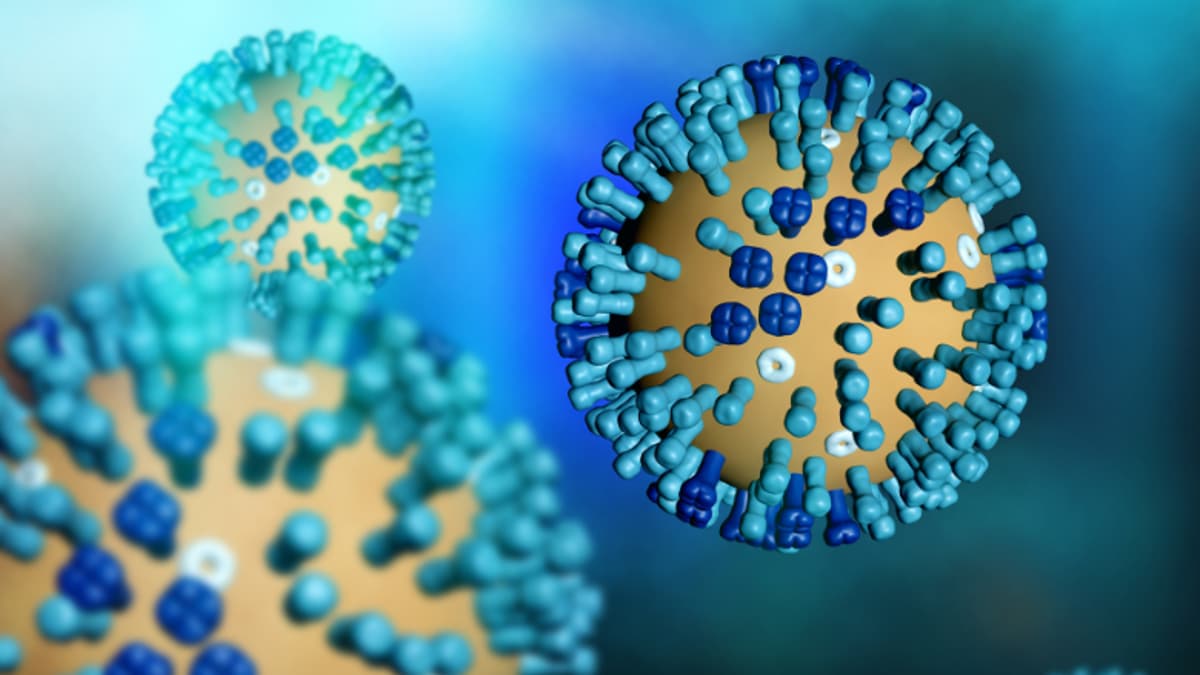
Researchers Recommend UV-C for Norovirus Inactivation, Continuous Surface Disinfection
A National University of Singapore study published in Applied and Environmental Microbiology shows that ultraviolet‑C light, especially far‑UVC at 222 nm, can inactivate human norovirus on surfaces. The researchers compared 222 nm and conventional 254 nm wavelengths using a novel zebrafish embryo infectivity...
Synthesis of a Library of Transition Metal Sulfide@MoS2 Core@Shell Nanostructures via Post‐Synthetic Cation Exchange
Researchers have introduced a post‑synthetic cation‑exchange route that transforms Ag2S@MoS2 nanocrystals into a library of transition‑metal sulfide@MoS2 core‑shell heterostructures. The process separates MoS2 shell growth from core composition, enabling single‑metal sulfide, heterostructured, and solid‑solution cores while preserving a monolayer MoS2...

In a Beijing Laboratory, 25 Volunteers Spent a Week Learning to Fly with Feathered Virtual-Reality Wings — Flapping to Stay...
Researchers at Peking University and Beijing Normal University trained 25 volunteers in a week‑long virtual‑reality wing‑flapping program. Functional MRI scans taken before and after the sessions revealed a measurable shift in the right occipitotemporal cortex, the brain region that normally...

NASA Picks Astrolab for Artemis Lunar Rover Mission
NASA has chosen California‑based Astrolab as one of two providers for a crewed lunar rover under the Artemis program. Astrolab’s CLV‑1 rover folds to about 2 m for launch, then expands to roughly 4 m on the Moon and can travel up...

The Sky Today on Thursday, May 28: Scorpius Holds M80
On May 28, the globular cluster M80 in Scorpius reaches its highest point in the southern sky shortly after midnight, offering a prime viewing window for amateur astronomers. The cluster glows at magnitude 7.3, spans ten arcminutes, and sits about 32,600 light‑years from...
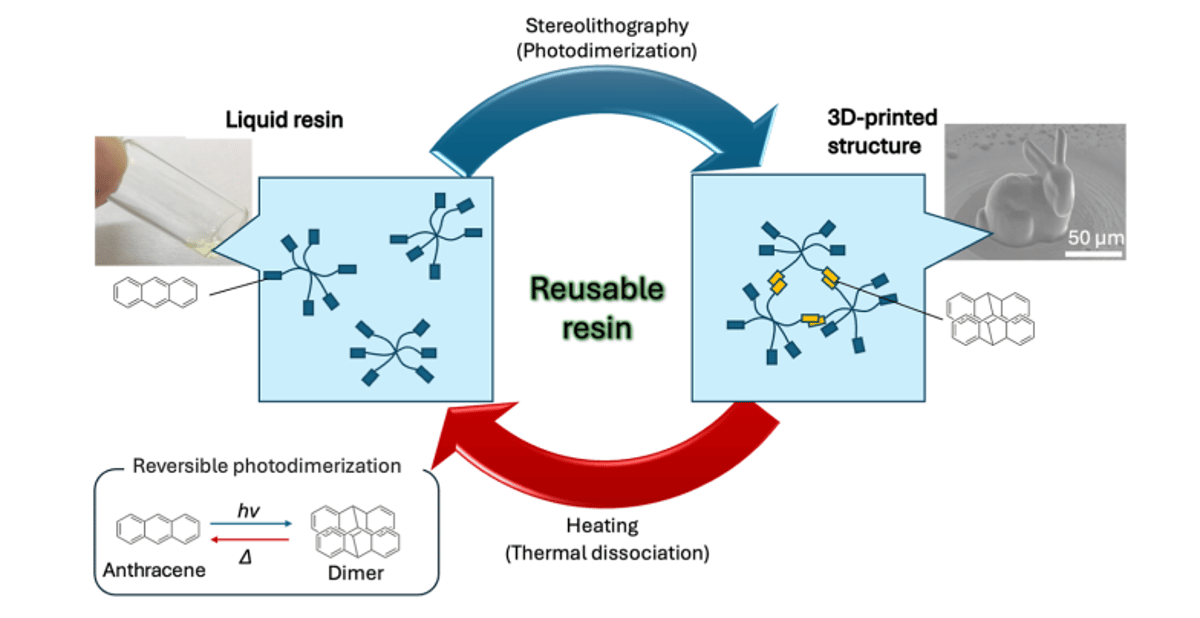
Recyclable Material Unlocks New Era for 3D Printing
Researchers at Yokohama National University have unveiled a photocurable anthracene‑based resin that can be printed, melted, and re‑printed more than ten times without any chemical additives. The step‑growth polymerization enables reversible photodimerization, allowing solidification with blue light and depolymerization at...
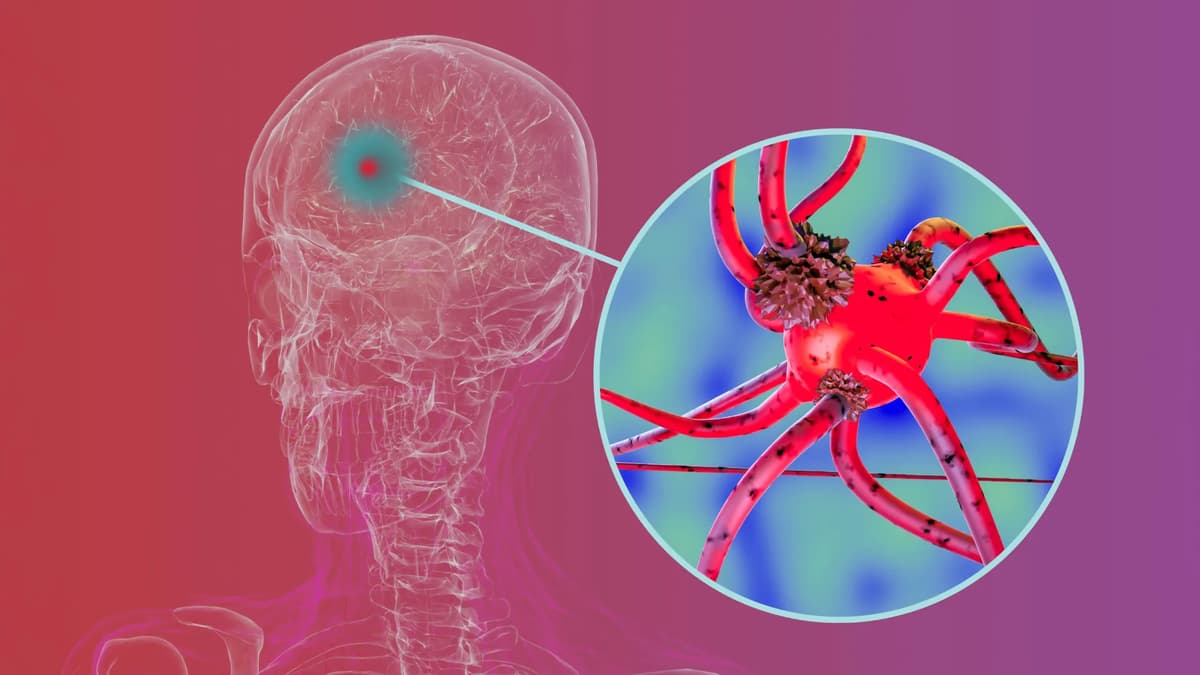
Researchers Block Key Protein that Helps Parkinson’s Spread Through the Brain
Researchers at the University of Pennsylvania have pinpointed the brain immune protein GPNMB as a catalyst for the spread of alpha‑synuclein in Parkinson’s disease. In pre‑clinical experiments, monoclonal antibodies that block GPNMB prevented the protein’s propagation between neurons. Analysis of...

Animals Have Expanded the Evolutionary Legacy of Unicellular Ancestors in Blood Cells
A new PNAS study maps the evolutionary trajectory of animal blood cells using transcriptomic data, showing that the earliest blood cells were macrophage‑like and derived from a pre‑metazoan Fos‑driven program. Bilaterian ancestors later gave rise to mast/killer cells specialized for...
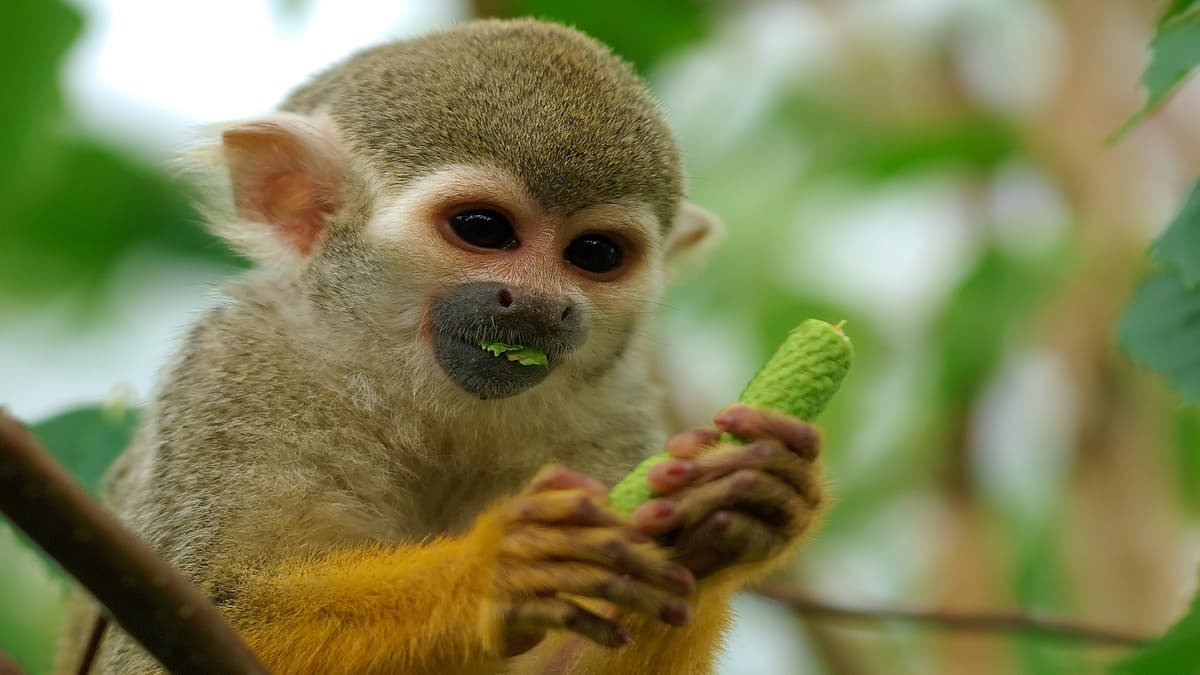
Most Wildlife AI Focuses on the Ground. This Model Looks up in the Trees
Scientists introduced TropiCam‑AI, an artificial‑intelligence classifier designed to detect tree‑dwelling mammals and birds in neotropical forests. The model can recognize 84 taxa—including 63 species—with an overall accuracy of 95%, and it flags ambiguous images by returning higher‑level taxonomic guesses. Training...
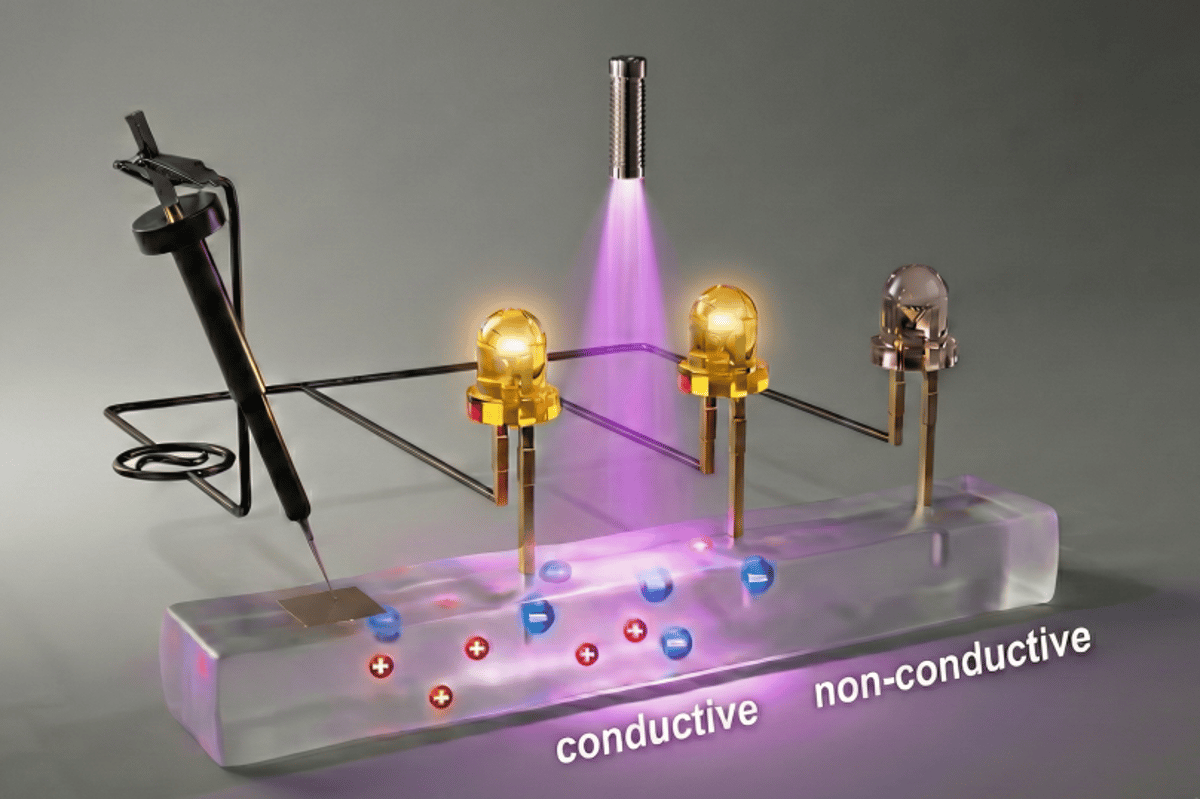
Light-Activated Gel Could Impact Wearables, Soft Robotics, and More
MIT engineers have created a soft, stretchable gel that becomes dramatically more conductive when illuminated, achieving a 400‑fold increase in ion flow. The material incorporates photo‑ion generator (PIG) particles into polyurethane rubber using a swelling technique, marking the first light‑controlled...
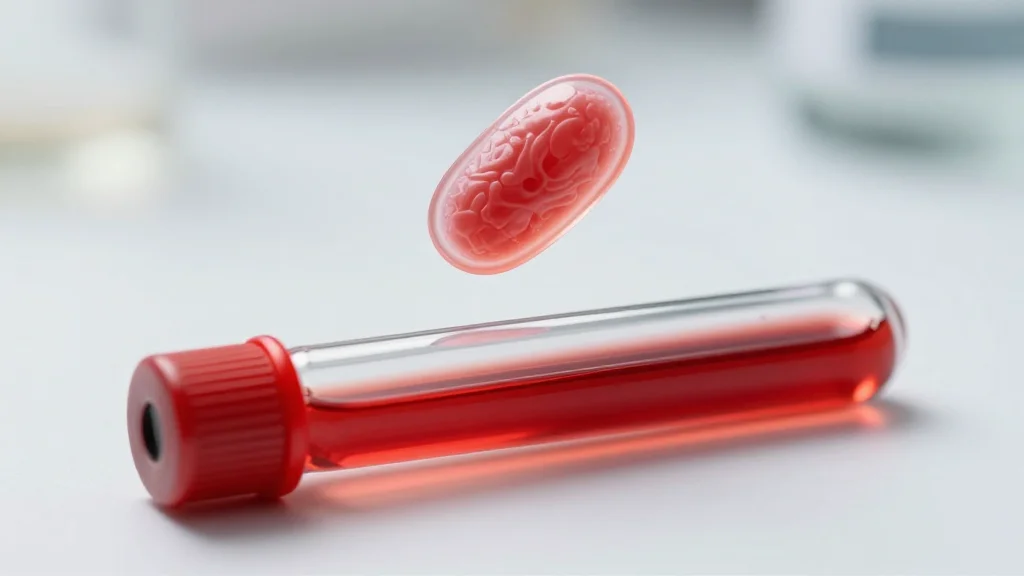
How mtDNA Mutations Build with Age
A new Nature study reveals that somatic mutations in nuclear genes, especially classic clonal hematopoiesis drivers such as ASXL1, DNMT3A, TET2, SRSF2 and JAK2, are strongly associated with higher loads of heteroplasmic mitochondrial DNA variants in human blood. Rare loss‑of‑function...
Untitled
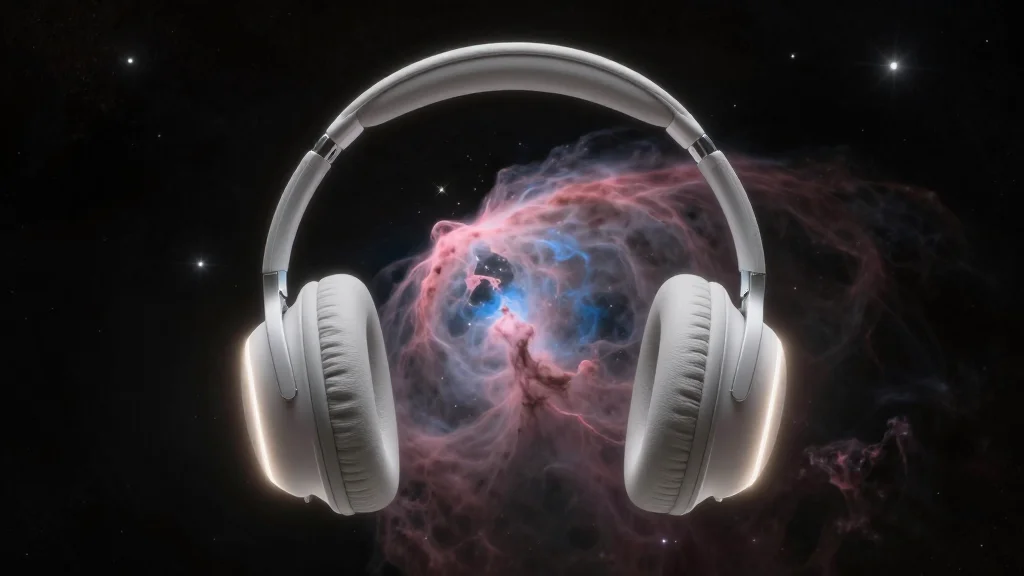
NASA’s Astronomy Picture of the Day highlighted the Headphone Nebula (PK 164 +31.1), a planetary nebula in Lynx that spans roughly one‑fifth the apparent diameter of the full Moon. The nebula’s red hydrogen and blue‑green oxygen emissions form a distinctive headphone‑shaped silhouette,...

Gut Microbiota May Determine Severity of Life-Threatening Sepsis Infections
A study published in Nature Communications shows that a gut bacterial family, Muribaculaceae, dramatically worsens sepsis outcomes by priming immune cells for hyperinflammation. Researchers found that mice with Muribaculaceae‑enriched microbiota, especially the species Sangeribacter muris, suffered higher mortality after Acinetobacter...
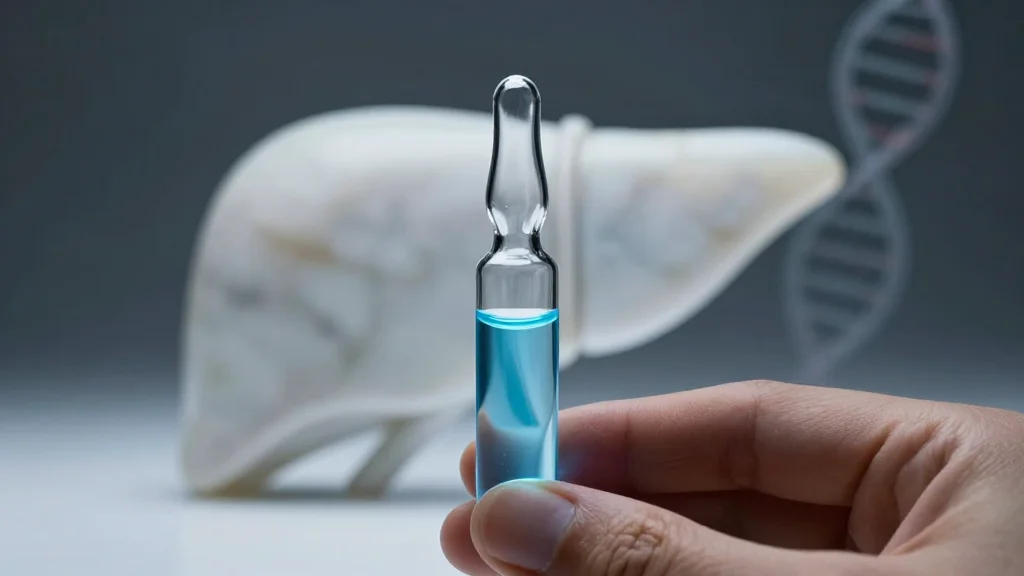
New Drug ‘Functionally Cures’ Many Hepatitis B Virus Infections
GSK’s antisense drug bepirovirsen (bepi) added to standard antivirals produced a functional cure in 19% of chronic hepatitis B patients in two phase 3 trials, rising to 26% among those with the lowest surface‑antigen levels. The cure, defined as undetectable HBV DNA...
Innovative Chemical Routes Unlock Closed-Loop Recycling for Polyurethane Consumer Goods
Researchers have unveiled three chemical depolymerization routes—catalytic hydrogenation, chem‑solvolysis, and acidolysis—that can break down flexible polyurethane foam into high‑purity polyols and aromatic amines, enabling true closed‑loop recycling. The hydrogenation method uses manganese catalysts with green hydrogen, chem‑solvolysis employs tert‑amyl alcohol...

Tandem Catalysis Converts Polyethylene and CO₂ Into Easily Separable Aromatics at Ambient Pressure
Researchers have unveiled a tandem catalytic system that simultaneously converts low‑grade polyethylene waste and carbon dioxide into valuable aromatic compounds such as benzene, toluene, and xylene. The process operates at ambient temperature and pressure, eliminating the need for high‑energy reactors...
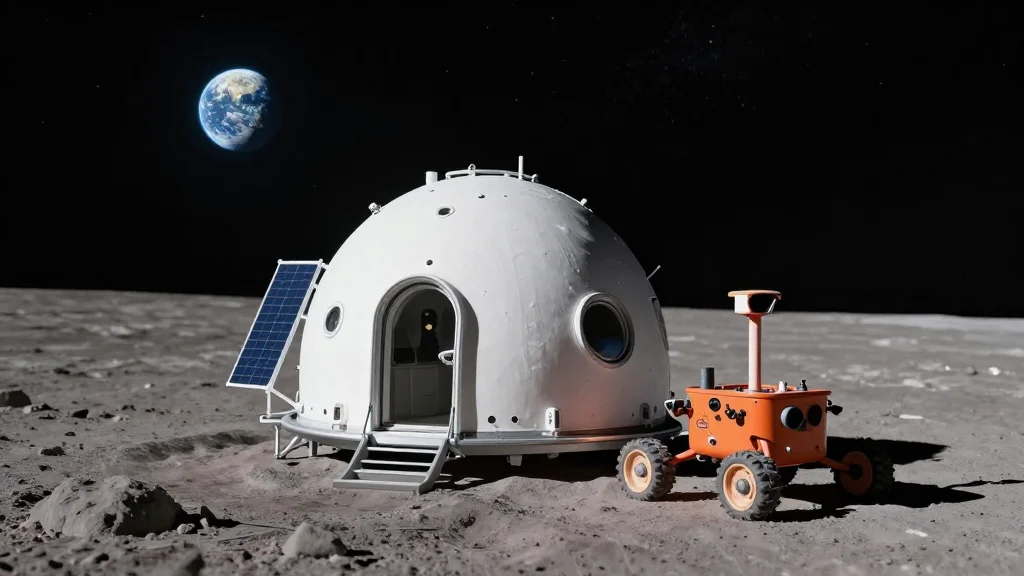
Moon Base: America’s Plan to Establish a Permanent Outpost on the Lunar South Pole
NASA Administrator Jared Isaacman announced the Moon Base program, a $30 billion effort to build a permanent U.S. outpost at the lunar South Pole. The plan unfolds in three phases starting in 2026, with Phase 3 delivering up to 150,000 kg of cargo...

Healthy Soil Can Protect Land From Soaring Heat. But Our Map Shows Where Soil Is Suffering
Researchers have produced the first continent‑wide map of Australia’s soil thermal buffering capacity, revealing large “thermal gaps” where soils no longer moderate heat effectively. The gaps are most pronounced in southeastern and central regions, especially on sandy, low‑cover soils that...

‘Mind-Blowing’: Iron-Rich Immune Cells Help Homing Pigeons Navigate
A new study in *Science* reveals that iron‑rich macrophages in homing pigeons' livers act as magnetic compasses. Researchers found ferritin‑laden immune cells concentrated in the liver and demonstrated that chemically depleting these cells disrupts pigeons' ability to navigate under overcast...

Earth Is Quietly Dusted with Thousands of Tonnes of Space Material Every Year, Most of It as Grains Smaller than...
Extraterrestrial dust, primarily micrometeorites, blankets Earth at roughly 5,200 tonnes per year, dwarfing the sub‑ten‑tonne influx of larger meteorites. Most particles are sub‑sand‑sized spherules that melt during atmospheric entry, leaving tiny glassy beads. A Norwegian musician‑turned‑collector, Jon Larsen, demonstrated that urban...
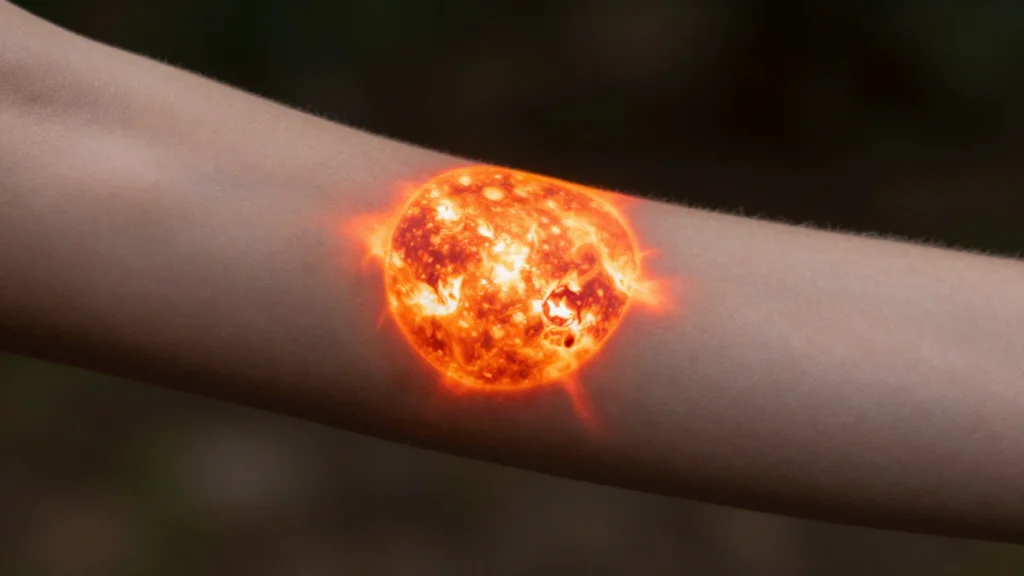
Listening to the Sun Reveals Previously Hidden Changes to Solar Cycle
A team led by the University of Birmingham used 40 years of helioseismic data from the BiSON network to uncover that solar magnetic activity is increasingly confined to a shallow layer just below the Sun’s surface. The study, published in *Monthly...
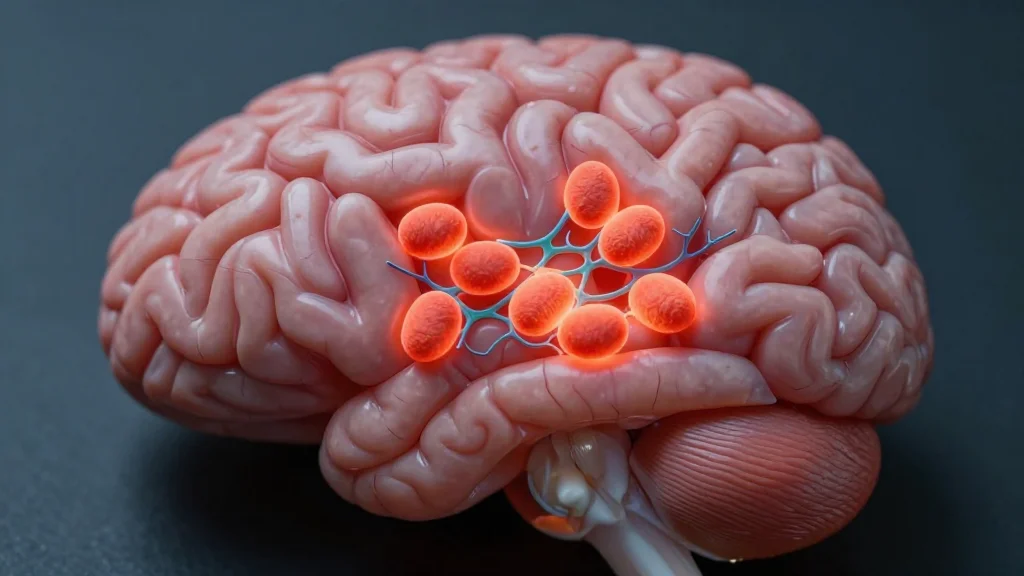
Convergent Mitochondrial Impairment and Apoptosis Driven by Simultaneous Down-Regulation of Multiple Genes at 11p11.2 in Alzheimer’s Disease
Researchers identified that simultaneous down‑regulation of several genes within the 11p11.2 risk locus occurs in Alzheimer’s disease brains. Integrated transcriptomic and functional analyses revealed that this coordinated gene suppression disrupts mitochondrial complex I, elevates reactive oxygen species, and activates caspase‑7–mediated...
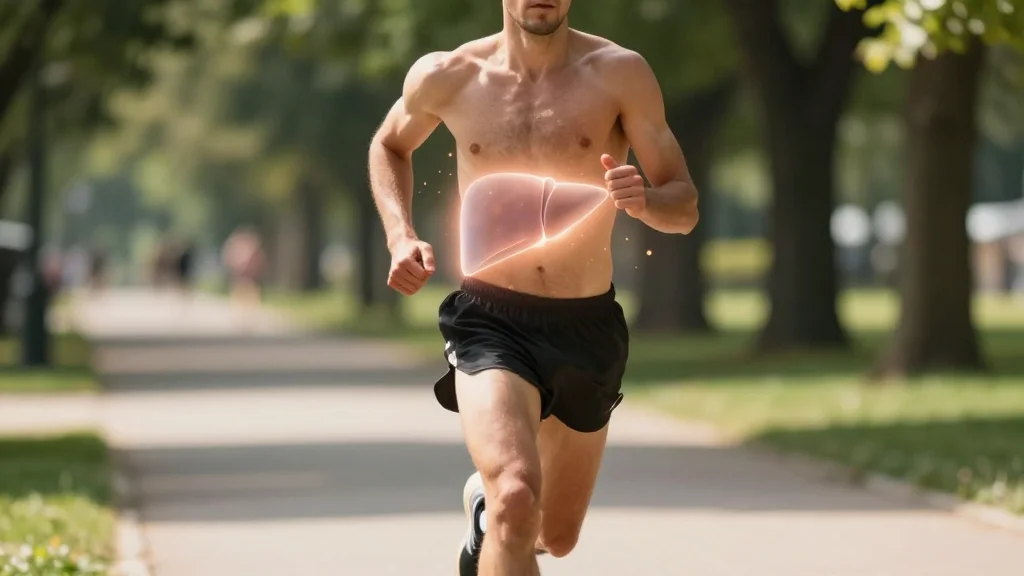
B Cells Just Got a Workout
Researchers led by Mao et al. discovered that B cells secrete TGF‑β1 during exercise, which reprograms liver glutamine metabolism by up‑regulating GLS2 and SLC7A5. This hepatic shift boosts glutamate production, raising circulating and skeletal‑muscle glutamate levels. The excess glutamate sustains...
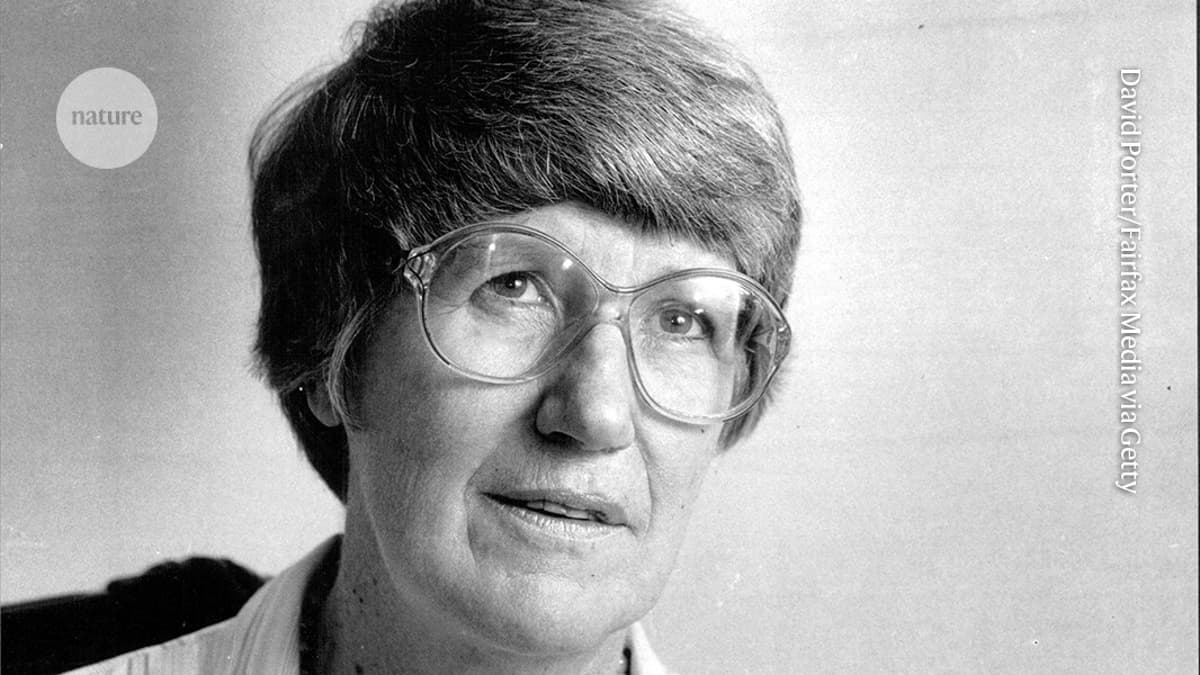
Bridget Ogilvie Obituary: Parasitologist Who Championed Biomedical Labs and Scientific Evidence
Bridget Ogilvie, a pioneering parasitologist, served as director of the Wellcome Trust from 1991 to 1998 and was instrumental in founding the Wellcome Sanger Institute. Her research revealed how parasites alter protein expression to evade host immunity, while her leadership...

Autoantibodies in Long COVID: A Mechanistic Foothold in a Heterogeneous Disease
Two independent studies published in *Cell* and *Cell Reports Medicine* provide the first direct evidence that autoantibodies can drive core long COVID symptoms such as fatigue, pain, and cognitive impairment. Researchers isolated IgG from affected patients and transferred it to...
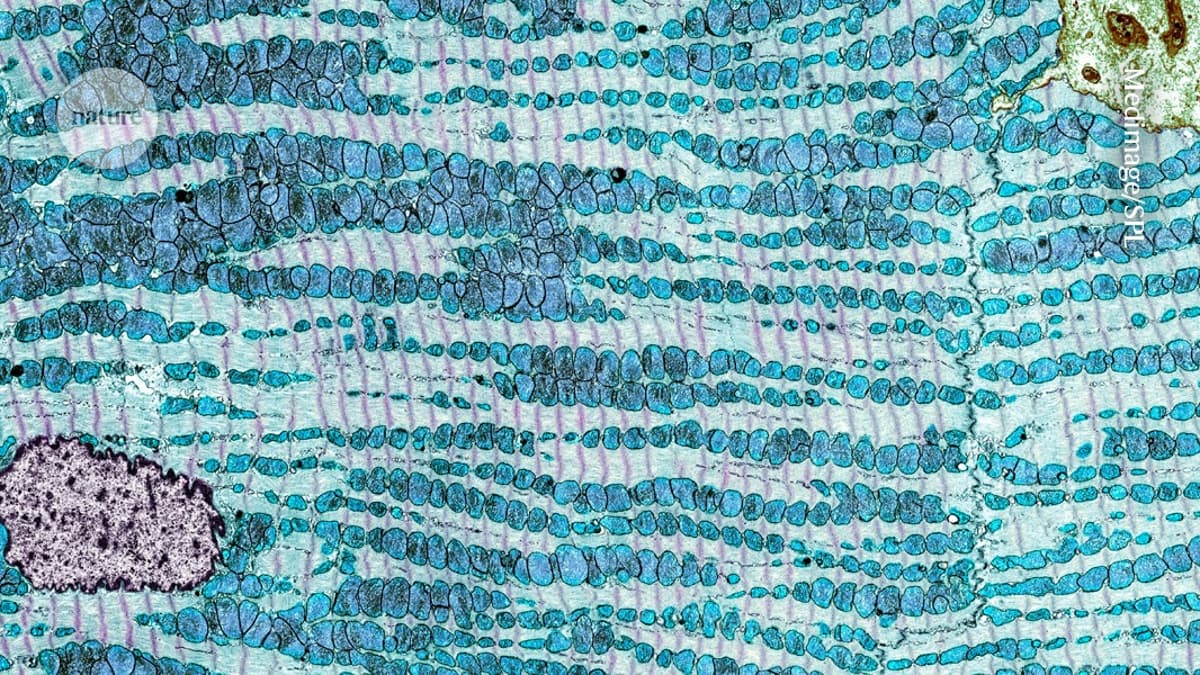
Gene Therapies to Fix Failing Hearts Gain Steam After Years in the Doldrums
Gene‑therapy researchers have launched the first human trial aimed at regenerating heart muscle by silencing the SAV1 gene, a brake on cardiomyocyte division. Pre‑clinical work in pigs showed a 14% boost in ejection fraction, prompting U.S. regulators to green‑light the...
Spatial Transcriptomics Redraws the Olfactory Map
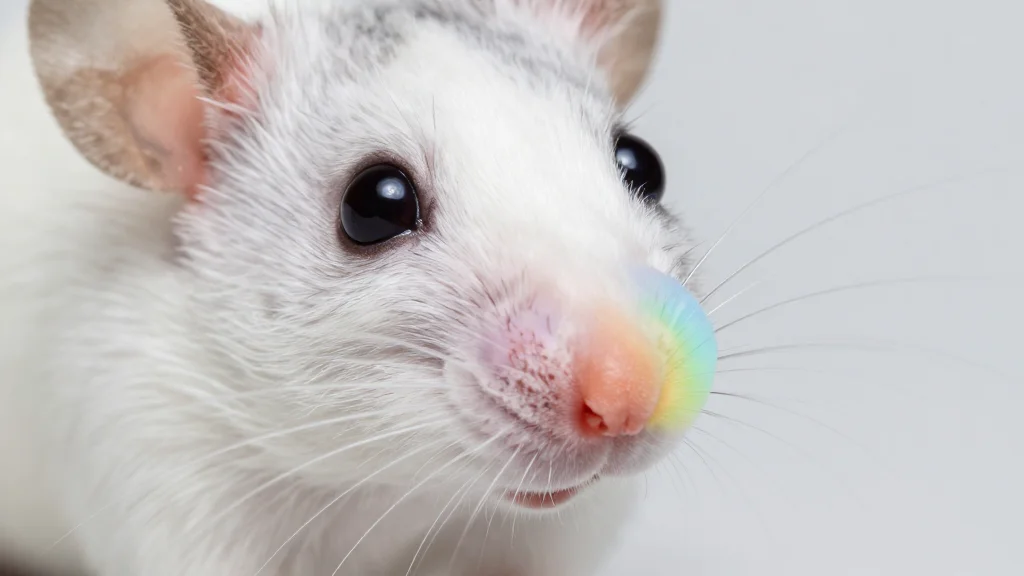
Two Cell papers by Bintu et al. and Brann et al. use image‑based spatial transcriptomics to map olfactory receptor expression across the mouse nasal epithelium. Their data overturn the classic zonal model, showing receptors arranged along smooth, continuous gradients rather than discrete...
AI-Driven Nanotweezers Bring Milk Vesicle Analysis Into Sharper Focus
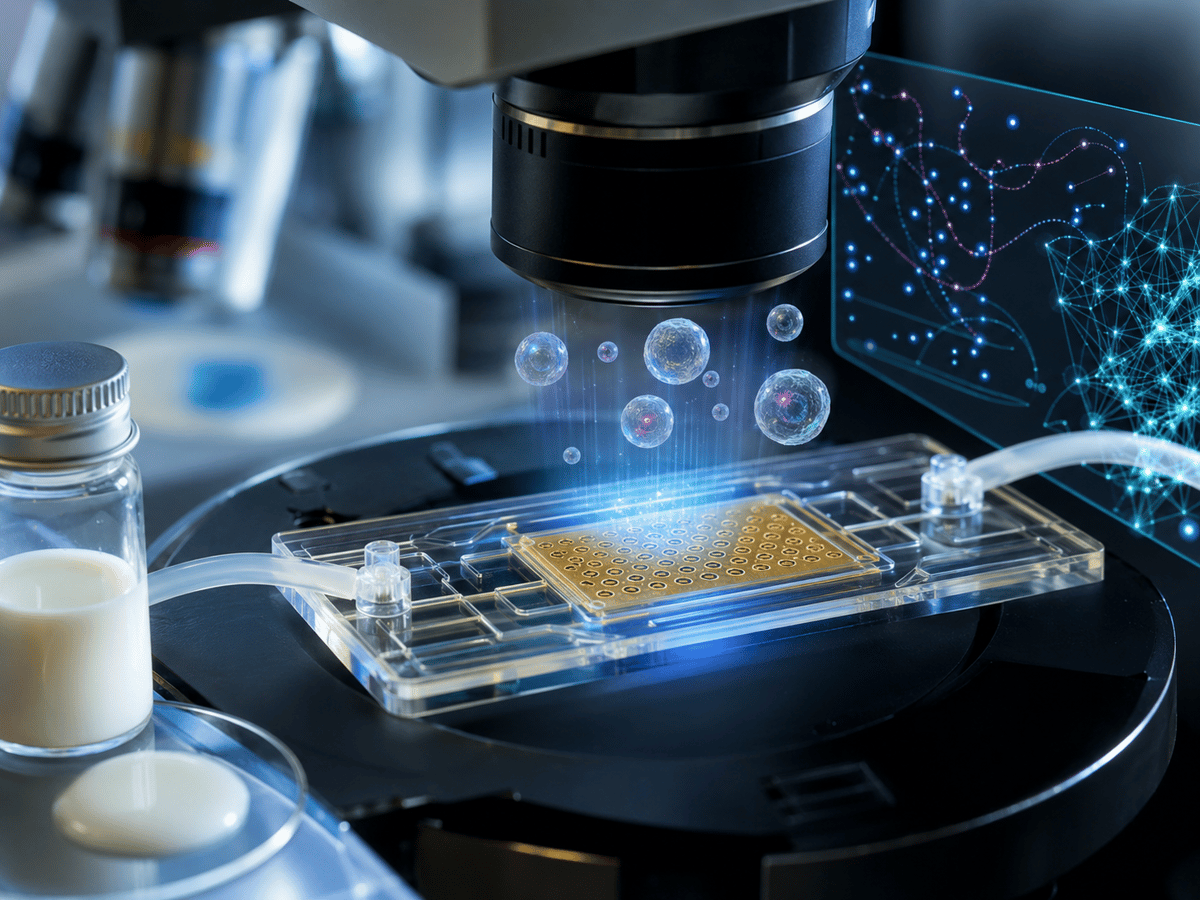
Researchers unveiled an electrohydrodynamic nanotweezer platform that combines AI‑driven image analysis with label‑free interferometric scattering microscopy to trap, size and sort milk‑derived extracellular vesicles (EVs). The system immobilizes thousands of vesicles in seconds, extracts diffusion‑based size estimates, and infers refractive...

ETH Zurich Generates First Certifiably Perfect Random Numbers Using Entangled Superconducting Qubits and Bell Test
Researchers at ETH Zurich have demonstrated the first certifiably perfect random numbers using entangled superconducting qubits. By employing an enhanced Bell‑test protocol, they amplified randomness from previously imperfect sources, achieving device‑independent certification. The result provides a physically provable foundation for...
Toothless, Bipedal Crocodile Relative Lived in New Mexico 212 Million Years Ago
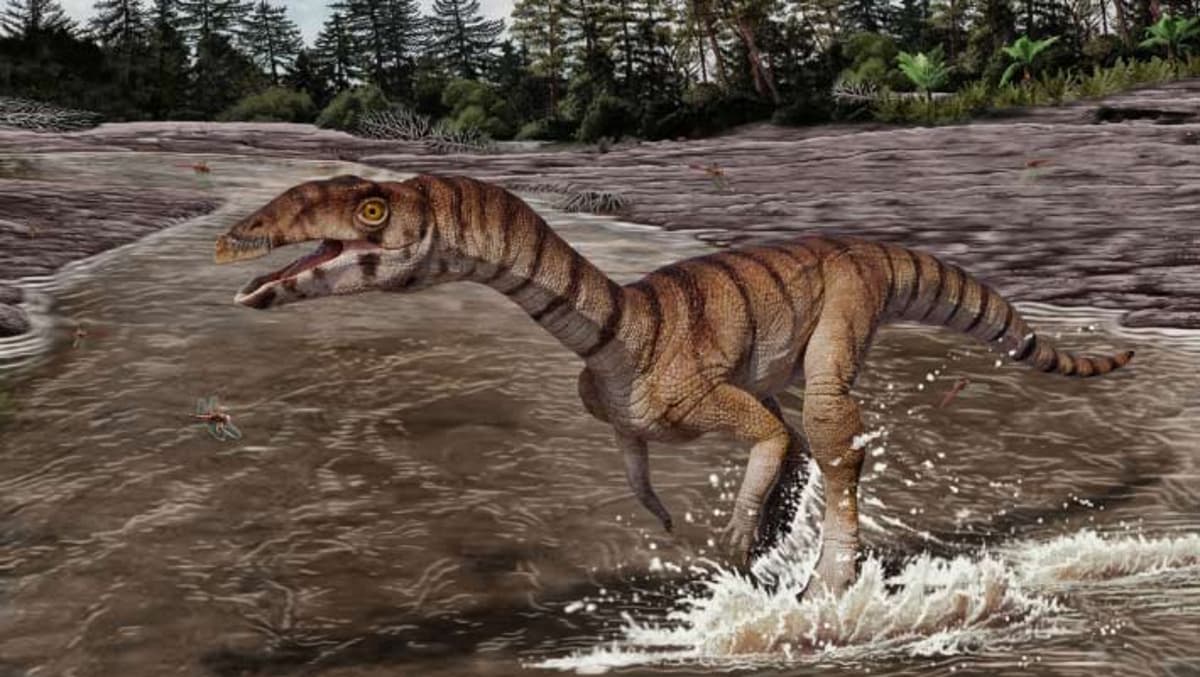
Paleontologists have described Labrujasuchus expectatus, a new bipedal, tooth‑less shuvosaurid from the Late Triassic Chinle Formation in northern New Mexico. The ~212‑million‑year‑old partial skeleton fills a temporal gap between the earlier Shuvosaurus inexpectatus and the later Effigia okeeffeae. Its anatomy...
Multireference Investigations of Ethylene Hydrogenation over Bimetallic Catalysts
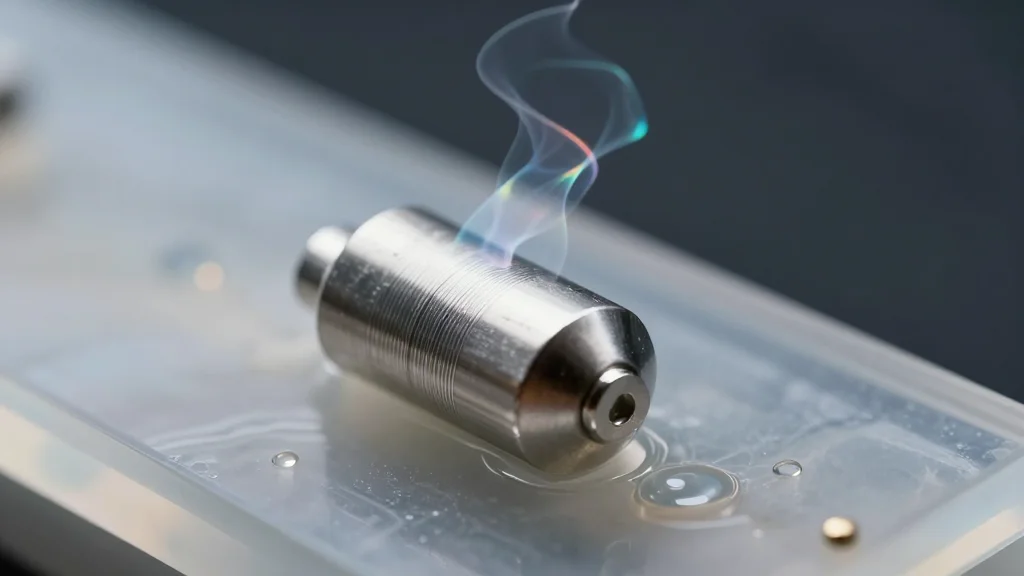
Researchers used GPU‑accelerated multireference quantum chemistry to study ethylene hydrogenation on unsupported and silica‑supported Ni‑Fe bimetallic hydride catalysts. Conventional DFT gave conflicting spin‑state orders, barrier heights, and even different rate‑determining steps, while multireference methods delivered a consistent energetic profile. The...

Post-IPO, Kailera Looks Beyond Obesity to MASH
Kailera Therapeutics completed the largest biotech IPO on NASDAQ, raising $718.8 million after the greenshoe. In its first post‑IPO update, the company disclosed Phase I data for KAI‑4729, a triple GLP‑1R/GIPR/GCGR agonist developed with Jiangsu Hengrui. The early trial in healthy volunteers...
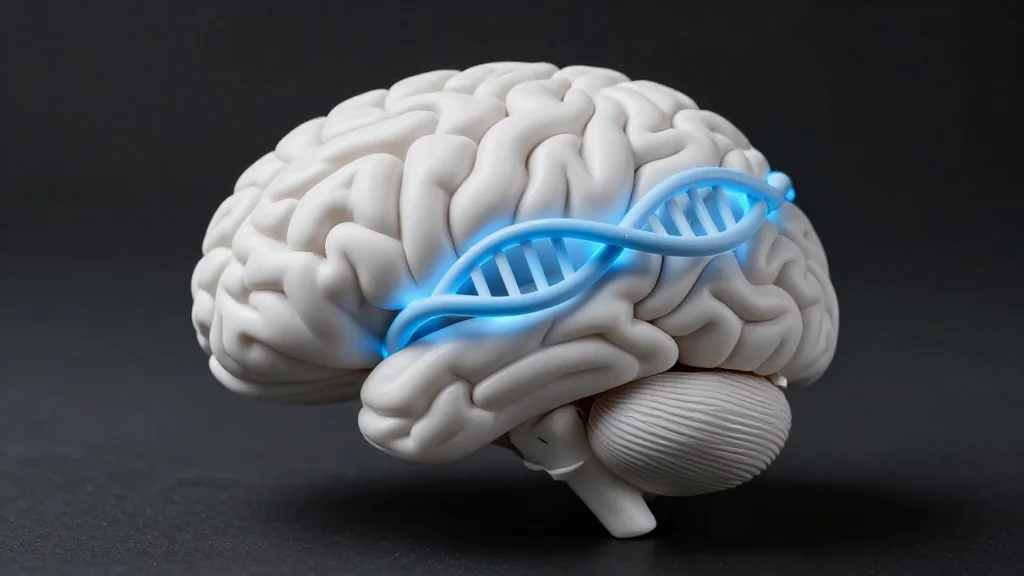
Science Spotlight: Silencing Seizures by Fixing Gene Mutations
Two independent research teams reported in Science Translational Medicine that in‑vivo gene editing can repair disease‑causing SCN1A mutations in mouse models of severe epilepsy. The University of Zurich used AAV‑delivered prime editing to correct the K1270T Nav1.1 mutation in neonatal...
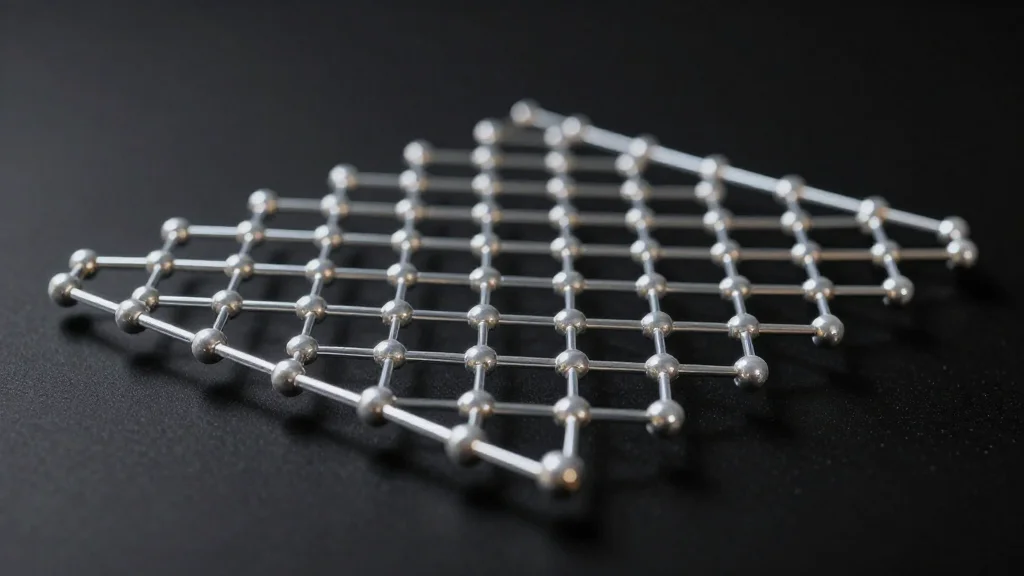
Facile Green Biosynthesis of High-Purity Silver Nanoparticles Utilizing Bambusa Blumeana Using Response Surface Methodology
Researchers compared a hands‑on experimental protocol with a statistically modeled approach for green synthesis of silver nanoparticles using Bambusa blumeana leaf extract. The experimental route produced a sharp surface plasmon resonance at 400 nm with an absorbance of 4.2 a.u., yielding spherical...
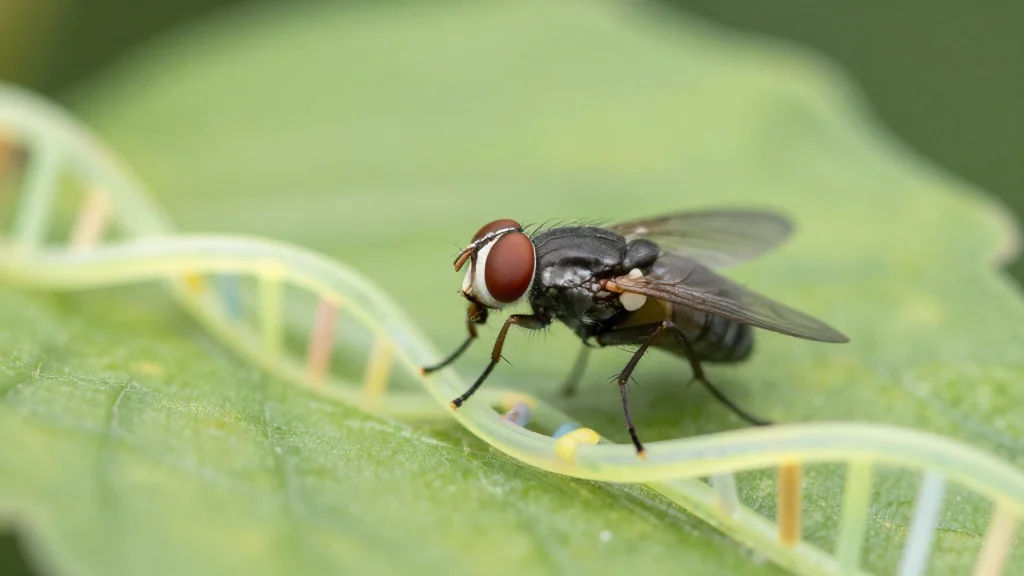
DNA 'Nicks' Make for Safer, More Precise Genetic Analysis
Cornell researchers have upgraded the CRISPR‑based MAGIC technique by swapping double‑strand cuts for single‑strand DNA nicks. Using Cas9‑derived nickases, they demonstrated that a lone nick can still drive mitotic recombination in fruit‑fly tissues, dramatically lowering cellular toxicity. The study, published...
Functional Trait Expression Determines Contrasting Temporal Trends of Lepidoptera Inside and Outside Protected Areas
Researchers analyzed a 1960‑2022 Lepidoptera dataset from northern Austria to assess how functional traits evolve inside versus outside larger protected areas. Inside protected zones, mean species body weight increased, while outside, host‑plant diversity and dispersal ability rose and monophagous species...
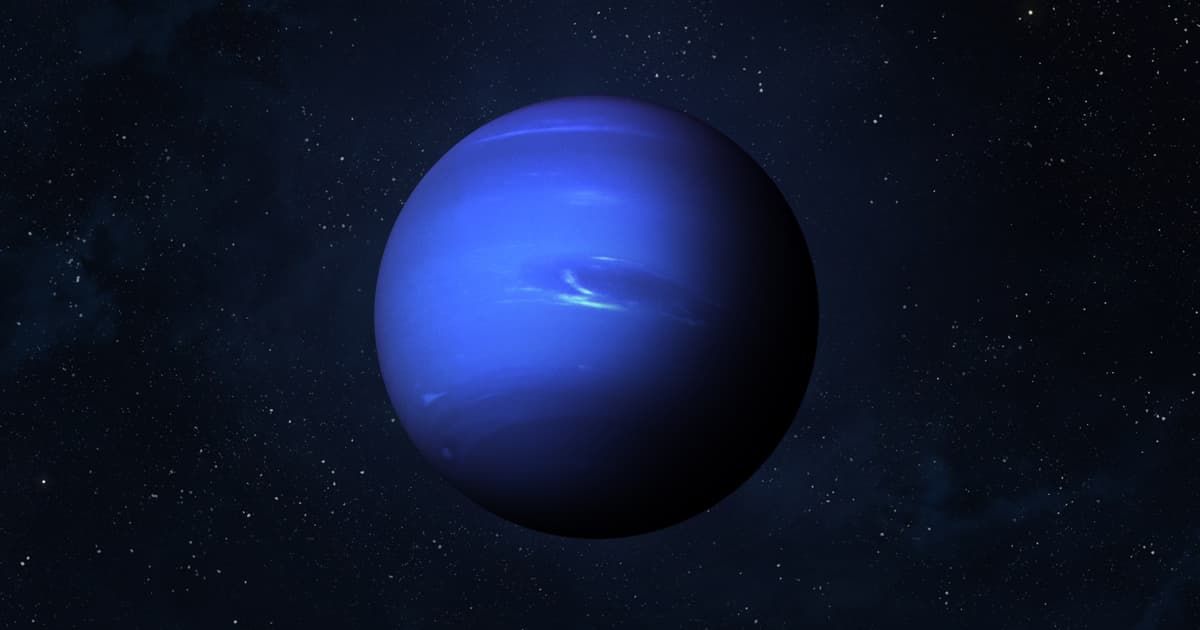
Neptune Was Found Not by Anyone Scanning the Night Sky but by Mathematics — Urbain Le Verrier Noticed Uranus Being...
In 1846 French mathematician Urbain Le Verrier used the wobble of Uranus to calculate where an unseen planet must lie. He sent his coordinates to Johann Galle at Berlin Observatory, where Galle and assistant Heinrich d’Arrest spotted Neptune within a degree of...
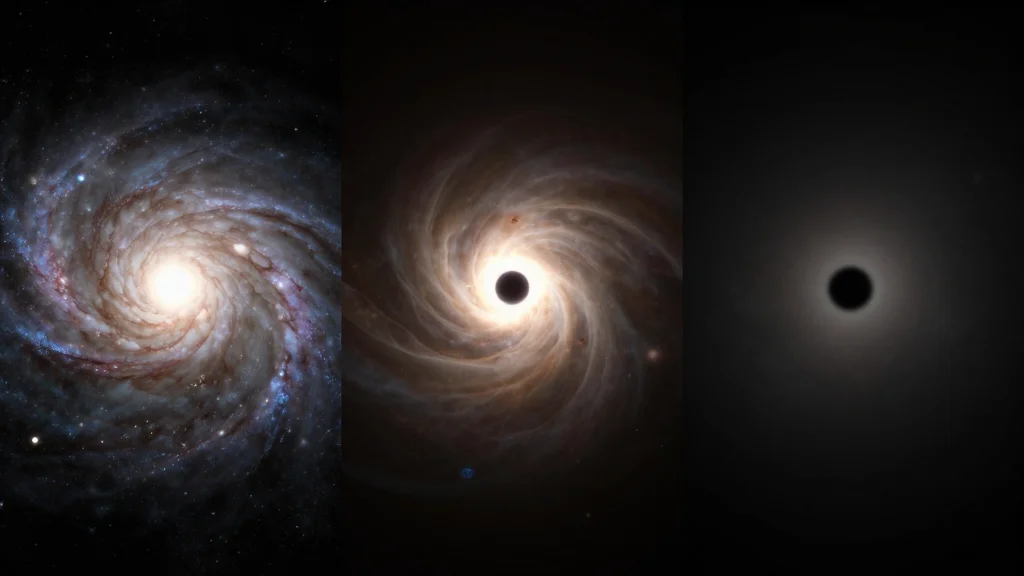
Where Are All the Intermediate Mass Black Holes? Microlensing Fast Radio Bursts Might Reveal Them
Astrophysicists have long lacked direct evidence for intermediate‑mass black holes (IMBHs), objects weighing between 100 and 100,000 solar masses. A new arXiv paper by Huan Zhou et al. analyzes the CHIME/FRB catalog and identifies two fast‑radio‑burst microlensing signatures whose inferred lens...
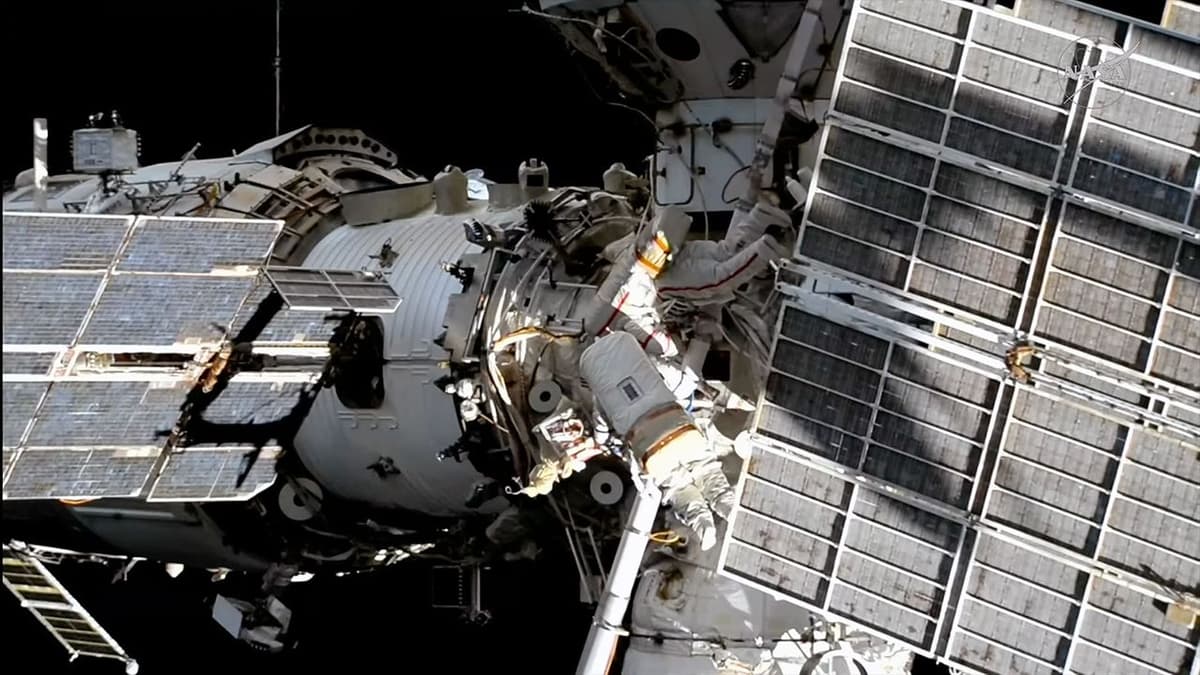
Russian Cosmonauts Install Sun-Watching Telescope on ISS During 6-Hour Spacewalk
Russian cosmonauts Sergey Kud‑Sverchkov and Sergei Mikaev completed a 6‑hour, 5‑minute EVA on May 27, 2026, installing the Solntse‑Teragerts solar‑radiation telescope on the Zvezda module and retrieving experiments from Poisk and Nauka. The new telescope will monitor solar flares to...

Brighter MRI Signals
MIT bioengineers have unveiled liposomal nanoparticle reporters (LisNRs) that amplify MRI contrast by coupling a single target molecule to many gadolinium‑based agents. The probes embed gadolinium in liposomes and use engineered water channels that open or close when a specific...
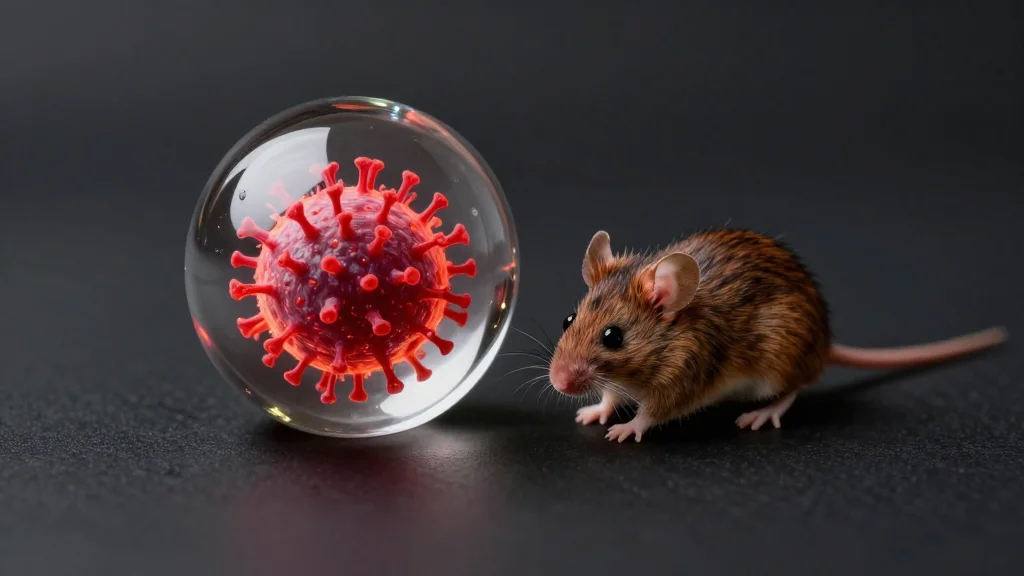
Why the Ebola and Hantavirus Outbreaks Have Confounded Scientists
A hantavirus outbreak aboard the cruise ship M.V. Hondius infected 13 passengers, killing three, and marked the first documented person‑to‑person transmission of the virus. In Africa, a new Ebola strain has caused over 900 infections and 220 deaths, raising doubts...
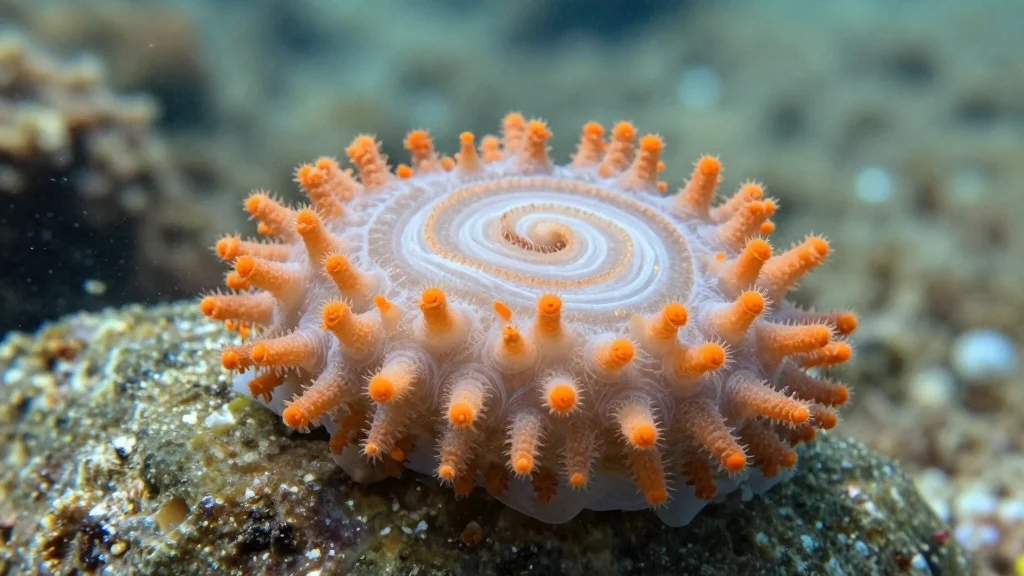
Sea Squirt Reveals Glowing Spines and Unexpected Nervous System Anatomy
Researchers at Ruhr University Bochum employed multimodal imaging—including light, confocal, MRT and synchrotron tomography—to examine the ascidian Halocynthia papillosa. They discovered pronounced autofluorescence in the tunic’s cuticular spines and mapped a spirally organized cellulose structure. The study also revealed an...
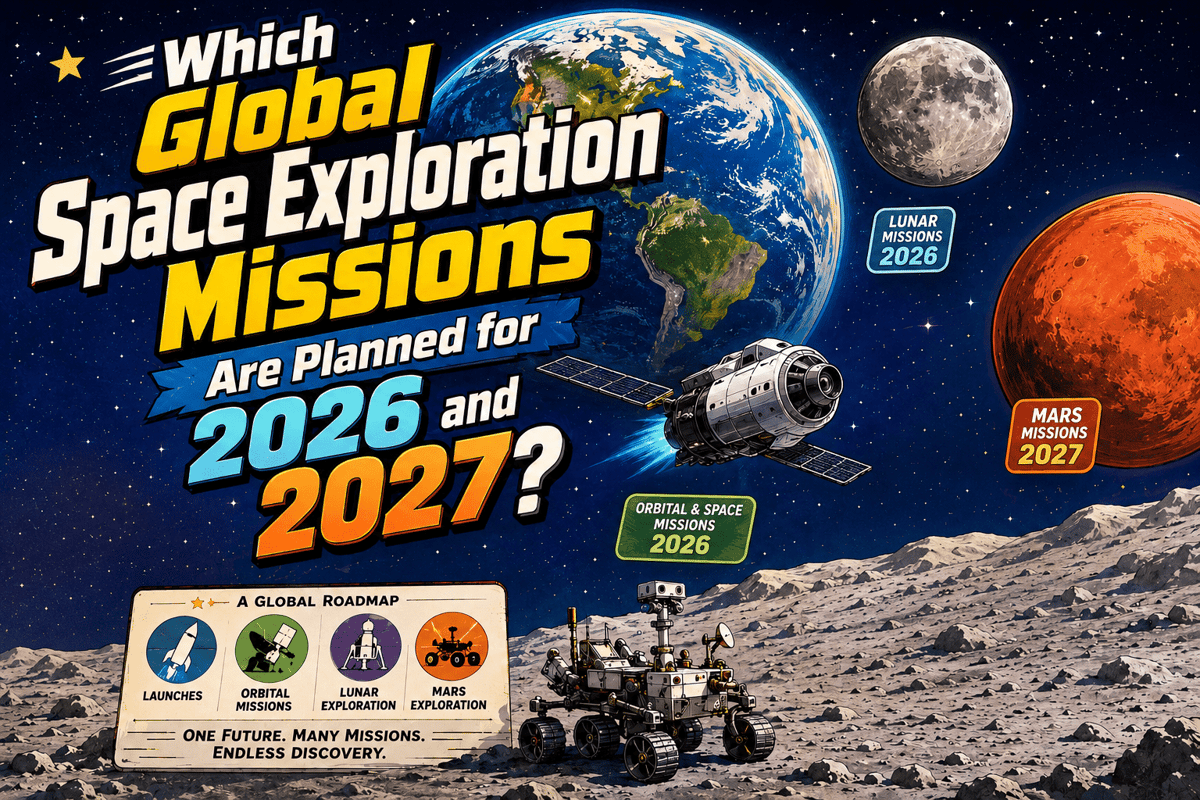
Which Global Space Exploration Missions Are Planned for 2026 and 2027?
The 2026‑2027 space‑exploration window is unusually crowded, with a wave of lunar missions—both governmental and commercial—dominating the schedule. NASA’s CLPS program, China’s Chang’e‑7, and several private landers are targeting the lunar south pole, while Artemis III will test crewed docking in...

“World First” Power-Beaming Breakthrough, as Laser Tech Wirelessly Electrifies Robot for 24 Hours
New Zealand‑founded, Australia‑based Aquila Earth demonstrated the first continuous 24‑hour wireless power‑beaming to a moving warehouse robot, delivering a steady 4 kWh via an infrared laser. The test set world records for highest laser power transferred and longest duration, with the...
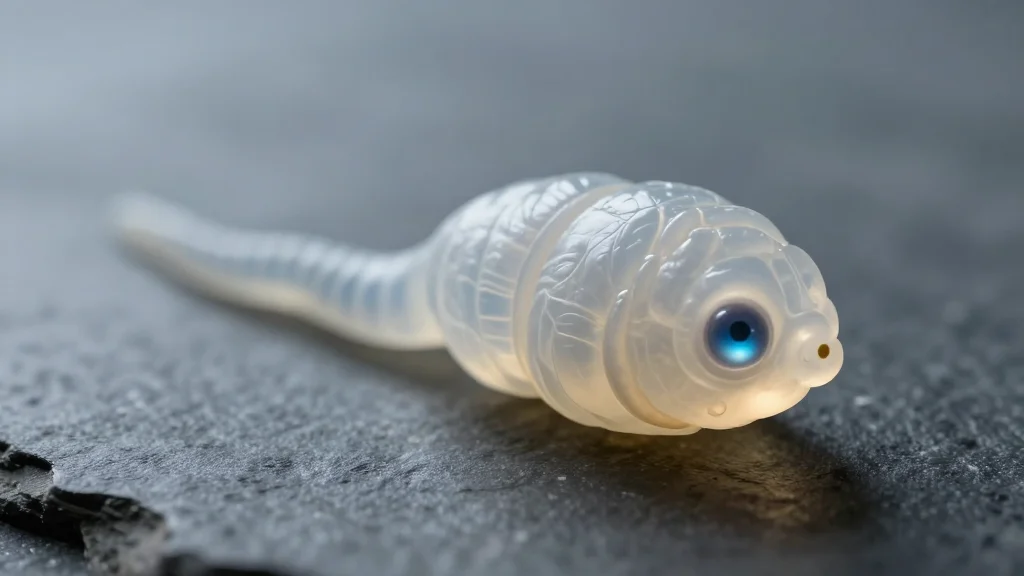
Scientists Say the Hidden “Third Eye” Inside Your Skull Is the Bizarre Reason You Can See
Scientists publishing in Current Biology propose that vertebrate eyes originated from a single median eye on an ancient worm‑like ancestor 600 million years ago. The study suggests this “third eye” persisted as the pineal gland, while its hybrid photoreceptor system gave...