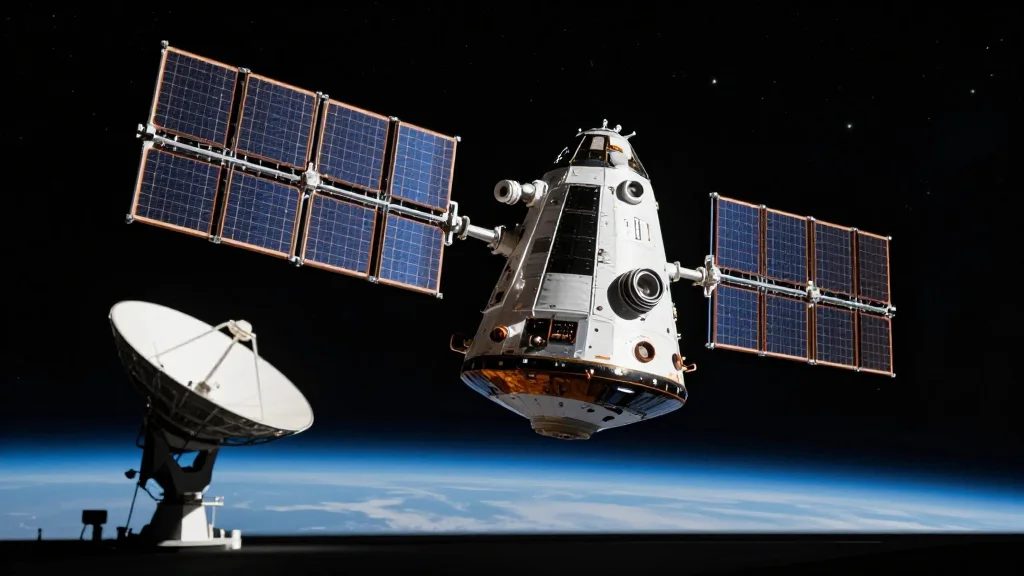
Commercial Vendors Tout Tech Roles in Artemis 2 Mission
NASA’s Artemis 2 mission relied heavily on commercial technology to navigate, communicate and maintain spacecraft resilience during its 10‑day lunar flyby. AWS GovCloud provided the compute power for precise trajectory analysis, while Rocket Lab’s advanced solar cells generated roughly 16 kW for Orion’s life‑support and propulsion. AT&T delivered redundant ground‑communication circuits, and FirstNet supplied deployable network assets for emergency responders. The agency’s latest budget request underscores a strategic push to deepen these public‑private partnerships for future lunar landings.
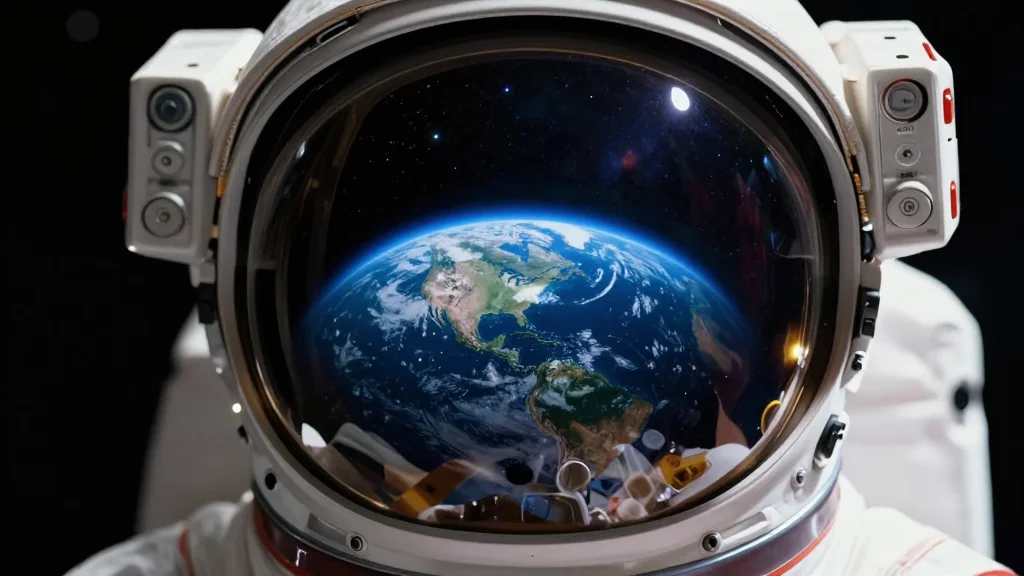
Artemis II Crew Stresses Humanity Link as NASA Faces Deep Budget Cuts
Artemis II astronauts underscored the mission’s human significance in recent public remarks, even as NASA administrator Jared Isaacman defends a Trump‑proposed $6 billion budget cut that would slash science and space‑technology funding by more than a third. The contrast spotlights the mission’s...
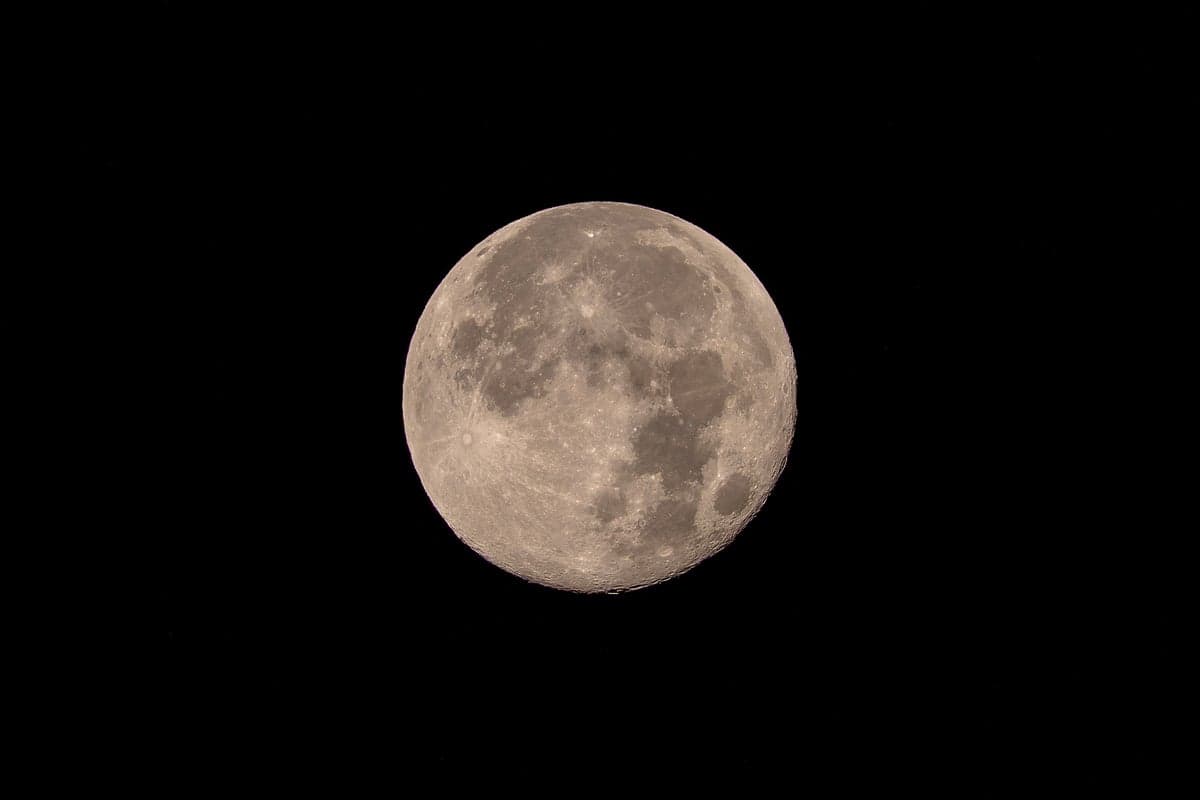
A SpaceX Rocket Booster May Be on Track to Hit the Moon in August
A stray Falcon 9 booster from a January 2025 launch is on a collision course with the Moon, expected to strike near the Einstein Crater on August 5 at roughly 5,400 mph. The booster, which carried private lunar landers, survived Earth re‑entry and entered...
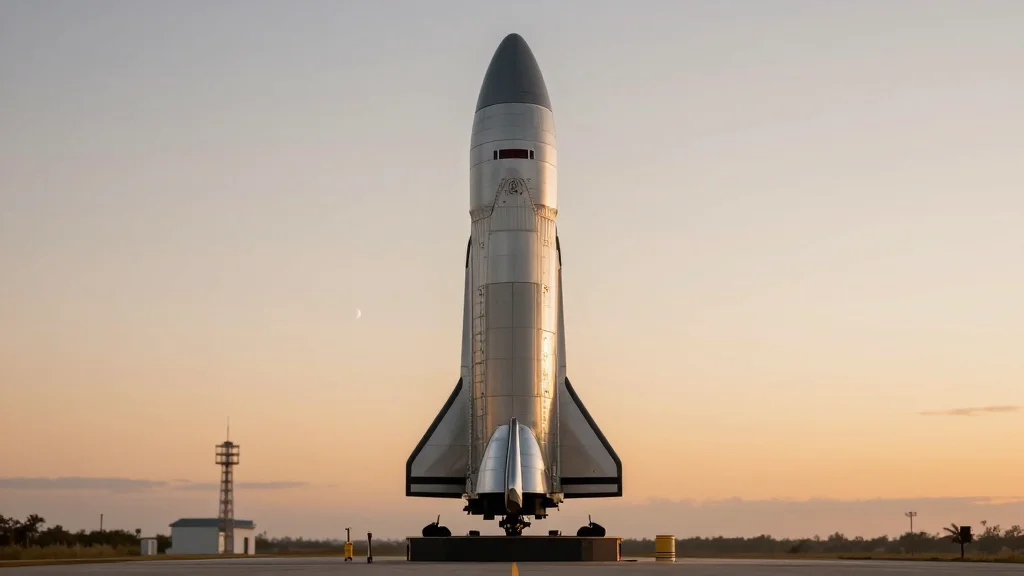
Starship Funding Nears Apollo-Level Investment, Space Routine
.@elonmusk disclosed $15 billion spent in developing Starship (in IPO filing). The entire Apollo program cost ~$25 billion (1973 dollars). One private company is approaching Moon-program levels of investment to make space routine. Thank you. Humanity is grateful.

The Opportunity Beyond Orbital Data Centers
Investor interest is shifting toward the ecosystem around orbital data centers, even though large‑scale deployments by SpaceX and rivals remain years away. Founders Fund partner Delian Asparouhov warned against directly competing with SpaceX but highlighted ancillary opportunities, such as lunar...
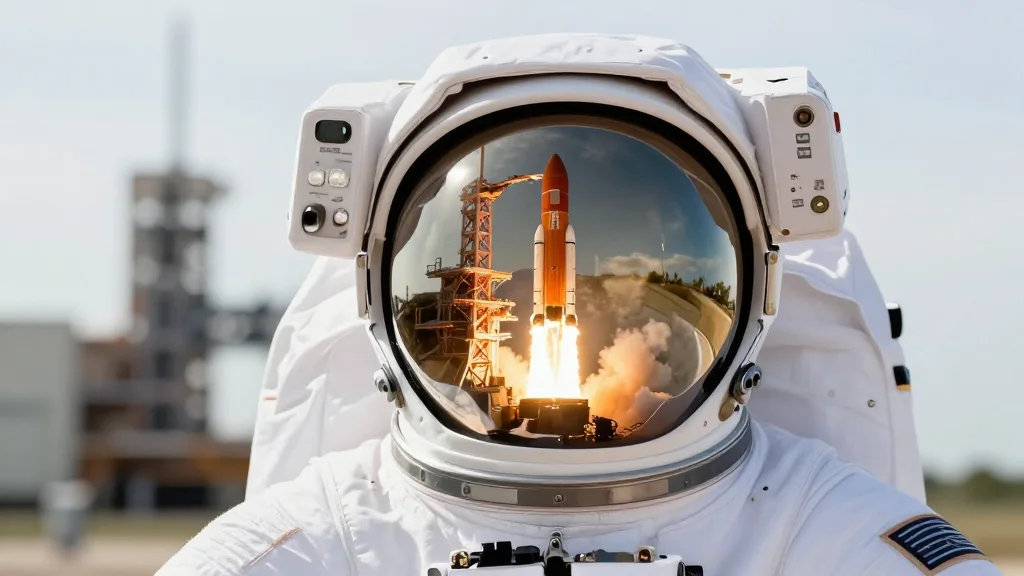
Artemis II Crew Weigh Elon Musk’s Role in Space Revival
I asked the crew of Artemis II how much credit @elonmusk deserves for bringing back America’s space program https://t.co/HxoL0FzEtC
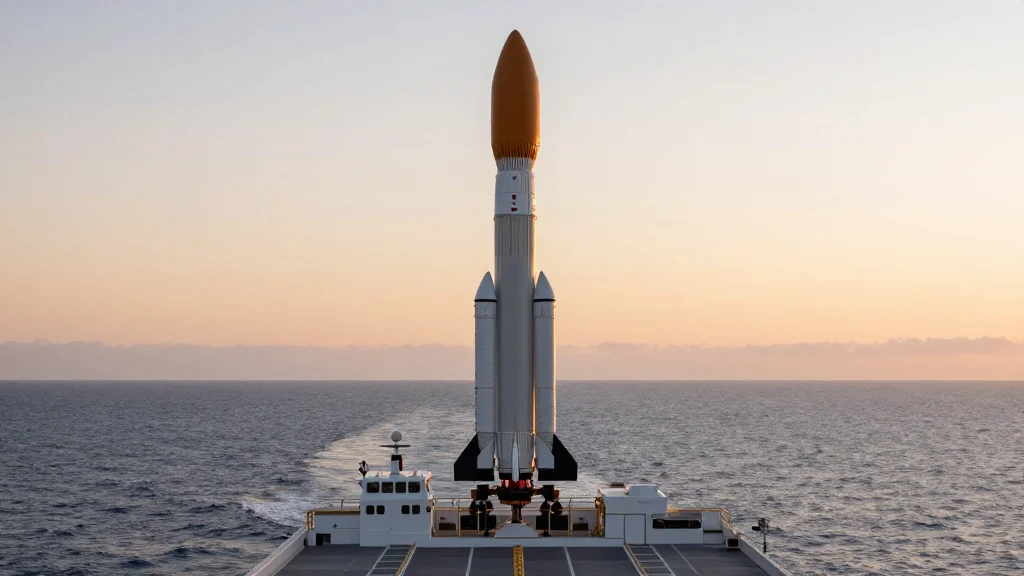
SpaceX Launches 29 More Starlink Satellites
SpaceX launched 29 additional Starlink satellites on a Falcon 9 from Cape Canaveral, marking the 31st flight of booster B1069, which landed on a drone ship after a 63‑day turnaround. The mission brings SpaceX’s total 2026 launches to 53, extending its...
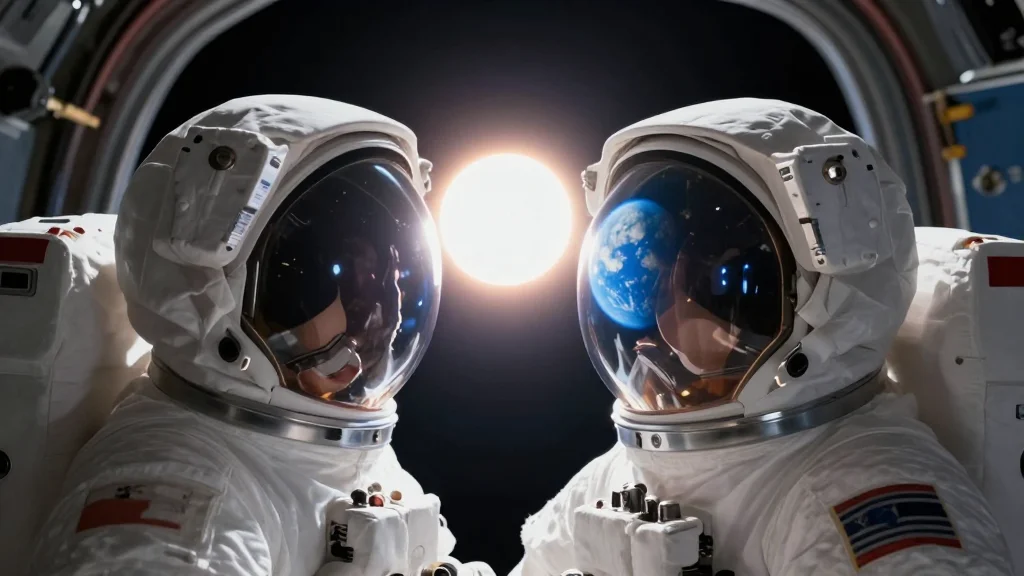
Seeing an Eclipse From Earth Is Awe‑inspiring—For Astronauts in Space, the Scene Was Even More Grand
On 6 April 2026 the Artemis II crew became the first humans to observe a total solar eclipse from space, viewing it while orbiting the Moon. The alignment blocked the Sun for about 54 minutes, a duration far longer than any Earth‑based totality, and...

EarthDaily Federal Appointed to US Space Intelligence Council as Constellation Rollout Continues
EarthDaily Federal, the U.S. arm of Canada‑based EarthDaily Analytics, has been appointed to the newly created Space Intelligence Council run by the Intelligence and National Security Alliance. The council is designed to bridge commercial space firms, government agencies, and the...
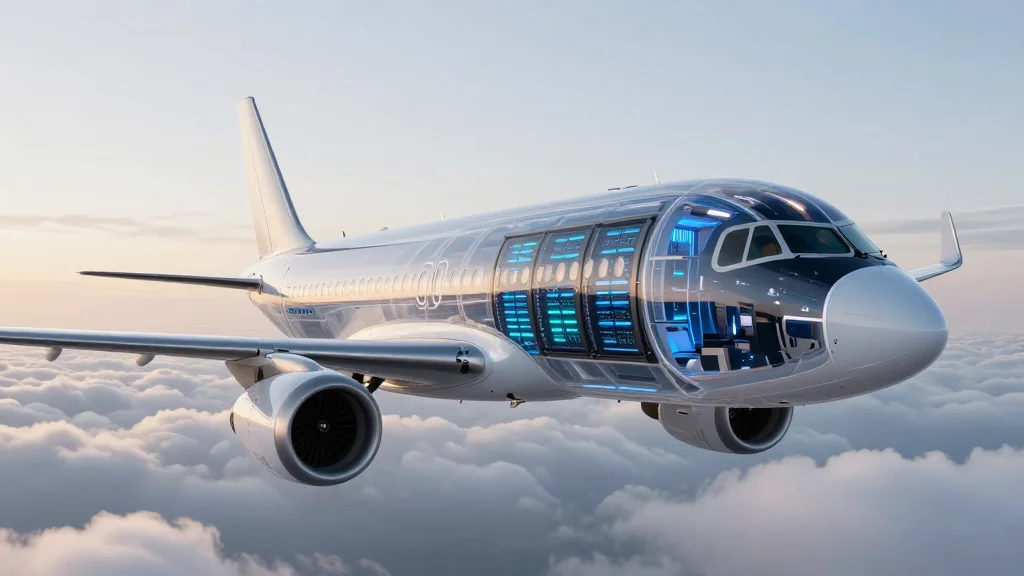
Sky Data Centers: The Next Untapped Frontier
There’s people building data centers in space, in the ocean, and now VCs are building them on land. But we still need data centers in the sky. This is a wide open market.
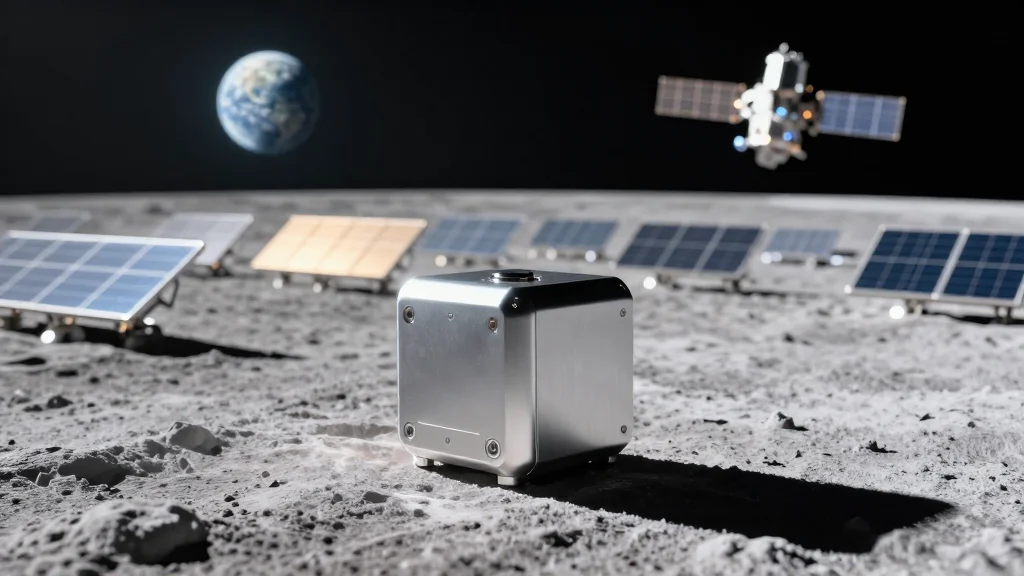
Moon‑based AI Training, Earth‑orbit Inference Cuts Latency
Prediction: AI-Model Training on the Moon (Lunar poles with continuous sunlight); AI-Inference in Earth orbit (with minimal speed of light delays).
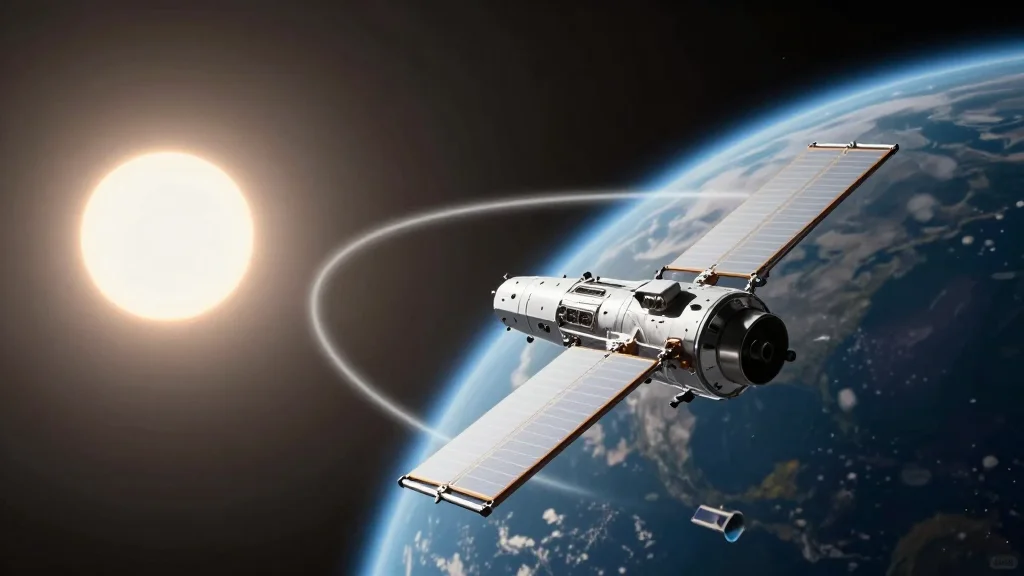
A New Way to Plan Trajectories to Asteroids
A research team led by Alessandro Beolchi at Khalifa University unveiled a hybrid trajectory‑planning method that blends the Circular Restricted Three‑Body Problem near Earth with the classic two‑body model for deep space. The approach exploits invariant manifolds at Earth‑Sun Lagrange...
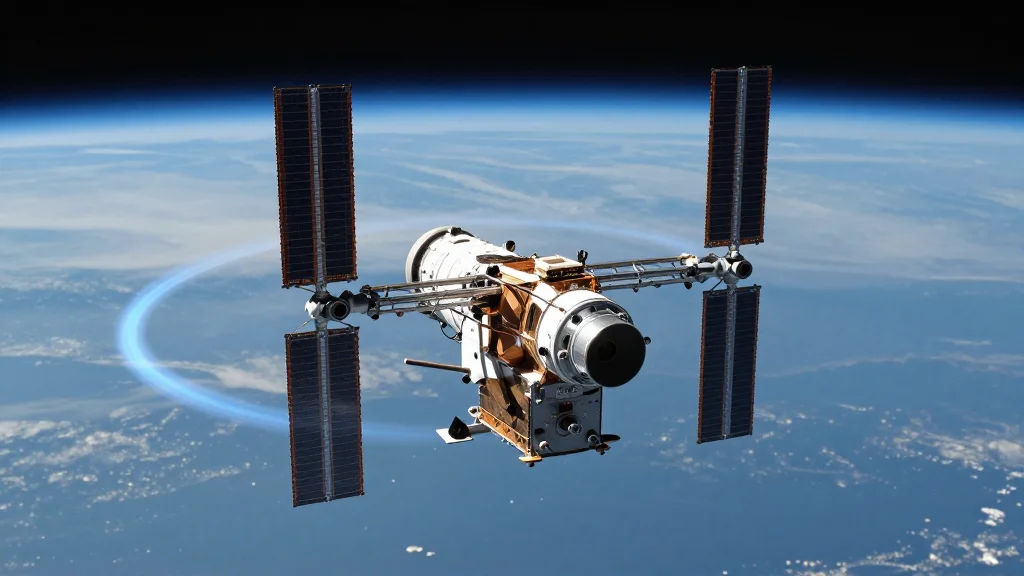
China's DAMPE Satellite Detects Charge‑Dependent Cosmic‑Ray Acceleration Limit
China’s Dark Matter Particle Explorer (DAMPE) satellite has announced the first observational evidence that cosmic‑ray acceleration limits depend on particle charge, supporting the long‑standing super‑particle accelerator hypothesis. The findings, based on data from 2016‑2024 and published in Nature, could reshape...
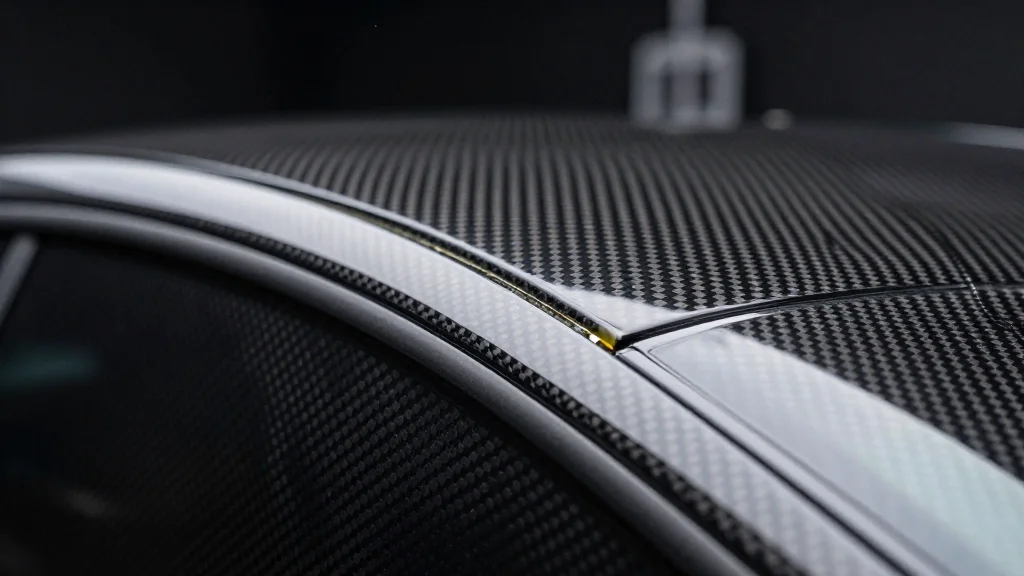
Syensqo Signs Long-Term Space Materials Agreement with Avio
AOC announced an additional price increase of up to £250 per ton (approximately $320) for its unsaturated polyester, vinyl ester and Neoxil resin lines sold across Europe, the Middle East, Africa and India, effective May 1 2026. This hike adds to earlier...
New Lithium-Plasma Engine Passes Key Mars Propulsion Test
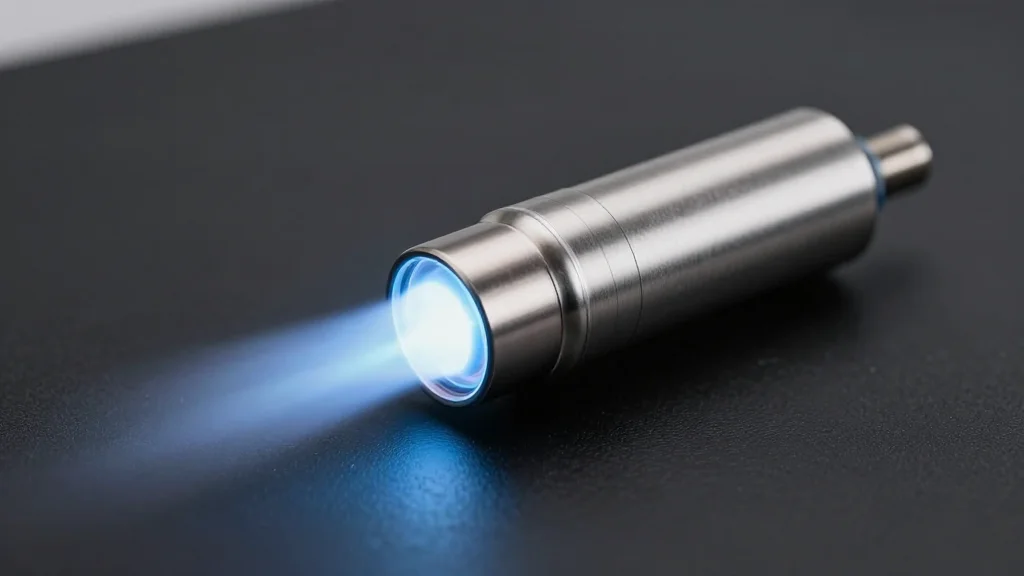
NASA’s Jet Propulsion Laboratory successfully tested a lithium‑plasma electric thruster delivering 120 kilowatts of power, a U.S. record and roughly 25 times the output of the Psyche mission’s Hall thrusters. The engine endured temperatures above 2,800 °C and demonstrated the durability needed...
South Korean Researchers Unveil Hair‑Thin Nanotube Composite That Blocks 99.999% of Space Radiation
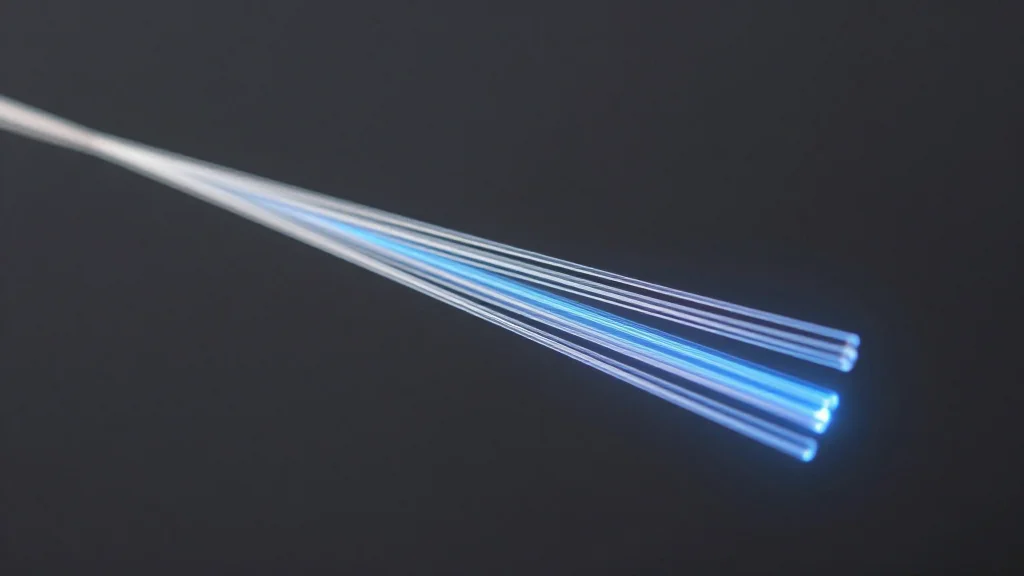
Scientists at Korea Institute of Science and Technology, led by Dr. Joo Yong‑ho, announced a nanotube‑based composite that is thinner than a human hair, 3D‑printable, and capable of blocking 99.999% of electromagnetic radiation while reducing neutron exposure by roughly 72%....
NASA Chief Backs $6 B Budget Cut, Igniting SpaceTech Funding Clash
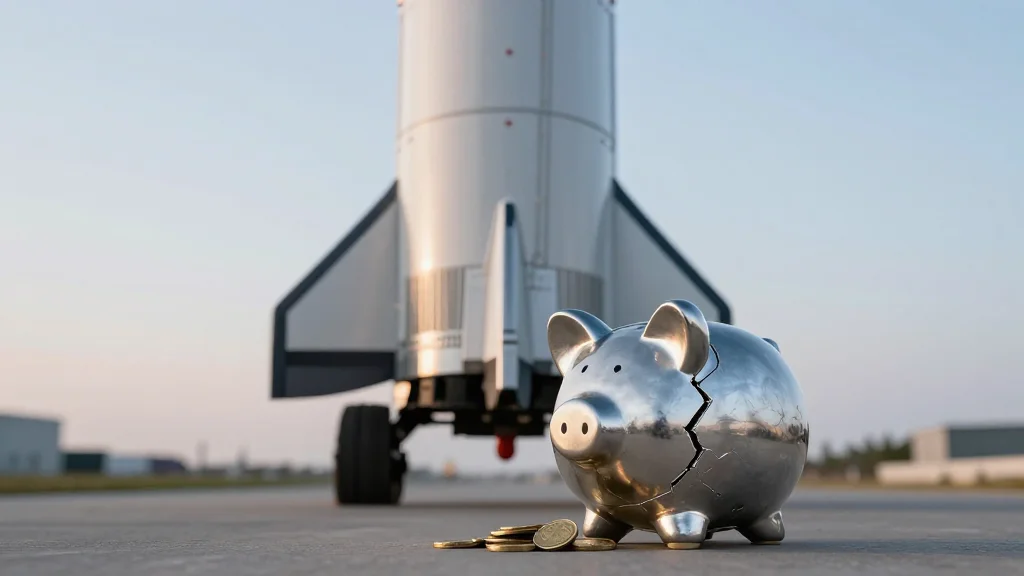
NASA Administrator Jared Isaacman defended President Trump’s $6 billion budget reduction, saying the trimmed funds are “sufficient” to meet mission goals. The proposal would slash the agency’s science budget by nearly 50% and cut space‑technology spending, prompting a backlash from scientists,...

Artemis III Aims for 'Late 2027' For Earth Orbit Demonstration
NASA Administrator Jared Isaacman announced that Artemis III will now target a late‑2027 Earth‑orbit rendezvous and docking test, shifting the mission’s primary objective to a low‑Earth‑orbit demonstration rather than a lunar landing. The shift aligns with commitments from SpaceX and Blue...
The Search for Aliens Levels Up
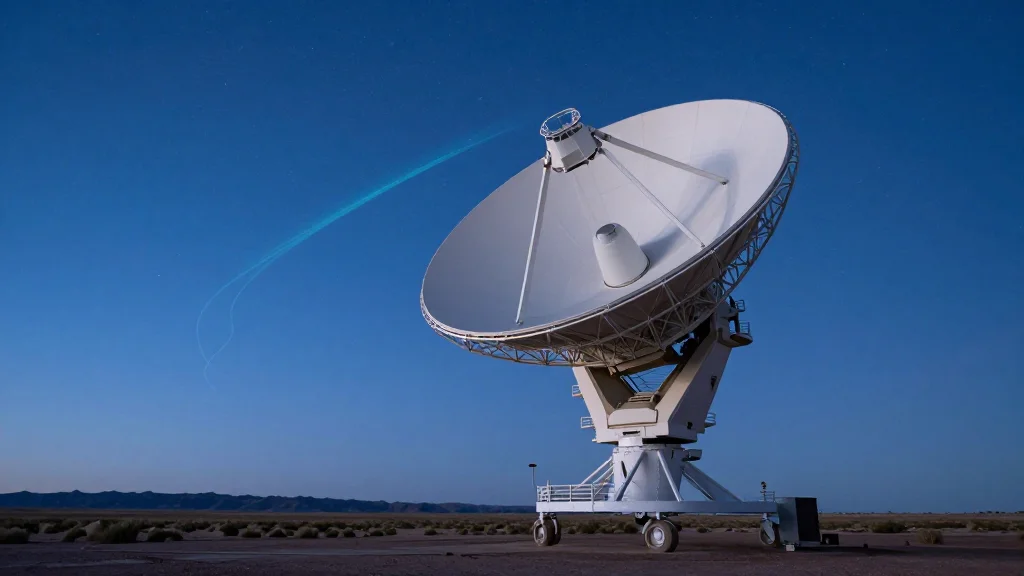
The upcoming Very Large Array in New Mexico, slated for 2035, will become the most sensitive radio SETI instrument, producing roughly 40 petabytes of data each month. Coupled with the Square Kilometre Array’s Phase 1 rollout, which will be five times more...
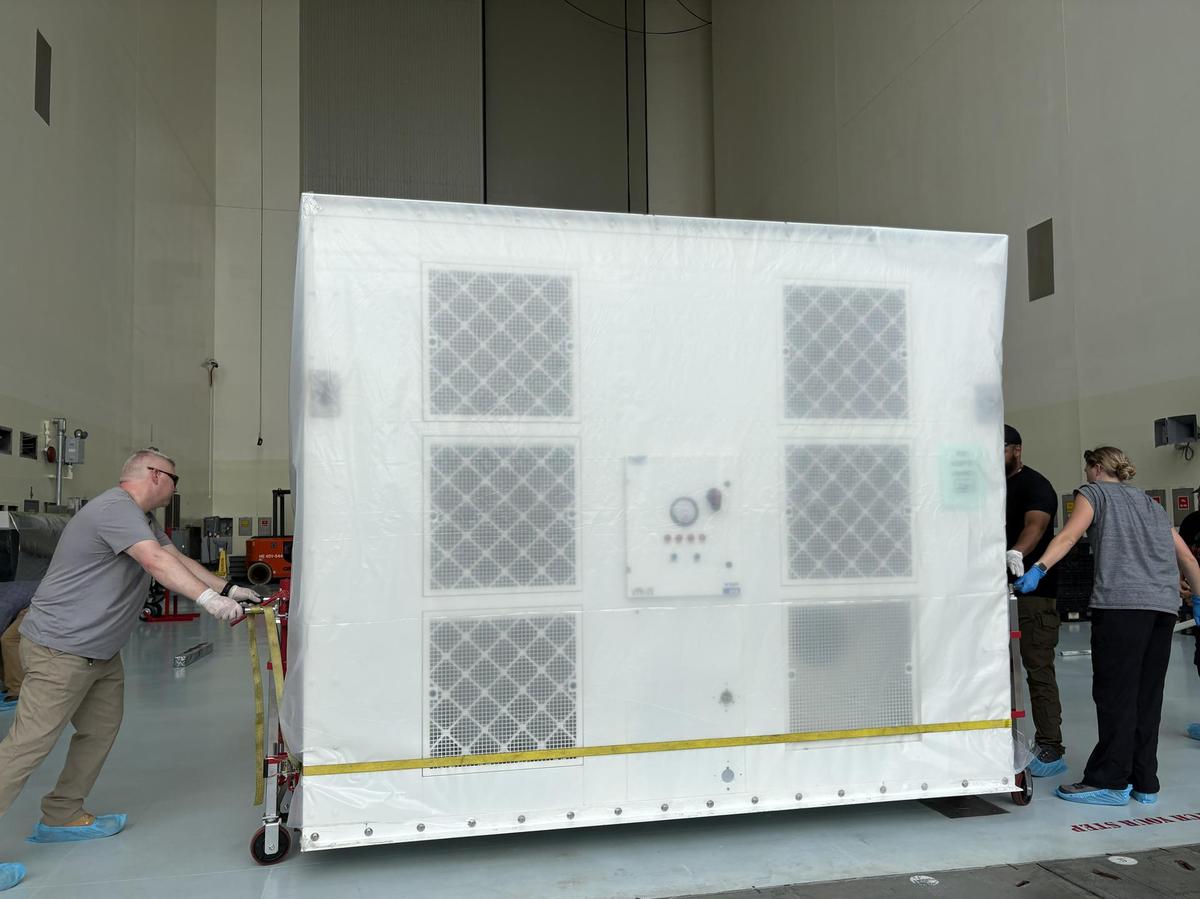
Key Support Equipment Arrives at Kennedy for Roman Space Telescope
NASA’s Kennedy Space Center received eight 1,800‑pound HEPA wall modules and additional ground support equipment on April 27, bolstering the Payload Hazardous Servicing Facility’s clean‑room capabilities. The new filtration system meets the Roman Space Telescope’s stringent contamination standards ahead of spacecraft...
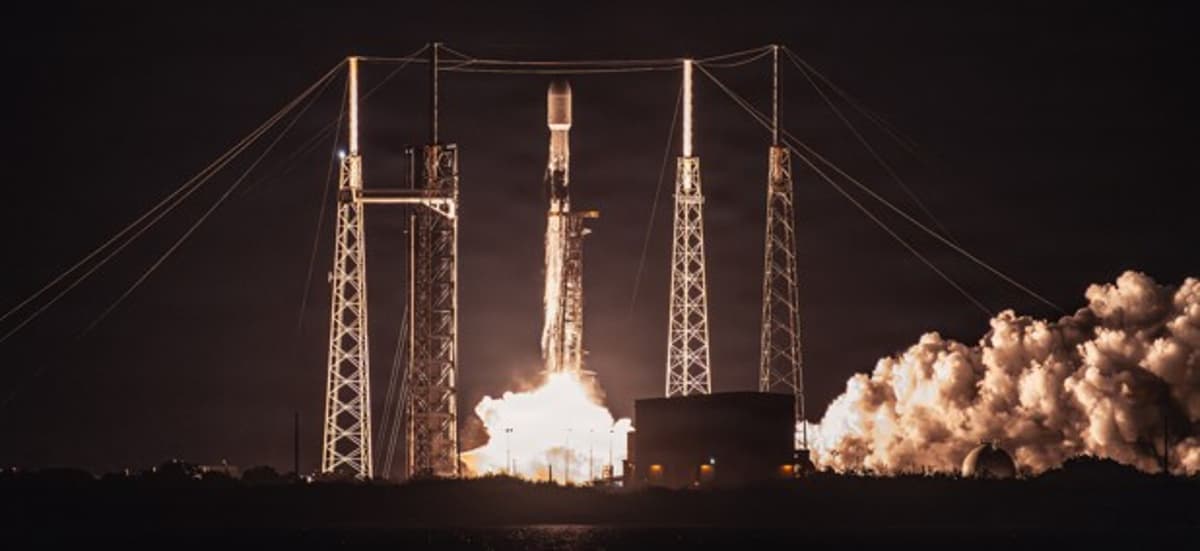
Space Force Wraps Decades-Long GPS Upgrade—And the Next One Is on Tap
The U.S. Space Force launched the final GPS III satellite, SV‑10, aboard a SpaceX Falcon 9, completing a 31‑satellite constellation that delivers three‑times‑greater positioning accuracy and eight‑times better jam resistance. The launch faced a launch‑provider switch and weather delay, but a new...
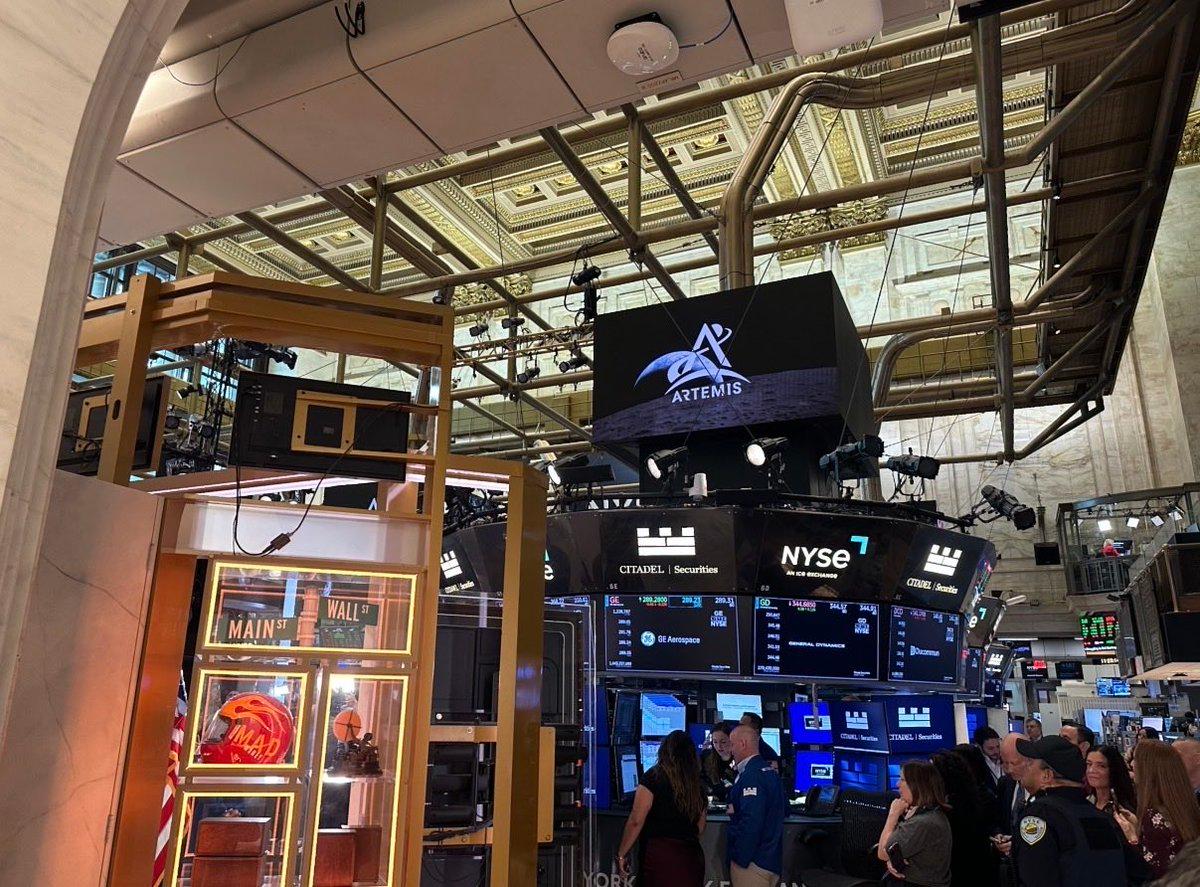
Artemis Astronauts Join NYSE Floor, Symbolizing U.S. Innovation
Great to welcome the Artemis astronauts to the floor at the NYSE—an incredible symbol of American innovation, leadership, and the next chapter in space exploration.@cnbc https://t.co/PQwH2I13Mo
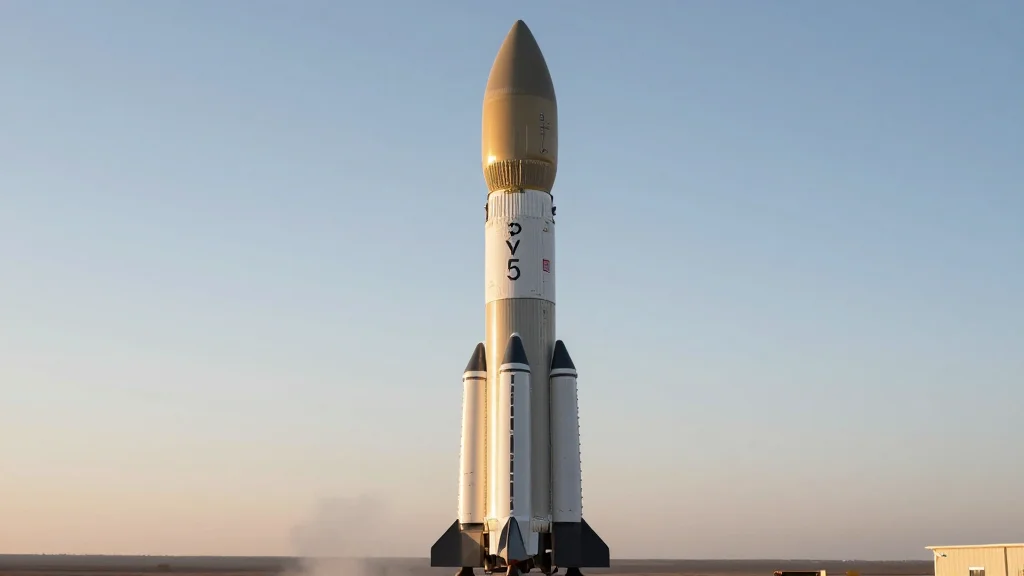
Russia Completes 1st Test, Suborbital, of Its New Soyuz-5 Rocket
Russia’s state‑run space agency announced that the Soyuz‑5 carrier rocket completed its first suborbital test flight on April 28, 2026, launching from Baikonur with a dummy payload. The vehicle is powered by what officials call the world’s most powerful liquid‑fuel...

ISS Is a Disaster Waiting to Happen
The International Space Station’s Russian Zvezda Service Module has a persistent crack in the PrK transfer tunnel, creating an air leak that NASA’s Office of Inspector General labeled a top safety risk through 2030. While sealant patches have stabilized pressure...
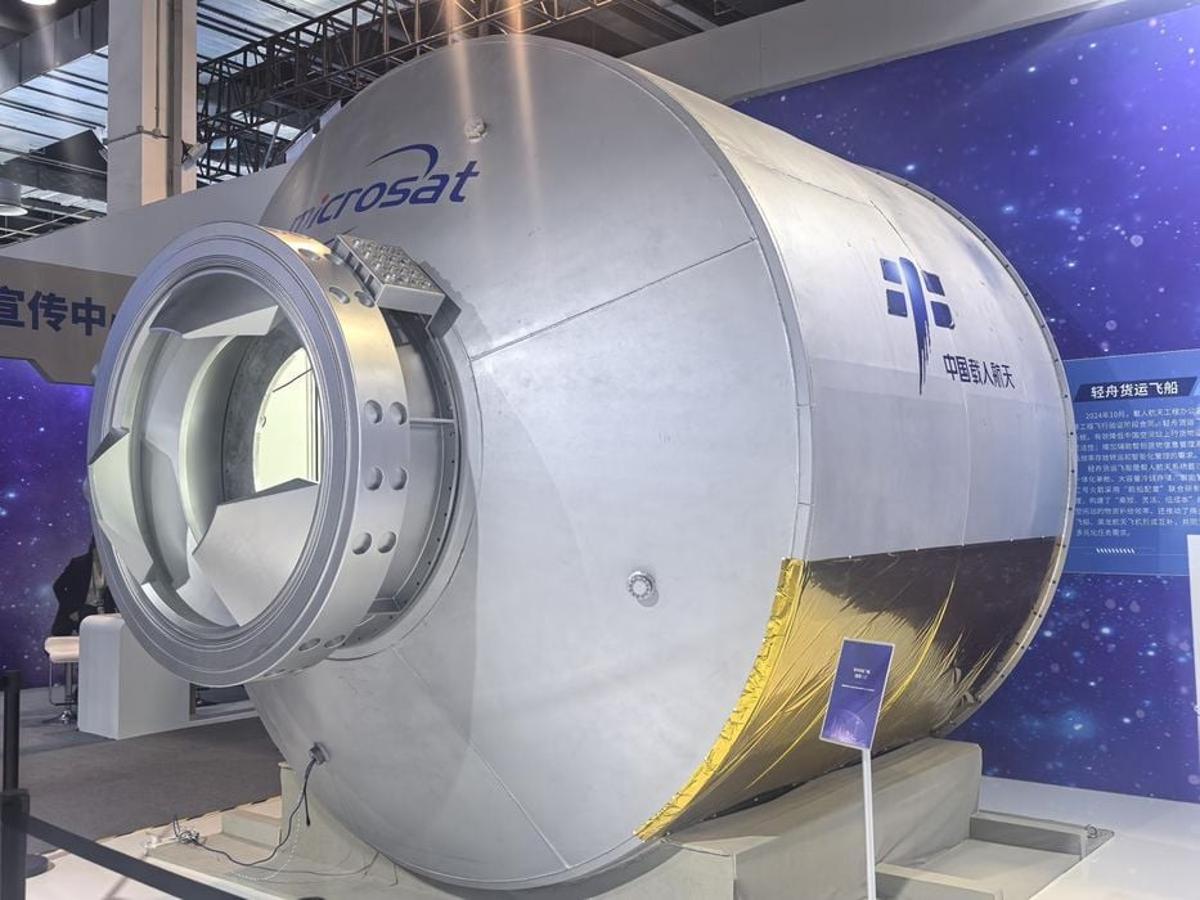
China Tests Metal 3D Printing System in Orbit Using Qingzhou Spacecraft
China’s Qingzhou cargo test vehicle conducted a metal 3D‑printing demonstration in a 600 km low‑Earth orbit, separate from the Tiangong space station. The experiment used a laser‑wire feed, directed‑energy deposition process that can operate in microgravity, completing multiple remote‑controlled start‑stop cycles....
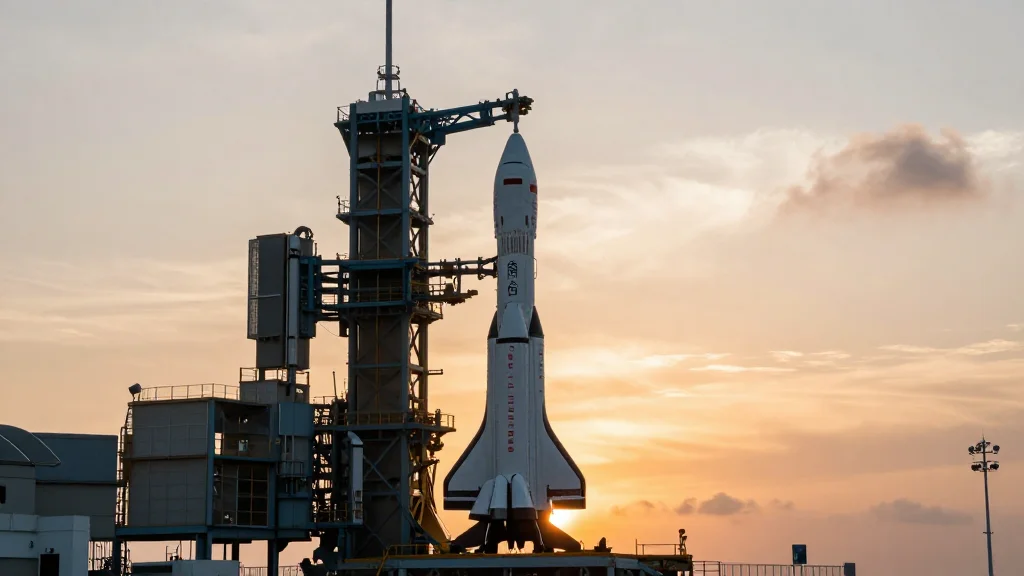
China Space Breakthroughs Forecast
China’s aerospace giant CASC announced an aggressive rollout of missions through 2025, including the Chang’e‑7 lunar probe to scout the Moon’s south pole, the Hubble‑class Xuntian space telescope, and a massive Guowang broadband satellite constellation. The Tiangong space station will...

Virgin Galactic Reveals New Ship, but It's Running Out of Time and Cash
Virgin Galactic unveiled its next‑generation suborbital spacecraft, moving it to the launch hangar for final integration and ground testing. The company’s cash balance has slumped from $982 million in February 2024 to $338 million after the latest quarter, tightening its financial runway....

SmallSat Europe Speaker Focus: Jorge Ciccorossi, ITU Radiocommunications Bureau
The upcoming World Radiocommunication Conference 27 (WRC‑27) will set the spectrum allocation framework for next‑generation satellite constellations, a decision that could make or break European mega‑constellation plans. Jorge Ciccorossi, head of the ITU Radiocommunications Bureau’s Space Strategy and Sustainability Division, outlined...
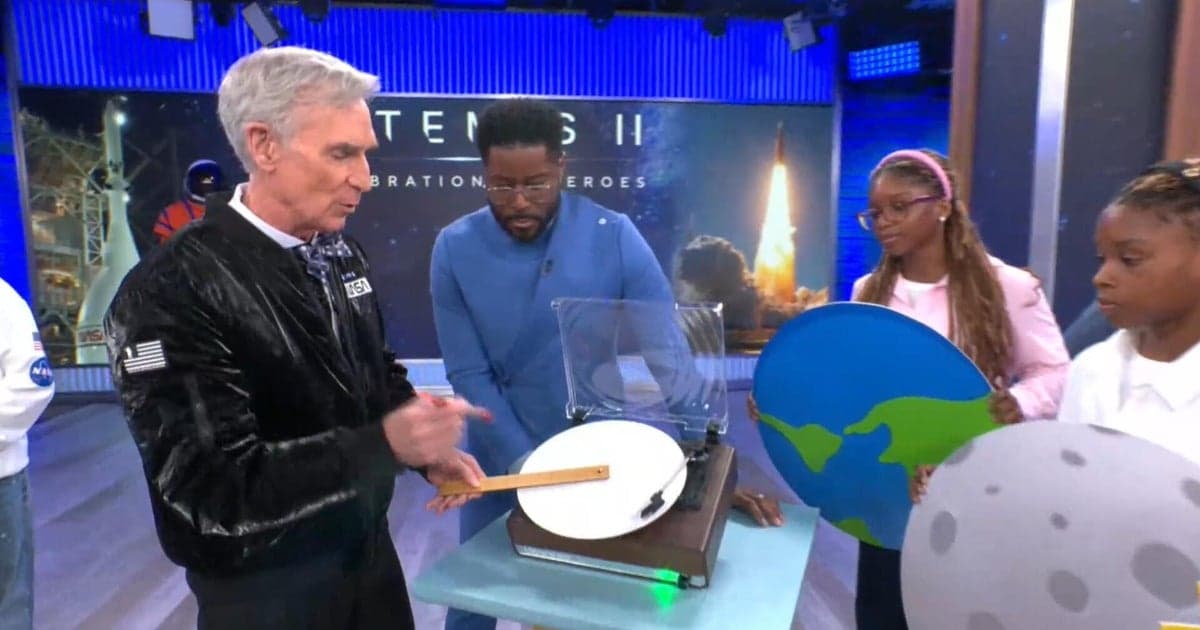
Bill Nye Demonstrates Experiments that Break Down Artemis II Mission
Bill Nye, chief ambassador of The Planetary Society, appeared on CBS Mornings to break down NASA’s Artemis II mission with hands‑on experiments. Using a turntable Earth‑Moon model, he illustrated the launch, trans‑lunar injection, lunar flyby and re‑entry phases. The segment highlighted...
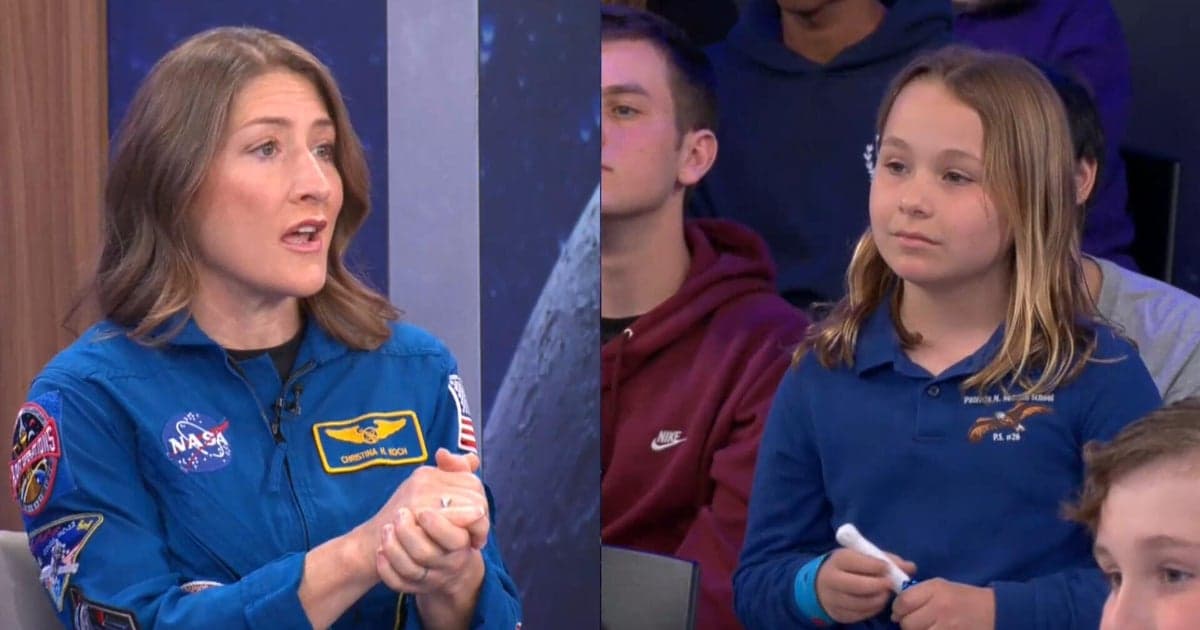
Artemis Astronauts Talk "Bird Bath" Showers, Space Exploration Dream and More
Artemis crew members fielded live questions from students, sharing candid details about daily life aboard the lunar gateway. They described the unconventional "bird bath" shower method that uses a no‑gravity rinse, and recounted a recent toilet malfunction that underscored waste‑management...
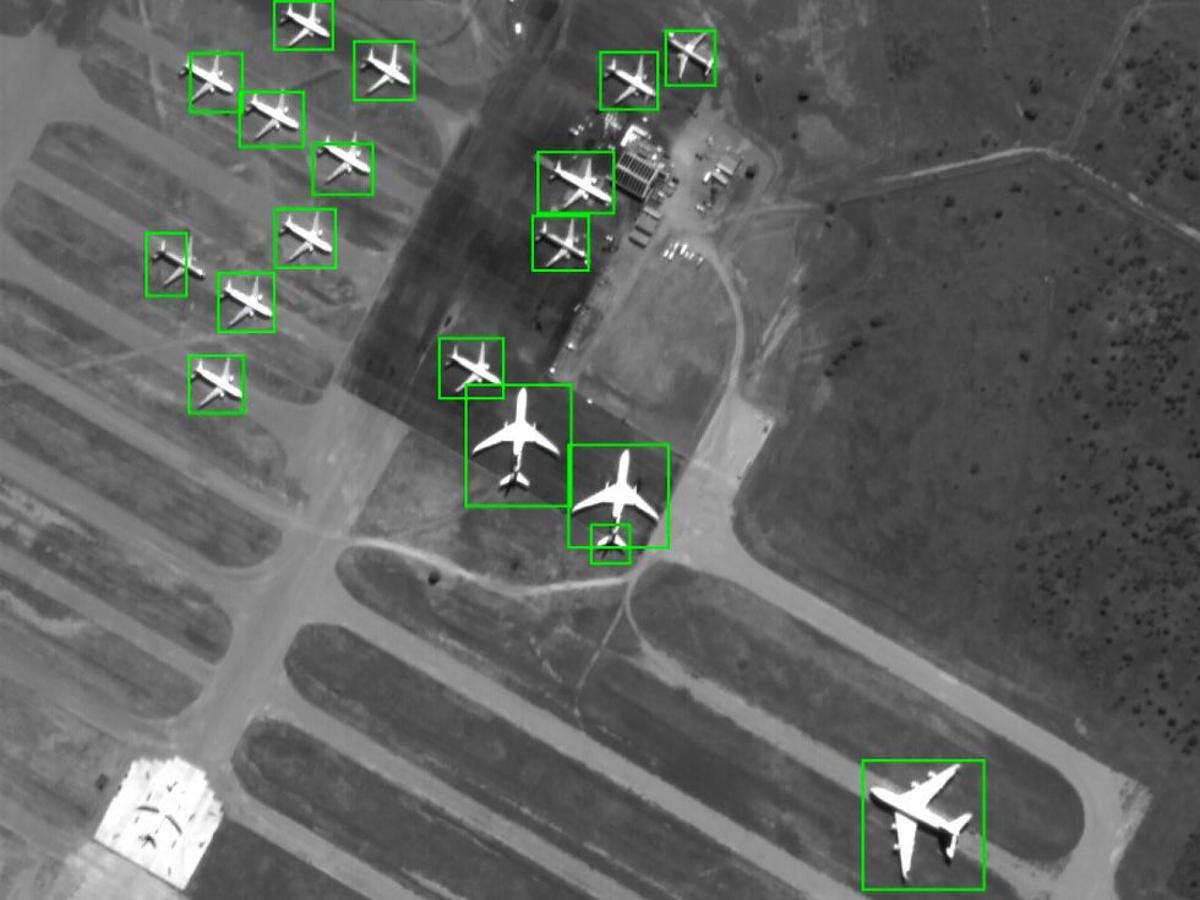
AI Processing of Earth Images Can Now Run In Space
Planet Labs has demonstrated the first successful run of AI image processing on a satellite, using its Pelican‑4 platform to automatically detect and box more than a dozen aircraft at an Australian airport. The onboard NVIDIA Jetson ORIN GPU analyzes a...
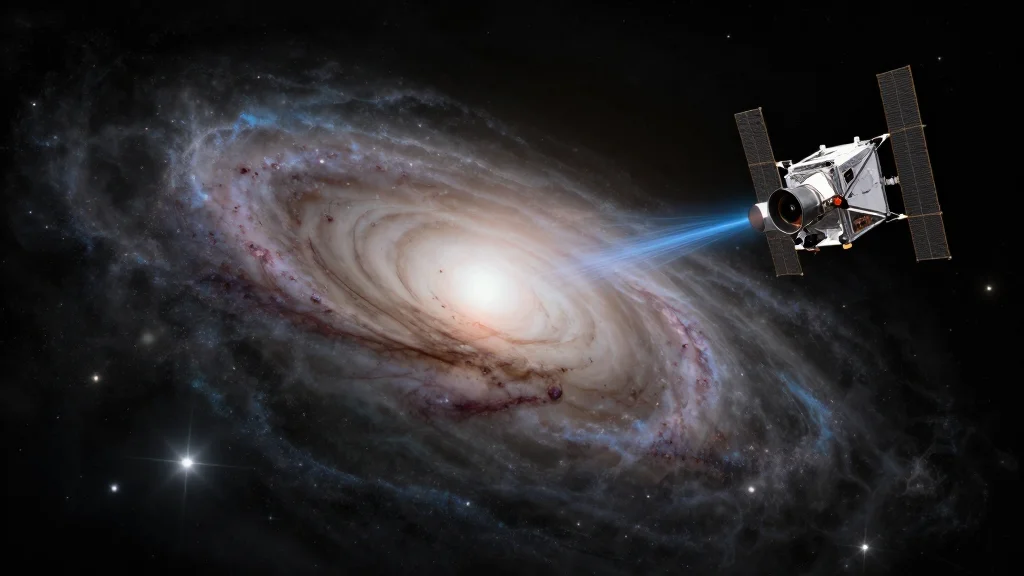
JWST’s ‘Red Monster’ Galaxy Pushes Early-Universe Limits, Highlights Big-Data Crunch
Astronomers using NASA’s James Webb Space Telescope have identified a dust‑laden galaxy, EGS‑z11‑R0, that existed just 400 million years after the Big Bang. The discovery, derived from a terabyte‑scale analysis of JWST’s public archive, challenges existing models of early galaxy formation...

Starcloud Seeks More Orbital Data Center Funding Shortly After Unicorn Status
Starcloud, a two‑year‑old orbital data‑center startup, is seeking at least $200 million in new funding, which would double its valuation to roughly $2.2 billion. The capital raise follows a $170 million Series A round that made it the fastest Y Combinator company to achieve...
Insider Timeline for SpaceX IPO and Index Arbitrage
Very important info on SpaceX IPO timing and potential index arb schedule from a quiet legend in the hedge fund space @MunchingMoez

Rocket Report: Falcon Heavy Is Back; Russia's Soyuz-5 Finally Debuts
SpaceX’s Falcon Heavy lifted off from Florida on April 29, marking its first flight since October 2024 and delivering a ViaSat‑3 broadband satellite. Russia debuted its new Soyuz‑5 rocket from Baikonur, a sub‑orbital test that replaces the aging Zenit family. In the same...

Golden Dome Orbital Interceptors and the New Space-Based Missile Defense Debate
The U.S. Space Force announced on April 24 2026 that it has issued 20 Other Transaction Authority agreements to 12 companies—including Lockheed Martin, Northrop Grumman, SpaceX, and Anduril—valued at up to $3.2 billion to develop a prototype of the Golden Dome orbital interceptor system. The...
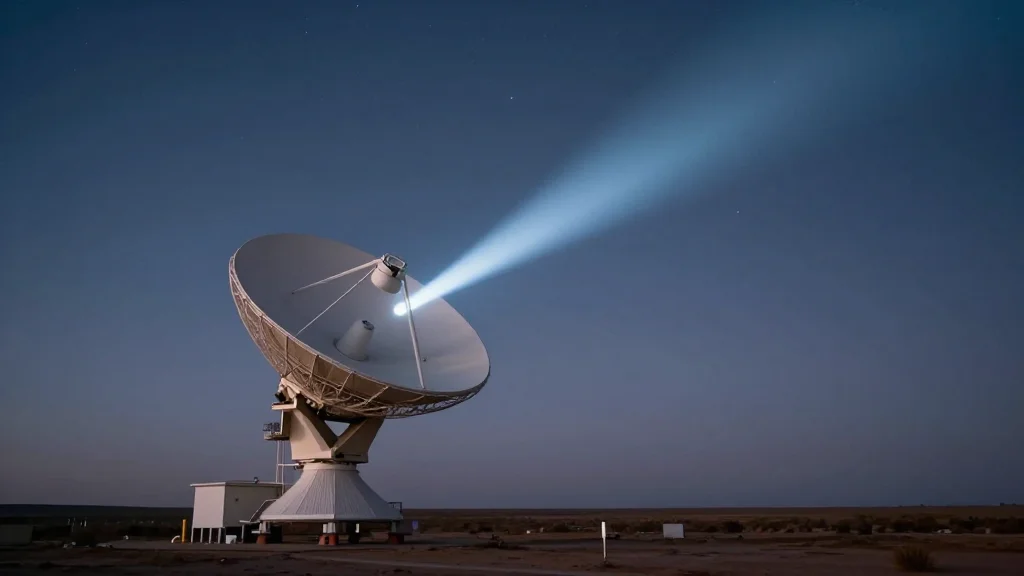
A Better Way to Search for Extraterrestrial Intelligence
Astrophysicist Benjamin Zuckerman challenges conventional SETI assumptions by proposing that extraterrestrial intelligences would favor highly directional transmissions rather than isotropic broadcasts. He argues that existing astronomical surveys across radio, infrared, and optical wavelengths can be repurposed to detect such beamed...

ESA Opens Applications for Hands-On Earth Observation Mission Design Course
The European Space Agency has opened applications for its 2026 Earth Observation Satellite Systems Design Training Course, a two‑week intensive program where 30 students will design a complete EO mission. The on‑site week runs 28 September‑2 October at ESA’s Academy in ESEC‑Galaxia,...
Space Nuclear Execs Cheer the FY27 Budget Proposal
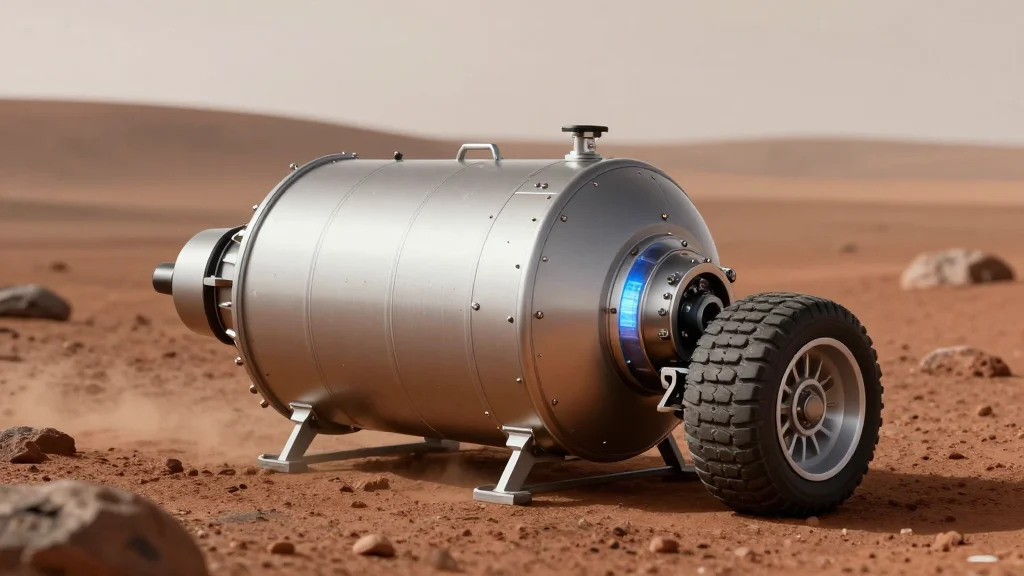
NASA’s FY27 budget proposal earmarks roughly $675 million for space nuclear initiatives, signaling a strategic shift toward nuclear power for lunar and Mars missions. The plan includes $438.8 million for Mars‑focused fission reactors, $135.3 million for radioisotope power systems, and $100.9 million for infrastructure...
Live Coverage: SpaceX Marks May Day with Starlink Mission on a Falcon 9 Rocket From Cape Canaveral
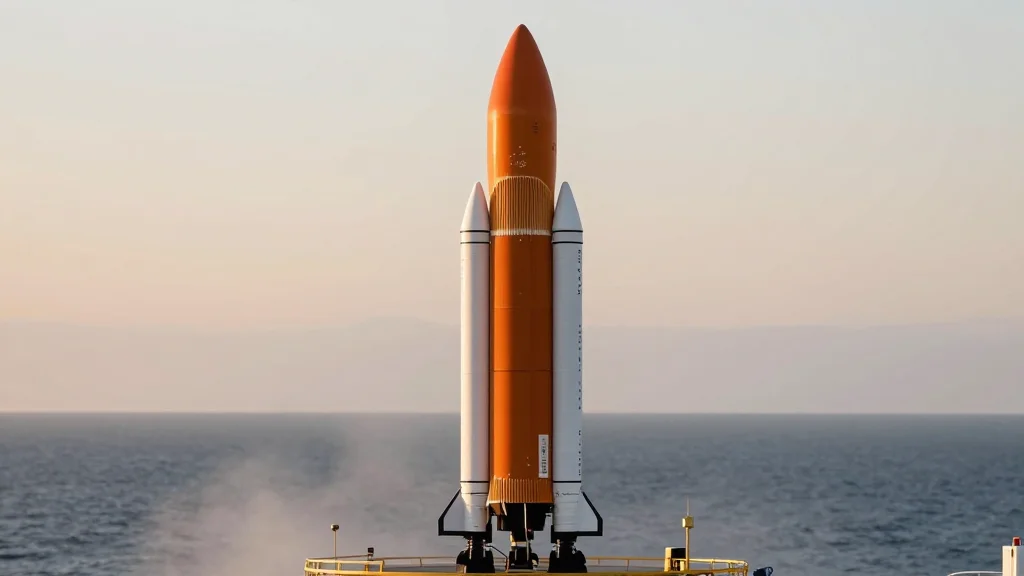
SpaceX launched the Starlink 10-38 mission on a Falcon 9 from Cape Canaveral, deploying 29 V2 Mini broadband satellites and pushing the constellation past 10,000 spacecraft. The flight used booster B1069 on its 31st mission, targeting a landing on the...
Deutsche Telekom Dismisses Satellite IoT Providers as Clowns
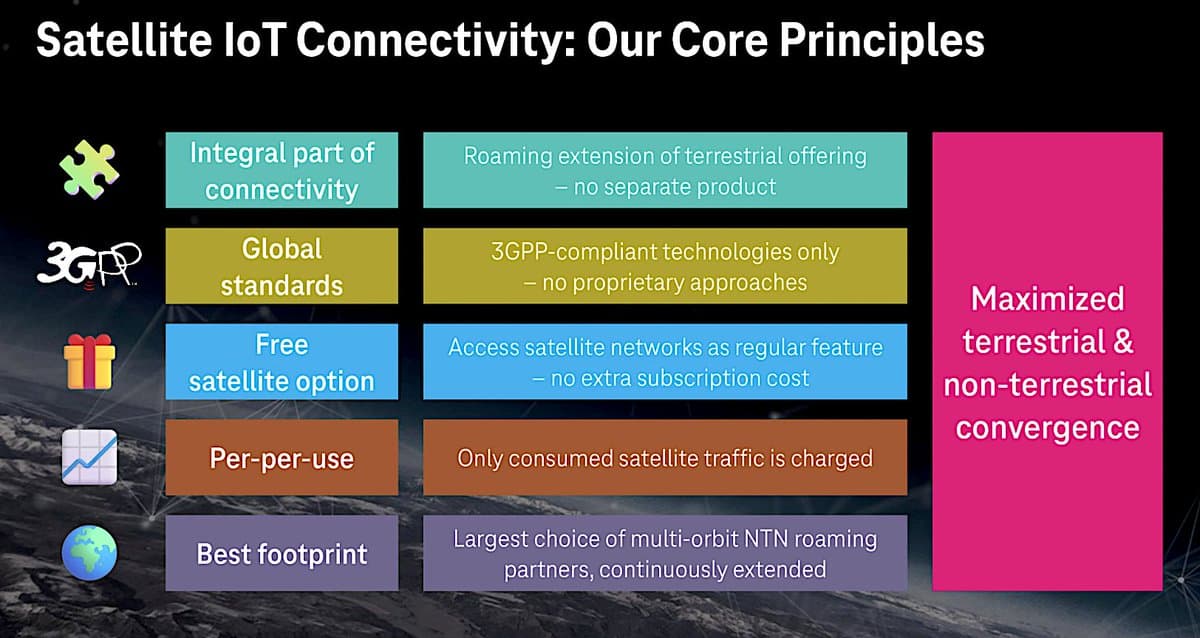
.@deutschetelekom to satelite IoT/D2D providers: Come one, come all, but remember: It's our circus, you're just the clowns in it. @OQTEC @SkyloTech @jaumesanpera @IridiumComm @SpaceX @Starlink. https://t.co/QtxX8DtKz7 https://t.co/b10WLxfyEF
SpaceX Debris Inadvertently Heads Toward the Moon
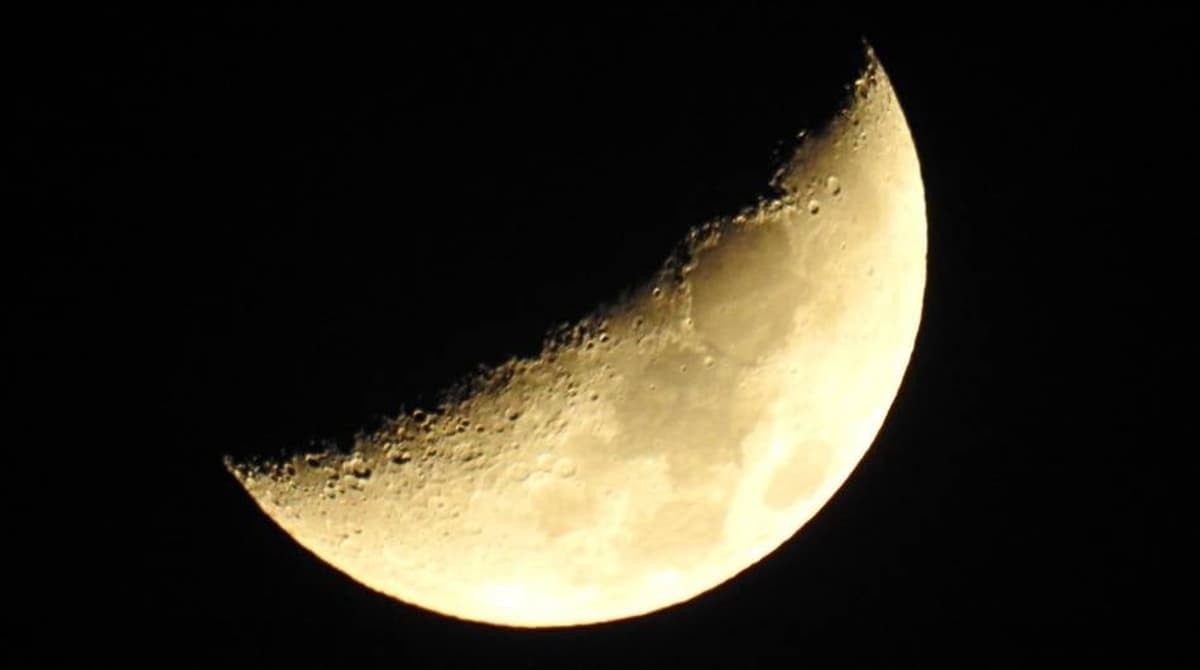
SpaceX rocket set for unintentional Moon landing – well, a piece of it anyway https://t.co/9zF8XZYo8x https://t.co/1en6op55tq
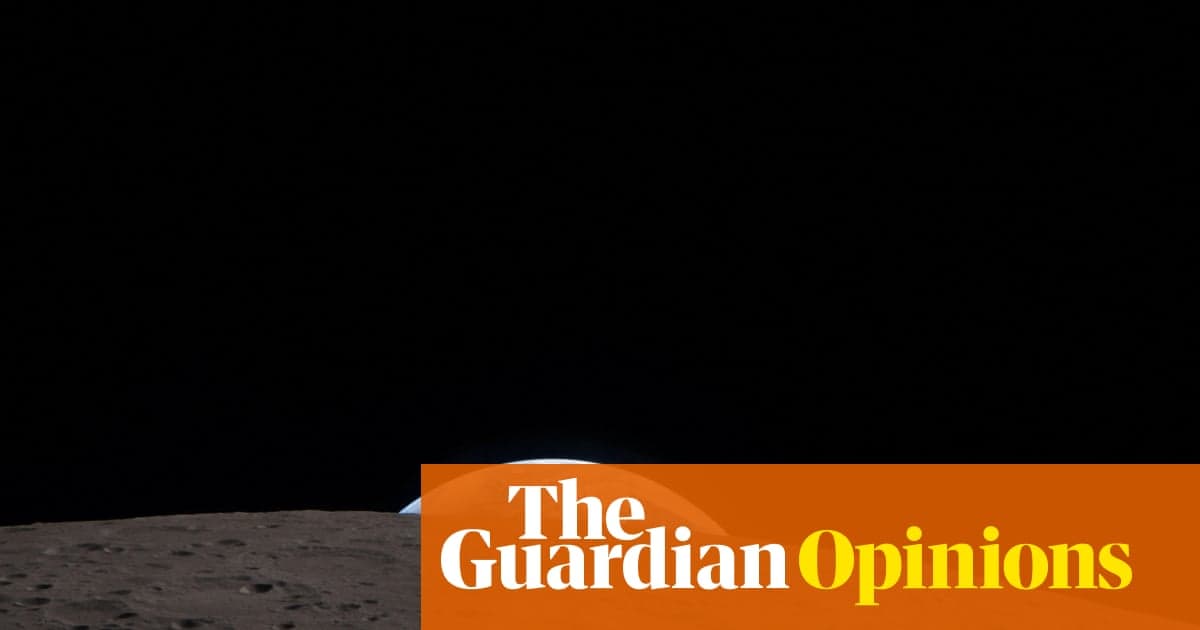
We Are Preparing to Transform the Moon and Mars. The Public Must Have a Say in This Future | Ben...
Artemis II’s successful deep‑space splashdown proved humans can travel farther than ever before and set the stage for Artemis III, which aims to land astronauts on the lunar surface for the first time in over 50 years. NASA, its international partners, and private...
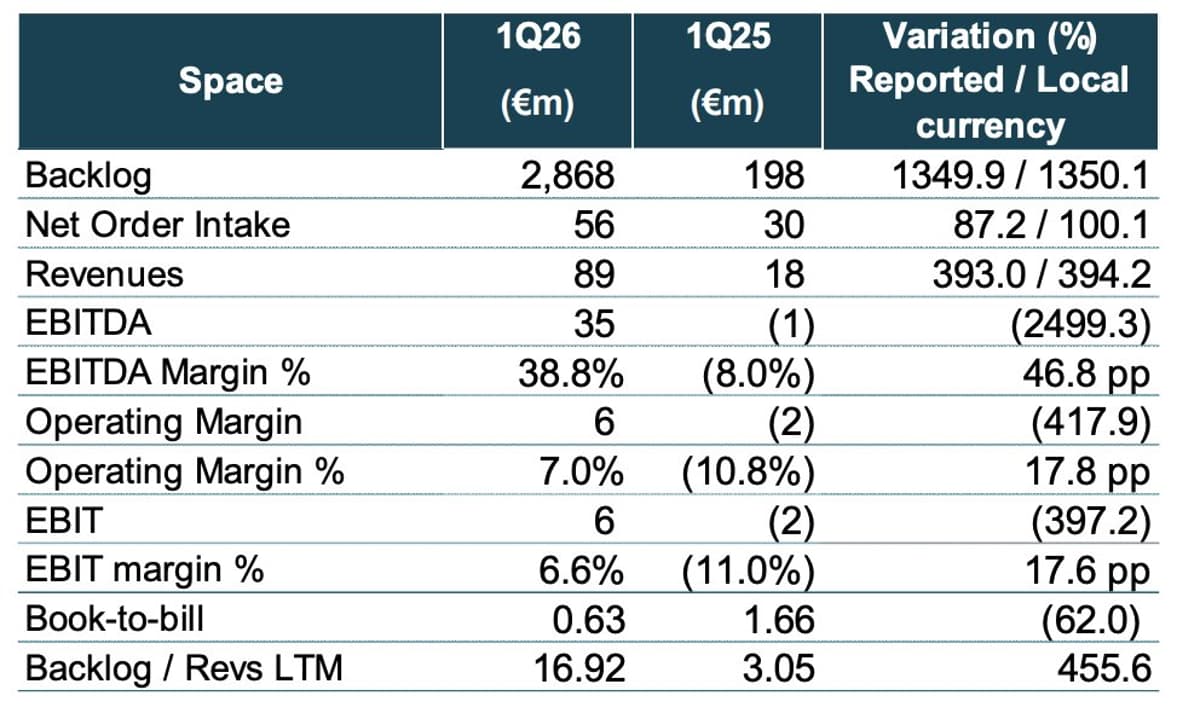
Indra's Space Division Targets Over €400M Revenue, Iris2 Confirmed
.@IndraCompany: @Hispasat @hisdesat swell Q1 results; space division rev to be EUR 400M+ this year; @defis_eu #Iris2 "is real" following cost/sched/KPI negs that ended April 30. Defis: we'll announce results 'in due course.' @SES_Satellites @Eutelsat. https://t.co/uHyfoiggVO https://t.co/DcCAj3XunD
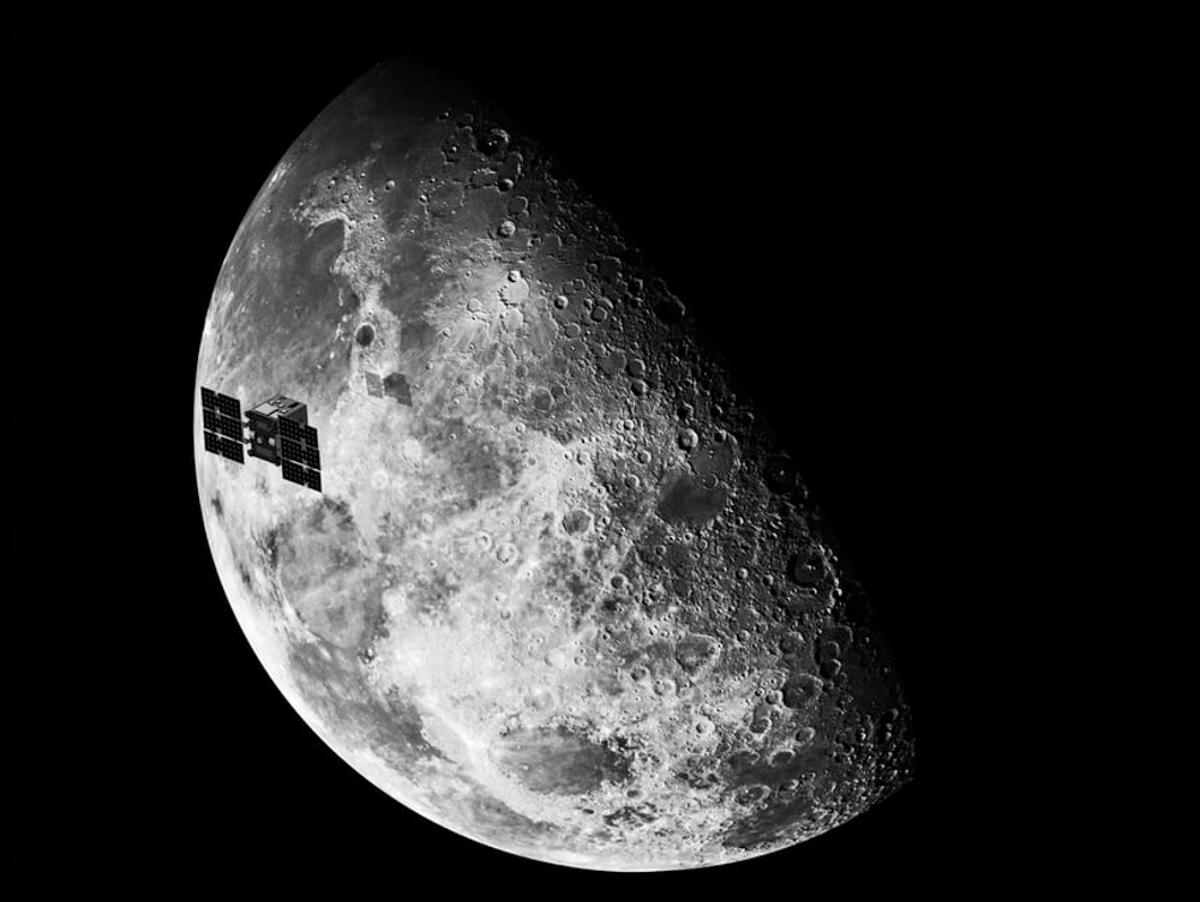
DARPA Selects Three Companies for Lunar Orbiter Studies
DARPA has awarded Phase 1 contracts to Benchmark Space Systems, Quantum Space and Revolution Space for its Lunar Assay via Small Satellite Orbiter (LASSO) program. The mission will search for lunar water ice concentrations above 5% while operating in an ultra‑low...

FCC Updates Satellite Rules to Boost Broadband Capacity
The FCC voted unanimously to replace the outdated Equivalent Power Flux Density (EPFD) limits with a performance‑based protection framework for geostationary and non‑geostationary satellites. The new rules could boost usable broadband capacity by up to seven times, delivering an estimated...

Why So Many People Already Own Shares of Elon Musk’s SpaceX
SpaceX is preparing what could be the largest IPO ever, targeting more than $50 billion in proceeds. While the company has remained private for 24 years, investors have already amassed shares through a burgeoning network of special purpose vehicles (SPVs). Over 170...
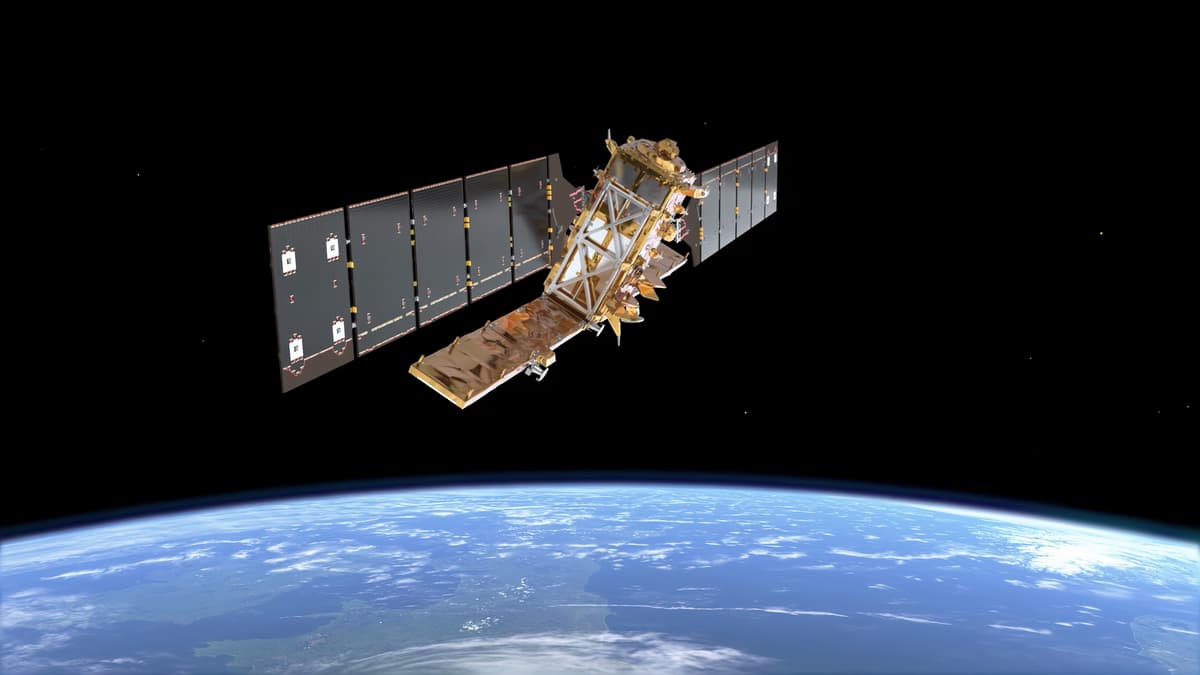
Sentinel-1D Goes Live: A Milestone for Europe’s Radar Mission
Sentinel‑1D completed its commissioning on 1 May 2026 and is now fully operational, joining Sentinel‑1A, 1C and the restored 1B to complete Europe’s first‑generation radar constellation. The four‑satellite fleet delivers all‑weather, day‑and‑night synthetic‑aperture radar imagery, extending a continuous data record toward two...
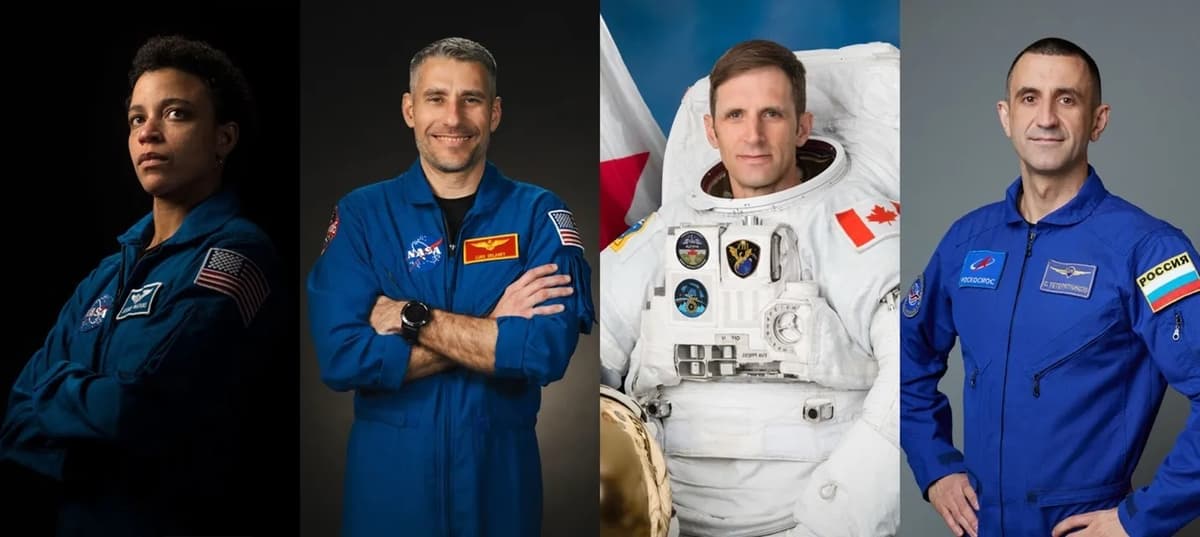
NASA Announced Team for SpaceX’s Crew-13 Mission to the ISS
NASA announced the four-member crew for SpaceX’s Crew‑13 mission, slated for launch no earlier than mid‑September 2026. The team—NASA commander Jessica Watkins, pilot Luke Delaney, Canadian astronaut Joshua Kutryk, and Roscosmos cosmonaut Sergey Teteryatnikov—will join Expedition 75 on the International Space...
Articles: Science From Chandrayaan 3
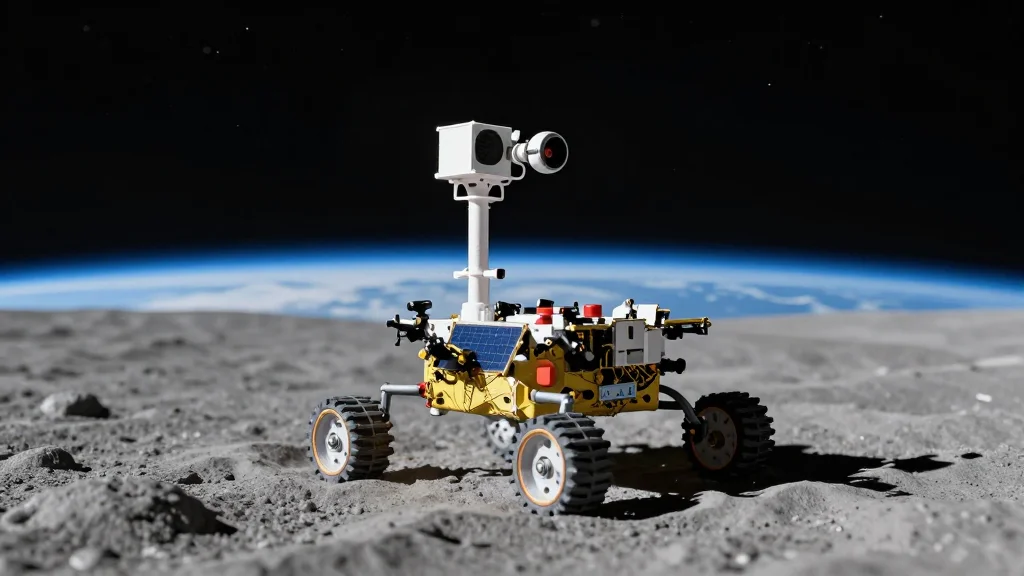
India’s Chandrayaan 3 mission has delivered a suite of groundbreaking lunar science results. The rover’s Alpha‑Particle X‑ray Spectrometer recorded 23 surface measurements, revealing detailed crust composition. A thermal experiment identified subsurface water‑ice signatures that could aid future landers, while orbital observations...