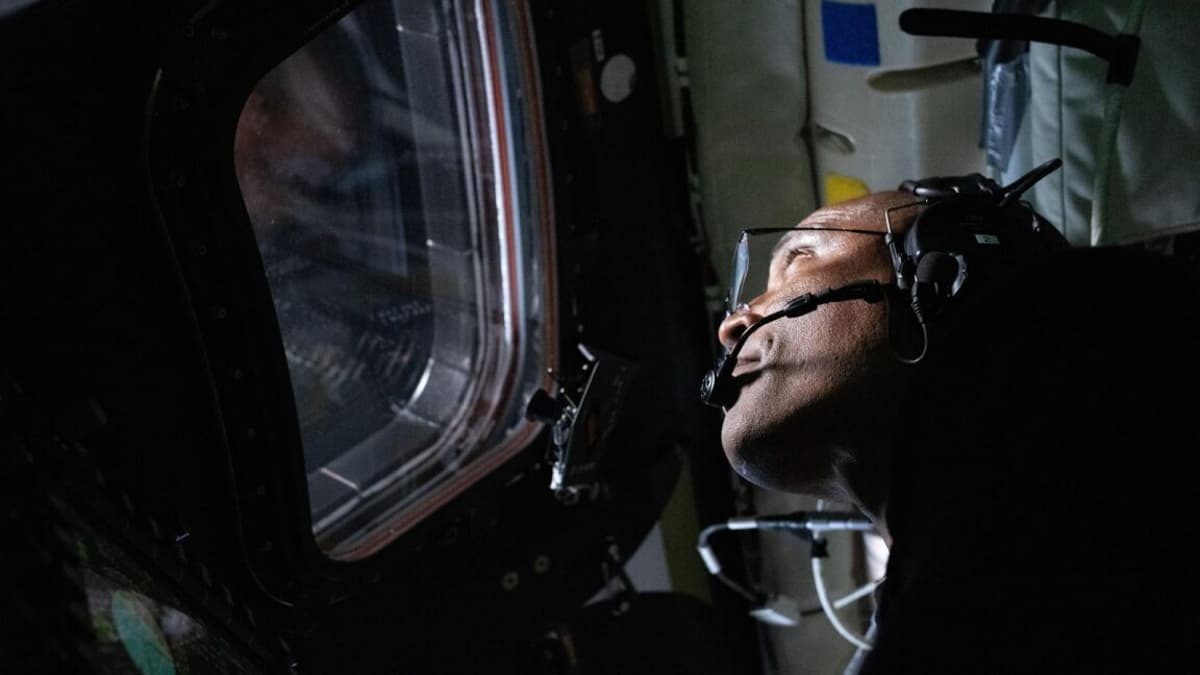
Artemis II Pilot Talks About What It Was Really Like to Fly and Land in Orion
NASA astronaut Victor Glover, pilot of Artemis II’s Orion spacecraft, detailed his experience flying the lunar‑orbit mission. He praised Orion’s translational hand controller and noted the real vehicle’s thrusters felt more like a “rumble” than the simulated whine, delivering smoother handling than ground models. Glover described the 13‑minute, 36‑second reentry as intensely vivid, with unexpected free‑fall moments between drogue and main parachutes. He emphasized that the mission’s successful proximity‑operations and reentry performance pave the way for Artemis III and IV’s docking and landing objectives.
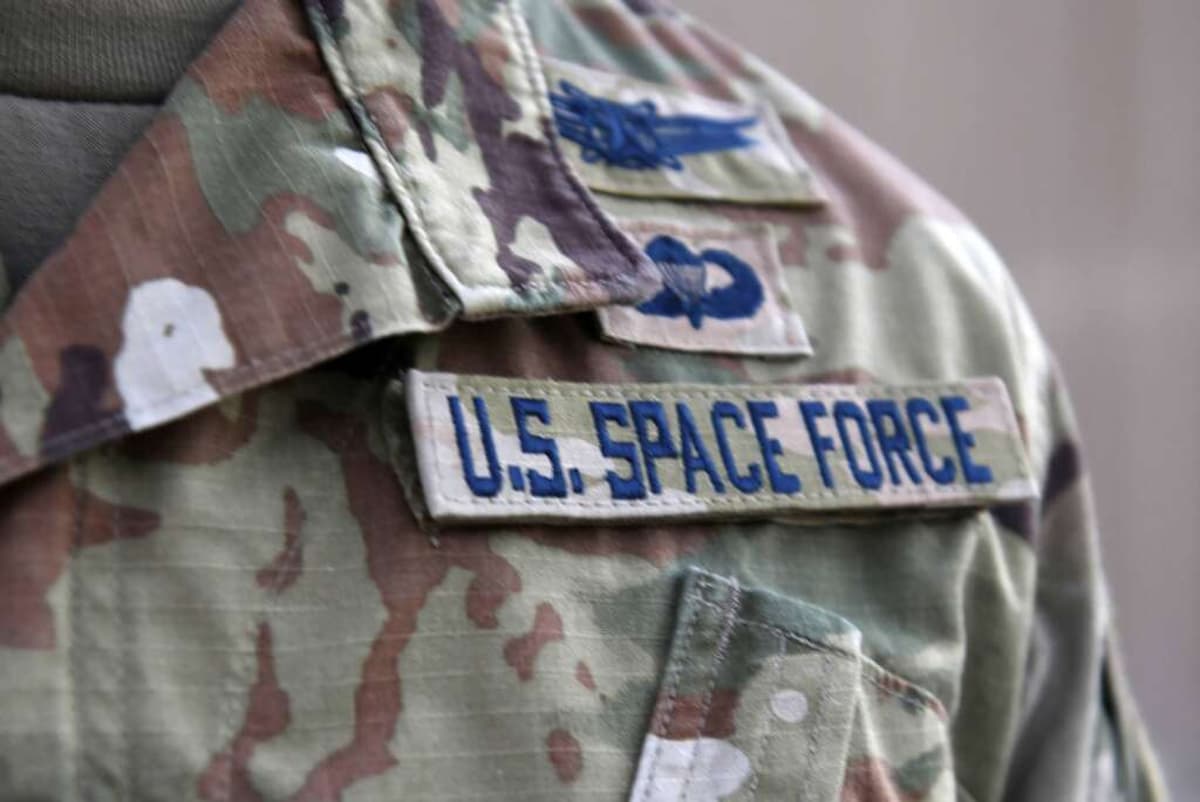
Space Force Lays Out 15-Year Space Operation Plans
The U.S. Space Force unveiled a 15‑year operational blueprint that anticipates roughly 30,000 satellites in orbit by 2040 and emphasizes artificial intelligence and autonomous systems as core enablers. The plan coincides with a recruitment surge that met its 2026 target...
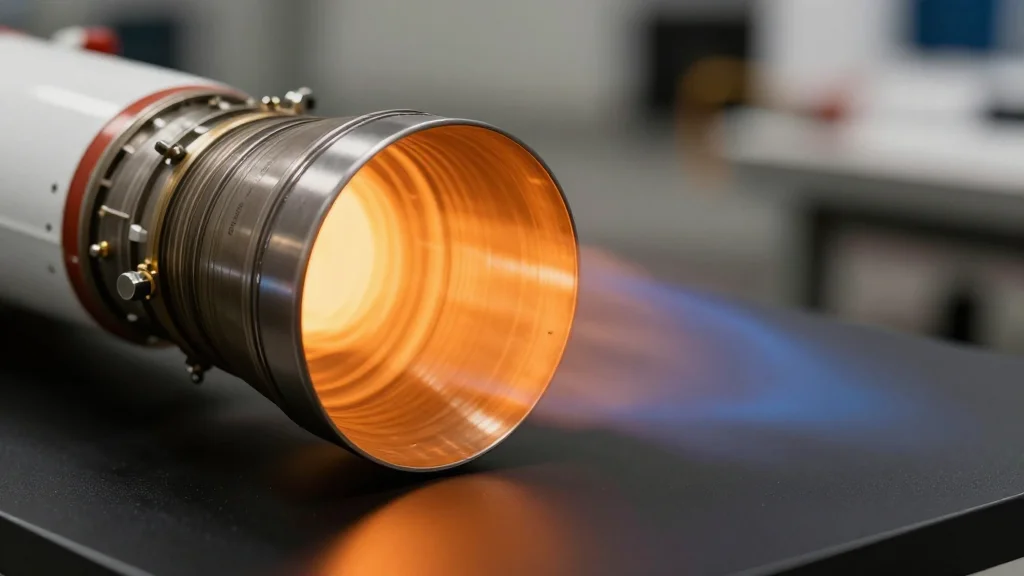
New Glenn Booster Completes Hot Fire as Blue Origin Eyes Sunday Launch
Blue Origin successfully performed a hot‑fire test of New Glenn’s first stage on Thursday, igniting all seven BE‑4 engines for roughly 20 seconds. The test used a previously flown booster, marking the first such demonstration for the vehicle. Data review...
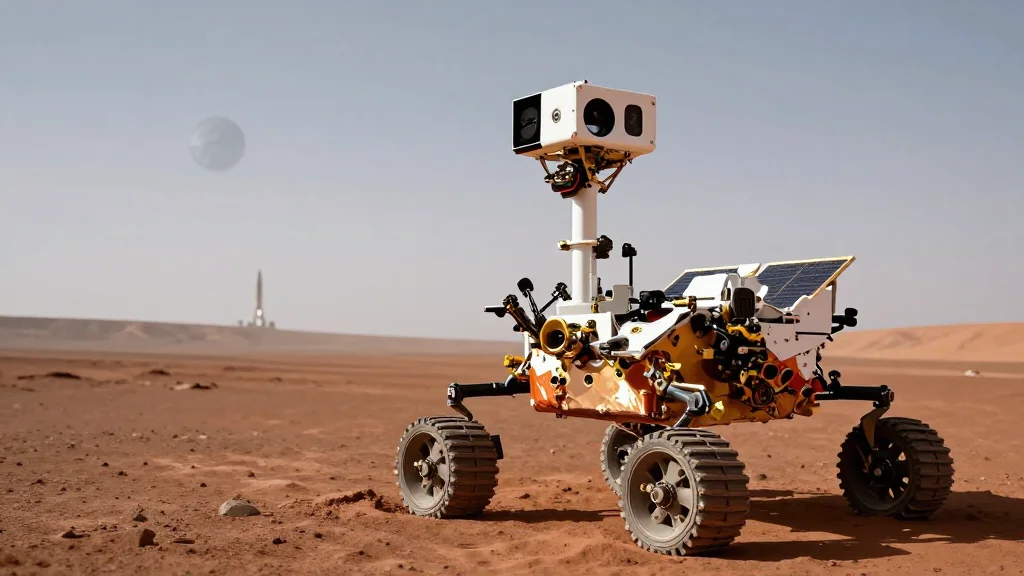
NASA Restarts Work to Support Europe's Uncrewed Trip to Mars After Years of Setbacks
NASA has confirmed it will resume support for ESA’s Rosalind Franklin rover mission to Mars, targeting a launch no earlier than 2028 on a SpaceX Falcon Heavy from Kennedy Space Center. The partnership sees Europe delivering the rover, spacecraft and lander, while...

TCI Aircraft Interiors, Türksat and Neo Space Group Establish Multi-Orbit IFC Partnership
TCI Aircraft Interiors, Turkey’s satellite operator Türksat, and Neo Space Group have signed a three‑party agreement to deliver next‑generation inflight connectivity (IFC) using a multi‑orbit architecture. The partnership combines GEO, MEO and future LEO satellite capacity with TCI’s cabin‑system integration...

China’s Shenzhou‑21 Crew Completes Third 5.5‑Hour Spacewalk, Extending EVA Experience
China’s Shenzhou‑21 crew finished a third extravehicular activity lasting roughly 5.5 hours on April 16, 2026, extending the nation’s EVA experience. The three‑person team used the station’s robotic arm to complete tasks, underscoring China’s expanding human‑spaceflight program amid global competition.
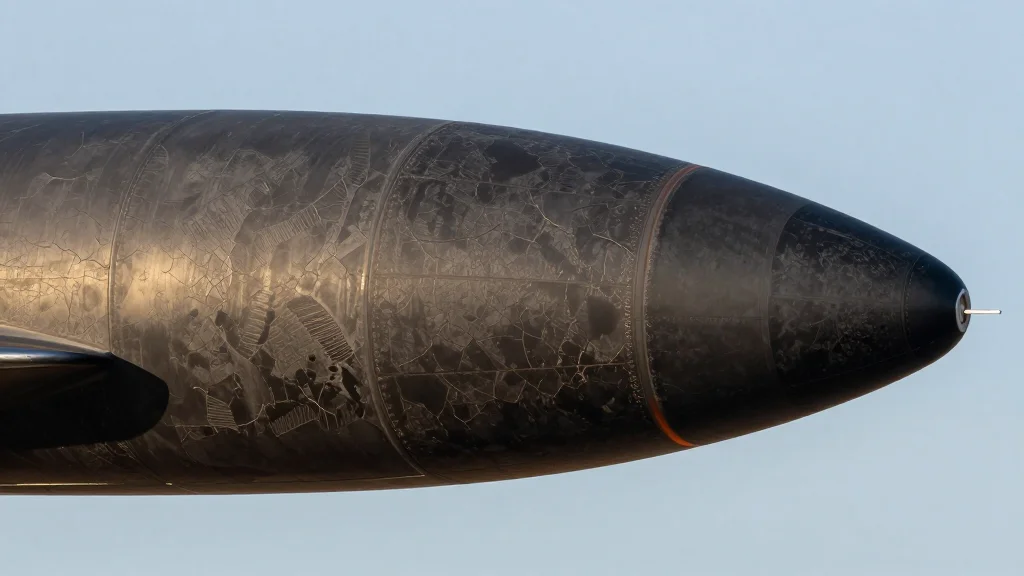
DLR Publishes Findings From CMC Forebody for Hypersonic Sounding Rocket STORT
The German Aerospace Center (DLR) has released a paper detailing its thermal‑protection design for the STORT hypersonic sounding‑rocket forebody. The study focuses on a ceramic matrix composite (CMC) system that endured the extreme aerothermal loads of a 9,000 km/h, 38 km‑altitude flight...
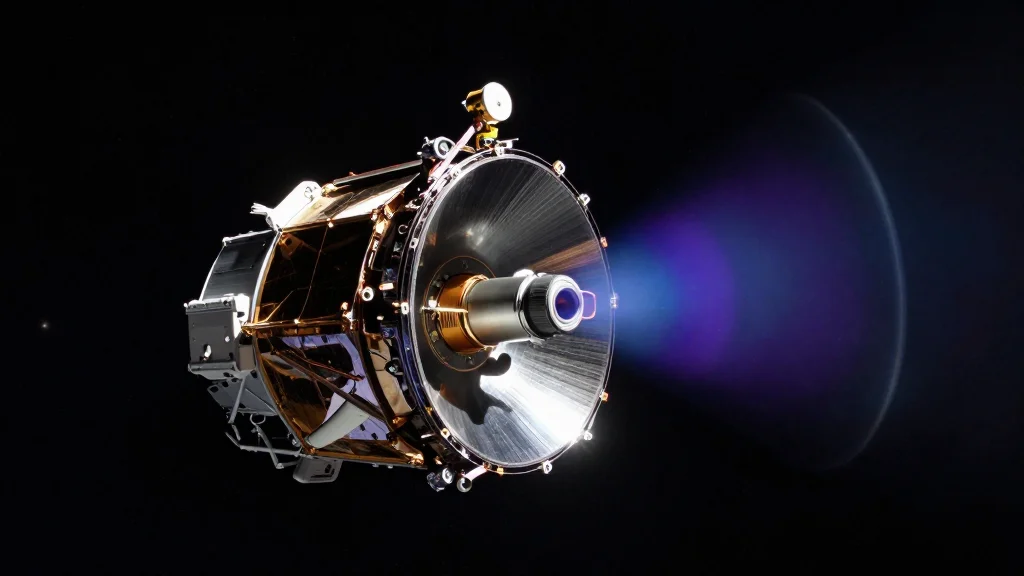
Roman Space Telescope Science Platform Will Open New Frontiers in Space Science
NASA’s Nancy Grace Roman Space Telescope is set to activate its next‑generation science platform, delivering wide‑field infrared imaging and spectroscopy for the first time. The platform’s automated data pipeline will process raw observations into calibrated products within 24 hours, feeding an open‑access...
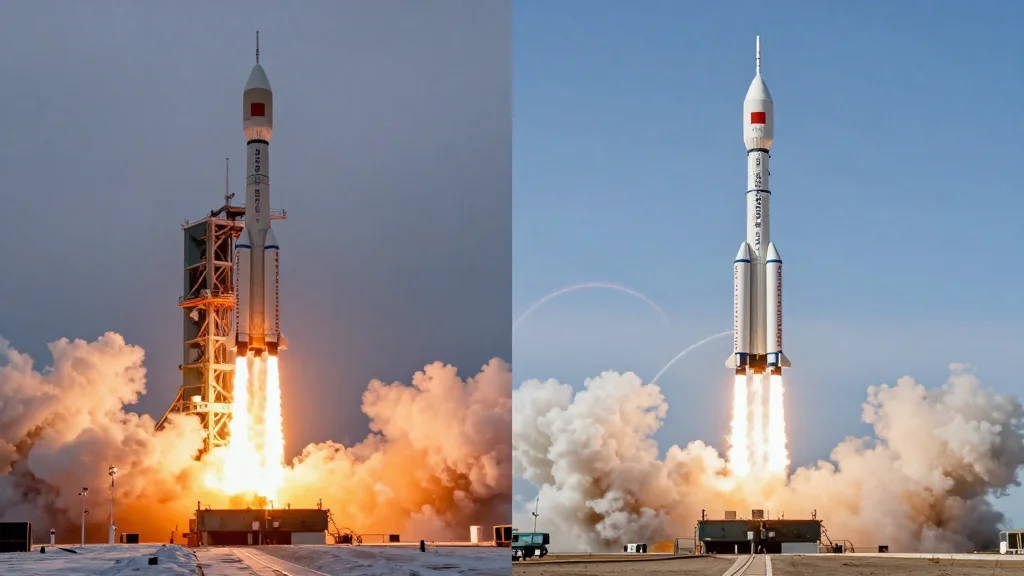
Two Launches Since Yesterday, by Russia and China
Russia and China each conducted orbital launches on April 17. Russia’s Soyuz‑2 lifted from Plesetsk carrying a classified military payload involving multiple spacecraft, with its boosters and core stage landing in the Arctic ocean. China’s Long March 4C launched from Jiuquan...
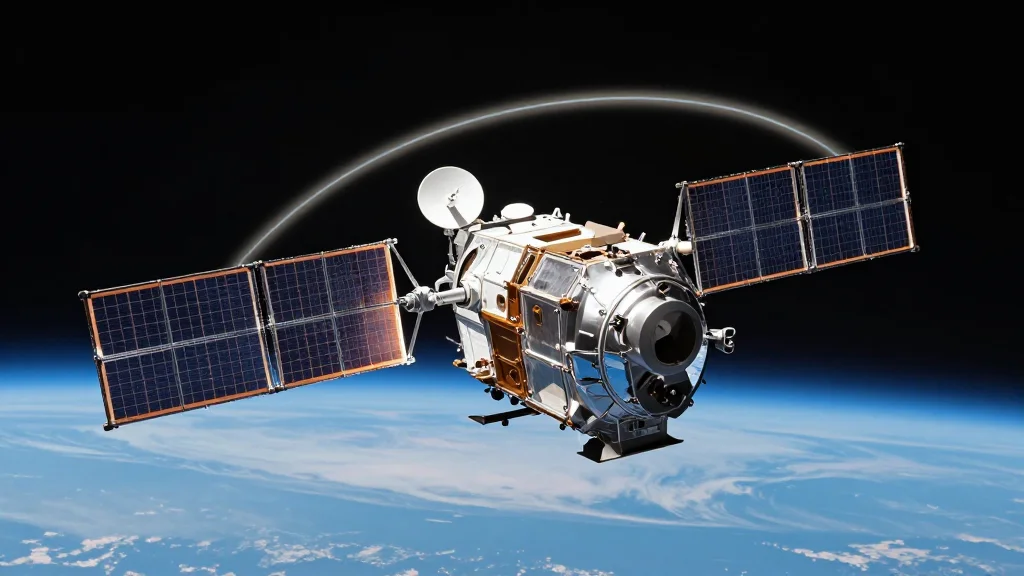
PlanetiQ Secures $15m US Air Force STRATFI Contract
PlanetiQ has secured a $15 million US Air Force STRATFI contract to develop and launch a new satellite fleet over the next 48 months. The program will equip the spacecraft with GNSS radio occultation, polarimetric occultation and reflectometry sensors, delivering higher‑resolution...
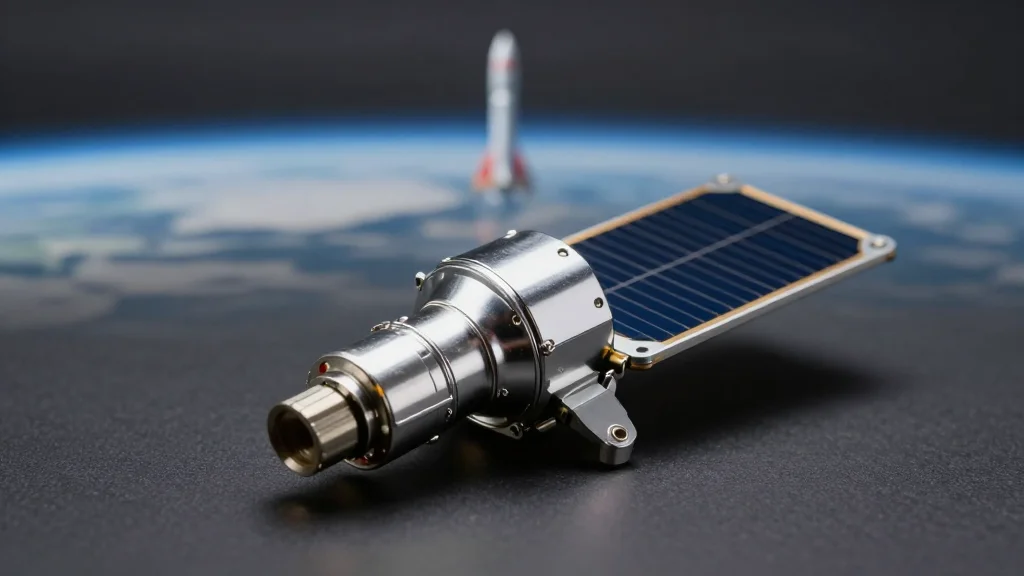
Experts Needed To Confirm/Affirm NASA Goddard Expertise
The National Academies have launched a congressionally mandated study to evaluate the technical and scientific capabilities at NASA's Goddard Space Flight Center. The effort will assemble a committee of roughly ten volunteer experts to assess advanced technologies, testing, systems development,...
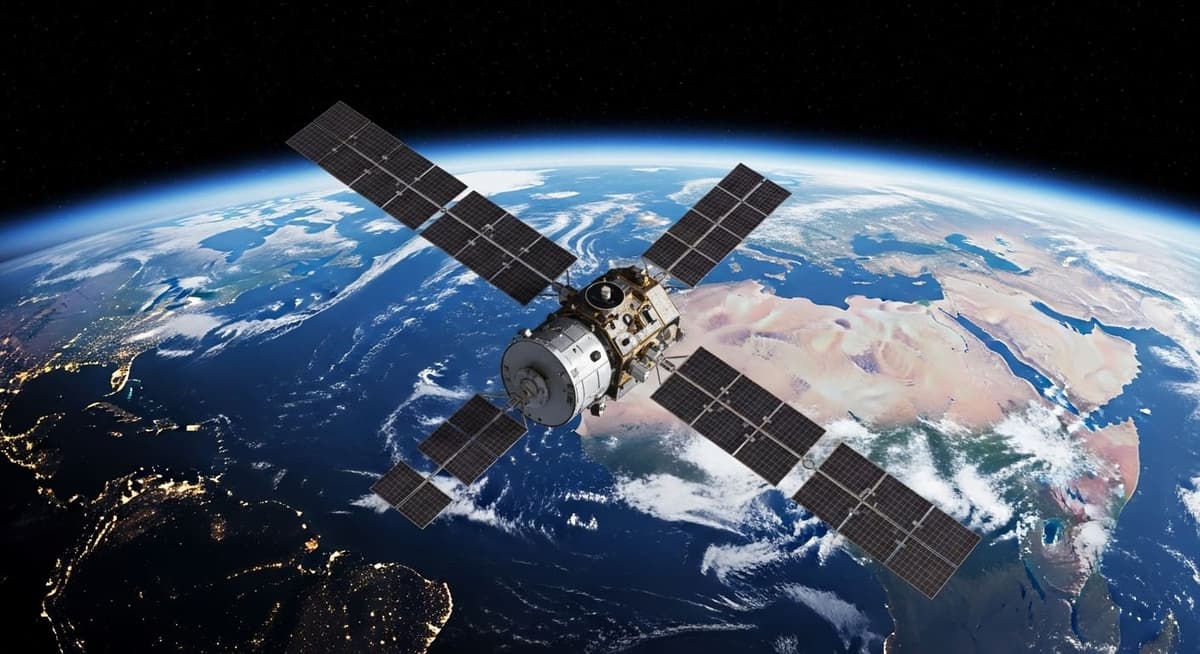
SEALSQ Plans 100-Satellite Constellation for Quantum Services in Space
SEALSQ and its subsidiary WISeSat unveiled the Quantum Spatial Orbital Cloud (QSOC), a 100‑satellite constellation designed to deliver quantum‑secured communications, quantum randomness and post‑quantum security as a subscription‑based cloud service. The first phase of 15 fully funded satellites will be...
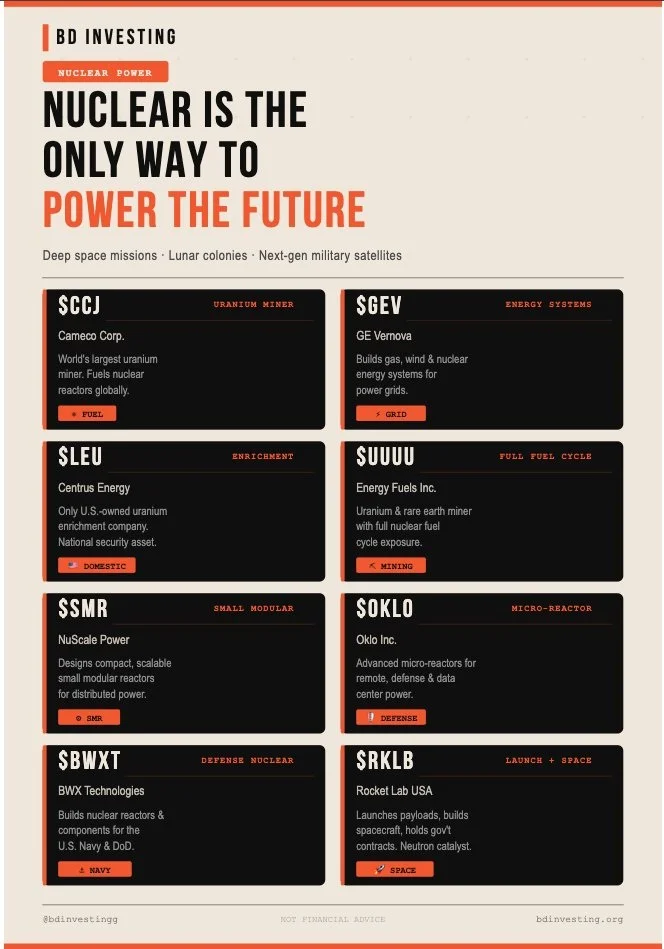
White House Pushes Space Nuclear Reactor Investments by 2030
The White House is telling you exactly where to invest. They want nuclear reactors in space by 2028 — and on the Moon by 2030. $CCJ $RKLB $GEV $UUUU $LEU $BWXT $SMR $OKLO $MDA Don't overthink it.
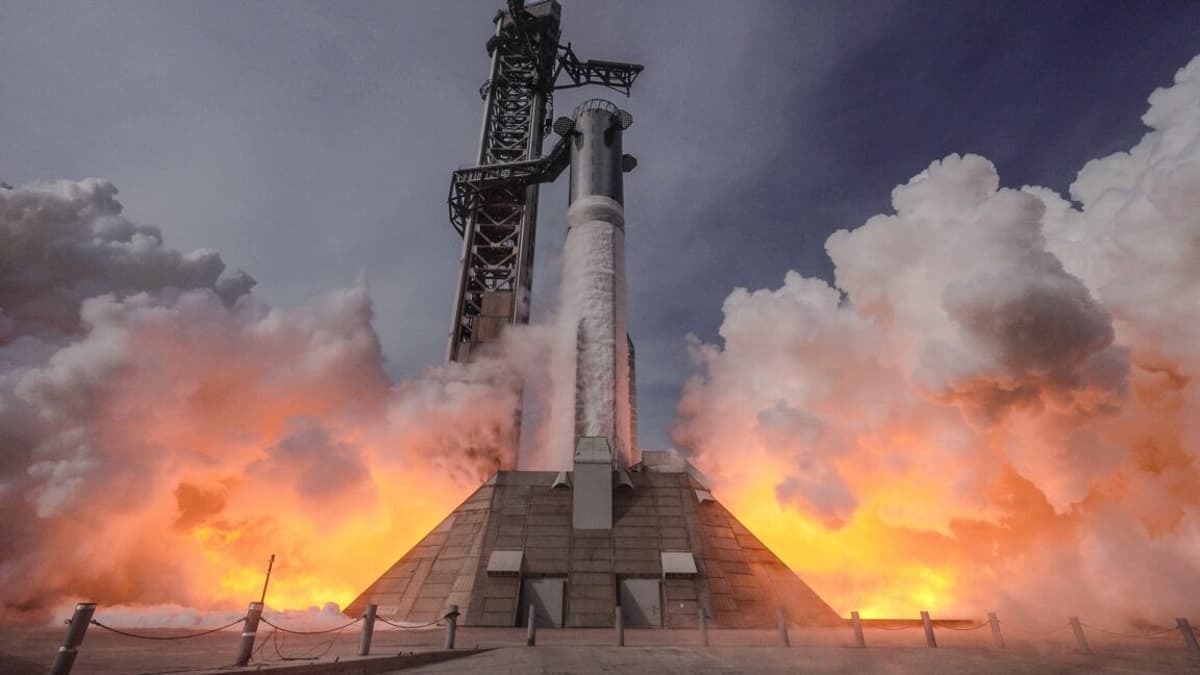
Rocket Report: Starship V3 Test-Fired; ESA's Tentative Step Toward Crew Launch
SpaceX advanced its Starship program with a successful static‑fire of the Version 3 vehicle and a full‑engine ignition of the Super Heavy booster, marking the most powerful rocket test to date. The European Space Agency opened a €1 million (≈$1.1 million) call for a...
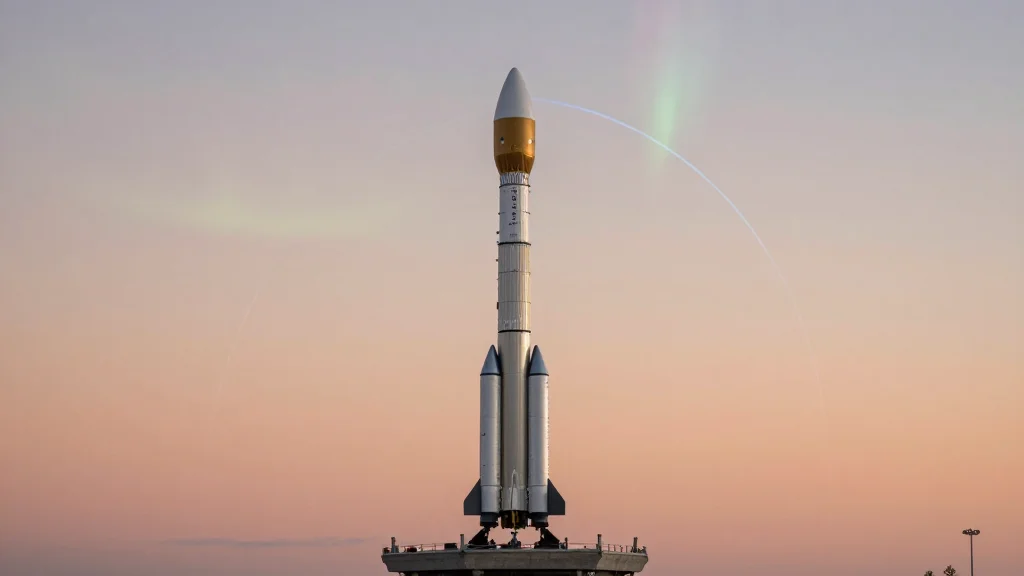
Russia Launches Soyuz‑2.1b with Defense Ministry Spacecraft From Plesetsk
Russia's Aerospace Forces launched a Soyuz‑2.1b rocket from the Plesetsk Cosmodrome on April 17, carrying a classified defense ministry spacecraft. The launch, the third military payload from Plesetsk in 2026, underscores Moscow's continued reliance on proven launch vehicles amid rising...

NASA JPL, Ubotica and Open Cosmos Collaboration
Ubotica Technologies and Open Cosmos have partnered with NASA’s Jet Propulsion Laboratory to launch the Flight Demonstration of Federated Autonomous MEasurement (FAME) under NASA’s Earth Science Technology Office. The program will initially test six satellites in summer 2026, eventually linking...
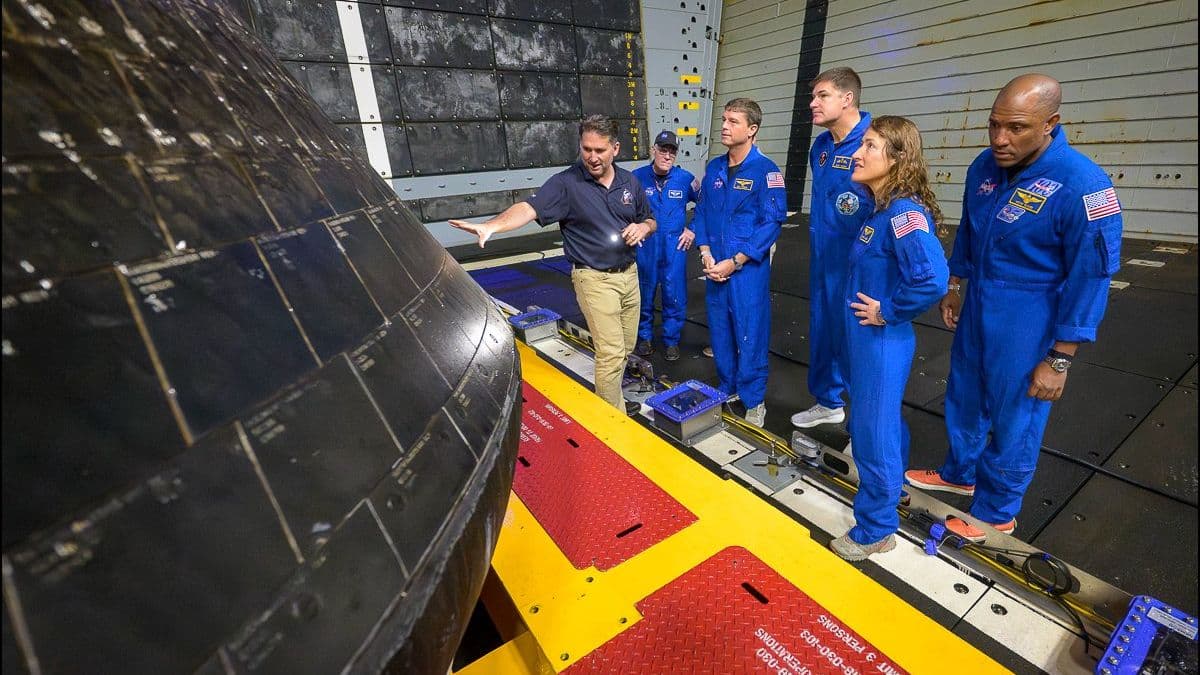
Artemis 2's Heat Shield Seems to Have Aced Its Trial by Fire
NASA’s Orion capsule “Integrity” completed Artemis 2’s Earth return with its 16.5‑foot heat shield largely intact, despite earlier concerns from Artemis 1’s damage. Engineers mitigated risk by steepening the re‑entry angle, shortening exposure to peak temperatures around 5,000 °F (2,800 °C). Crew members reported...
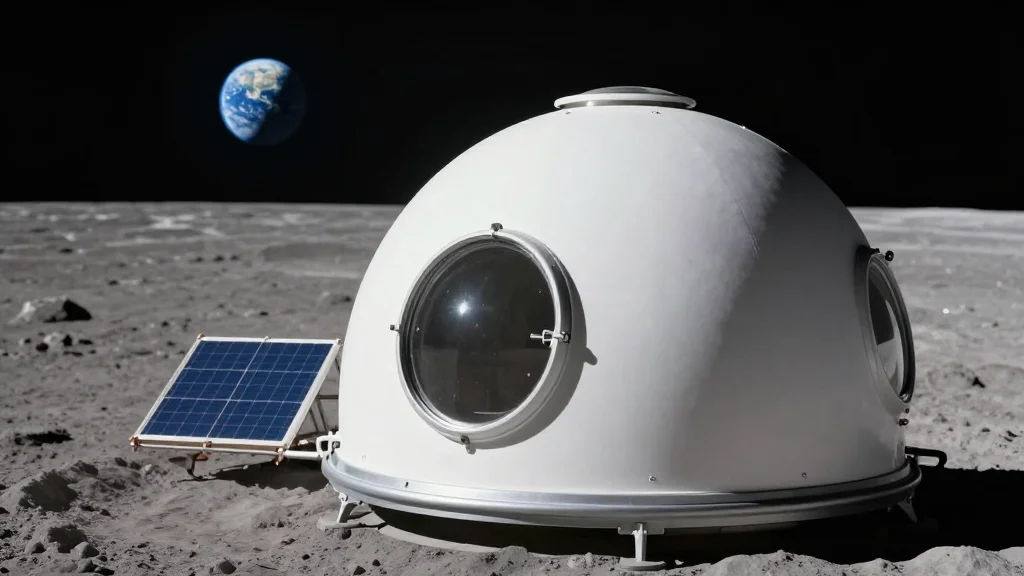
Industry Panel: Moon Base Essentials Include Transportation, Surface Power
NASA aims to establish a permanent lunar surface base by 2030, launching nearly monthly robotic missions through 2028 to test habitation technologies. An industry panel highlighted three pillars—reliable transportation, continuous communication relays, and robust surface power—as essential for sustained operations....
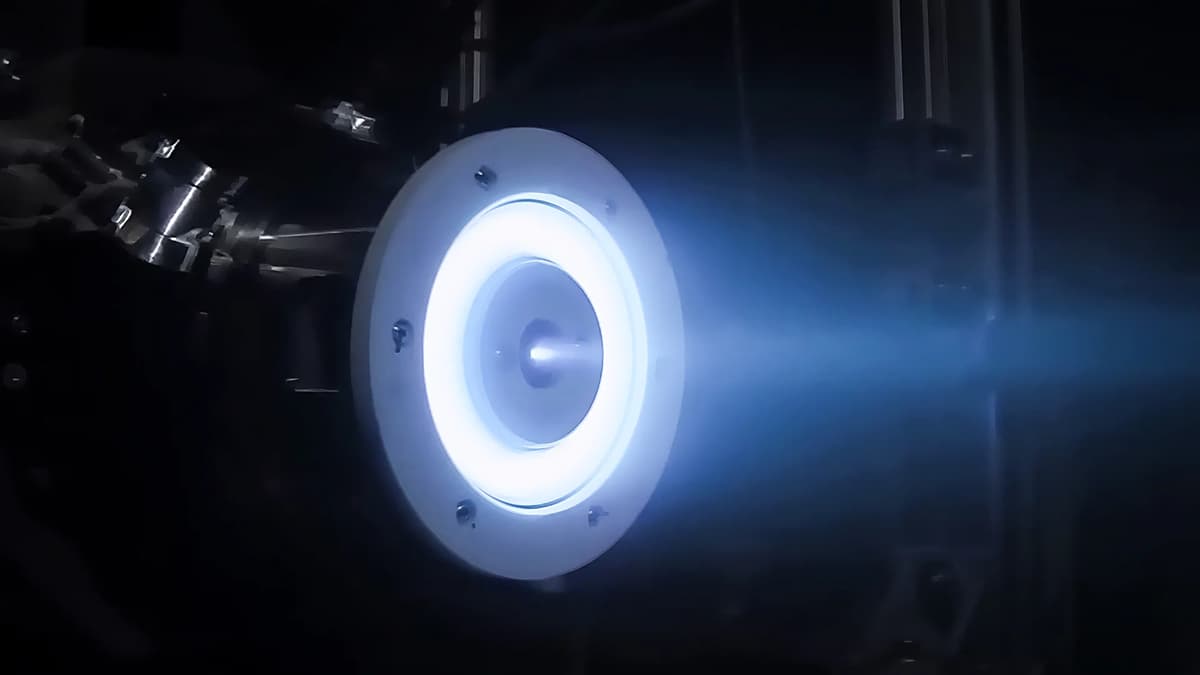
Rocket Lab Enters the Thruster Market with Gauss
Rocket Lab unveiled Gauss, a Hall‑effect electric thruster designed for in‑orbit maneuvering, marking its entry into the spacecraft propulsion market. The thruster complements the company’s expanding component business and leverages its experience with reaction wheels and star trackers. Simultaneously, Rocket...

Why Institutional Capital May Be Pivoting To Space And Deep Tech
Institutional investors are shifting focus from SaaS and consumer tech to deep‑tech and the space economy. The World Economic Forum and McKinsey project the global space economy to hit $1.8 trillion by 2035, with 60% driven by Earth‑based applications such as...
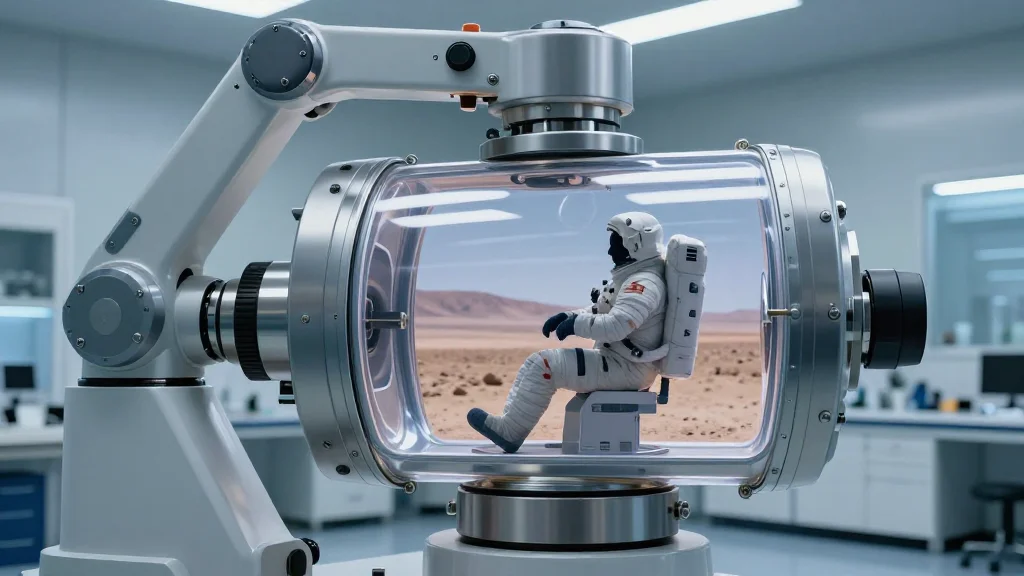
Human Space Research Gets a Boost From Retired NASA Centrifuge
Texas A&M University has received NASA’s retired human centrifuge and installed it in the Anthony Wood ’87 Artificial Gravity Lab, creating one of the nation’s most advanced facilities for simulating lunar and Martian gravity. The centrifuge, originally built for the...
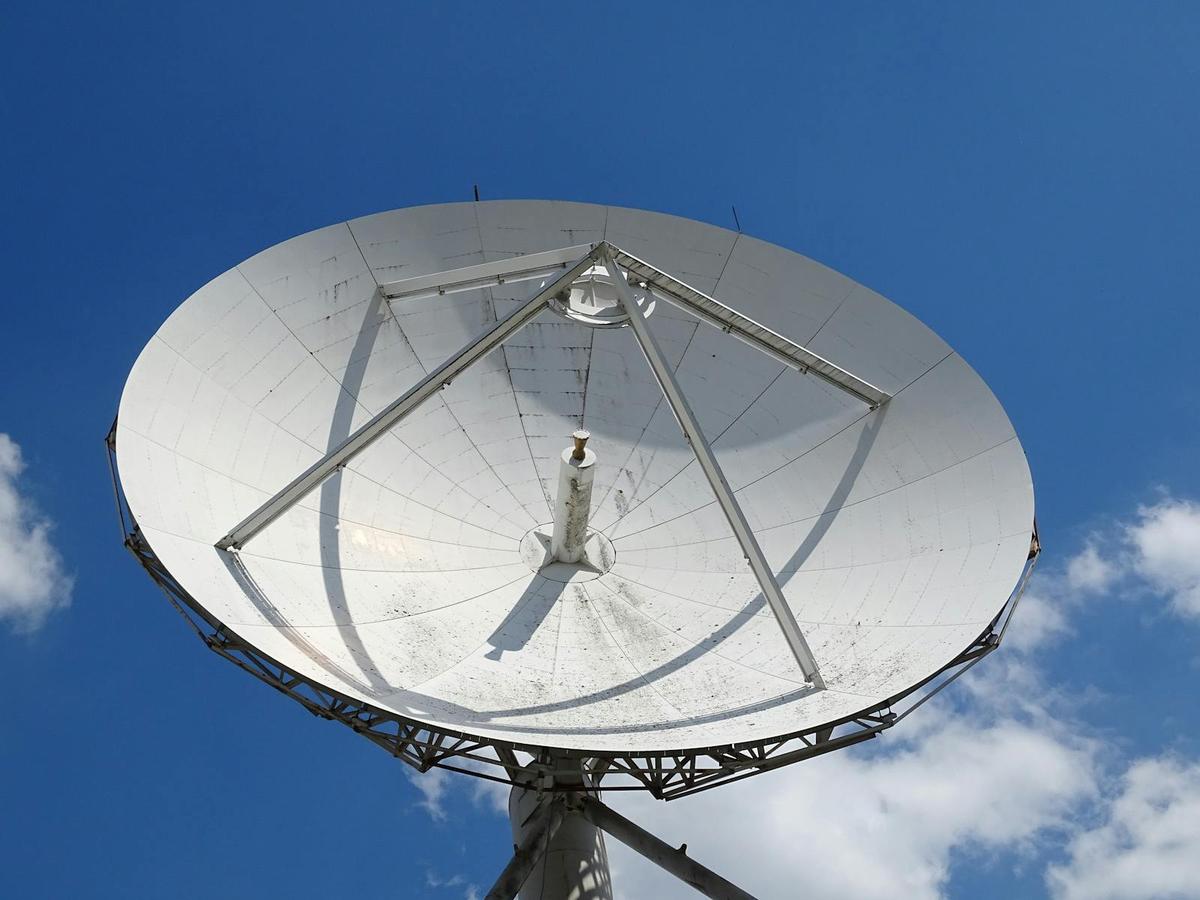
The Direct-to-Device Dream Collides With a Fractured Satellite Reality
Direct‑to‑device (D2D) satellite services dominated Mobile World Congress, but analysts warn the market is splintering as each operator builds proprietary interfaces across multiple constellations. No single satellite network can deliver the full suite of voice, broadband and IoT services at...
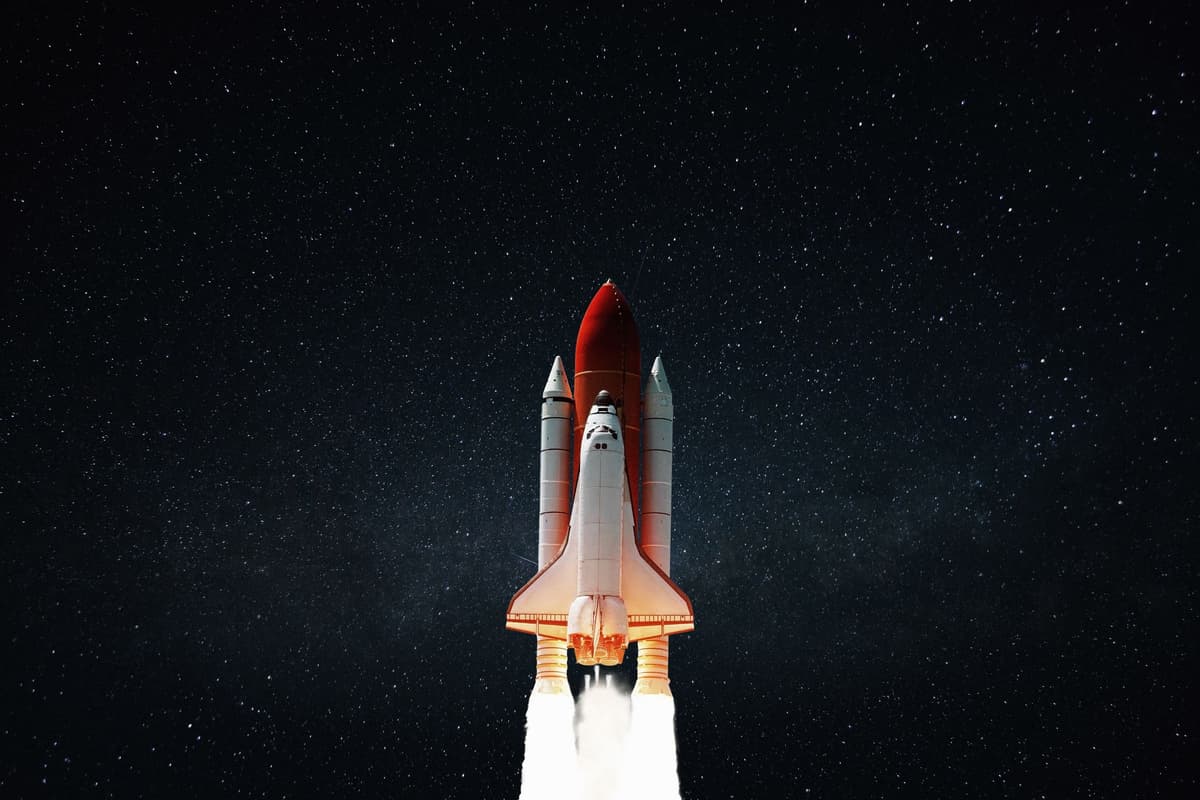
How Can Astronauts Tell How Fast They’re Going?
Spacecraft cannot rely on conventional speedometers, GPS, or visual cues to gauge their motion. Instead, engineers combine Doppler tracking, inertial measurement units, and optical navigation to derive velocity with high precision. Each technique offers a different perspective—radial speed from frequency...
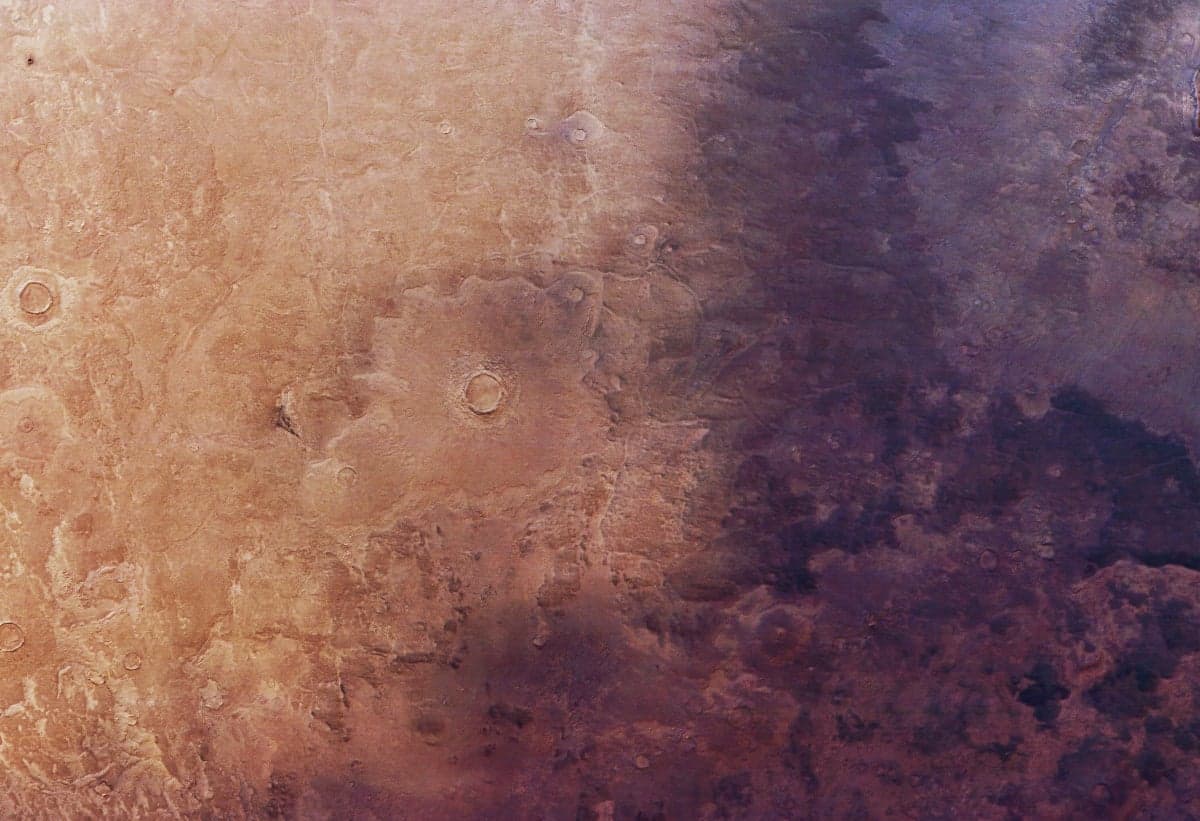
Mars Orbiter Watches Mysterious Wave of Darkness Spread Across Red Planet’s Surface
European Space Agency’s Mars Express has released a high‑resolution image showing a fast‑moving dark band across Utopia Planitia. The contrast between bright rusted sand and a newly darkened area points to wind‑blown volcanic ash reshaping the surface within decades. Comparison...

The Friday File: Amazon Globalstar; Anthropic; Orbital
Amazon agreed to acquire satellite operator Globalstar for $11.6 billion, gaining its fleet, ground infrastructure and MSS spectrum licences. The deal positions Amazon Leo to launch direct‑to‑device services by 2028 and strengthens an exclusive partnership with Apple, making Amazon a formidable...
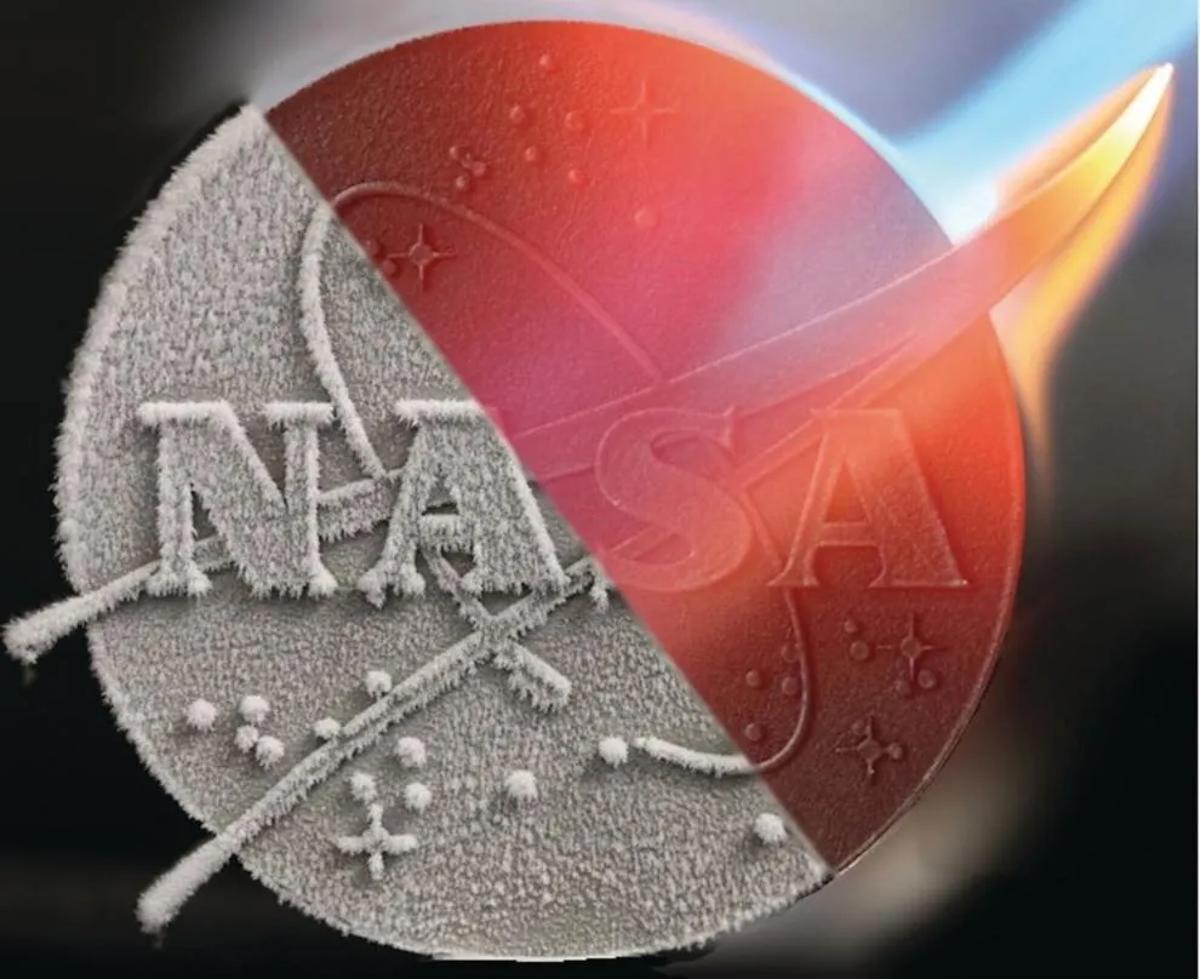
NASA STTR Award Backs Cold Spray Research for GRX-810
NASA’s Small Business Technology Transfer (STTR) Phase I award funds a 13‑month collaboration between the University of Utah, Pennsylvania State University and Elementum 3D to study cold‑spray additive manufacturing of GRX‑810, NASA’s award‑winning high‑temperature alloy. The research will map particle‑level bonding dynamics...

Boeing and Millennium Space Systems Expand Production, Shares Slip 3.2%
Boeing and its subsidiary Millennium Space Systems announced a joint effort to expand space production capacity and launch the Resolute mid‑class satellite platform. The move aims to raise annual deliveries from four in 2025 to 26 in 2026, but the...
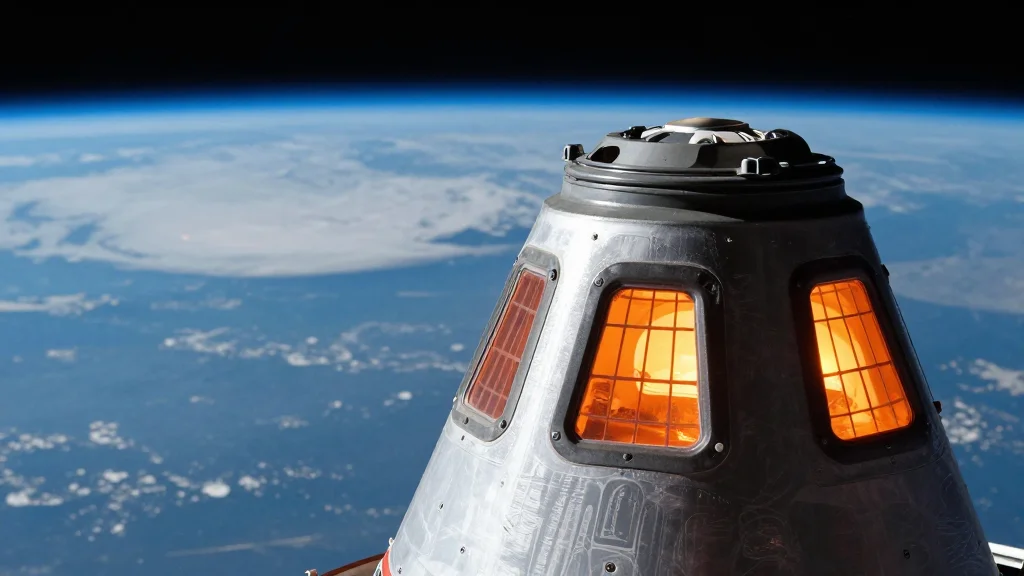
Artemis II Crew Returns, Hails Orion Heat Shield and Calls Artemis III Ready for Launch
NASA’s four‑person Artemis II crew landed after a 10‑day, 694,481‑mile mission, praising Orion’s heat‑shield performance and declaring the vehicle fit for the upcoming Artemis III lunar landing. Their reflections underscore both the mission’s historic milestones and the path forward for NASA’s moon‑return...

Satellite D2D Moving Into the Mainstream for Mobile Players – GSA
Direct‑to‑device (D2D) satellite connectivity is moving from hype to mainstream as operators worldwide announce partnerships to extend 5G coverage to remote areas. The Global mobile Suppliers Association (GSA) reports that 97 operators in 70 countries have committed to satellite D2D...

Lighting the Fuse: China Abets Iran’s Missile and Space Launch Capabilities
China has deepened its military cooperation with Iran, supplying dual‑use components, solid‑rocket motor precursors and advanced missile systems. Under the 2021 Comprehensive Cooperation Agreement, Chinese firms exported over 3,000 metric tons of ammonium perchlorate and related chemicals to the IRGC...

US Space Chief Says Russia Wants To Put Nuclear Weapons In Orbit
U.S. Space Command chief General Stephen Whiting warned that Russia is allegedly planning to place nuclear weapons in low‑Earth orbit to target satellites. He cited Russia's recent anti‑satellite activities, including GPS jamming and missile tests, as evidence of a growing...
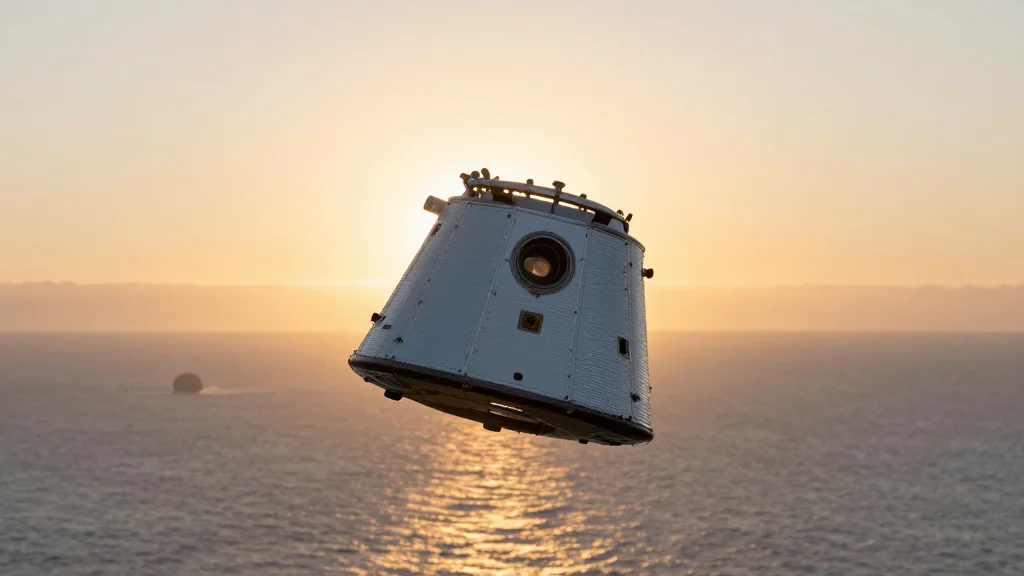
Back on Earth, Artemis II Crew Still Finding Their Footing
NASA’s Artemis II mission returned to Earth last week after a ten‑day lunar‑orbit flight, marking the first crewed trip beyond low Earth orbit since 1972. Commander Reid Wiseman and crewmates Victor Glover, Christina Koch, and Jeremy Hansen are undergoing extensive medical...

Commercial Ground-Based Space Warfare Systems Reshaping the Orbital Contest
Commercial ground‑based space warfare capabilities are rapidly maturing, with Anduril Industries buying ExoAnalytic to absorb the world’s largest optical telescope network and double its space team. LeoLabs has expanded its phased‑array radar footprint across five continents, while Slingshot Aerospace launched...

Global Directory of Communication Satellite Operators and Their Products and Services
The communication‑satellite sector entered April 2026 reshaped by landmark deals and fleet expansions. SES completed its Intelsat acquisition in July 2025, forming a combined GEO‑MEO operator with roughly 120 satellites and projecting about $3.9 billion in 2026 revenue. SpaceX’s Starlink surpassed 10 million subscribers...
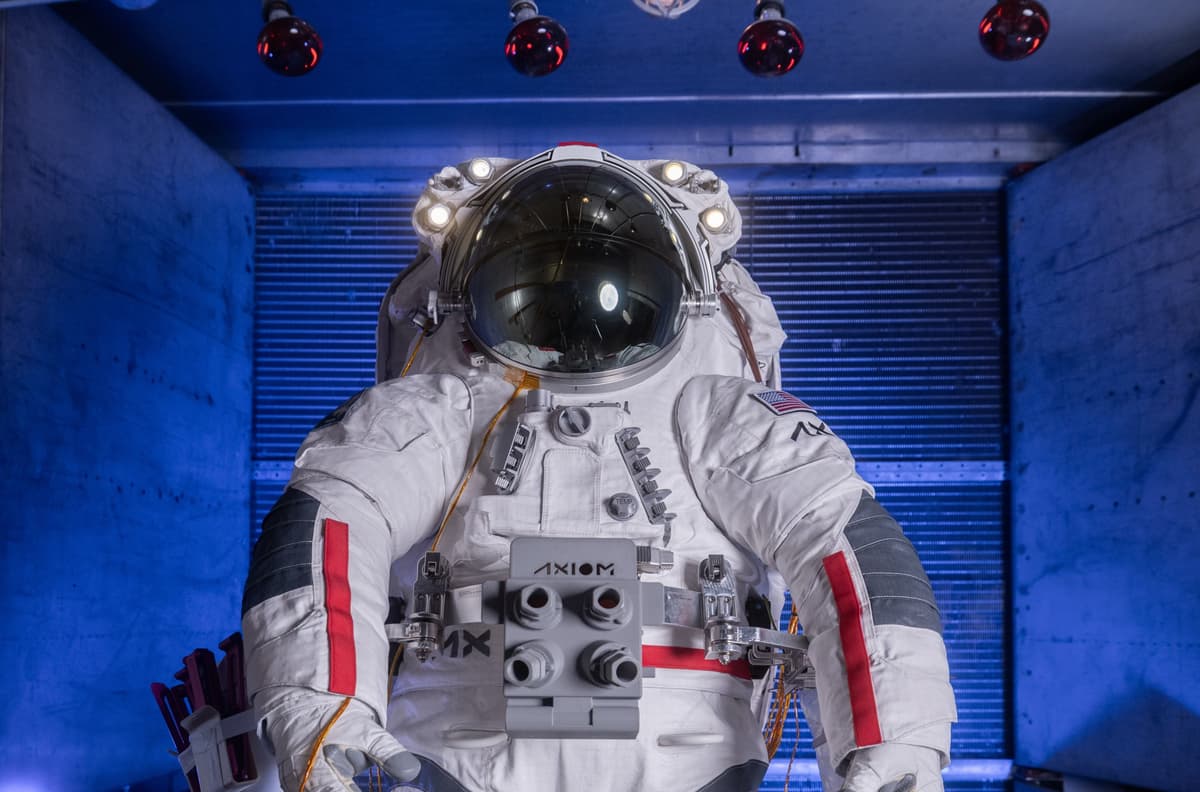
Axiom Space’s Suit Set to Fly in 2027
Axiom Space announced that its next‑generation EVA suit will receive an in‑space qualification flight in 2027, positioning it for either the Artemis III lunar landing or a test on the International Space Station. The suit shares a common architecture for...
From Mars Adventures to Moon Dreams: My Cosmic Journey
In one decade, I have gotten to explore Mars and help return to the Moon. The kid in me is over the — well, Moon. 🤭
House Science Committee Schedules NASA FY2027 Budget Hearing
House SS&T will hold a hearing on NASA's FY2027 budget request on Wednesday, Apr 22, at 10:00 am ET, with Isaacman.

How Insurers Use Satellite Imagery to Cut Claims Costs After Natural Disasters
Insurers are embedding satellite imagery into catastrophe‑claims workflows to triage damage before adjusters reach the field. By combining optical photos with synthetic‑aperture radar, carriers can see flood extents, fire footprints and roof loss even through clouds or at night. The...
House Dems Accuse NASA of Illegal FY2026 Budget Implementation
House SS&T Dems just issued a report re NASA and the FY2026 budget: "Mission Aborted: How NASA Illegally Implemented the President's Budget Request Without Congressional Approval." Calls on Isaacman to "defend" NASA and not do the same w/FY2027 request. https://t.co/RkSmApKqOu
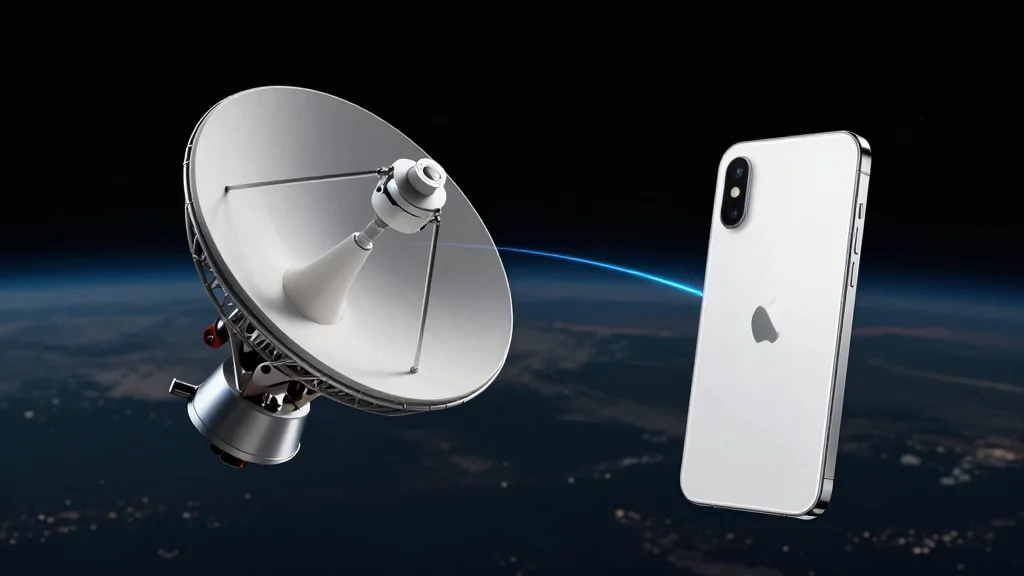
Apple's Satellite Link Changes Hands, Prepares for Leo Integration
Apple devices’ satellite link is under new ownership: "This lays the foundation for when Leo comes online to expand and deepen that relationship." @Computerworld https://t.co/hLhYdyuYxS
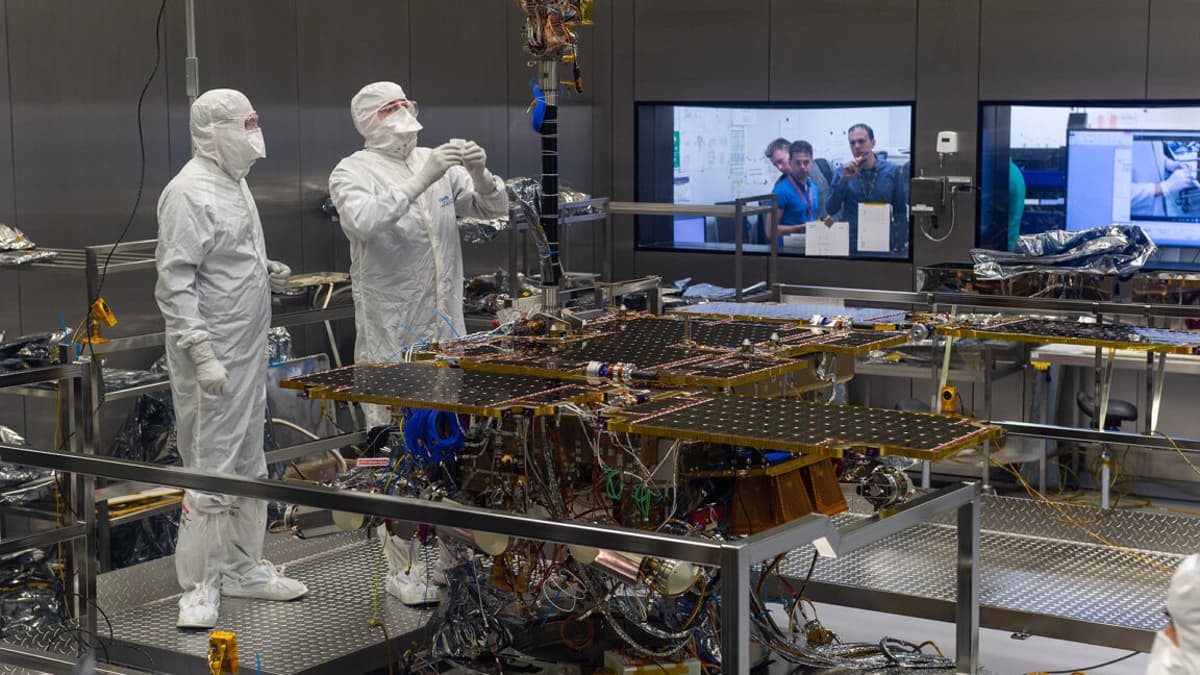
After a Saga of Broken Promises, a European Rover Finally Has a Ride to Mars
NASA confirmed that SpaceX will launch ESA’s Rosalind Franklin Mars rover on a Falcon Heavy rocket, targeting a late‑2028 departure and a 2030 landing. The mission, originally slated for Russian rockets, has been reshaped by geopolitical shifts and budgetary changes, with...
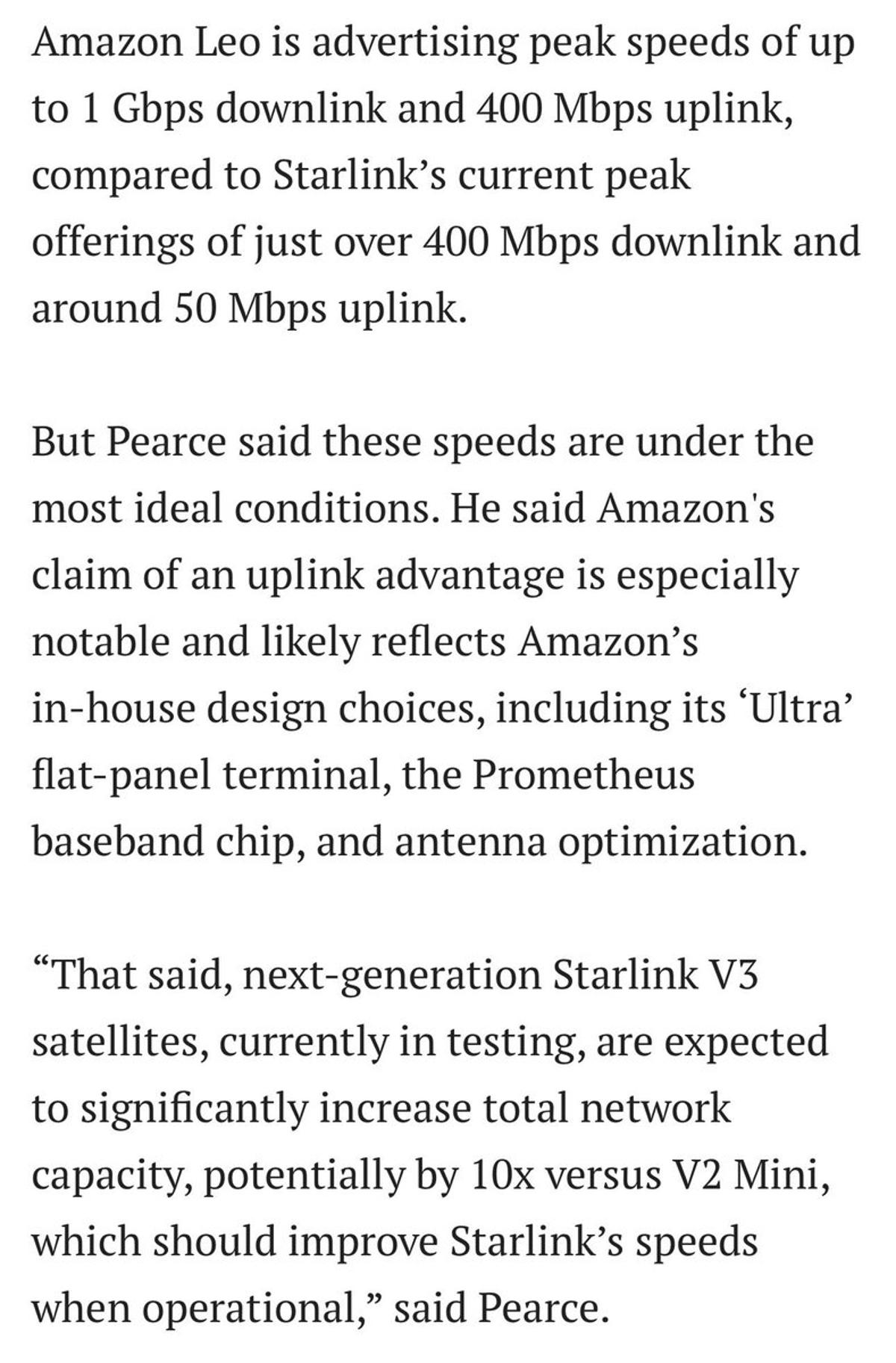
Ka‑band Offers Far More Uplink Spectrum than Ku‑band
Do people truly not understand that Ka-band simply has far more uplink spectrum available than Ku-band? https://t.co/L39uzTDVfA
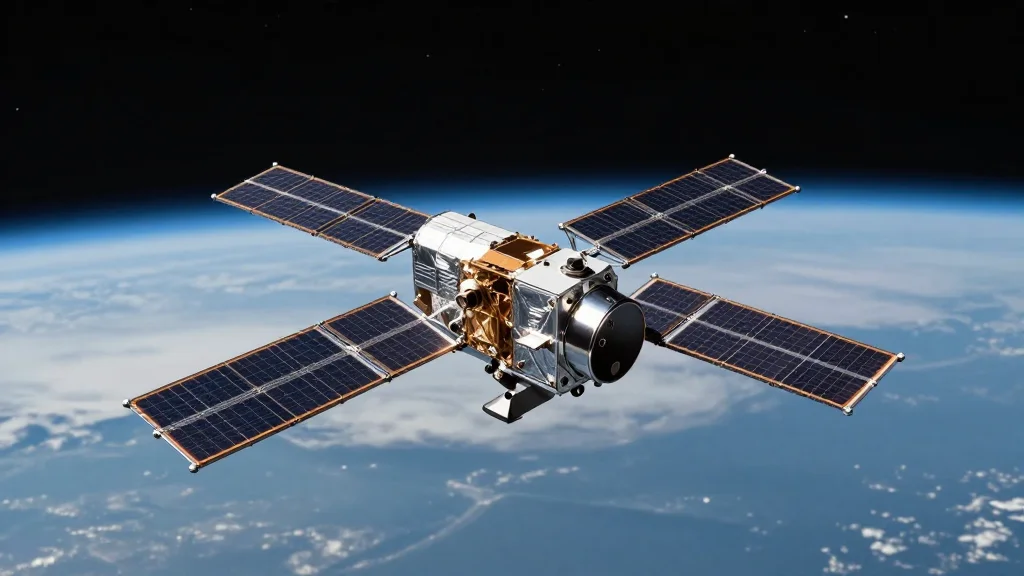
Amazon Leo Targets Commercial LEO Launch by Mid‑2026
Amazon Leo promises commercial LEO service by mid-2026: “They all work with the same physics." https://t.co/CNO04otphl @FierceNetwork_ @lindahardesty https://t.co/CNO04otphl
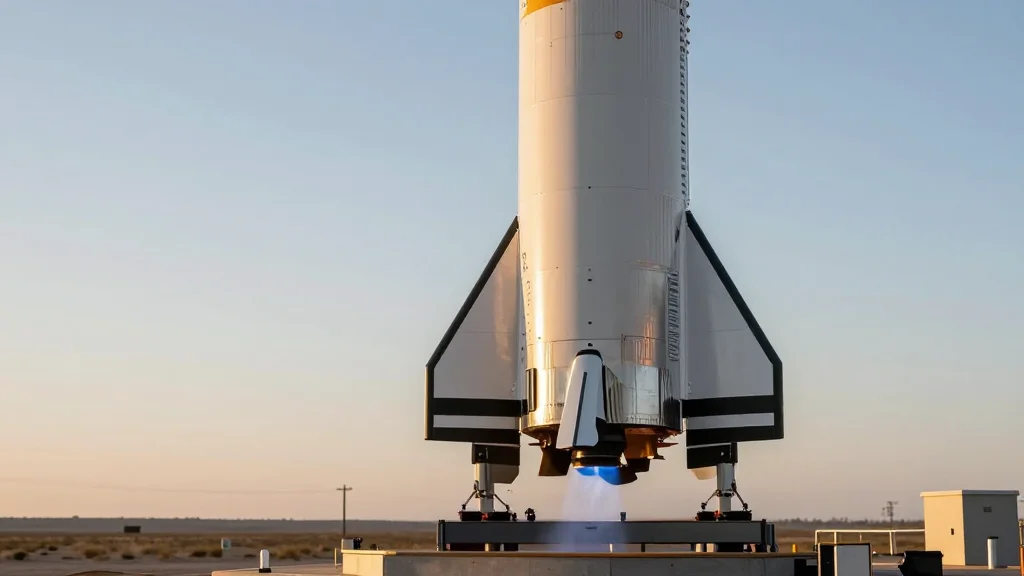
SpaceX Completes Starship Static Fire and Sets Aggressive April Launch Slate After Artemis II
SpaceX performed a static‑fire test of the Starship Super Heavy booster on April 15, 2026, lighting all 33 engines at Starbase, Texas. The company simultaneously announced a full April launch manifest that follows NASA’s Artemis II mission, highlighting its expanding role in...
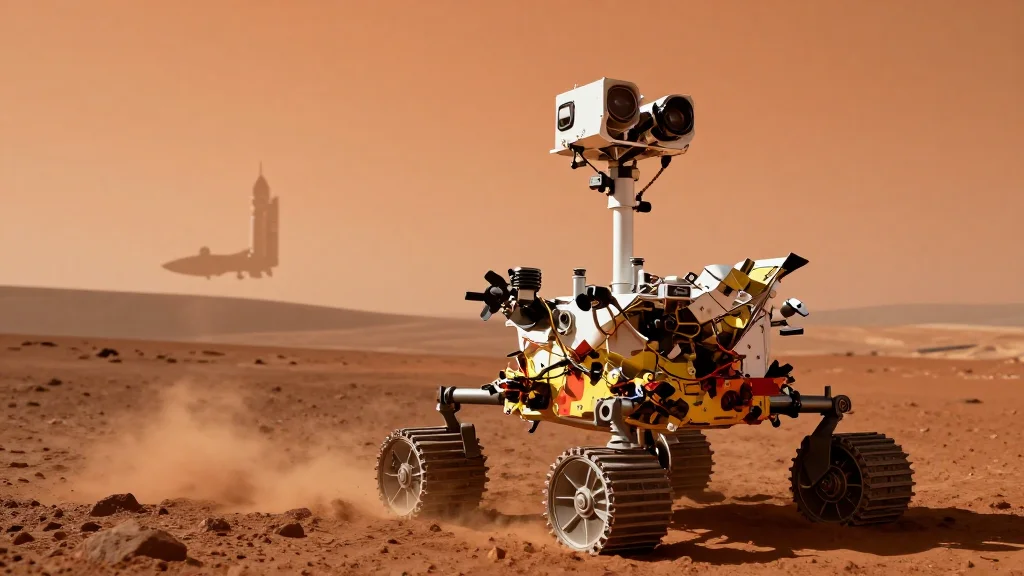
Rosalind Franklin Rover Finally Secures Mars Launch
ESA's Rosalind Franklin rover, a perennial outcast among space missions, finally has a ride to Mars. https://t.co/tIdOJVymc7

Apollo Was Vanity; Real Progress Means Automating Economies
The Apollo Program was basically a vanity project, dropped a few years after hitting its goal. Totally different beast to automating your entire economy.
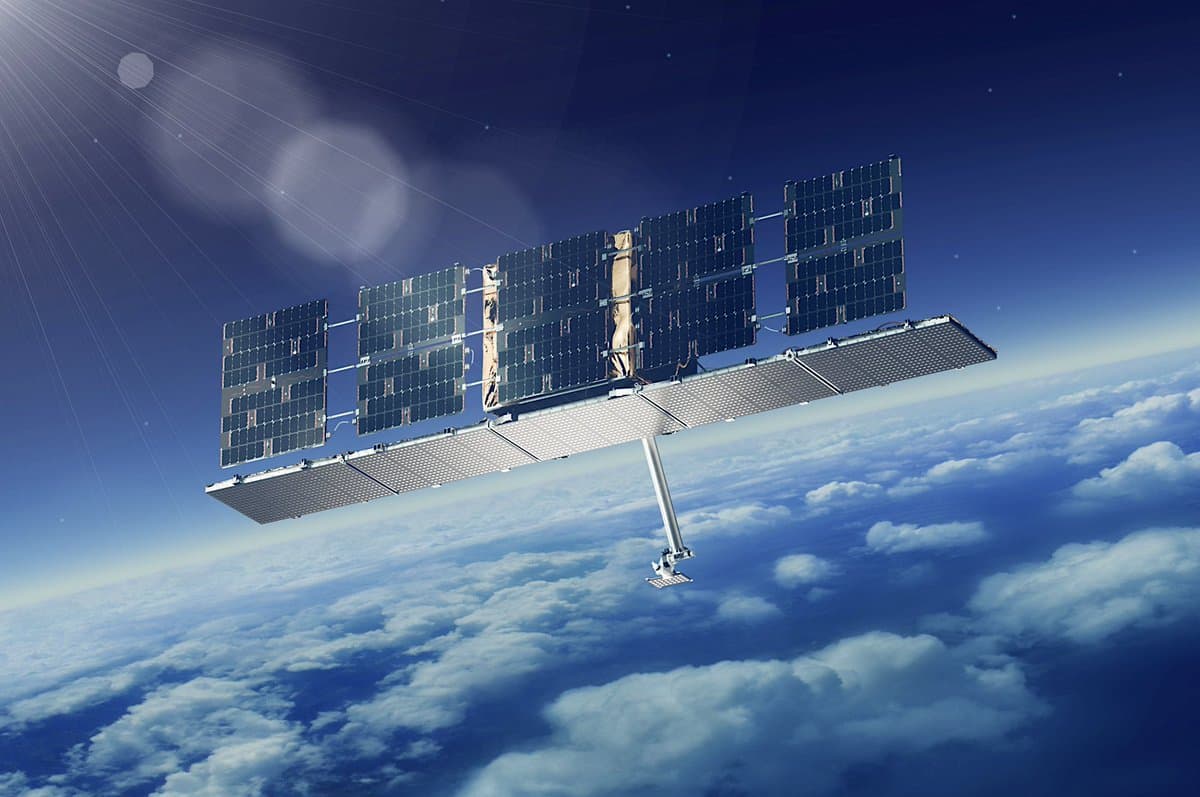
NorthStar E&S Targets $300M Valuation in SPAC IPO
Space-based space situational awareness co @NorthStarEandS to IPO on @NYSE via merger with SPAC #VikingAcquisition. Minimum gross proceeds of $30M, pre-money valuation $300M. @SpireGlobal @LuxSpaceAgency @CartesianCap. https://t.co/coJbF6PboG https://t.co/leePWtbfAm
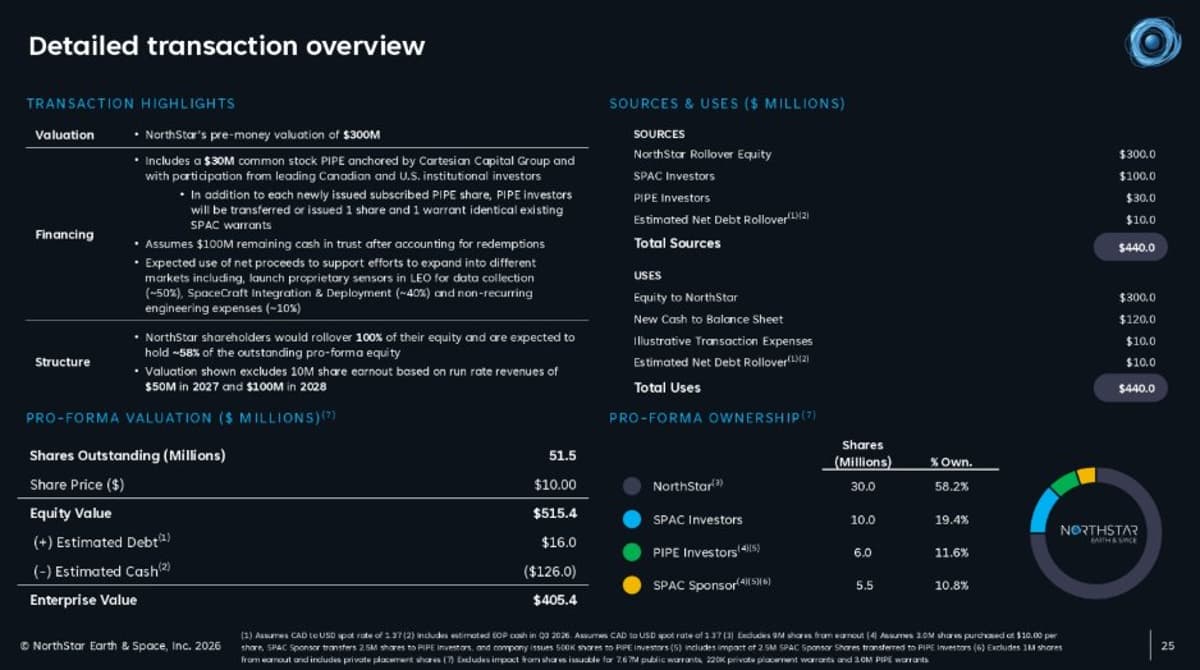
NorthStar Satellite Analytics Secures $30M PIPE, $405M Valuation
NorthStar / Viking Acquisition I deal overview Space and satellite data analytics company $405 million enterprise value $30 million PIPE Closing Q3 Symbol $NSTR PR: https://t.co/v61y0ElAJP IR deck: https://t.co/mosqCqKlMZ Disclosure: Long $VACI shares + warrants in $ARB.to https://t.co/CTqRus69vb
Watch Artemis II Crew Post‑Flight Press Conference Today
I strongly suggest a viewing of the Artemis II crew post-flight press conference today. Well worth your time. https://t.co/rQLDz78DB8
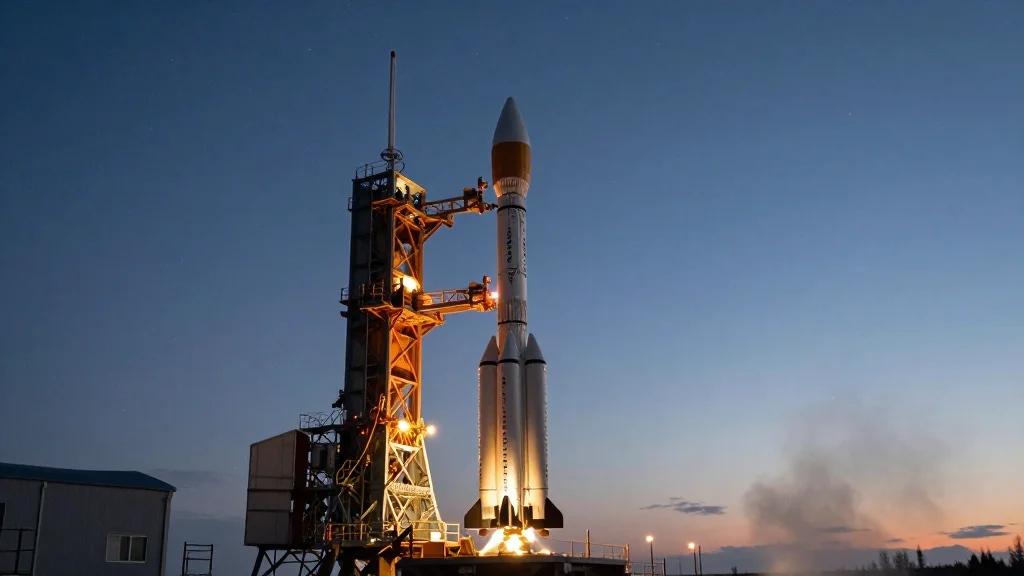
Soyuz-2-1b Launches Kosmos Satellites Into 457×547 Km Orbit
LAUNCH at about 2318 UTC Apr 16 of one or more Kosmos satellites by Soyuz-2-1b from Plesetsk to a 457 x 547 km x 98.3 deg orbit (h/t @Dillonshrop06 )