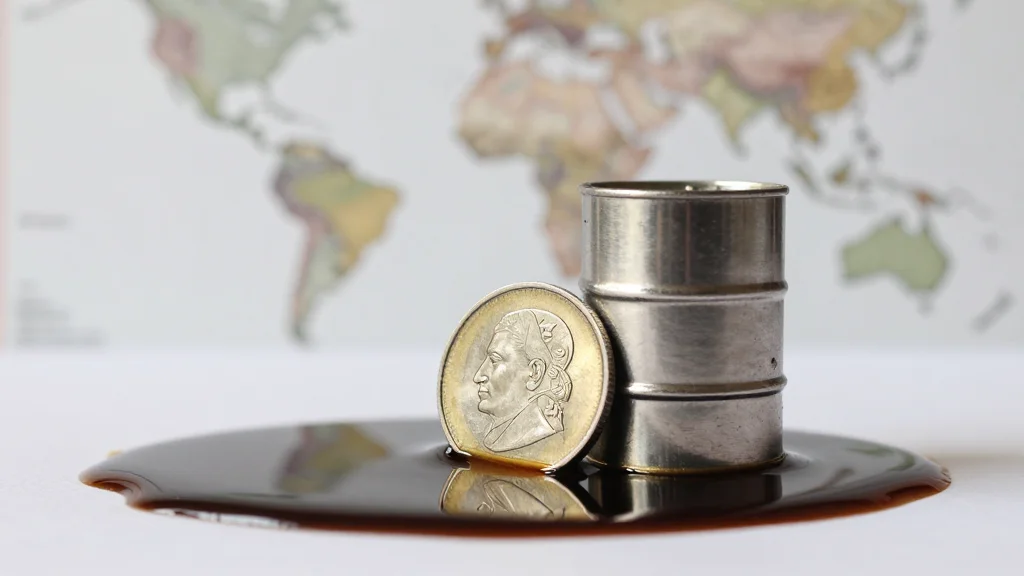
Rupee Logs Steepest Weekly Drop in over Three Years as Iran War Worries Resurface
The Indian rupee fell 1.4% to 94.2475 per dollar, marking its steepest weekly decline since September 2022. The slide was triggered by renewed worries that the U.S.–Iran ceasefire could collapse, pushing Brent crude up 2% to $107 per barrel. RBI’s short‑term measures and earlier optimism offered only brief relief. Meanwhile, the Nifty 50 slipped about 2% and benchmark bond yields rose roughly 10 basis points to near 7%.
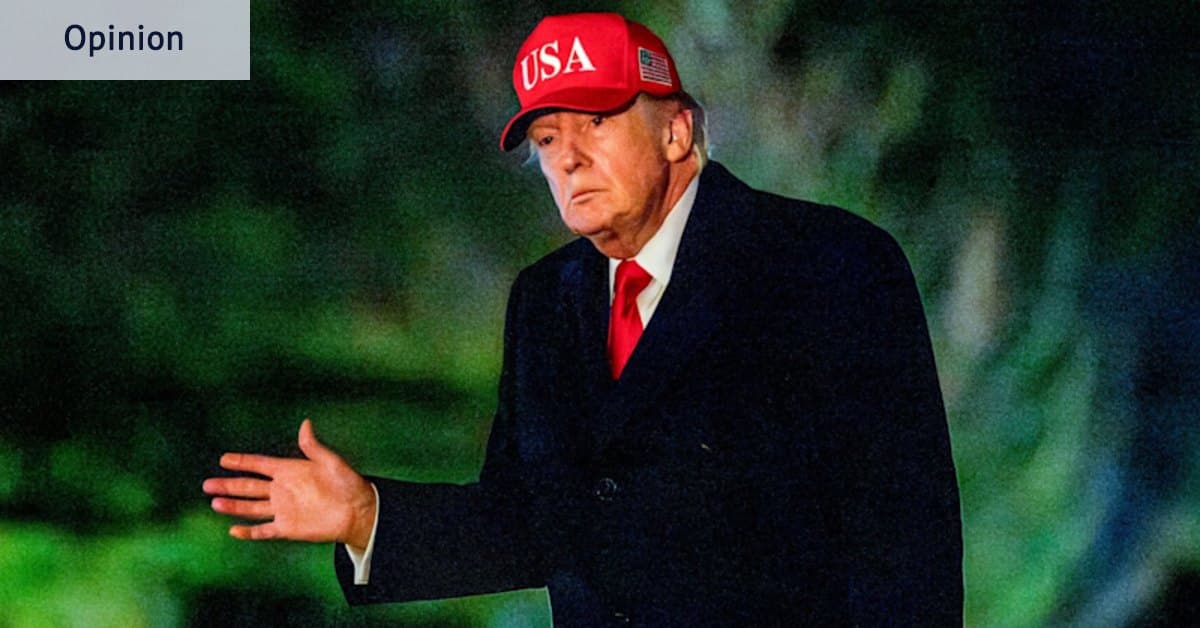
Trump’s War Is a Clear and Present Danger to Your Future
World markets are losing the petrodollar lifeline that Gulf sovereign‑wealth funds and central‑bank reserves have provided. The Gulf’s $6 trillion in sovereign‑wealth assets and $1.7 trillion in foreign‑exchange reserves, twice the size of China’s combined reserves, are at risk after President Trump’s...

AI Boom Is Hiding Korea’s Next Crisis
South Korea’s KOSPI surged to a record 6,400 in early 2026, propelled by AI‑driven demand for semiconductors from Samsung and SK Hynix. Despite the rally, the economy faces deep structural challenges, including chaebol concentration, soaring household debt, and a rigid...
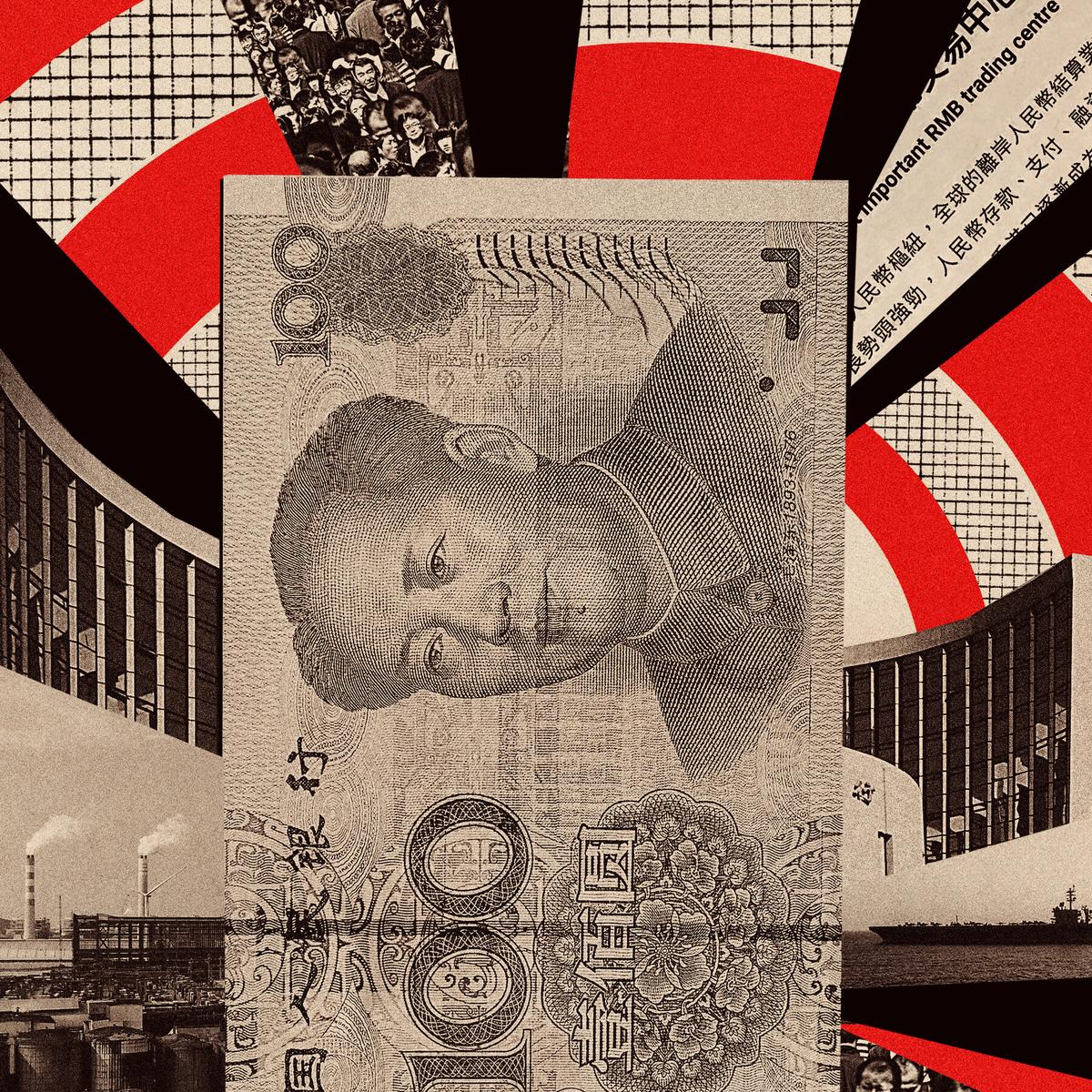
War and Sanctions Accelerate China’s Currency Push
China is accelerating its long‑term effort to internationalize the renminbi as a way to sidestep U.S. sanctions. The wars in Ukraine and Iran have pushed Russia, Iran and other sanctioned economies toward yuan‑denominated trade, giving Beijing a foothold in de‑dollarization....
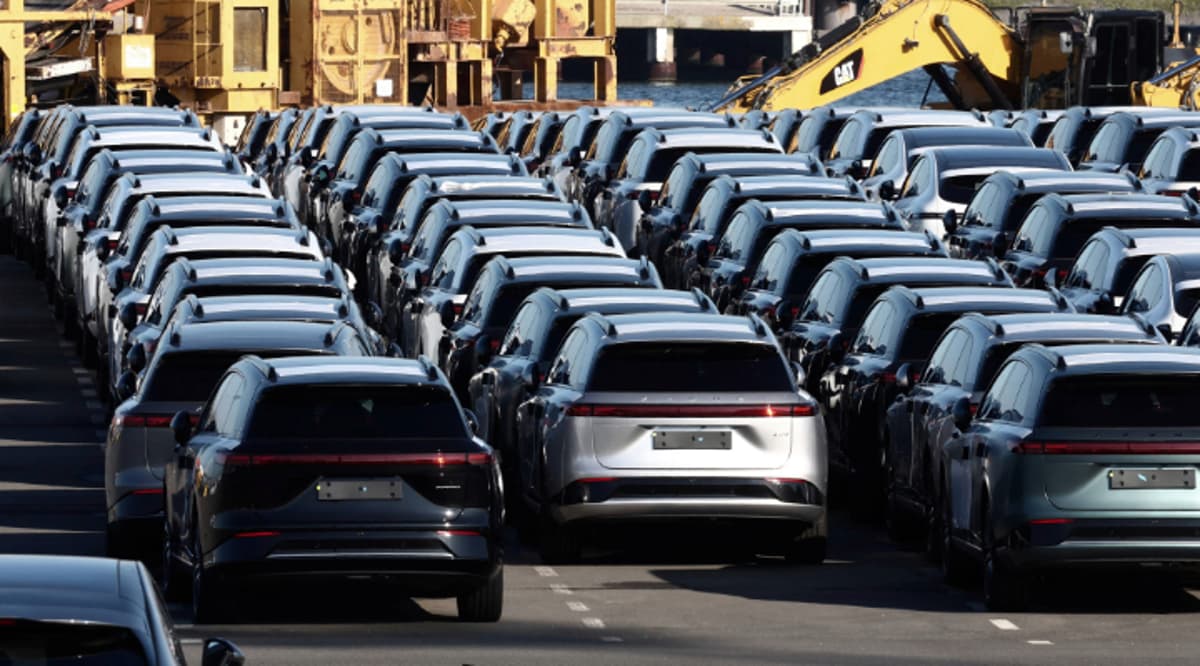
Can China’s EV Surge Conquer Overseas Markets?
China’s auto sector is turning a domestic sales slump into an export drive, aiming to sell surplus electric vehicles abroad as domestic demand fell 18% YoY in Q1. Exports rose 20% to 5.8 million cars in 2023 and are projected to...

Singapore Emerging as Neutral Ground as AI Firms Navigate Sino-US Rivalry
Singapore is rebranding itself as a neutral AI hub amid intensifying U.S.-China tech rivalry. Chinese startups such as Topview are relocating to sidestep government oversight, while U.S. firms seek talent without the friction of tightened H‑1B rules. The city‑state offers...

Asia Tightens Grip on Global Wealth as UHNWI Ranks Swell- #Wealth #AssetManagement #AssetFinance
Knight Frank's Wealth Report shows ultra‑high‑net‑worth individuals (UHNWIs) increased by 162,000 between 2021 and 2026, pushing the global total above 713,000. Asia‑Pacific now accounts for nearly 31% of the UHNW population, with China remaining the second‑largest wealth hub. India’s ultra‑wealthy...
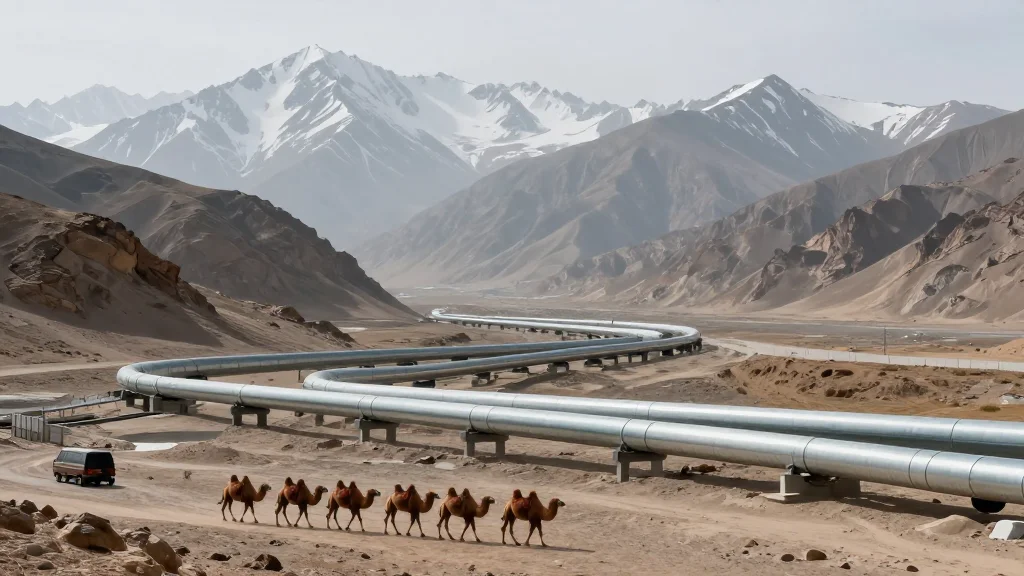
Examining Opportunities and Obstacles Facing Central Asia’s Quest to Reach Sea
A Capitol Hill forum hosted by the New Lines Institute highlighted the Silk Seven Plus (S7+) initiative, which envisions a Greater Central Asian economic community linking the Caspian Basin to the Arabian Sea. Experts stressed Afghanistan’s pivotal role as the...
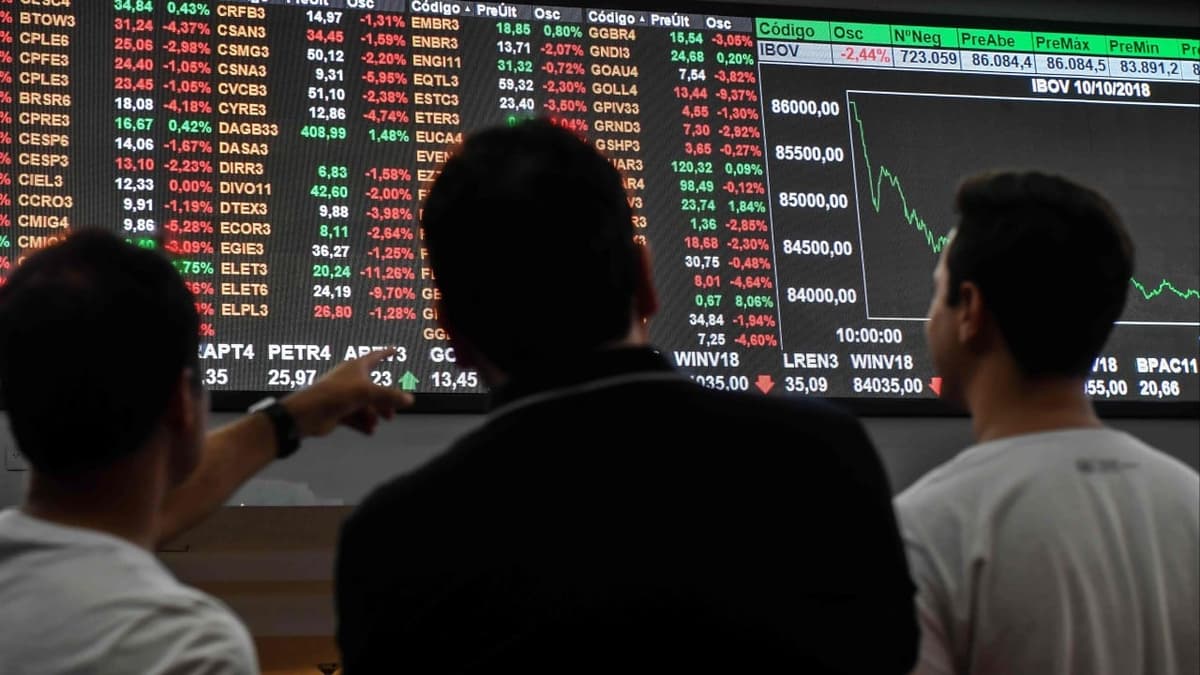
Brazil Beckoned: China Now Has Stock and Bond ‘Connect’ Schemes in These 5 Regions
China has launched its first emerging‑market bond‑connect with Brazil, linking Chinese investors to Brazilian sovereign debt and vice‑versa. The move expands China’s portfolio of offshore "connect" schemes, which already include Hong Kong, Singapore, the United Kingdom and Switzerland, covering both equity...

How a Nation Was Born: Lessons From Four Centuries of Brazilian Growth
A new CEPR paper reconstructs Brazil’s GDP per capita from 1574 to 1920 using 30,000 archival price and wage observations. The study finds Brazil enjoyed relatively high incomes in the late‑1500s, followed by two centuries of near‑zero growth despite commodity...

Commentary: Get Ready for Another Summer of Rage in Asia
Asia’s Gen Z faces a summer of economic strain as the Iran war drives up fuel, food and fertilizer prices, deepening already fragile job prospects. The price shock has sparked strikes in the Philippines, protests in India and Pakistan, and threatens...

AFC Plants East Africa Flag with Nairobi Regional Hub
Africa Finance Corporation (AFC) and the Kenyan government signed a Host Country Agreement to open AFC’s first regional office in Nairobi. The hub places AFC near a fast‑growing, capital‑rich market and leverages Nairobi’s logistics, finance and technology ecosystem. AFC aims...

How the Philippines Can Stay Out of Recession
The Philippines’ growth slowed to 4.4% in 2025 from 5.7% in 2024, while headline inflation rose to 4.1% in March 2026. The IMF still projects 5.6% growth in 2026, but policymakers must protect purchasing power, speed up public investment, keep...

EU Loan Throws Ukraine a Lifeline, but More Help Needed for War
The European Union approved a €90 bn (~$97 bn) loan for Ukraine, with half of the funds to be disbursed this year and the balance in 2027. The financing is split between roughly €17 bn per year for health, education and other public...
Beijing’s Emphasis on Security Weighing on US Firms’ Optimism: AmCham China
American firms in China applaud regulatory refinements and greater openness, yet persistent national‑security priorities curb optimism. AmCham China's 2026 white paper highlights incremental progress on foreign investment rules and cross‑border data governance, but warns that broad, evolving security definitions complicate...
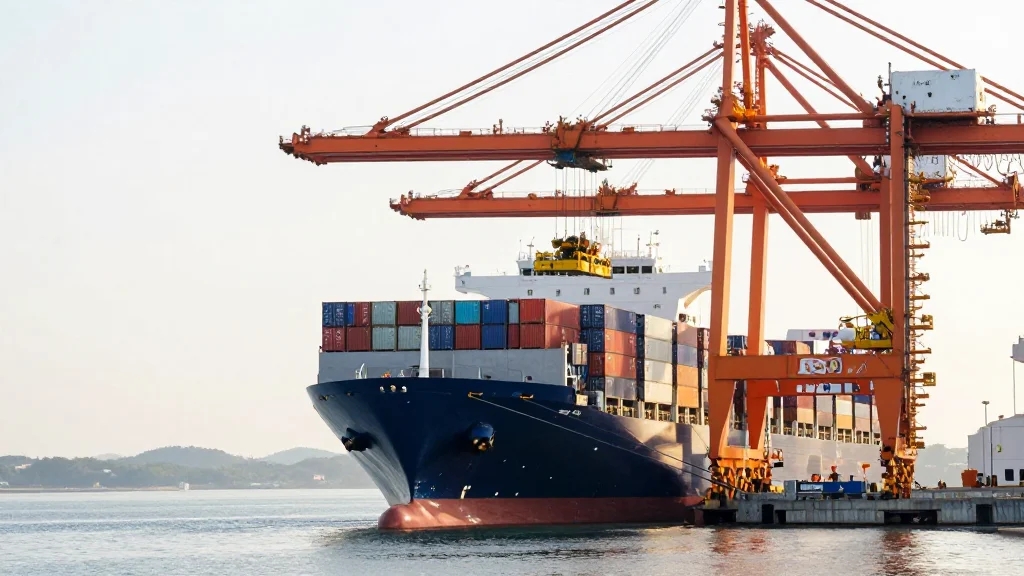
Hainan Was China’s Shopping Paradise. For Beijing That’s No Longer Enough.
Hainan, once celebrated as China’s premier duty‑free shopping destination, saw a sharp 29.3% drop in duty‑free spending in 2024. In response, Beijing announced a strategic pivot, turning the island into a testbed for broader tax incentives, tariff‑free access, and a...

RBI Sees Growth, Inflation Risks From Escalating US-Iran War
The Reserve Bank of India warned in its April 2026 bulletin that the escalating US‑Iran war poses a major downside risk to the global and domestic economy. Prolonged conflict could raise energy and input costs, disrupt trade flows and trigger...
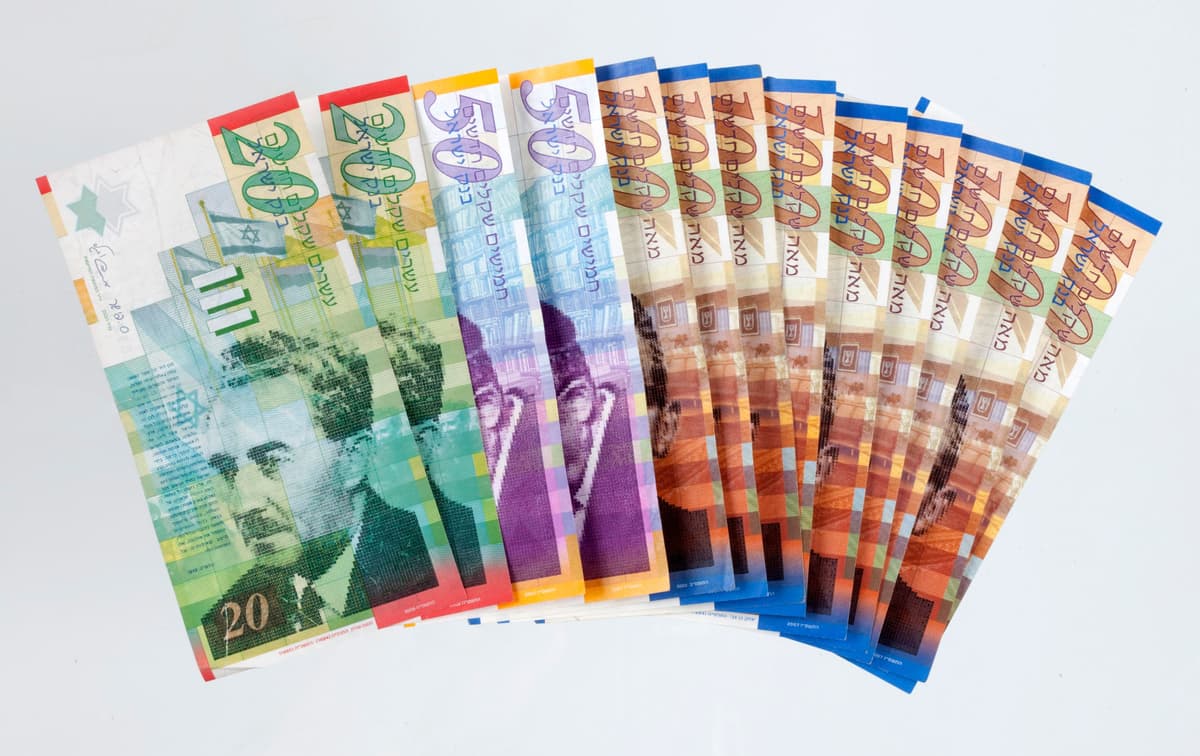
Why Israel’s Economy Is Thriving Now
Israel’s shekel has surged to below three per U.S. dollar, a level not seen since the mid‑1990s, reflecting heightened investor confidence amid regional conflict. The country’s defense and high‑tech sectors have attracted capital inflows after recent operations showcased Israeli weaponry....
West Asia Conflict, Supply Chain Disruptions May Create Challenges to Economy: RBI Bulletin
The Reserve Bank of India’s April bulletin warns that the ongoing West Asia conflict and related supply‑chain disruptions could pressure India’s economy through higher energy costs, rising input prices, and trade‑flow disturbances. While domestic activity remains broadly resilient, the bulletin...

US Navy Seizes Another Iranian Oil Tanker—After Iran Said It Banked First Tolls From Ships Crossing Hormuz
The U.S. Navy seized the stateless tanker M/T Majestic X in the Indian Ocean, accusing it of transporting Iranian oil. Iran announced that the first tranche of tolls collected from ships transiting the Strait of Hormuz has been deposited into its...
Amid Wartime Disruptions, Most Emerging-Market Central Banks Will Follow the Fed
The IMF’s April World Economic Outlook trimmed emerging‑market (EM) growth for 2026 to 3.9% from 4.2% and nudged inflation expectations up to 5.5%, while advanced economies remain near 1.8% growth. The Iran war has amplified energy‑price shocks and a volatile...
Europe’s Economic Emergency
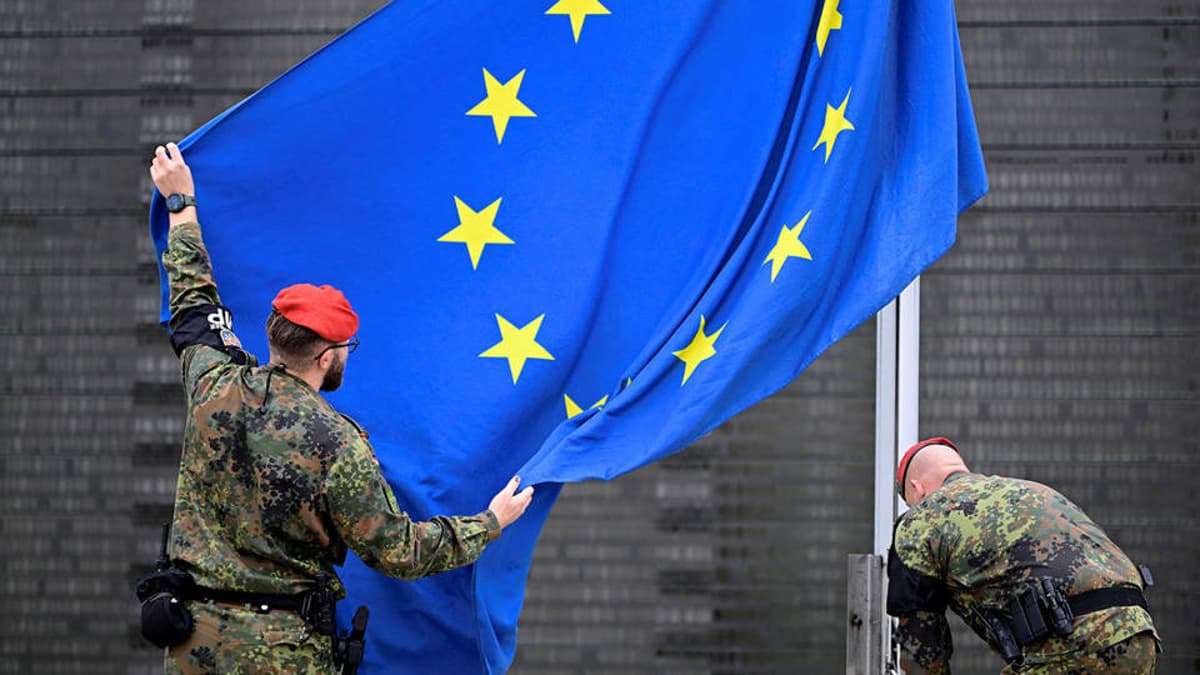
European leaders are urged to prioritize economic growth as the cornerstone of the bloc’s strategic autonomy. The article argues that a strong industrial and technological base is necessary for self‑defence in a volatile global environment. However, the EU’s agenda is...
West Asia Crisis: India, Qatar Discuss Ways to Boost Trade, Strengthen Supply Chains
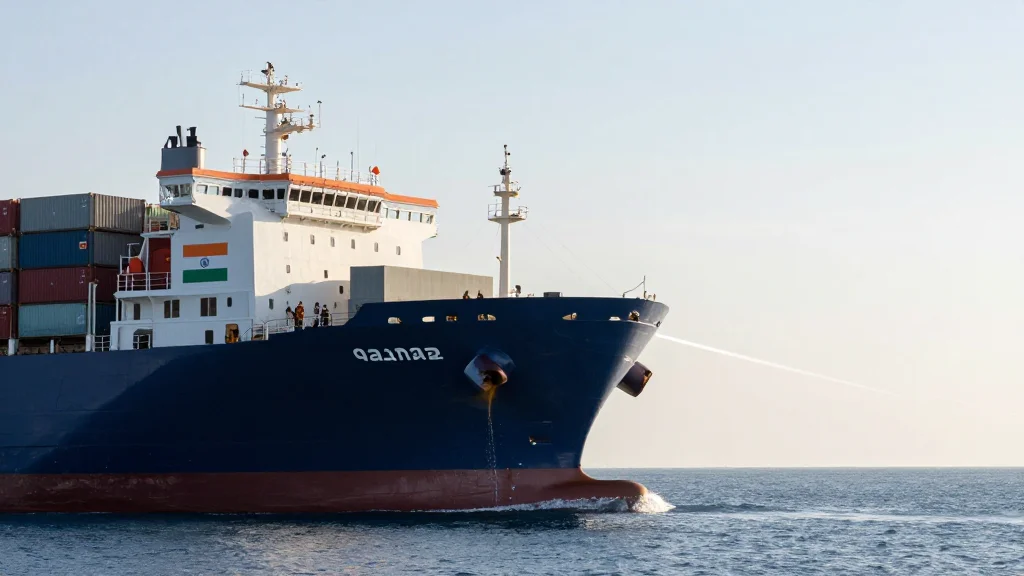
India and Qatar met virtually to explore ways to expand bilateral trade and shore up supply‑chain resilience amid disruptions caused by the West Asia crisis. Trade between the two nations stood at $14 billion in FY24‑25, with both sides targeting a...
MOSCOW BLOG: EU Unblocks Ukrainian Loan, Twentieth Sanctions Package, as Kyiv Builds a Robot Army
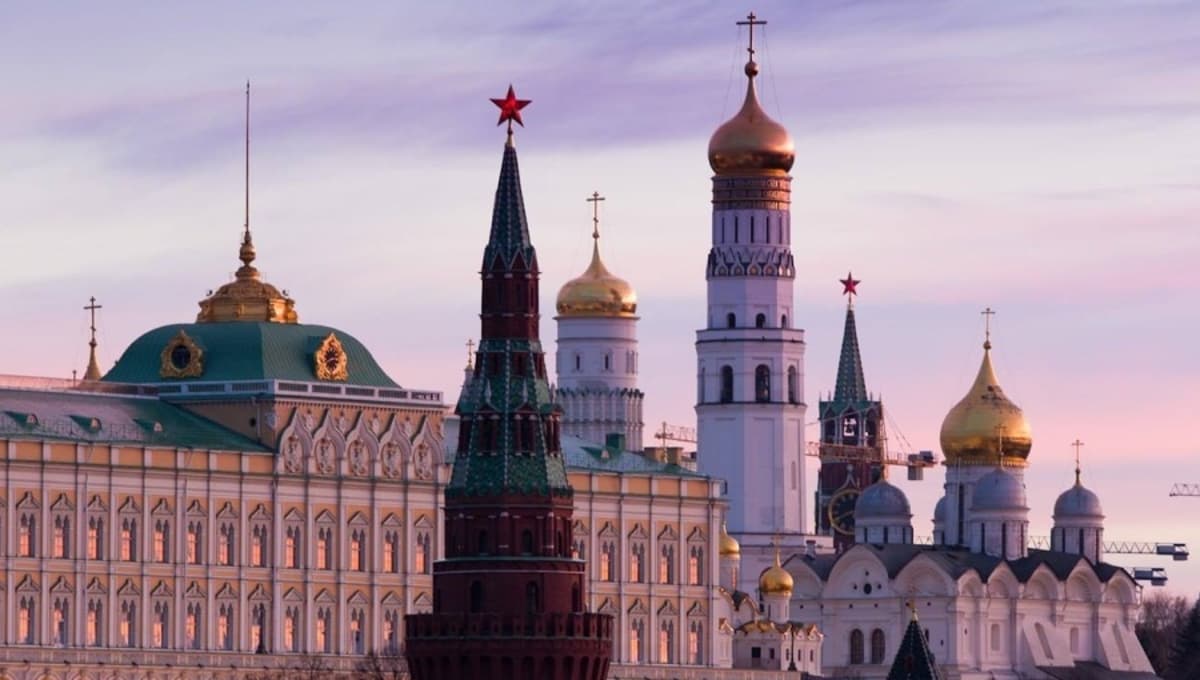
The European Union approved a €90 bn ($97 bn) loan for Ukraine, allocating roughly €45 bn ($48.6 bn) to defence this year and covering the first three quarters of 2025. At the same time the EU adopted its twentieth sanctions package against Russia, though...
Exiled Iranian Prince Calls on Germany’s Merz to Halt Talks with Regime in Tehran
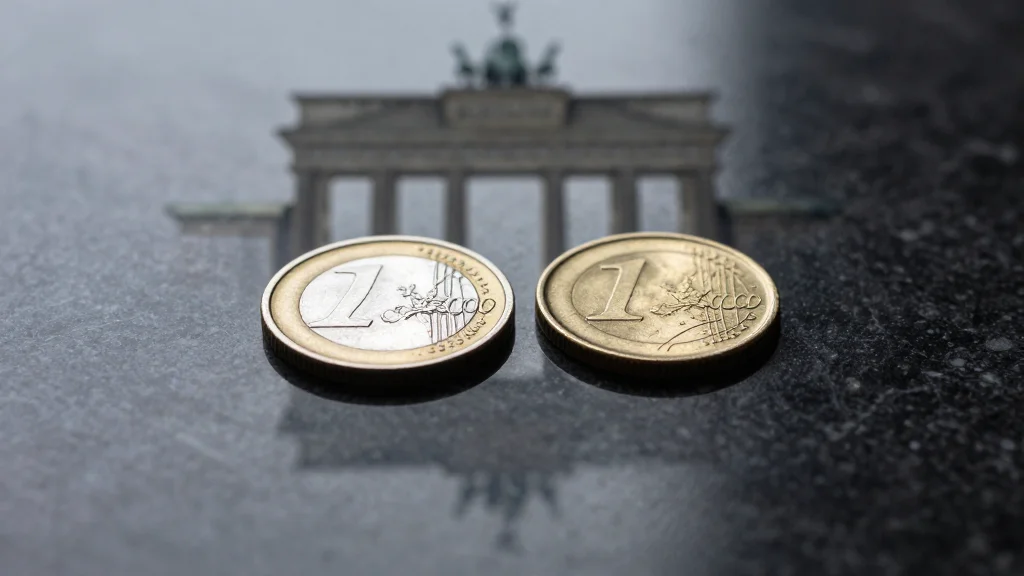
Exiled Iranian prince Reza Pahlavi urged German Chancellor Friedrich Merz to stop diplomatic talks with Tehran as European leaders prepare for a crisis summit in Cyprus focused on the Iran‑Israel war. Pahlavi criticized the EU’s status‑quo approach, calling for stronger...

Hungary: Crossroads Ahead
Hungary’s April 12 election ended Viktor Orbán’s 16‑year rule, ushering in Peter Magyar’s Tisza party. The new government inherits a stagnant economy but Fitch projects 2.3% GDP growth in 2026 and 2.6% in 2027, with inflation easing to 3.5%. Foreign...
Iran Says First Hormuz Toll Revenue Deposited at Central Bank
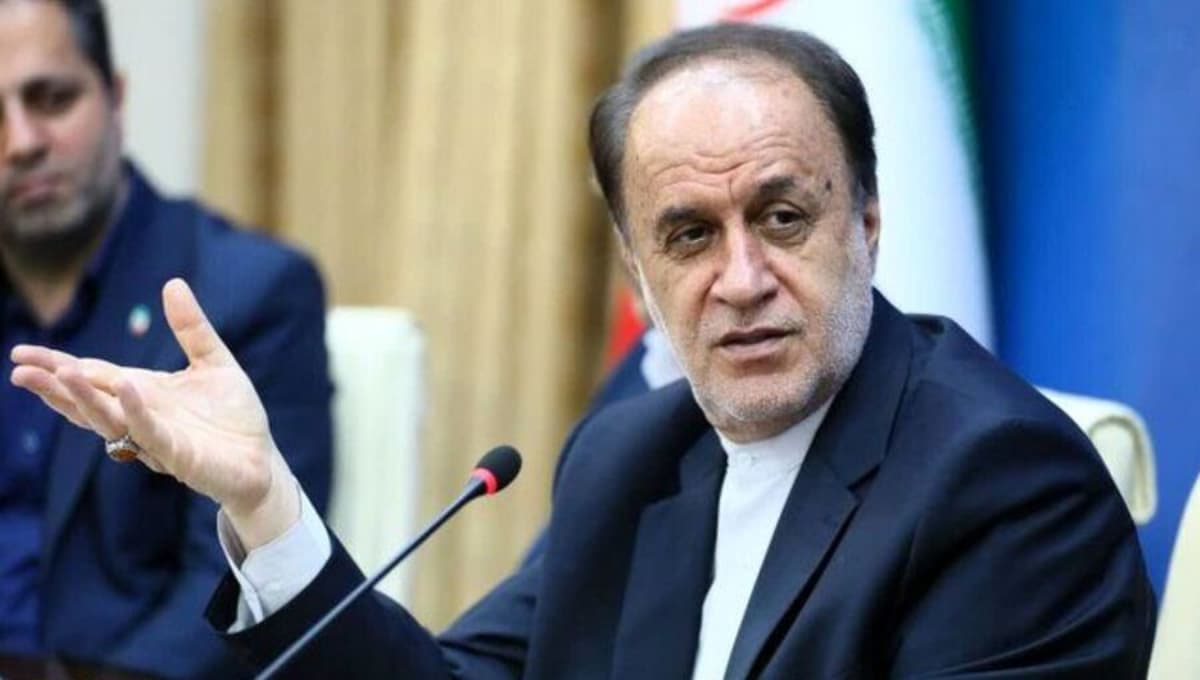
Iran announced that the first revenue from its newly imposed Strait of Hormuz tolls has been deposited into the Central Bank of Iran. The tolls charge up to $2 million per tanker and roughly $1 per barrel of oil, with two...
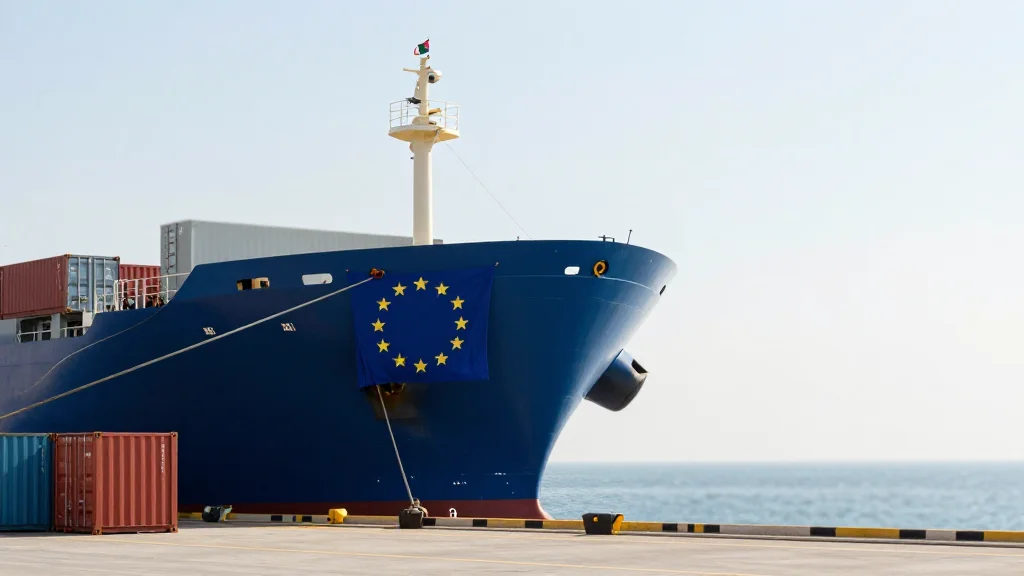
Bangladesh, EU Strike Deal on Trade, Investment, Sustainable Development
On 21 April the EU and Bangladesh signed a modern Partnership and Cooperation Agreement, the first such pact for any South Asian nation. The 82‑article deal covers political dialogue, trade, investment and strategic sectors such as energy, transport and agriculture, while...
Sergiy Nikolaychuk: Ukraine's Economic and Financial Sector Resilience
Sergiy Nikolaychuk highlighted Ukraine’s remarkable economic and financial resilience after five years of full‑scale war. Despite a 28.8% GDP contraction in 2022, the economy rebounded with 5.5% growth in 2023 and is projected to expand 1.8% in 2026, while inflation...
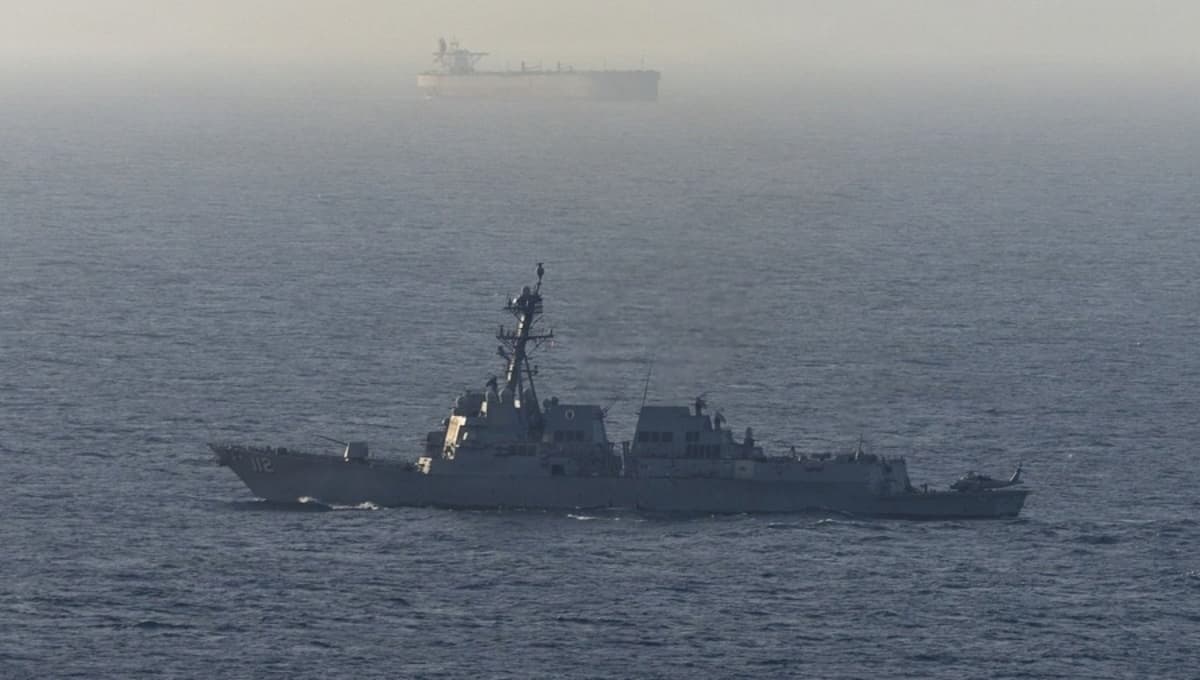
US Rejects Media Reports Claiming that Hormuz Blockade Was Breached
U.S. Central Command refuted media reports that Iranian‑linked tankers breached the U.S. naval blockade of the Strait of Hormuz. CENTCOM clarified that no vessels have entered or left Iranian ports since the blockade began, and only 31 ships were ordered...

Has the World Bank Performed a U-Turn on Industrial Policy?
The World Bank’s latest research paper suggests a marked shift toward endorsing selective industrial policies, a departure from its long‑standing free‑market orthodoxy. Historically, the Bank and IMF have conditioned assistance on liberal reforms, dismissing government‑directed winner‑taking as ineffective. The new...

How the Iran War Has Stoked Competition Between India and China for Russian Oil
India and China are now locked in a tight race for Russian crude, each securing roughly 1.6 million barrels per day in April. The competition intensified after Iranian attacks disrupted Gulf supplies and the U.S. renewed a waiver allowing sanctioned Russian...
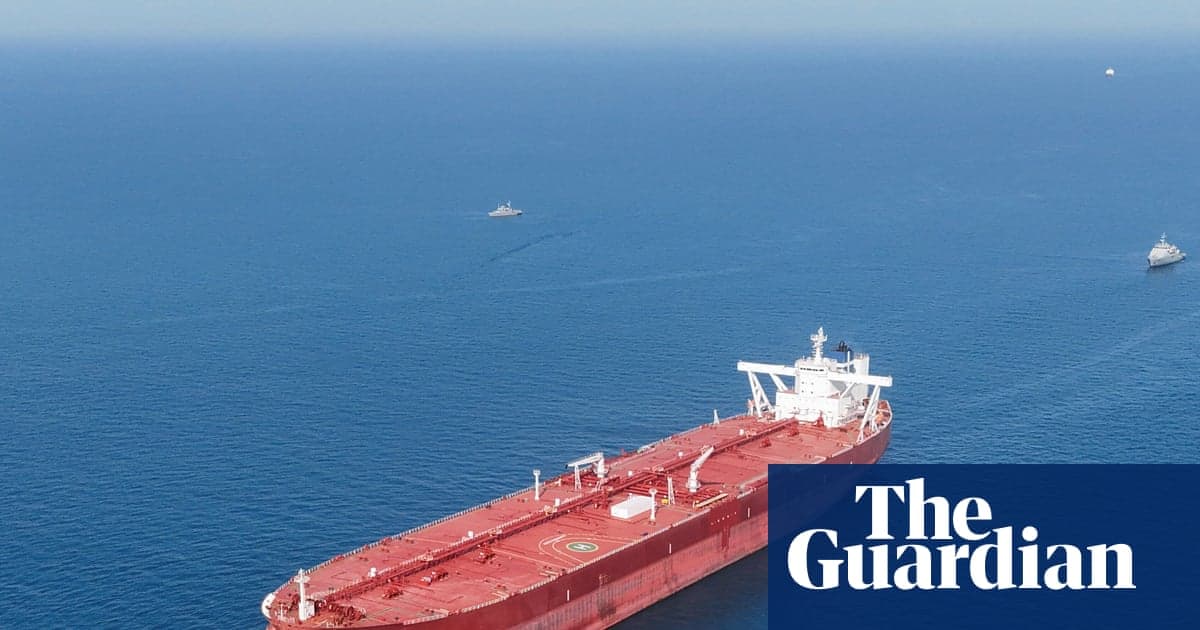
What Would a Permanent ‘Tehran’s Tollbooth’ on Oil Mean for the World?
Iran’s peace plan proposes a $2 million toll per tanker—about $1 per barrel—for ships transiting the Strait of Hormuz. The charge would add roughly $7 billion a year to global oil costs and could keep Brent crude near $100 per barrel through...

Iran War, Oil Shock Fail to Dent India’s Private Sector Growth as April PMI Rises
India’s private‑sector activity accelerated in April, with the HSBC flash Composite PMI climbing to 58.3 from 57.0 in March. Manufacturing led the rebound, posting a PMI of 55.9 and an output index of 59.1, while services modestly rose to a...
India 'Tough Nut to Crack', Says USTR Greer as Negotiators Wrap up Trade Talks Round
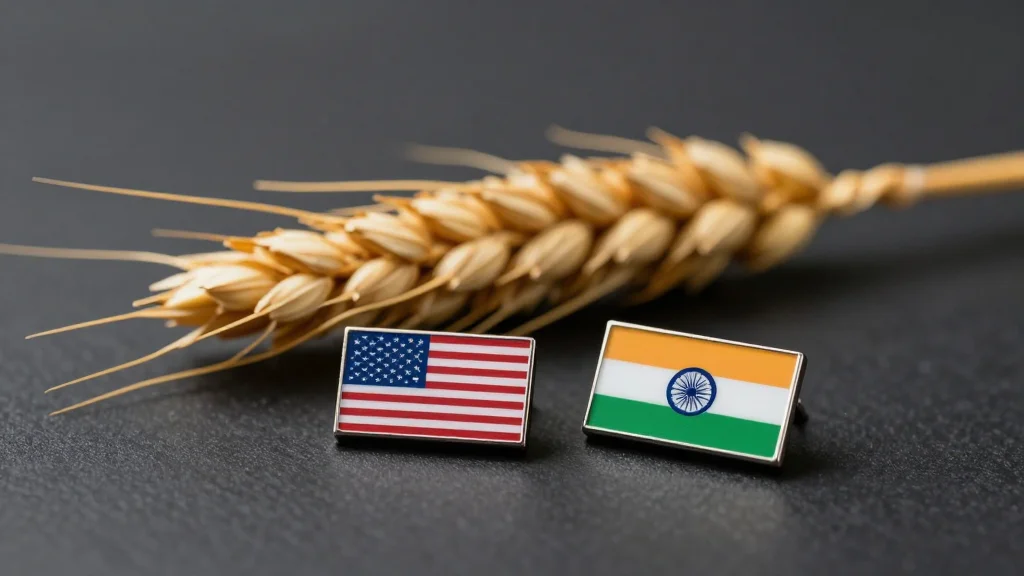
U.S. Trade Representative Jamieson Greer called India a “tough nut to crack” as New Delhi’s delegation wrapped up a three‑day round of talks on a bilateral trade pact. The negotiations focus on India’s long‑standing protection of its agricultural markets, with distillers...

Big Bet on Orban’s Exit Came From Center of His Family’s Empire
Equilor Asset Management, part‑owned by Viktor Orban’s son‑in‑law, built a heavy overweight in Hungarian government bonds and equities ahead of the April 12 election. The fund’s bet paid off when the opposition Tisza party won decisively, sending the BUX index to record...
India's Digital Currency Push Targets Its Leaky Welfare System
India’s Reserve Bank is piloting the e‑rupee, a central bank digital currency, to streamline its $80 billion welfare system. The program, run with the World Bank and state partners, targets sectors like farm subsidies and food rationing, with an estimated 10 million...

HSBC Downgrades India to 'Underweight' As Oil Shock Clouds Earnings Recovery
HSBC downgraded Indian equities to underweight from neutral, marking its second downgrade in less than a month. The move follows a 42% surge in Brent crude since February, with prices now above $100 a barrel, heightening inflation and growth risks...
Sensex, Nifty to Open Lower as Crude Prices Top $100 on Iran War Uncertainty
India’s equity benchmarks are set to open lower on Thursday as Brent crude breached $102 a barrel following Iran’s seizure of two tankers in the Strait of Hormuz. HSBC downgraded Indian equities to underweight, warning that the country’s heavy reliance...
Oil Prices up Amid Stalemate over Next Round of Peace Talks, Continued Blockade of Strait of Hormuz
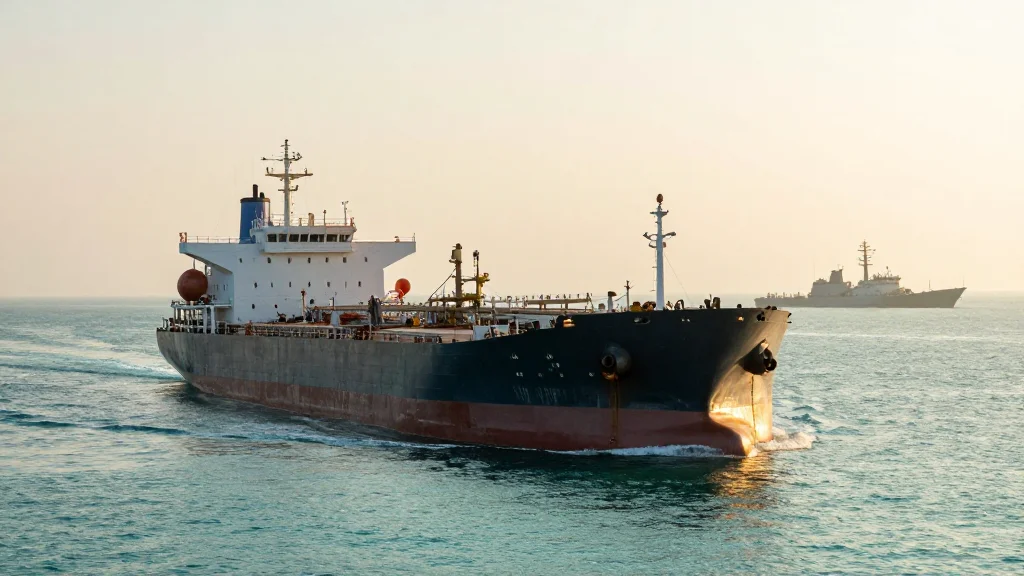
Oil prices edged higher on Thursday as the United States and Iran maintained naval blockades of the Strait of Hormuz, keeping roughly one‑fifth of global oil supplies disrupted. Brent settled at $102.40 a barrel and WTI at $93.51, reflecting a...
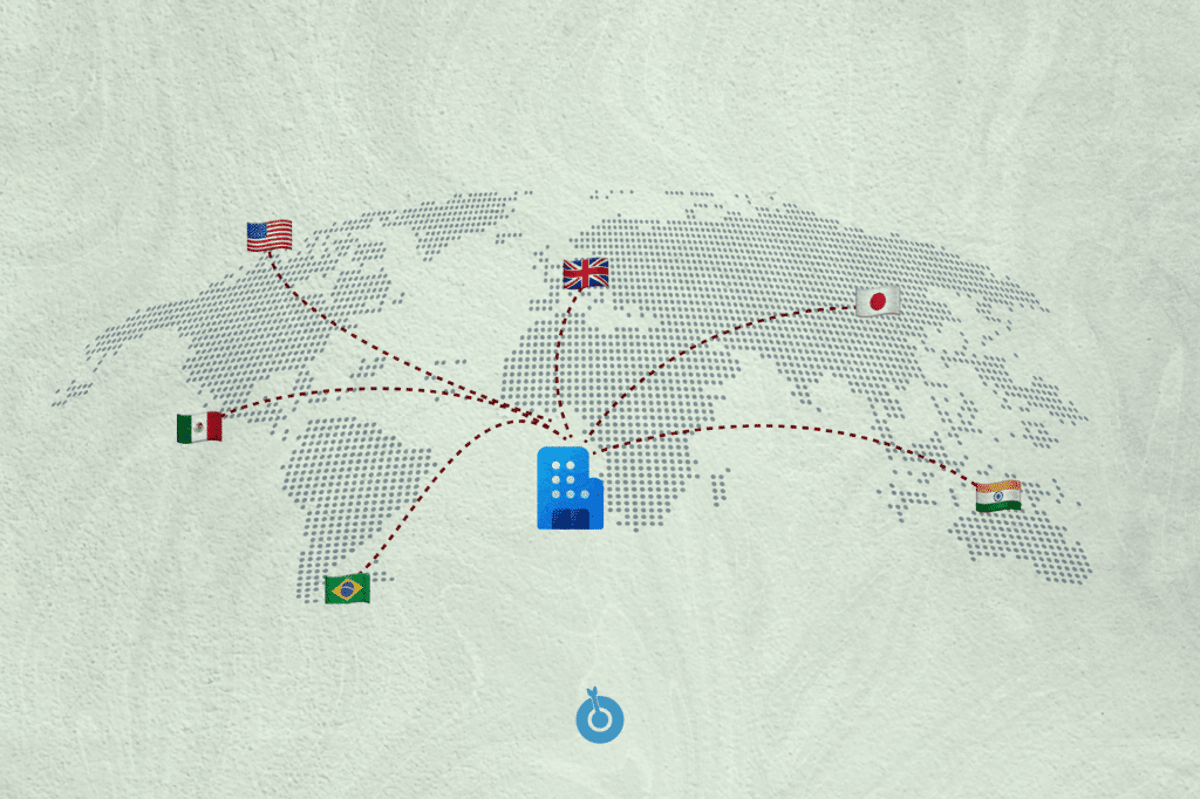
How Digital Special Economic Zones Could Unlock Africa for Global Tech Companies
Digital Special Economic Zones (DSEZs) are emerging across Africa as cloud‑based jurisdictions that let global tech firms set up legal entities without a physical office. Itana, a leading DSEZ provider, explains how the model streamlines incorporation, compliance, talent access, and...
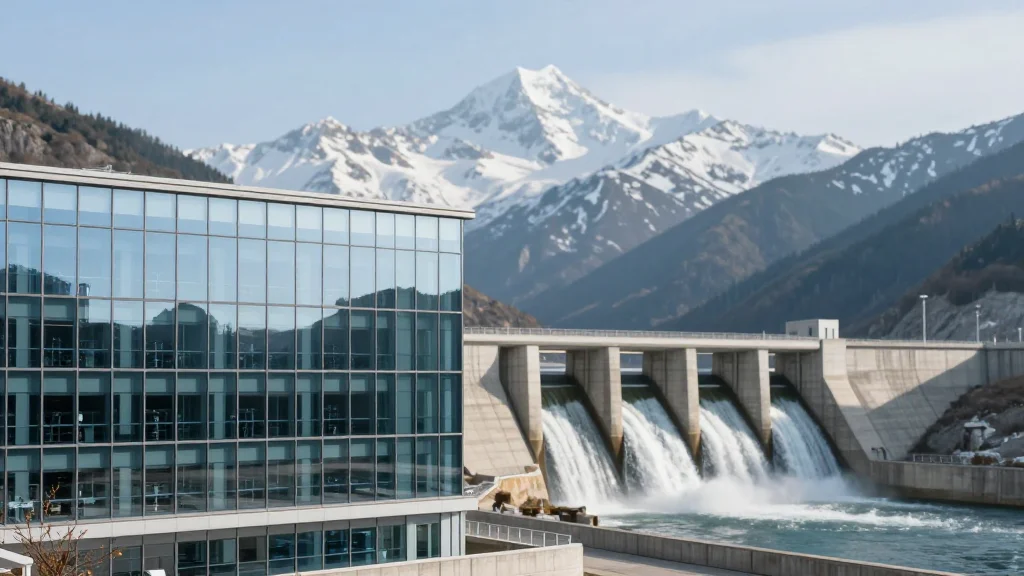
Central Asia in Race to Close Power-Generation Gap – Report
Central Asian nations are racing to close a growing electricity gap as they launch AI hubs and data centers, but current generation capacity—still dominated by aging hydropower—cannot meet the surge in demand. The New Lines Institute report warns that population...
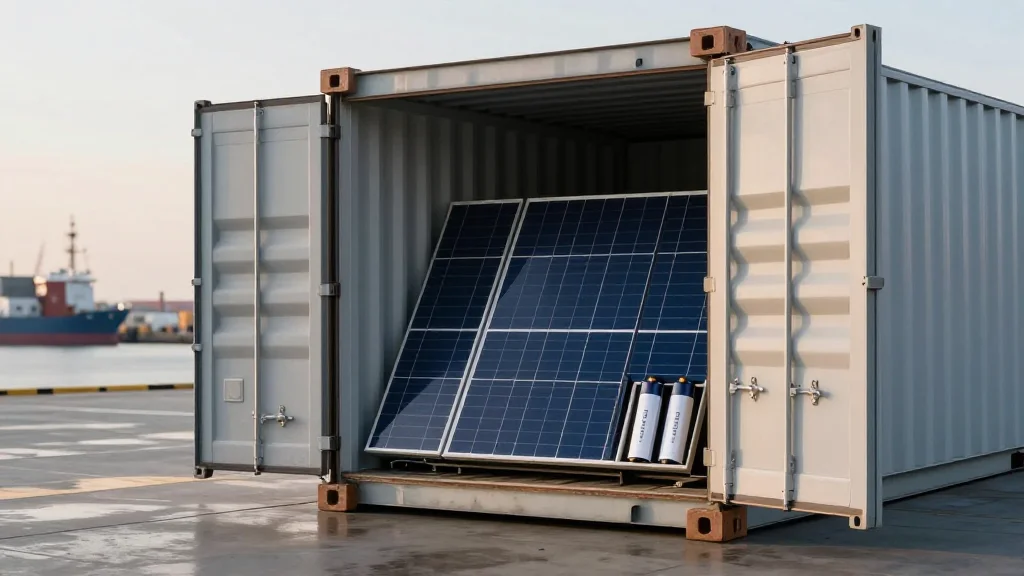
Study: Iran War Accelerating China's Solar and Battery Export Boom
China's exports of solar and battery components surged dramatically in March, reaching a record 68 GW of solar capacity—double February's level. The spike was driven by higher oil and gas prices caused by the Iran war, prompting worldwide demand for clean‑energy...
Hormuz Standoff the 'Largest Supply Shock' Ever Experienced, Says Global Energy Expert
Traffic through the Strait of Hormuz has virtually stopped after U.S. and Israeli strikes on Iran, cutting off roughly 20% of the world’s petrochemical flow. Karen Young of Columbia University estimates that about 600 million barrels of oil have been stranded...
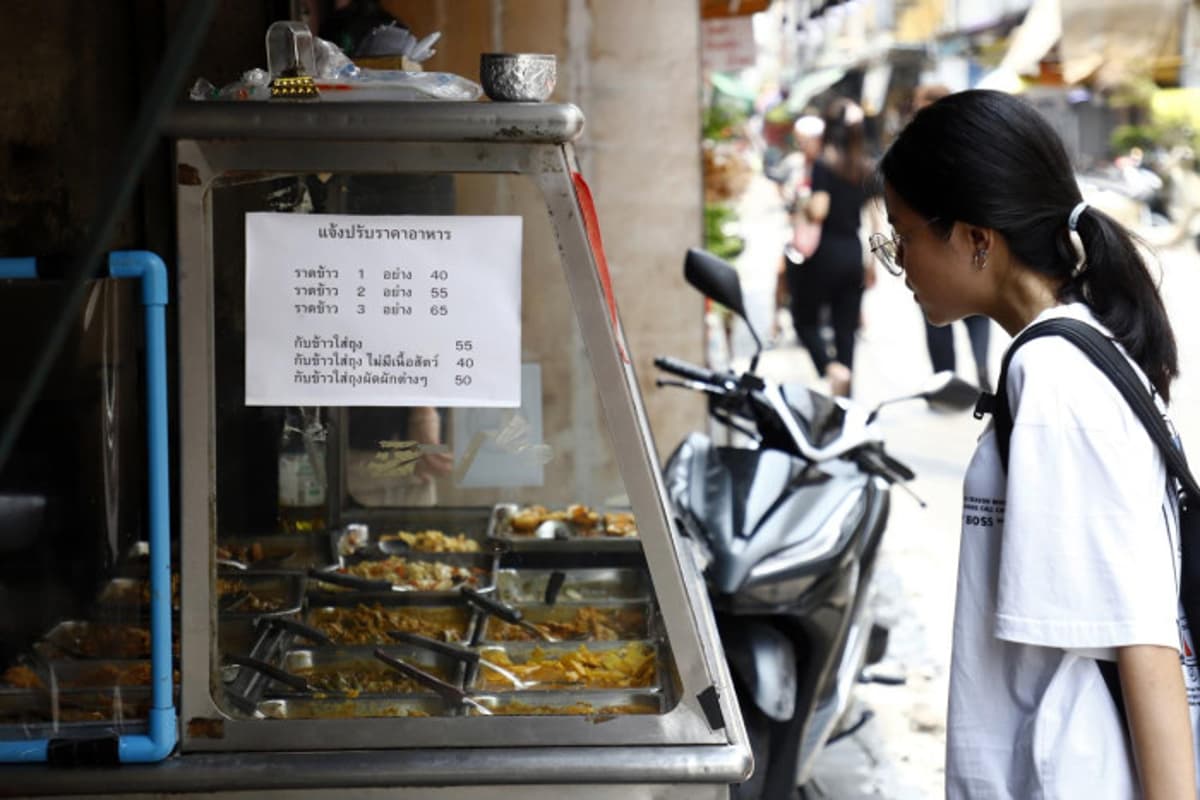
Thailand Exposed to Widening War Impact
Thailand’s economy is increasingly vulnerable as the Middle East conflict drives up oil prices, prompting the IMF to lower its 2026 growth forecast to 1.5%. The country imports about 52% of its energy from the region, amplifying exposure to price...

What Orbán’s Defeat in Hungary Means for the Western Balkans
Viktor Orbán’s surprise defeat on April 12 ends a 16‑year era in which Hungary acted as the Balkans’ chief patron of illiberal regimes. Under Orbán, Budapest funneled roughly $1.6 billion in foreign direct investment into the region, backing Serbia’s President Aleksandar Vučić, Chinese‑financed...
Asia Centric: Singapore Bets Big on AI, Equity Market Reforms
Singapore is committing S$1 billion (about $740 million) to public AI research, while upgrading critical assets such as Changi Airport and striking a partnership with Nasdaq to overhaul its equity market. The initiative seeks to counter rising protectionism and keep the city‑state...
In Renegotiating the USMCA, Mexico Should neither Rush nor Stall
The United States‑Mexico‑Canada Agreement (USMCA) entered its mandatory review on March 16, prompting Mexico to weigh three strategic paths: pursue ambitious tariff protections and deeper supply‑chain ties, settle for the status quo, or accept a rushed deal that could harm its...

Bessent Says 'Many' U.S. Allies Have Asked for Currency Swaps Amid Iran War Turbulence
U.S. Treasury Secretary Scott Bessent told a Senate appropriations hearing that many Gulf allies, including the United Arab Emirates, have asked for dollar‑denominated currency swap lines to offset the economic shock from the Iran‑U.S. conflict. A swap line would provide...

The Security Imperative of India’s Clean Energy Transition
India’s reliance on Middle‑East fossil fuels has been starkly exposed by the recent Strait of Hormuz closure, which cut off roughly half of its crude oil and over 60% of LNG imports. The shock drove LPG shortages that cost the...