Today's Longevity Pulse

Retro Biosciences valued at $1.8B after latest fundraising round
Longevity startup Retro Biosciences announced a new fundraising round that places its valuation at $1.8 billion. The round is backed by OpenAI CEO Sam Altman and supports the company’s goal to add ten healthy years to human life through gene and cell‑replacement therapies. Retro is also launching its first clinical trial of a pill designed to clear protein aggregates in Alzheimer’s patients.

Exercise Reverses Muscle Aging via Mitochondrial Remodeling, Study Finds
Researchers led by David J. Glass published a study demonstrating that habitual exercise remodels skeletal‑muscle mitochondria, reversing age‑related functional decline in both mice and humans. The work, which examined 30 human muscle biopsies and multiple mouse models, highlights mitochondrial plasticity as a therapeutic lever for healthy aging.

Longevity Depends on Movement, Whole Foods, Purpose, Connection
The research on longevity is surprisingly consistent. The longest-lived people on earth share 4 things: They move naturally throughout the day, eat mostly whole food, have strong social ties, and experience a sense of purpose. Not supplements. Not biohacking. Not optimized sleep scores. Purpose...

Mediterranean Diet Cuts 10‑Year Heart Disease Risk by 47%, Study Finds
Researchers from Harokopio University reported that Greeks who closely followed a Mediterranean diet were 47% less likely to develop cardiovascular disease over a decade. The findings, presented at the American College of Cardiology’s 64th Scientific Session, bolster existing dietary recommendations...
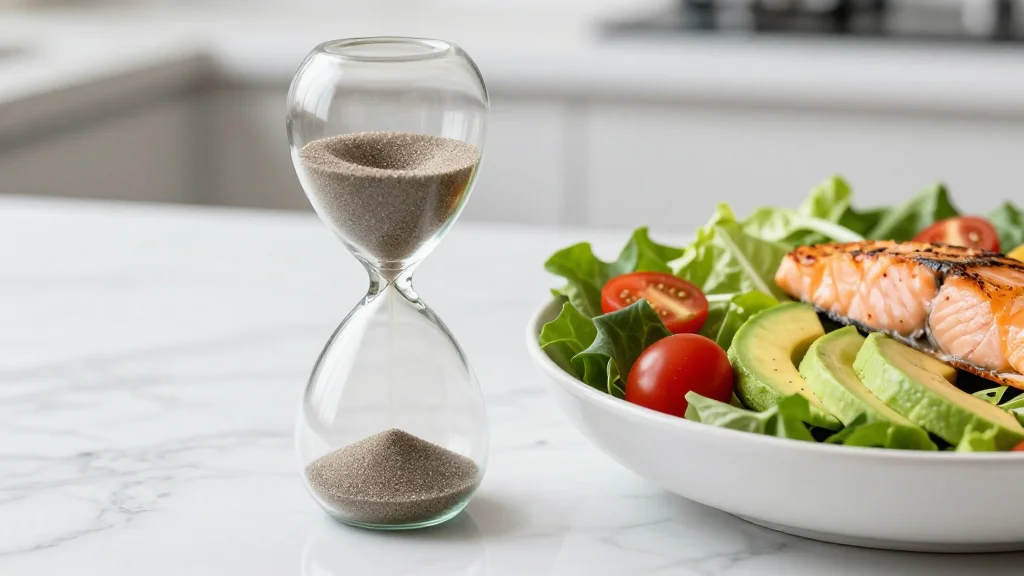
2026 Meta‑Analysis Shows Time‑Restricted Eating Cuts Weight and Improves Metabolism
Researchers released a 2026 network meta‑analysis confirming that time‑restricted eating (TRE) in 8‑10‑hour windows leads to modest weight loss, lower systolic blood pressure and improved lipid profiles. The study also flags potential heart‑risk signals for windows under eight hours, sparking...

Neko Delivers Affordable, Instant Preventive Health Checks
We need to all work hard to live as long as possible, and in good health. I’ve met many companies trying to support this mission. One stands out, that those in the US haven’t experienced yet. I was blown away by...

Exclusive eBook: Inside the Stealthy Startup that Pitched Brainless Human Clones
MIT Technology Review released a subscriber‑only eBook exposing R3 Bio, a stealth biotech startup that pitches "brainless clones"—human bodies without brains—to serve as backup vessels for longevity seekers. The company envisions these clones as disposable shells that could host a...

The Five Laws of Mitochondrial Health
The piece presents five philosophical laws for mitochondrial health, urging readers to start with mitochondria, put food before pharmaceuticals, avoid technology that replaces natural exposures, recognize personal needs, and adapt as those needs shift. It argues that cellular energy output...

High Altitude Populations Exhibit Features of Accelerated Immune Aging
Researchers examined immune cells in Tibetan plateau residents living at 3,600‑5,000 meters and found hallmarks of accelerated immune aging. Compared with low‑altitude groups, high‑altitude populations displayed higher chronic inflammation, increased neutrophil fractions, and enrichment of exhausted T cells and age‑associated...

Synthetic Biologist Reza Kalhor Receives $250,000 President's Innovation Award
Synthetic biologist Reza Kalhor received the $250,000 President’s Innovation Award at Johns Hopkins University, recognizing his work on genomic recording technologies that capture biological events in DNA. His approach enables scientists to trace how early‑life signals contribute to diseases such...
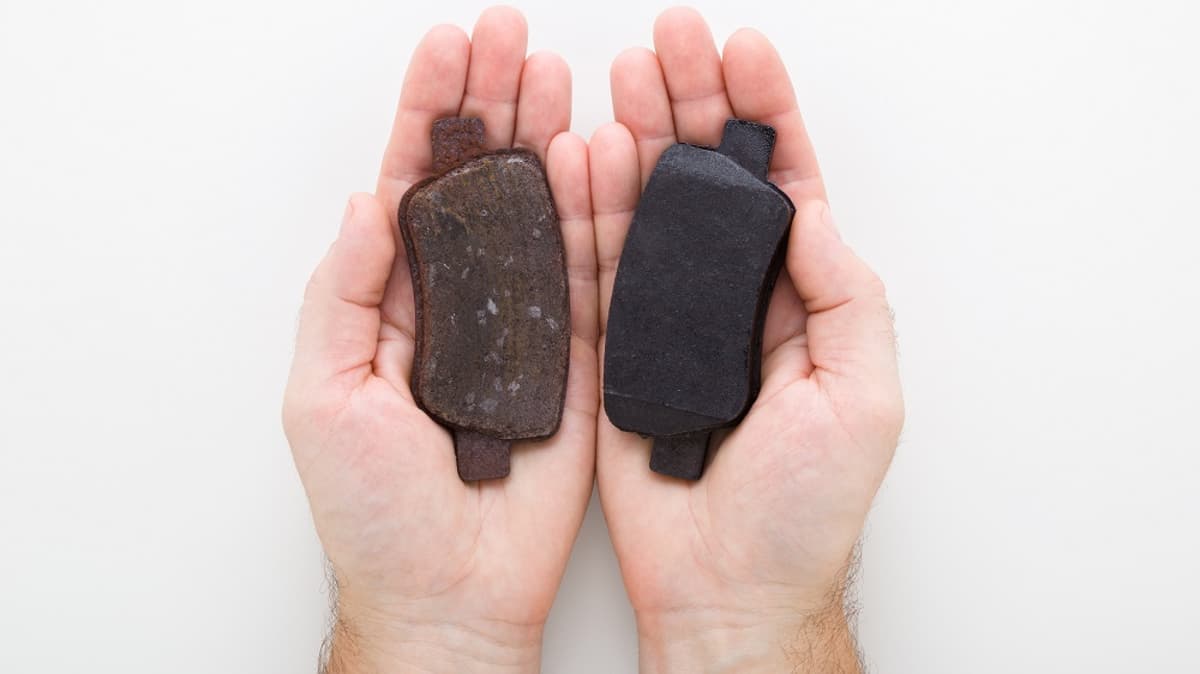
Some Researchers Choose Replacement Over Repair in Aging
A new perspective in Aging Cell argues that replacing cells, tissues, or organs may be more feasible than repairing aged biology. It outlines biological and synthetic replacement strategies, from stem‑cell injections to bioprinted kidneys, and highlights a workshop that identified...
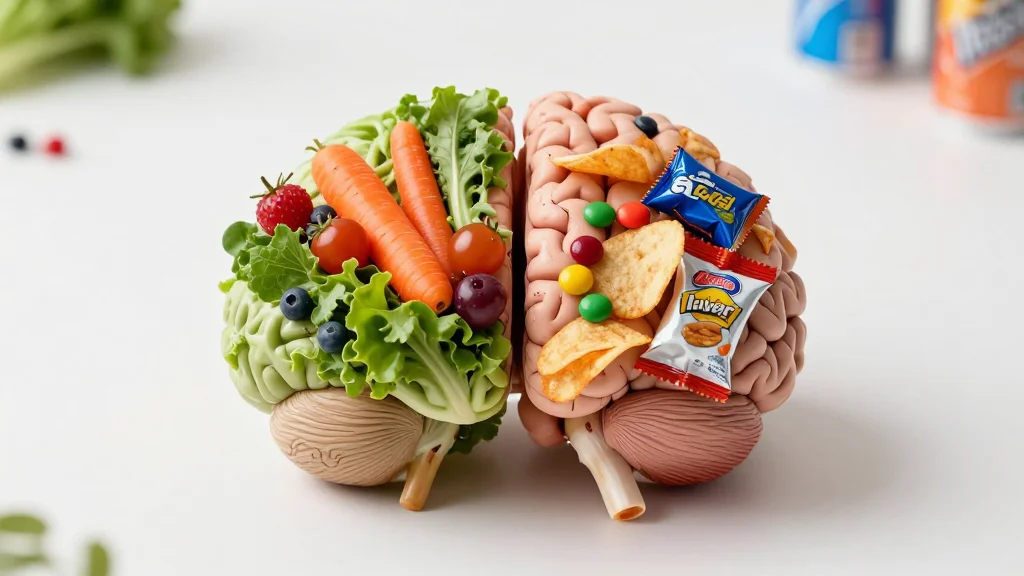
Study Finds Ultra‑Processed Foods Cut Attention Scores, Raising Biohacking Concerns
Researchers at Monash University analyzed data from 2,192 Australians and found that each 10% rise in ultra‑processed food consumption shaved 0.05 points off attention test scores. The findings suggest diet quality directly impairs cognitive performance, a key metric for nutrition‑focused...

Age Can't Be Stopped, But Slowing Down Can Be
Getting older is not optional. But getting slower is. Power declines faster than strength with age. The fast-twitch fibers go first and athleticism follows. Most people accept it as inevitable and stop training the one thing that could slow it down....

A Scientist Says Humans Were Meant to Live So Much Longer—Then the Dinosaurs Ruined It
University of Birmingham microbiologist João Pedro de Magalhães proposes the "longevity bottleneck hypothesis," arguing that 100 million years of dinosaur dominance forced early mammals to prioritize rapid reproduction over long life. This evolutionary pressure, he suggests, deactivated or eliminated genes and enzymes that support...

How Longevity Is Becoming The Wellness Industry’s New Gold Rush
Longevity is reshaping the $6 trillion wellness economy, with the segment projected to reach $610 billion by 2026. Brands are moving from short‑term anti‑aging messaging to preventive, long‑term health optimization, positioning products as investments in a healthier future self. The biohacking market,...
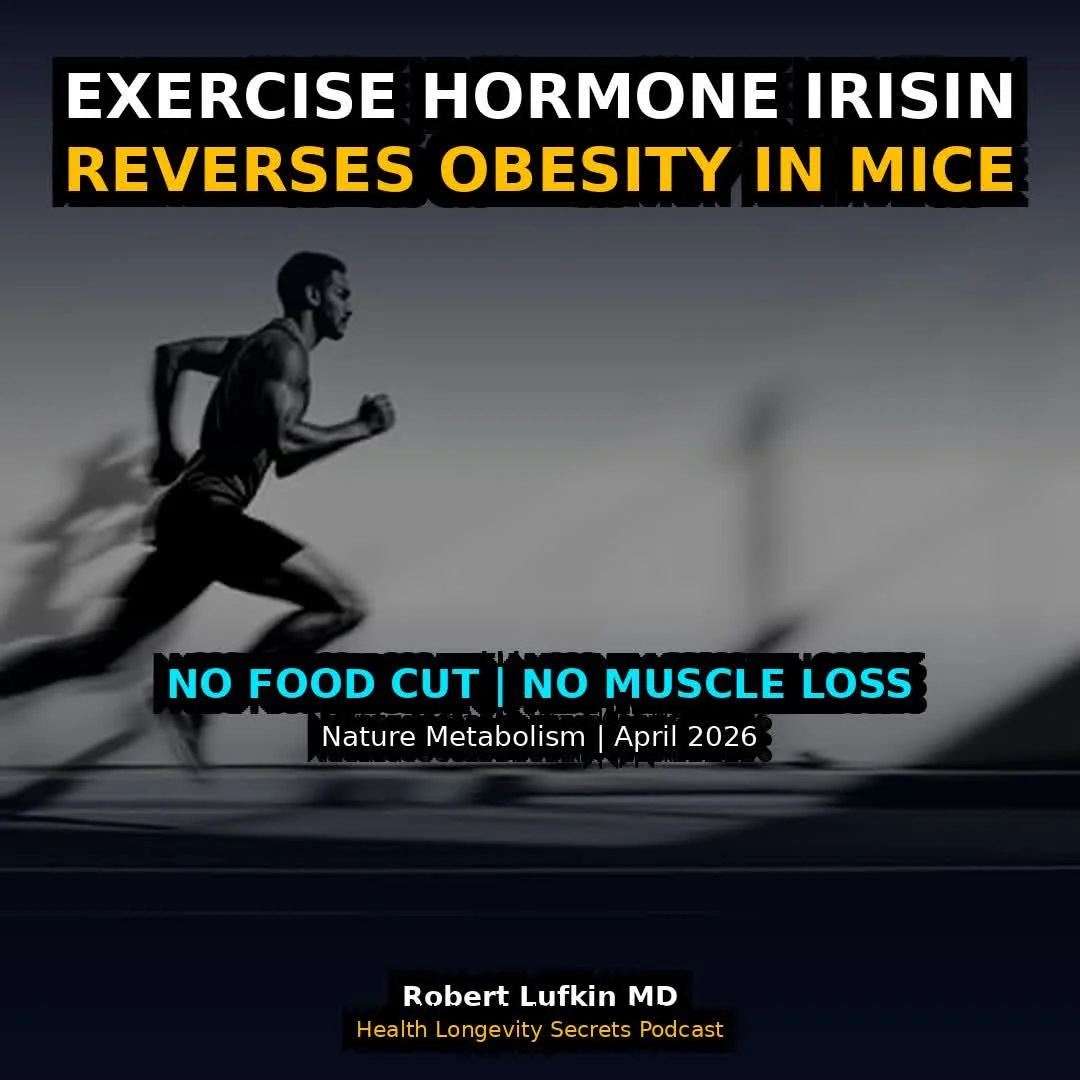
Irisin Hormone Reverses Obesity and Insulin Resistance
Irisin, a hormone released by muscle during exercise, reverses obesity and insulin resistance in mice -- without cutting food intake or causing muscle loss. As a medical school professor, I find this striking. We have spent a decade asking how to...

Key Factors That Truly Impact Aging After 40
I’m a bioscientist studying aging. 🧬 If you’re 40+, this is what actually matters ↓

Wearable Sweat Patch Detects Six Vitamins in Real Time, Hits 0.33 nM Sensitivity
Researchers have unveiled a flexible skin patch that measures six essential vitamins in sweat, achieving detection limits as low as 0.33 nanomolar for folic acid. Published in Nature Communications, the study demonstrates real‑time, non‑invasive micronutrient monitoring that could reshape personalized nutrition.

Normal Bloodwork ≠ Healthy: Most Adults Have Hidden Metabolic Risk
Lie I was taught in medical school: if a patient's standard bloodwork is normal, they're healthy. Reality: only about 7% of American adults are metabolically healthy. The other 93% pass routine labs while quietly drifting toward heart attacks, strokes, dementia, and...

The Independent Outlines Five Longevity Secrets Ahead of Sir David Attenborough's 100th Birthday
The Independent published a feature that lists five longevity secrets in honor of Sir David Attenborough's upcoming 100th birthday. The piece draws on insights from GP Dr Mohammed Enayat of the HUM2N clinic, framing the advice as a roadmap for...
Clinical Trial Finds Rapamycin Undermines Exercise Gains in Older Adults
Researchers led by Brad Stanfield reported that a 13‑week, randomized trial of 40 sedentary older adults in New Zealand found rapamycin blunted the physical benefits of a modest home‑exercise program. Participants taking the drug showed weaker strength, more fatigue and...

EXPLAINER: Medicine's Forgotten Biomarker - The Homocysteine Story Your Doctor Missed
In this episode Dr. Robert Lufkin explains why homocysteine, an amino‑acid by‑product of methionine metabolism, is a powerful but overlooked risk factor for heart disease, stroke, and dementia. He reviews the biological mechanisms by which elevated homocysteine damages arterial endothelium...
The Truth About Taking Testosterone
BBC's Morning Live aired a segment on testosterone, where Dr. Xand explained the hormone’s role, potential therapeutic uses, and who might benefit. He clarified that testosterone is not a universal anti‑aging solution and highlighted that prescribing is tightly regulated, especially...
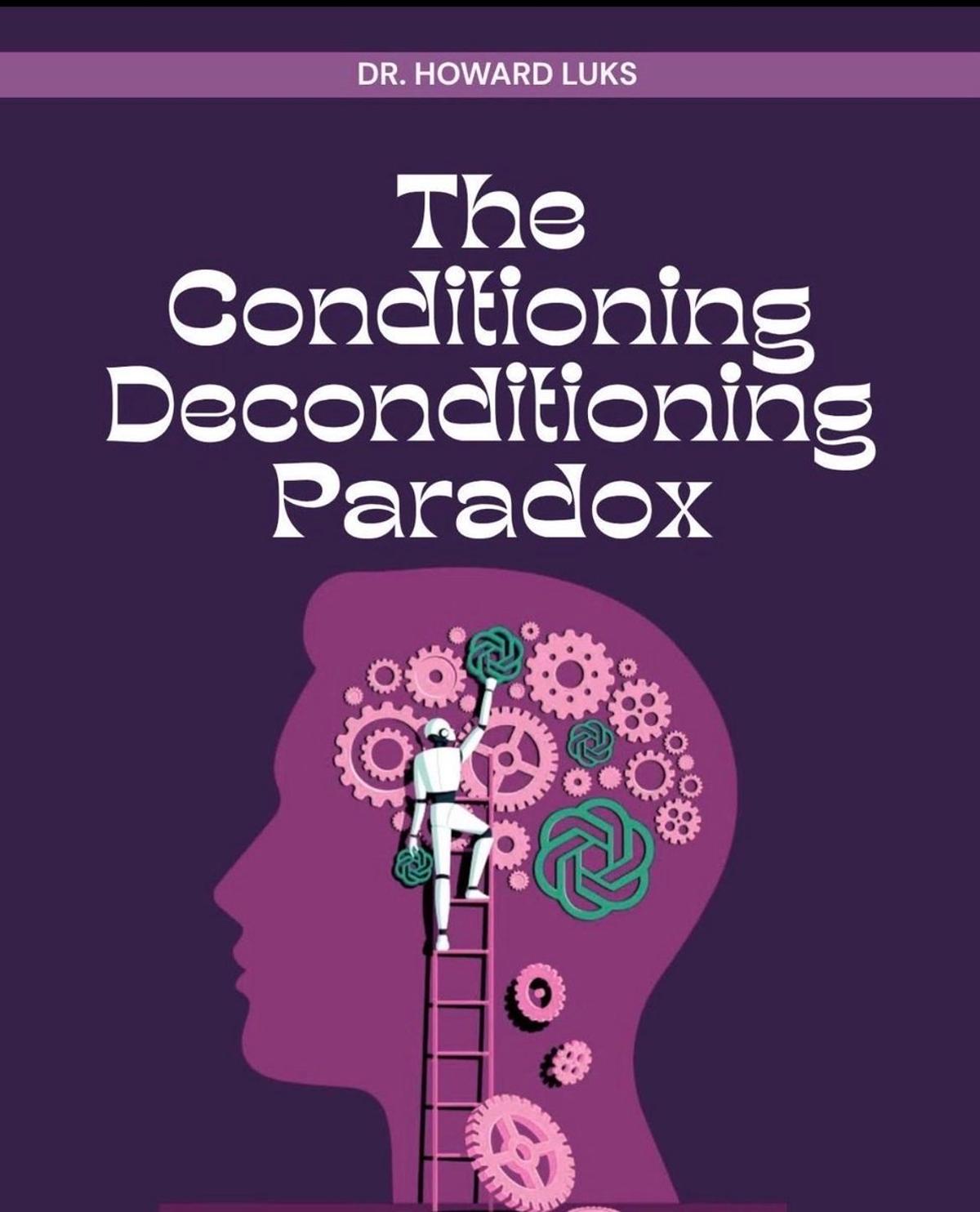
Consistent Training Outweighs Intensity for Lasting Fitness
Age-related muscle loss (sarcopenia), reduced circulation, and reduced tissue repair capacity all contribute to slower recovery. Unless training… muscle mass continues to decline with age, and deconditioning following injuries or illness can happen quickly. This creates a cruel paradox: It takes...
Exercise‑Triggered Liver Enzyme GPL‑D1 Restores Brain Barrier and Memory in Aging Mice
UCSF scientists led by Dr. Saul Villeda demonstrated that the liver enzyme GPLD1, released during physical activity, repairs age‑related leaks in the blood‑brain barrier and restores memory in older mice. The finding links exercise to a concrete molecular pathway, offering...

A Combination Treatment Is Claimed to Produce Sizable Life Extension in Aged Mice
Seragon funded a pre‑clinical trial of SRN‑901, a proprietary oral cocktail that blends urolithin A, quercetin, nicotinamide riboside, alpha‑lipoic acid and the company’s SRN‑820. In 18‑month‑old mice on a Western diet, the regimen extended median remaining lifespan by 33% and cut...
What We Might Learn From the Immune Systems of Centenarians
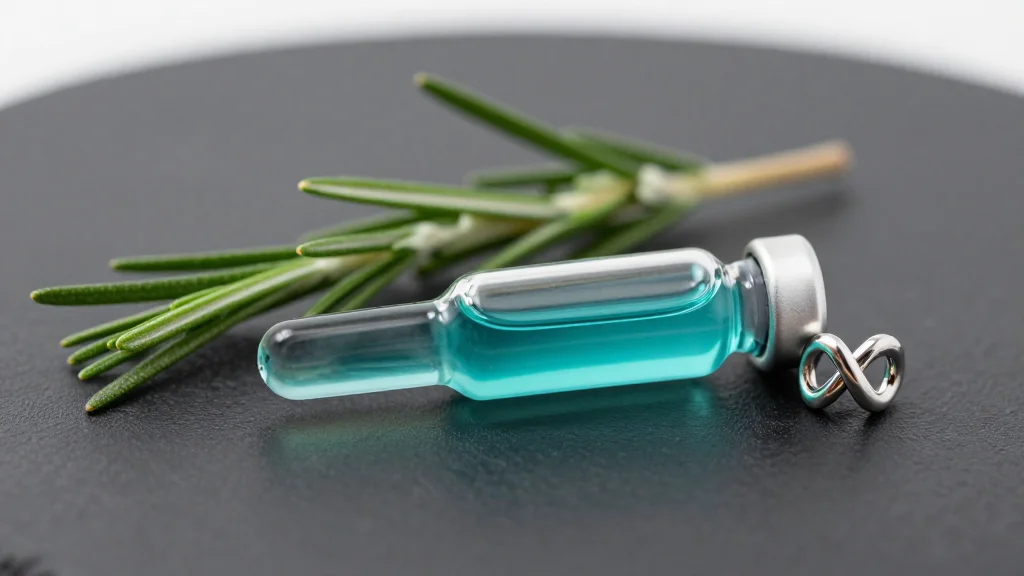
Recent research highlights that centenarians exhibit a distinct immune profile that defies typical immunosenescence. While most elderly experience dwindling naïve T‑cell pools and chronic inflammation, these super‑agers preserve naïve T cells, expand cytotoxic CD4⁺ and CD8⁺ subsets, and maintain tight...
How Epic Bio Is Leveraging CRISPR without Cutting DNA
Epic Bio, founded by Stanford professor Stanley Qi, is developing an epigenetic editing platform called GEMS that uses the smallest known Cas protein to modulate gene expression without cutting DNA. The system can be delivered in a single viral vector...
Low RHR & High HRV Signal Longevity
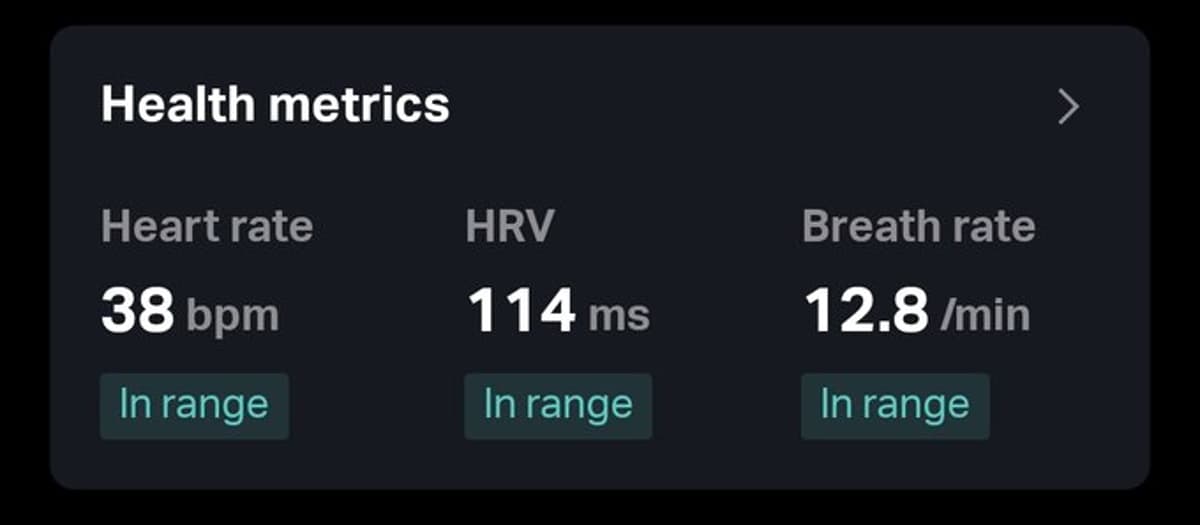
There's a proverb that you only have a certain number of heartbeats in your life Low resting heart rate (RHR) and high heart rate variability (HRV) are good signs of good heart health and fitness Low RHR and high HRV are...
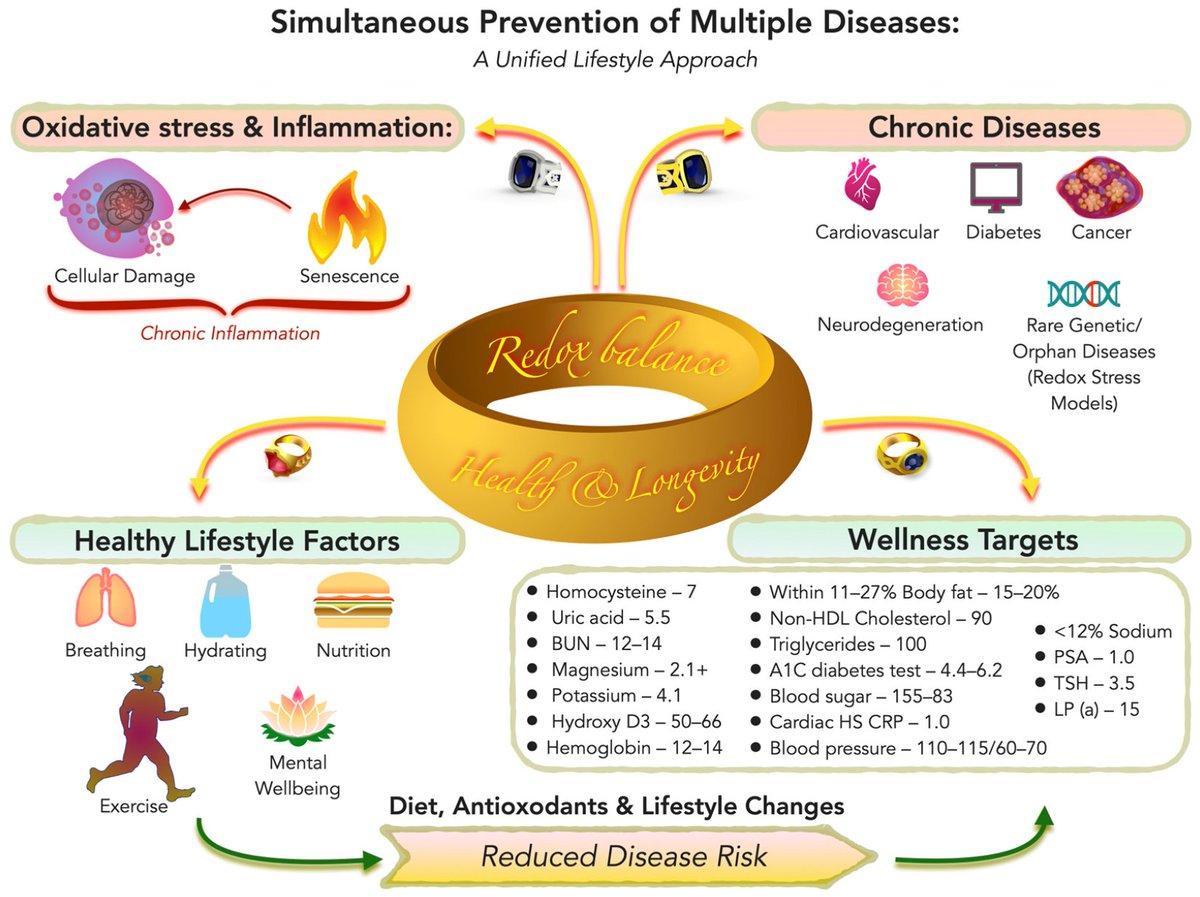
Unified Redox Strategy Prevents Multiple Diseases Simultaneously
The Simultaneous Prevention of Multiple Diseases: A "One Ring to Rule Them All" Framework for Redox-Driven Health and Longevity https://t.co/TaDq4wbrH7 https://t.co/P8QYDgcmiH

XPRIZE Healthspan Names Top 100 Teams Advancing Healthy Aging
The XPRIZE Healthspan competition announced its top 100 teams, spotlighting the core innovations of the 40 Milestone 1 award‑winning entrants. These teams are pursuing a spectrum of strategies—from mitochondrial‑targeted small molecules and metformin‑rapamycin combos to AI‑driven nutrition plans, senolytic drugs, and...
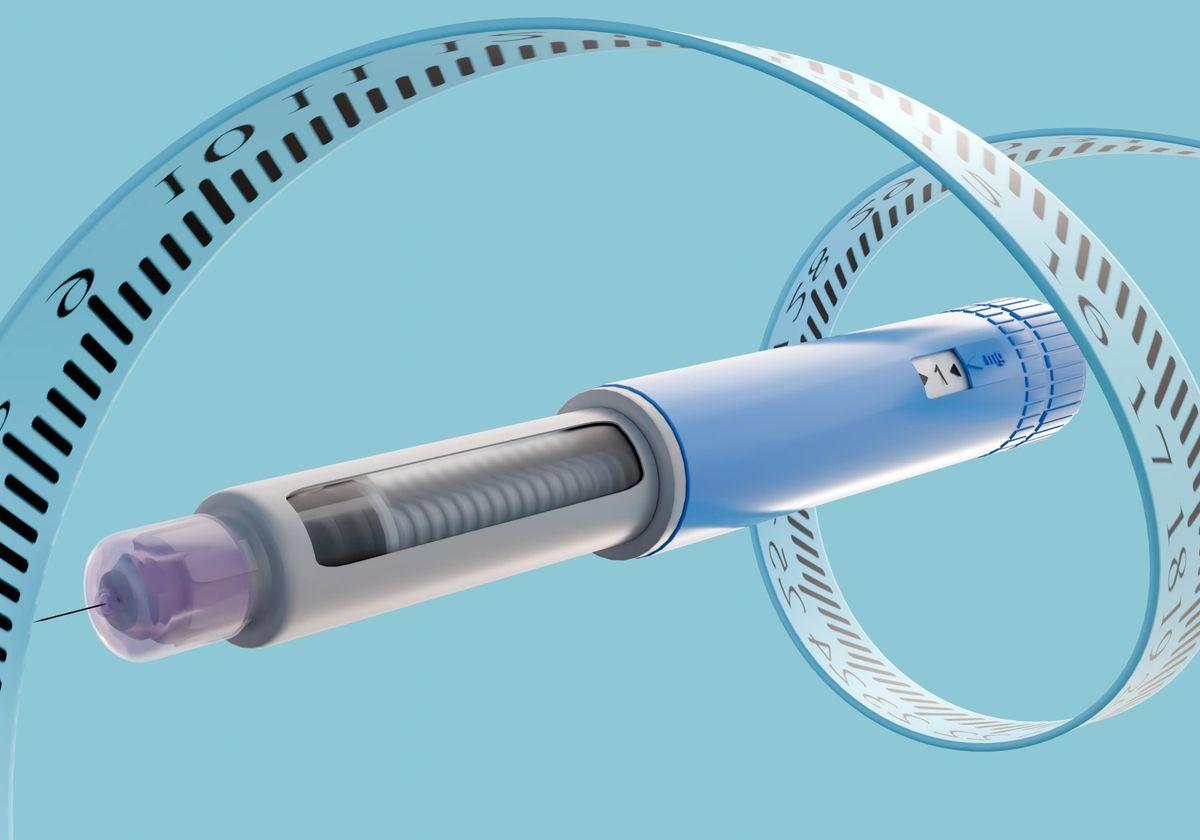
GLP‑1 Drugs Cause Less Muscle Loss than Assumed
Do GLP-1 drugs really cause muscle loss? Turns out perhaps less than what we thought… here’s what you need to know, from: https://t.co/VwrRxnoblW https://t.co/M2RaE1f3EG

Organelles Drive Aging: Metabolic Engines and Signaling Hubs
Cellular organelles play a central role in aging by acting as both metabolic engines and signaling hubs that coordinate processes within and between cells. Their dynamic interactions influence lifespan, health, and even inheritance, making them key targets for interventions aimed...

Eat This to Live Longer, Stay Young, and Transform Your Health
In this episode, Mel Robbins talks with Dr. Lucia Aronica, a Stanford epigenetics professor, about how the foods we eat act as a "pencil" that can rewrite our genetic instructions, influencing aging, disease risk, weight, and mood. Dr. Aronica explains...
Try Retention: Boost Blood Flow and Performance Naturally
Try retention for a few weeks, and see how different you feel. Want better blood flow and performance without drugs or surgery? The Wasabi Method rebuilds both from the ground up. https://t.co/iHBlgB6cvQ

Aging Evolves: Unveiling the Longevity Bottleneck Hypothesis
Fantastic video on the evolution of ageing and the longevity bottleneck hypothesis 🚀 Thank you @EonsShow @PBS for the brilliant work 🙏 https://t.co/GjHMlIn3hg

Penn State Study Shows Core Muscle Contractions Pump Brain Fluid, Boosting Cognitive Health
Scientists at Pennsylvania State University discovered that tightening abdominal muscles creates a hydraulic pressure that shifts the brain and drives cerebrospinal fluid flow, offering a mechanistic explanation for how core-strength exercises support brain health. The study, published in Nature Neuroscience,...
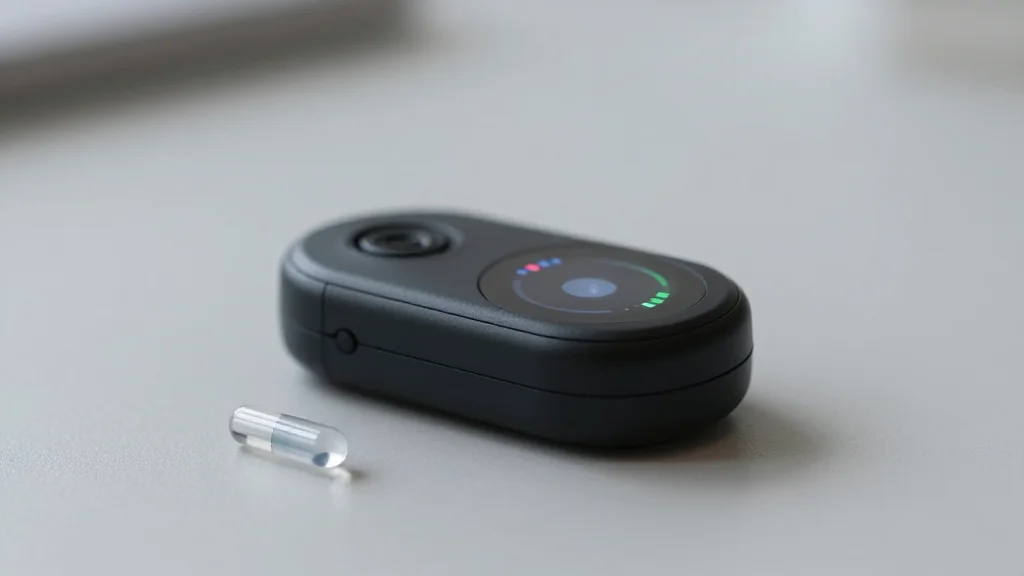
Extreme Quantified Self: My Week of Full-Body Monitoring
How I've measured my body this week: + 7 blood draws + colonoscopy + esophagogastroduodenoscopy + whole body MRI + comprehensive eye exam + 24/7 + core body temp (ingestible pill) + blood glucose...
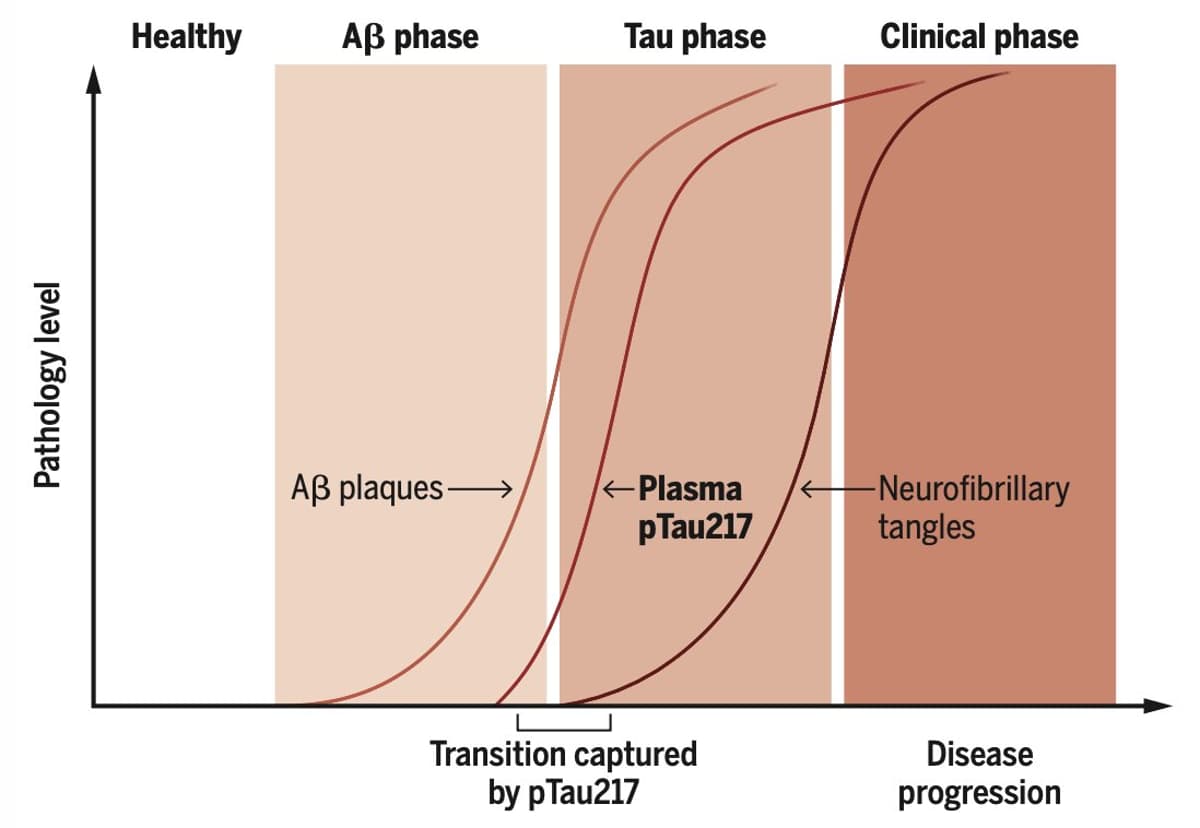
P‑tau217 Blood Test Predicts Alzheimer’s Risk Early
Good summary of p-tau217, the breakthrough blood test to predict risk of Alzheimer's in people well before onset of symptoms @ScienceMagazine https://t.co/qVJtYR4bnz https://t.co/OhjLExTroG

Adherence to the Mediterranean Diet, Inflammatory Biomarkers and Cognitive Status in Older Italian Adults
A cross‑sectional study of 92 Italian seniors found that higher adherence to the Mediterranean diet dramatically reduced the odds of mild cognitive impairment (MCI), with an odds ratio of 0.07 for participants in the top adherence quartile. MCI patients displayed...
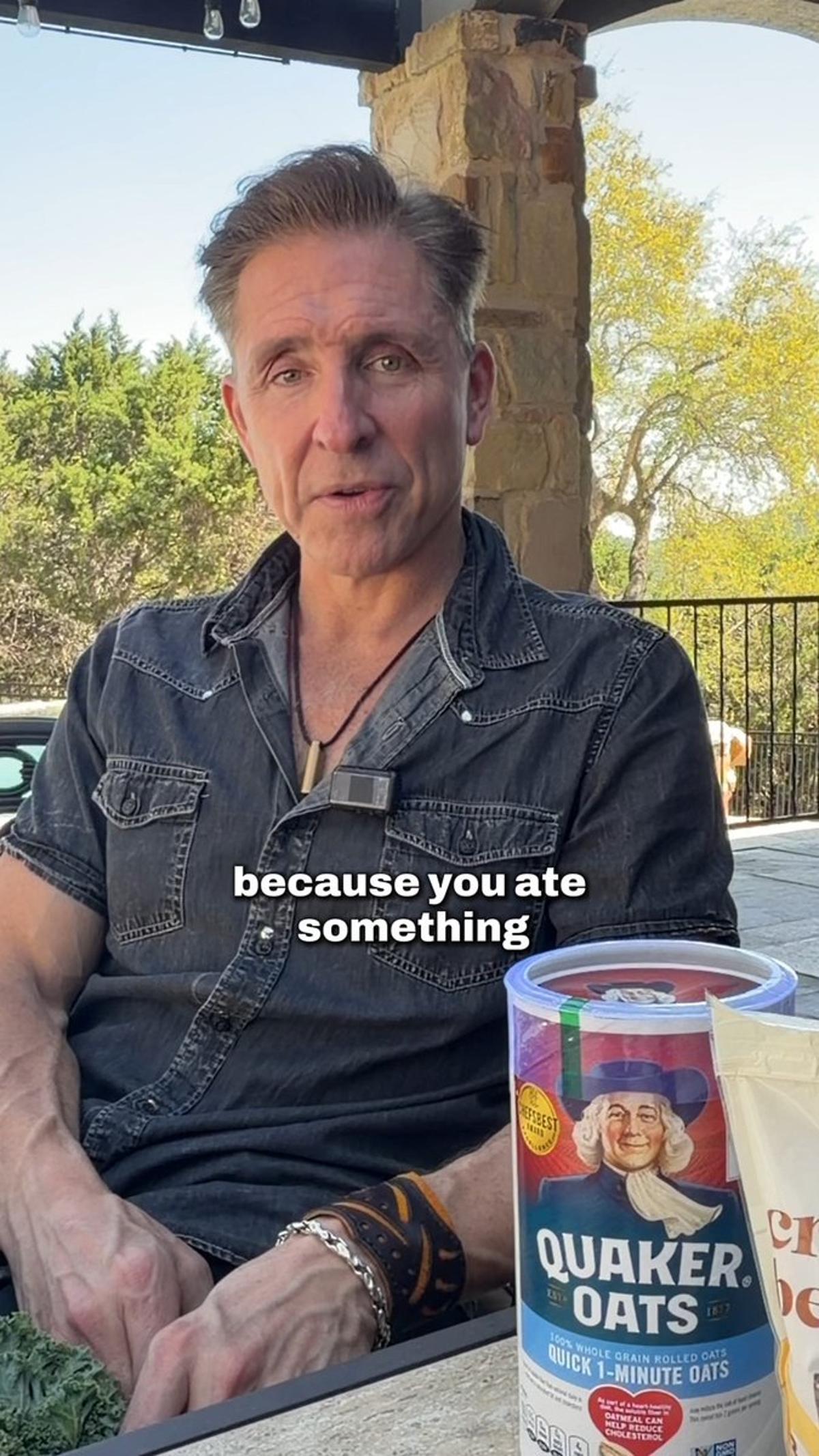
Roughage Myth Debunked: Bulletproof Recipes Boost Longevity
You may have been told "roughage" is good for you, but that's a lie. Do you need help finding recipes that will benefit your mind, body, and longevity? My Bulletproof Cookbook is full of recipes and tips that upgrade your...
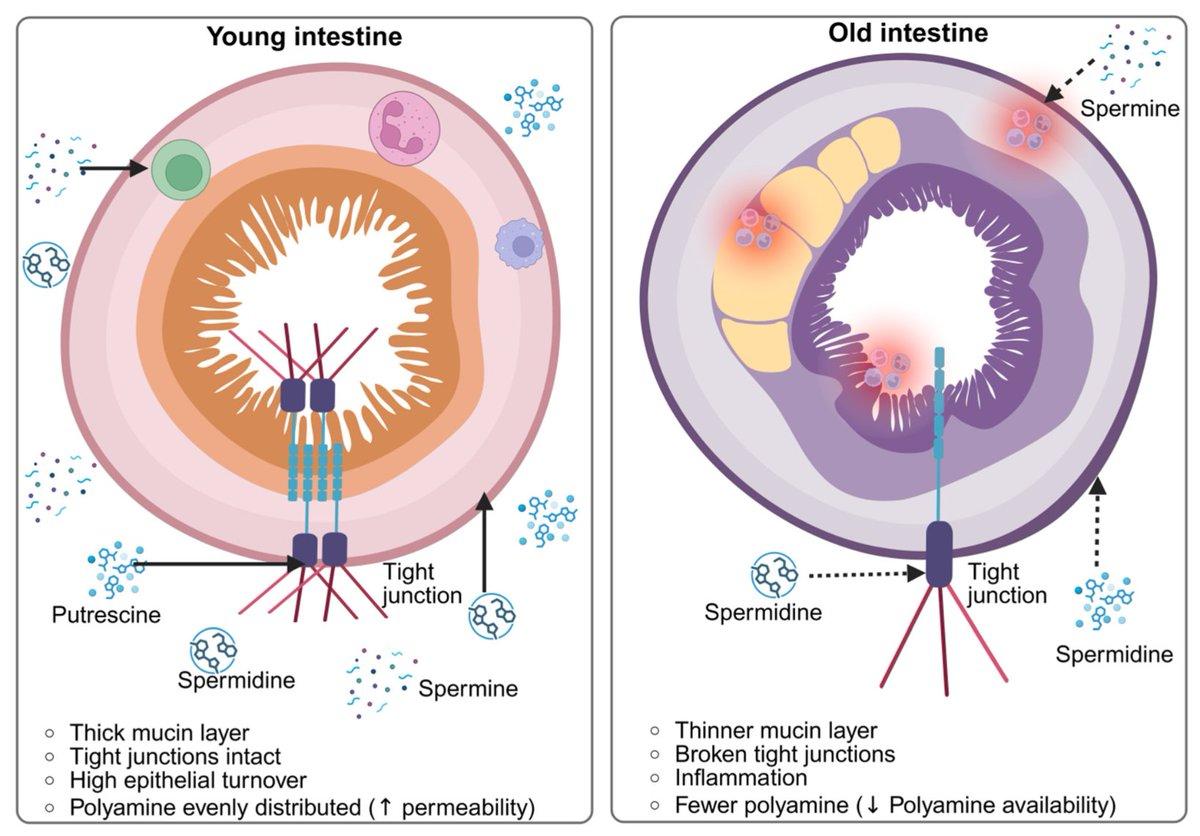
Diet‑Microbiota‑Polyamine Axis Drives Intestinal Aging
The Diet–Microbiota–Polyamine Axis in Intestinal Aging: Microbial Pathways, Functional Foods, and Physiological Implications https://t.co/UJwPyVroBn https://t.co/xQTAAszA0w
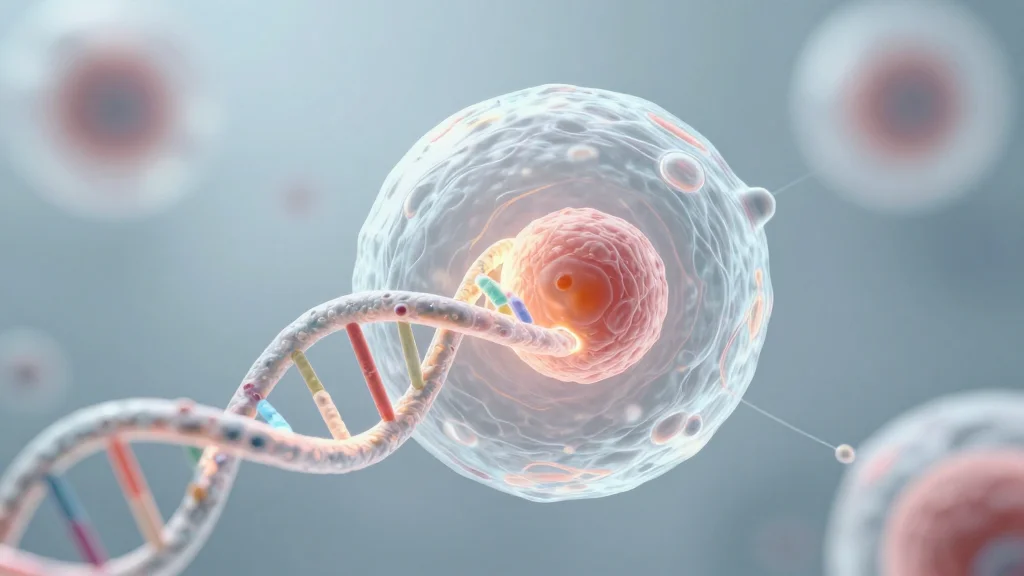
New Genome Editing Method Could Swap Entire Genes and Correct 1000 Mutations at Once
Scientists have unveiled a new genome‑editing platform called prime assembly that can insert DNA segments up to 11,000 base pairs, enabling the replacement of entire genes rather than single‑point edits. The method uses overlapping flaps to attach donor DNA without...
True Power Comes From Sleep, Not Flashy Watches
The most powerful people in the room aren't wearing the loudest watch. They're sleeping eight hours.
Exercise Proven to Reduce Biological (Epigenetic) Age
What is the most established intervention linked to lower biological (epigenetic) age? Exercise A new systematic review @LancetLongevity of 44 studies, >145,000 participants https://t.co/agmAazwDxs

343. Summary: Can This Nutrient Help Alzheimer's? - Life Extension
In this episode, Dr. Mike and Dr. Crystal discuss a recent pilot study on creatine supplementation as a potential therapy for Alzheimer's disease, featuring insights from lead author Aaron Smith. They explain how creatine, known for its role in muscle...
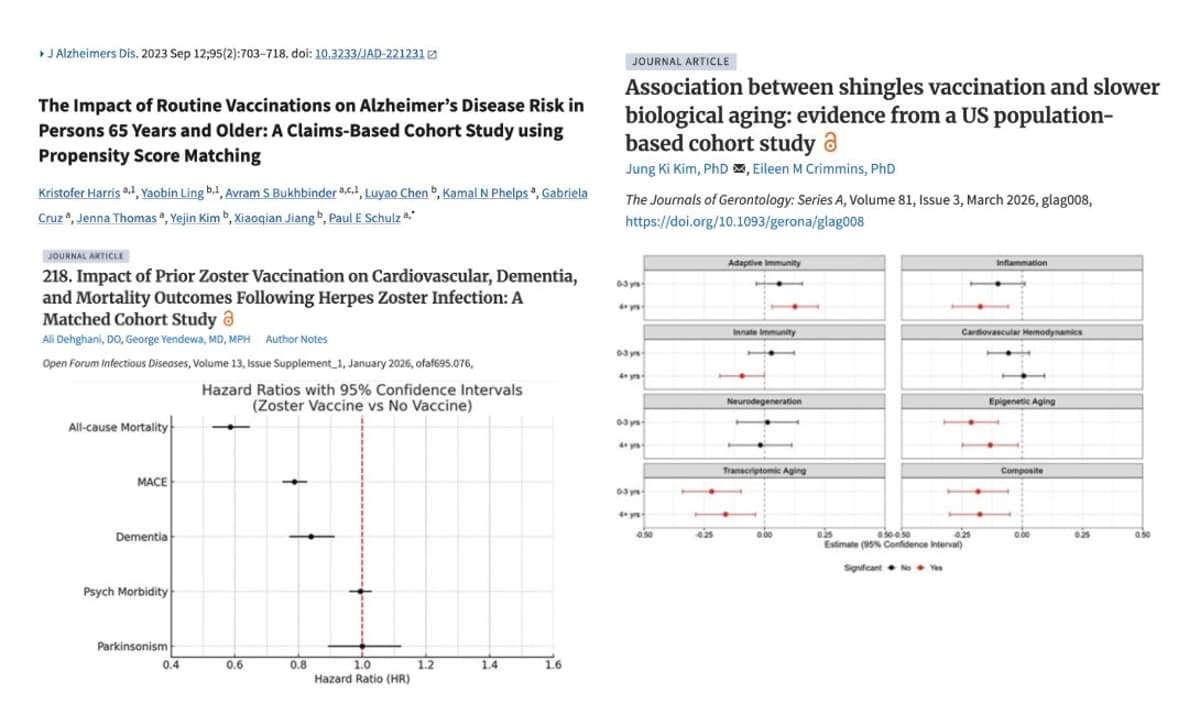
Vaccines May Reduce Alzheimer Risk and Slow Aging
I'm getting two vaccines next week: Tdap and shingles. The Tdap because Kate's family has a newborn and we're visiting. Shingles for the potential longevity benefits. Data we're looking at: 1. Lower Alzheimer risk with vaccination in 1.6 million people,...

The Nanotechnology Behind Biohacking: What Works, What Is Early, and What Is Hype
Nanowerk’s new guide categorizes nano‑enabled biohacking tools into mature, emerging, and hype‑driven claims. It highlights FDA‑cleared over‑the‑counter glucose monitors and a 2026 microneedle patch that can track multiple biomarkers, while warning that many supplement and peptide claims lack solid human...

MIT's FINGERS-7B AI Model Predicts Pre‑Symptomatic Alzheimer’s with Four‑Fold Accuracy
A MIT‑led team released FINGERS-7B, an AI foundation model that integrates lifestyle, genomic and proteomic data to predict Alzheimer’s up to a decade before symptoms with four‑fold higher accuracy. The open‑source tool, showcased at ICLR in Rio, could reshape preventive...

Coffee May Protect Against Aging
Researchers at Texas A&M have identified the nuclear receptor NR4A1 as a key mediator of coffee’s anti‑aging effects. Laboratory experiments showed that polyhydroxy and polyphenolic compounds in coffee bind to and activate NR4A1, reducing cellular damage and slowing cancer cell...
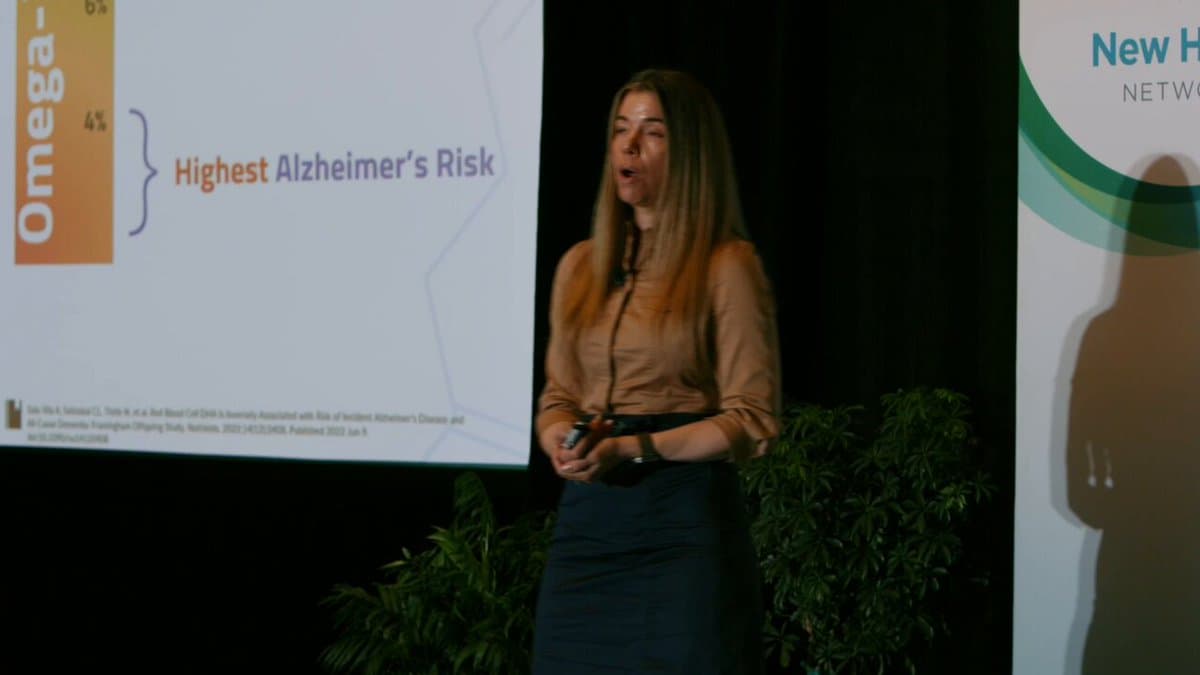
Higher Omega‑3 Levels Cut Alzheimer’s Risk by Half
Higher omega-3 status is associated with dramatically lower Alzheimer’s risk. People with a high omega-3 index (~10%) have about a 50% lower risk of Alzheimer’s disease compared with those at the low end (~4%). Other studies have reported a dose-dependent relationship -...