Today's Science Pulse
Hidden Star Clusters Discovered Deep Inside Nearby Galaxies
A UK‑led study using VLA and ALMA data uncovered previously hidden giant star clusters deep within nearby galaxies, describing them as “ring factories.” The findings highlight how young stellar activity shapes galactic evolution across the universe.
Also developing:
By the numbers: Foundation Alloy raises $22M Series A

Intense Heat During Mecca’s Spring Threatens Millions of Hajj Pilgrims
A World Weather Attribution report warns that rising temperatures are shrinking the safe window for the Hajj pilgrimage in Mecca. Average May temperatures have risen about 3.5 °C since pre‑industrial times, pushing peak heat into the 40 °C range every two to three years. In 2024, more than 1,300 pilgrims died when a June heatwave hit 51 °C, underscoring the acute health risk. Saudi officials have added misting fans and cooling stations, but the measures may not reach all attendees.

Daily Pill Doubles Survival Time for Pancreatic Cancer Patients
A phase III trial of the oral KRAS inhibitor daraxonrasib showed median overall survival of 13.2 months for advanced pancreatic cancer patients, roughly double the 6.6 months achieved with standard chemotherapy. The study enrolled 500 participants across North America, Europe...

Something Made Earth's Molten Core Reverse Direction In 2010
In 2010, satellite measurements of Earth’s magnetic field revealed a localized eastward flow reversal in the outer core beneath the Pacific Ocean, contradicting the planet’s usual westward convection. The anomaly appeared as a wave‑like structure, suggesting a bulk shift in...

Kelun‑Biotech Shows 87% Response Rate for RET‑Fusion Lung Cancer in Phase II ASCO Data
Kelun‑Biotech reported pivotal Phase II results for its next‑generation RET inhibitor lunbotinib fumarate at ASCO 2026, revealing an 87.1% objective response rate in pre‑treated patients and a 30% intracranial complete‑response rate. The data prompted the Chinese regulator to accept a...

Shading Significantly Reduces Vehicle-Integrated Solar Output
On-road tests show strong impact of shading on vehicle-integrated photovoltaics #energysky -- via pv magazine global: https://t.co/eR79lOVxG7

Biopolymer-Based Hydrogel Formulations for Improved Seed Coating Performance
Researchers at Nazarbayev University have created biodegradable hydrogels from starch and carboxymethyl cellulose that can absorb up to 17.5 g of water per gram and degrade about 67 % in soil. When applied as seed coatings, the formulations doubled sugar beet seedling...
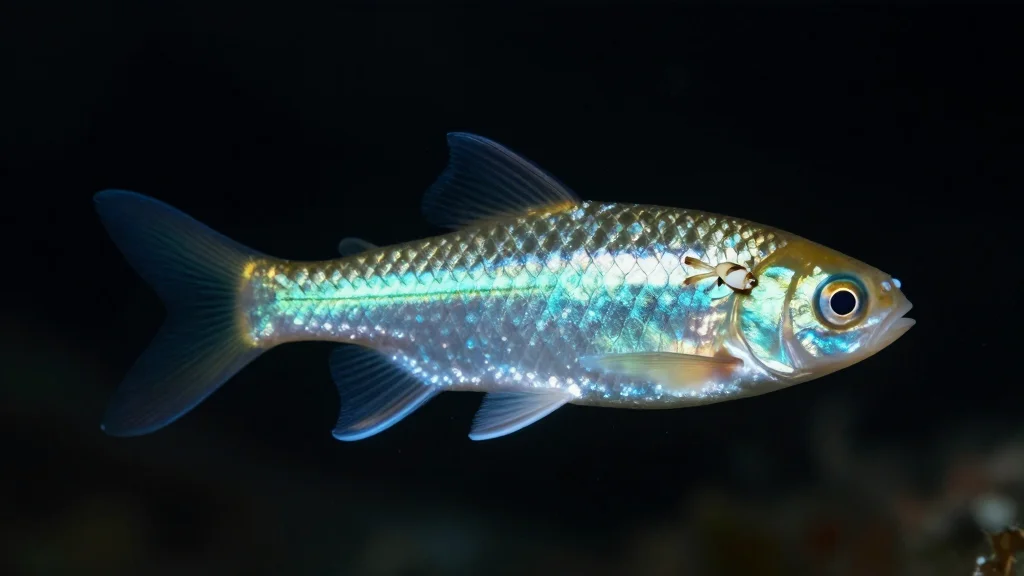
In a First, This Animal Hijacks the Power of Bioluminescence From Its Victims
Researchers at Tohoku University sequenced the genome of the golden sweeper fish (Parapriacanthus ransonneti) and confirmed it lacks the luciferase gene needed for bioluminescence. Instead, the 7‑cm fish sequesters fully formed luciferase protein from its luminous ostracod prey, Vargula hilgendorfii,...

Hunga Tonga Eruption May Naturally Scrub Methane From the Stratosphere, Study Finds
Scientists analyzing satellite data of the 2022 Hunga Tonga-Hunga Ha’apai eruption discovered that chlorine‑laden particles in the plume broke down roughly 900 tons of methane each day. The finding suggests a natural process that could inform future methane‑reduction strategies.

Australian Lab Grows Human Neurons That Can Play Doom, Opening New Frontiers in Neuro‑Gaming
Cortical Labs, an Australian biotech startup, has trained a culture of about 200,000 human brain cells on a silicon chip to play the 1990s shooter Doom. The breakthrough demonstrates that living neural networks can perform real‑time, goal‑directed tasks, a step...

Sacituzumab Tirumotecan + Pembrolizumab Cuts Progression Risk 65% in First‑Line NSCLC
Sichuan Kelun‑Biotech reported that its antibody‑drug conjugate sacituzumab tirumotecan combined with pembrolizumab cut the risk of disease progression by 65% in a Phase III trial of PD‑L1‑positive non‑small cell lung cancer. The data, presented at ASCO and published in The Lancet,...

Dizal Reports Breakthrough EGFR and JAK1 Data at ASCO 2026
Dizal presented compelling Phase II/III data on its fourth‑generation EGFR inhibitor DZD6008 and the JAK1‑only agent golidocitinib combined with anti‑PD‑1 at the 2026 ASCO meeting. The studies showed high tumor‑shrinkage rates, durable progression‑free survival and promising activity against brain metastases,...

Passive Heart-Rate Monitoring During Smartphone Use in Everyday Life
Researchers unveiled a smartphone‑based deep‑learning system, PHRM, that passively measures heart rate and daily resting heart rate during routine phone use. The platform was validated on over 162,000 videos from diverse participants, meeting industry accuracy standards with mean absolute percentage...

Hydrophobic Liquid Electrolyte Interphases for Efficient Aqueous Zinc Batteries
Researchers introduced a 1.8 mol % ether‑based additive, 1,2‑diethoxyethane (DEE), that self‑assembles into a hydrophobic liquid electrolyte interphase (LEI) on zinc electrodes. The LEI repels water, expanding the electrochemical stability window of aqueous zinc batteries to 3.08 V while preserving high ionic conductivity...

How Long Can Humans Live? We Simply Don’t Know
Longevity researcher Saul Newman argues that most claims of extreme human age are built on unreliable paperwork. He shows that pension fraud, clerical mistakes, and identity swaps inflate supercentenarian counts, especially in countries with weak birth‑registration systems. Statistical analyses reveal...

Enantioselective Hydrogen Atom Relay via Non-Covalent Catalyst Assembly
Researchers at EPFL have introduced a new method to generate chiral hydrogen atom transfer (HAT) catalysts through non‑covalent self‑assembly of chiral phosphoric acids with commercial 2‑mercaptopyridines. The assembled catalyst acts as a single chiral entity that both abstracts and delivers...
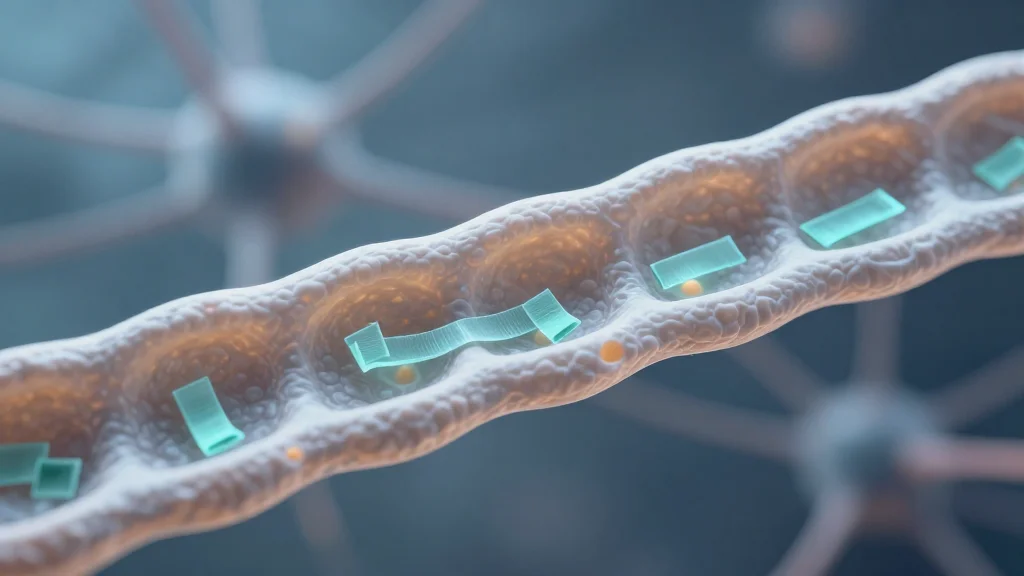
Intracellular Neuronal Recordings Across DNA Tiles
Researchers engineered DNA tiles that spontaneously embed into live neuronal membranes, forming nanometer‑scale ion channels with a measured conductance of about 3 nS and pore resistance near 500 MΩ. The tiles enable stable, repeatable intracellular‑like recordings and allow targeted delivery of small...

Towards a Holistic Understanding of Pain in the Biomarker Age
A new perspective paper in Nature Neuroscience argues that pain biomarkers, while unable to prove subjective experience, can still play a valuable role when embedded in a bio‑psycho‑social framework. The author emphasizes epistemic humility, ethical safeguards, and interdisciplinary collaboration to...

Why Pain Biomarkers Cannot Replace the Patient Experience
In a commentary published in Nature Neuroscience, a multinational team of pain researchers argues that neuroimaging biomarkers cannot supplant patients’ self‑reported pain ratings. While brain‑based measures illuminate pain pathways, the authors stress that the subjective experience remains the only reliable...

Telespazio Repurpose Geostationary-Focused Dish For Bouncing Radio Signals Off The Moon
On 29 May 2026 Telespazio completed an Earth‑Moon‑Earth (EME) moon‑bounce test using its 32‑meter LARIO 1 antenna, normally aimed at geostationary satellites. The 5 GHz signal was transmitted, reflected off the Moon’s surface and received by a 2.4‑meter dish, proving the dish can track...
Checks Reveal Young Women with Deadly 'Silent' Heart Risk
A voluntary UK screening program examined nearly 40,000 women aged 14‑35 and identified 175 with previously undiagnosed heart conditions, including 94 at high risk of sudden cardiac death (SCD). The study also revealed that standard ECG checks missed 92 abnormalities,...
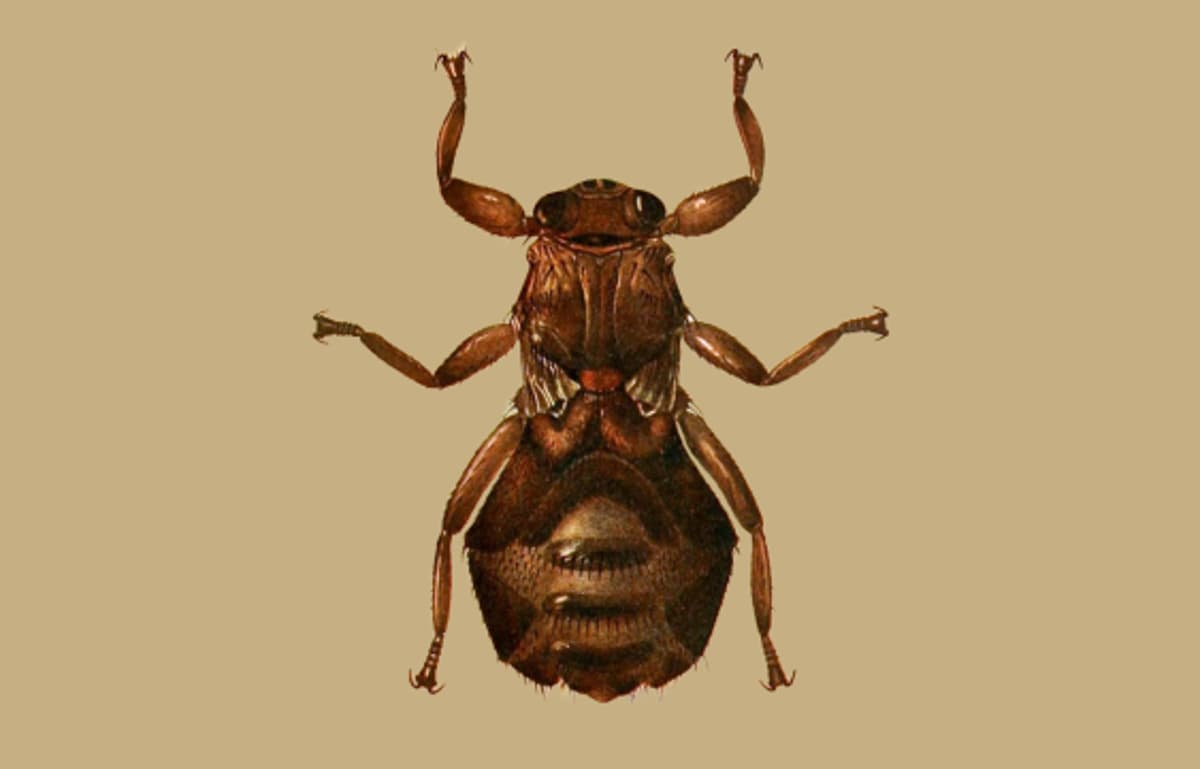
This Blood-Sucking Fly Drastically Transforms When It Finds Its Prey
A new study in the Journal of Experimental Biology shows that deer keds dramatically reduce expression of vision‑related genes after they locate a host. Researchers collected winged keds and host‑bound keds in Tuscany, sequenced brain RNA, and found opsin gene...
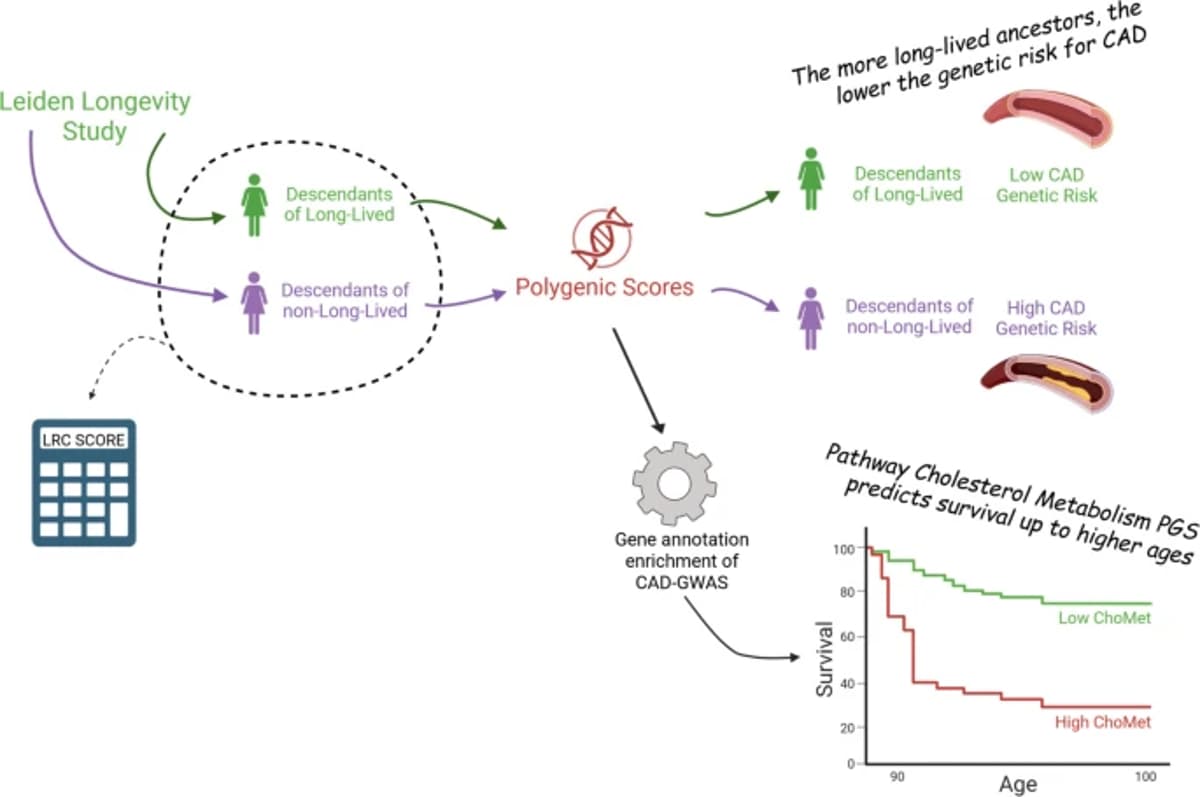
Low CAD Genetic Risk Drives Multigenerational Longevity
Low genetic risk for coronary artery disease underlies multigenerational longevity and healthy aging https://t.co/mwkzNuRK2D https://t.co/xr1dKT8kjB

World’s Most Efficient Silicon Solar Cell Hits 28.2%
JA Solar, Gold Stone Energy claim world’s highest efficiency for silicon solar cells with 28.2%-efficient back contact device #energysky -- via pv magazine global: https://t.co/aICHkrmTbG

A Natural Chemistry Laboratory in Protostar Shock Waves
Astronomers using NOEMA have identified three complex organic molecules—acetonitrile, acetaldehyde and deuterated methanol—in the shock‑driven outflow of the Class 0 protostar IRAS 4B1 in NGC 1333. The detections mark the first secure observation of these COMs in a protostellar jet, highlighting shock fronts...

Sarawak Builds Local Satellite Technology and AI Capabilities
Sarawak’s state government is launching a multi‑year push to develop homegrown aerospace, satellite engineering and artificial‑intelligence capabilities. The plan includes a CubeSat nano‑satellite slated for launch by 2030 to provide geolocation, forestry monitoring and disaster‑management services. A 405‑hectare AI Data...
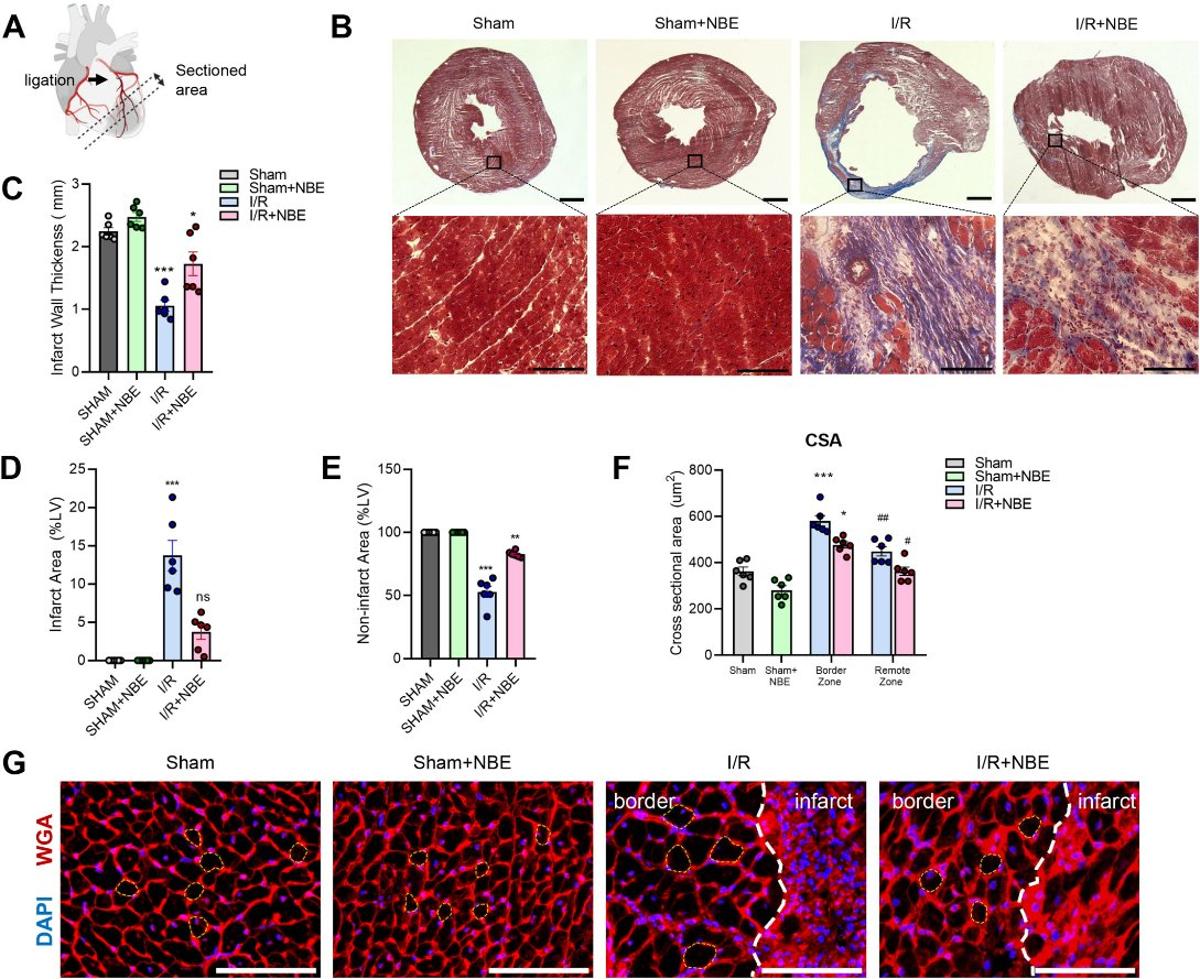
Plasma Dilution Boosts Cardiac Repair and Mobility in Aged Mice
Plasma Dilution After Myocardial Ischemia-Reperfusion Injury Promotes Cardiac Repair, Heart Performance, and Recovery of Motor Function and Endurance in Old Mice https://t.co/gKE6dyzbYJ https://t.co/hjKrU0bPxk

Qualia Reveal Core Mystery of Consciousness, Says Koch
Neuroscientist Christof Koch on how the "qualia" of our experience illuminate the central mystery of consciousness https://t.co/efeENya82s

First Comprehensive Look at Breast Cancer in Native American Women Reveals Key Genetic Differences
Researchers at the University of Notre Dame published the first detailed genetic analysis of breast cancer in Native American women, comparing 17 tumor samples with nearly 700 white‑patient cases from The Cancer Genome Atlas. The study, appearing in npj Precision...
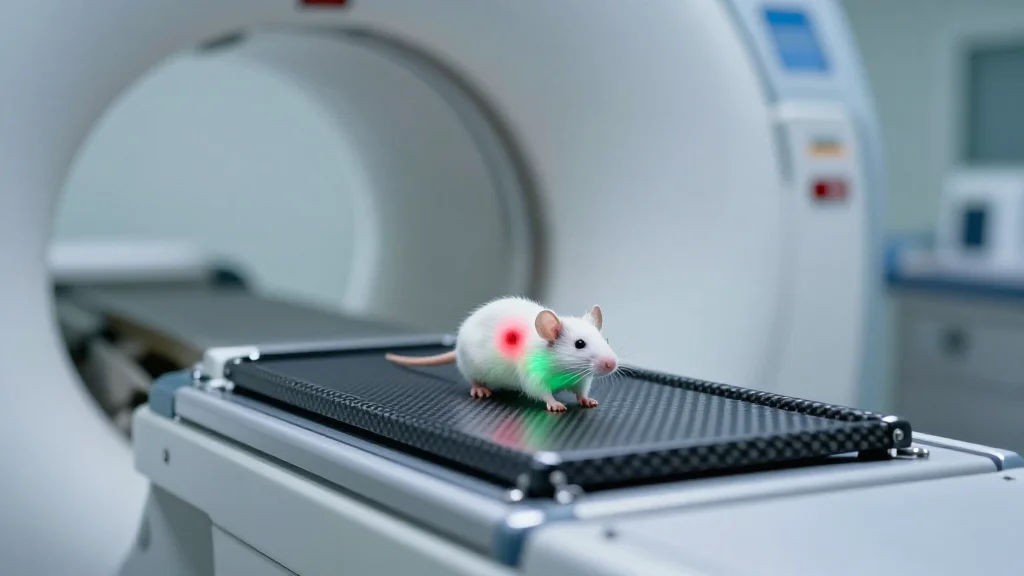
Dual PET Imaging Detects Tumor Progression and Heart Inflammation During Cancer Treatment
Researchers unveiled a dual PET imaging method that simultaneously visualizes tumor growth and cardiac inflammation using a CCR2‑targeted radiotracer, 64Cu‑DOTA‑ECL1i. In mouse models, checkpoint inhibitor therapy slowed tumors but heightened cardiac CCR2 signals, while adding the JAK1 inhibitor itacitinib improved...

A Rare ‘Super’ El Niño Is Looking More Likely. Here’s What to Expect
Forecasts from the U.S. Climate Prediction Center now give an 82% probability that El Niño will develop by the end of July, with a 67% chance it escalates into a strong or very strong “Super” El Niño through 2027. The warming of...

Meteor Blast Over New England Generates Sonic Boom and Bright Fireball
A meteor about one meter wide detonated at 40 miles altitude over northeastern Massachusetts and southeastern New Hampshire, producing a double sonic boom and a bright fireball. NASA confirmed the event released energy comparable to 300 tons of TNT, offering...

Cities Are Making It Rain More – but Not as Much as Scientists Thought
A new study using NASA’s IMERG satellite data shows that the most consistent urban rainfall signal is an increase in the frequency of rain events, not the intensity of individual storms. The pattern appears across 15 major cities, but the...

Replimune Reports 3‑Year Survival Benefit for RP1 + Nivolumab in Anti‑PD‑1‑Resistant Melanoma
Replimune Group presented IGNYTE trial results at the 2026 ASCO meeting, showing a median overall survival of 32.9 months and nearly half of patients alive at three years. The RP1 plus nivolumab regimen delivered a 33.6% response rate with durable...

Grail Launches $950 Multi‑cancer Blood Test at ASCO, Sparking Debate over Cost and Efficacy
Grail introduced its $950 Galleri blood test at the American Society of Clinical Oncology meeting, presenting data from a UK study of more than 140,000 participants. The test identified 937 additional cancers but missed many early‑stage cases, prompting clinicians and...
Kyushu University Hits 130% Quantum Yield with Molybdenum Spin‑flip Emitter
Researchers at Kyushu University, together with German partners, have achieved a 130% quantum yield in solar conversion by coupling a molybdenum‑based spin‑flip emitter with a singlet‑fission material. The result doubles charge carriers per photon, offering a pathway beyond the 33%...

Study Offers New Insights Into Long COVID
Researchers at Yale and Mount Sinai have identified autoantibodies that attack brain and nerve tissue in a subset of long COVID patients. By screening more than 21,000 human proteins and transferring patient antibodies into mice, they demonstrated that these autoantibodies...

Supermassive Black Holes Could Be the Universe's Biggest Planet Nurseries
A new arXiv paper proposes that the dusty tori surrounding active supermassive black holes can act as massive planet nurseries. Using magnetised disk models, researchers found that dust can clump and grow into planets far faster than in typical protoplanetary...

Armadillos Inspire New Tech to Protect Soft Machines
Researchers at North Carolina State University have engineered a bio‑inspired protective module, dubbed the morpho‑interlocking protective module (MIPM), that mimics an armadillo’s ability to curl into a ball. The device combines a 3D‑printed resin exoskeleton, a liquid‑crystal elastomer actuator, strain...

AI Shows How Your Brain Cleans Out Harmful Waste
Researchers at the University of Rochester have paired magnetic resonance imaging with physics‑informed artificial intelligence to quantify the velocity of glymphatic fluid flow in the brain. The AI model, trained on dye‑diffusion videos, extracts flow speeds from MRI data, revealing...

NASA Unveils Hand‑Sized Processor That Boosts Spacecraft Computing 100‑Fold
NASA announced a hand‑sized, radiation‑hard system‑on‑a‑chip that offers 100 times the computing capacity of existing spacecraft computers. Developed with Microchip Technology, the processor aims to enable AI‑driven autonomy on future lunar, Martian and deep‑space probes.

Anti‑Inflammatory Diet Linked to 16% Lower Colorectal Cancer Risk in Massive Cohort Study
Dr. Fred K. Tabung of Ohio State University led a 15‑year study of almost one million adults across the U.S. and Europe that showed an anti‑inflammatory dietary pattern lowered colorectal cancer risk by 16%. The finding, confirmed by three separate...
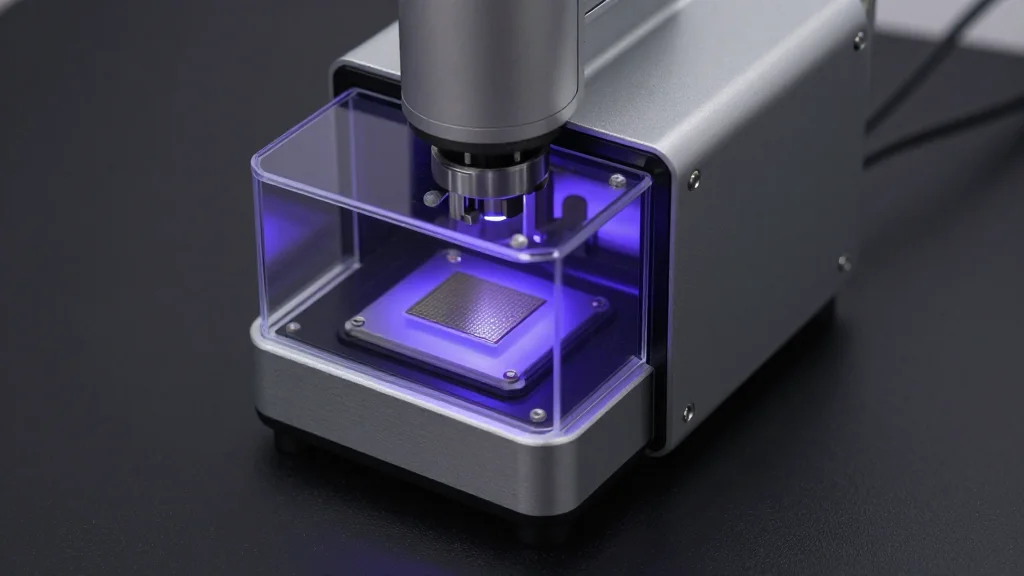
Texas Engineers Unveil Tabletop EUV Printer That Cuts Nanostructure Patterning to Minutes
Researchers at the University of Texas at Austin have built a tabletop extreme ultraviolet (EUV) lithography system that trims semiconductor nanostructure patterning from days to minutes. The low‑cost, modular device could democratize access to advanced chip manufacturing and accelerate research...

Lesser-Known Cannabis Compounds Show Promise for Treating Alcohol Addiction in Rats
A pre‑clinical study on male Wistar rats found that daily injections of three phytocannabinoids—cannabinol (CBN), tetrahydrocannabivarin (THCV) and cannabidiol (CBD)—reduced voluntary alcohol consumption. CBN and THCV produced the strongest declines, with CBN’s effect persisting three days after treatment, while CBD...

Scientists Found the Hidden Switch Fueling Alzheimer’s Brain Inflammation
Researchers at Scripps identified S‑nitrosylation of the STING protein at cysteine 148 as a molecular switch that drives chronic brain inflammation in Alzheimer’s disease. Elevated SNO‑STING was found in post‑mortem Alzheimer’s brains, cultured human microglia, and mouse models. Engineering mice with...

Long-Term Leukemia Trial Reveals MRD-Triggered Treatment May Slow or Prevent Relapse
The RELAZA2 trial has released its long‑term data, confirming that azacitidine administered at the first sign of measurable residual disease (MRD) can significantly delay relapse in myelodysplastic syndromes (MDS) and acute myeloid leukemia (AML). As the world’s first prospective MRD‑triggered...

When Zhang Chenxing, Who Holds a PhD From MIT, Co-Founded Mega Engine Technology in Xi’an in Early 2024, China’s High-Pressure...
Chinese startup Mega Engine Technology, founded by MIT‑PhD Zhang Chenxing in early 2024, announced that its closed‑cycle kerolox engine “Chi” has accumulated 1,000 seconds of test time at rated conditions by May 2026. The engine delivers 35‑75 ton thrust at sea...
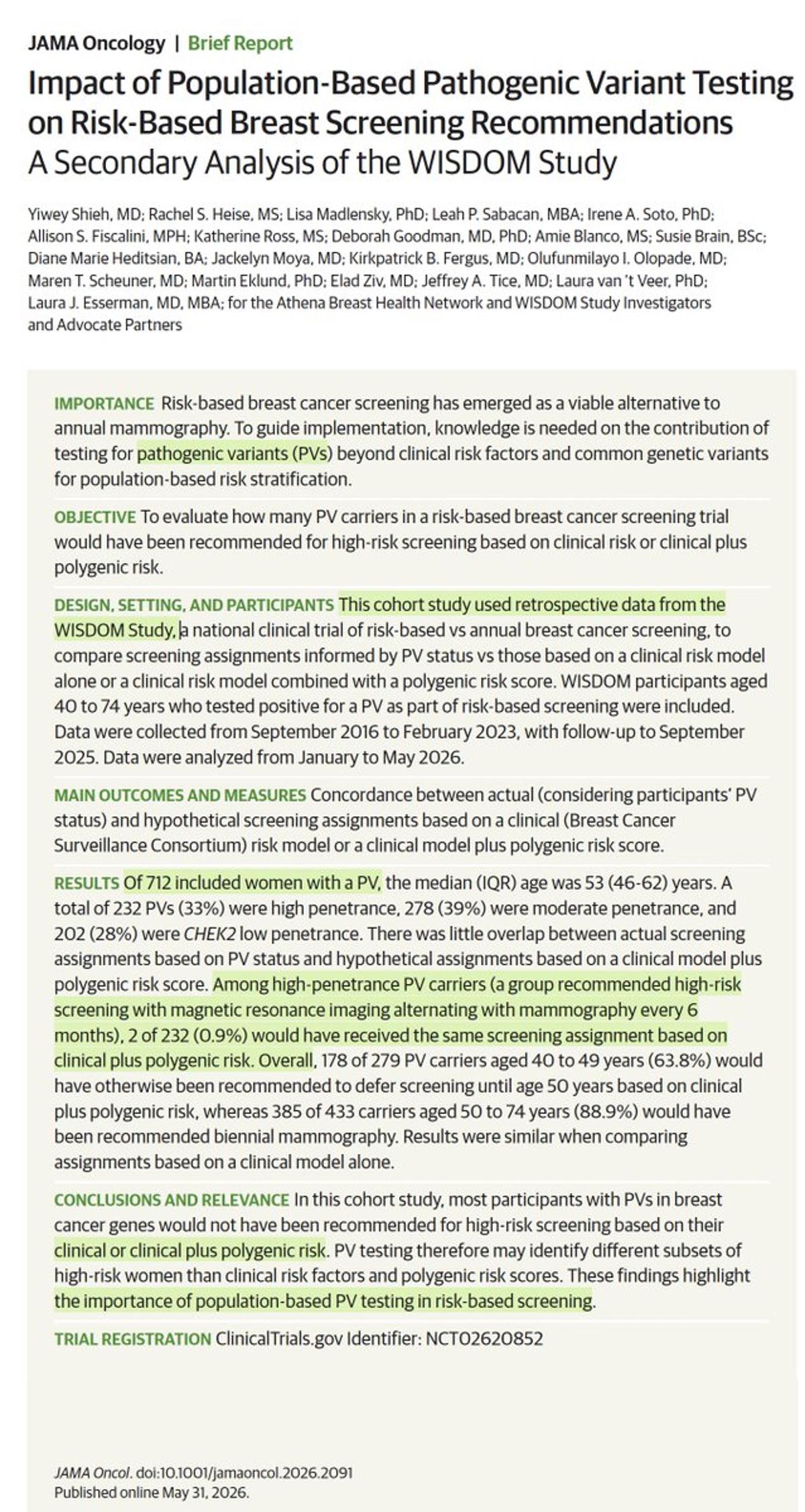
Sequencing Needed: Polygenic Scores Miss Most High-Risk Carriers
To identify high-risk patients for breast cancer screening, polygenic risk scores are not enough. Sequencing to identify key mutations (PV, pathogenic variants) is necessary. The majority of PV carriers were not picked up as high-risk in this study. https://t.co/8bVdByhKC5 @JAMAOnc @ASCO

Pfizer’s BRAFTOVI Regimen Nearly Doubles Median Progression-Free Survival in Metastatic Colorectal Cancer
Pfizer reported that its BRAFTOVI (encorafenib) regimen combined with cetuximab and FOLFIRI halved the risk of disease progression or death in patients with BRAF V600E‑mutant metastatic colorectal cancer. Median progression‑free survival more than doubled to 15.2 months versus 8.3 months for...
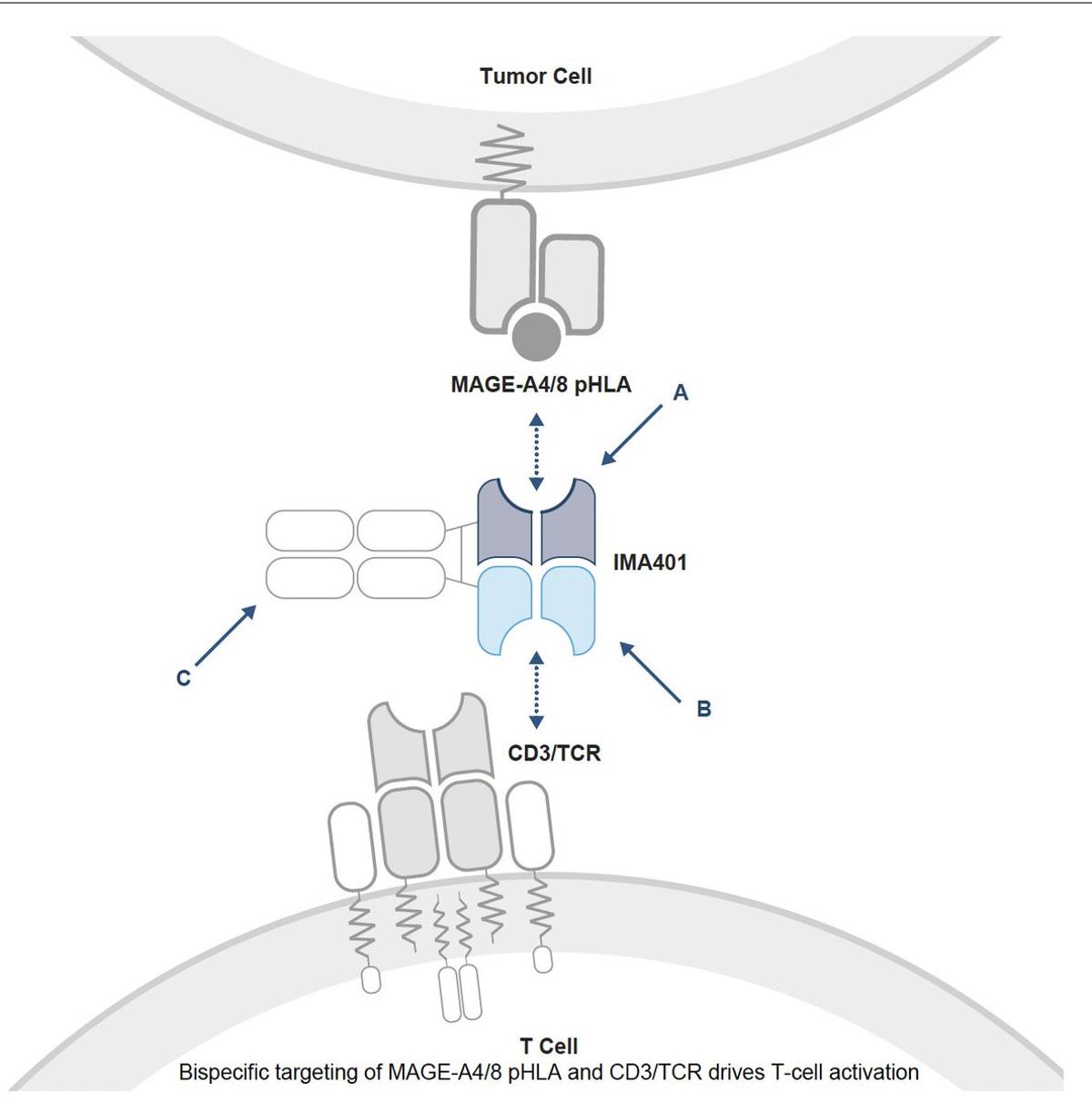
Bispecific T‑cell Engager Shows Promising Responses in Refractory
Just published @NatureMedicine and presented @ASCO Advanced, refractory solid cancers treated with a bispecific T cell engager (BiTE, Figure), Phase 1 trial, with or without Keytruda, in 61 patients. Some very favorable responses with "manageable safety profile" https://t.co/MkzQXY1psA

The Leading Explanation for How the Moon Was Born Is that a World the Size of Mars Called Theia Slammed...
The giant‑impact hypothesis posits that a Mars‑sized protoplanet, Theia, collided with early Earth, ejecting debris that coalesced into the Moon. A 2023 study suggests that dense fragments of Theia’s mantle may have sunk to the core‑mantle boundary, forming the two...