Underlying Inflation Remains on Track for Bank of Japan Rate Normalisation
Japan's underlying inflation is persisting above the Bank of Japan’s 2% target, keeping the path to rate normalisation on track. Core consumer‑price inflation rose to 2.8% year‑on‑year in the latest month, while headline CPI eased to 2.3%. The data reinforces market expectations that the BOJ will begin raising short‑term rates later this year, after years of ultra‑low policy. Analysts see the trend as a signal that the central bank can safely exit its negative‑interest‑rate regime.

Czech Consumers Are Worried About the Outlook
Czech consumer confidence slipped 4.4 points to 106.0 in April, while business confidence held steady at 100.4, leaving the composite index at 101.3. The drop reflects heightened worries about the Middle‑East conflict, soaring energy costs and a weakening labour market,...
Merryn Talks Money: Markets in a Permanent Mini-Crisis (Podcast)
In the latest "Merryn Talks Money" episode, hosts Merryn Somerset Webb and John Stepek argue that markets are stuck in a perpetual state of "mini‑crises" driven by relentless geopolitical turbulence. They note that corporate earnings are sending mixed signals, while the UK...
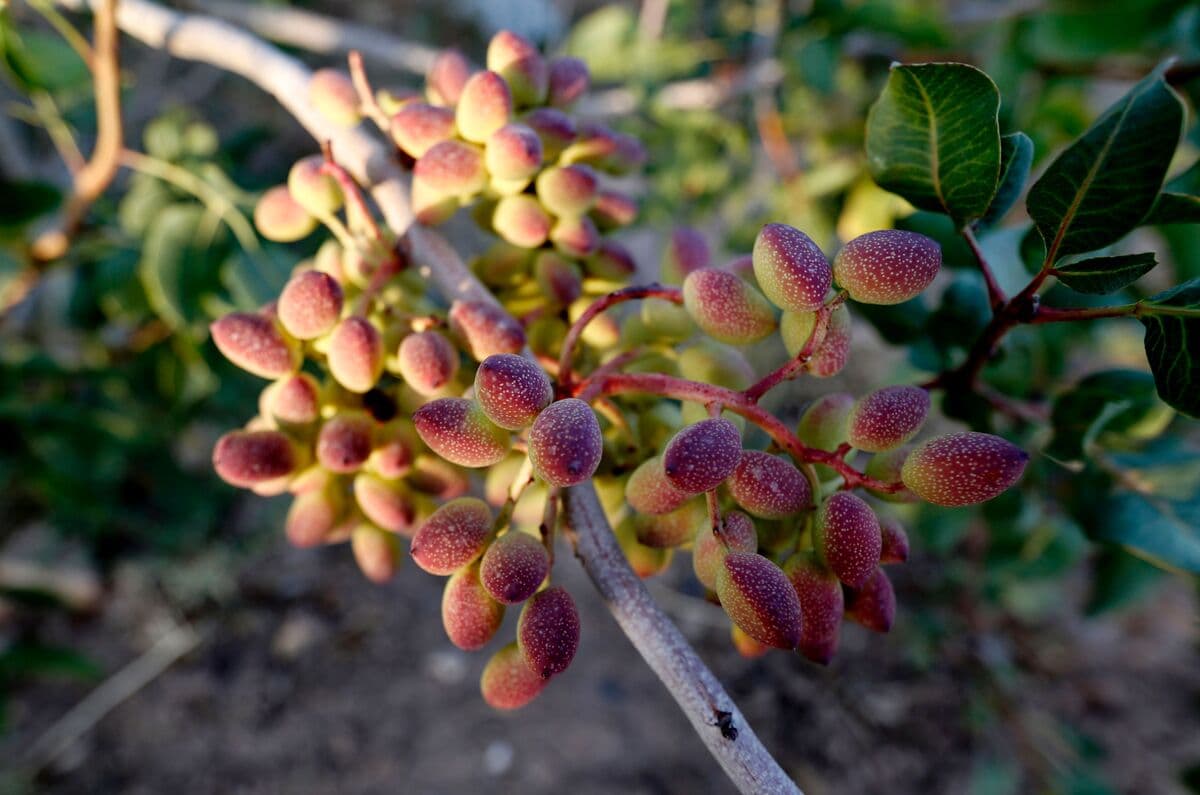
Green Gold Is Getting More Precious in Wartime
A war‑related export blockade in Iran has left millions of pounds of pistachios stranded in warehouses, creating a sharp supply shock for global food manufacturers. Prices for shelled pistachios have jumped roughly 30% since the conflict escalated, squeezing margins for...

Bank of England Likely to Keep Rates on Hold as Markets Ramp up Hike Bets
The Bank of England is expected to keep its policy rate at 3.75% during the April meeting, despite markets pricing in two hikes by year‑end. Governor Andrew Bailey warned investors they were “getting ahead of themselves,” and the BoE appears...
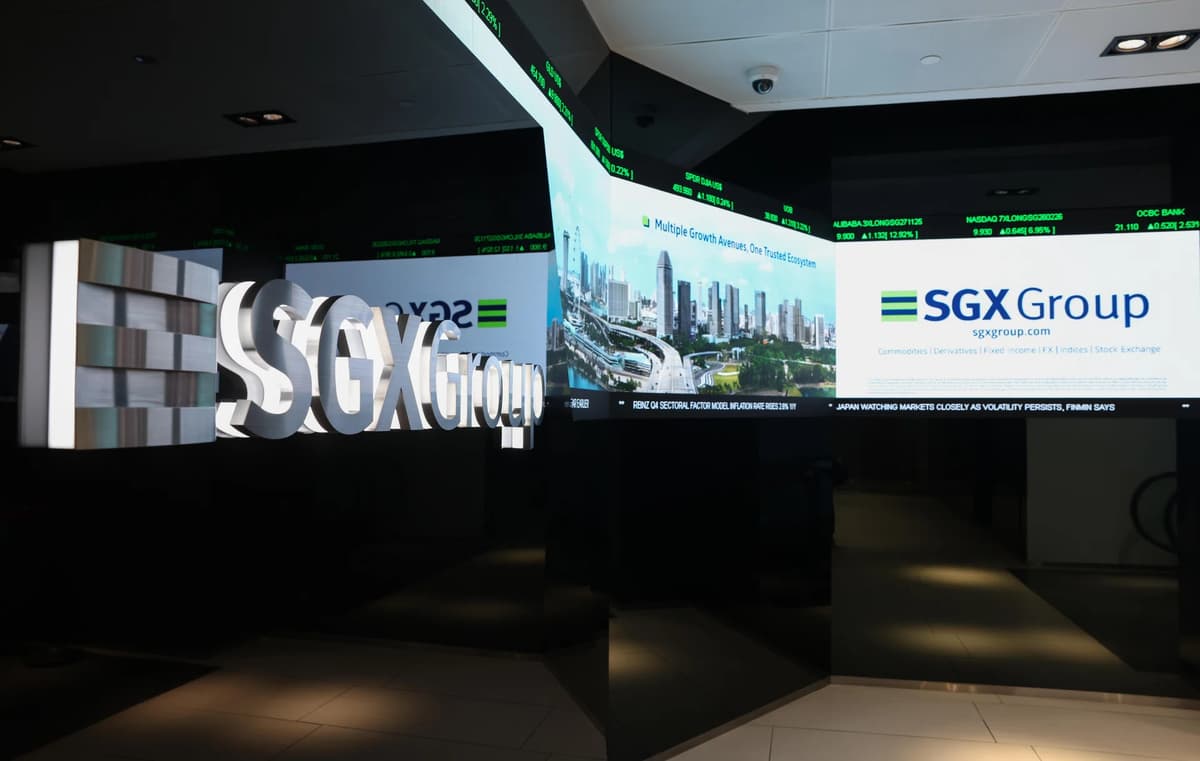
STI Dips 0.4% as Investors Are Concerned About War and Inflation
Singapore's benchmark Straits Times Index slipped 0.4% to 4,922.86 on Friday as heightened geopolitical tension and persistent inflation dampened investor confidence. Yangzijiang Shipbuilding led gains, rising 3.8% to S$4.33 (about $3.20), while UOB fell 2.44% despite declaring a S$0.71 ($0.53)...

The Strait of Hormuz Energy Crisis Shows the EU’s Carbon Pricing Is the Right Approach
Recent closure of the Strait of Hormuz has driven up global energy prices, forcing Europe to spend an additional €24 billion (about $26 billion) on fossil fuel imports. In response, the European Commission unveiled the AccelerateEU package, a set of non‑binding short‑term...

Iran War, U.S. Court’s Tariff Ruling Delays India Trade Deal — but a Bigger Risk Lies Ahead
The India‑U.S. trade agreement remains unsigned, with negotiations stalled by the Iran war and a recent U.S. court ruling that upheld a 10% baseline tariff for all partners. India faces a June deadline for the Section 301 investigation, after which higher...

Think Tank Raises Taiwan's 2026 GDP Growth Forecast to 7.56%
The Taiwan Institute of Economic Research lifted its 2026 GDP projection to 7.56%, a 3.51‑point jump from its January outlook. The revision is anchored in surging global demand for artificial‑intelligence‑driven products, especially semiconductors and ICT equipment. TIER now expects goods...
Rupee Logs Steepest Weekly Drop in over Three Years as Iran War Worries Resurface
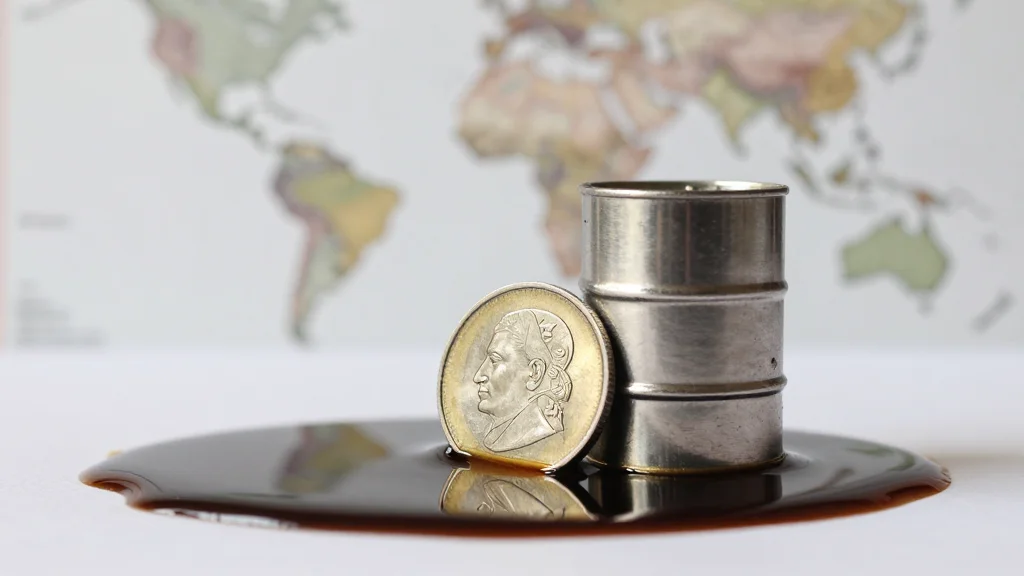
The Indian rupee fell 1.4% to 94.2475 per dollar, marking its steepest weekly decline since September 2022. The slide was triggered by renewed worries that the U.S.–Iran ceasefire could collapse, pushing Brent crude up 2% to $107 per barrel. RBI’s short‑term...

Canada Prepared to Launch CUSMA Review as Washington Demands Concessions
Canada’s new U.S. ambassador, Mark Wiseman, told parliament that Ottawa is ready to launch formal CUSMA review talks with its North American partners. He framed the review as a chance to calm market volatility caused by recent U.S. trade moves....

ECB Steps up Its Challenge to Visa and Mastercard
The European Central Bank is intensifying its scrutiny of Visa and Mastercard over high interchange fees and limited competition in the euro‑area payments market. By leveraging new supervisory powers, the ECB plans to conduct a formal investigation and may propose...
The War's Effect on Consumers Is Starting to Show
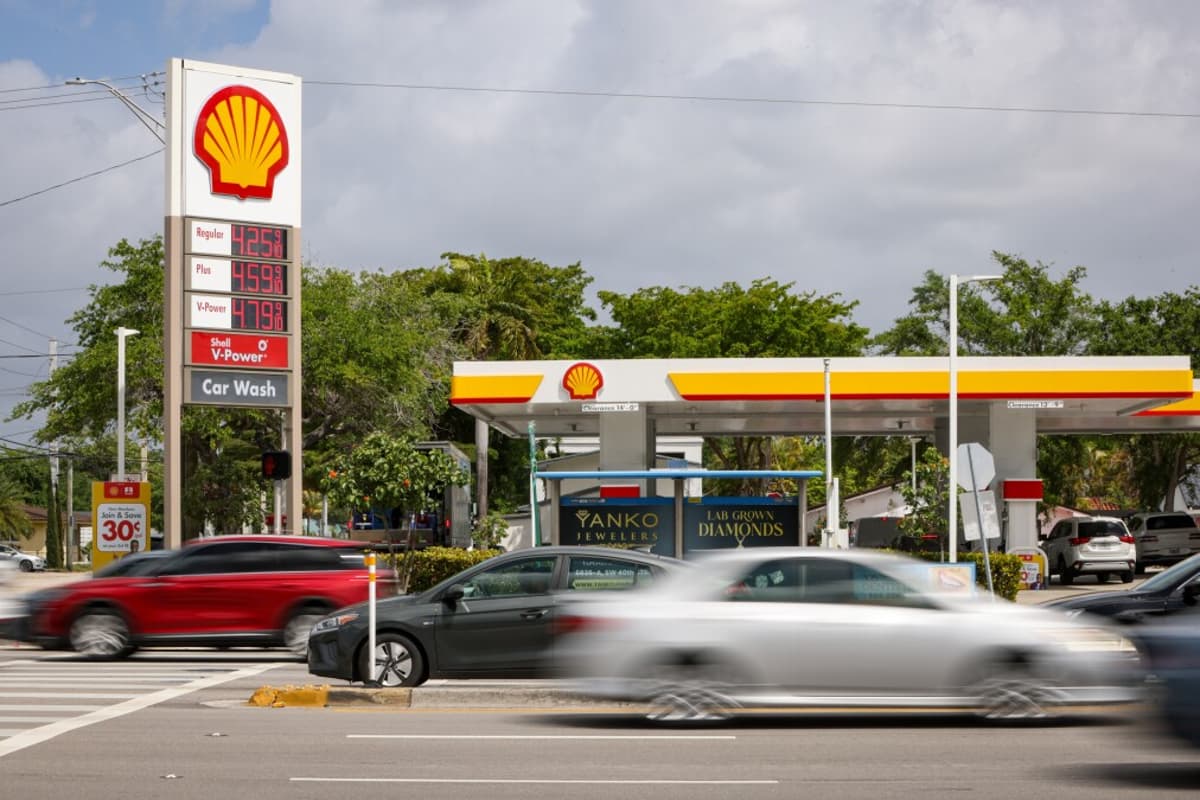
The Middle East war is beginning to register modest economic effects in the United States, with the Chicago Fed's National Activity Index slipping to –0.20 in March. Major banks reported little immediate impact for Q1, but Huntington Bancshares set aside...
Trump and China Vie for Influence in Latin America
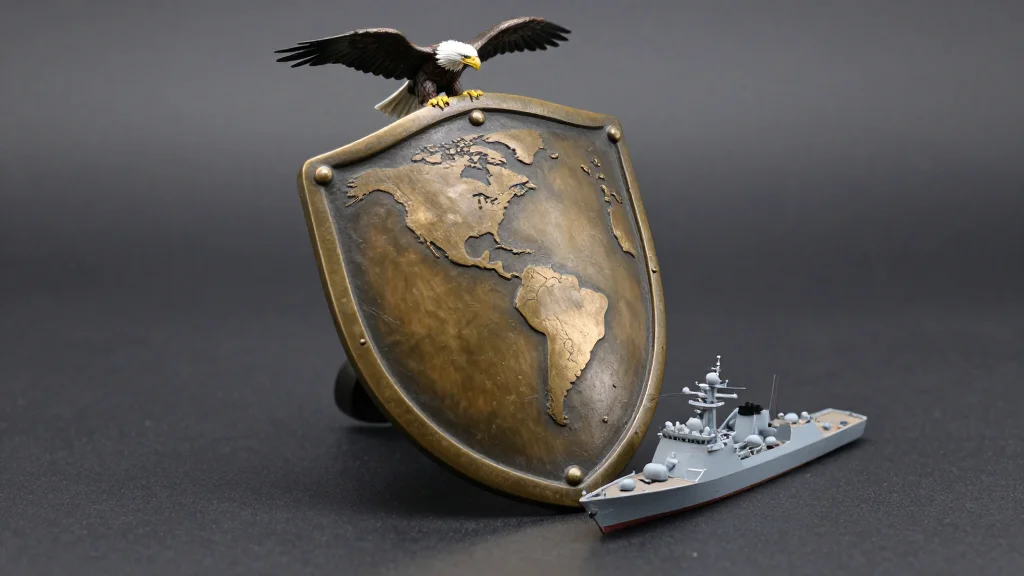
In its 2023 National Security Strategy, the Trump administration declared the Western Hemisphere its top priority, adding a “Trump Corollary” to the Monroe Doctrine to block rival control of strategic assets. The policy has already manifested in a January raid...
Bank of Korea Urged to Adopt Green Monetary Policies
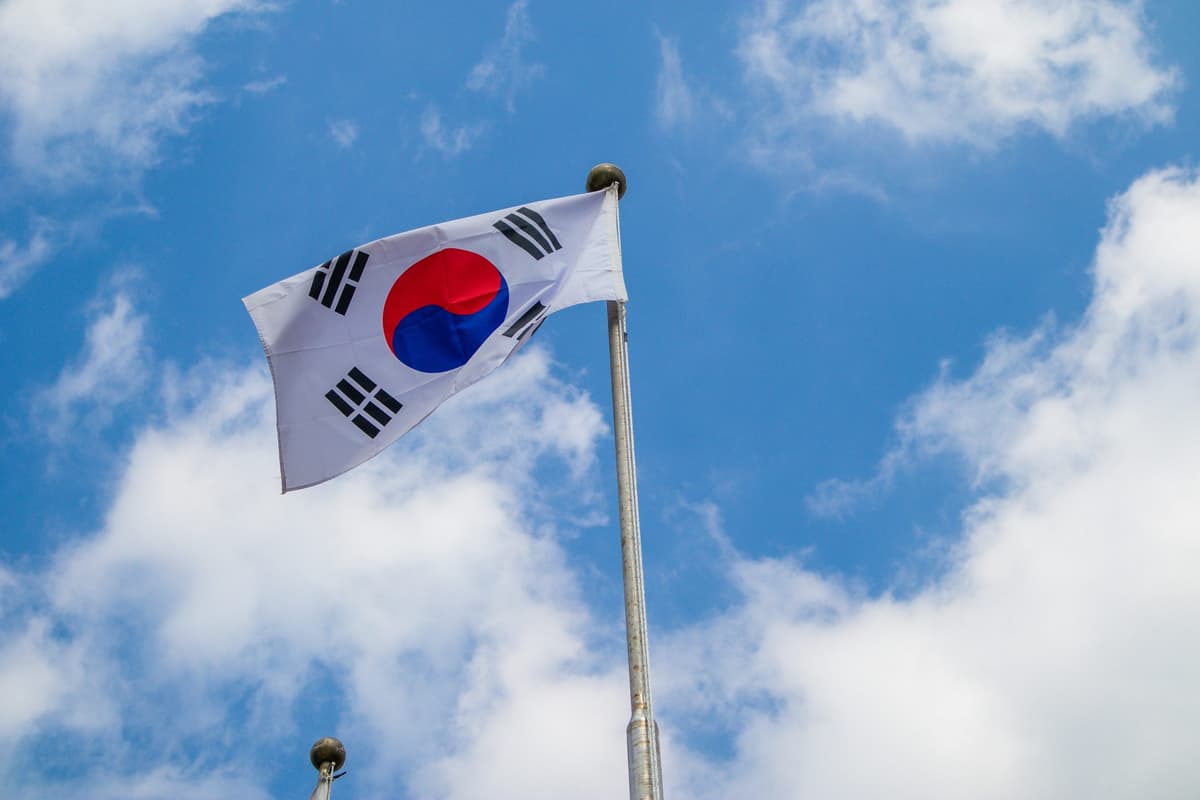
South Korea’s central bank is under growing pressure to embed climate finance into its monetary policy as the won slides to its weakest level since the 2008 crisis and inflation risks rise. Advocacy groups Positive Money and the Institute for...
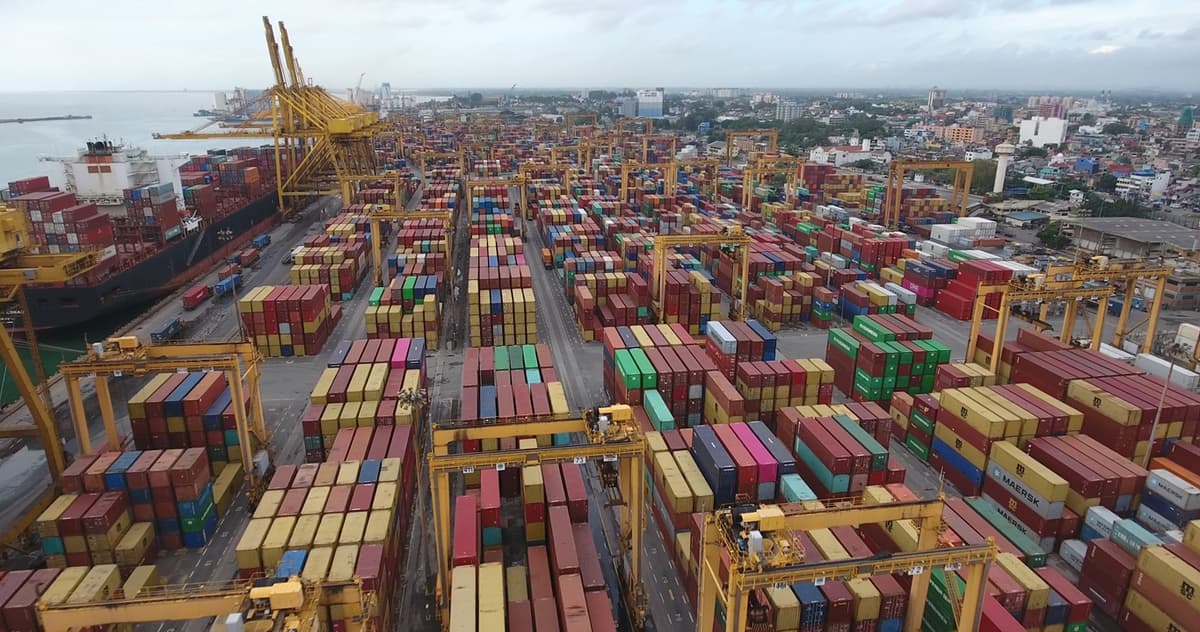
India Subcontinent Gains in Liner Middle East Conflict Restructuring
The war in the Arabian Gulf is prompting a restructuring of global liner services, with the Indian Subcontinent emerging as a new transshipment hub. MDS Transmodal data shows ISC container traffic up 19.6% month‑over‑month between February and April 2024, while capacity...

BlackRock Flags AI, Energy Shocks and Diversification as Defining Forces for 2026 Markets
BlackRock’s Spring 2026 Investment Directions report warns that persistent inflation, geopolitical shocks and rapid AI expansion will shape market dynamics, but it still sees resilient U.S. corporate earnings. The firm recommends a constructive stance on risk assets, favoring large‑cap growth stocks...
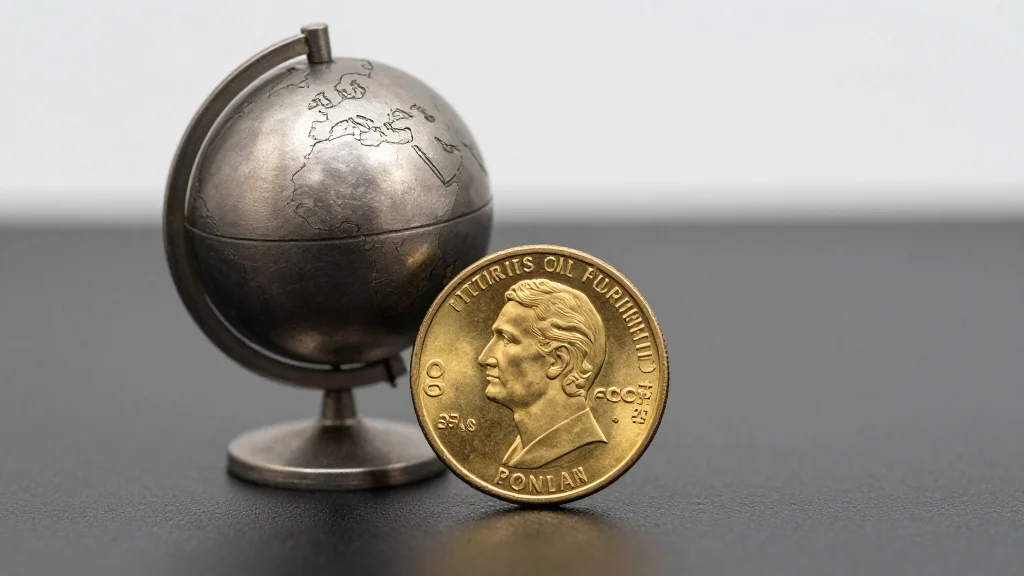
Scott Bessent’s ‘Swap Diplomacy’: A New Front for US Treasury
U.S. Treasury Secretary Scott Bessent is moving dollar‑swap diplomacy from the Federal Reserve to the Exchange Stabilisation Fund, beginning with a $20 billion line for Argentina and now eyeing a similar backstop for the UAE. The Treasury frames the effort as...
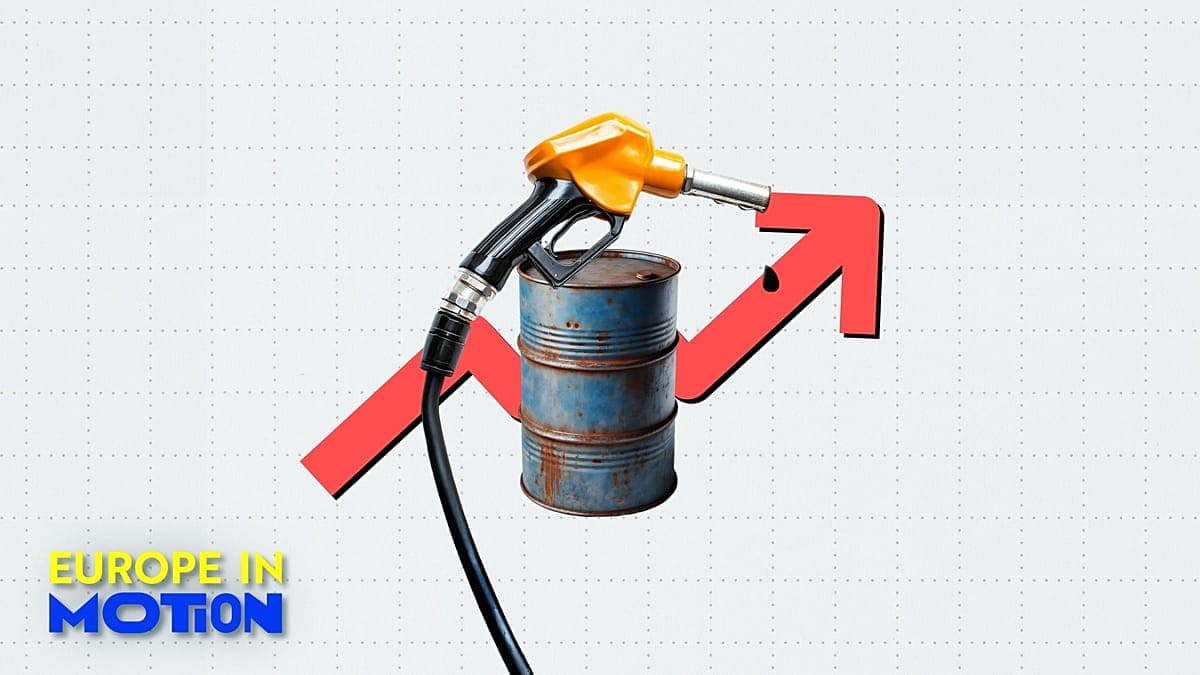
Ranked: Which Countries Have Had the Worst Fuel Price Spikes Since the Iran War?
Oil prices surged above $100 a barrel after the Strait of Hormuz blockage, triggering the sharpest fuel‑price spikes in Europe since the Iran conflict began. Eurostat data show a 13.5% rise across the EU between February and March 2026, with...
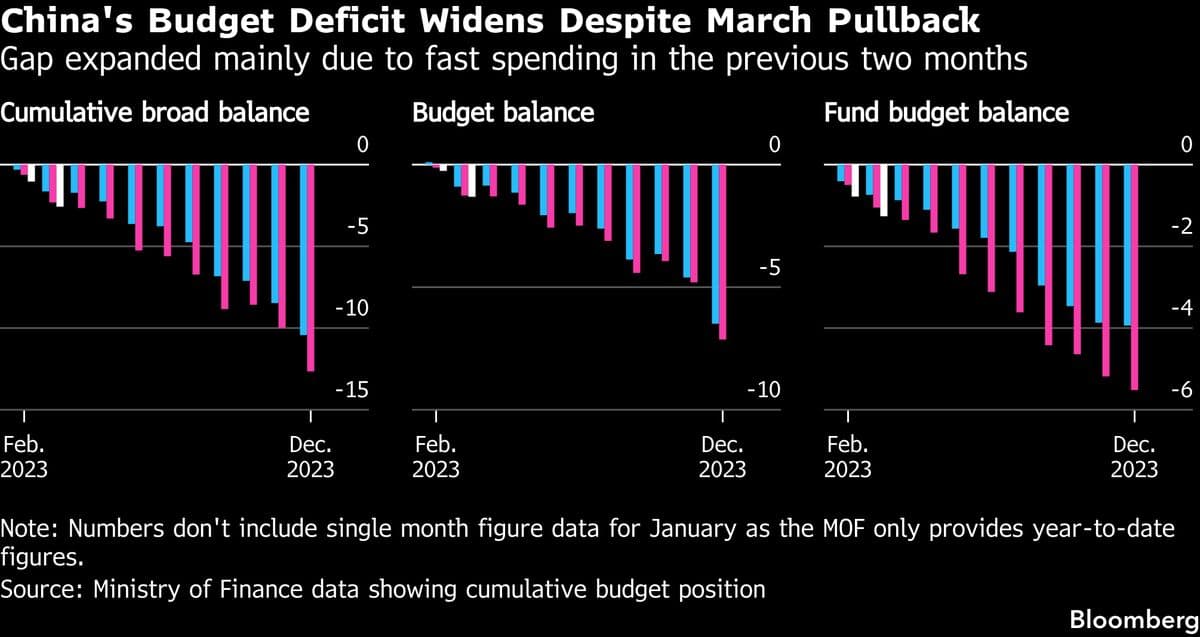
China Hit Brakes on Fiscal Stimulus as Economy Holds Up Amid War
China’s fiscal engine, a key driver of its post‑COVID rebound, showed a notable pullback in March 2026. Bloomberg’s analysis of Ministry of Finance data reveals a 2.5% year‑on‑year decline in total public expenditure, the steepest since October 2023. The contraction...
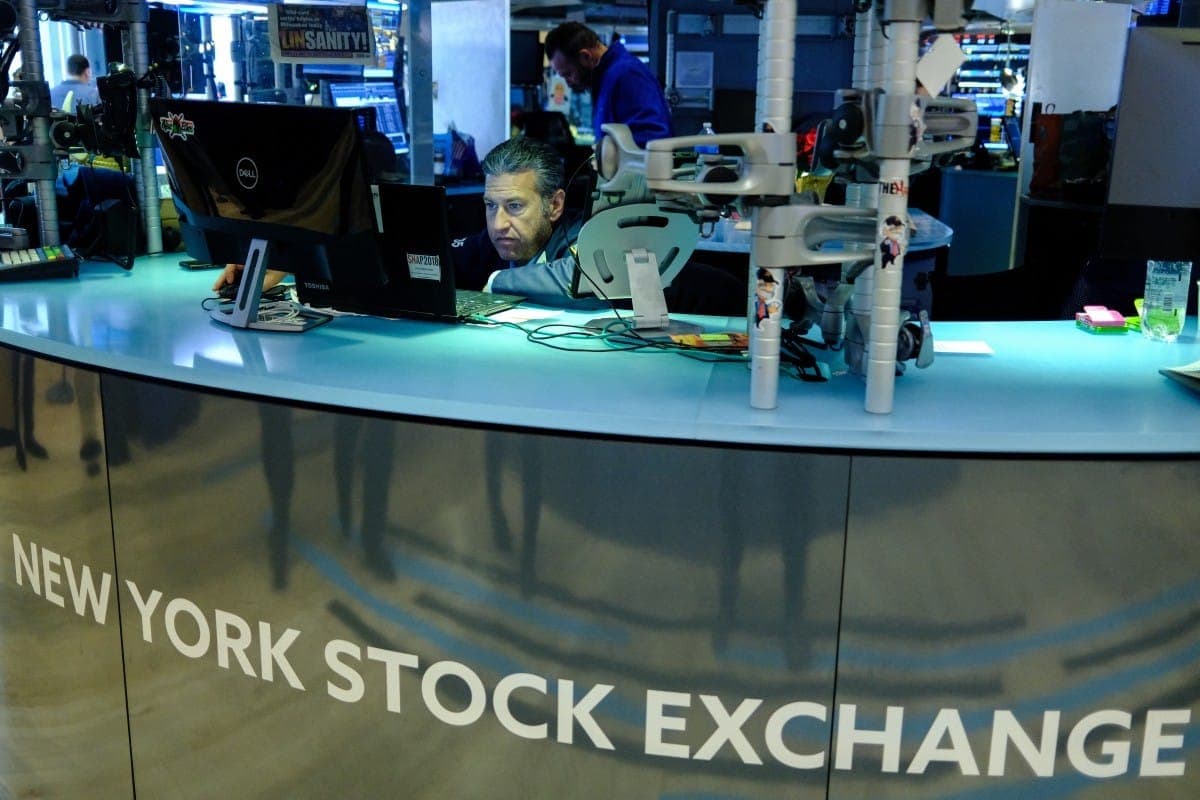
Stocks Mostly Fall as US-Iran Peace Talks Stall and Oil Prices Rise
Global equities slipped on Thursday as Brent crude breached $100 a barrel, reigniting inflation concerns. The United States and Iran failed to advance peace talks, leaving the Strait of Hormuz effectively closed and tightening oil supplies. Despite solid first‑quarter earnings...

What Hormuz Exposed About Our Semiconductor Supply Chain
The closure of the Strait of Hormuz in early March has halted Qatar’s Ras Laffan helium plant, sending spot helium prices soaring and exposing a critical dependency in the semiconductor supply chain. South Korea and Taiwan source roughly two‑thirds of their...
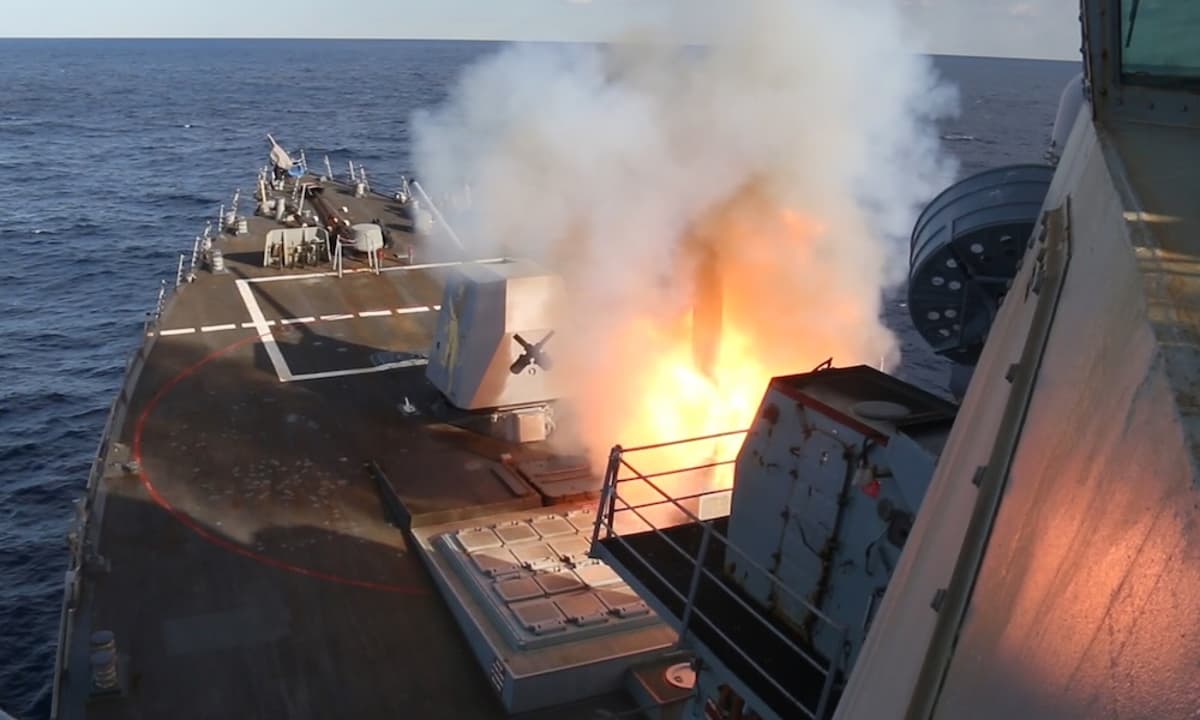
Splash Wrap: Why the Hormuz Conflict Is a World War
The Hormuz shipping crisis has sent freight slot prices soaring to $385,000, with some bids exceeding $1 million, while disrupting global fertilizer and sulphur supplies. The International Maritime Organization’s secretary‑general called for immediate de‑escalation to safeguard freedom of navigation. Panama Canal...

German Economy Back in Crisis Mode as Ifo Index Drops to Pandemic Levels
Germany’s Ifo business‑climate index slipped to 84.4 in April, its lowest reading since the COVID‑19 pandemic, as firms grapple with the fallout from the Middle East war, soaring energy prices and emerging supply‑chain frictions. Energy‑intensive industries, which account for 17%...
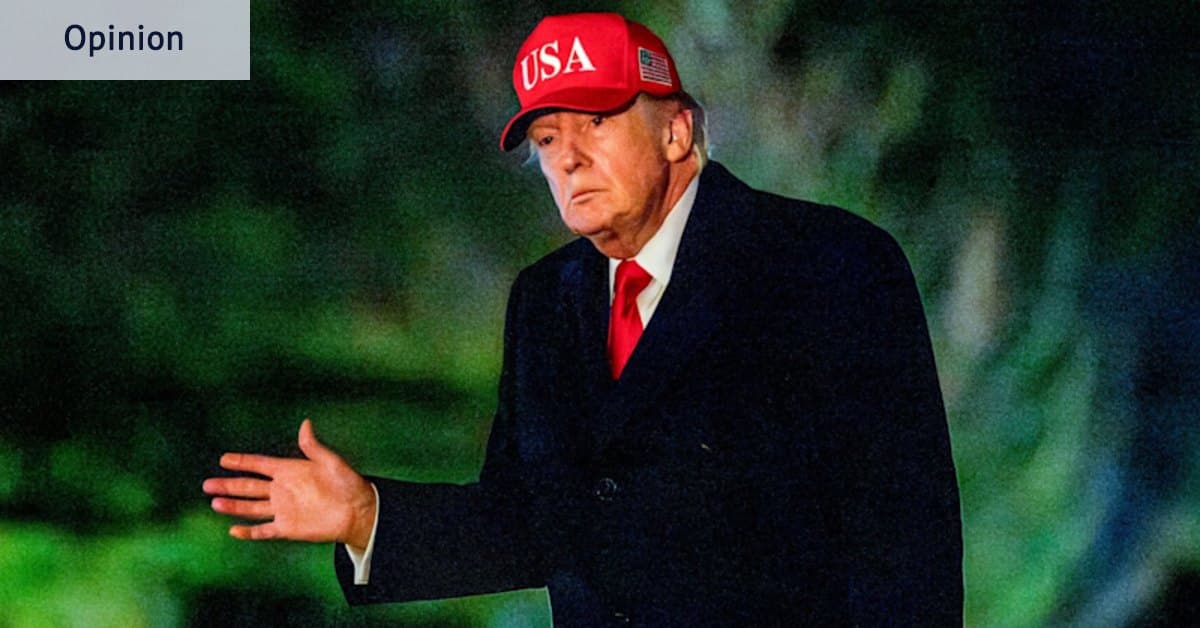
Trump’s War Is a Clear and Present Danger to Your Future
World markets are losing the petrodollar lifeline that Gulf sovereign‑wealth funds and central‑bank reserves have provided. The Gulf’s $6 trillion in sovereign‑wealth assets and $1.7 trillion in foreign‑exchange reserves, twice the size of China’s combined reserves, are at risk after President Trump’s...
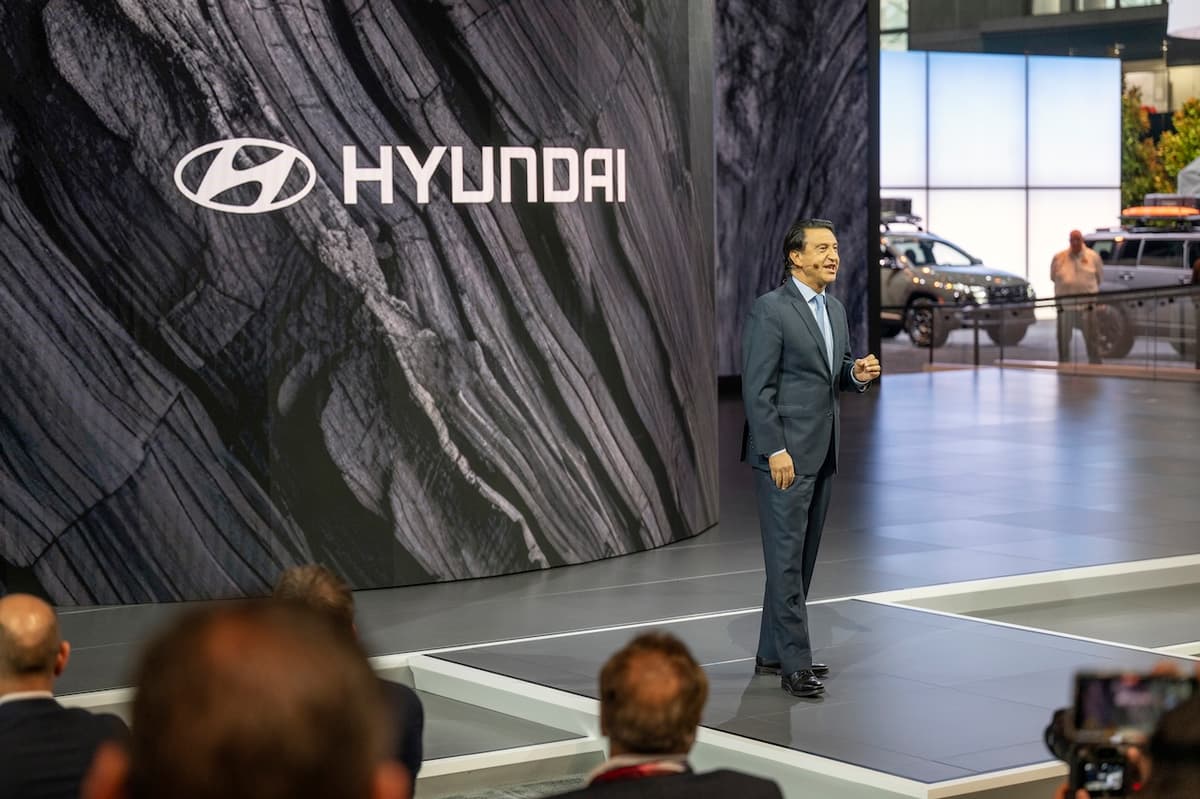
Hyundai Auto Profits Strained by yet Another Economic Crisis
Hyundai Motor Company reported a 30.8% year‑on‑year decline in Q1 2026 operating profit, falling to KRW 2.5 trillion (≈$1.9 billion). The slump is linked to U.S. import tariffs and the ongoing war in the Middle East, which threaten export corridors to Europe, Africa and...
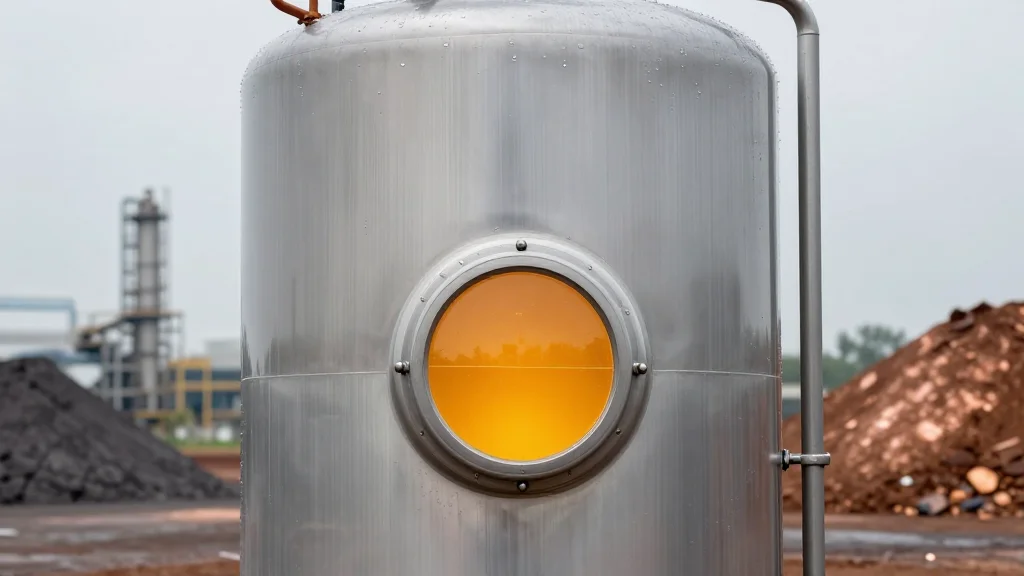
Chile Braces for Bad Acid Trip
Chile’s mining sector is confronting a looming shortage and price surge for sulphuric acid, a critical reagent for copper processing. The disruption stems from the Iran‑Israel conflict and the recent closure of the Strait of Hormuz, which have choked global...
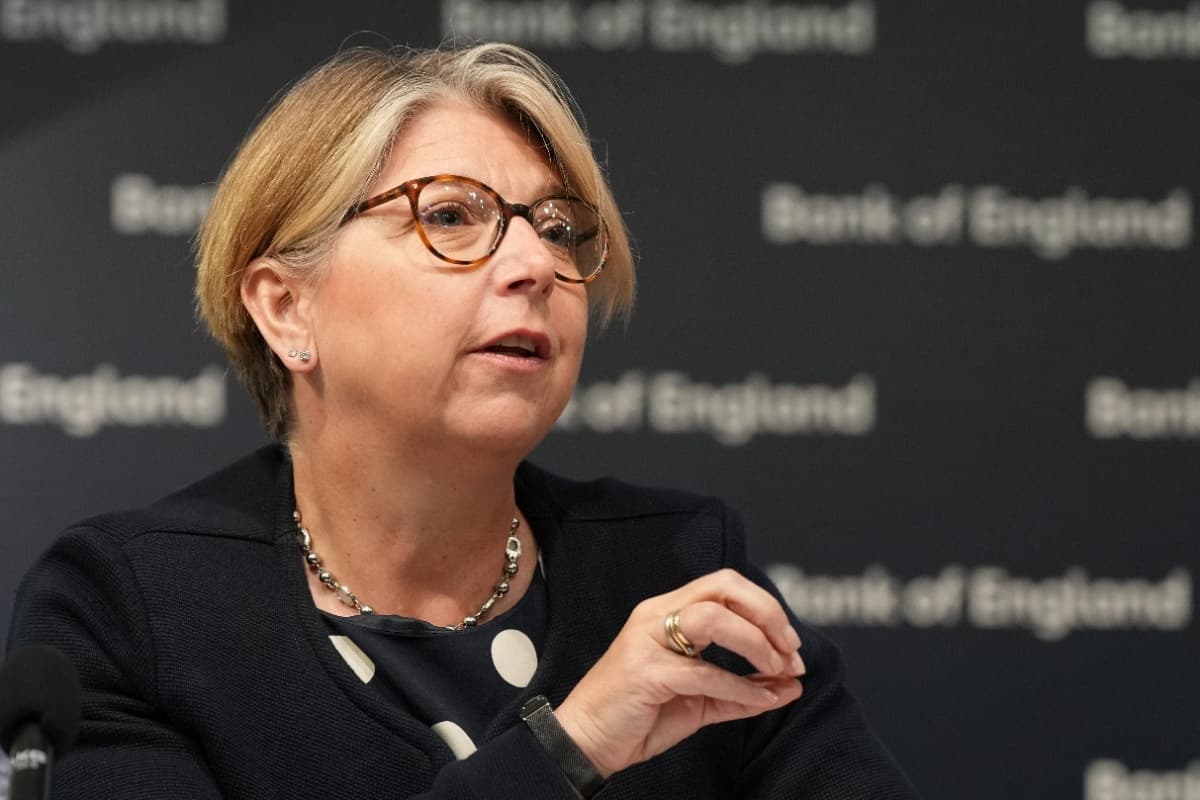
‘There’s a Lot of Risk Out There’ – Bank of England Warns of Market ‘Adjustment’
Bank of England deputy governor for financial stability Sarah Breeden warned that global markets remain vulnerable and that current asset prices are at all‑time highs despite heightened risks. She said an adjustment is inevitable after recent turmoil, including an eight‑percent...
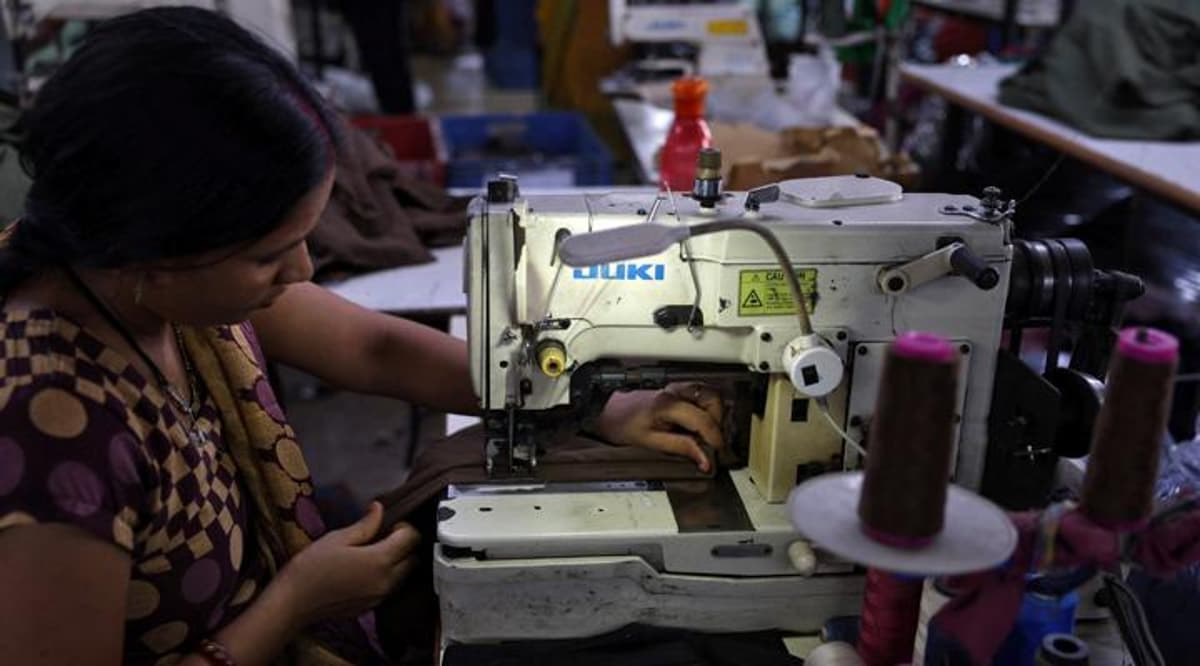
Iran War Hits Asia’s Suppliers to Global Fast Fashion
The Iran‑War‑driven surge in fossil‑fuel prices is hitting polyester feedstock costs, pushing Indian yarn producer Filatex to pay roughly 30% more for PTA and MEG. Indian and Bangladeshi textile firms report sharp rises in yarn and thread prices, labor shortages,...
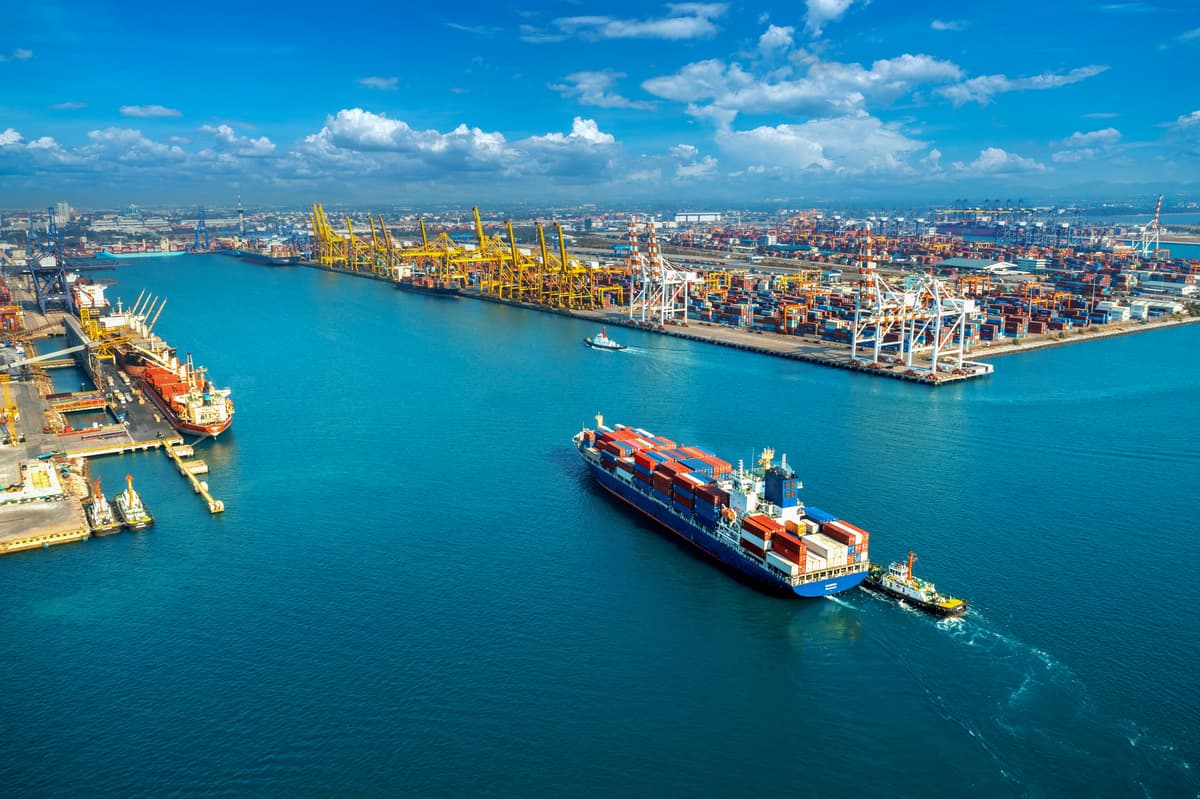
Payment Delays and Geopolitics Test Exporters
Allianz Trade’s 2026 Global Survey of 6,000 exporters shows optimism persisting despite the Middle East war, with 75% still expecting export growth, though confidence slipped six points. Geopolitical risk now tops the agenda for 65% of firms, pushing 80% to...

Geopolitics Home to Roost at a Rail Terminal Near You
Geopolitical tensions in the Middle East have forced container ships to bypass the Suez Canal, sending vessels around the Cape of Good Hope and causing large, irregular cargo arrivals at UK ports. The resulting clustering of containers overwhelms rail terminals,...
UK Wage Tax Burden Rises Fastest Among Rich Nations as Hiring Concerns Grow
The OECD reports that the UK’s wage tax burden rose to 32.4% of labour costs in 2025, the steepest increase among advanced economies. The surge stems from higher employer National Insurance contributions and frozen tax thresholds that create fiscal drag....

Dollar Rises as US–Iran Stalemate Lift Oil Prices, Euro Hit by Weak Outlook
The U.S. dollar rose as oil prices climbed amid a lingering US‑Iran maritime standoff and a three‑week Israel‑Hezbollah ceasefire extension that failed to ease geopolitical risk. Higher oil prices are feeding inflation expectations, reinforcing a higher‑for‑longer rate outlook and safe‑haven...
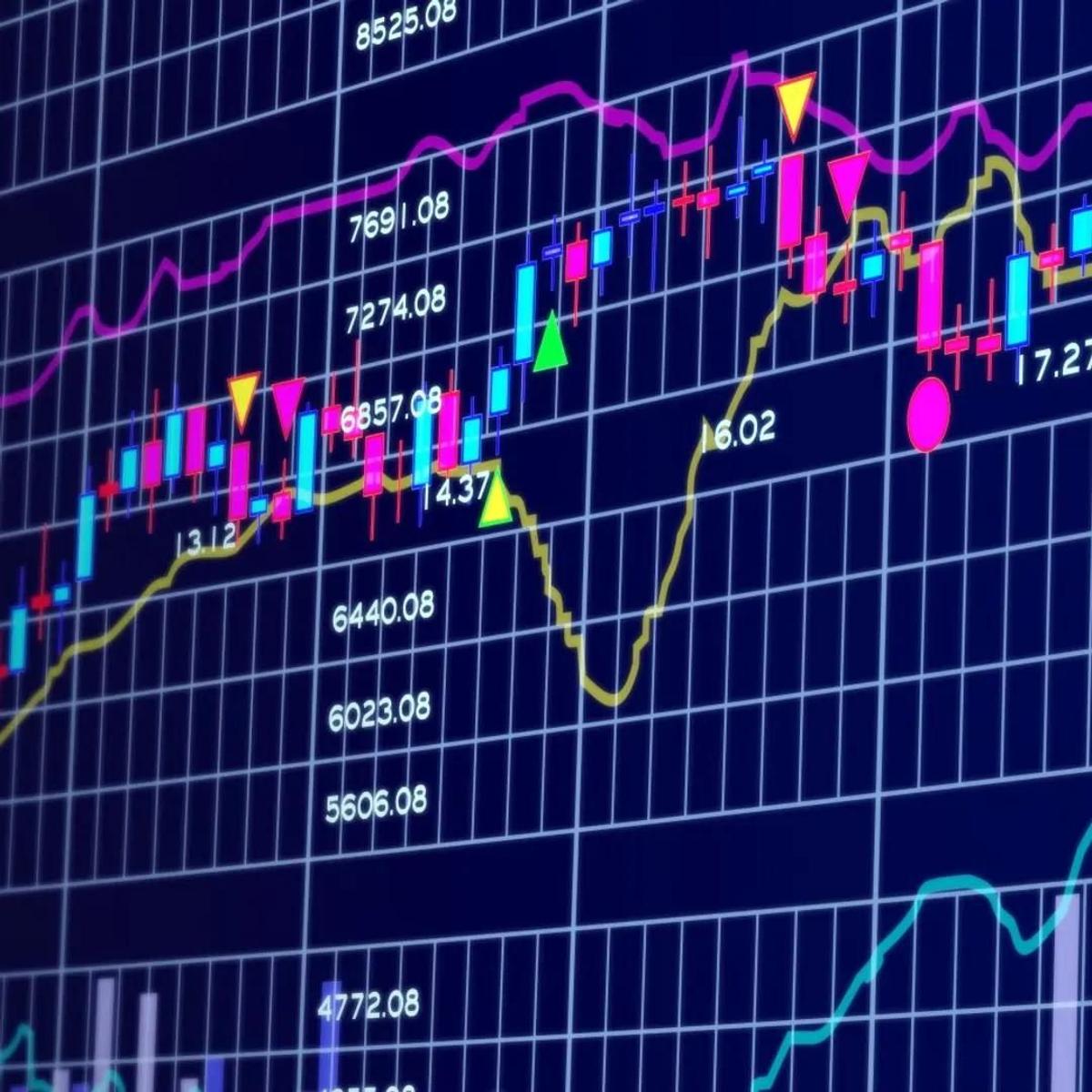
Bitcoin Rally Is Stalling as Japanese Inflation Adds to Iran War–Driven Market Jitters
Bitcoin hovered around $77,800 on Friday, ending a late‑March rally that began near $65,000. The pullback coincided with Japan’s March services inflation rising to 3.1% YoY, reviving expectations that the Bank of Japan may signal rate hikes. At the same...
Trump Should Just Finish the Job on Iran
President Trump halted Operation Epic Fury in April 2026 after two weeks of heavy strikes on Iran, declaring an indefinite cease‑fire while naval blockades in the Strait of Hormuz persisted. Admiral Brad Cooper had asked for an extra 14 days to finish a...

Consumer Confidence Falls as Rapid Price Rises Give Households the ‘Jitters’
Consumer confidence in the United Kingdom slipped for the third month in April, with GfK’s index falling four points to -25. The outlook for the next 12 months dropped six points to -43, the weakest reading since February 2023. While confidence...
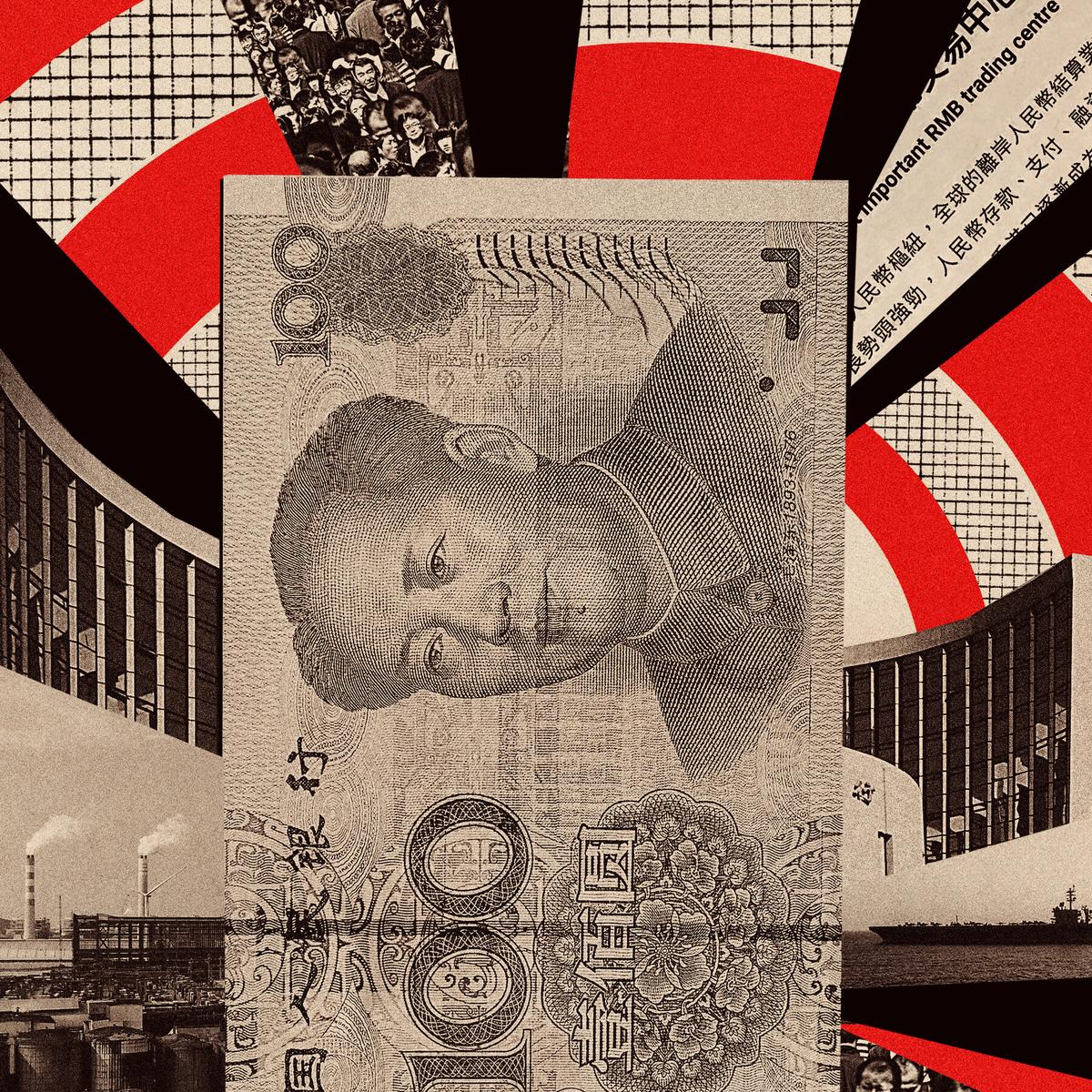
War and Sanctions Accelerate China’s Currency Push
China is accelerating its long‑term effort to internationalize the renminbi as a way to sidestep U.S. sanctions. The wars in Ukraine and Iran have pushed Russia, Iran and other sanctioned economies toward yuan‑denominated trade, giving Beijing a foothold in de‑dollarization....

The Other China Flash Point
While Taiwan remains the headline flashpoint in U.S.-China tensions, the South China Sea is emerging as a more immediate trigger for conflict. Beijing’s aggressive coercion—ranging from water‑cannon attacks to axe‑wielded assaults—has injured Filipino and Vietnamese mariners and escalated confrontations with...
Indonesia Rules Out Collecting Transit Fees From Ships in Malacca Strait
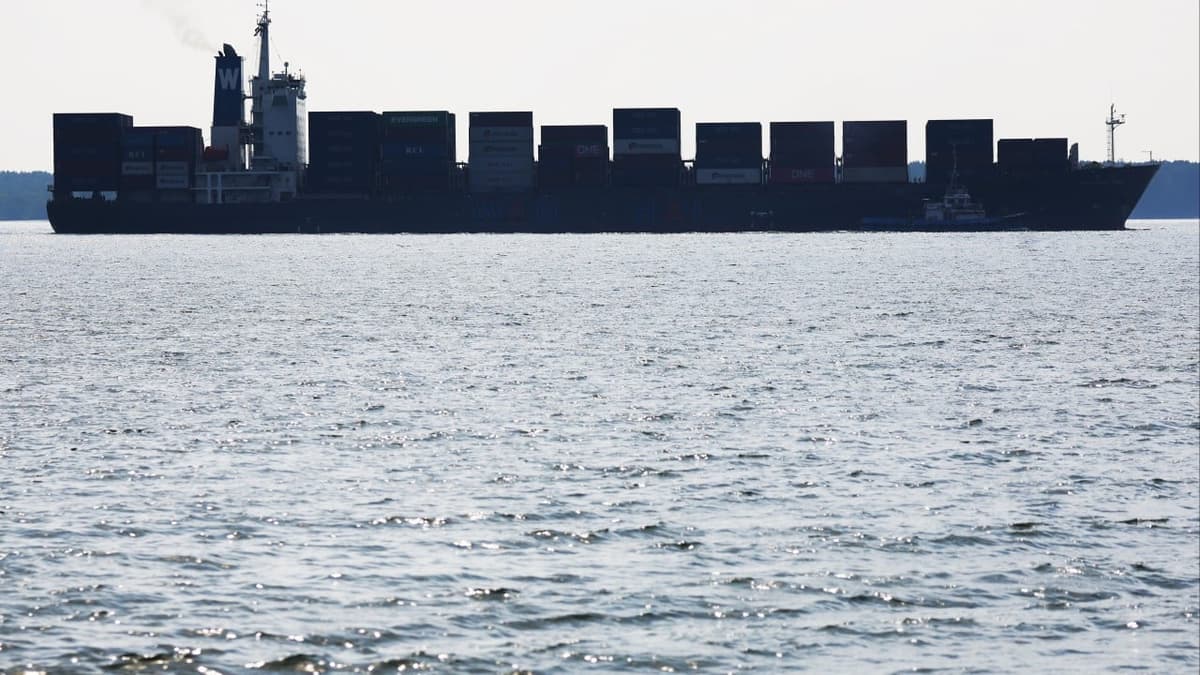
Indonesia’s foreign minister confirmed the country will not impose tolls on vessels transiting the Strait of Malacca, countering recent comments by Finance Minister Purbaya Yudhi Sadewa. The decision underscores Indonesia’s support for freedom of navigation and compliance with UNCLOS, the...
Global Shipping Order May Never Recover From Hormuz
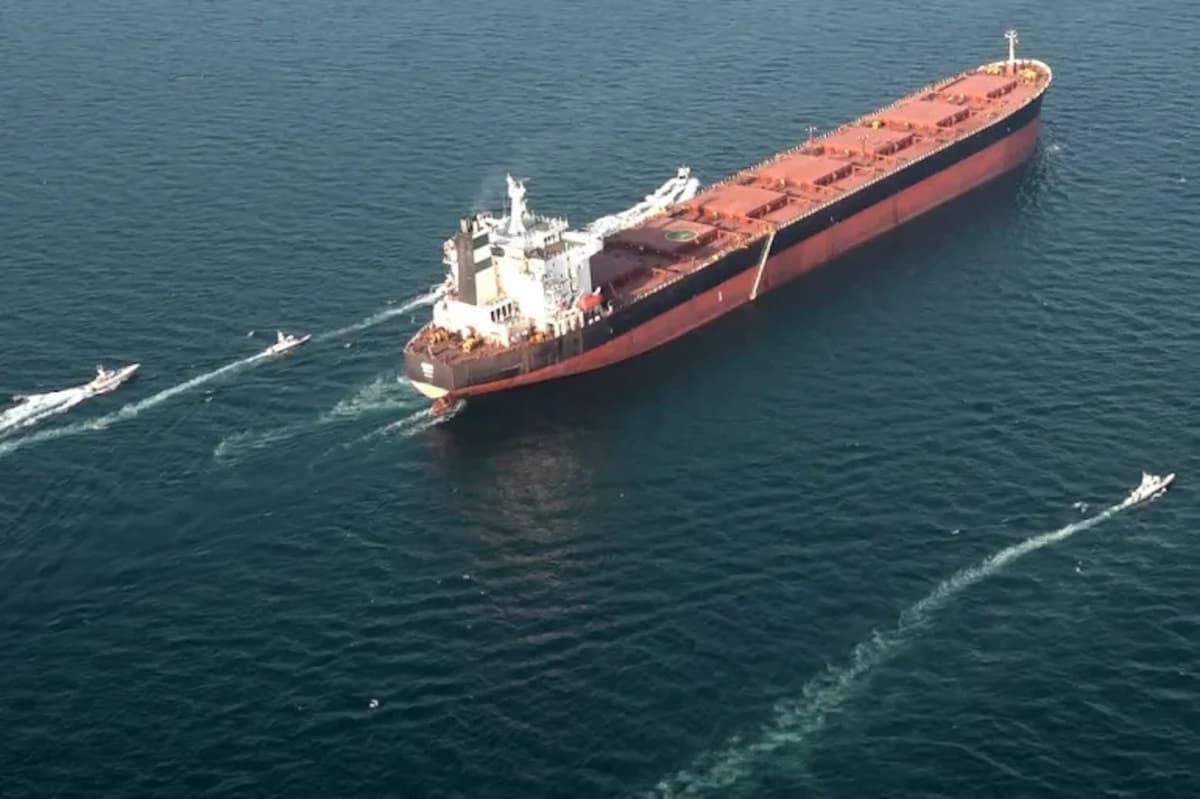
Escalating U.S.–Iran confrontations in the Strait of Hormuz have caused shipping traffic to plunge, despite a new $40 billion U.S. maritime insurance fund aimed at stabilizing the route. The strait, which moves roughly 25% of global oil and 20% of LNG,...
Can China’s EV Surge Conquer Overseas Markets?
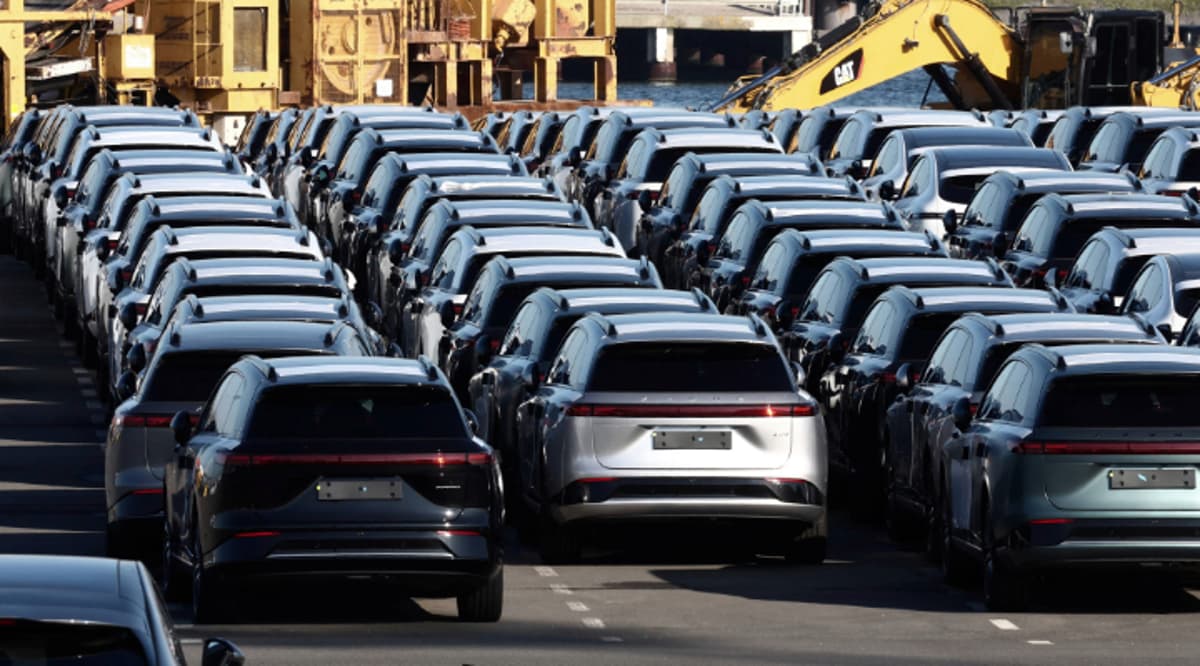
China’s auto sector is turning a domestic sales slump into an export drive, aiming to sell surplus electric vehicles abroad as domestic demand fell 18% YoY in Q1. Exports rose 20% to 5.8 million cars in 2023 and are projected to...

Japanese Inflation Quickened in March, Complicating Bank of Japan Outlook
Japan’s consumer price index accelerated to 1.5% year‑on‑year in March, outpacing the 1.4% market forecast, while core inflation excluding fresh food rose to 1.8% – the first increase in five months. The uptick reflects broader price pressures from goods and...

Report: Countries with the Most Gold Reserves, 2026
Gold prices topped $5,300 per ounce in early 2026, pushing bullion bars above $1 million each. Official holdings show the United States still leads with 8,133.5 tonnes, followed by Germany, Italy and France, while Russia, China and several mid‑size economies expand their...

Singapore Emerging as Neutral Ground as AI Firms Navigate Sino-US Rivalry
Singapore is rebranding itself as a neutral AI hub amid intensifying U.S.-China tech rivalry. Chinese startups such as Topview are relocating to sidestep government oversight, while U.S. firms seek talent without the friction of tightened H‑1B rules. The city‑state offers...

Japan Core Inflation Accelerates After Five Months as Iran War Stokes Energy Worries
Japan’s core inflation jumped to 1.8% in March, marking the first rise in five months and aligning with Reuters’ forecast. Headline inflation eased to 1.5%, remaining under the Bank of Japan’s 2% target for a second consecutive month, while the...

AI Productivity Won?t Solve Advanced Economy Debt Woes-
Kenneth Rogoff argues that AI‑driven productivity gains are unlikely to cure advanced economies' ballooning budget deficits. While AI may boost output, it also shifts income toward capital, eroding the labor tax base and prompting governments to spend more rather than...

Asia Tightens Grip on Global Wealth as UHNWI Ranks Swell- #Wealth #AssetManagement #AssetFinance
Knight Frank's Wealth Report shows ultra‑high‑net‑worth individuals (UHNWIs) increased by 162,000 between 2021 and 2026, pushing the global total above 713,000. Asia‑Pacific now accounts for nearly 31% of the UHNW population, with China remaining the second‑largest wealth hub. India’s ultra‑wealthy...
Examining Opportunities and Obstacles Facing Central Asia’s Quest to Reach Sea
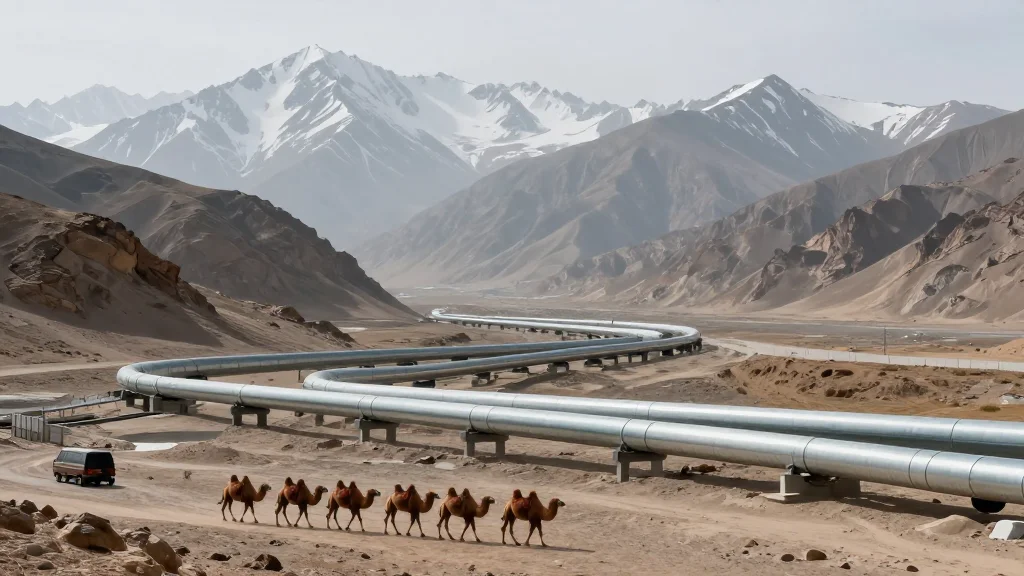
A Capitol Hill forum hosted by the New Lines Institute highlighted the Silk Seven Plus (S7+) initiative, which envisions a Greater Central Asian economic community linking the Caspian Basin to the Arabian Sea. Experts stressed Afghanistan’s pivotal role as the...

Stock Markets Are Too High and Set to Fall, Says Bank of England Deputy
Bank of England deputy governor Sarah Breeden warned that global equity markets are perched at all‑time highs and are likely to experience a correction. She highlighted multiple converging risks, including a potential macro‑economic shock, over‑inflated AI valuations and a fragile...
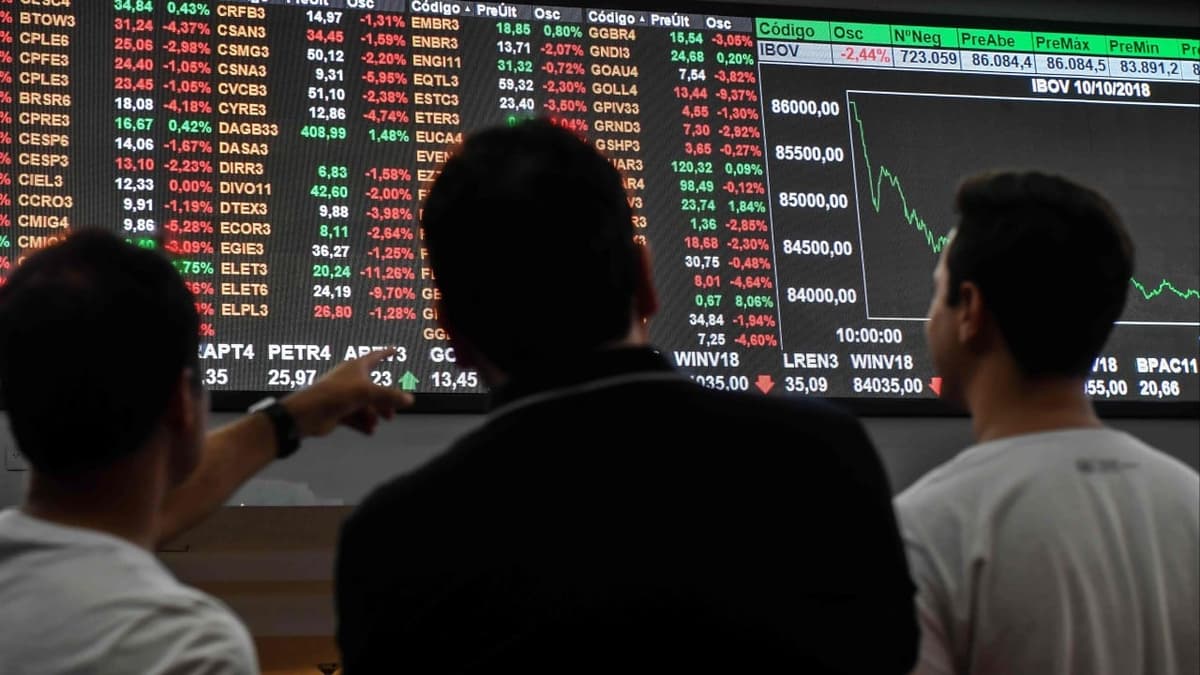
Brazil Beckoned: China Now Has Stock and Bond ‘Connect’ Schemes in These 5 Regions
China has launched its first emerging‑market bond‑connect with Brazil, linking Chinese investors to Brazilian sovereign debt and vice‑versa. The move expands China’s portfolio of offshore "connect" schemes, which already include Hong Kong, Singapore, the United Kingdom and Switzerland, covering both equity...