Today's Global Economy Pulse
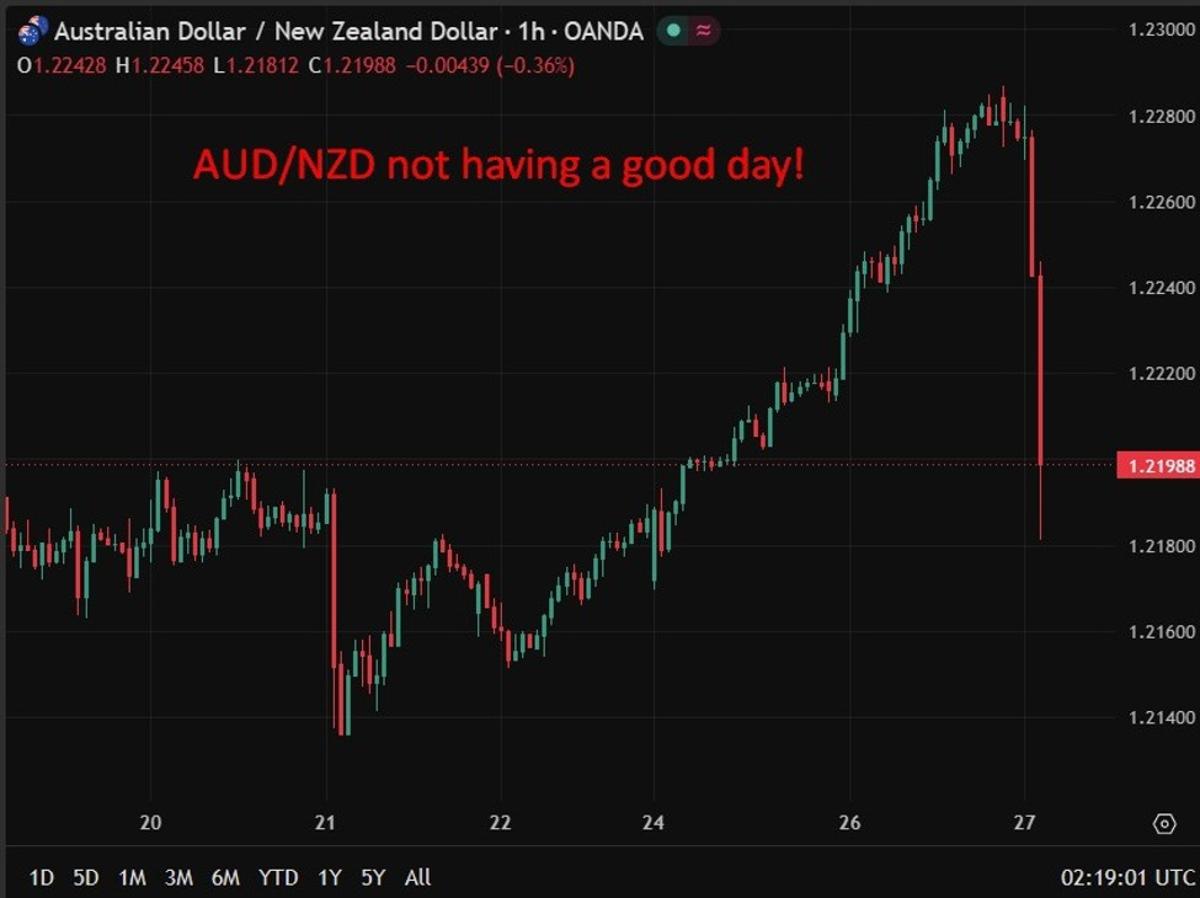
Australia's April CPI eases to 4.2% as fuel cuts mask rising core inflation
The consumer price index slipped to a 4.2% annual rise in April, missing the 4.4% forecast, helped by a temporary fuel excise cut that lowered transport costs. Meanwhile, the trimmed‑mean core inflation gauge rose to 3.4% year‑over‑year, the highest level since late‑2024, keeping pressure on the Reserve Bank of Australia’s policy outlook.
Fed's Collins Says Rate Hikes May Be Needed to Quell Inflation
Boston Fed President Susan Collins warned that the Federal Reserve may need to raise rates if inflation does not ease, though she sees that outcome as unlikely. She linked the inflation outlook to the duration of the Middle East conflict, noting that prolonged fighting could amplify price pressures. Collins emphasized maintaining a slightly restrictive stance to keep inflation expectations anchored, while acknowledging a modest rise in unemployment could occur. The Fed’s policy‑rate range remains at 3.50%‑3.75% after recent data showed strong job growth, pushing back expectations of rate cuts.
US Producer Inflation Surges by 6pc in April
U.S. producer prices jumped 6% year‑over‑year in April, the strongest rise since December 2022, as soaring energy costs tied to the Middle East Gulf war lifted the overall PPI. The Bureau of Labor Statistics revised the index up from a 4.3%...

No Need to Touch Czech Interest Rates Despite Upbeat Core Inflation
Czech headline inflation held at 2.5% year‑on‑year in April, buoyed by modest food price trends but offset by higher transport and housing costs. Core inflation remains elevated at 2.9% and is projected to hover just below 3% for the rest...

Producer Price Index PPI Surges 1.4 Percent in April, Fed Behind the Curve?
The Bureau of Labor Statistics reported a 1.4% month‑over‑month rise in the Producer Price Index for final demand in April 2026, the strongest gain since March 2022. Services accounted for roughly 60% of the increase, with trade‑service margins jumping 2.7%,...
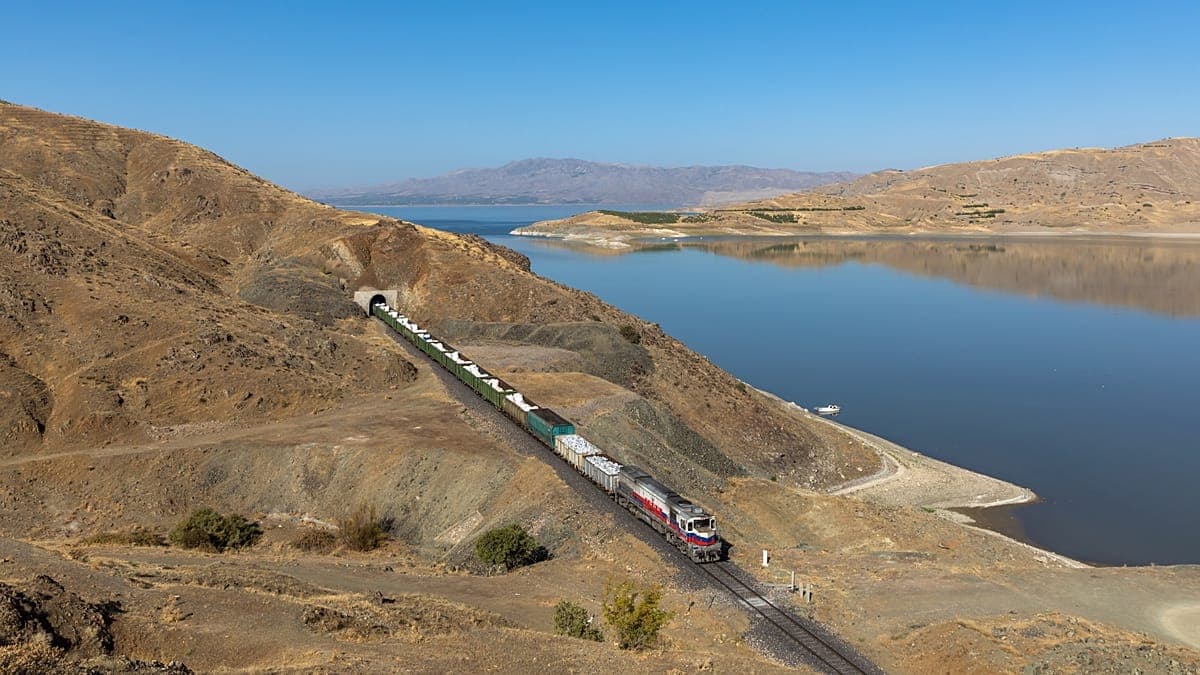
Turkey Removes a Restriction on Direct Trade with Armenia to Improve Ties
Turkey announced on May 13 that it has removed a long‑standing restriction preventing shipments from listing Turkey or Armenia as the final destination or origin, a symbolic step toward normalising ties with its historic rival. The change follows 2021 envoy...
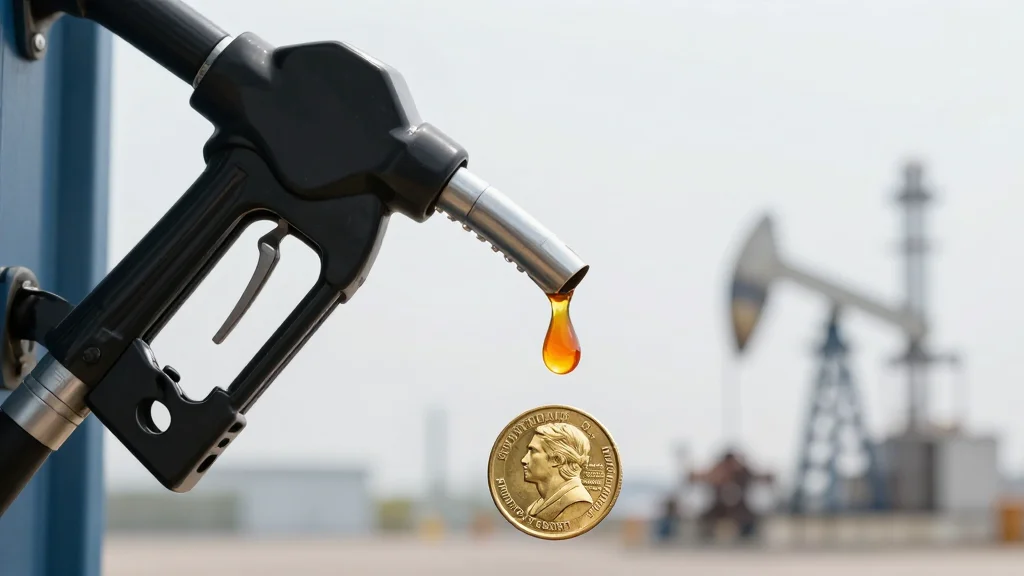
RBI Governor Warns Fuel Price Hikes if Oil Stays Above $100 Amid West Asia Conflict
Reserve Bank of India Governor Sanjay Malhotra warned that a sustained West Asia conflict could push retail petrol and diesel prices higher as crude oil hovers above $100 a barrel. The warning comes amid a widening current‑account deficit, a depreciating...

South Korea's Money Supply Grows 0.4% in March, Marking Fifth Straight Month of Expansion
South Korea's broad money (M2) expanded 0.4% in March to 4,132.1 trillion won (about $2.77 trillion), marking the fifth consecutive month of growth. The Bank of Korea kept its benchmark rate at 2.5% as semiconductor export gains and Middle‑East‑driven inflation dampened...

The Inevitable Decline of the Dollar | Former Fed Governor Tom Hoenig
Former Kansas City Fed chief Thomas Hoenig warned that under incoming Fed Chair Kevin Warsh the dollar’s purchasing power will keep eroding. He said the US‑Iran war‑driven oil price shock could keep inflation high, making rate cuts unlikely and modest...
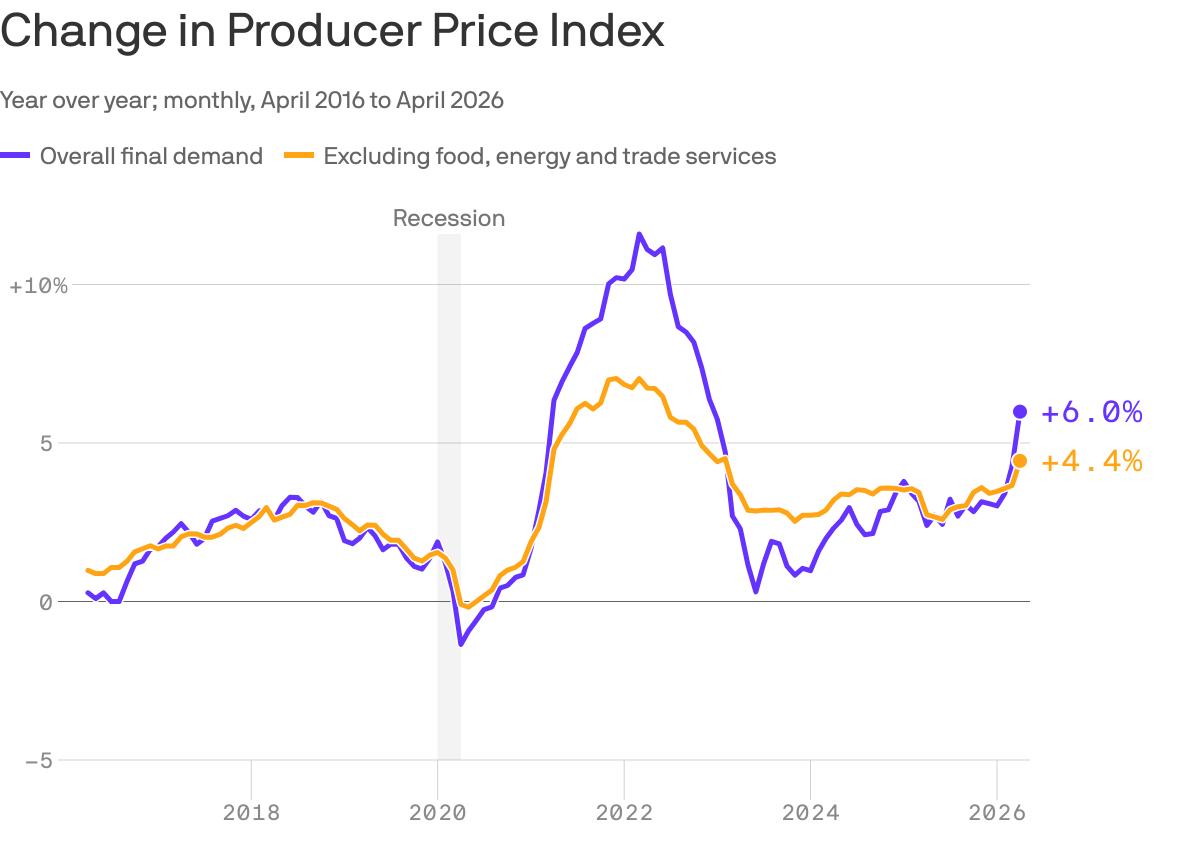
The U.S. Inflation Problem Is Getting Worse
U.S. inflation is accelerating as the Producer Price Index jumped 1.4% in April and is up 6% over the past year. Core services inflation reached a 4.4% year‑over‑year increase, the strongest since 2023, driven by higher transportation and warehousing costs....
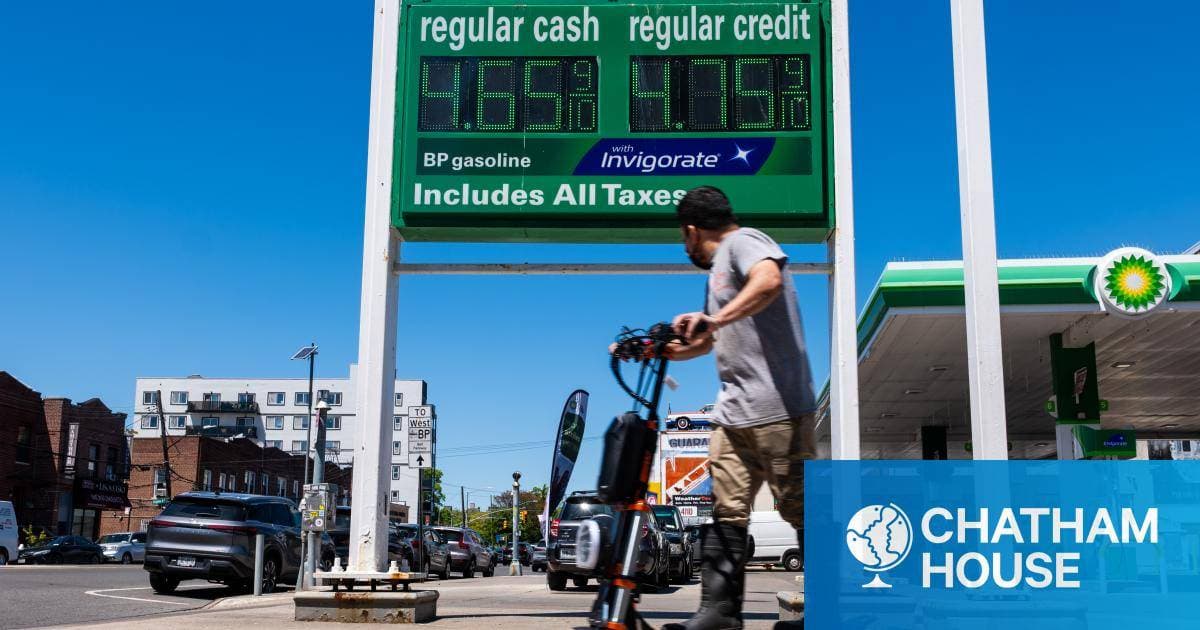
The Hormuz Inflation Shock Is only Just Beginning
The closure of the Strait of Hormuz has sent Brent crude soaring to around $100 a barrel, igniting what analysts call the "Hormuz inflation shock." U.S. CPI rose 0.6% in April and 3.8% year‑over‑year, while inflation in the Philippines and...
Bond Market Stays Silent Despite Scorching US PPI
One of the notable developments this morning is the "dog that didn't bark": the lack of a significant bond market reaction to a scorching US PPI print. The move in government bond yields has been de minimis, as shown in the...

S&P Expects Sub-Saharan Africa’s Growth to Remain Stable Despite Global Headwinds
S&P Global Market Intelligence projects sub‑Saharan Africa will grow 4.1% in 2026 and 3.8% in 2027, outpacing the revised global growth forecast of 2.4%. The outlook rests on strong demand for critical minerals and rare earths, higher oil prices benefiting...
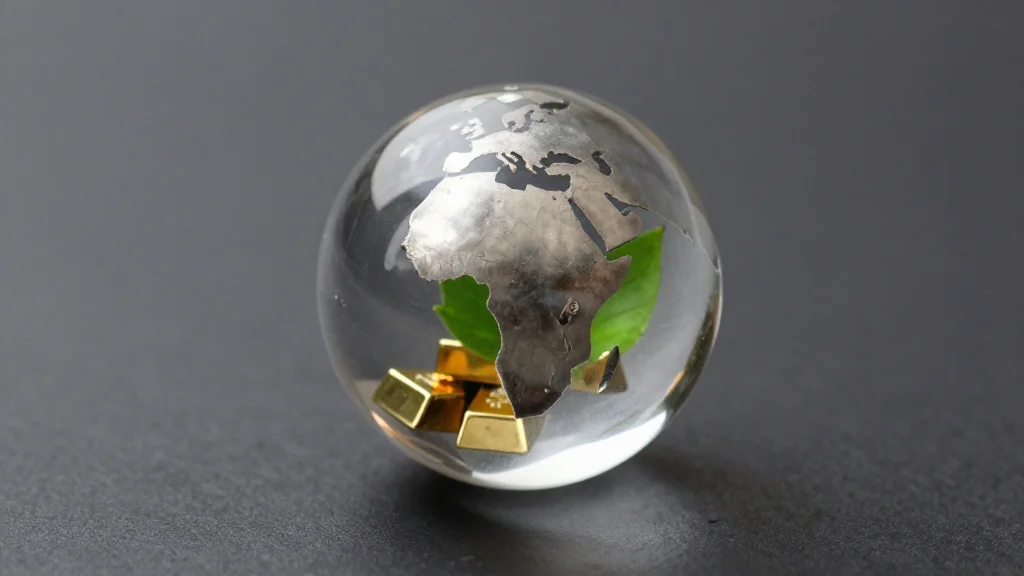
Angola to Host Africa's Sovereign Wealth Summit as the Continent Mobilises Its Own Capital for Structural Transformation
The Africa Sovereign Investors Forum (ASIF) will hold its 5th Annual Meeting in Luanda from July 5‑7, 2026, under the theme “Strategic Allocation in a Constrained World.” Angola’s sovereign fund, FSDEA, will host the summit, bringing together 17 member sovereign wealth funds,...
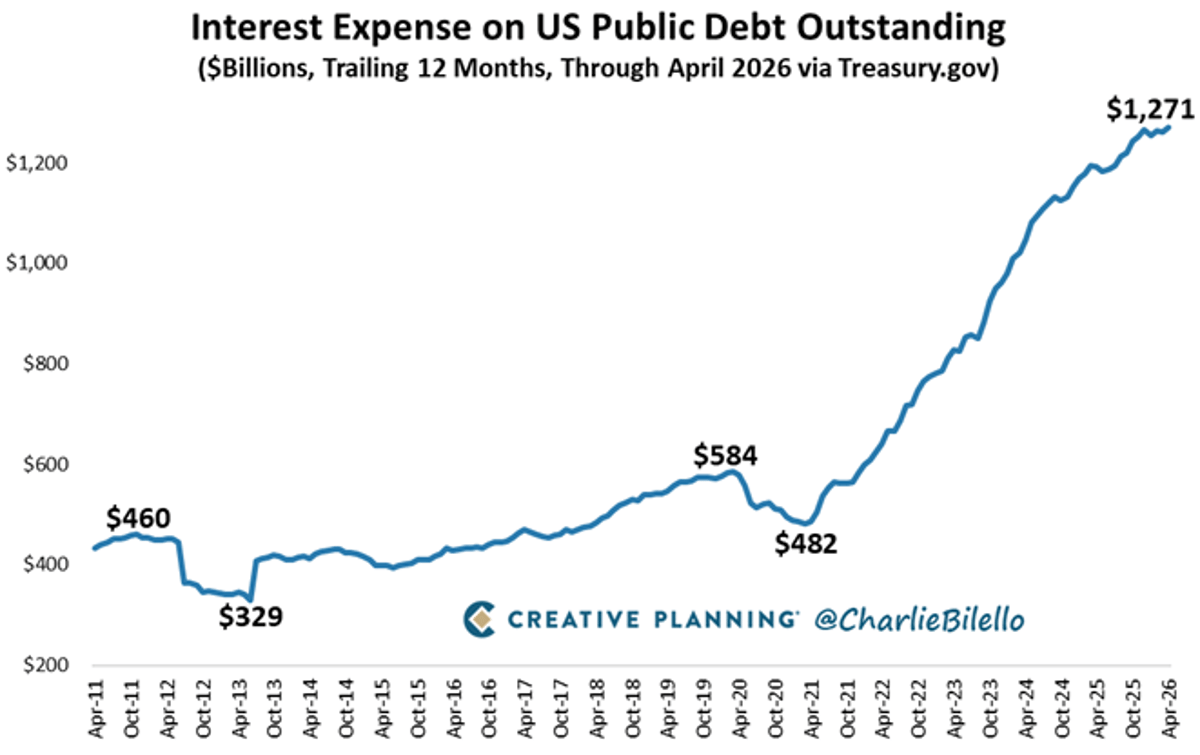
US Debt Interest Hits Record, May Outpace Social Security
The Interest Expense on US Public Debt hit $1.27 trillion over the last 12 months, another record high. If it continues to increase at the current pace it will soon be the largest line item in the Federal budget, surpassing...

Eyebrows Raised, Singed By Scorching Wholesale Inflation Report
The U.S. Producer Price Index surged 1.4% month‑over‑month in April, the strongest rise since March 2022, and jumped 6% year‑over‑year, far exceeding forecasts. Energy components led the surge, with overall energy up 7.8% and gasoline spiking 15.6% after a 10% rise...
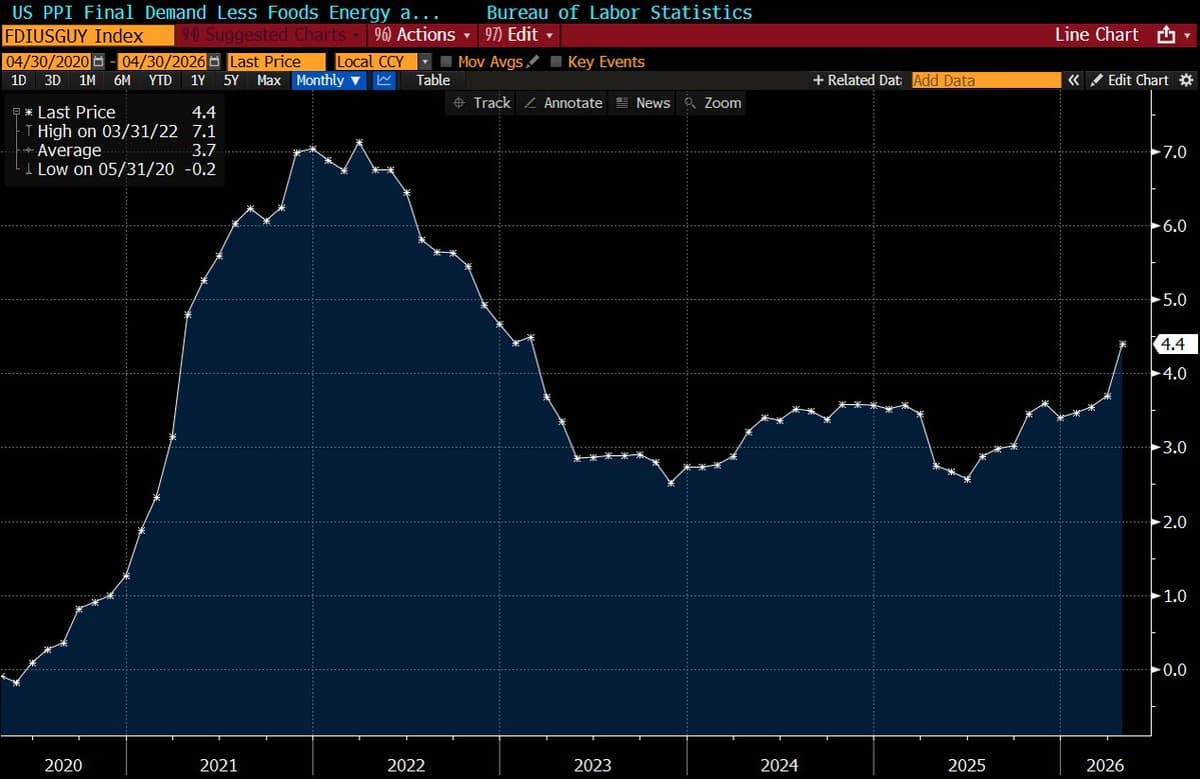
Core PPI Spikes; Money Supply Growth Remains Hidden Driver
Largest year over year increase in Core PPI in five years. That excludes food, energy, and trade. You know what they can’t strip out? Money supply growth. https://t.co/WYpCOQS2Vv H/t @lisaabramowicz1 https://t.co/BpYJcanI4S

Ghana Pays $1.4 Billion in Central Bank Interest as Debt Exchange Programme Seeks Fiscal Relief
Ghana’s central bank disbursed roughly $1.4 billion in 2025 to commercial banks for open‑market operations, a cost that consumed about three‑quarters of its operating income. At the same time, the government’s Domestic Debt Exchange Programme (DDEP) is being used to postpone...
Opec Continues to See Healthy Oil Demand Growth
OPEC’s latest Monthly Oil Market Report shows the organization still expects robust global oil demand, projecting 106.33 million barrels per day (b/d) in 2024 – a 1.17 mn b/d increase year‑over‑year, though its short‑term forecast was trimmed by 500,000 b/d for April‑June. For 2027,...
Joachim Nagel: Stable and Strong in Turbulent Times – Europe's Responses to Global Challenges
German Bundesbank President Joachim Nagel warned that Europe faces heightened geopolitical turbulence, from the Iran conflict to the Middle‑East war, which is driving energy‑price spikes and pushing euro‑area inflation up to 3.0% in April. The ECB Governing Council responded by...

Time For Rate Hikes
The blog post "Time For Rate Hikes" highlights two alarming macro data releases that, together with recent Fed commentary, suggest the central bank is edging closer to another interest‑rate increase. The author points to deteriorating inflation and labor‑market signals as...

Energy Shock Drives Broader Inflation in Belgium - a Warning Sign for Europe
In April 2024 Belgium’s headline inflation surged to 4% as energy prices jumped more than 12% year‑on‑year, and the rise quickly spread to a broader basket of goods. The share of items with month‑to‑month price increases climbed to 62%, the...
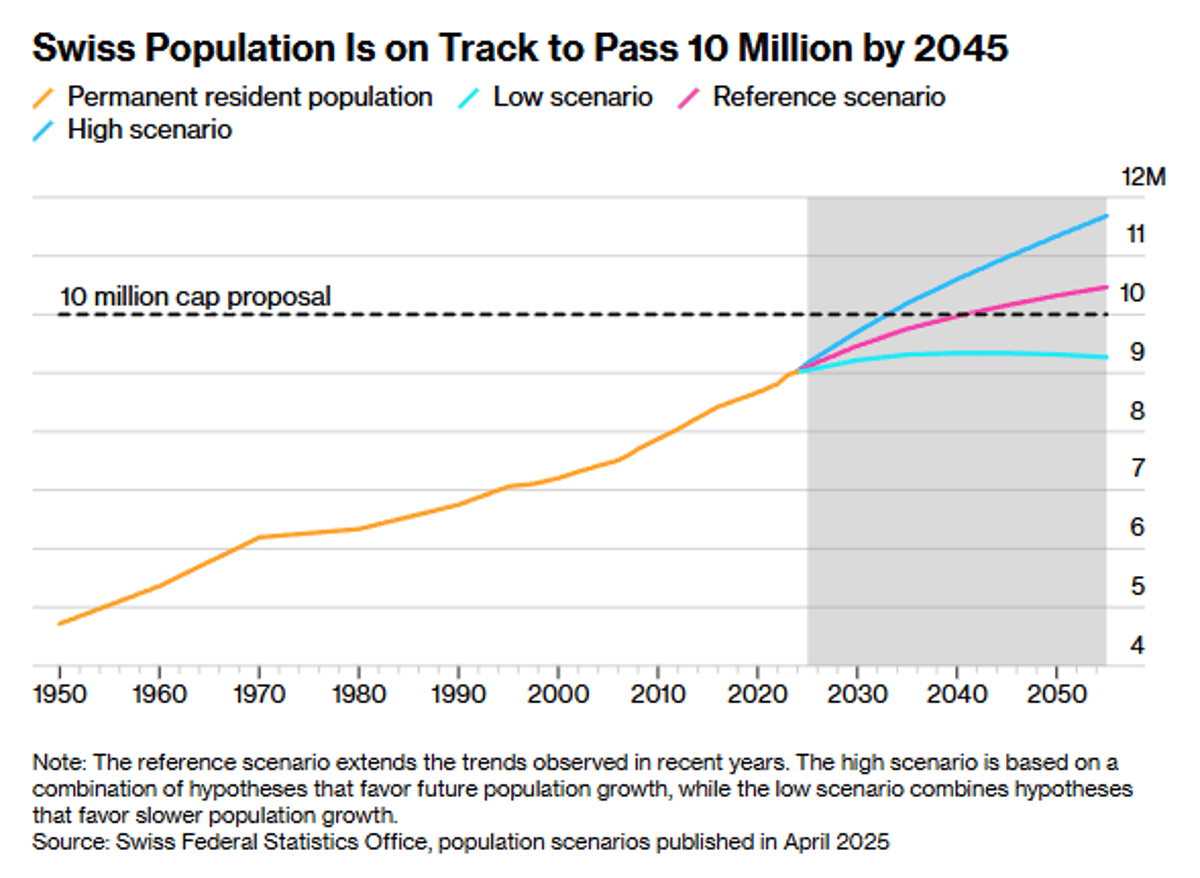
Swiss 10‑Million Cap Could Slash Economy by 12%
A Swiss population cap of 10 million risks curbing economic output by as much as 12% through the end of the century, according to a government-commissioned study https://t.co/kyHi1xZgFI via @bbenrath https://t.co/qAYTSSK11U
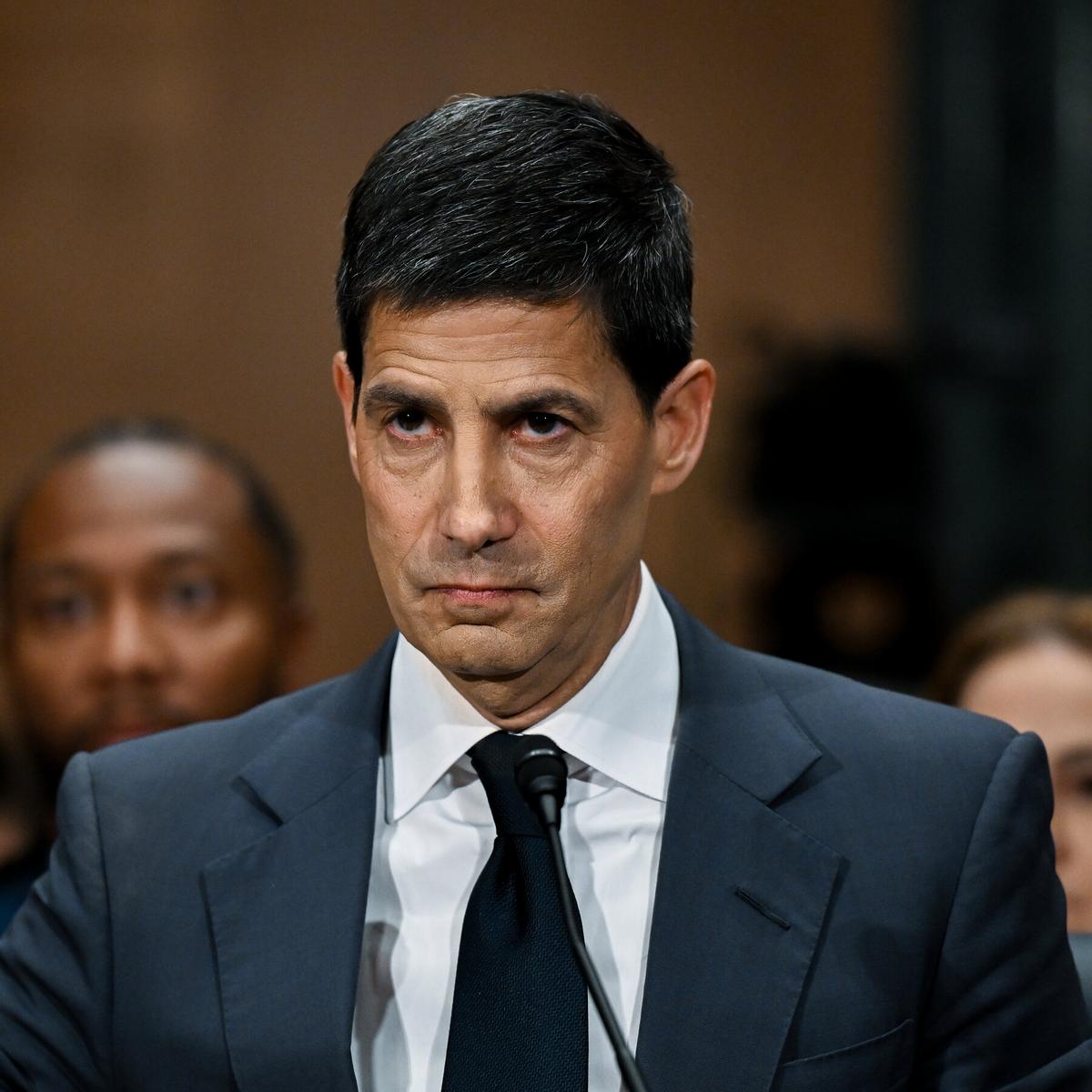
Why a Warsh-Led Fed May Keep Interest Rates Higher for Longer
Kevin Warsh, President Donald Trump's pick, is poised to become Fed chair as the Senate prepares a vote. He inherits a central bank confronting a three‑year‑high inflation rate of about 4.2 % and rising geopolitical risk from the Iran conflict. Economists...

4 Measures EU Governments Can Deploy Now to Protect Drivers From the Oil Price Shock
The war between the US and Iran has pushed crude oil to post‑2022 levels, adding roughly €30 ($33) to a typical 55‑litre diesel fill in the EU. The International Energy Agency and Transport & Environment estimate that four low‑cost, demand‑side...
CBP Approves $35B in Tariff Refunds for Defunct Levies
U.S. Customs and Border Protection has begun refunding $35.46 billion for tariffs the Supreme Court invalidated, using the new Consolidated Administration and Processing of Entries (CAPE) portal. More than 8 million import entries have cleared validation and refund steps, part of a...

‘Jet Fuel Will Be the Least of Our Worries’: Cargolux CEO on Hormuz Crisis
Cargolux CEO Richard Forson warned that a prolonged disruption of the Strait of Hormuz could spark jet‑fuel shortages, fuel‑price inflation and a wider economic slowdown. The carrier has stripped all Middle‑East stops except Muscat, rerouted flights overnight and evacuated staff...
Webinar: Directional Economics CEE – Who Breaks, Who Bends on Energy Shock 2.0
ING’s Central and Eastern Europe (CEE) economists will host a webinar on 21 May to dissect the March‑2026 oil price shock and its macroeconomic fallout. The session will compare how different CEE nations’ fiscal buffers and institutional resilience shape their exposure...
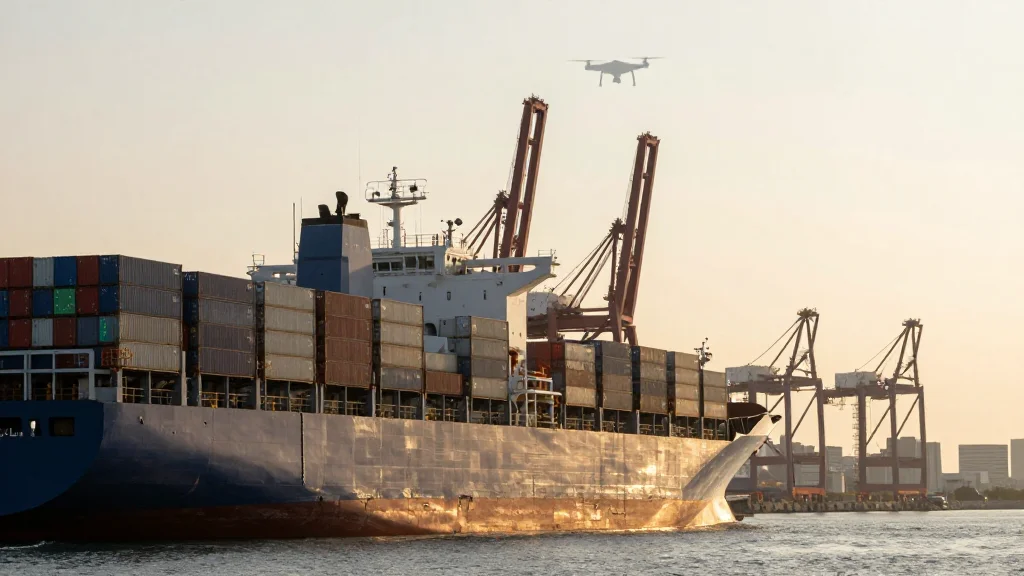
Iranian Drone Strikes Threaten UAE Petrochemical Hub, Prompting Raw‑Material Cost Concerns
Iranian drone strikes on Fujairah’s port and logistics facilities have exposed the United Arab Emirates’ petrochemical trade hub to new risks, prompting manufacturers to brace for higher raw‑material prices. The attacks underscore how regional conflict can ripple through global supply...

UAE Leaves OPEC+ After Six Decades, Prompting New Gulf Oil Dynamics
The United Arab Emirates announced its exit from OPEC+ after nearly six decades of membership, freeing it from collective production quotas. The move underscores a strategic shift toward greater autonomy and could spark volatility in global oil markets, affecting other...
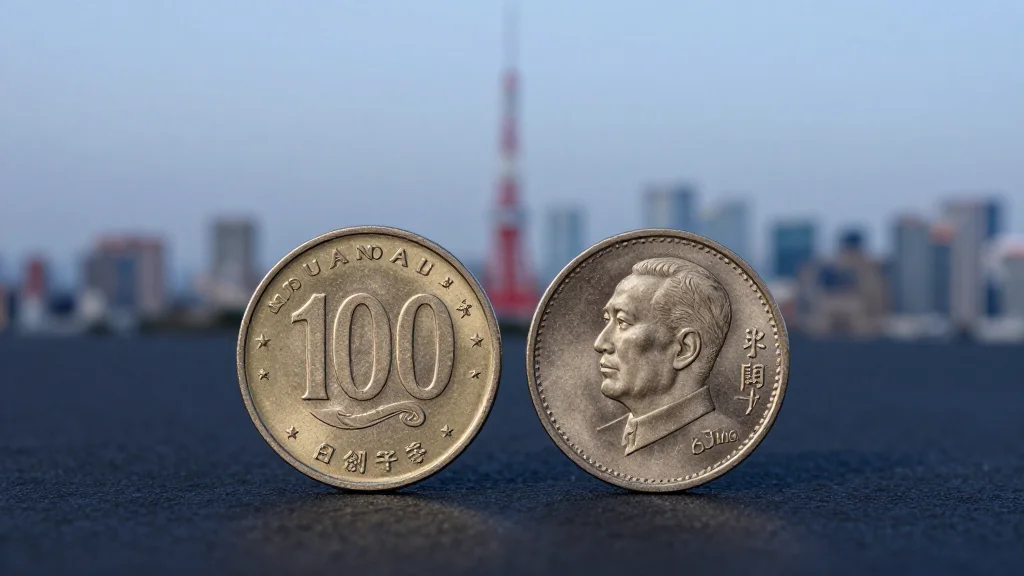
Learn China's Challenges by Studying Japan's 1980s Growth
For those interested in understanding the pressures facing China today, the best place to start is by understanding the structure of Japanese growth in the 1980s and its adjustment in the next two decades. This two-part series addresses some of...
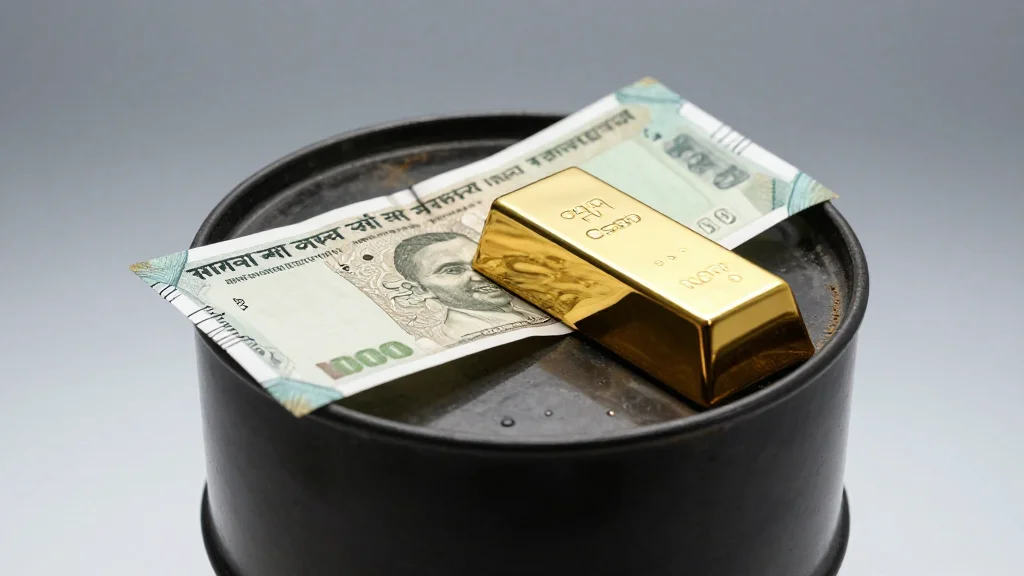
Indian Rupee Slides to Record Low of 95.74 per Dollar as Oil Prices Surge
The Indian rupee fell to a fresh all‑time low of 95.74 per U.S. dollar, pressured by soaring Brent crude and heightened geopolitical risk. RBI interventions and a hike in gold‑import duties aim to stem the slide, but capital outflows and...
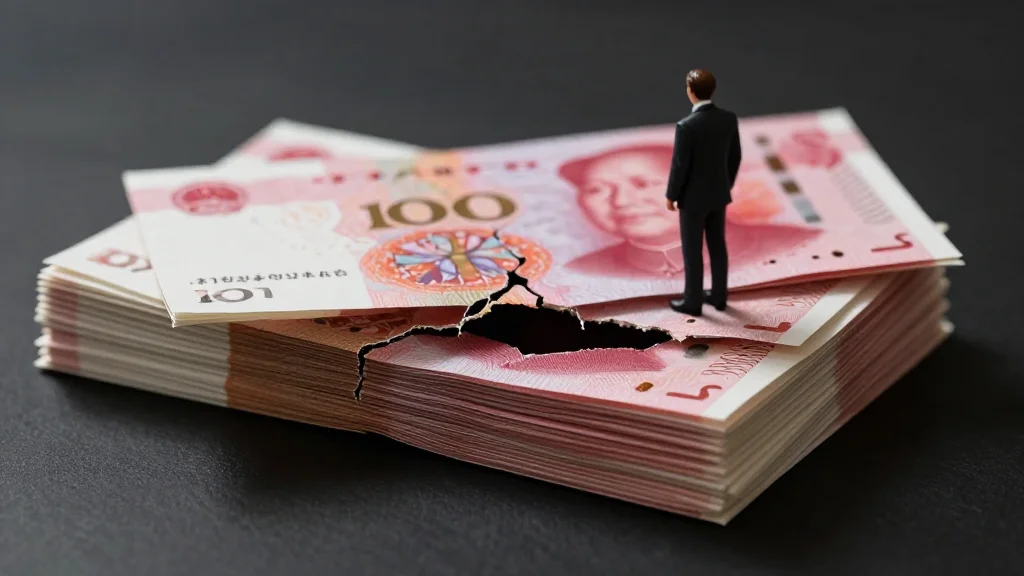
China’s $3 Trillion Hidden Bad Debt Threatens Recovery as Trump Heads to Beijing
Analysts estimate China’s hidden non‑performing loans at $3 trillion, far above the official 1.5% rate, dragging down growth and prompting a $100 billion capital boost for major banks. The debt backdrop looms over Donald Trump’s imminent visit to Beijing, where trade and...
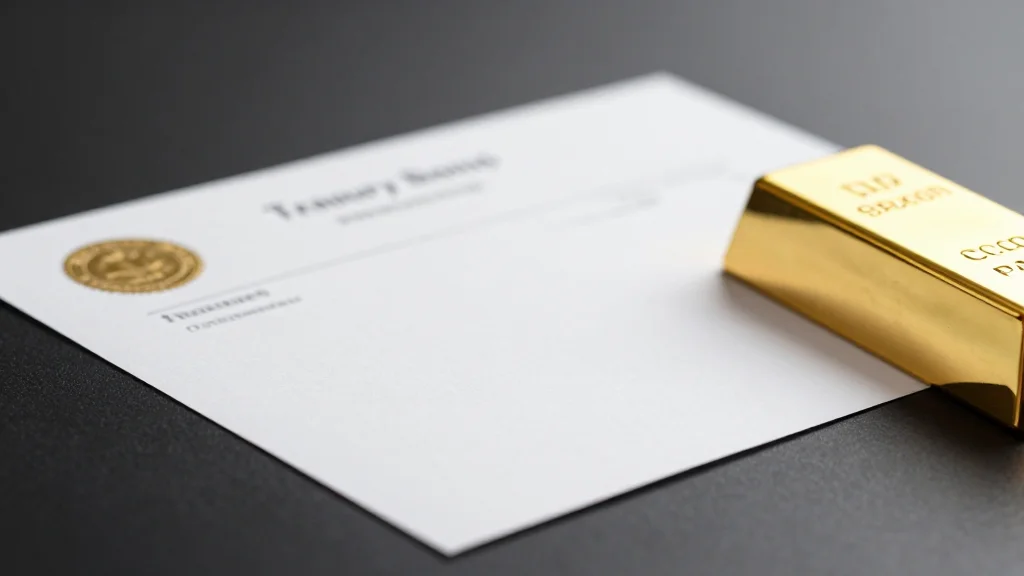
U.S. 10‑Year Treasury Auction Draws Below‑Average Demand, Bid‑to‑Cover 2.40
The U.S. Treasury auctioned $42 bn of 10‑year notes on May 12, 2026, posting a high yield of 4.468% and a bid‑to‑cover ratio of 2.40, below the ten‑auction average of 2.49. The weaker demand follows a similar pattern in the recent...
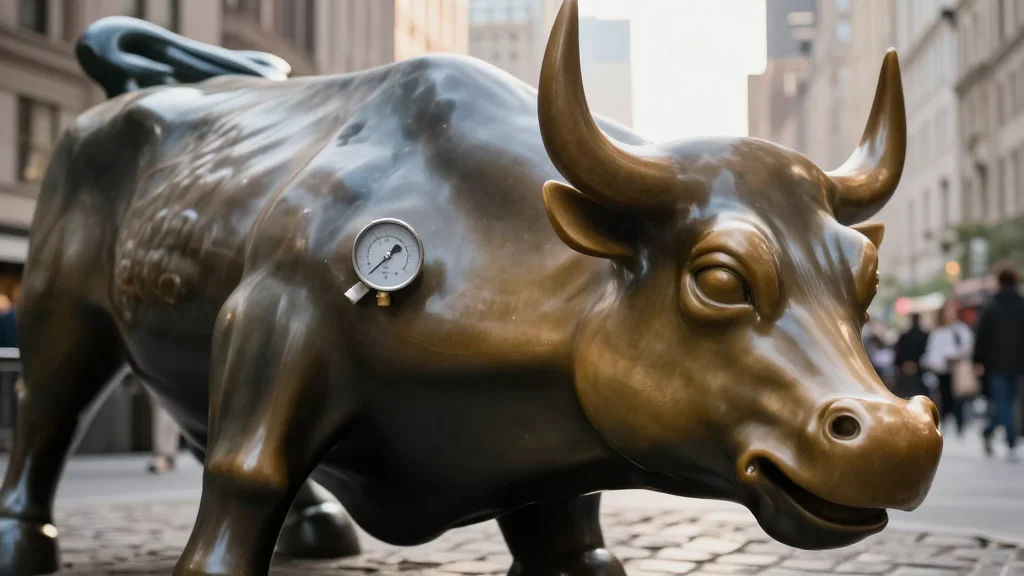
Senate Poised to Confirm Kevin Warsh as Fed Governor, Paving Way for Chairmanship
Kevin Warsh, President Donald Trump's Fed nominee, is expected to win Senate confirmation this week after a partisan Banking Committee vote and the DOJ's closure of the Powell probe. His hawkish record and the latest 3.8% CPI print intensify debate...
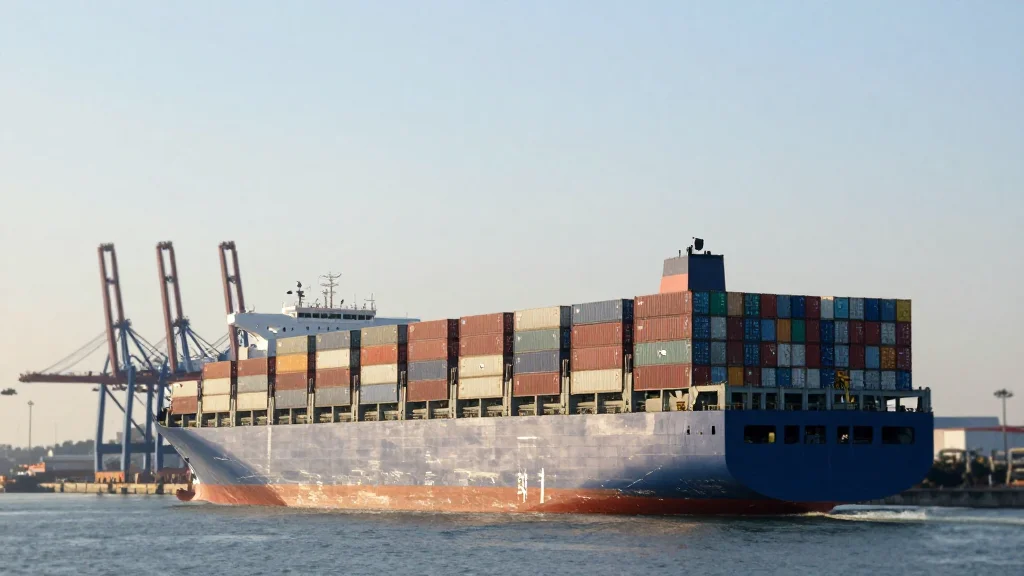
A Tale of Two Manufacturers: How Two Companies Are Diversifying Their Supply Chains
The NPR piece follows two manufacturers—China‑based Shoebot and Texas‑based Isotherm—who are reshaping their supply chains after Trump‑era tariffs surged 145% on Chinese goods. Shoebot responded by launching a joint venture in Vietnam, while Isotherm, reliant on Chinese titanium, is weighing...
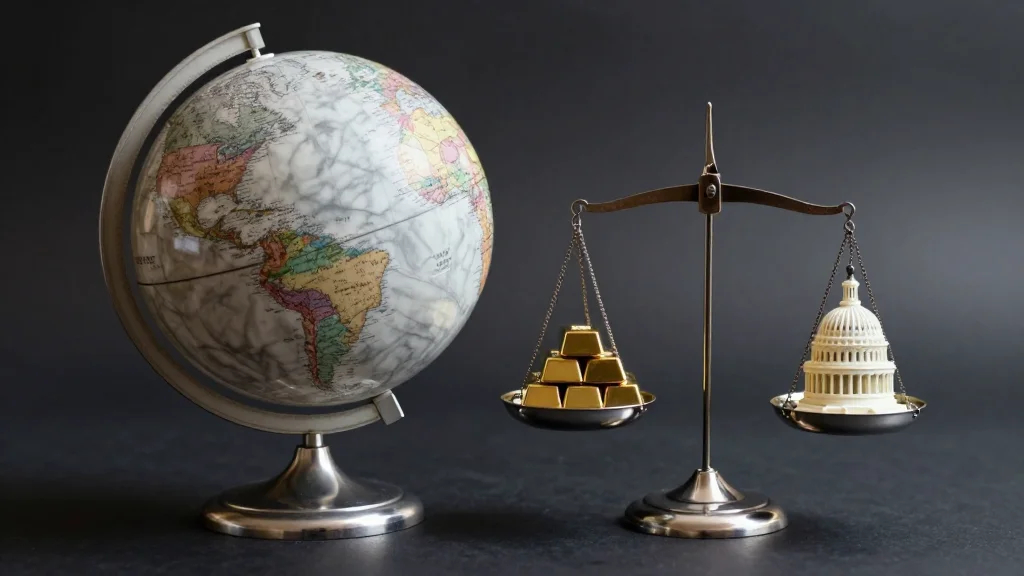
Global Imbalances and US/UK Roles Fuel Looming Crisis
Another very good Martin Wolf piece: "We are on a path to financial crises related in part to the stubborn persistence of imbalances and to the unique and, in my view, unsustainable roles of the US (and UK) as balancers...

Singapore’s Lawrence Wong Urges Global Push for Upholding International Sea Laws
Singapore Prime Minister Lawrence Wong warned that erosion of international sea‑law principles will directly hit the city‑state, which depends on open waterways for the bulk of its trade. He called on like‑minded nations to reinforce the United Nations Convention on...

India More than Doubles Tariffs on Gold Imports
India has more than doubled its customs duty on gold imports, raising the levy to 22.5% from the previous 10% rate. The move follows a sharp rise in gold prices and a widening current‑account deficit, prompting the Reserve Bank of...
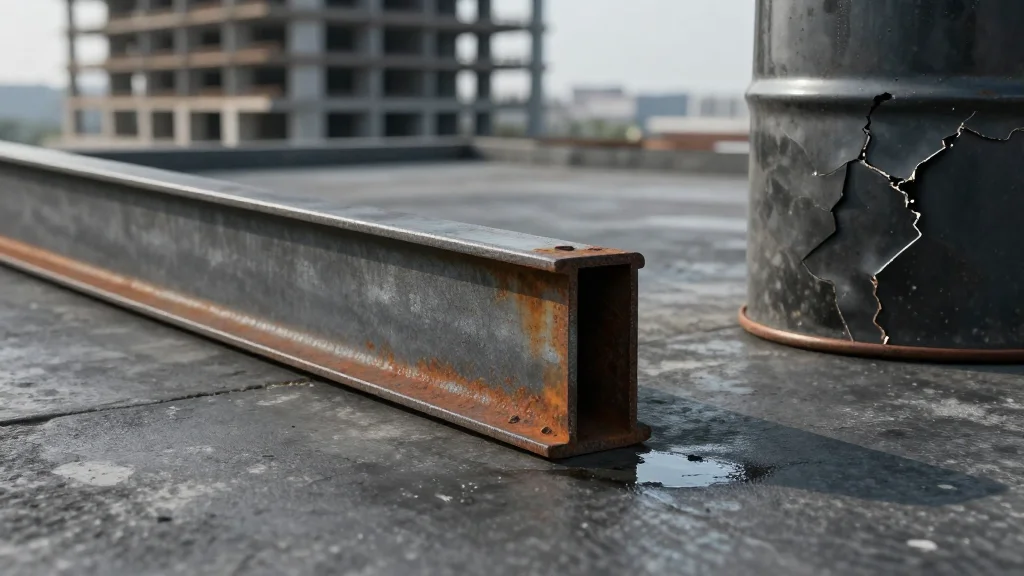
Hormuz Closure Stalls Construction Projects as Material Costs Soar
The closure of the Strait of Hormuz, triggered by heightened regional tensions, has choked the flow of bulk construction materials such as steel, cement and aggregates to the Gulf. Shipping delays of up to three weeks have pushed freight rates...

Asia Is Quietly and Quickly Buying up America
Asian corporations are rapidly reversing the historic flow of capital by acquiring U.S. assets at unprecedented scale. Landmark deals this year include Sun Pharma’s $11.75 billion purchase of Organon, Mitsubishi’s $7.5 billion buy of Aethon Energy’s natural‑gas portfolio, and Toyota Industries’ $43 billion...
OECD Chief Backs BOJ Path and Calls for Trade Reform Ahead of Trump-Xi Talks
The OECD secretary‑general defended the Bank of Japan’s monetary stance, saying it is not clearly behind the curve as inflation expectations stay anchored and wages rise. The organization projects the BOJ will lift its policy rate to about 2 % by...
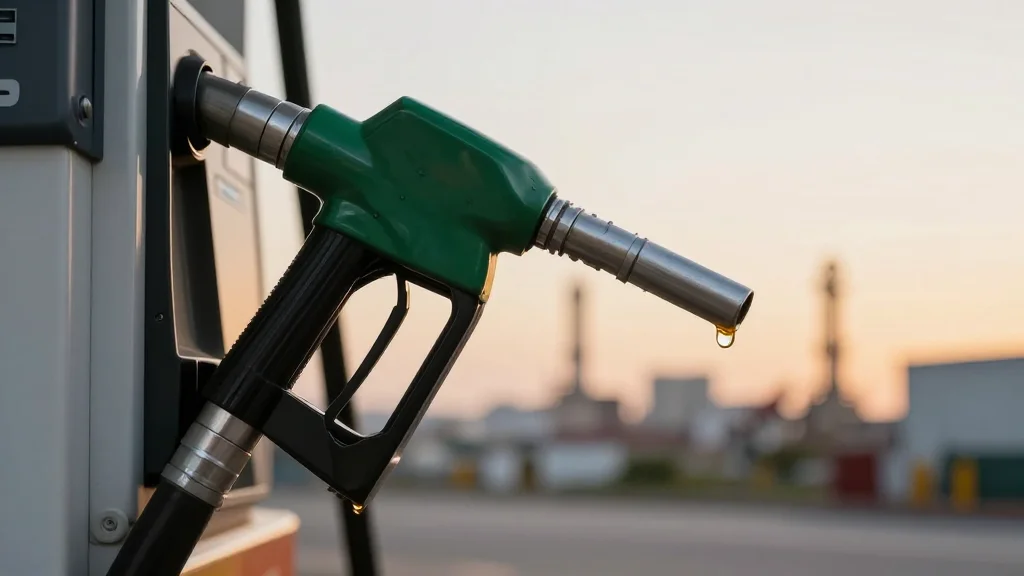
Atlanta Fed Says Middle East Conflict Adds Fresh Shock to U.S. Economy
The Atlanta Federal Reserve’s interim president warned that the Iran‑related Middle East conflict is the latest shock to the U.S. economy, pushing oil prices higher and adding to a year‑long stretch of inflation above the Fed’s 2% target. The warning...
Traders Push Fed Hike Odds to 37% After Hot CPI Data
Traders raised the probability of a Federal Reserve rate hike to about 37% after April's CPI came in hotter than expected, wiping out most expectations of a cut through 2027. The shift reflects soaring energy prices and heightened inflation expectations,...
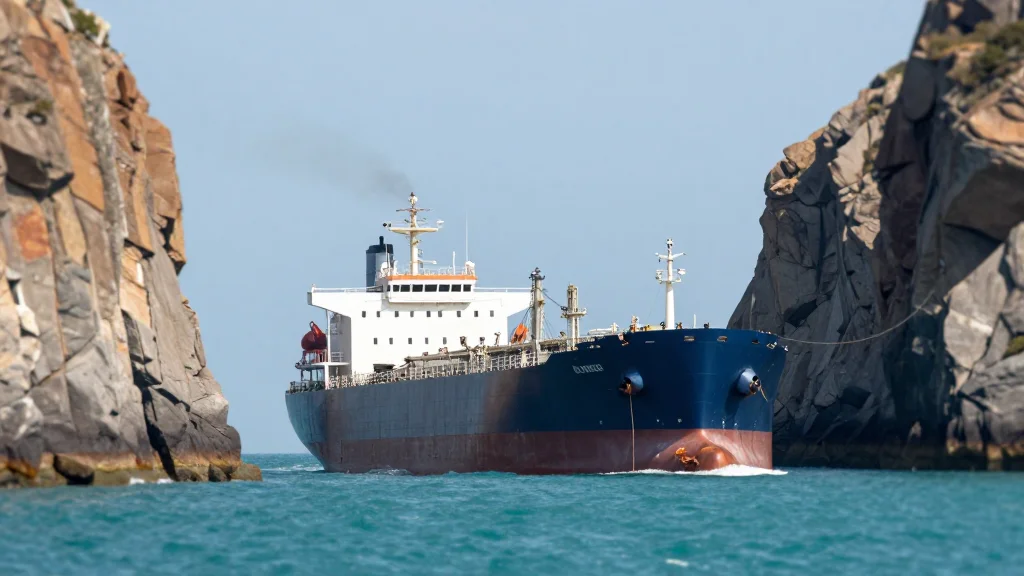
How Traffic Through the Strait of Hormuz Shrank to a Trickle – a Visual Deep Dive
The war in Iran has slashed maritime traffic through the Strait of Hormuz from roughly 3,000 vessels a month to just 191 in April, according to Kpler data. Before the conflict, oil tankers moved about 15 million barrels of crude and...
Copper Surges Past $14,000/Ton as China Demand and Supply Constraints Tighten
Copper jumped to $14,106 a ton on the London Metal Exchange, its highest level in years, as Chinese manufacturers revived and supply bottlenecks from sulphuric‑acid shortages and mine delays intensified. The rally also set a new COMEX record of $6.6455...

Investors Say They Want Trump and Xi to Stay Out of AI’s Way
Investors are downplaying the political risk of the upcoming Trump‑Xi summit, focusing instead on China’s booming AI sector and strong export‑driven growth. The Shanghai Composite has risen to an 11‑year high while the yuan steadied near a three‑year peak of...
Colombian Peso Slides 3% in Week, Worst Emerging-Market Currency
The Colombian peso weakened 3.01% to 3,747.10 per dollar in the week ending May 8, 2026, making it the poorest performer among emerging-market currencies. Analysts cite a widening fiscal deficit, a volatile presidential race and a loss of commodity support...
Kudlow - Tuesday, May 12
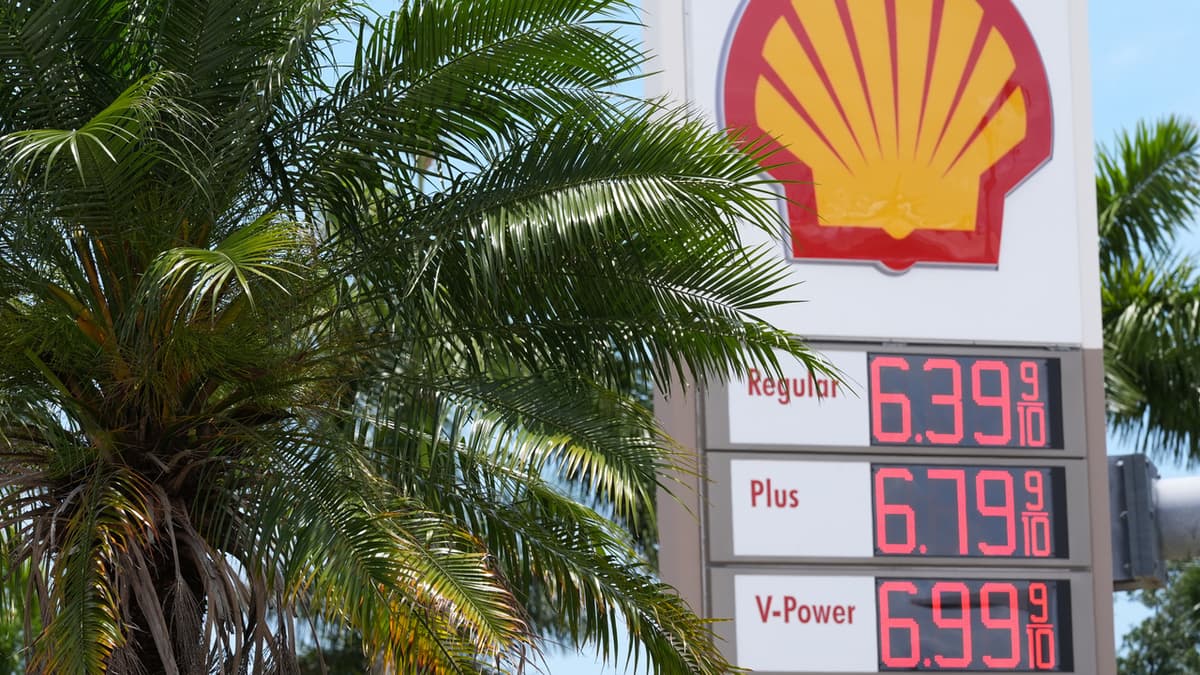
Larry Kudlow hosted a Fox Business program on May 12, focusing on policies shaping the U.S. and global economies. The episode highlighted the impact of Iran sanctions, China‑U.S. trade tensions, President Trump’s diplomatic trip to China, and rising gas prices....

US Moves to Further Increase Economic Pressure on Iranian Oil Trade
The U.S. Treasury’s Office of Foreign Assets Control added 12 individuals and entities to its sanctions list on May 11, targeting front companies that facilitate IRGC oil sales to China. The measures also froze roughly $500 million in cryptocurrency linked to the...
Global GDP Projected to Drop 1% by 2027
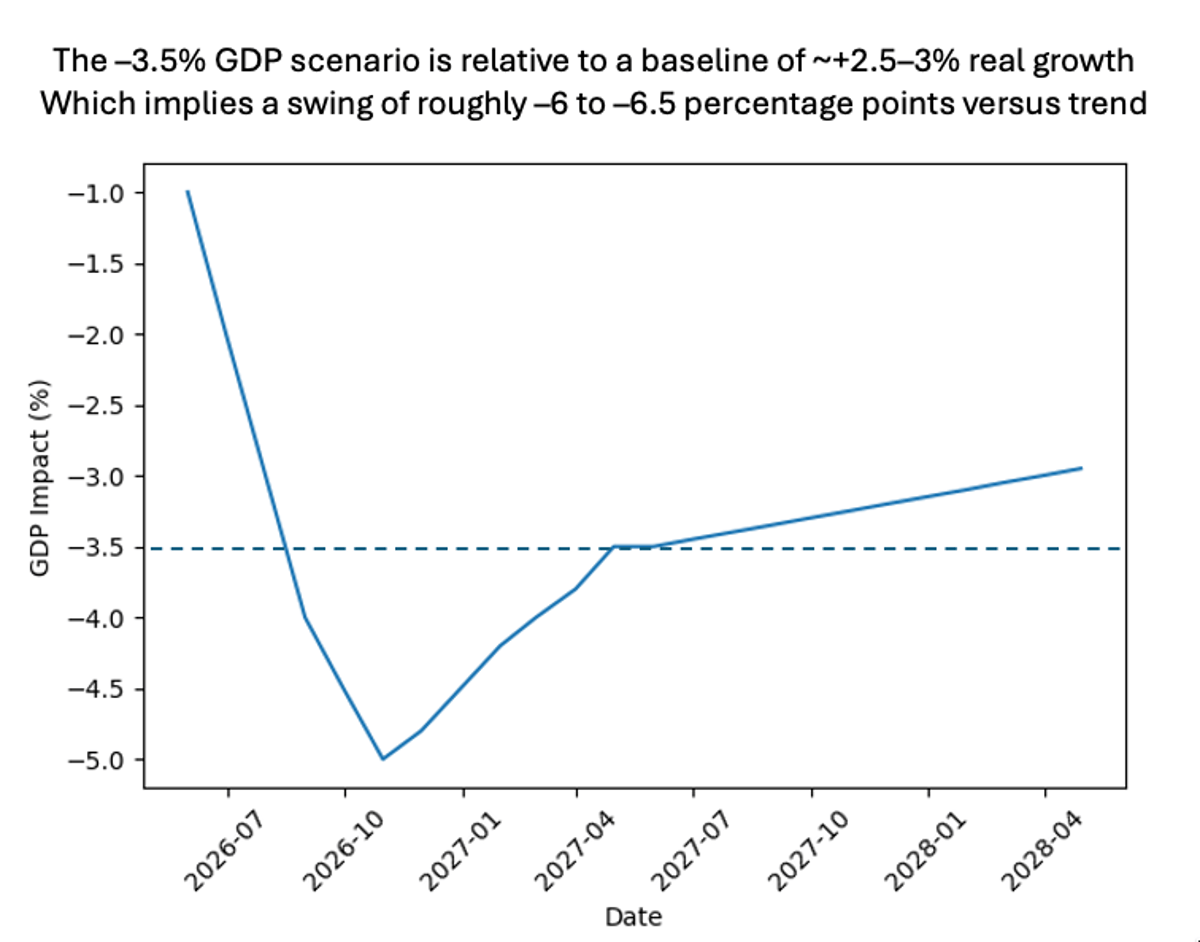
Then be sure to watch my discussion tomorrow with @njhagens on The Great Simplification @Lucaswb8928. That should help separate signal from noise. My base case is global GDP growth averaging roughly -1% versus the prewar baseline of +2.5% through 2027. Clear enough?...