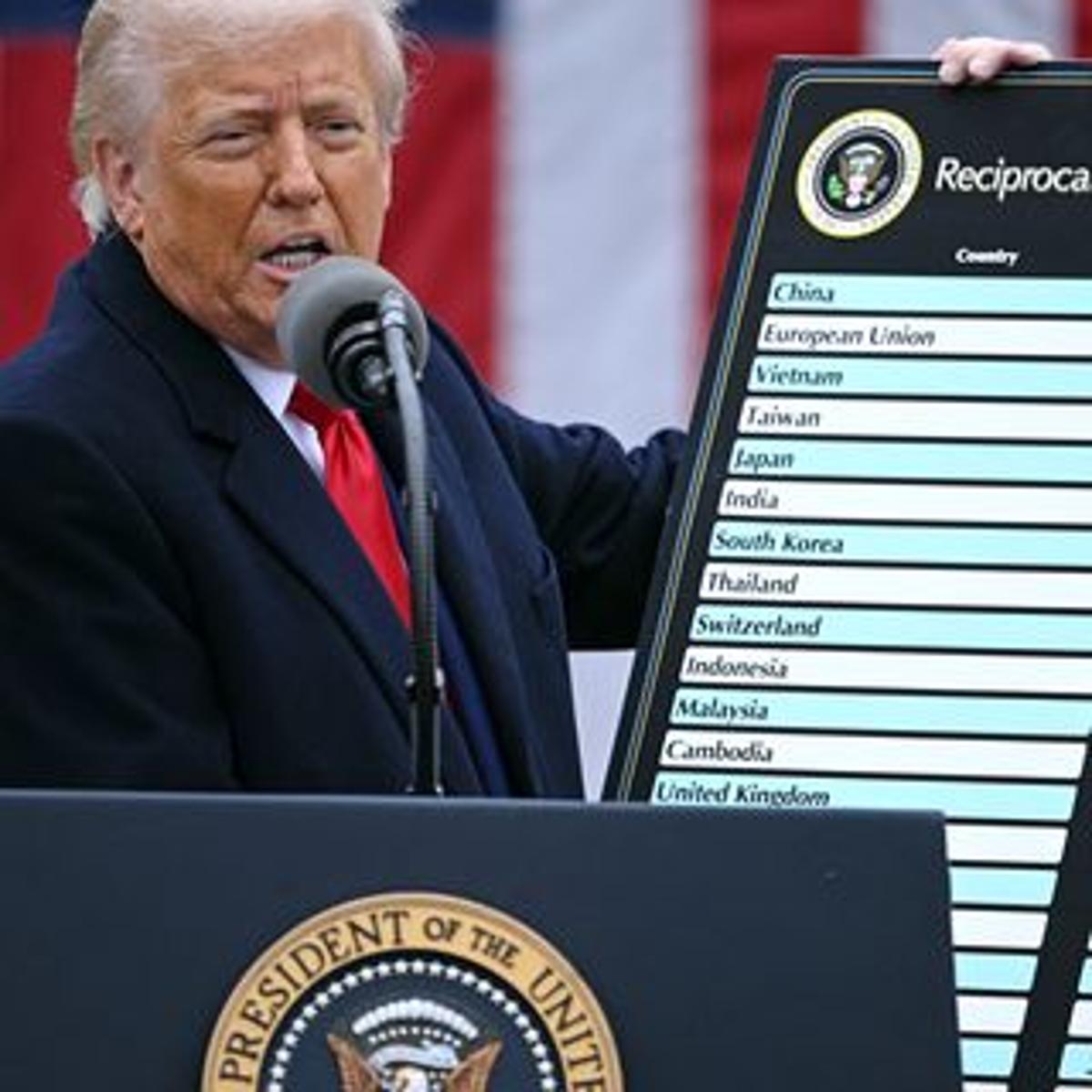
What to Know About Tariff Refund Site That's Set to Go Live Monday
U.S. Customs and Border Protection will activate the Consolidated Administration and Processing of Entries (CAPE) portal on Monday, allowing importers to file refund claims for tariffs the Supreme Court deemed illegal. The Court of International Trade ordered the Treasury to begin reimbursements, affecting roughly 330,000 importers who have paid about $166 billion in duties. Phase 1 of the system targets unliquidated entries and those within 80 days of liquidation, with refunds expected within 60‑90 days after a valid claim. Only about 56,500 importers have completed electronic enrollment so far, suggesting a steep ramp‑up.
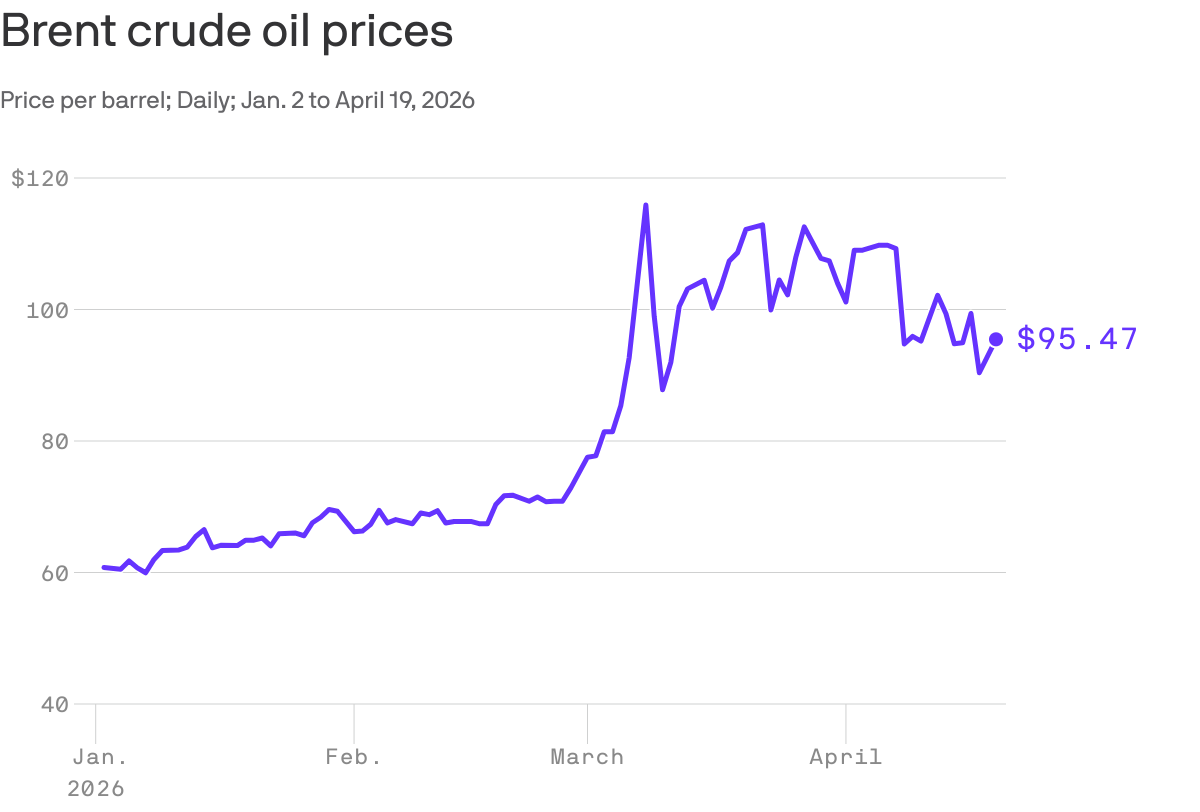
Oil Prices Jump After Strait of Hormuz Setbacks
Oil markets surged about 6% on Sunday as the United States and Iran escalated tensions, prompting a renewed closure of the Strait of Hormuz. Brent crude rose to $95.42 a barrel and WTI to $89.77, reflecting fears of constrained tanker...
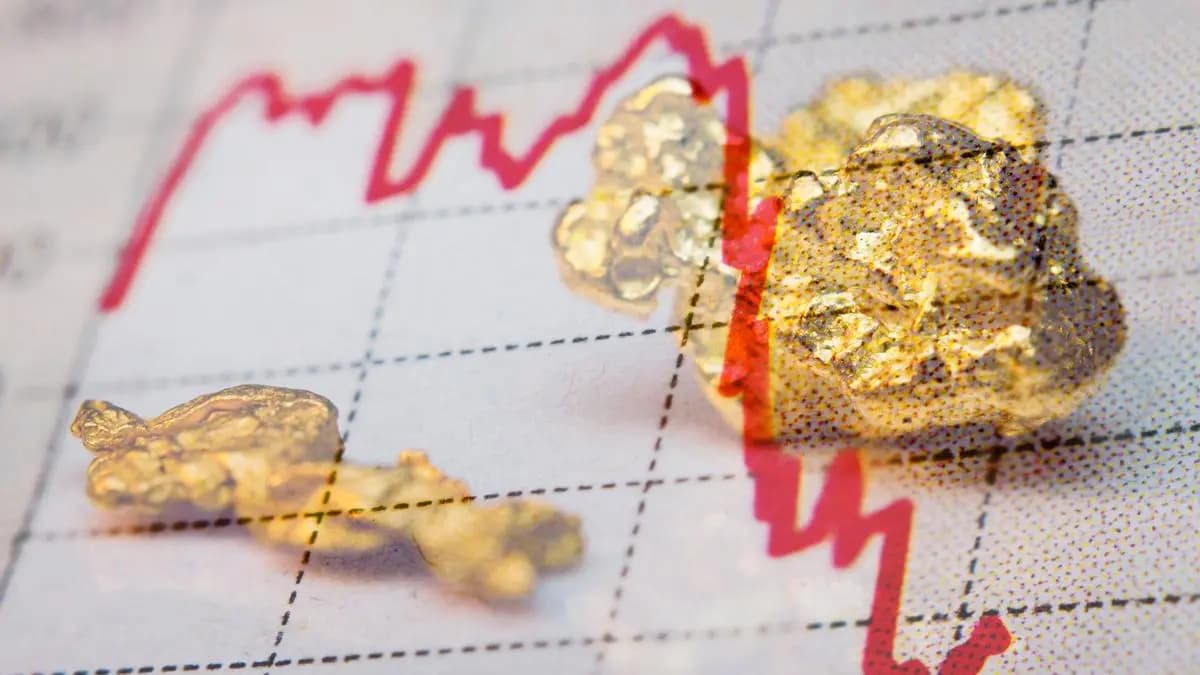
Gold Falls over 1% as Dollar Strengthens, Oil Surge Fuels Inflation Fears
Gold prices slipped more than 1% on Monday, with spot bullion falling 1.4% to $4,762 per ounce and June futures down 2% to $4,782. The decline was driven by a stronger U.S. dollar, which makes gold costlier for holders of...
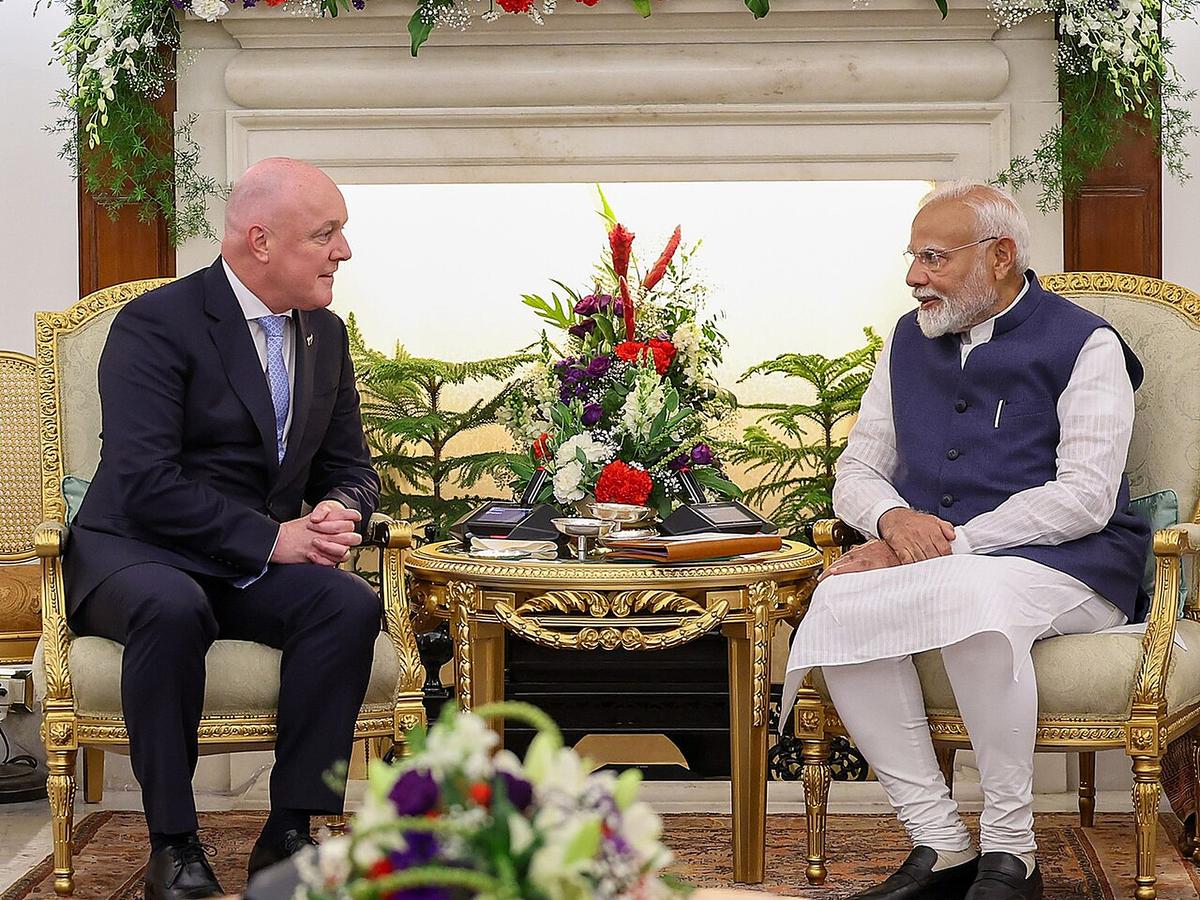
NZ, India Set to Sign FTA Despite Labour Calling Rush ‘Reckless’
New Zealand and India will sign a Comprehensive Free Trade Agreement in New Delhi next Monday, instantly removing tariffs on 95% of New Zealand timber, lumber, pulp and paperboard shipments. The deal makes 57% of NZ exports duty‑free at launch,...
Market, Rupee Fortunes May Prove Fickle Amid Iran Flareup
India’s equity markets are poised to extend recent gains despite renewed geopolitical tension after Iran closed the Strait of Hormuz, pushing Brent crude back toward $100 a barrel. The Sensex and Nifty have risen over 5% since early April, while...

The Weekly Finger: Records, Realities, and a Two-Headed Beast
The US equity market has entered its 3.5‑year bull run, delivering a 99.2% gain and prompting record outflows from money‑market funds as investors chase momentum. A Financial Times report flags a looming global food crisis, with 363 million people at risk...

Markets Brush Off IMF Caution over Iran Shock
Investors shrugged off IMF warnings about a prolonged Iran war, pushing the S&P 500 past 7,000 and sending Brazil’s Bovespa to fresh highs. Latin American issuers returned to the market, highlighted by Brazil’s record €5 bn ($5.9 bn) Eurobond and a wave of...

ADB Forecasts GDP to Rise 7.6 Percent on Semiconductors
The Asian Development Bank raised its 2024 GDP forecast for Taiwan to 7.6% as demand for advanced semiconductors surges amid the global AI boom. The projection, 3.6 points higher than its December estimate, outpaces growth expectations for all other advanced...
China’s ‘Incentives’ Are ‘Poison’: Official
Taiwanese officials warned that Beijing’s ten newly announced “incentives” for tourism, hotels, food and agriculture are “sugar‑coated poison,” designed to co‑opt local industry groups and advance political goals. The measures were unveiled on April 12, coinciding with KMT Chairwoman Cheng Li‑wun’s...

Oil Rising Again as US, Iran Fire on Commercial Traffic While Peace Talks Are Disputed
U.S. forces and Iran’s Revolutionary Guard exchanged fire on commercial vessels in the Gulf of Oman and the Strait of Hormuz, reigniting geopolitical tension in the region. The confrontations pushed Brent crude above $95 per barrel and WTI near $90,...
Stock Market Today: S&P 500, Nasdaq, Dow Futures Fall as US-Iran Tensions Flare up Again to Shutter Hormuz
U.S. stock futures slipped about 0.4% on Monday as renewed U.S.-Iran tensions over the Strait of Hormuz sparked fresh geopolitical risk. The escalation followed a U.S. Navy seizure of an Iranian vessel and Tehran’s abrupt shutdown of traffic through the...
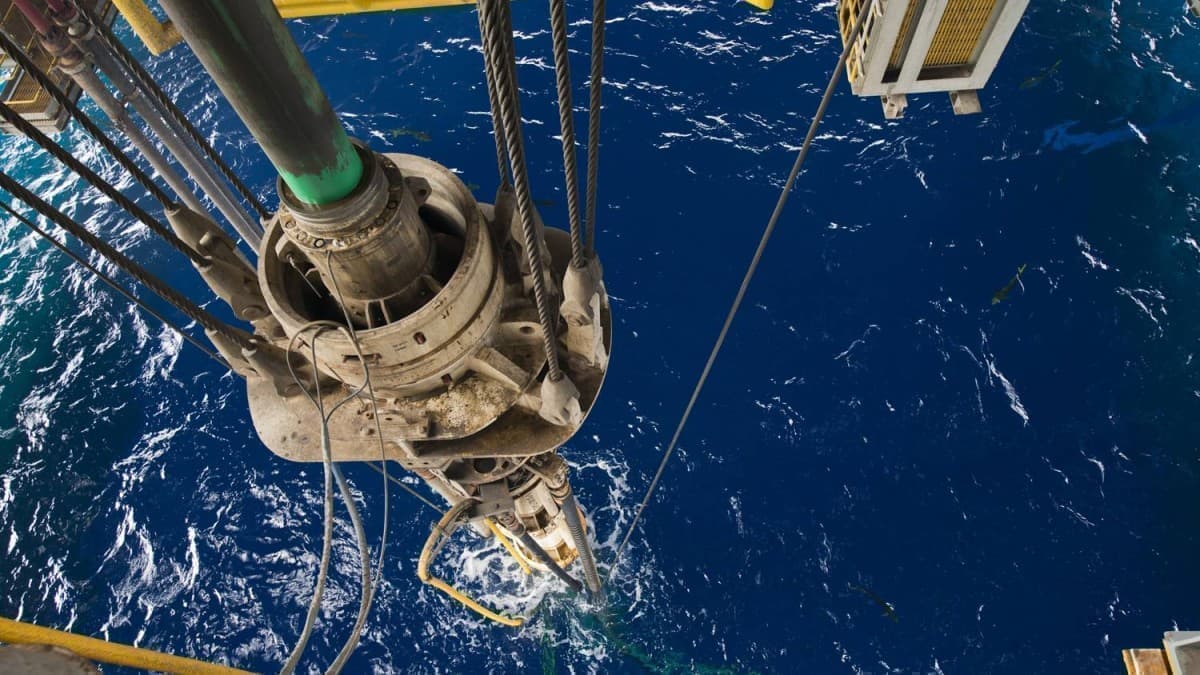
Middle East Oil Pricing Is Cracking Under Pressure
The Strait of Hormuz shutdown has crippled the Platts Dubai benchmark, forcing Platts to cut its deliverable basket from five grades to just Murban and Oman, a roughly 40% reduction in pricing coverage. Thin liquidity and concentrated trading, highlighted by...

Revisiting Labour Supply Trends Across Countries
Recent research shows that the once‑wide gap in hours worked between the United States and other advanced economies has roughly halved by the late 2010s. While U.S. labor‑supply fell after 2000, driven largely by the expansion of non‑employment benefits such...

Rebalancing the Chinese Economy
China is shifting its growth model from an investment‑ and export‑driven engine to a more consumption‑focused, high‑tech economy. Over the past decade the investment share of GDP fell from 47% to 41%, while consumption rose to about 57% of output....

Iran’s Instability and the Gulf’s Indispensability
The ongoing US‑Israel‑Iran conflict pits Iran’s instability‑driven strategy against the Gulf Arab states’ model of economic indispensability. Iran’s proxy network has been crippled by the 12‑Day War and setbacks in Syria, Lebanon and Gaza, limiting its ability to leverage chaos...

Another Airline Cancels Flights for Disturbing Reason
Airlines are slashing routes as jet fuel prices hit record highs following the Strait of Hormuz closure. Delta, Air Canada and KLM have each trimmed dozens of flights, while Aer Lingus announced the cancellation of 500 flights, roughly 2% of...
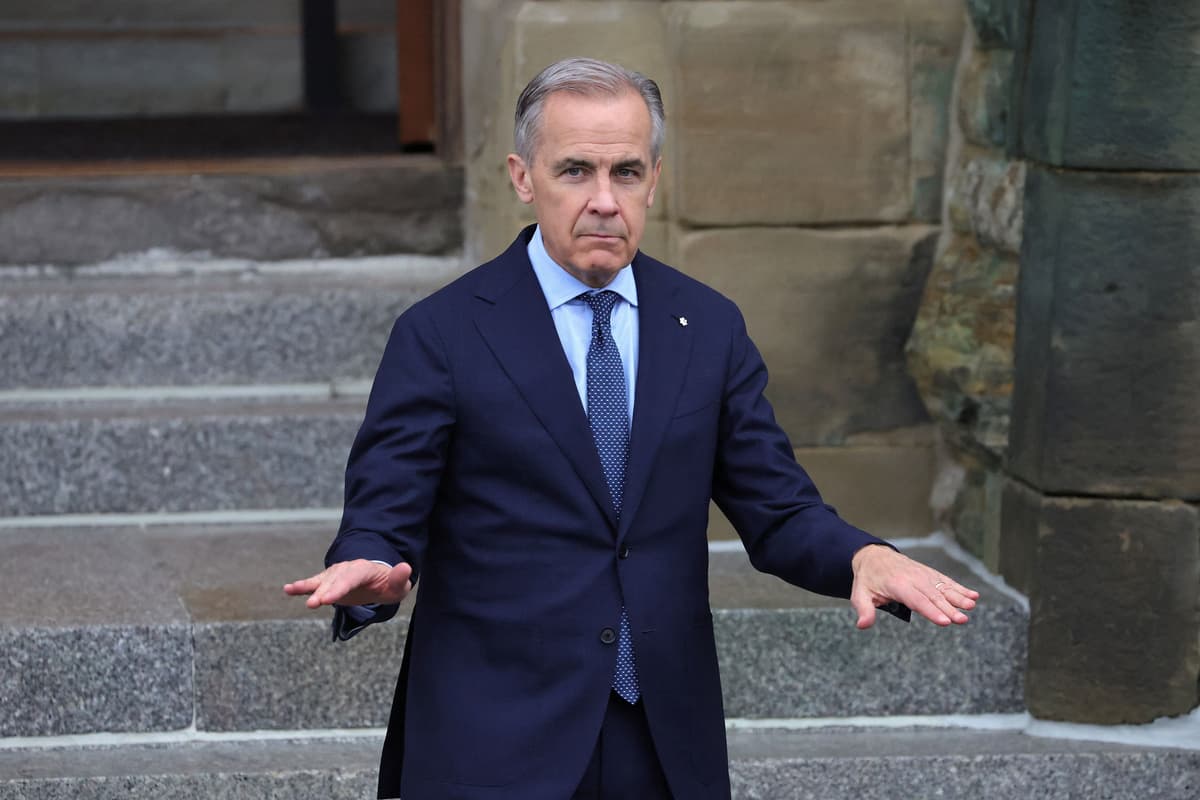
Mark Carney Calls Canada's US Ties a Weakness
Canadian Prime Minister Mark Carney warned that Canada’s close economic ties to the United States have become a strategic “weakness” as the country prepares for a series of high‑stakes trade negotiations later this year. His comments followed sharp criticism from...
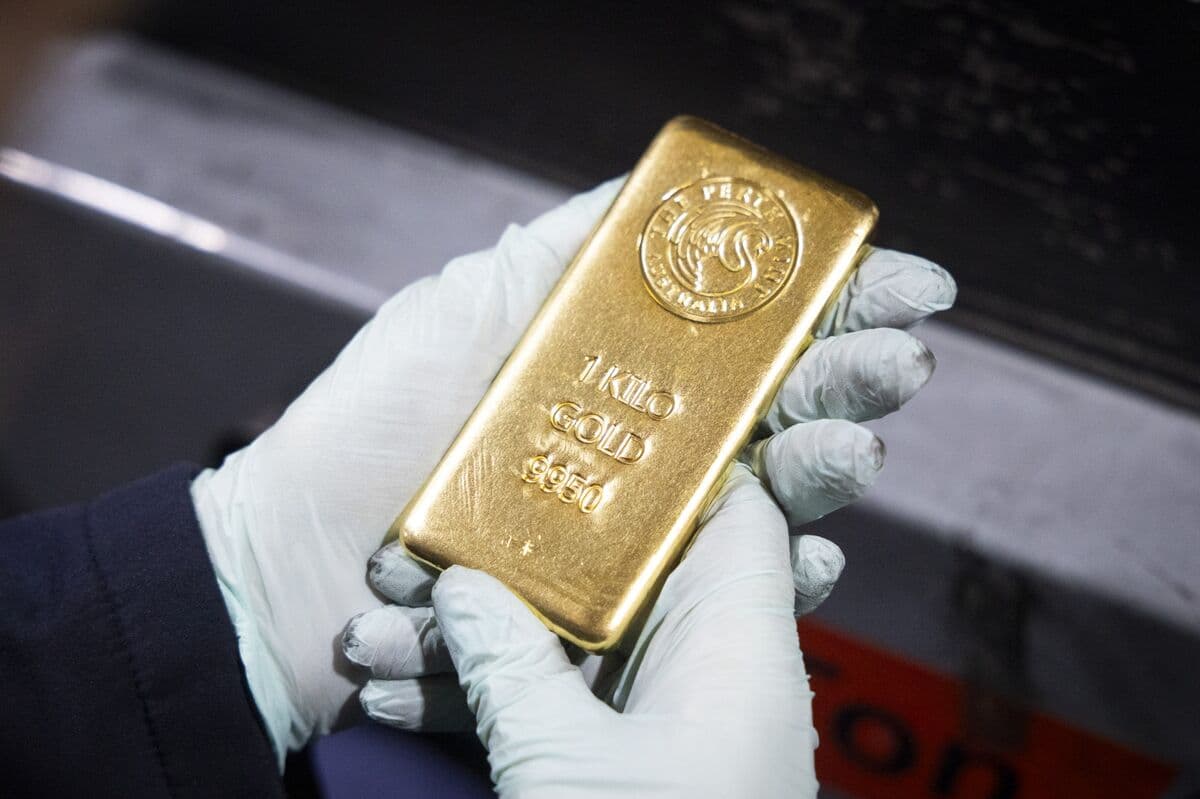
Gold Falls as Renewed Hormuz Disruption Stokes Inflation Concern
Gold prices fell sharply after a weekend flare‑up in the Strait of Hormuz reignited concerns about an energy‑supply shock and higher inflation. The bullion market dropped as much as 1.9%, later stabilizing around $4,790 an ounce. The tension escalated when...
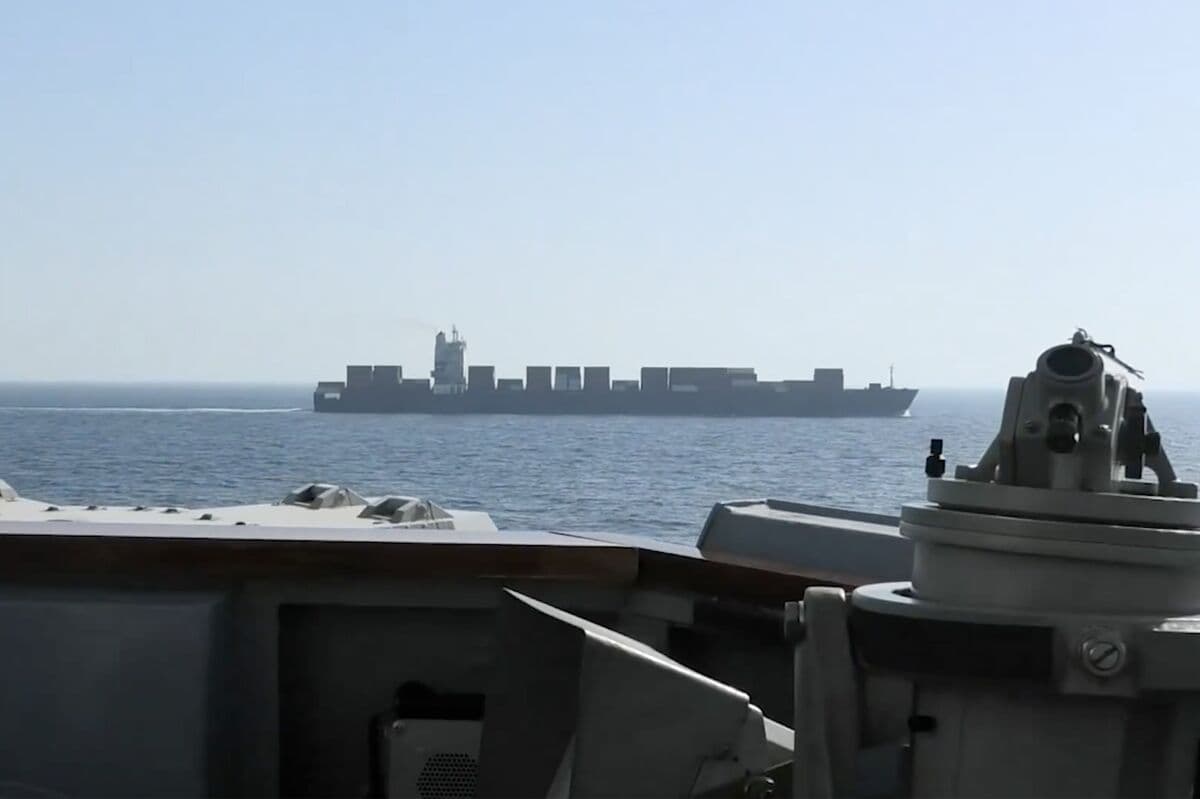
Oil and Gas Jump After US Seizure of Iranian Ship Imperils Talks
U.S. Navy forces seized an Iranian vessel, prompting Tehran to close the Strait of Hormuz again over accusations of a U.S. blockade. The move sparked a sharp rally in energy markets, with Brent crude jumping up to 7.9% and European...
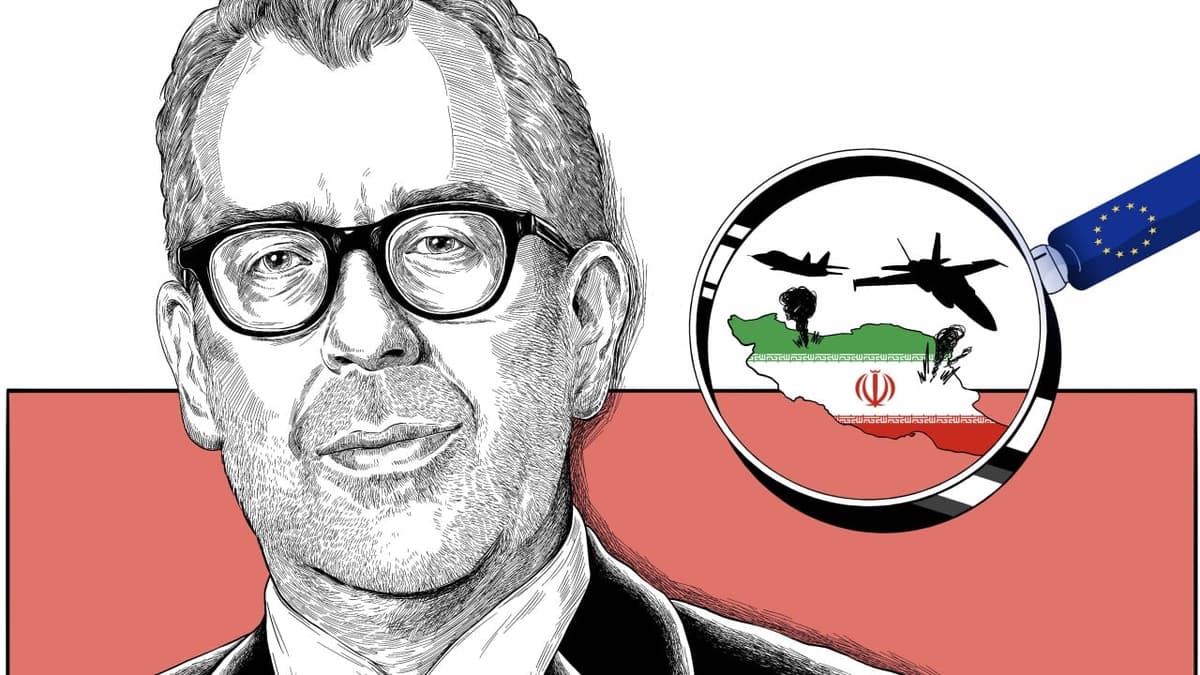
‘Saying You’re a Geopolitical Actor Doesn’t Make It so’: Sven Biscop on Europe
Sven Biscop warns that Europe’s marginal role in the Iran‑Israel‑US conflict exposes a chronic lack of military capacity and a fragmented diplomatic response. He argues the EU must move beyond rhetoric, develop a unified diplomatic push, and create an autonomous...
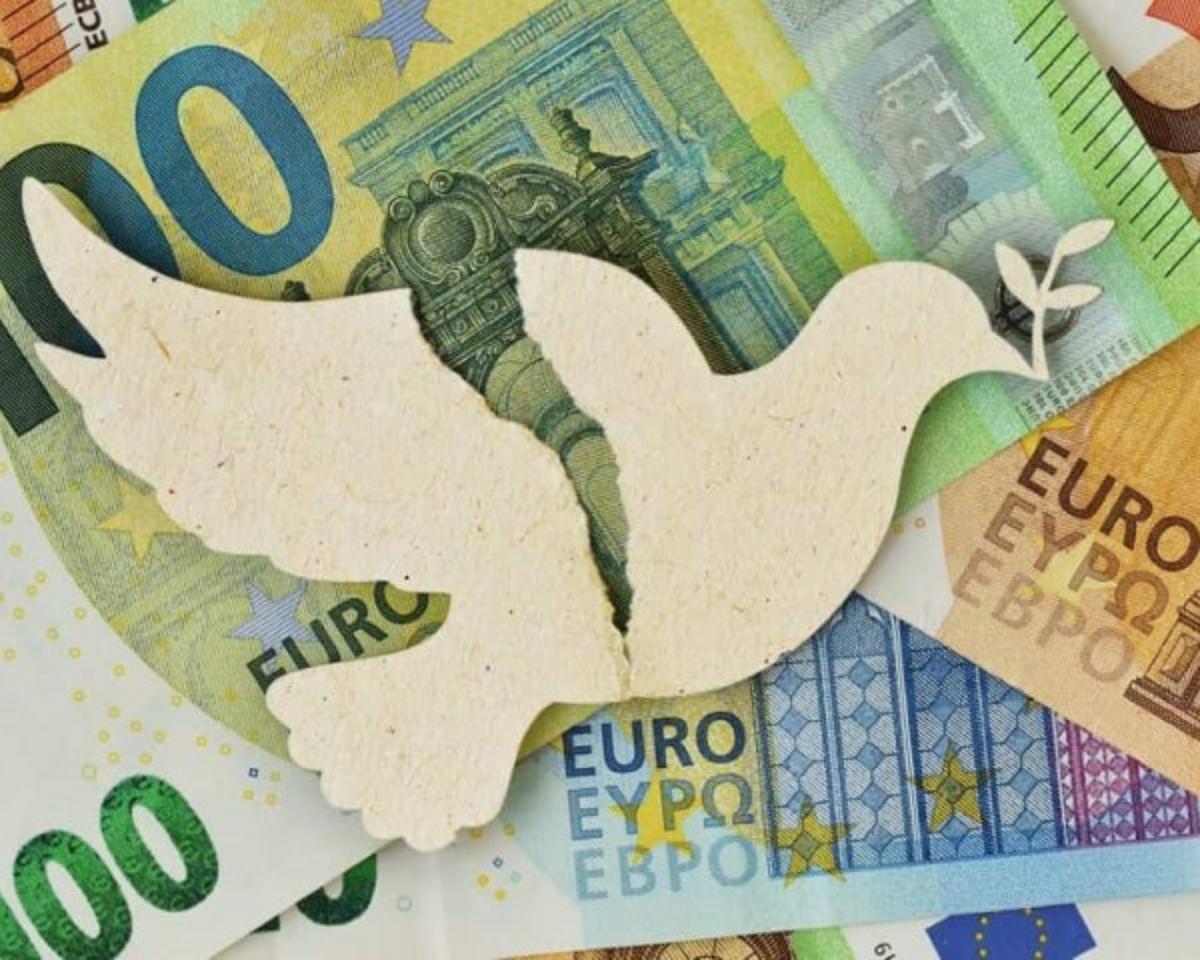
IRAN WAR TRIGGERS GLOBAL TOURISM CRISIS AND EUROPE EMERGES AS BIG WINNER
The Iran‑Russia conflict has forced airlines to reroute flights around the Gulf, lengthening journeys and nearly doubling fares on some routes. Restrictions at Dubai, Abu Dabi and Doha have slashed UAE bookings by more than 90%, while fuel‑price spikes in Germany...

Spectre of Stagflation Haunts Thailand
Thailand’s economy is wobbling after the Songkran break as energy price freezes end and inflation pressures rise. Analysts warn Q2 inflation could climb to 3‑4% while GDP growth stalls around 1%, creating a mild stagflation risk. The new government may...

Wall Street Just Sent Oil Stocks a Brutal Message After Iran’s Move
U.S. equities surged on April 17 after Iran announced the Strait of Hormuz would remain open, easing fears of a supply shock. Brent slipped to about $88.90 a barrel and U.S. crude to $83.08, prompting a rapid sell‑off in oil‑related stocks....
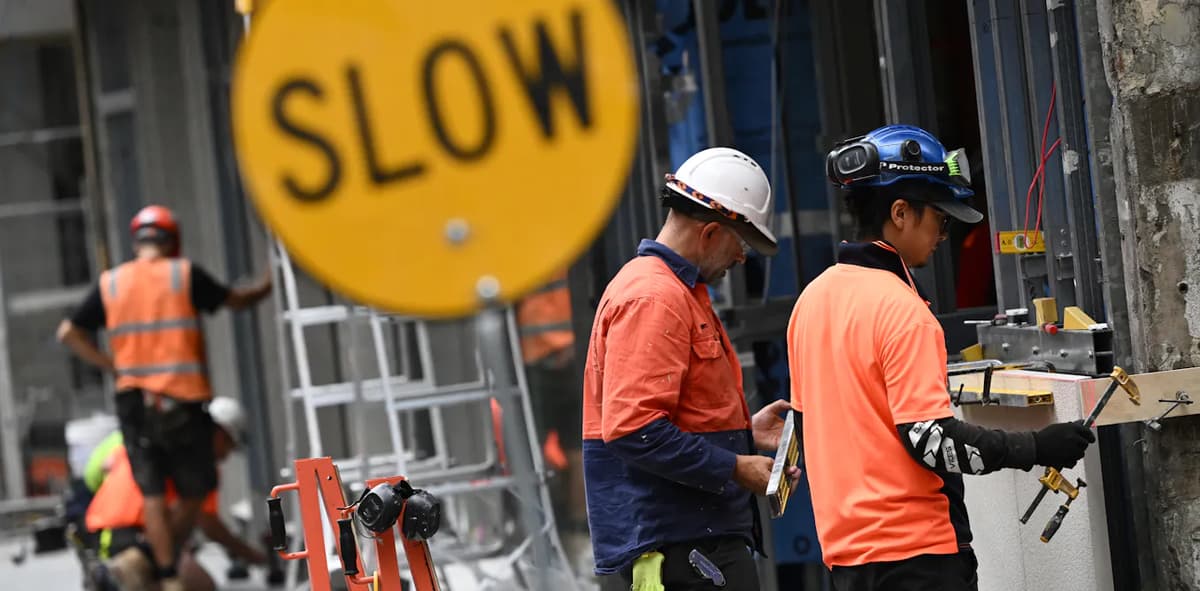
The RBA’s Policy Deliberately Creates Unemployment. So Why Do We Treat the Jobless so Badly?
The Reserve Bank of Australia (RBA) is using higher interest rates to deliberately raise unemployment, aiming to lower inflation expectations. Current unemployment sits at 4.3% (about 650,000 people), which the RBA deems still too low for price stability. Critics argue...

Germany's Merz, Brazil's Lula Stress Close European-Brazilian Cooperation
German Chancellor Friedrich Merz and Brazilian President Luiz Inácio Lula met at the Hanover industrial fair to promote deeper EU‑Brazil ties. They welcomed the EU‑Mercosur free‑trade agreement, which came into force on May 1, 2026, and highlighted Brazil’s vast mineral wealth, including the...
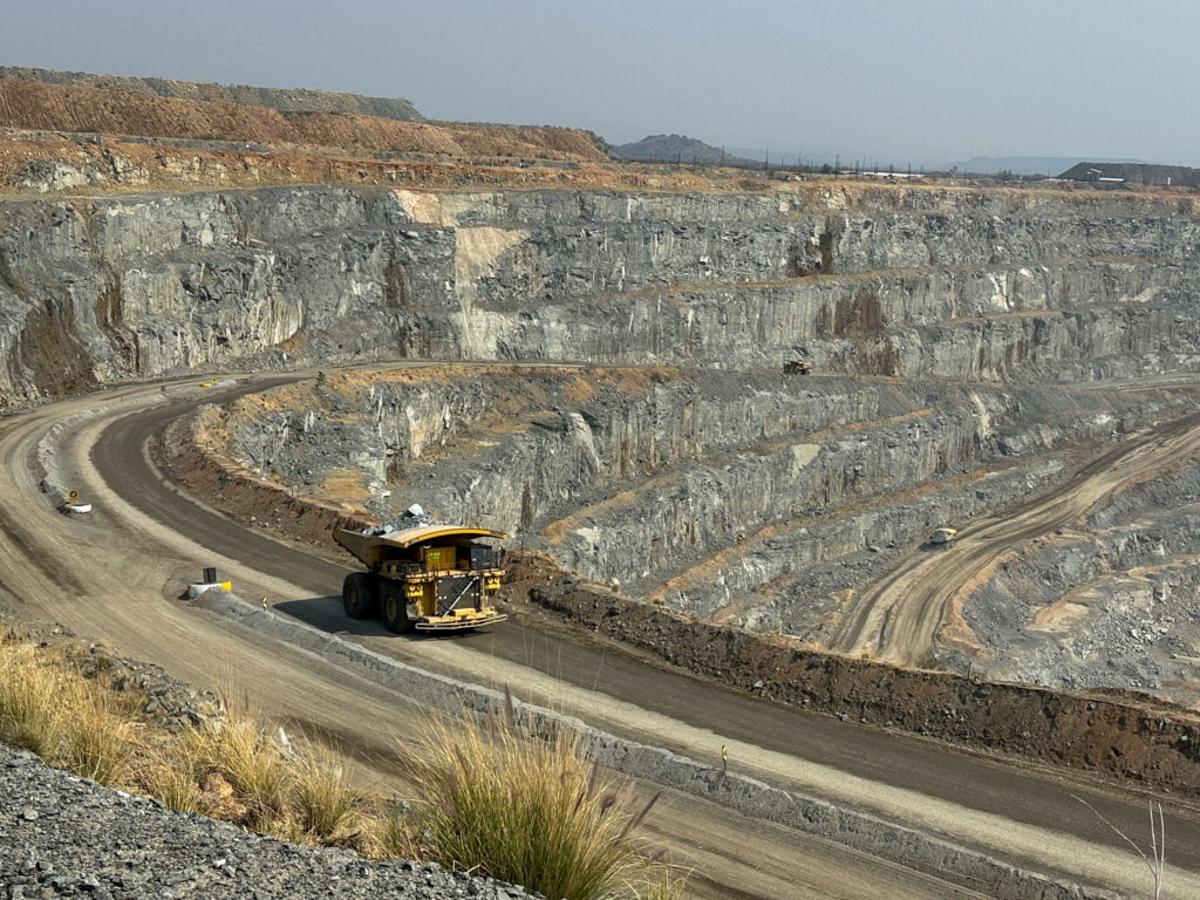
U.S. Invests in Project to Remove Rare Earth Minerals Despite Differences with South Africa
Washington’s International Development Finance Corporation has pledged a $50 million equity stake in the Phalaborwa Rare Earths Project, an effort to extract rare earth elements from 35 million tons of phosphogypsum waste in South Africa. The venture, led by Rainbow Rare Earths...
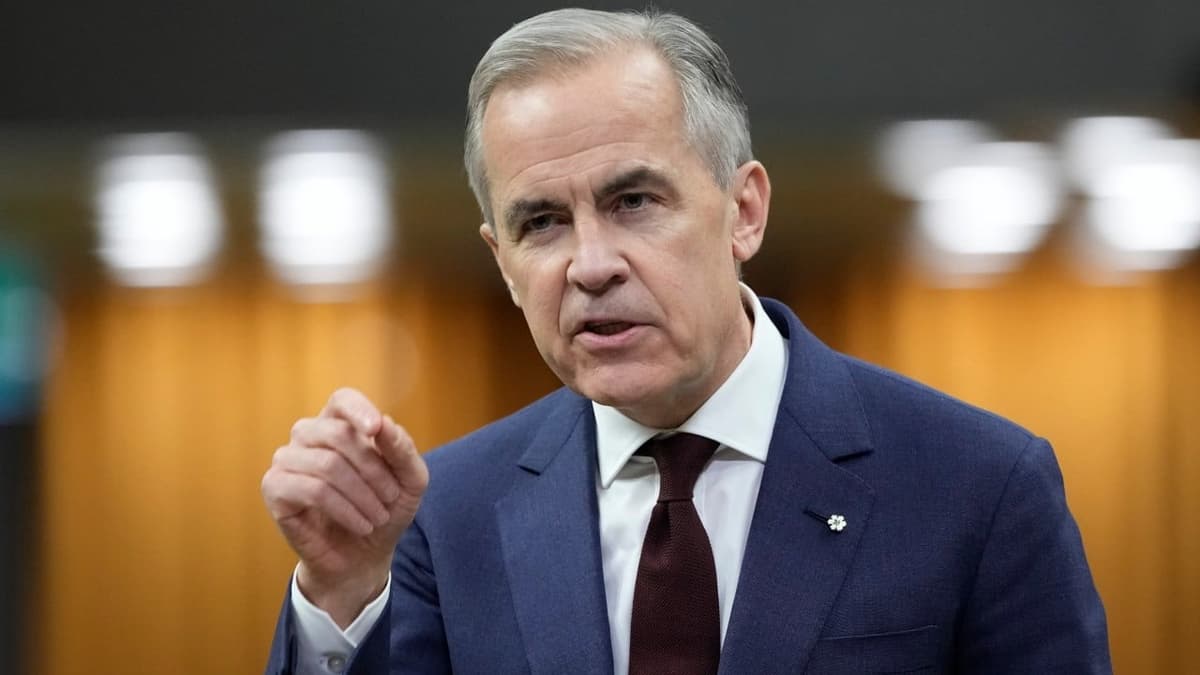
Canada’s Economic Ties with US Are a Weakness that Must Be Corrected, Says Carney
Canadian Prime Minister Mark Carney warned that Canada’s historic economic reliance on the United States has become a strategic weakness. He cited recent U.S. tariff hikes and political rhetoric as drivers of uncertainty for Canadian manufacturers and investors. Carney outlined...
:max_bytes(150000):strip_icc():format(jpeg)/U-ShapedRecovery-f265f904cae845799fe7c6c5e27cc13e.jpg)
U-Shaped Recovery: What It Means, How It Works, and Examples
A U-shaped recovery describes an economic cycle where a sharp decline in GDP, employment and industrial output is followed by a prolonged period of stagnation before a gradual return to pre‑recession levels. The pattern contrasts with a V‑shaped rebound, which...
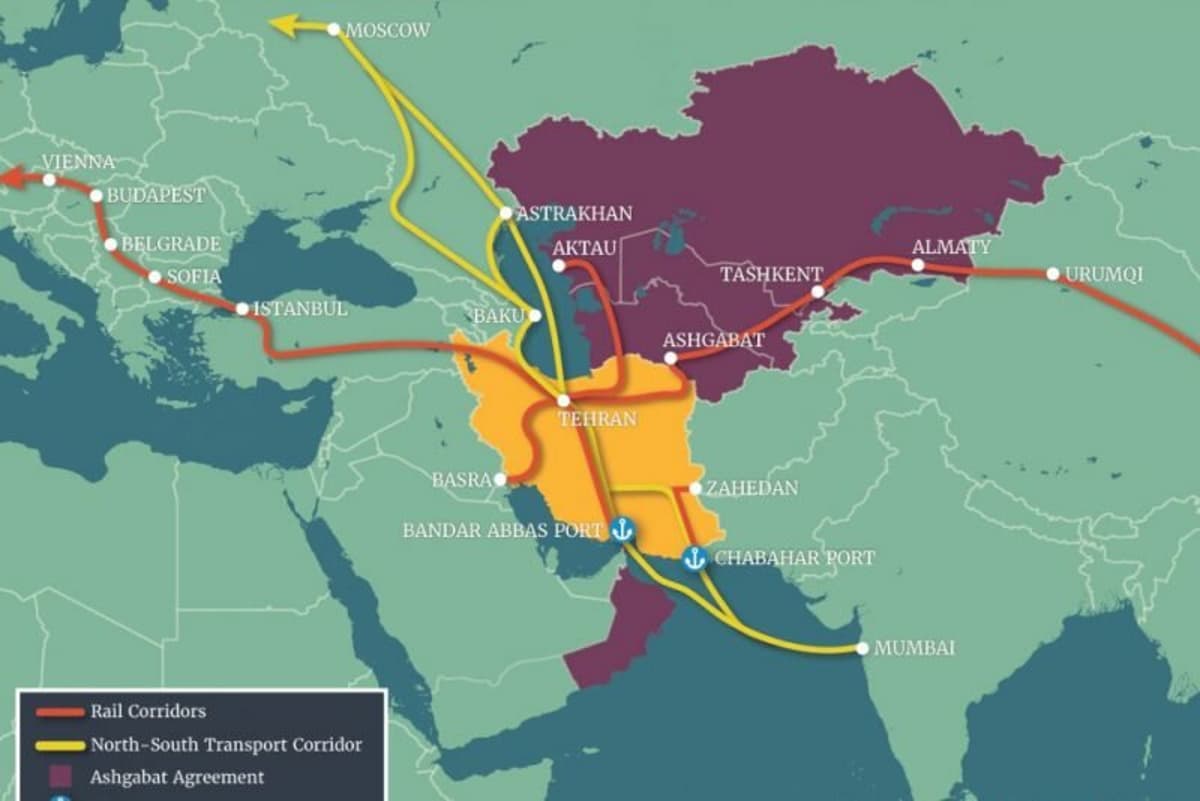
Iran War Derails India’s IMEC & INSTC Trade Routes: Hormuz Closure Pauses Delhi’s Connectivity Ambitions
The escalating Iran‑Israel‑U.S. conflict has forced the Strait of Hormuz shut, halting progress on India’s flagship land‑sea corridors – the India‑Middle East‑Europe Economic Corridor (IMEC) and the International North‑South Transport Corridor (INSTC). Both projects rely on Iranian cooperation and Gulf‑side...
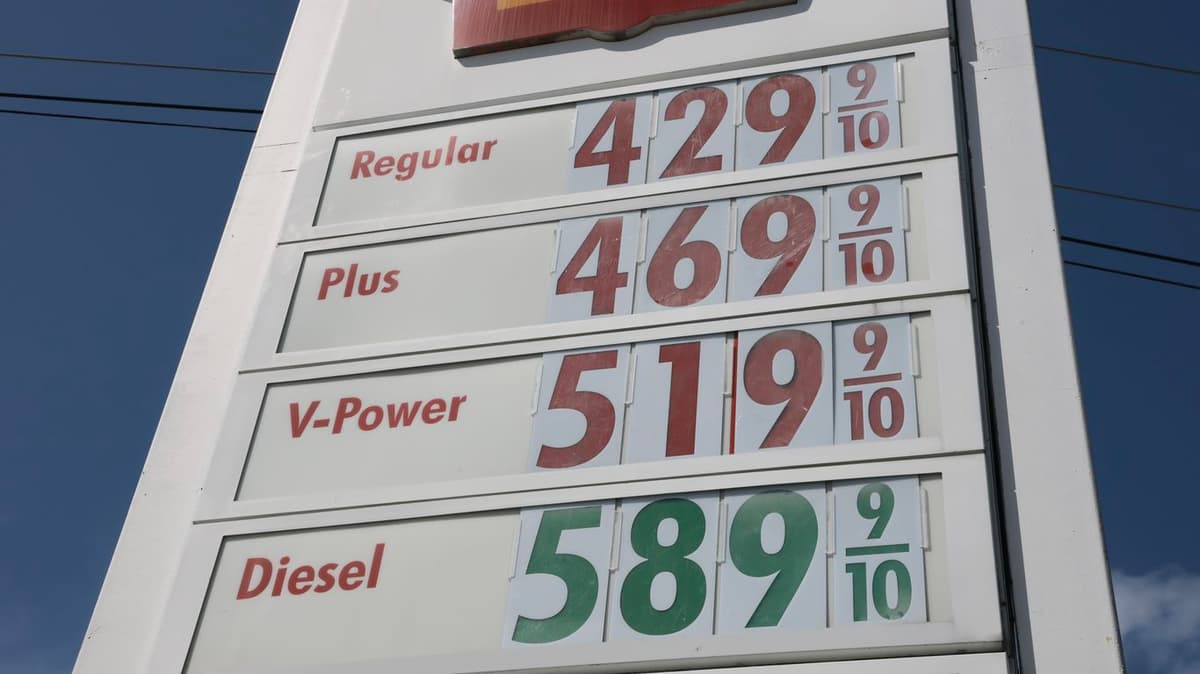
Trump's Energy Boss: Gas May Stay Above $3-per-Gallon Into 2027
U.S. average gasoline prices have hovered around $4 per gallon, with a recent high of $4.16, according to AAA data. Energy Secretary Chris Wright told CNN that prices likely peaked and could dip below $3 per gallon, but not until...

Emerging-Market Bond Sales Are Soaring Again as Investors Dive Back Into Risk
Emerging‑market bond issuance surged in April, with $46 billion raised—about 200% higher than the same month last year. The rally follows a March slowdown caused by the Israel‑Iran conflict and reflects renewed investor appetite for yield amid a tentative US‑Iran cease‑fire....
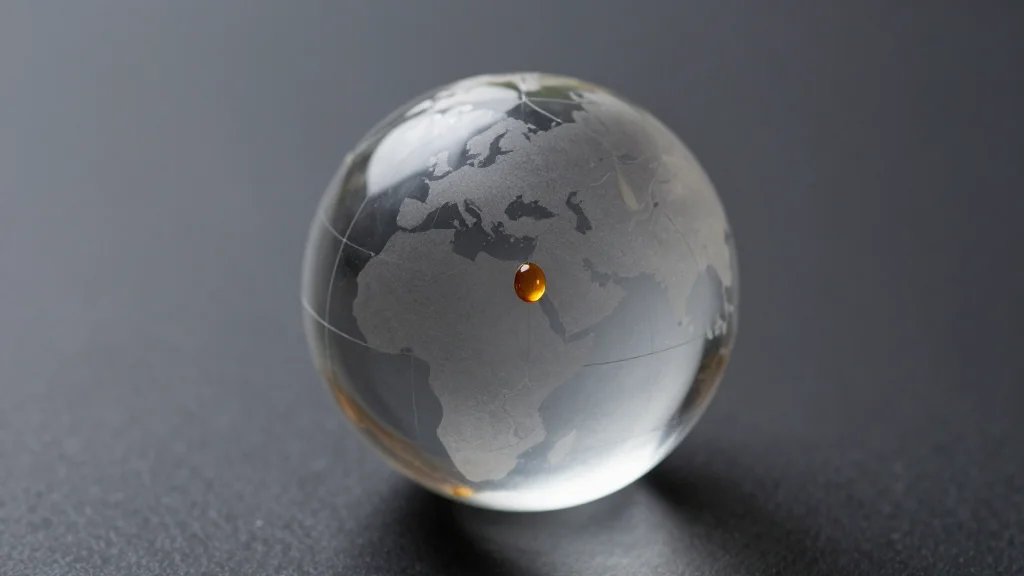
IMF and World Bank Meetings Reveal Limitations in Global Shock Mitigation
At the IMF and World Bank spring meetings in Washington, leaders pledged up to $150 bn in financing for developing countries most exposed to the energy price shock from the Middle East conflict. The fund cut its global growth outlook to...

Shockwaves: How an Energy Crisis Spreads Across Commodities
A geopolitical flare‑up in the Strait of Hormuz has knocked out roughly 17% of global LNG capacity—about 12‑13 million tonnes per year—creating a multi‑year supply squeeze. The disruption ripples into aluminum, where gas shortages and physical damage delay output for six...
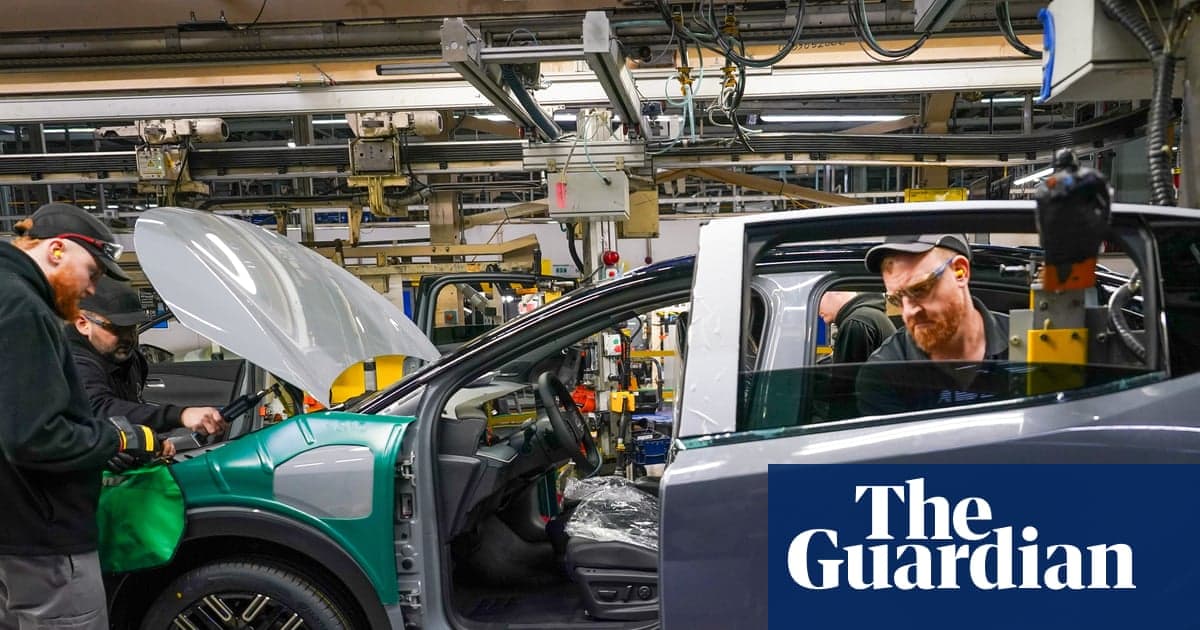
UK Seeks EU Deals on Steel and EVs in Push for Closer Economic Ties
The United Kingdom is pressing the European Union for bilateral agreements on steel imports and electric‑vehicle rules of origin ahead of new EU tariffs set for 1 July and stricter EV standards due in 2027. Prime Minister Keir Starmer’s team hopes the...
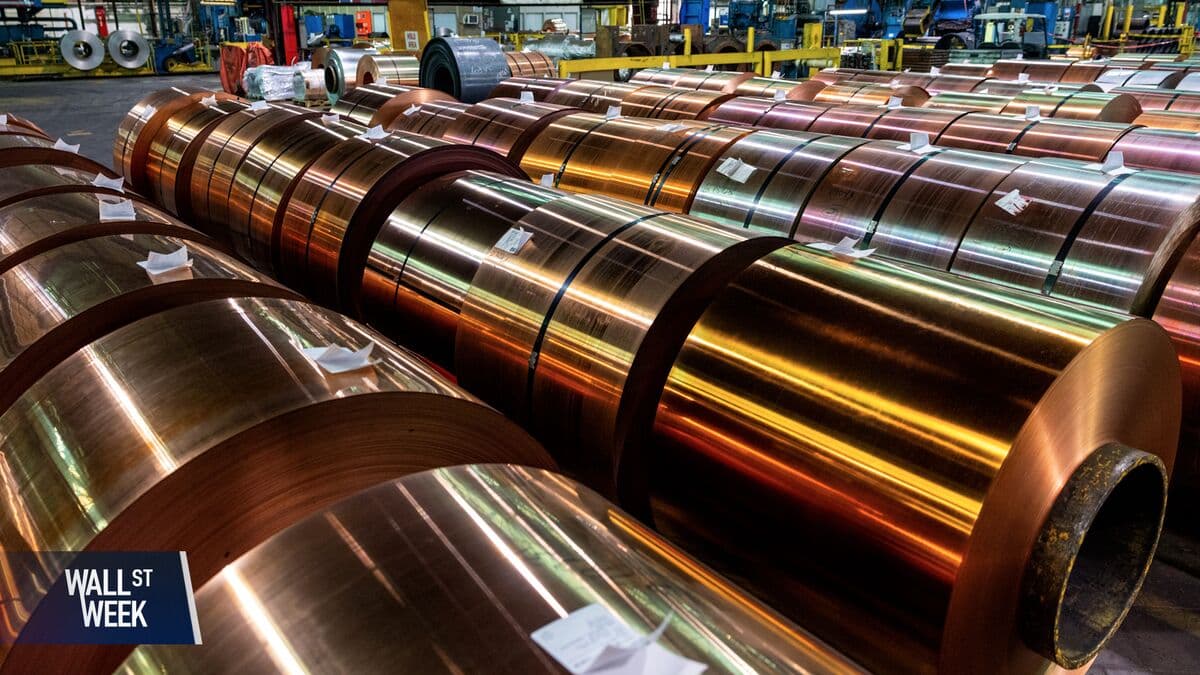
How the AI Boom Is Fueling the US Copper Race
The surge in AI‑driven electricity use is turning copper into a strategic bottleneck for the United States. Domestic production has stalled, forcing reliance on imports while demand is projected to rise over 40% by 2040. Projects like Rio Tinto’s Resolution Mine...
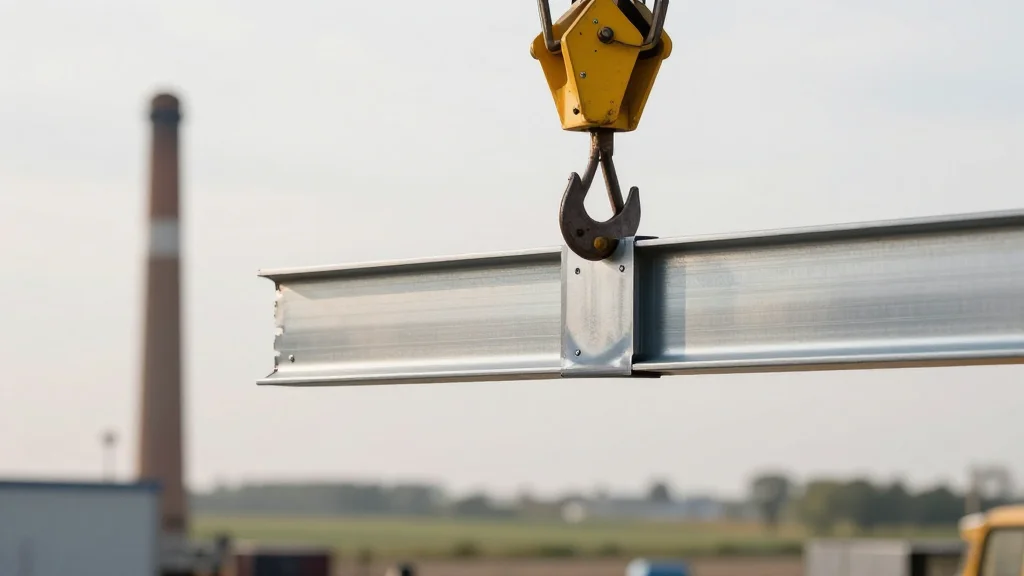
How One Small American Manufacturer Is Dealing with Trump’s Tariffs (Episode 211)
In a recent Trade Talks episode, a 150‑employee metal‑fabrication firm in Ohio detailed how it navigated the wave of tariffs imposed during the Trump administration. The company restructured its supply chain, moving roughly 40% of imported steel to domestic producers,...

Borderlands Mexico: Truck Exports to U.S. Fall in March
Mexico’s heavy‑duty truck sector posted a weaker March 2026, with production slipping 6.6% year‑over‑year to 12,617 units and exports falling 5.9% to 10,625 trucks. The United States remained the dominant market, absorbing 92% of Q1 exports, underscoring the sector’s reliance...

Developments in US-Iran Conflict, Oil Prices, Q4 Earnings to Drive Markets This Week: Analysts
Analysts say this week’s Indian market direction will hinge on three forces: the looming end of the US‑Iran cease‑fire on April 22, volatile crude‑oil prices, and a wave of Q4 FY26 earnings. HDFC Bank posted an 8.04% profit rise to ₹20,351 crore...
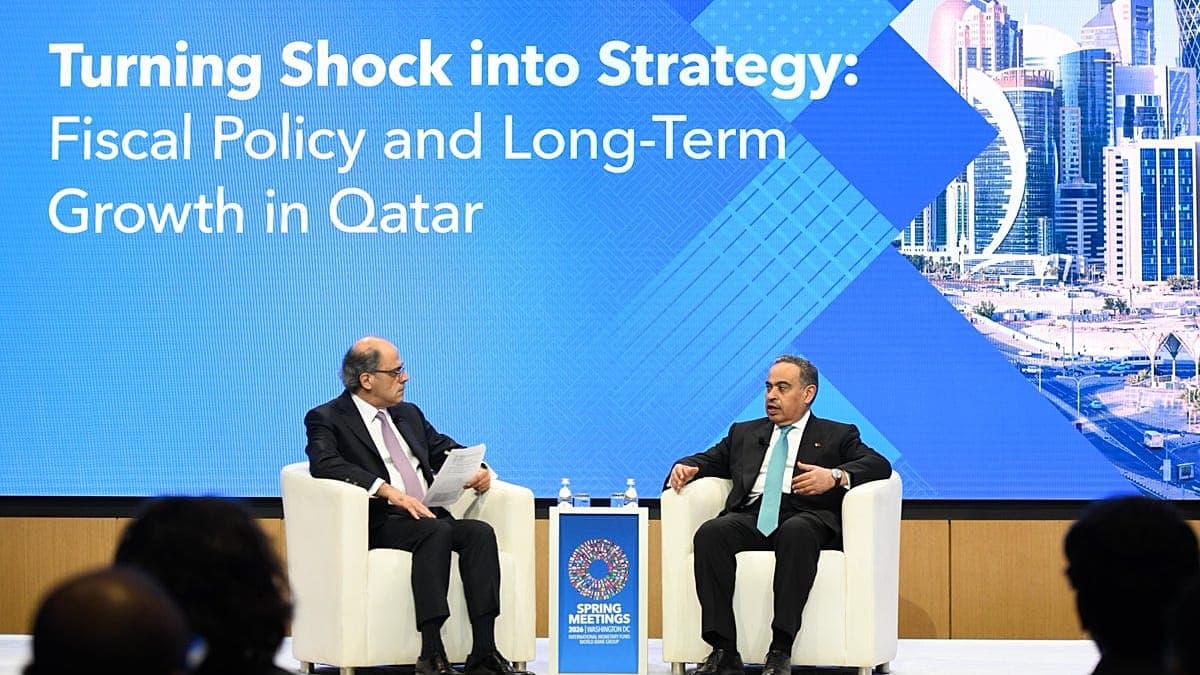
Global Shock Feared as Iran Tightens Grip on Hormuz, Qatar Says Impact “Not Far Away”
Qatar’s finance minister warned that Iran’s tightening grip on the Strait of Hormuz could trigger a broader energy and commodity shock within months. The narrow waterway carries about one‑fifth of global energy supplies, a third of fertilizer trade and supports...
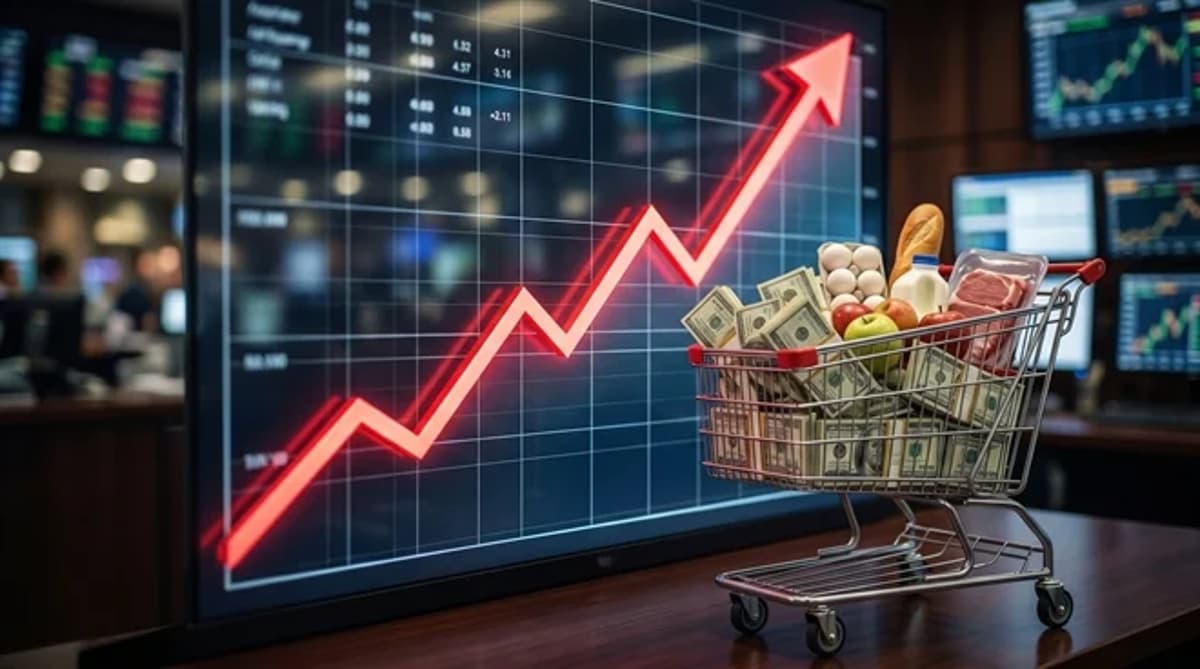
$39 Trillion Debt Signal: 3 TIPS ETFs to Hedge Persistent Inflation
The U.S. Treasury’s latest report shows national debt climbing to roughly $39 trillion, with annual interest outlays near $970 billion—more than the entire defense budget. Policymakers may tolerate modestly higher inflation to ease the real debt burden, especially as $10 trillion of debt...

India to Grow 6.8%-7.1% in FY27, Defies Oil Shock Pressures: SBI Report
SBI Research projects India’s GDP to expand between 6.8% and 7.1% in FY27, despite a fresh oil price shock and heightened West Asian tensions. The outlook follows a robust FY26 growth rate of 7.6%, mirroring the country’s resilience during the...

How 50 Days of the Iran War Led to the Loss of $50 Billion Worth of Oil
The Iran‑Israel war has knocked roughly 500 million barrels of crude and condensate off the market in just 50 days, erasing about $50 billion in revenue at $100 per barrel. Production in Gulf Arab states fell by 8 million barrels per day in March,...

From Aid to Investment: Africa Redraws the Terms of Partnership with Europe
At the Africa‑Europe Finance Ministers' Platform, AUDA‑NEPAD chief Nardos Bekele‑Thomas declared that Africa will no longer accept passive aid but will pursue strategic co‑investment with Europe. She highlighted the EU’s upcoming 2028‑2034 budget, which earmarks roughly $66 billion for Sub‑Saharan Africa,...
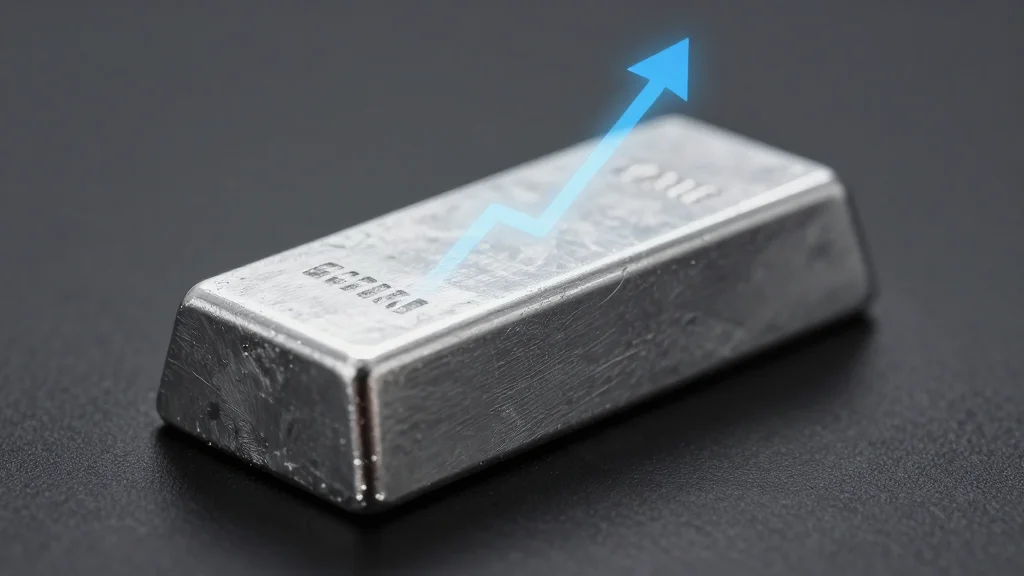
Aluminium Prices at Record Highs: What’s Driving the Rally and What’s Next?
Aluminium prices have surged to a four‑year high on the London Metal Exchange, touching a record ₹375 per kilogram (about $4.5) in India. The rally followed an initial dip after the US‑Iran conflict, rebounding as supply concerns and robust demand...

Which European Countries Will Be the Richest by 2030?
IMF’s World Economic Outlook projects that by 2030 Ireland will lead Europe in GDP‑per‑capita purchasing power parity (PPP), edging out Luxembourg, which tops the 2025 list. Norway, Switzerland and Denmark are expected to remain in the top five, while Germany,...

When War Returns: Is International Law Still Holding?
Martin Owuor, Kenya’s Deputy Director of Legal Services, warns that the ongoing war in the Middle East is exposing the fragility of international law. He notes the UN Security Council’s silence on alleged aggression by the United States, Israel and...
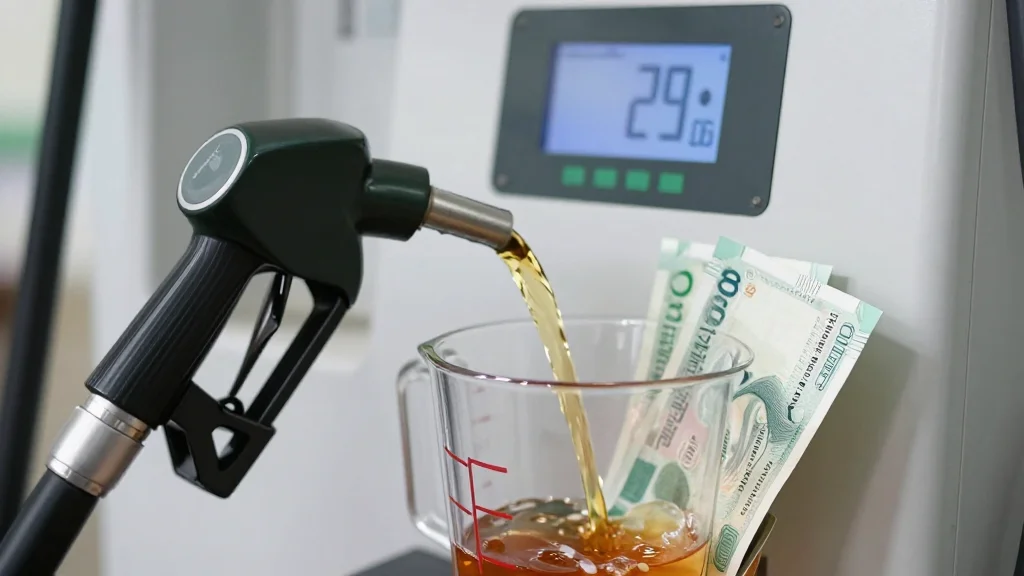
Bangladesh Raises Fuel Prices as Iran War Drives up Costs
Bangladesh announced a 10‑15% increase in retail fuel prices, raising petrol to 135 taka (about $1.10) per litre and diesel to 115 taka. The hike reflects soaring global crude costs and supply disruptions linked to the seven‑week‑old Iran‑Israel conflict. The...
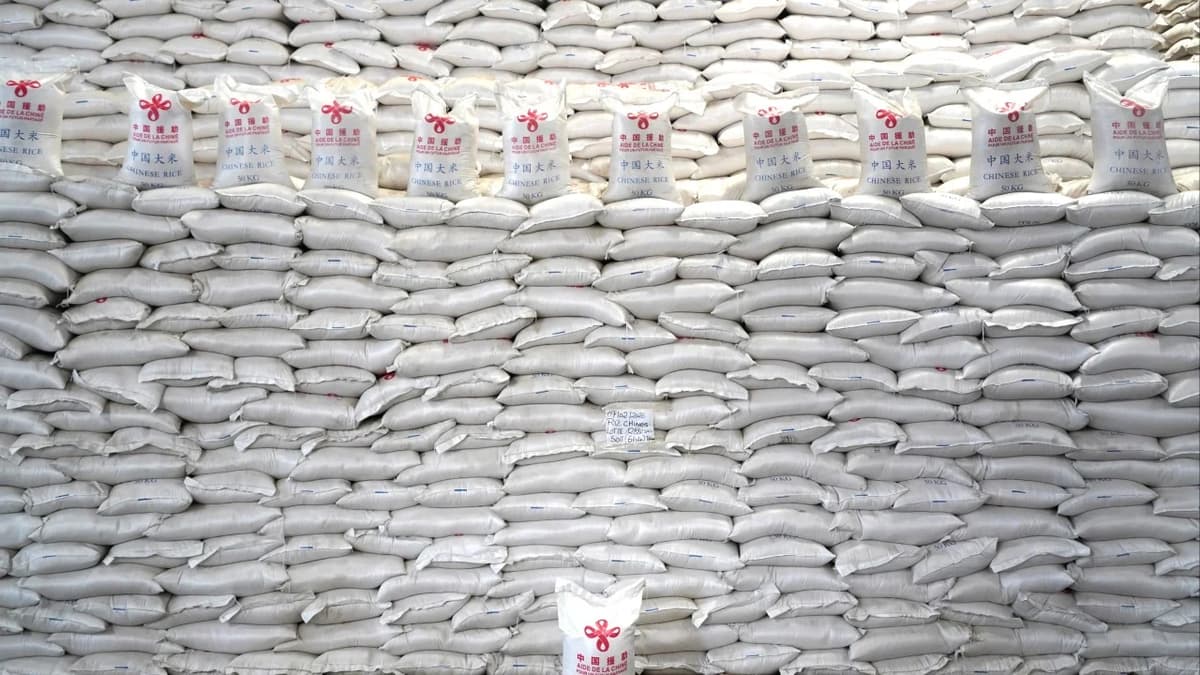
China Steps up Aid to Africa but Huge Funding Gap Left by Trump’s Cuts Remains
During Vice‑President Han Zheng’s March visit to Nairobi, China announced a cash grant for drought relief and delivered food aid to several African nations, assisting over 217,000 people in Zambia and providing 5,000 tonnes of rice to Zimbabwe. Beijing also pledged...

From Boom to Bust: Why Reforms Have Failed to Rebuild Nigeria’s Economy
Nigeria’s once‑broad industrial base has eroded despite decades of reforms, from the 1986 Structural Adjustment Programme to President Bola Tinubu’s recent fuel‑subsidy removal and exchange‑rate liberalisation. Liberalisation exposed local manufacturers to global competition, prompting closures and deepening reliance on oil...

A $176 Billion Reality Check for Europe’s Luxury Brands as Middle East Tensions Hit Shoppers
Europe’s ten listed luxury groups have erased roughly $176 bn of market value since January, as the Middle East war curtails affluent travel. The hit is most acute for LVMH, which alone lost close to $100 bn, while Kering and Hermès also...