Today's Emerging Markets Pulse
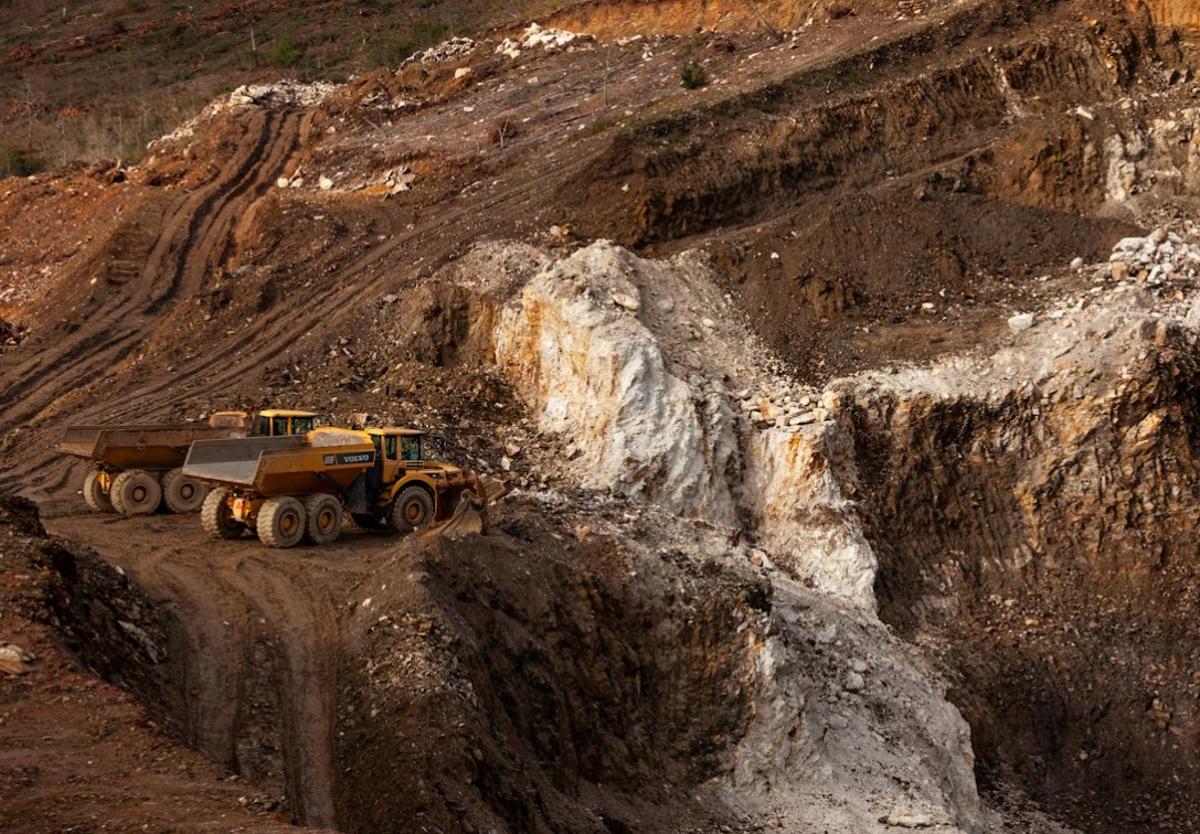
India and U.S. forge $20 billion critical minerals framework
India and the United States signed a bilateral framework in New Delhi on May 26 to cooperate on critical minerals and rare‑earth supply chains. The pact covers mining, processing, recycling and project financing and could mobilise up to $20 billion, tapping India’s estimated 13 million tonnes of monazite deposits.
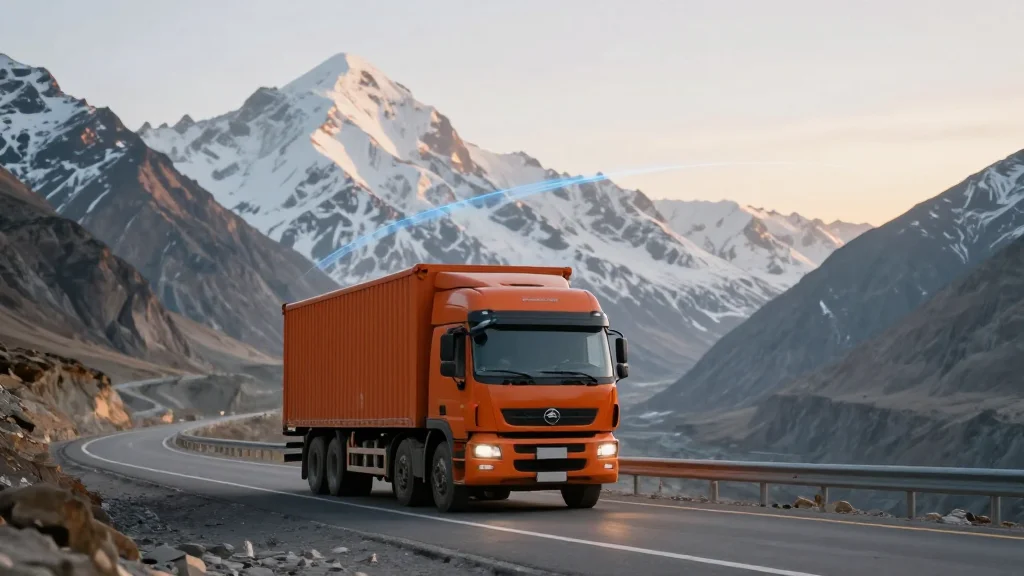
Kyrgyzstan Establishes New Trade Route to Pakistan, via China
Kyrgyzstan successfully completed a pilot truck run from Bishkek to Karachi, establishing a 3,300‑kilometer land corridor that runs through China via the Karakoram Highway. The route bypasses Afghanistan, offering a secure alternative for the landlocked nation to reach a seaport. Kyrgyz officials highlighted the test’s on‑time performance and pledged to expand trade along the corridor. Pakistan’s ambassador praised the close coordination that ensured smooth movement, signaling deeper logistical ties between the two countries.
Turkmen Gas Is Back on Turkey’s Agenda
Turkey has lost its Iranian gas imports, which supplied about 15% of its demand, and is reviving interest in a trans‑Caspian pipeline to bring Turkmen gas to Turkey and Europe. Energy Minister Alparslan Bayraktar urged international talks on the never‑built...
April Politburo Meeting; Manus Mess; Hostile Foreign Forces Encouraging "Lying Flat"; New US Semiconductor Restrictions?
China’s April Politburo meeting reaffirmed a steady‑hand economic approach, emphasizing AI‑plus initiatives, self‑reliant chip development, and the need to resolve overdue payments to firms. The readout also called for a crackdown on “involution” competition and highlighted risks in real estate...

Boom! United Arab Emirates Exits OPEC
In this episode, Patrick Wood explains how the United Arab Emirates' withdrawal from OPEC on May 1, 2026 signals the collapse of the petrodollar system and the rise of a new technocratic trade architecture centered on asset tokenization and the...
China's Export‑driven Model Collapses Under Security Costs
China built its entire economic model based on the principle that exports were universal. That model is crumbling as countries realized they hollowed out their manufacturing base and eroded their own national security in the process. China was the biggest...

Chile Holds Rates but Iran War Oil Risk Echoes Across Global Central Banks
Chile's central bank left its benchmark rate unchanged at 4.50% for a third straight meeting, a decision that was broadly expected. More notable was the bank’s explicit warning that the Iran‑Israel conflict is worsening beyond its March baseline, raising the...
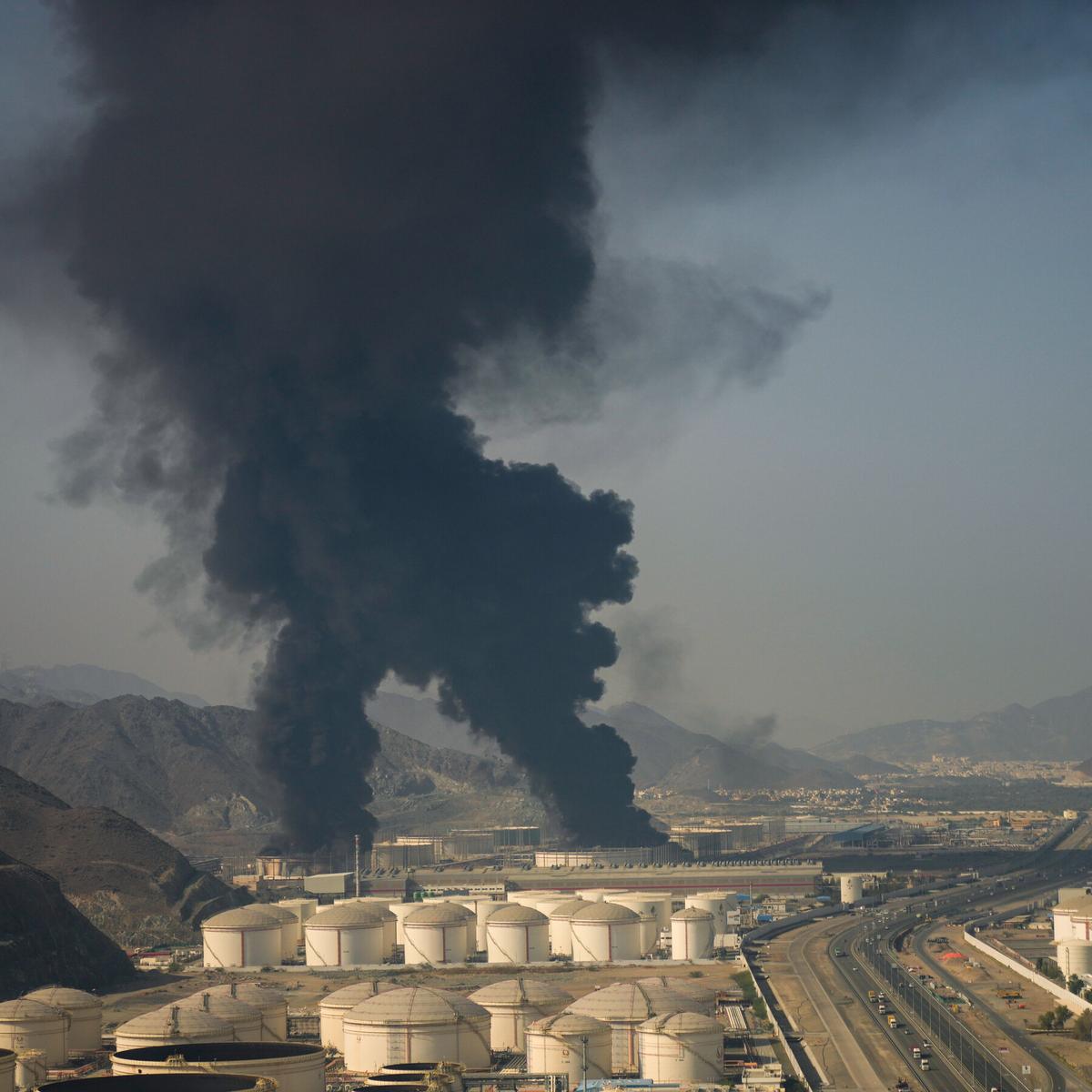
Amid Iran War and Tensions with Neighbors, U.A.E. Goes Its Own Way
The United Arab Emirates announced it is leaving OPEC as Saudi Arabia hosted a Gulf summit, positioning itself to increase oil output independently. Abu Dhabi cited long‑term market needs and frustration with Saudi‑driven production quotas. The move underscores a widening...

China Pulls the Plug on Meta’s AI Acquisition
Meta’s $2.5 billion acquisition of Singapore‑based AI startup Manus was approved by Chinese regulators in December but was abruptly blocked in April. The reversal reflects a rapid shift in Beijing’s national‑security calculus over artificial intelligence. Meta now faces a likely loss...

Iran War Disrupting Global Gas Markets
The International Energy Agency warns that the war in Iran has triggered a sharp supply shock in the global natural‑gas market. Production disruptions and transport bottlenecks are pushing spot prices higher and eroding the momentum of a planned surge in...
UAE Exits OPEC After Six Decades, Reshaping Oil Market
JUST IN: The UAE has left OPEC after 59 years. Oil will never be the same. Here's what's happening and why it matters:
42 Killed in Chad Water‑Point Clash as Military Steps In to Contain Violence
Deputy Prime Minister Limane Mahamat said 42 people were killed and 10 wounded after a dispute over a water point in eastern Chad escalated into a cycle of reprisals. The army intervened, and Mahamat announced customary mediation and judicial proceedings...

China Ramps up Efforts to Establish Hong Kong Gold Hub with Major Moves in Public, Private Miners and New Market...
China is accelerating its push to turn Hong Kong into a global gold hub by establishing a state‑owned clearing house and expanding storage capacity. The Hong Kong Precious Metals Central Clearing will begin trial operations by the end of 2026, while the...

Cashless Payments Increasingly Adopted Across Emerging Markets, Report Reveals
The Bank for International Settlements reports cashless payments are expanding faster in emerging markets than in advanced economies. Per‑capita cashless transactions in EMDEs rose 21% to 242 last year, while advanced economies saw a 6% increase to 579. Credit transfers...

2022 Ukraine Lend-Lease Act: Lifesaving Initiative That Never Worked
On April 28, 2022 the U.S. House approved the Ukraine Democracy Defense Lend-Lease Act with a 417‑10 vote, after unanimous Senate consent. President Biden signed the law on May 9, 2022—coinciding with Russia’s Victory Day—reviving the World War II‑era Lend‑Lease framework to...
How to Incorporate Rising Political Risk Into Investment Management
The article outlines how investment managers can systematically embed rising political risk into portfolio construction and oversight. It highlights the shift from ad‑hoc news monitoring to quantitative scenario modeling, stressing the need for granular country‑level exposure data. The piece also...
UAE's OPEC Exit Signals Broader Regional Power Struggle
uae is withdrawing from opec. what looks like energy politics is something deeper. a fight over the region’s future. @gzeromedia.com
Ping Capital Management Spends $15.9 M to Boost Stake in Banco BBVA Argentina
Ping Capital Management disclosed a $15.9 million purchase of 958,700 Banco BBVA Argentina shares, lifting the bank to 7.98% of the fund’s reportable U.S. equity assets. The move highlights growing hedge‑fund interest in undervalued Argentine banks amid volatile emerging‑market conditions.

Colombia’s Southwest Death Toll Rises to 20 After Bus Bombing, Fueling Election‑Year Violence
A bomb-laden minibus exploded on the Pan‑American Highway in Cauca province, killing 20 people and wounding more than 36. Authorities blame the Central General Staff, EMC, a dissident FARC‑EMC faction led by Ivan Mordisco. The attack intensifies security worries as...

CEOs Flag Flexibility and Resilience as Top Priorities Amid War, AI and Supply Shocks
At the Converge Live summit in Singapore, CNBC interviewed more than 30 chief executives who said flexibility and resilience have eclipsed long‑term planning as the chief leadership imperatives. The CEOs cited ongoing geopolitical conflict, accelerating AI adoption and soaring supply‑chain...

Gov’t Handling Crisis Well
The Philippine government swiftly declared a national energy emergency amid the Middle East conflict, unlocking powers to procure fuel and curb hoarding. It released roughly $357 million from the Malampaya gas fund, secured a 400,000‑barrel crude shipment that provides about 50...
Faisal Islam: Why the UAE's Exit From Opec Is a Big Deal
The United Arab Emirates announced an abrupt exit from OPEC, ending its 3‑3.5 million barrel‑per‑day production quota. As the OPEC member with the second‑largest spare capacity, the UAE could boost output to roughly 5 million barrels daily and ship oil through new...
India to Challenge US Section 301 Probes in Public Hearings over Two Weeks
The Indian government and industry representatives from textiles, auto parts, plastics and solar are testifying in Washington to contest USTR Section 301 investigations. Hearings on forced‑labour allegations are set for April 28‑29, followed by overcapacity hearings May 5‑8. India argues the probes mischaracterize...
Asia’s Economic Diplomacy for Tumultuous Times
Asia’s leading economies—China, India, Japan, South Korea and Vietnam—are reshaping economic diplomacy by pairing strategic international engagement with robust domestic capacity‑building. The article argues that this hybrid model, rooted in pragmatic bargaining and institutional learning, offers a playbook for middle...
U.A.E. Quits OPEC: Here’s What It Means for Oil Prices and the Economy
On May 1, 2026 the United Arab Emirates will withdraw from OPEC and its OPEC+ alliance, citing a strategic decision to expand its own energy output. The move follows heightened geopolitical tension from the Iran‑Israel conflict, which has already driven down global...
Egypt on the Frontline of Iran War's Economic Disruption
Egypt is feeling the brunt of the Iran‑Israel‑US conflict as oil prices surged to around $100 a barrel, inflating its petroleum import bill and widening the current‑account gap. The Atlantic Council estimates the deficit could swell from $15 billion to $24 billion,...

The End of OPEC as We Knew It
The United Arab Emirates announced it will leave OPEC effective May 1, ending nearly six decades of membership. The move strips the cartel of one of its three largest producers amid ongoing conflict in the Strait of Hormuz. Analysts expect the...

Magyar Promises Austerity to Get Into Eurozone by 2030
Hungary’s new Tisza party, led by Peter Magyar, has pledged euro‑zone membership by 2030, launching the accession process within weeks. Finance‑minister nominee András Kármán says the government will meet Maastricht criteria, despite current deficits of 4.7% of GDP and public...
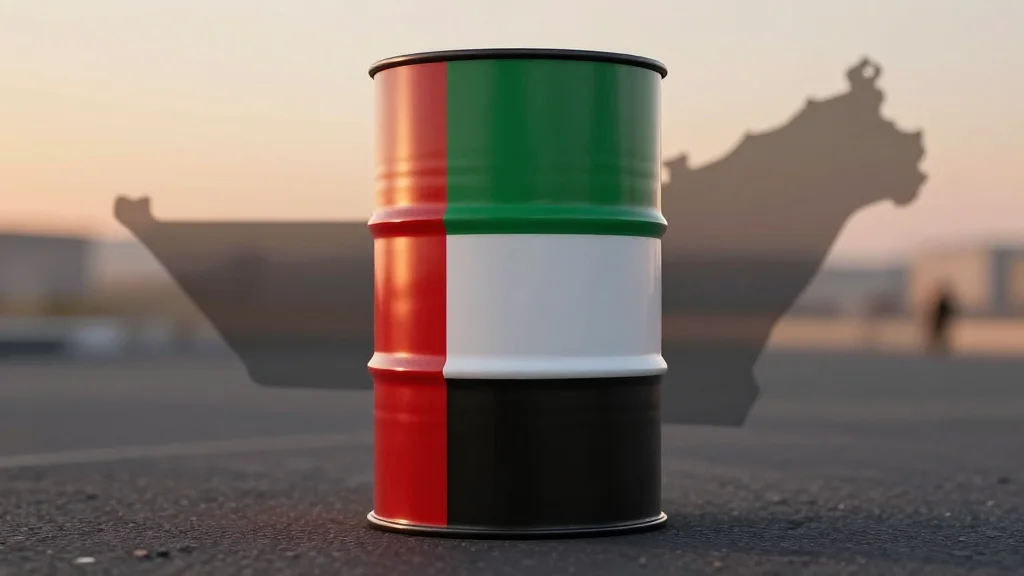
The United Arab Emirates Is Quitting OPEC Oil Cartel After Nearly 60 Years
The United Arab Emirates announced it will leave OPEC on May 1, ending almost 60 years of membership. The exit is presented as part of a long‑term strategic vision that lets the emirate tap its large spare‑capacity and raise output once export...
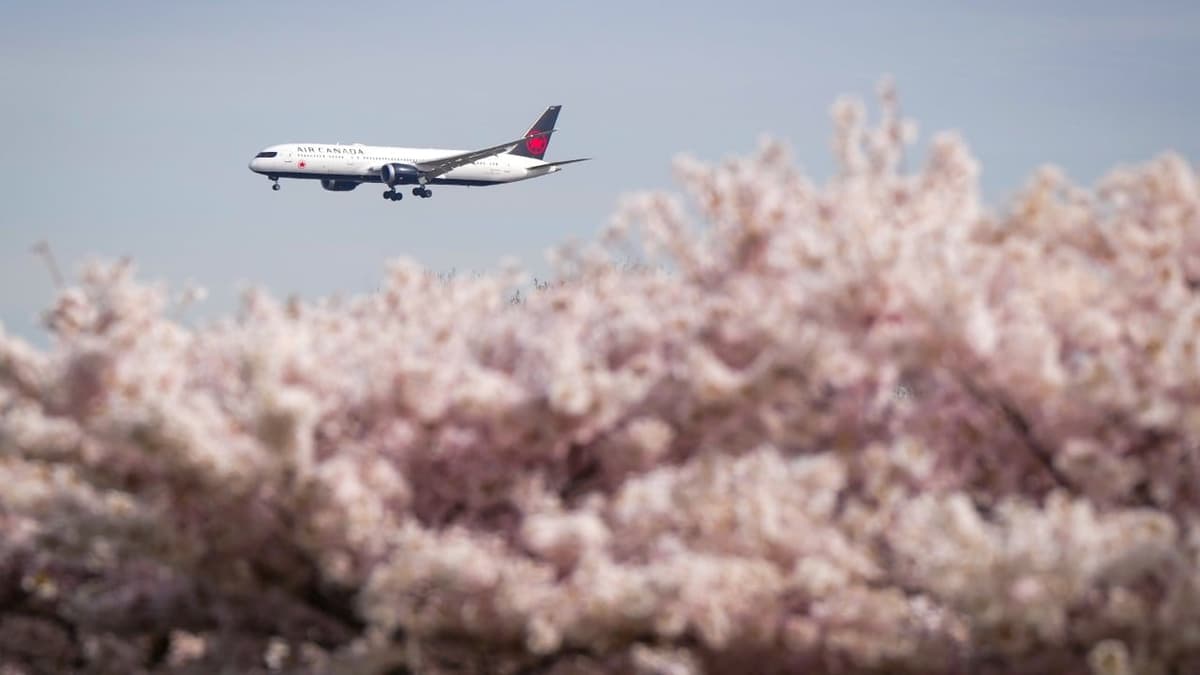
Canada’s Push to Rebuild Ties with China Hits a Snag: A Lack of Direct Flights
Canada announced it will increase direct passenger flights to China and allow up to 20 weekly cargo services, aiming to revive tourism after a surge in Chinese bookings following visa‑free entry. Travel demand from China to Canada has more than...

Japan: Passive Anchor Turned Capital Powerhouse
Japan is shedding its image as a passive anchor of ultra‑low rates, with monetary normalization driving yields on Japanese Government Bonds higher. A narrowing interest‑rate gap with the United States is prompting global investors to rebalance allocations toward Japan. Simultaneously,...
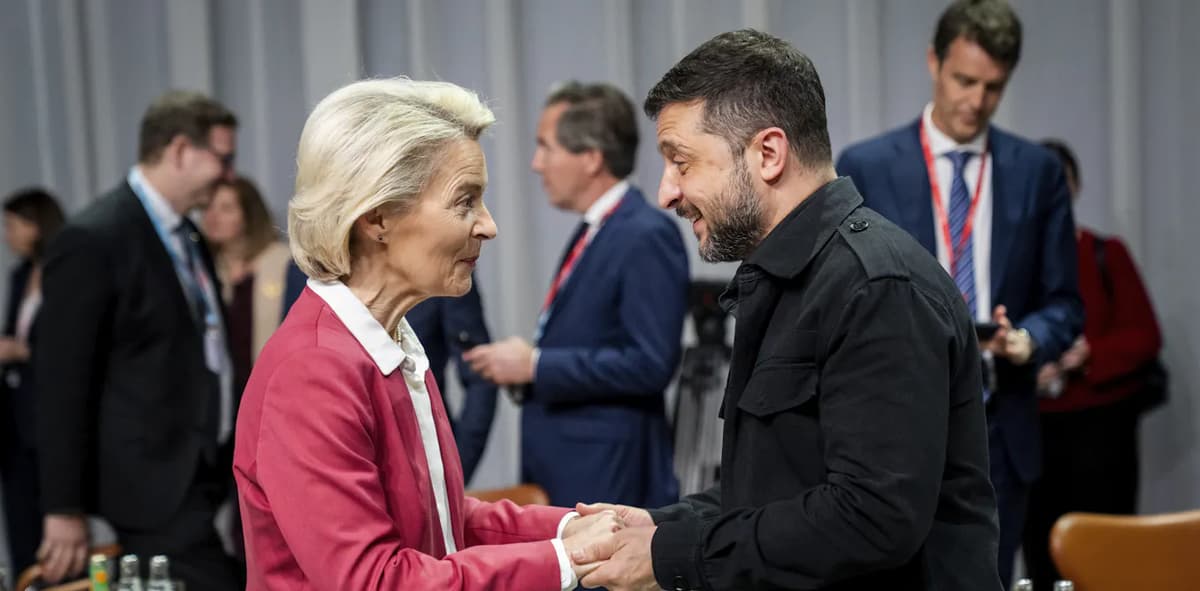
EU Enlargement Is Often Deeply Political – as Ukraine and Montenegro Show
The EU cleared a $97 billion loan for Ukraine after Hungary and Slovakia dropped their objections, coinciding with Viktor Orbán’s electoral defeat. At the same time, EU leaders at a Cyprus summit could not agree on a timeline for Ukraine’s accession,...

TerraHex Rebrand Signals Nigeria’s 18MW Bitcoin-AI Compute Push
TerraHex Digital Assets Corp, formerly Terrahash, announced a rebrand that underscores its expansion into Nigeria’s digital‑infrastructure market. The company has secured 18 MW of underutilised power to run both bitcoin mining and high‑performance AI compute workloads. Its Power‑for‑Equity model partners with...

Debt Boom Lifts Africa Startup Funding to $600m in Q1 2026
African startups secured $600 million in Q1 2026, a 27% rise driven almost entirely by a six‑fold jump in debt financing to $305 million. Equity funding fell 27% to $290 million, and the total number of deals dropped 34% to 92, with smaller rounds...
Oil‑Gas Disruption Redraws Global Power Landscape
Disruption in the oil and gas industry (and the states that dominate it) is one of the top stories of the century so far. US, Russia, Iran, UAE, Venezuela. Major sources of geopolitical instability.

China Bans Meta-Manus Deal, Highlighting US‑China Business Strain
China’s Ban on Meta-Manus Deal Shows Strains in U.S.-China Business Ties—National-security concerns are increasingly weighing on commercial ties @hannahmiao_ https://t.co/8u5gYXWhtZ https://t.co/8u5gYXWhtZ
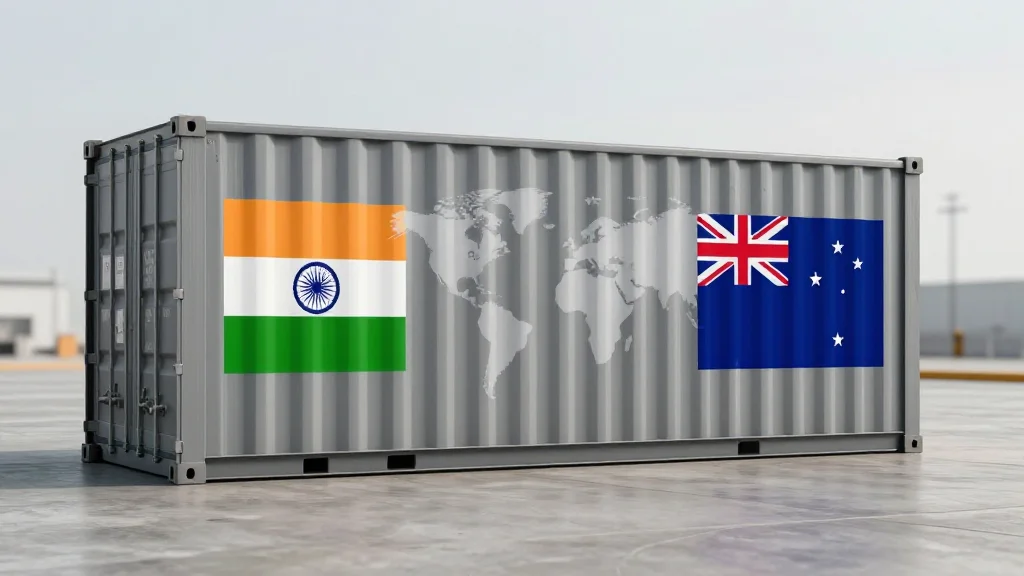
India and New Zealand Sign Free Trade Deal, Unlocking $20 Bn Investment and Full Duty‑Free Access
India and New Zealand officially signed a comprehensive free‑trade agreement on April 27, giving Indian exporters 100% duty‑free entry to New Zealand and promising up to $20 billion in investment facilitation. The pact covers 70% of India’s tariff lines and is expected to...
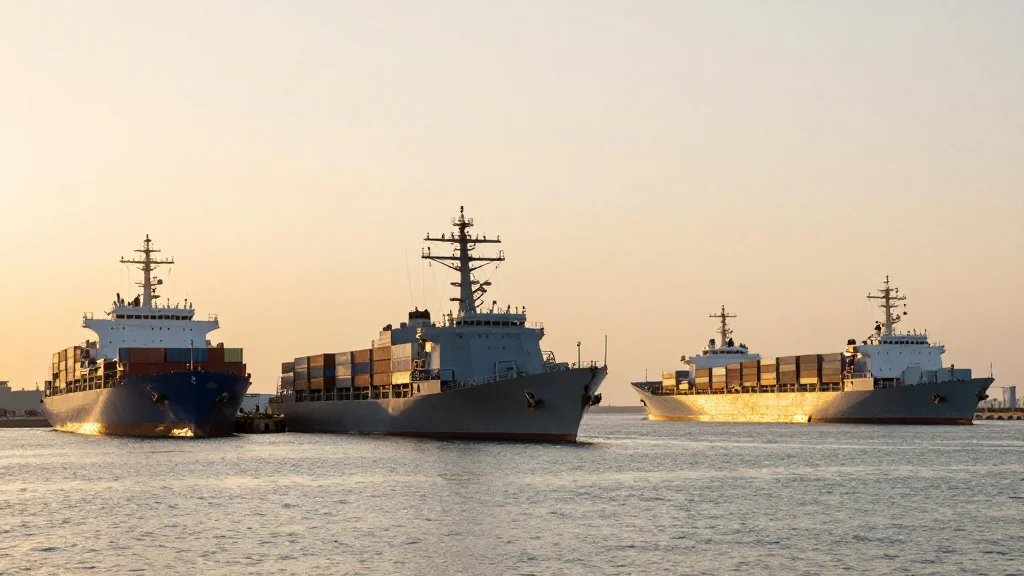
Blockade Leaves Hundreds of Ships Stalled, Hurting Trade
US Central Command. With blockade, the number of ships stuck at Chah Bahar port. The impact on trade and the economy.
UAE Exit Leaves OPEC with Minimal Market Power
With the UAE exit, OPEC has officially lost most influence it still had over global oil markets... Full analysis available exclusively for Analyst Tier members on Patreon ➡️ https://t.co/Es6KeSByiI #opec #crudeoil #geopolitics https://t.co/UIfE0geRBI

Argentina's President Milei Expels 60 Journalists, Ignites Press Freedom Crisis
President Javier Milei expelled roughly 60 accredited journalists from Argentina's Casa Rosada, citing unauthorized smart‑glasses footage. The move, accompanied by all‑caps social‑media attacks and AI‑generated memes, has been condemned as an unprecedented assault on press freedom in the country’s post‑dictatorship...
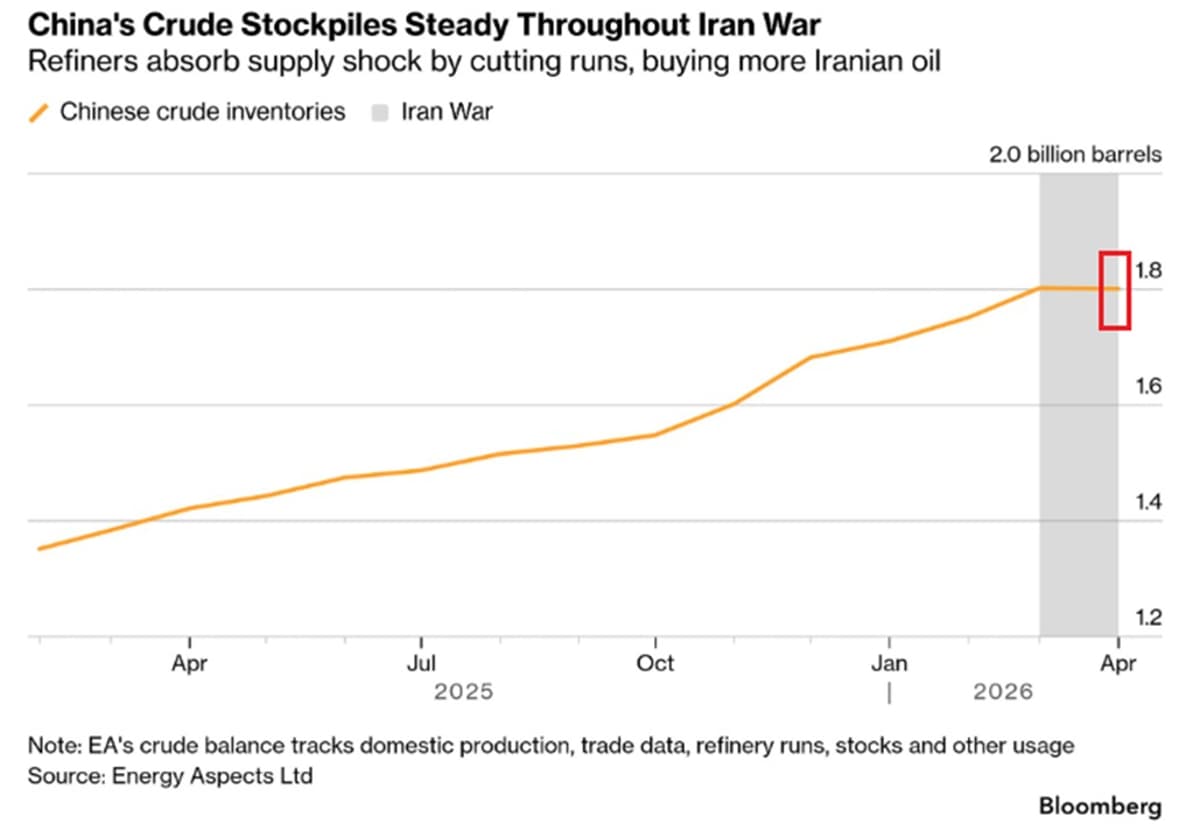
China Maintains Oil Imports Amid US‑Israeli Conflict
Since the start of the US-Israeli war on Iran, China has not drawn been forced to draw down its inventories of oil. China has obviously been able to import oil at a normal pace. CHINA IS WINNING. https://t.co/Wg0kqvLybI
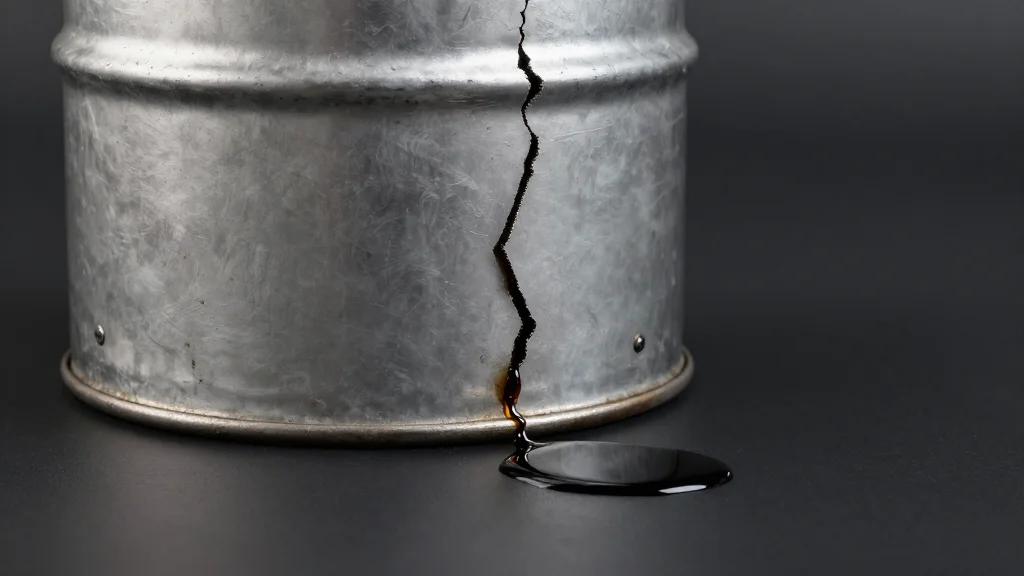
Oil Cartel Shows Serious Cracks, Says Geoffrey
Geoffrey has written abundantly on this topic for clients: that the Oil cartel had cracks - serious cracks. #UAE #OPEC https://t.co/WNKTZOV734
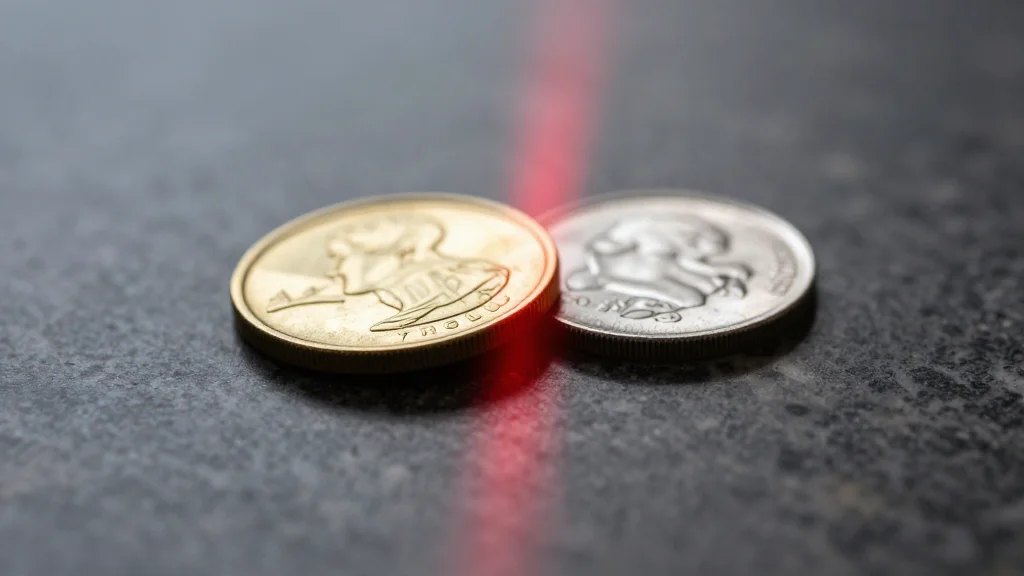
Philippine Peso Hits Record Low of P61.30 per Dollar Amid Energy Crisis
The Philippine peso slid to a fresh all‑time low of P61.30 per US dollar, breaking the P61 barrier for the first time. The drop came as the Bangko Sentral ng Pilipinas signaled further rate hikes and geopolitical tensions kept the...
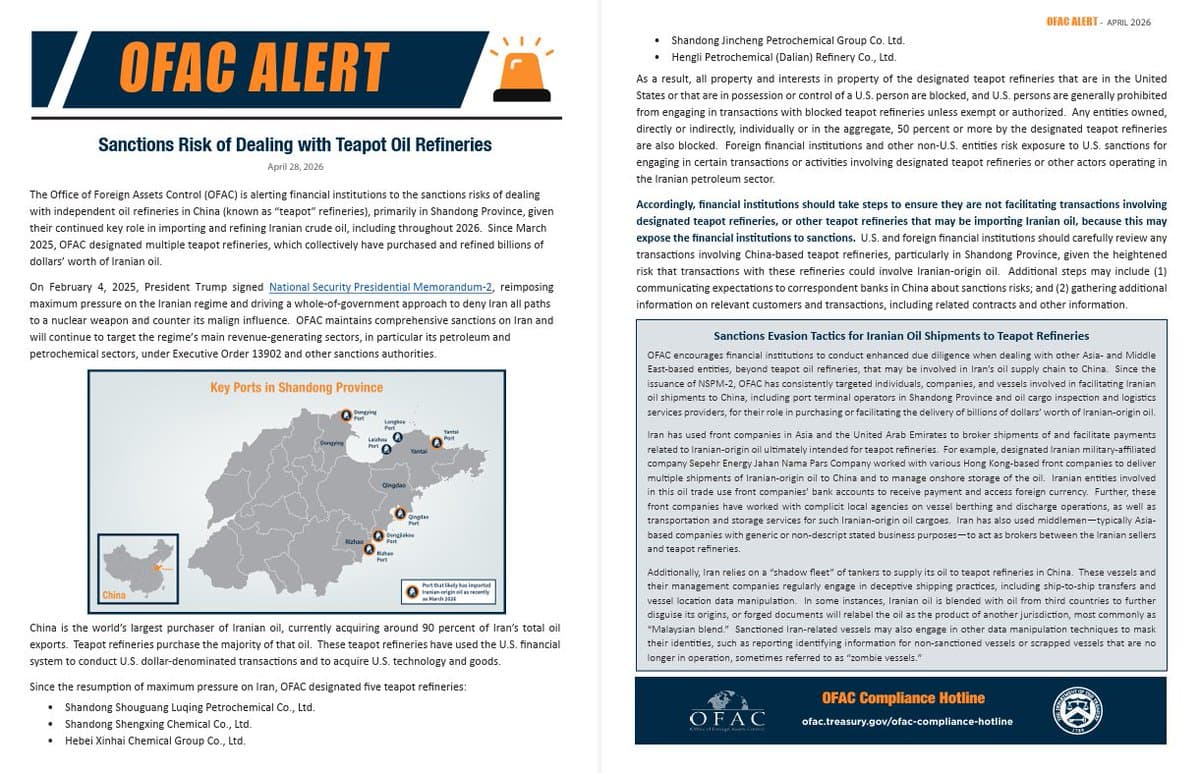
Treasury Warns Banks: Chinese Refineries Buying Iranian Oil Risk Sanctions
US Treasury publishes an "alert," warning banks about the sanctions risks of dealing with independent Chinese oil refineries ('teapot') due to their purchases of Iranian oil. (I have my doubts about the efficiency of the alert, considering yuan-based payment for Iranian...
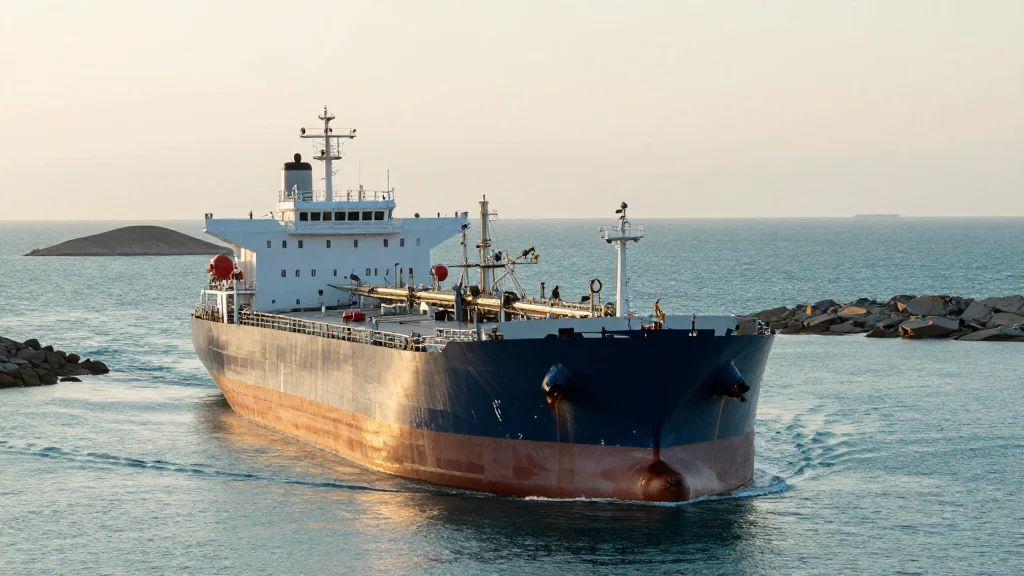
Kharg Island: Predictable Choke Point in Iran's Oil Exports
Controlling Iranian oil exports was a foreseeable base case strategy (see video below). Discussing the war’s surprises and investment ideas at 2pm on @cnbc with @SullyCNBC and @KellyCNBC @vaneck_us @matthew_sigel Kharg Island is a 'choke point' for Iran's oil...
Amundi Launches $3.24 B Global Green Bond Fund to Boost Emerging‑Market Climate Finance
Amundi announced the launch of a €3 billion ($3.24 billion) Global Green Bond Initiative Fund, anchored by €1 billion ($1.08 billion) of public equity. The blended‑finance vehicle is designed to de‑risk primary green‑bond issuances in emerging markets and attract up to €2 billion ($2.16 billion) from...
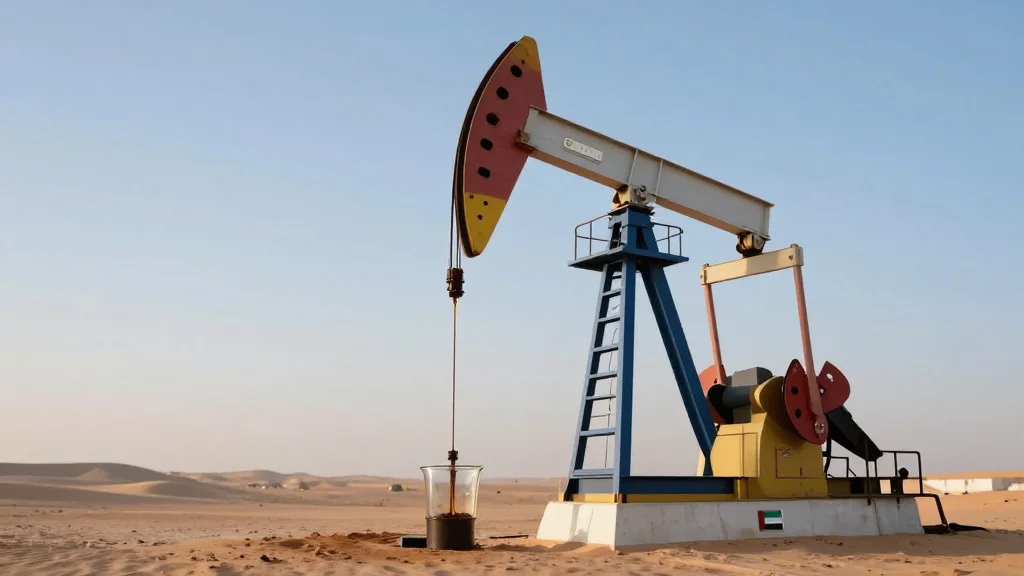
UAE Exits OPEC to Boost Production, Accept Lower Prices
REACTION COLUMN: Why is the UAE leaving OPEC? The announcement has little to do with the US-Iran war; the exit road started in Riyadh, with a detour in Texas. It's all about the UAE wanting to pump more oil, even at the...
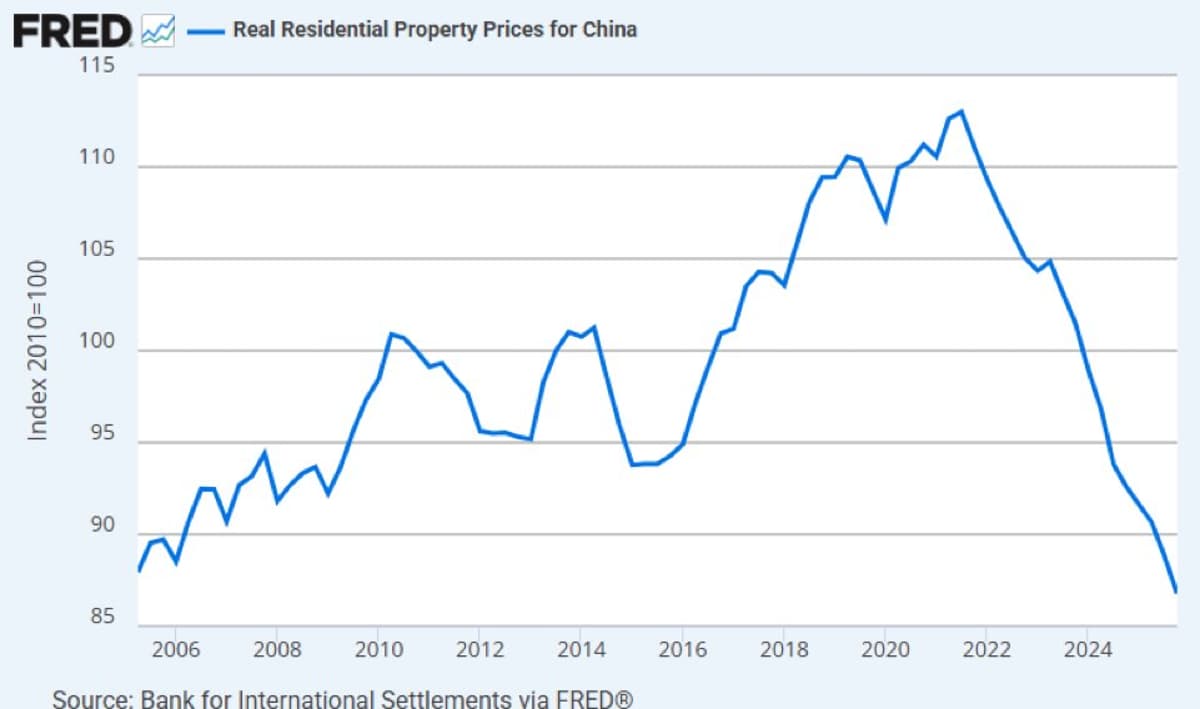
China’s Housing Collapse Erases Two Decades of Savings
I meant what I said: China is terrified of a global recession, and if Iran doesn’t capitulate, that’s exactly what we’ll get. Chinese home prices, representing the savings of the Chinese people, have erased all the gains of the past...
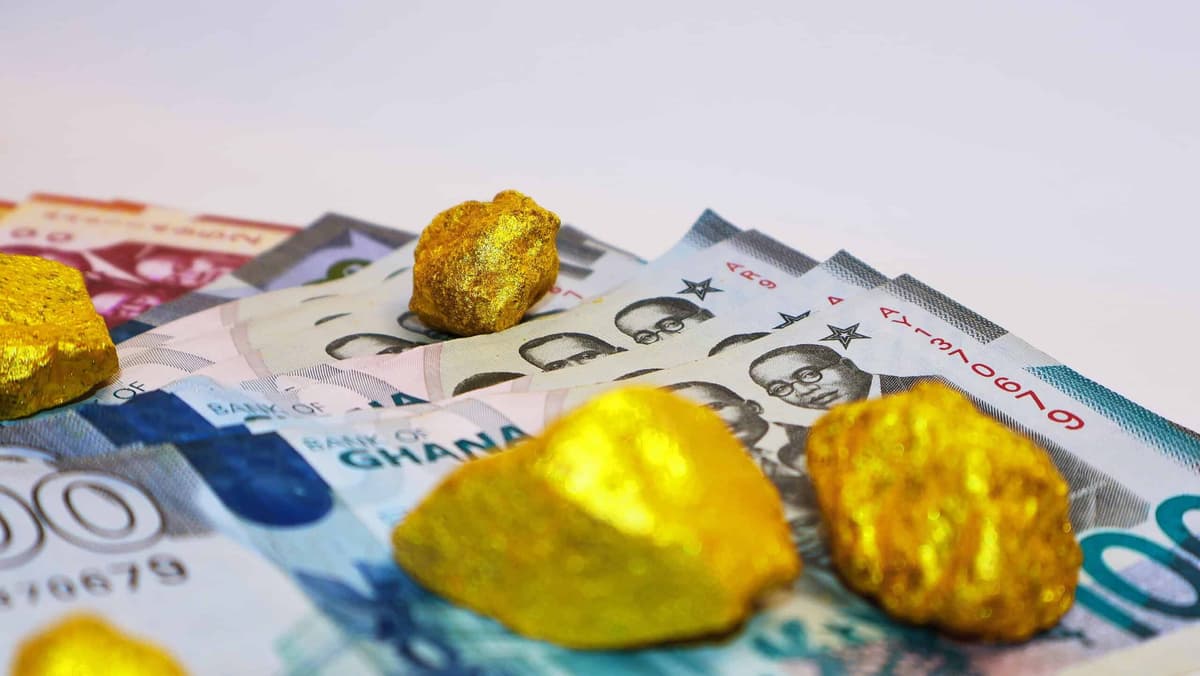
Ghana Gambles On Gold Royalties
Ghana introduced a sliding‑scale gold royalty that rises to 12% once the spot price passes $4,500 per ounce, immediately placing the country’s major miners in the highest tax bracket as gold traded above $5,000. The sector, which produced a record...
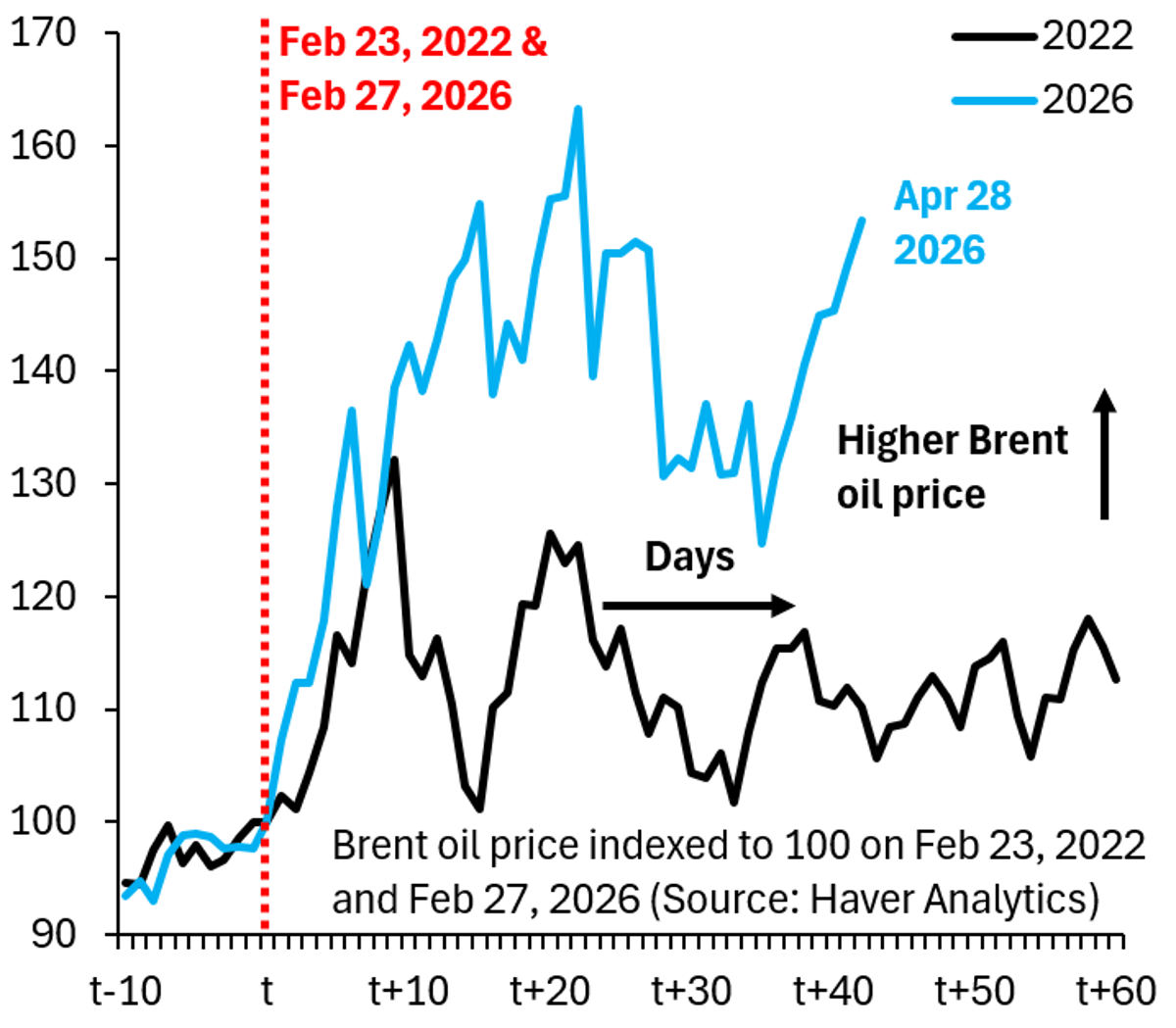
Strait of Hormuz Drives Oil Surge Over Russia
Brent is now up 65% from pre-war (blue) vs 16% on a similar timescale in 2022 after Russia invaded Ukraine (black). The Strait of Hormuz is 3x as important as Russia for global oil markets. Markets are pricing that. Even...
South Korea’s Precarious Balancing Act
South Korea faces a precarious balancing act as it navigates an unpredictable U.S. administration under President Donald Trump and a rapidly assertive China. The export‑driven economy, long protected by the U.S. security umbrella, now confronts heightened geopolitical risk and volatile...