
Poland Takes Control of Its Own Radar Satellite Constellation
Poland has taken operational control of the POLSARIS synthetic‑aperture‑radar (SAR) satellite constellation, a four‑satellite system delivered by ICEYE in just 12 months. The €200 million ($232.5 million) program provides 25 cm resolution imagery that works day‑and‑night and in any weather. Operated by the newly created ARGUS agency, the system gives Warsaw full tasking and analysis autonomy, ending reliance on allied or commercial providers. The rapid delivery sets a new benchmark for European defense space projects.
May 15, 2026 Zimmerman/Batchelor Podcast
Robert Zimmerman’s new book *Genesis: the Story of Apollo 8* chronicles the historic 1968 mission that first took humans to another world. The title is now available in three formats: a hardback and paperback print edition, an ebook, and an audiobook....

Northrop Grumman Launches LR‑450 GPS‑Free Navigation System for LEO and Deep‑Space Missions
Northrop Grumman introduced the LR‑450, a gyroscope‑based navigation system that eliminates the need for GPS signals in low‑Earth orbit and deep‑space missions. The system leverages milli‑Hemispherical Resonating Gyroscopes (mHRGs) and builds on more than 70 million operating hours of heritage technology,...
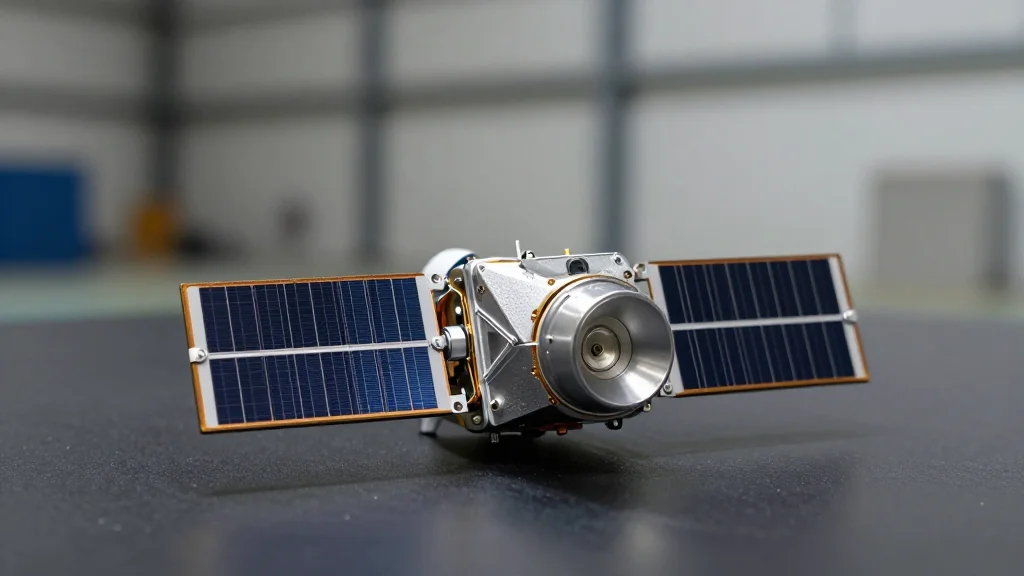
Quantum Space to Build Tulsa Facility for Ranger Small‑Sat Production, Adding 50 Jobs
Quantum Space announced a new manufacturing plant in Tulsa, Oklahoma, to scale production of its Ranger small‑sat spacecraft. The facility will create up to 50 high‑skill jobs and target initial operational capability in the first quarter of 2027, supporting both...
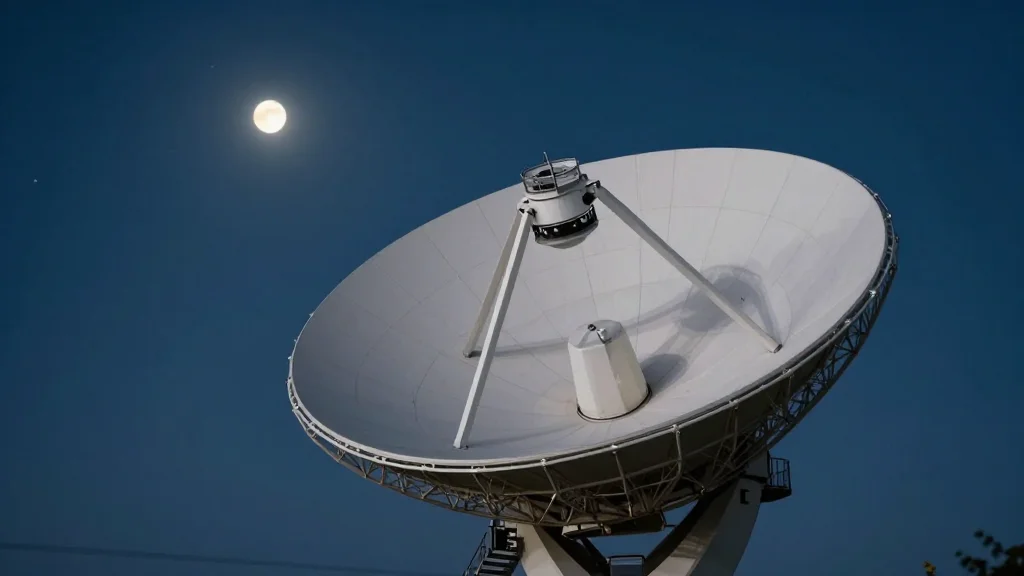
Ground‑Based Telescope Snaps Pixel‑Size Image of Artemis II Crew Orbiting Moon
The National Radio Astronomy Observatory released a pixel‑size image of NASA’s Artemis II Orion capsule, captured by the Robert C. Byrd Green Bank Telescope on April 6 when the crewed spacecraft was about 213,000 miles from Earth. The snap provides the longest‑distance visual confirmation...

LandSpace Zhuque-2E Rocket Successfully Launched
On May 14, 2026, Chinese commercial launch provider LandSpace successfully lifted off its Zhuque-2E rocket, marking the nation’s first large‑scale use of liquid‑oxygen‑methane propulsion. The two‑stage vehicle features four TQ‑12A methane engines on the first stage (828 kN sea‑level thrust each)...
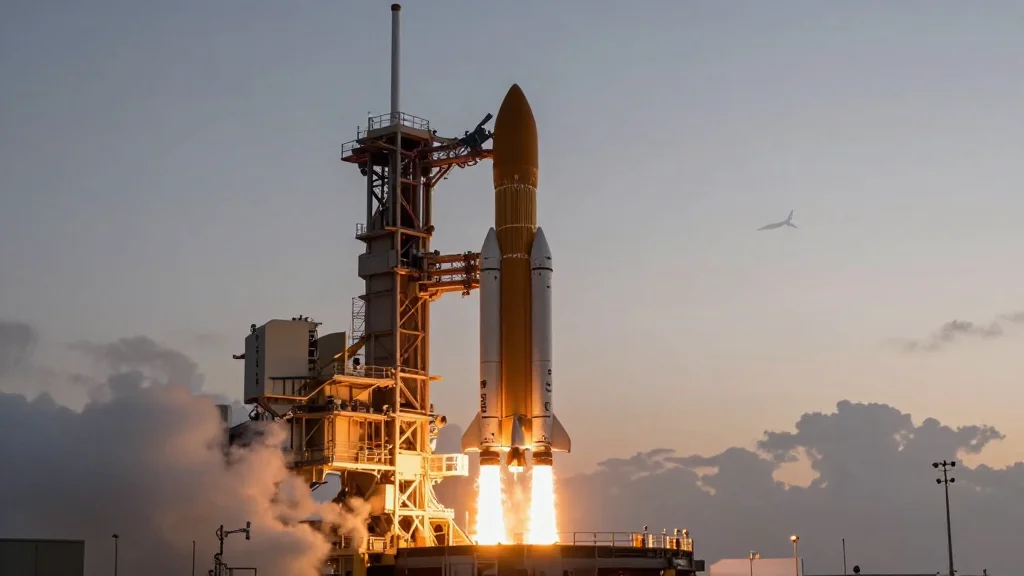
NASA Science, Cargo Launch on 34th SpaceX Resupply Mission to Station
SpaceX launched the 34th commercial resupply mission for NASA on May 15, 2026, using a Falcon 9 to deliver roughly 6,500 lb of cargo to the International Space Station. The Dragon spacecraft will dock autonomously on May 17, carrying new experiments...
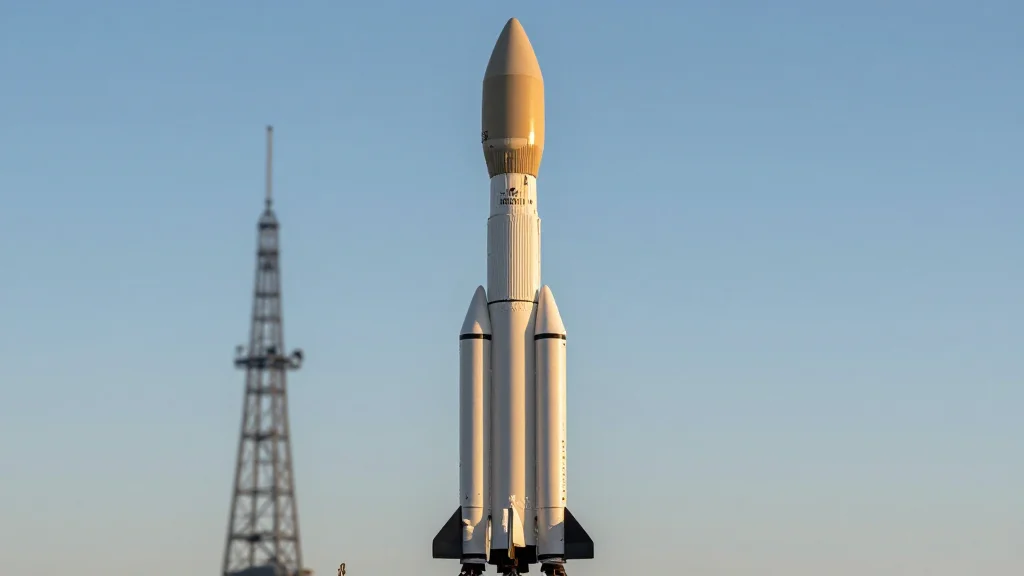
SpaceX Launches Cargo Dragon to ISS
SpaceX launched an unmanned Dragon cargo freighter to the International Space Station on May 16, 2026, using a Falcon 9 rocket from Cape Canaveral. The booster completed its sixth flight and successfully returned to the launch site. The Dragon capsule,...

AST SpaceMobile Surges 11% as AT&T, Verizon and T‑Mobile Back Satellite‑to‑phone Service
AST SpaceMobile stock climbed more than 10% after AT&T, Verizon and T‑Mobile unveiled a joint venture to deploy the company’s satellite‑to‑phone service in U.S. dead zones. The carrier coalition aims to pool spectrum and leverage AST’s BlueBird satellites, positioning the...

New NASA Graphic Captures Human Activity at Night
NASA’s Black Marble project combined data from three Earth‑observing satellites to produce a high‑resolution nighttime lights map covering 2014‑2022. The analysis shows a 34 percent rise in global radiance, but the brightening is uneven. China and India led the surge, while...
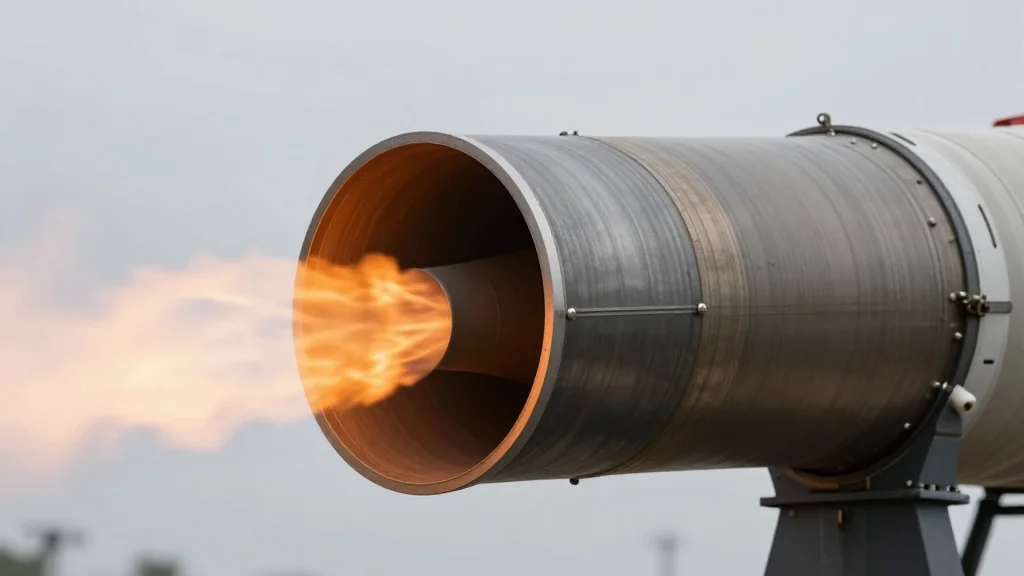
ULA’s Northrop Grumman‑Led Static Fire Test Advances Vulcan SRB Fixes
United Launch Alliance announced that Northrop Grumman completed a successful static fire of the GEM‑63XL solid rocket booster on April 15, demonstrating new nozzle designs and advanced propellant technology. The test is a key step in the investigation of the...

NASA’s AI Flood Detector Is Now Running in Orbit and It Could Change How We Watch Earth
NASA and IBM have successfully deployed the Prithvi geospatial AI foundation model in orbit, testing it aboard Australia’s Kanyini satellite and the IMAGIN‑e payload on the International Space Station. Trained on 13 years of Landsat and Sentinel‑2 imagery, the model...
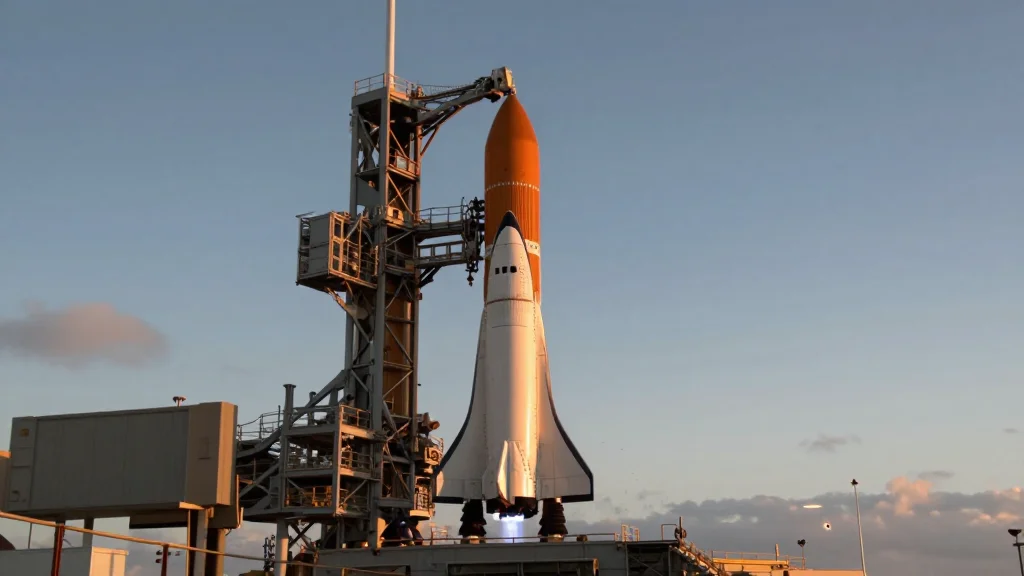
Lijian‑1 Launch From Jiuquan Carries Multiple
LAUNCH of a Lijian-1 at 0433 UTC May 15 from Jiuquan with the Youxi, Dianjian-1, JL1GF03D55, Taijing-3 05A/05B satellites
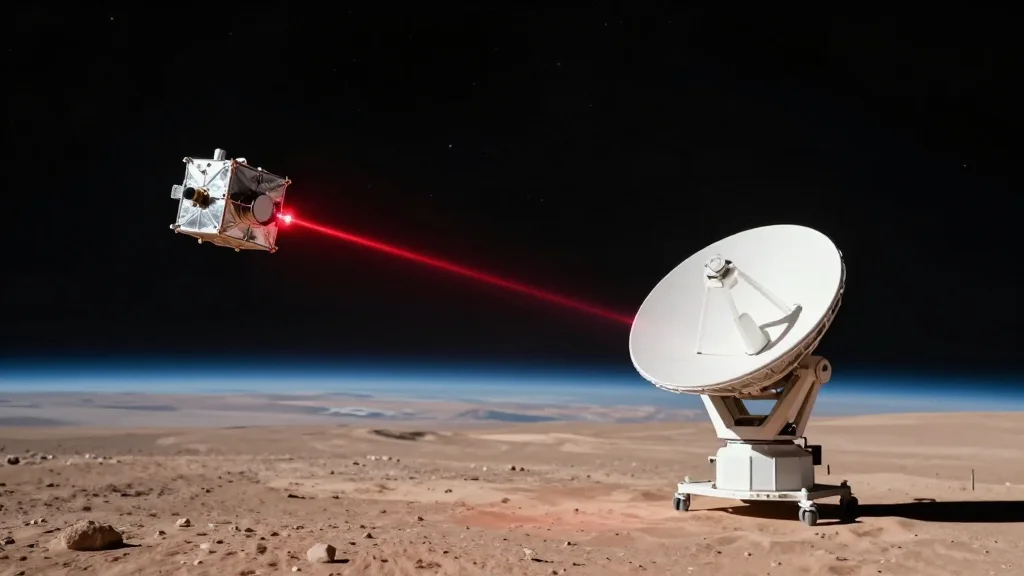
Countermeasures for a Laser-Linked Space Economy
The article outlines how free‑space optical (laser) communications are reshaping satellite networks and why new countermeasures are essential. NASA’s TeraByte InfraRed Delivery demo proved 200 Gb/s downlinks from a 6U CubeSat, highlighting the shift from broad RF footprints to narrow laser...
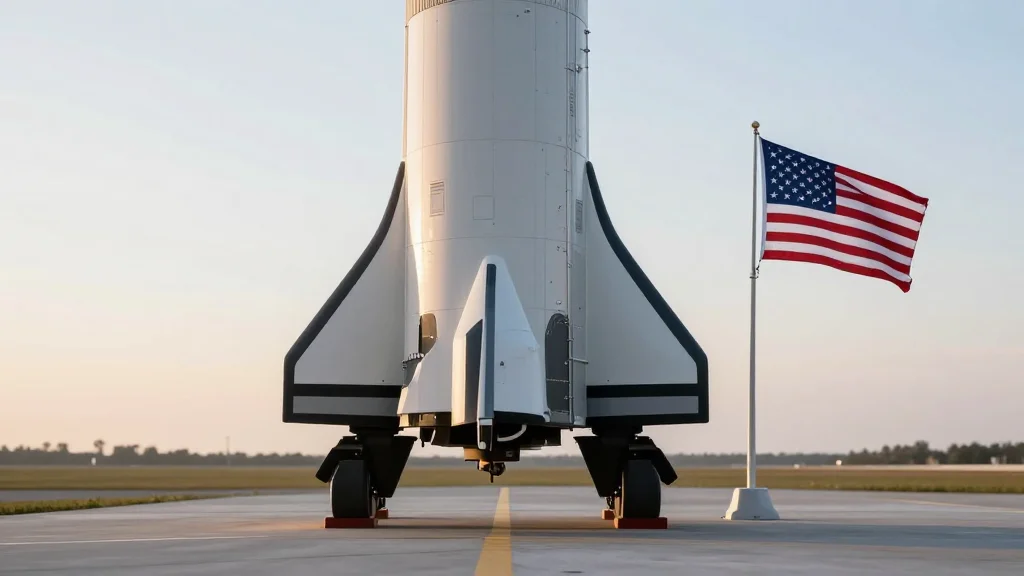
Space Industry Major Economic Centers in the United States
The United States space economy generated roughly $142.5 billion in GDP in 2023, positioning the sector as a major economic driver. Growth clusters around launch sites, manufacturing hubs, policy centers, and talent pipelines, with Florida, California, Texas, Colorado, Alabama, Virginia, and...
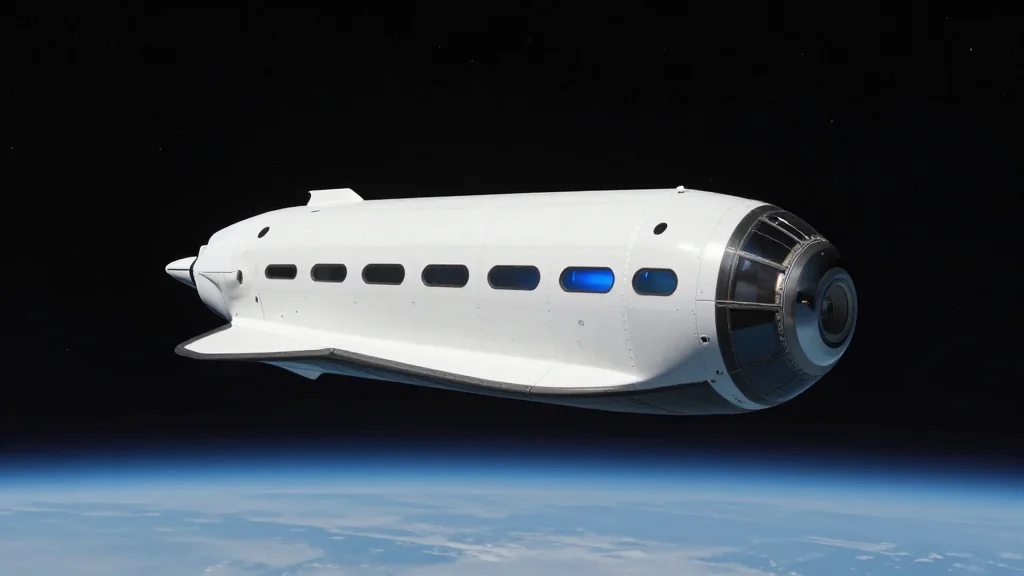
NASA, SpaceX Launch Dragon Mission with 6,500 Pounds of Science and Supplies to the Space Station
SpaceX launched its Cargo Dragon C209 on a Falcon 9 rocket Friday, delivering 6,500 pounds of scientific experiments and supplies to the International Space Station. The mission, CRS‑34, marked SpaceX’s 34th NASA contract flight and overcame two weather‑related delays. The...
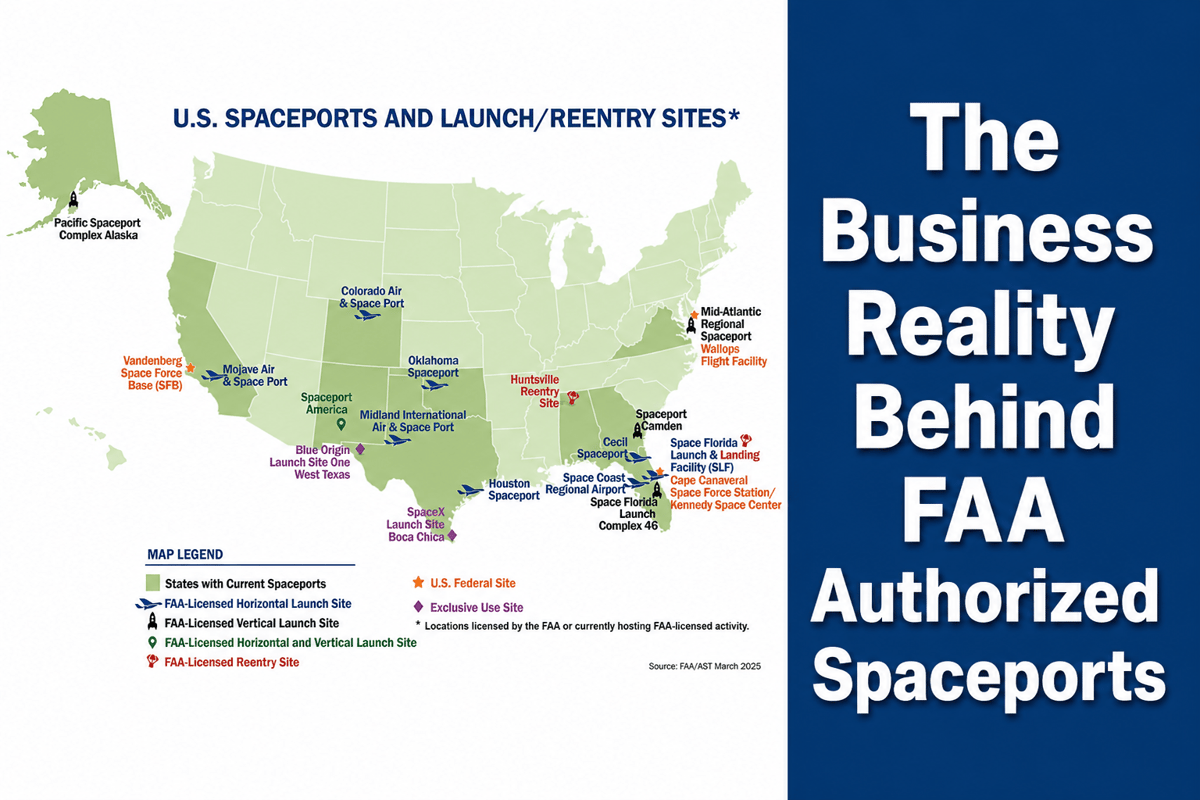
The Business Reality Behind FAA Authorized Spaceports
The FAA lists 20 U.S. spaceports spanning federal ranges, state‑licensed launch sites, and private exclusive‑use facilities. While Florida’s Cape Canaveral and Kennedy Space Center, California’s Vandenberg, and Texas’ private sites dominate launch cadence, many licensed horizontal ports host testing, manufacturing,...
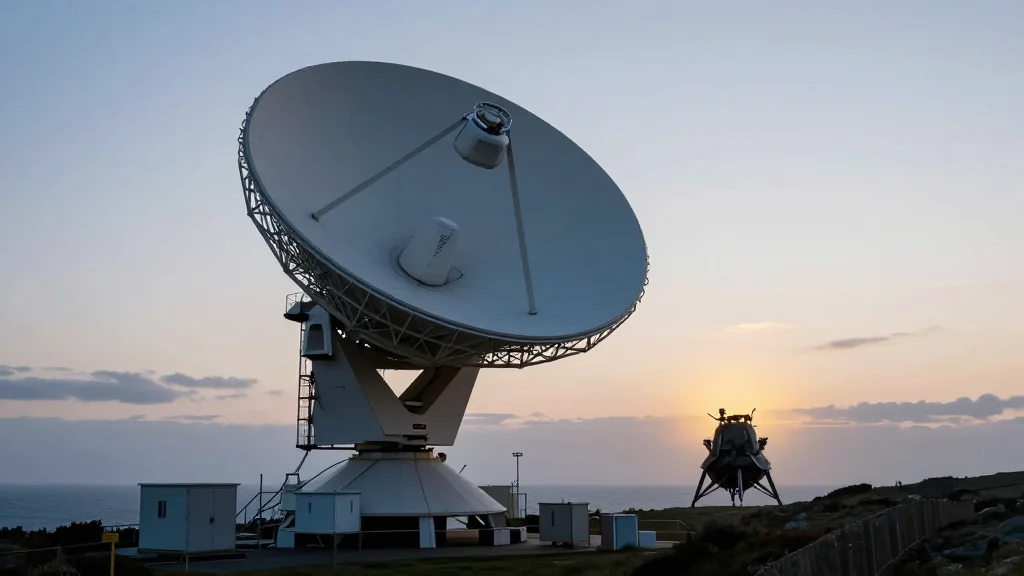
Intuitive Machines Buys British Ground Station Company
Intuitive Machines, a lunar lander startup, has agreed to acquire British ground‑station operator Goonhilly Earth Station Ltd. and its U.S. subsidiary Comsat for £37 million ($49.6 million), split between cash and stock. The purchase adds 30‑ and 32‑meter deep‑space antennas in Cornwall...
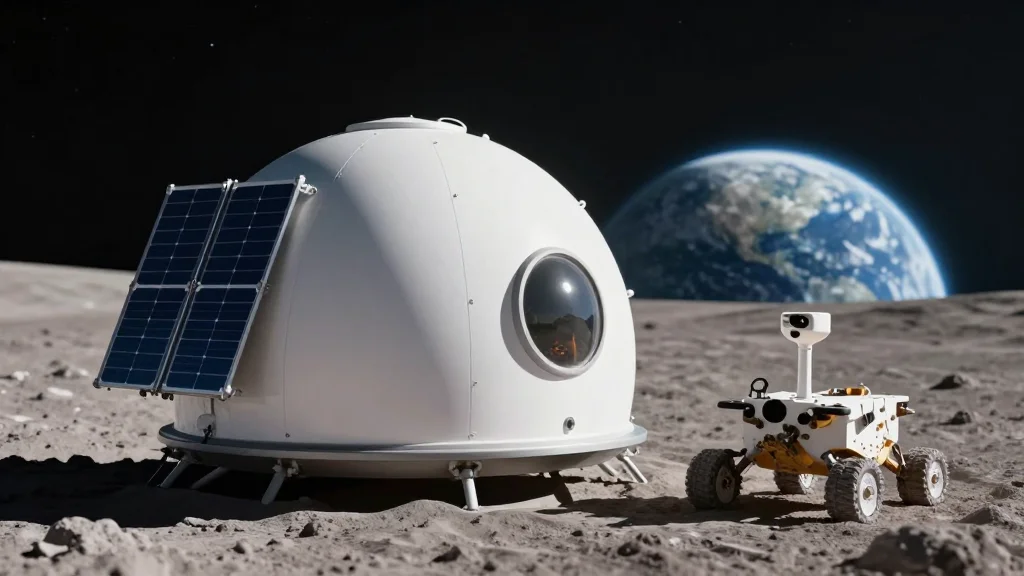
PwC Report: Lunar Economy Projected to Generate up to US$127 Billion by 2050
PwC’s latest market assessment projects that the emerging lunar economy could generate as much as $127 billion in revenue by 2050. The forecast assumes cumulative infrastructure spending of $72.7‑$88.5 billion across five core pillars—mobility, communications, habitation, energy and water. Early operations will...
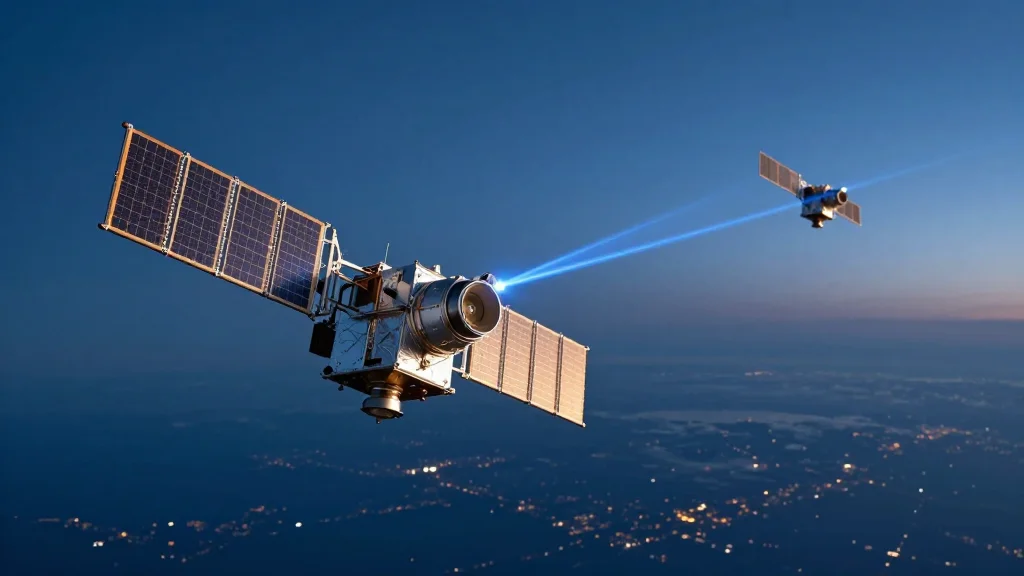
Cowboy Space Seeks FCC Approval for Stampede Orbital Data Centers
Cowboy Space Corp. has filed an FCC application (SAT‑LOA‑20260323‑00135) to launch Stampede, a proposed non‑geostationary constellation of up to 20,000 satellites that would function as orbital data‑center nodes. The design places the satellites in 700‑1000 km dawn‑dusk sun‑synchronous orbits, uses solar...
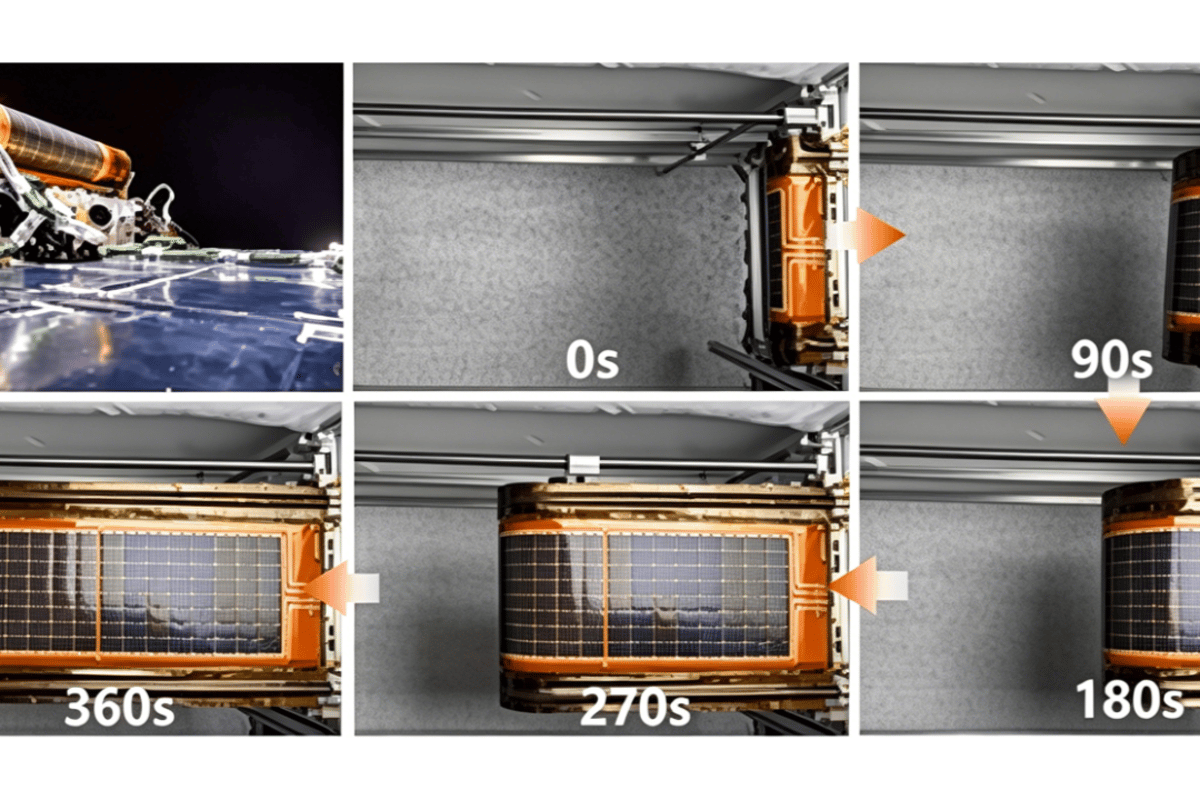
Zenix Announces Deployable On-Orbit Solar Array Using Smart Composite Materials
Suzhou Zenix Composites announced a deployable on‑orbit solar array built from smart composite materials that can self‑deploy, self‑lock, and stiffen after release. The flexible system delivers up to 30% power conversion efficiency and a power‑to‑mass ratio two to three times...
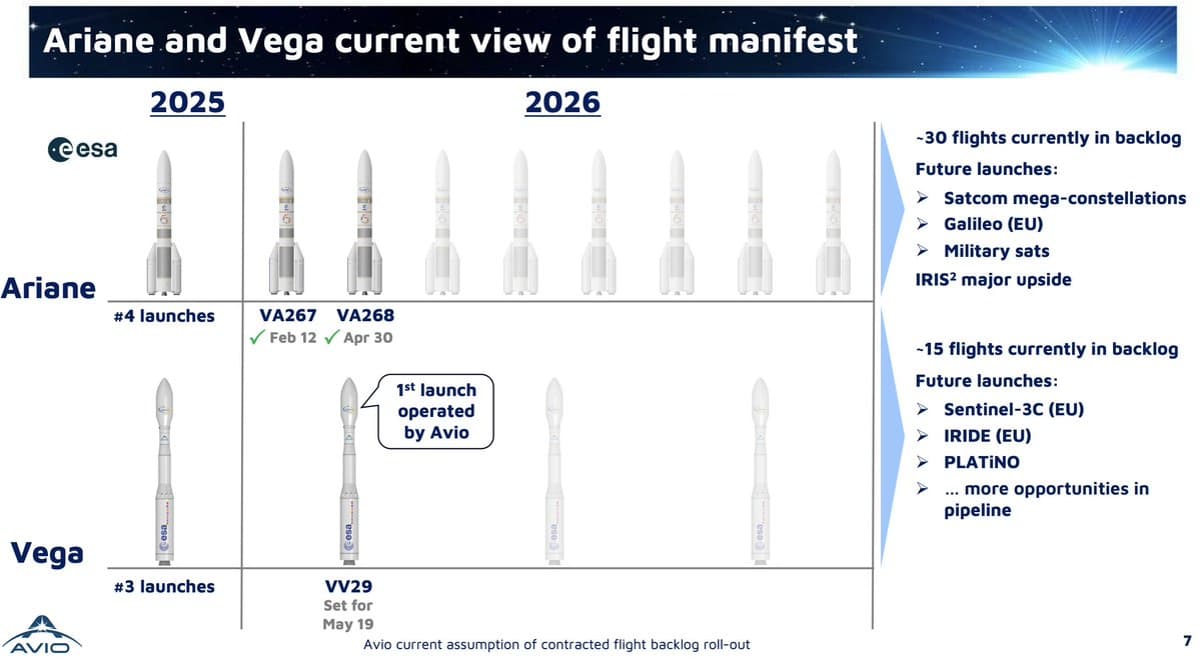
Avio Urges ESA to Fund Existing Rockets, Not New Ones
.@Avio_Group: @esa should invest more to boost Vega, Ariane rockets' flight rates to meet surging demand rather than in seeding years-long development of new rockets. Co reports 19% increase in rev in Q1, 30% increase in EBITDA. @defis_eu @ArianeGroup.https://t.co/UJzPW5vesN https://t.co/JDGQ9PwOLR
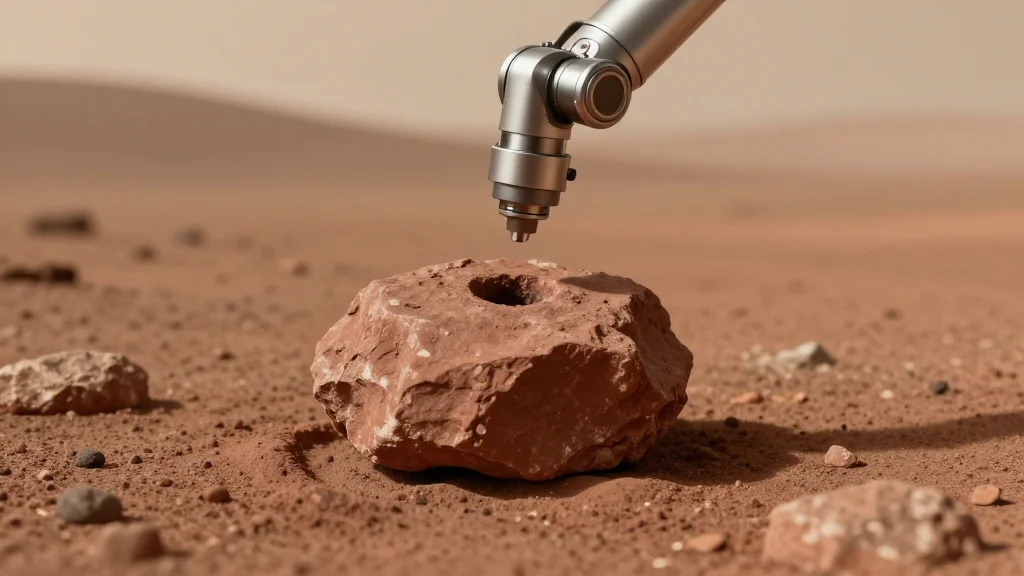
Curiosity Shakes Loose a Pesky Rock
NASA's Curiosity rover successfully freed a rock nicknamed Atacama after it became lodged in the drill on April 25, 2026. Engineers spent several days repositioning the robotic arm and vibrating the drill before the rock detached on May 1, breaking...

Rocket Report: Cowboy up for Data Centers in LEO; Russia's New ICBM Actually Works
The week’s Rocket Report highlighted a wave of activity across the global space sector, from SpaceX’s upcoming Starship Version 3 test flight aimed at in‑orbit refueling for Artemis III to India’s Skyroot Aerospace preparing its Vikram‑1 launch vehicle after a $60 million raise....
Iridium to Acquire Aireon for $366.7 Million, Expanding Satellite Connectivity
Iridium Communications announced a $366.7 million deal to acquire the remaining 61% of Aireon, bringing the sole space‑based ADS‑B surveillance system fully under its control. The transaction, split into two equal payments, positions Iridium to bundle air‑traffic data with its satellite...
Spire Beats Q1 2026 Forecast on Surge in Government Weather Data Contracts
Spire Global reported $15.8 million in GAAP revenue for Q1 2026, exceeding the high end of its guidance, and posted an adjusted EBITDA loss of $10.2 million, better than forecast. The beat was powered by robust government weather‑data sales and a fresh...
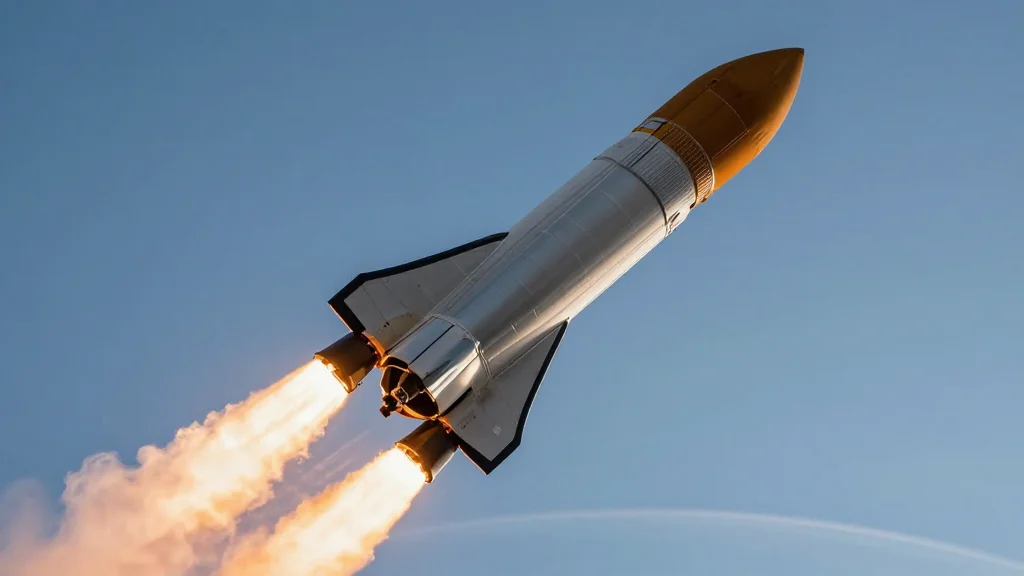
Zhuque-2E's SECO-1 Orbit Reveals
Two objects cataloged from the Zhuque-2E launch in 209 x 872 km x 89.0 deg orbit. The parameters are consistent with the theory that this is the SECO-1 orbit, the second stage failed to restart, and the payload then separated.
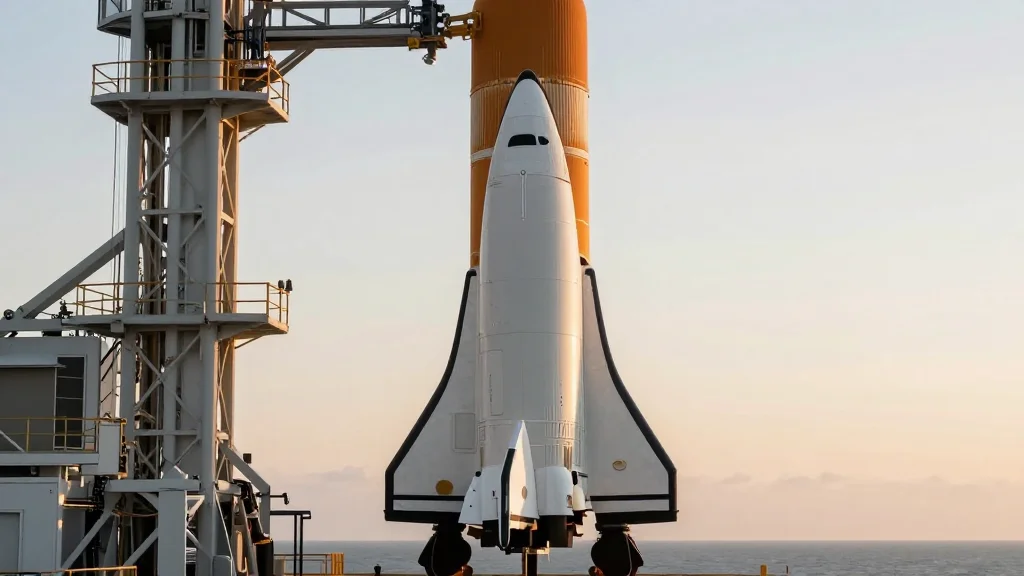
Firefly Aerospace and Intuitive Machines Drive Space Stock Rally as SpaceX IPO Looms
Firefly Aerospace and Intuitive Machines have posted the strongest gains among publicly traded space firms, rising 36% and 46% respectively since the SpaceX IPO announcement in March. The surge reflects heightened investor optimism ahead of SpaceX’s slated July 2026 offering...
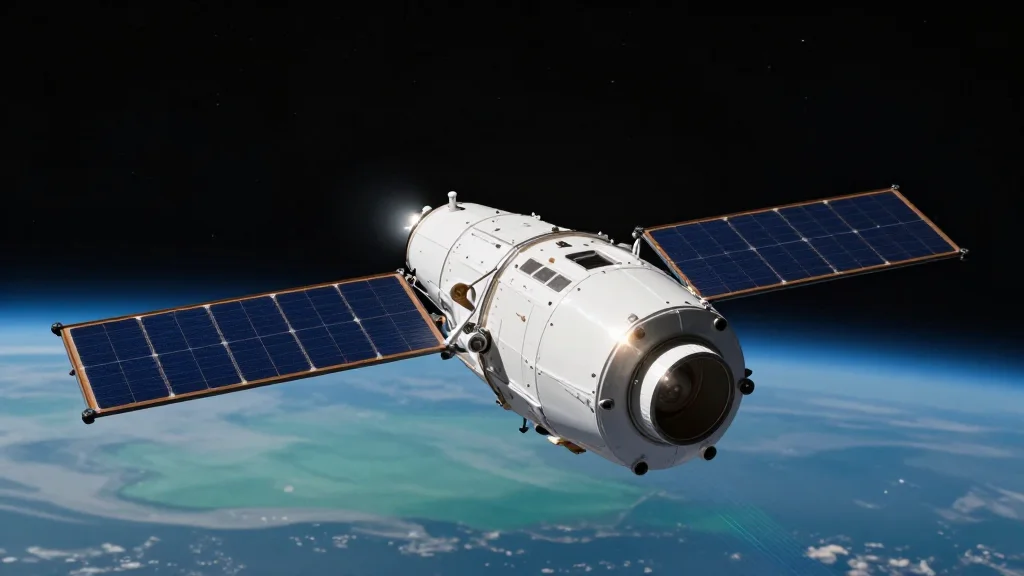
Sidus Space Posts 51% Revenue Rise and $58.5 M Funding in Q1 2026
Sidus Space announced first‑quarter 2026 results showing revenue up 51% to $359,000 and a $58.5 million direct offering that bolsters its cash pile. The company also delivered high‑resolution imagery from LizzieSat‑3 and secured new payload agreements, underscoring its push to commercialize...
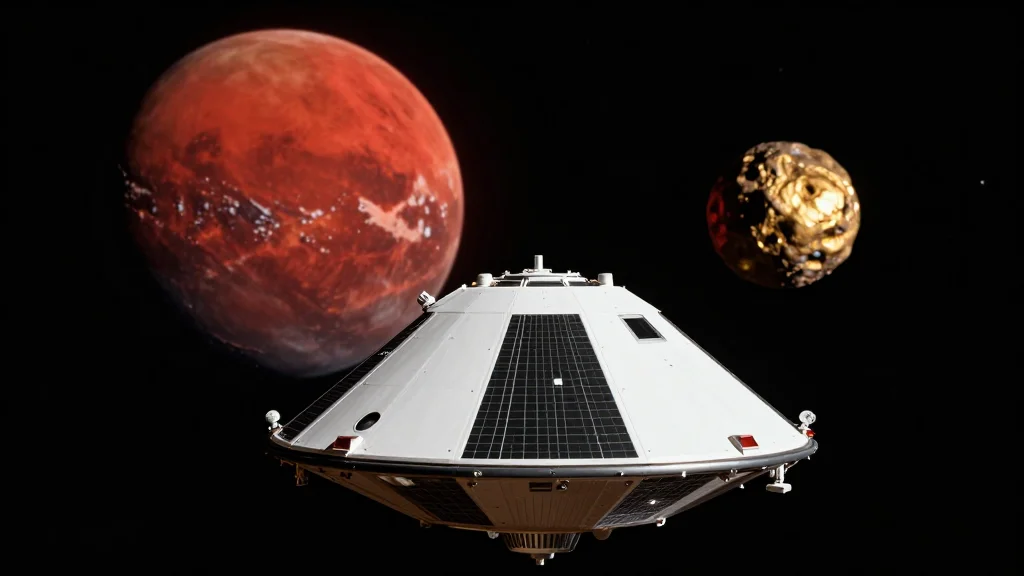
NASA’s Psyche Probe Uses Mars Flyby to Speed Toward ‘Trillion‑Dollar’ Asteroid
NASA’s Psyche mission executed a gravity‑assist flyby of Mars at roughly 2,800 miles altitude, giving the spacecraft extra velocity for its journey to the metal‑rich 16 Psyche asteroid. The asteroid, estimated to hold a trillion‑dollar worth of metals, is expected to be...
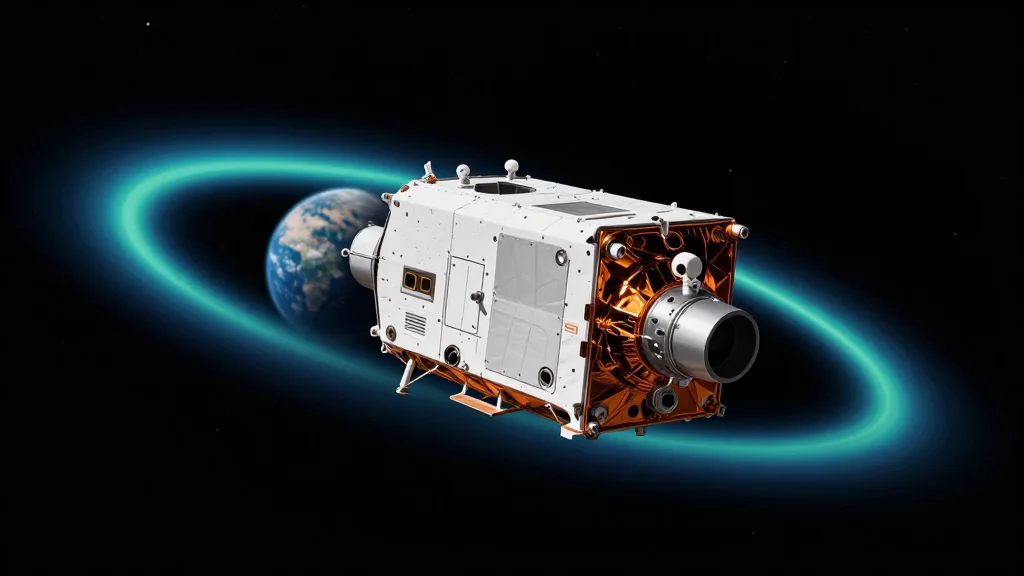
Chinese-European Mission to Reveal Shape of Earth’s Magnetic Shield
The Solar wind Magnetosphere Ionosphere Link Explorer (SMILE) is set to launch on 19 May from French Guiana, placing a spacecraft in a highly elliptical orbit up to 121,000 km over the North Pole. Using a soft X‑ray imager and an ultraviolet camera,...

The Friday File: US Operator JV; Nokia; Ericsson
U.S. carriers AT&T, T‑Mobile and Verizon announced a joint venture to deploy satellite‑based direct‑to‑device connectivity, aiming to fill coverage gaps in rural and underserved areas. Nokia appointed Siemens executive Emma Falck as president of its Mobile Infrastructure unit to accelerate...

Mathematical Method Calculates Most Efficient Earth-Moon Route Yet
Researchers introduced a new mathematical method based on the theory of functional connections that identifies the most fuel‑efficient Earth‑Moon transfer to date. By simulating 30 million trajectories, the team found a path that saves 58.80 m/s of delta‑v compared with the best...
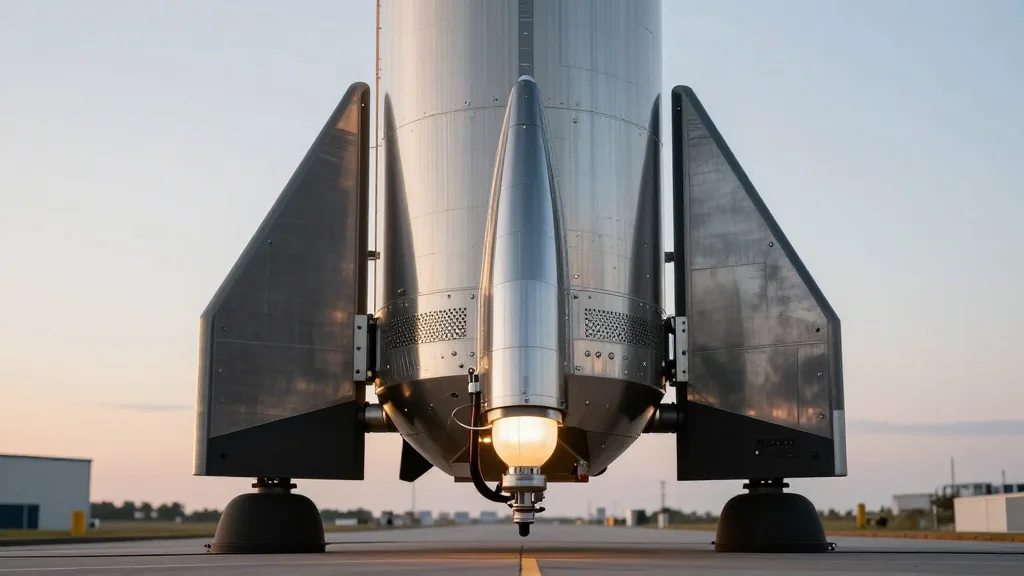
SpaceX Unveils Sweeping Starship V3 Upgrades
SpaceX announced a suite of Starship V3 upgrades aimed at accelerating rapid reuse, Starlink deployment, orbital refueling, and deep‑space missions. The Super Heavy booster now features a three‑fin configuration, integrated hot staging, and a massive new fuel‑transfer tube that can...

National Space Strategy of the Year — France (SGDSN) | Geospatial World Leadership Awards 2026
France’s National Space Strategy 2025‑2040, coordinated by the SGDSN, was named National Space Strategy of the Year at the Geospatial World Leadership Awards 2026 in Amsterdam. The award spotlights a roadmap built on five pillars: autonomous launch capability, industrial competitiveness,...
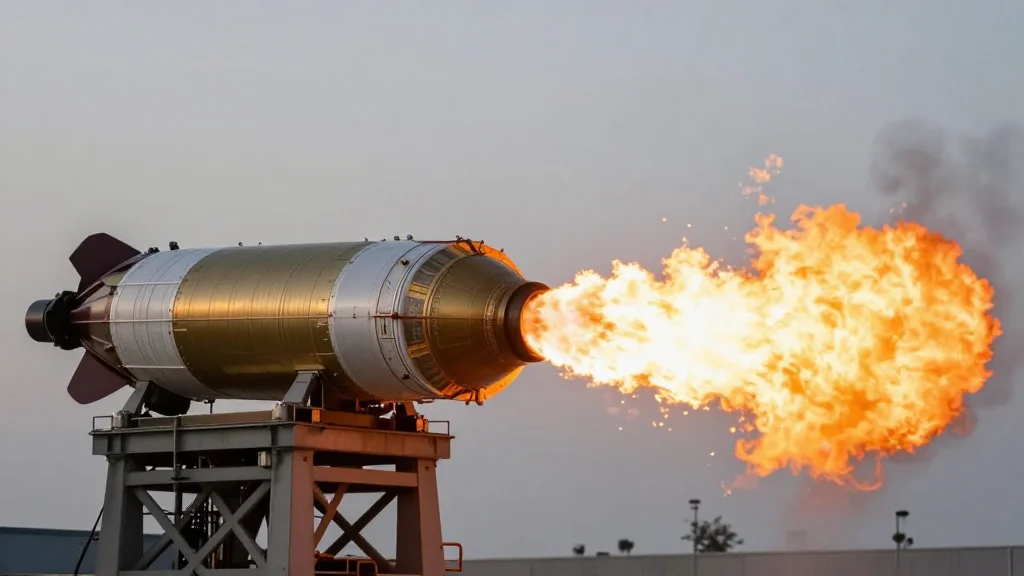
ULA Completes Static Fire of GEM‑63XL Booster, Clearing Path for Vulcan Return to Flight
United Launch Alliance and Northrop Grumman successfully conducted a static‑fire test of the GEM‑63XL solid rocket booster on April 15, demonstrating new nozzle designs and advanced propellant technology. The data will feed the investigation of the February USSF‑87 anomaly and...
From Tractor‑Driver’s Son to Space‑Tech Founder: Dr. Anand Megalingam’s Rise
Dr. Anand Megalingam, founder and CEO of Space Zone India, transformed a childhood of six‑kilometre school walks and a college dropout into a gold‑medalist aeronautical engineer and private‑space pioneer. His upcoming RHUMI Twin project, targeting simultaneous rocket launches from Chennai,...
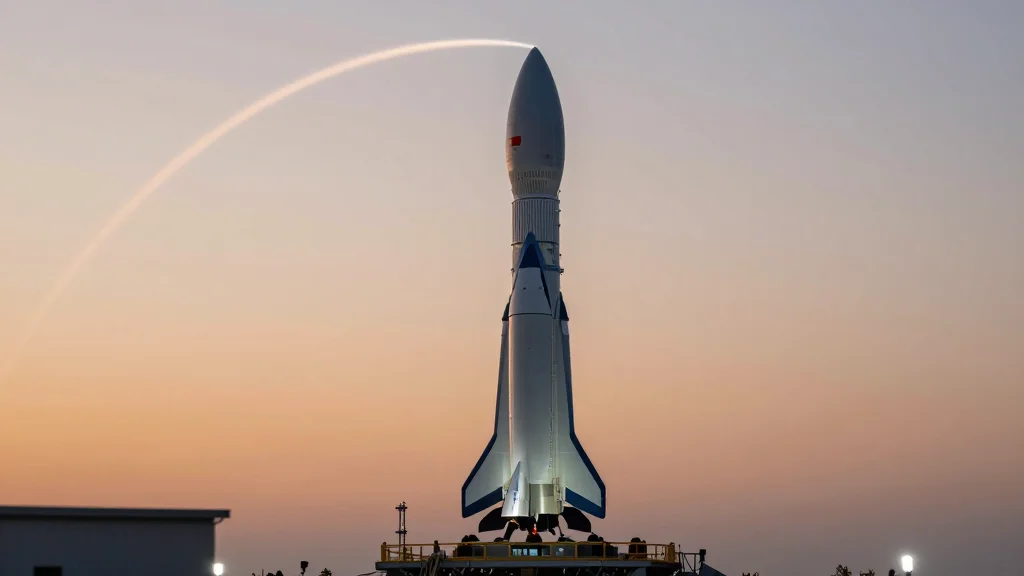
LandSpace’s Stretched Zhuque‑2E Returns to Flight, Deploys Qianfan Megaconstellation Satellites
China’s private launch firm LandSpace successfully flew its stretched Zhuque‑2E Y5 on May 13‑14, inserting a 2,800‑kg test payload into a 900‑km polar orbit and deploying a fresh batch of Qianfan megaconstellation satellites. The flight demonstrates the company’s heavy‑lift readiness...

NASA TESS Releases Its Most Recent View Of The Sky
NASA’s Transiting Exoplanet Survey Satellite (TESS) has unveiled its most comprehensive sky map since launch, cataloguing almost 6,000 exoplanets. The mission, operating since 2018, has confirmed 700 planets while identifying over 5,000 additional candidates. The new mosaic visualises 96 surveyed...
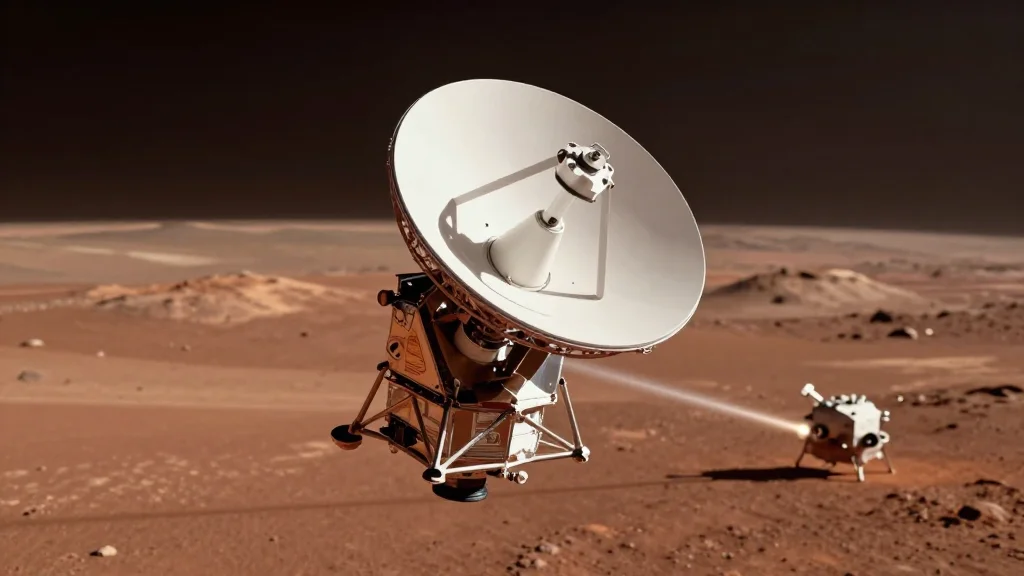
NASA Draws on Industry for Mars Telecommunications Network
NASA released a Request for Proposal on May 14, 2026 to partner with commercial firms on the Mars Telecommunications Network (MTN). The MTN will deploy high‑performance orbiters to deliver high‑bandwidth, low‑latency links for surface, orbital and future human missions on...
SpaceX Set to Publicly Release Prospectus Next Week
Buckle up! Story w/ @MorganLBrennan below on SpaceX's plans to flip its prospectus public as soon as next week, according to people familiar with the matter. https://t.co/llAP1FfncK
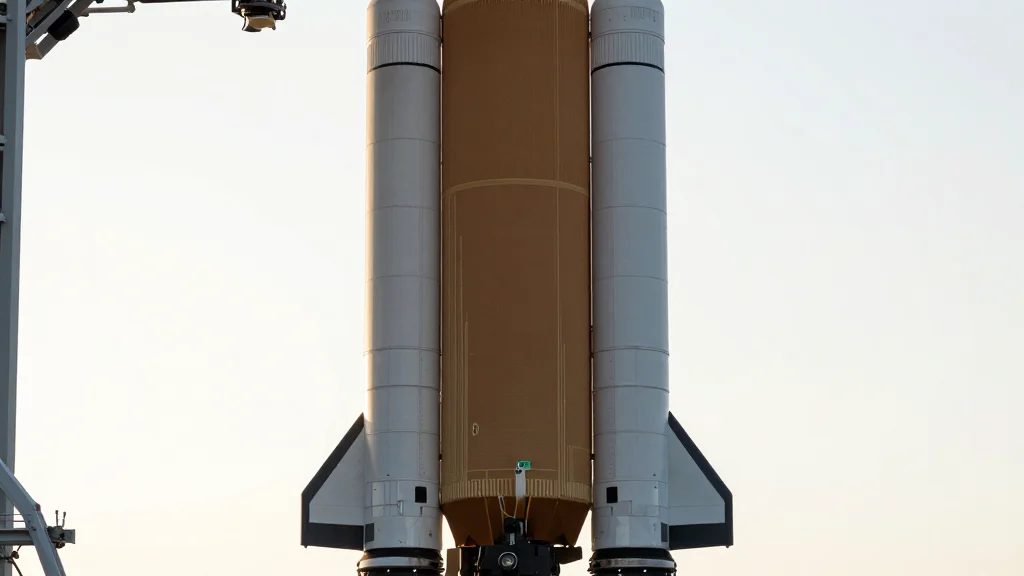
NASA Shifts Artemis III to Upper‑Stage‑Free SLS, Preps Crew Briefings for Congress
NASA announced that Artemis III will fly on a Space Launch System equipped with a non‑propulsive spacer instead of the Interim Cryogenic Propulsion Stage, redefining the mission as a low‑Earth‑orbit test. At the same time, the Artemis II crew delivered a congressional...

Space42 Reports Space Services Revenue Growth Despite Flat Results
Space42 reported flat overall revenue of $116 million in Q1 2026, matching the prior year, while its Space Services segment surged 15% year‑on‑year. Net profit slipped to $5 million, but the company highlighted a robust $700 million, 15‑year government capacity contract driving the services...
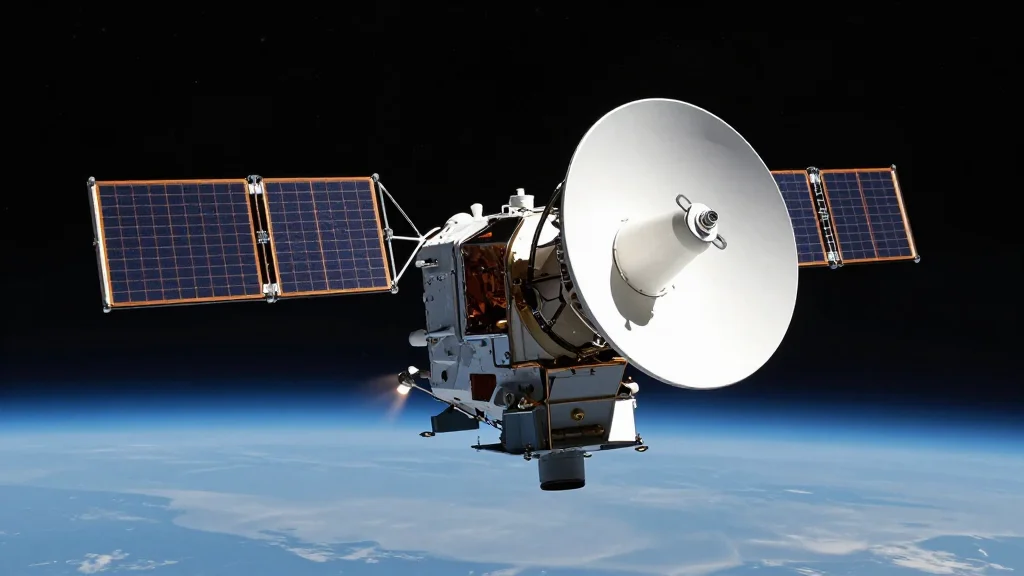
XTAR: What Does It Take to Last in Satellite Communications?
In a recent SSPI podcast, XTAR CEO Pat Rayermann outlined how the company has become a cornerstone of commercial military X‑band satellite communications. He detailed XTAR’s next‑generation fleet that blends X‑band with military Ka‑band and UHF payloads to meet evolving defense...
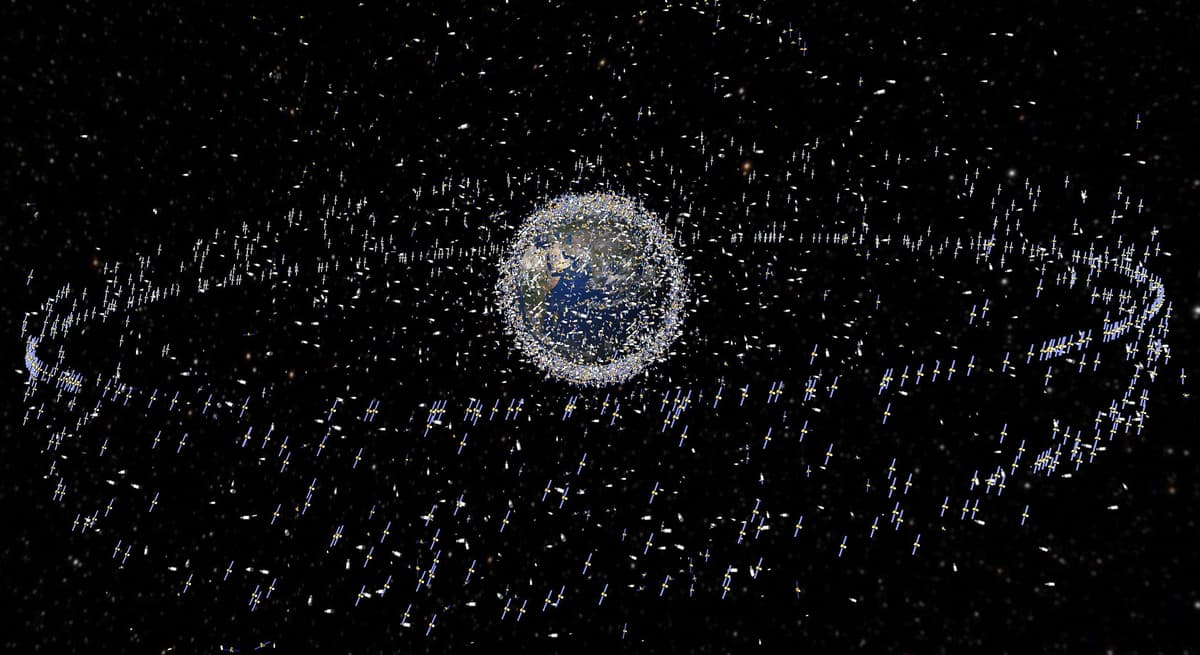
Space Leaders Worldwide May Fight SpaceX Lofting 1 Million Satellites
SpaceX has unveiled a plan to launch up to one million satellites, prompting immediate pushback from global space agencies, operators, astronomers, and defense bodies. Experts warn that even a 99.9% success rate would leave roughly 1,000 dead satellites, heightening collision...
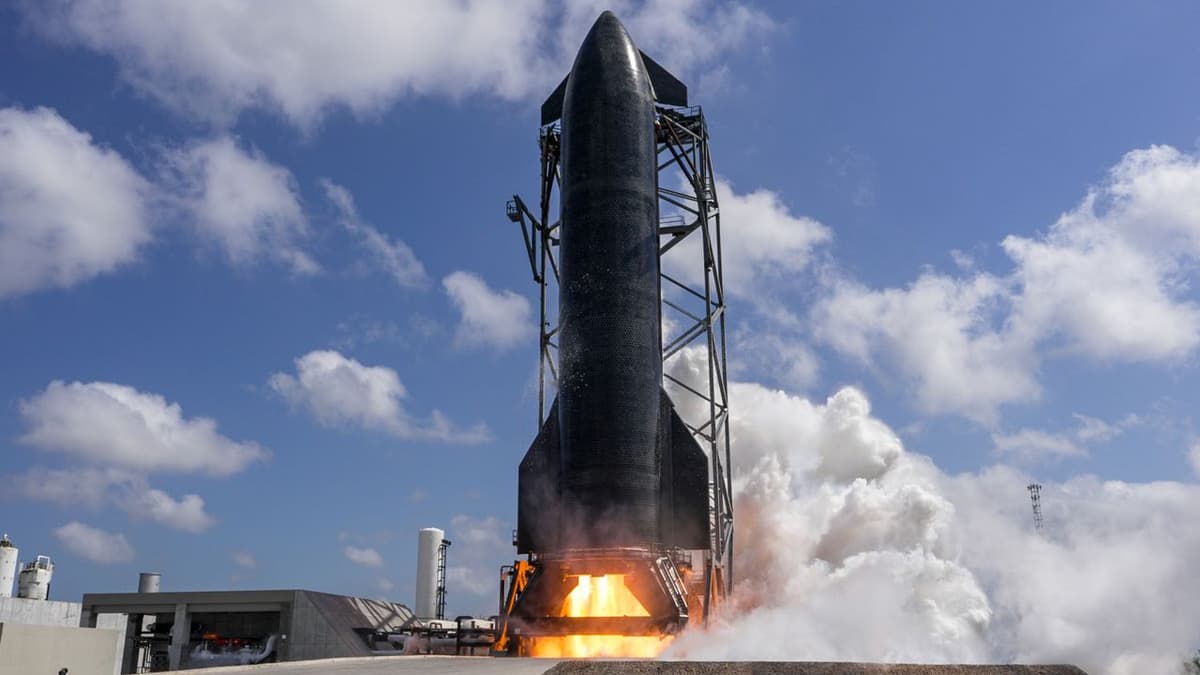
SpaceX's Starship V3 Megarocket Will Do Something Completely New on Flight 12 — Take a Good Look at Itself
SpaceX will launch the first Starship V3 on Flight 12, its first launch in nearly seven months and the debut of the upgraded vehicle. The mission will deploy 22 dummy Starlink satellites, including two equipped to photograph the rocket’s heat‑shield tiles...
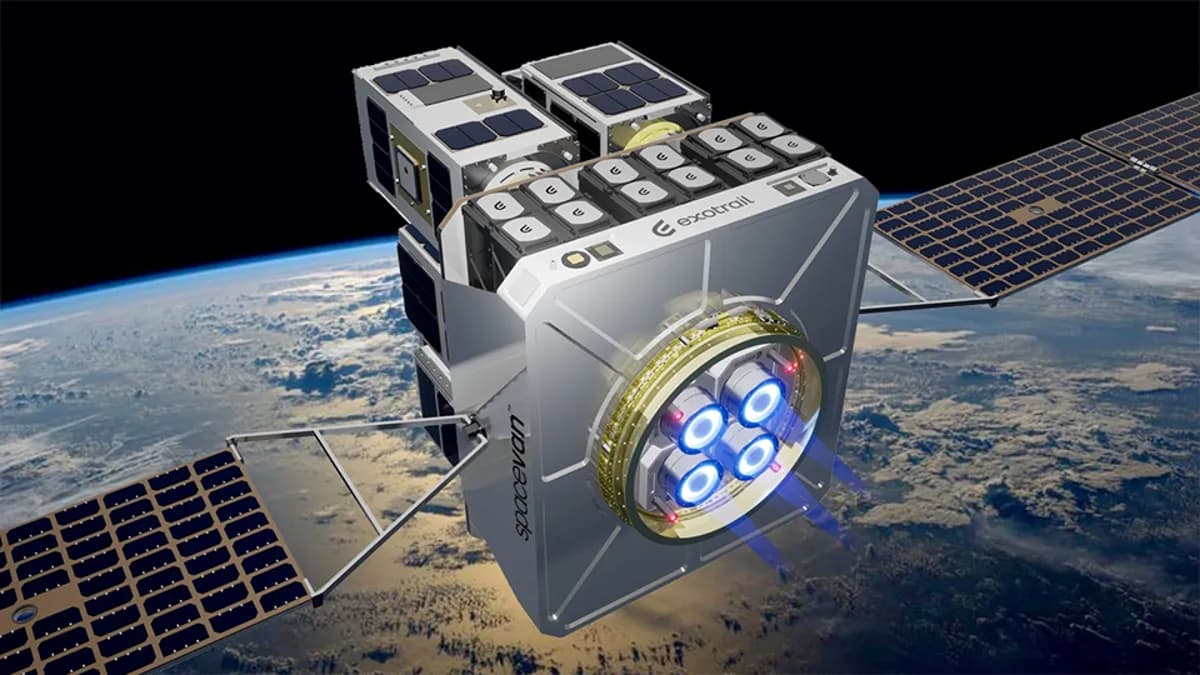
Exotrail Confirms Successful Deployment of NASA-Funded AEPEX CubeSat via Spacevan 002
In mid‑May 2026 Exotrail announced the successful deployment of the NASA‑funded AEPEX 6U CubeSat using its spacevan 002 orbital transfer vehicle. The OTV placed the satellite into a 500 km, >70° inclination orbit—an altitude and inclination that standard rideshare launches cannot reach...

FAA Problem of Overestimated Launch Demand Forecasts 1995 – 2017
The 2017 George Washington University capstone examined FAA commercial launch forecasts from 1995‑2017 and found they consistently overpredicted commercially addressable launches. Using aggregate‑mean, launch‑rate, and out‑year analyses, the study showed zero‑year forecasts were about 40 % higher than actual launches between...
Ottawa Advances 2026 Pre-Budget Consultations: What the Accelerated Timeline Means for the Space Sector
Ottawa has accelerated its 2026 pre‑budget consultation, moving the deadline to May 22, 2026, to align with a new fall budgeting cycle introduced in 2025. The Canadian space sector now has just over a week to submit written briefs outlining funding priorities...
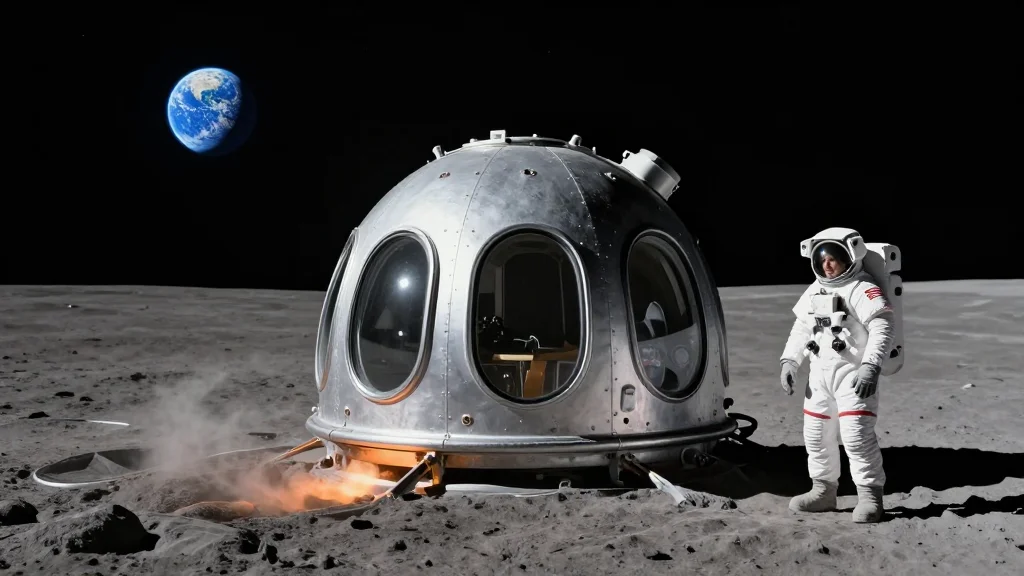
Will Future Missions to the Moon Be Sustainable? It May Depend on Whom You Ask
Future lunar missions are shifting from short visits to long‑term presence, with NASA’s Artemis program targeting a sustainable foothold in the 2030s and private firms eyeing a lunar economy. The article highlights the moon’s fragile environment—rocket exhaust, dust plumes and...