Today's Science Pulse
Hidden Star Clusters Discovered Deep Inside Nearby Galaxies
A UK‑led study using VLA and ALMA data uncovered previously hidden giant star clusters deep within nearby galaxies, describing them as “ring factories.” The findings highlight how young stellar activity shapes galactic evolution across the universe.
Also developing:
By the numbers: Foundation Alloy raises $22M Series A
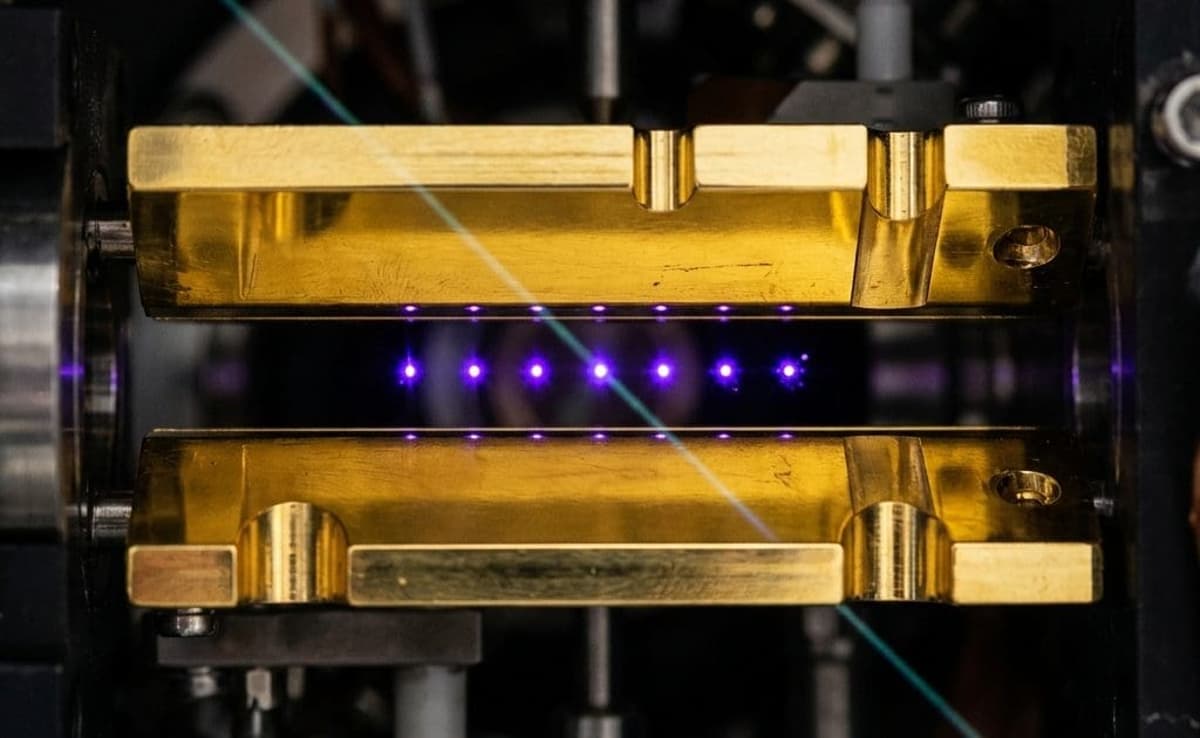
800× Better Logical Qubits Demonstrated on Quantinuum Hardware And Now Published In Nature
Quantinuum announced that its commercial System Model H2 achieved logical qubits that are 800 times more reliable than the underlying physical qubits, a breakthrough published in Nature in June 2026. The company demonstrated high‑fidelity logical‑qubit teleportation, a tenfold extension of qubit lifetimes using concatenated error‑correction codes, and an encoding rate that squeezes 48 logical qubits out of just 98 physical qubits. These milestones move the industry closer to fault‑tolerant, customer‑ready quantum computers. Quantinuum emphasizes that the work is done on commercial hardware, not on laboratory prototypes.

New mRNA Delivery Platform Restores Muscle Function in DMD Models
Researchers at UT MD Anderson have engineered skeletal‑muscle‑targeted extracellular vesicles (t‑EVs) to deliver full‑length DMD mRNA systemically in mouse models of Duchenne muscular dystrophy. The treatment restored dystrophin production, markedly improving muscle strength, endurance, and overall function. Safety studies in...

Complexifying the Complex
The article examines how Wick rotation in two‑dimensional conformal field theory (CFT) forces a second‑level complexification of objects that are already complex. By treating real vector spaces with an intrinsic complex structure, the author shows that their complexification yields a...

Canada Awards $2.4 Million for Ground-Control Systems to Be Used by RADARSAT+ Earth Observation Satellites
The Canadian Space Agency has awarded roughly $1.75 million USD (CAD $2.4 million) to Calian, Kepler Communications, and MDA Space—each receiving up to $587 k USD—to develop ground‑control systems for the upcoming RADARSAT+ satellite constellation. The contracts are part of a broader CAD $1.012 billion (~$739 million USD) 15‑year investment...

The Researcher Who Didn’t Want to Know
Nancy Wexler, an 80‑year‑old scientist living with Huntington’s disease, released her memoir “My Life, My Science.” Over decades she led a groundbreaking field study in Venezuela that pinpointed the gene causing Huntington’s, leading to the first genetic blood test for...
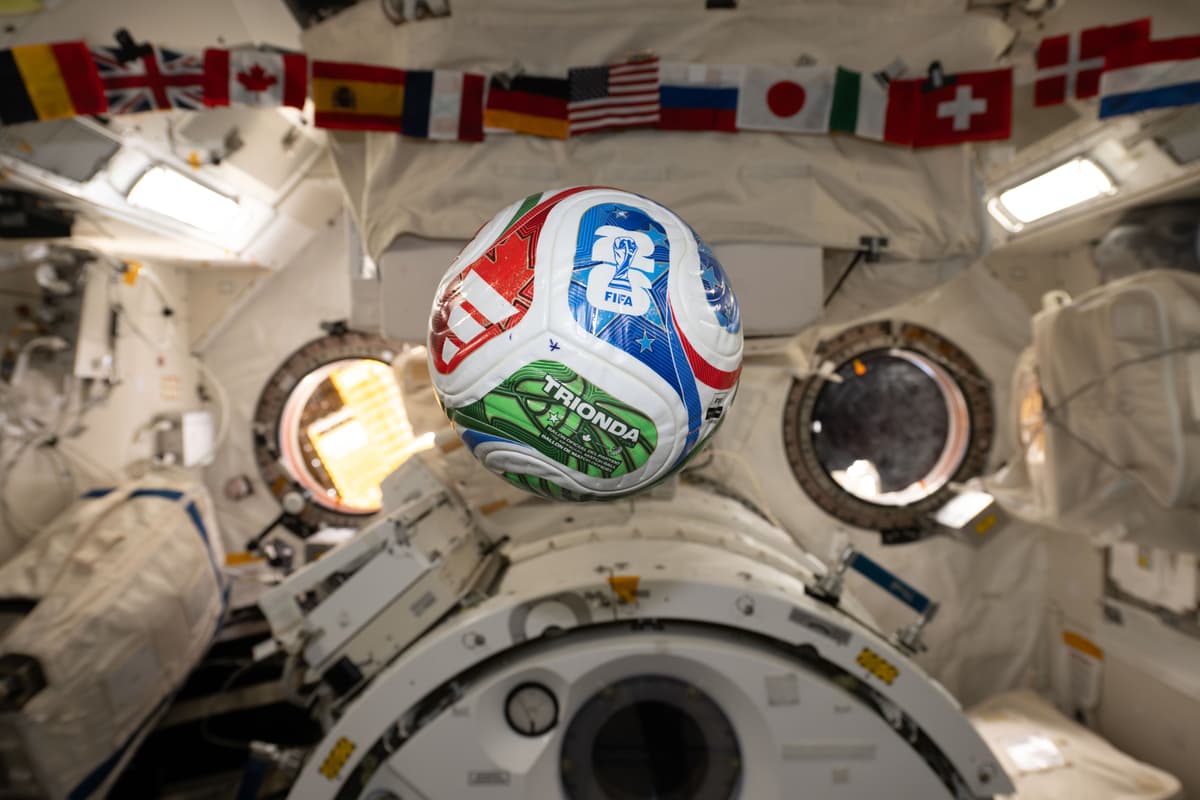
Soccer Meets Space Science
NASA conducted a microgravity experiment on the International Space Station, floating soccer balls to study how internal mass affects motion and stability. The research revealed that variations in mass distribution and embedded sensor technology can significantly influence ball trajectory and...

In 1991, a Hiker in the Italian Alps Discovered the Frozen Body of a Man Who Had Been Murdered Approximately...
In 1991 hikers on the Tisenjoch pass uncovered a 5,300‑year‑old frozen body later named Ötzi, the oldest naturally preserved European mummy. Radiocarbon dating and forensic analysis confirmed he died between 3350‑3105 BCE, killed by a flint arrow that severed a major...

Ocean Glow Meets 3D Printing with Living Gels that Sense Mechanical Force
Researchers at Empa have used digital light processing (DLP) 3D printing to embed the marine dinoflagellate Pyrocystis lunula into biocompatible hydrogels, creating living gels that glow blue under mechanical stress. The printed structures range from intricate gyroid lattices to porous...

Episode 196: Dominic D’Agostino Discusses Advances in Ketogenic Metabolic Therapy and Hyperbaric Oxygen Therapy
In this episode, Dr. Dominic D’Agostino updates listeners on his work advancing ketone metabolic therapy (KMT) and hyperbaric oxygen therapy for traumatic brain injury. He explains KMT as a personalized, biomarker‑driven approach that induces therapeutic ketosis through diet, fasting, or...

The Lowest Natural Temperature Ever Recorded on Earth Was Minus 89.2 Degrees Celsius, Measured at Antarctica’s Vostok Research Station in...
On 21 July 1983, Vostok Station on the Antarctic Plateau logged a temperature of minus 89.2 °C (minus 128.6 °F), the coldest natural surface temperature ever directly measured on Earth. The Soviet winter crew observed a steady ten‑day plunge driven by a rare alignment of polar‑vortex...
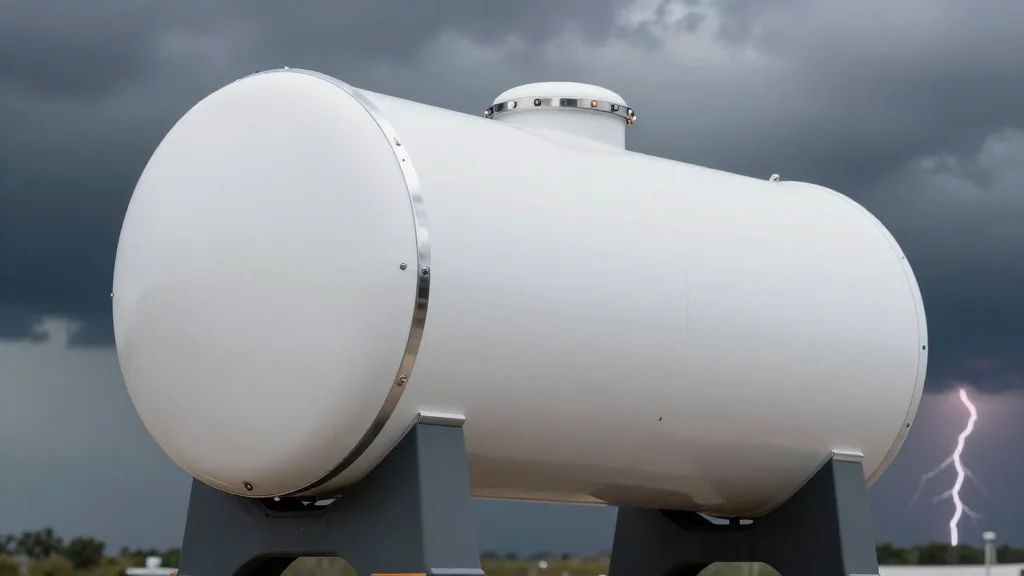
Stoke Space Successfully Completes All Tank Tests for 1st Stage of Its Nova Rocket
Stoke Space announced it has completed every tank test for the Nova rocket’s first stage, exceeding design pressure, demonstrating automated pressure control, and surviving hurricane‑force winds and lightning. The campaign proved the hardware, software, ground systems, and operations are maturing...

The Physics of Interstellar Travel
Coryn Bailer‑Jones’s new textbook *The Physics of Interstellar Travel* addresses a long‑standing gap in higher‑education by delivering the first college‑level treatment of star‑flight physics. The book surveys the surge of interest sparked by initiatives such as NASA’s 100‑Year Starship and...
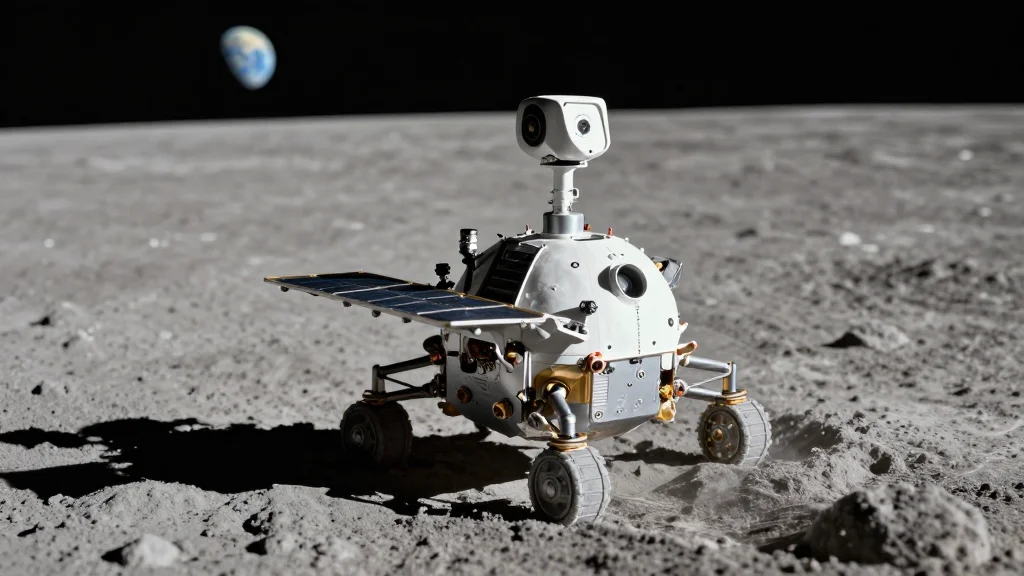
Miniature Moon Rover Unfolds, Explores 108 Minutes Autonomously
A palm-sized rover reached the moon as a compact sphere, then unfolded and explored autonomously for about 108 minutes. Its design tackled loose soil and tiny power limits in a different way. space

Ziftomenib Plus 7+3 Yields Strong Responses in NPM1-Mutated, KMT2A-Rearranged AML: Eunice S. Wang, MD
Ziftomenib combined with standard 7+3 intensive chemotherapy produced an overall response rate of roughly 93% in a frontline cohort of 99 newly diagnosed AML patients with NPM1 mutations or KMT2A rearrangements. Complete remission or CR with partial hematologic recovery reached...

‘Brain-Free’ Robots that Move in Synchronization, Powered Entirely by Air
University of Oxford researchers have unveiled a new class of soft robots that operate solely on air pressure, eliminating the need for electronics, motors, or onboard computers. The modular fluidic units act as actuators, sensors, and valves, enabling tabletop robots...
Global Warming Set to Exceed 1.5°C by 2030: Scientists
An international panel of more than 70 scientists warned that global warming will surpass the 1.5 °C threshold by 2030, with temperatures already at 1.37 °C above pre‑industrial levels in 2025. The report estimates the remaining carbon budget for staying under 1.5 °C...

Just Minutes of Walking Beat Hour-Long Cardio for Glucose Control
The lie I taught in medical school: you need an hour of cardio to move the needle on blood sugar. The data says the opposite. A 2022 meta-analysis in Sports Medicine (7 controlled trials) found 2-5 minutes of light walking after meals...

Nu Quantum Demonstrates Subsystem Erasure Tolerance in Networked QPU Architectures
Nu Quantum has demonstrated a fault‑tolerant network architecture that treats the loss of an entire quantum processing unit as a correctable erasure. By distributing a high‑distance quantum error‑correction code across modular nodes of 16‑48 qubits and linking them through photonic...
Fighting Antimicrobial Resistance with Biomaterials and Phages
Antimicrobial resistance (AMR) threatens global health, prompting researchers to explore biomaterials and phages as alternatives to traditional antibiotics. A nanoplatform called bacNID uses gold‑nanoparticle‑delivered peptides to hijack bacterial proteases and degrade the essential MurD enzyme, killing both Gram‑positive and Gram‑negative...

Building a Biomarker Stack to Stratify Alzheimer’s Trials
Recent studies are expanding Alzheimer’s biomarker toolkit beyond binary detection to a layered set of plasma and CSF measures that can predict disease onset, rate of decline, and differentiate molecular subtypes. Current trials rely on amyloid and tau PET, CSF,...

'Janus-Faced' Nanomaterials Pave the Way for Selectively Capturing Radioactive Pollutants
A KAIST team led by Prof. Ho Jin Ryu has for the first time synthesized the raw ceramic precursor needed to make asymmetric MXene, a two‑dimensional nanomaterial with different atomic compositions on each side. By employing a high‑entropy design that mixes six...

Cloudy Mornings and Clear Evenings
Researchers have used transit spectroscopy to compare the morning and evening sides of the tidally‑locked gas giant WASP‑94A b. The observations reveal thick cloud decks on the planet’s nightside that dissipate as the region rotates into daylight. This spectral asymmetry provides...
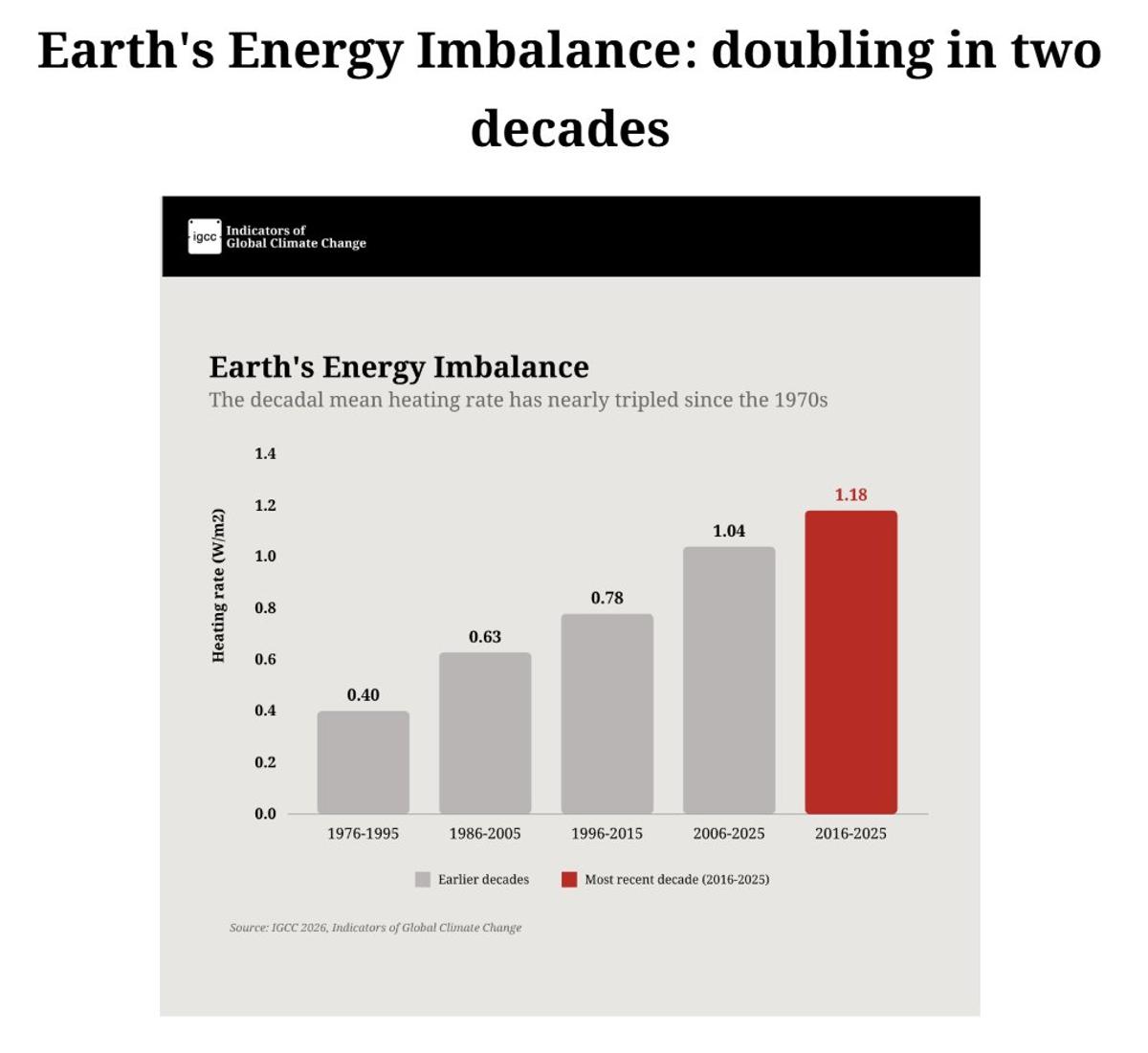
Planetary Energy Imbalance Jumps 40% Since 2021
Thank you Big Oil and enablers. The data is out: Our planetary energy imbalance has surged 40% since 2021, hitting 1.12 Watts per square meter. We are physically forcing extra heat into our system at a horrifying rate. What this...

New Insights Reveal Cellular Senescence’s Role in Aging
We're learning a lot about cellular senescence, how to track it, and its role in aging and disease. Cover and commentary @CellCellPress https://t.co/bFma1UocnS https://t.co/7ZRfmmFL5Z

Light-Induced Drag Reveals New Way to Control Nanoscale Motion
Researchers at Ruhr University Bochum have demonstrated that illuminating fluorescent carbon nanotubes in water creates a measurable drag, slowing their diffusion. The effect, termed light‑induced quantum friction, scales with light intensity and originates from exciton‑water dipole coupling. Experiments using terahertz...
Sonar–Camera System Sees Through Murky Waters
Engineers at MIT and the Woods Hole Oceanographic Institution unveiled Sonar‑MASt3R, a system that merges sonar depth data with optical camera imagery to produce real‑time 3D maps in turbid water. In controlled tank experiments the hybrid approach resolved centimeter‑scale features...
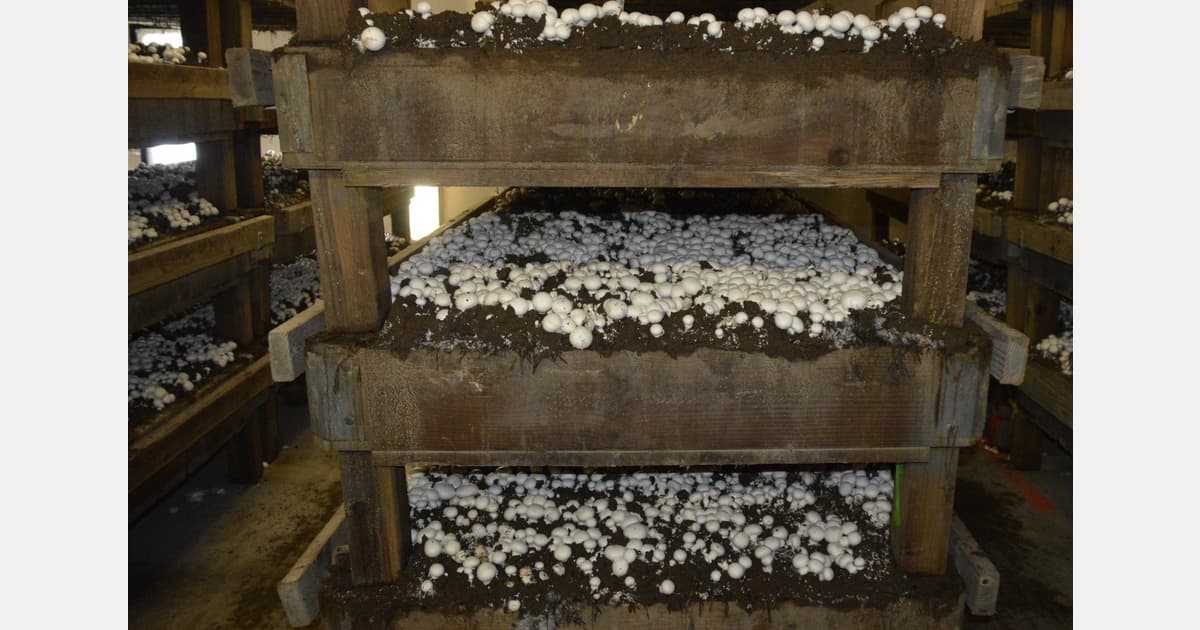
US (WA): Using a Mushroom to Transform Agricultural Waste Into Food
Researchers presented at ASM Microbe 2026 that the indigenous mushroom *Lentinus squarrosulus* can be cultivated on locally sourced agricultural waste, particularly sawdust. The controlled‑environment method enables year‑round production, turning a seasonal wild fungus into a reliable protein source. By repurposing sawdust, the...
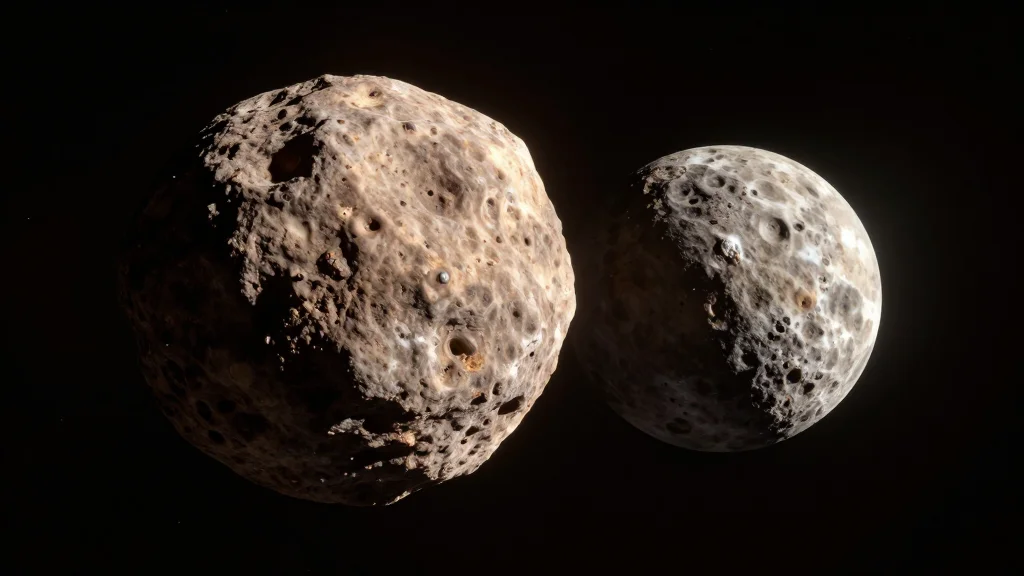
Binary Asteroids' Puzzling Configurations May Link to Multi-Satellite History
Binary asteroid systems have long been thought to form when a fast‑spinning primary sheds material that coalesces into a single moon near the Roche limit. NASA’s Lucy flyby of Dinkinesh upended that view by revealing Selam, a contact‑binary moon composed...

Newly Synthesized Fullerene Material Remains Metallic Even Under Low Temperatures
An international team led by Osaka Metropolitan University has synthesized a new fulleride, Yb₂CsC₆₀, that remains metallic even at the lowest temperatures tested. The material’s single‑hole p‑orbital configuration defies the expected Mott metal‑insulator transition despite strong electron‑electron correlations. Researchers attribute...

James Webb Reveals a Black Hole Star Inside a Little Red Dot
Astronomers using the James Webb Space Telescope have obtained the clearest view yet of the little red dot GLIMPSE‑17775, a distant object seen when the universe was under two billion years old. Infrared spectroscopy revealed more than 40 emission lines,...
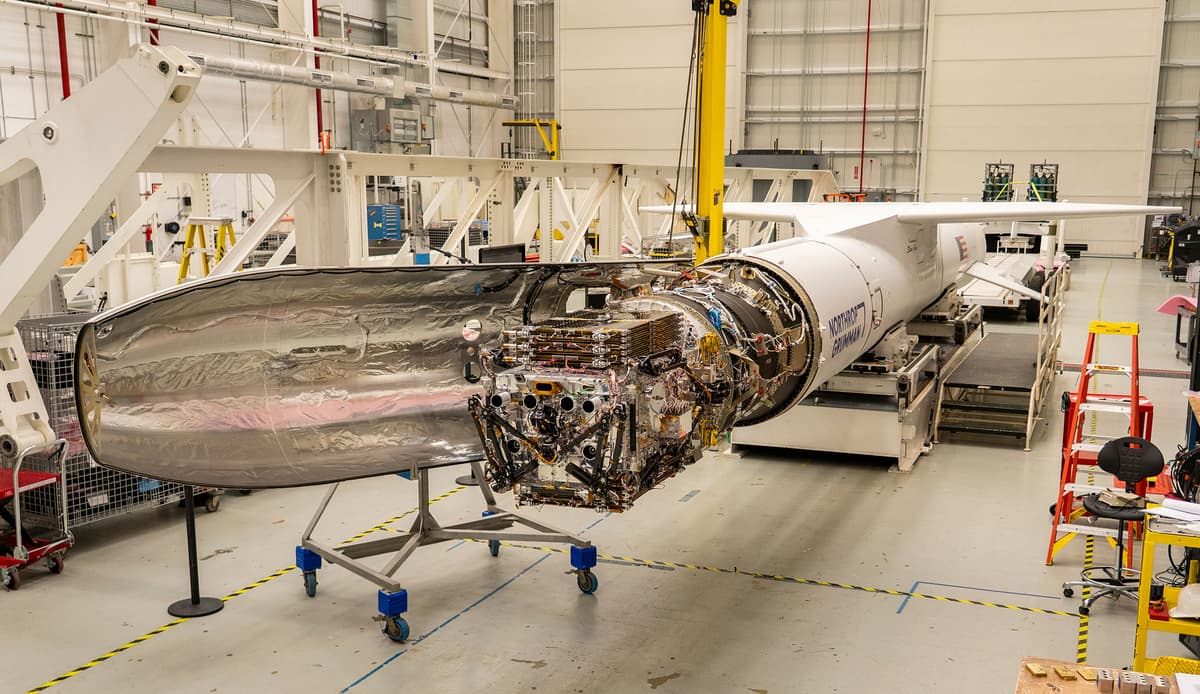
NASA to Preview Katalyst Mission to Boost Swift Spacecraft’s Orbit
NASA will host a media teleconference on June 17 to preview Katalyst Space’s LINK mission, which will launch aboard a Northrop Grumman Pegasus XL from Kwajalein in June 2026. The robotic servicing satellite will rendezvous with the 21‑year‑old Neil Gehrels Swift Observatory and...

China’s Tianwen-2 Spacecraft Arrives at One of Earth’s Mysterious ‘Quasi-Moons’
China’s Tianwen‑2 deep‑space probe performed a precise engine burn to rendezvous with Earth’s quasi‑moon asteroid Kamoʻoalewa. The 40‑100 m rock spins every 28 minutes and will be studied and sampled over the next four weeks. Tianwen‑2 will test three sampling techniques—touch‑and‑go, hover,...

J&J Looks to Widen Imaavy’s Use; $300M Backs Rare Disease Drug Launch
Johnson & Johnson reported that its autoimmune drug Imaavy (nipocalimab) produced durable hemoglobin improvements in a Phase 2/3 trial for warm autoimmune hemolytic anemia (wAIHA), enrolling 115 adults and outperforming placebo at 24 weeks. The data, slated for presentation at the...

US Sees Newly Formed El Niño as One of the World’s Strongest Yet
U.S. Climate Prediction Center scientists say the emerging El Niño in the equatorial Pacific is on track to become one of the strongest events recorded since 1950, with peak intensity expected toward the end of the year. The warming of surface...

Olezarsen Reduces Triglycerides, Acute Pancreatitis Events
Researchers presented pooled data from 455 patients with severe hypertriglyceridemia showing that olezarsen, an antisense drug targeting ApoC‑III, slashed triglyceride levels by up to 65.5% after six months. The treatment also cut the incidence of acute pancreatitis by 85% over...
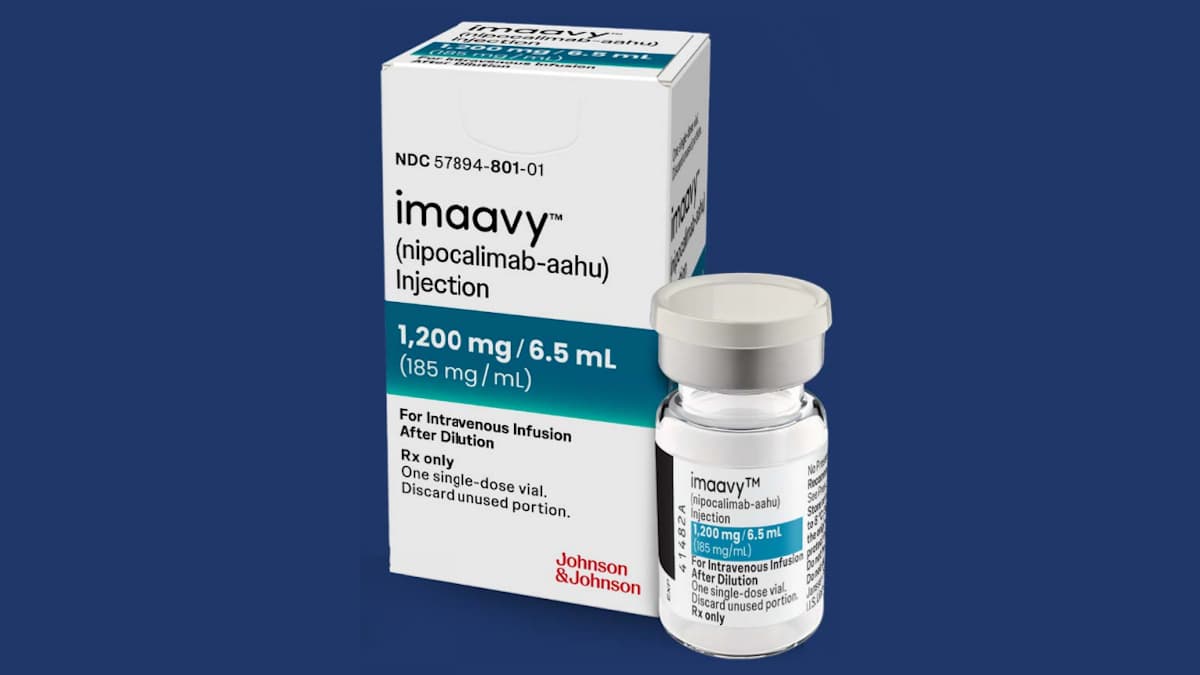
J&J Adds Rare Disease wAIHA to Imaavy's Potential Uses
Johnson & Johnson announced that its FcRn inhibitor Imaavy (nipocalimab) achieved a significant hemoglobin response in a phase 2/3 ENERGY trial for warm autoimmune hemolytic anemia (wAIHA), a rare disease lacking FDA‑approved treatments. Patients receiving 30 mg/kg showed three‑fold higher response rates...

Neuroscientists Left the Lab to Study Memory Loss. The Results Were Surprising
Two recent studies using smartphone‑based recordings show older adults recall autobiographical details as well as, or even more vividly than, younger adults, contradicting decades of lab research that suggested age‑related decline. In a 10‑day audio‑capture trial, 50 participants aged 61‑81...

Open Cosmos Seeks Deadline Extension for Broadband Constellation
Open Cosmos, a British small‑satellite firm, has asked the International Telecommunication Union for an extension to meet its June 10 deadline to launch 144 satellites for a sovereign European broadband constellation. The request follows a force‑majeure event after India’s PSLV launcher...
STAT+: ‘Synthetic Lethality’ Could Trigger Another Round of Biotech M&A
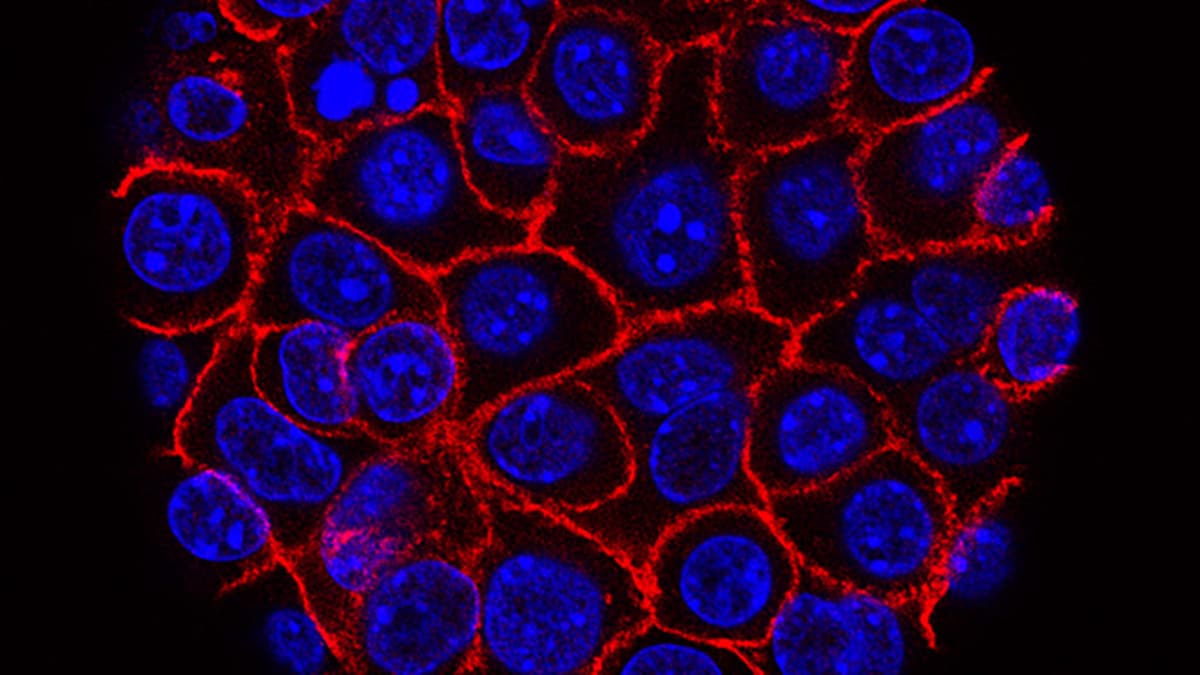
STAT+ highlights a synthetic‑lethality trial where Tango Therapeutics’ PRMT5 inhibitor was paired with Revolution Medicines’ pan‑RAS inhibitor, delivering superior responses in patients with advanced pancreatic cancer. The early‑stage data suggest the combination outperforms each monotherapy, reviving optimism for a historically...

Psychologists Have Identified a Subtle Decision-Making Flaw Driving Severe Substance Use
Psychologists at Yale examined how people with long‑term substance use evaluate negative outcomes. In a computer task, participants chose between two cards that could cause monetary losses, with the environment shifting between stable and volatile probability patterns. The study found...
On the Hunt for Cosmic Dawn and the Universe's Very First Stars
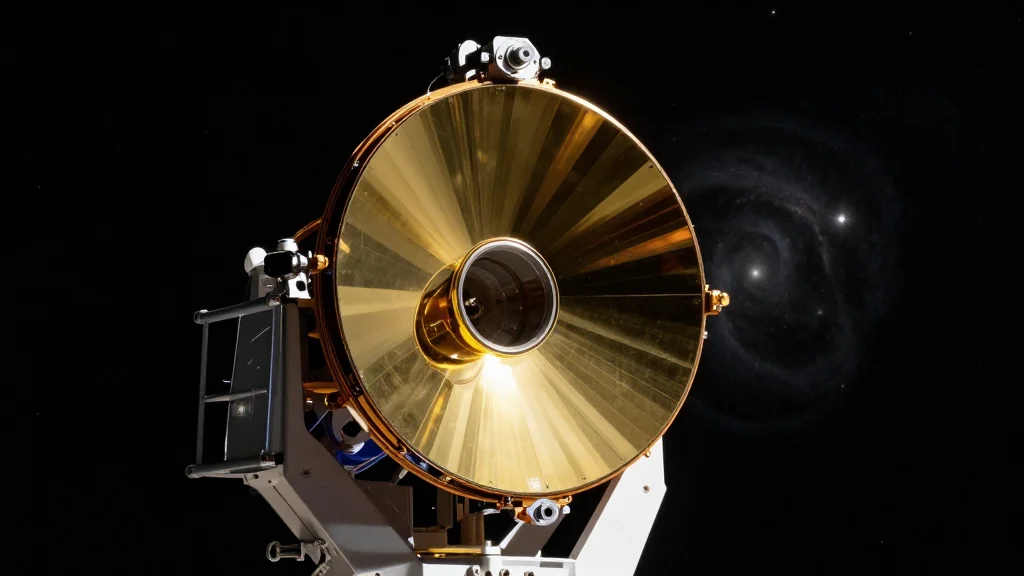
NASA's James Webb Space Telescope has completed a multispectral survey of 150 narrow sightlines covering 0.6 square degrees, revealing a sharp decline in galaxy formation just 150‑200 million years after the Big Bang. The findings, published in *Monthly Notices of the Royal...

How to Stop a Killer Asteroid
A bright meteoroid over Massachusetts highlighted the real threat of near‑Earth objects, especially medium‑sized asteroids that could cause millions of casualties. Scientists estimate a 400‑yard impact every 100,000 years—preventable with early intervention. Governments, NASA, ESA, the UN, and the private B612...

Why Do Stars Appear Different Colors in the Night Sky?
Stars display a range of colors that directly reflect their surface temperatures. Blue‑white stars such as Vega are hot, while orange‑red stars like Arcturus and Antares are cooler. Human vision limits color perception to the brightest stars because cone cells...

Heterostructured NiFe‐MOC/Ni3Fe/Ni4N for Photothermal‐Promoted Anion Exchange Membrane Water Electrolysis
Researchers have created a heterostructured NiFe‑MOC/Ni3Fe/Ni4N electrocatalyst that leverages an intrinsic photothermal effect to accelerate the oxygen evolution reaction. Under near‑infrared illumination, the catalyst reaches 1000 mA cm⁻² at only 311 mV overpotential, a 76 mV reduction compared with dark conditions. When deployed in...

A Versatile Heterometallic Microporous MOF for Photocatalytic Hydrogen Generation
The research introduces a family of heterometallic metal‑organic frameworks, MIP‑215(Zr⁴⁺/M²⁺) with M²⁺ = Cu or Ni, produced via a one‑pot, ambient‑temperature water‑only synthesis. The 4,8‑connected scu structures possess one‑dimensional microporous channels, chemical robustness in both aqueous and organic media, and reversible flexibility...

Synergistic Design of a SiO2–CNT–Amorphous Carbon 3D Host for Stable SEI Formation and Long‐Term Cycling Stability of Lithium Metal Anodes
Researchers have engineered a three‑dimensional SiO2@AC‑CNT microsphere host that blends silicon dioxide, carbon nanotubes, and amorphous carbon to stabilize lithium metal anodes. The composite promotes uniform, dendrite‑free lithium plating while forming a Li2CO3‑rich solid electrolyte interphase that enhances ion transport....

Magnetic Janus Nanomotor for Dentin Hypersensitivity Treatment
Researchers have engineered magnetic Janus nanomotors composed of Fe3O4@SiO2 that can be guided by external magnetic fields to infiltrate dentinal tubules up to ~36 µm deep. The nanomotors feature a 200 nm magnetic head and a tail whose length can be tuned...

Monolithic Opto‐Acoustic Synesthetic Transduction of Color and Sound in a Single Chiral Liquid Crystal Elastomer
Researchers have created a monolithic chiral liquid crystal elastomer that simultaneously produces tunable structural colors and audible sound when driven by electric fields. A low‑frequency DC bias compresses the material, shortening the helical pitch and shifting the reflected wavelength, while...

VeMico Study Suggests Postbiotic Improves Overall Skin Health and Appearance
A double‑blind, placebo‑controlled trial of VeMico’s oral postbiotic VMK223 in 29 healthy women aged 40‑55 showed statistically significant improvements in multiple skin‑appearance metrics after 12 weeks. Wrinkle depth fell 28 % versus 4.4 % in the control group, while skin hydration and...

Dual‐Site Cooperativity in Ag/Cu‐Ag2S Cocatalyst for CO2 Activation and Deep Hydrogenation Towards 100%‐Selective CH4 Photoproduction
Researchers have engineered a bifunctional Ag‑loaded, Cu‑doped Ag2S cocatalyst (ACAS) on ZnIn2S4 nanoflowers that converts CO2 to methane with 100% selectivity. Under simulated sunlight the ACAS/ZIS system delivers a CH4 evolution rate of 145.2 µmol g⁻¹ h⁻¹. The performance stems from a “light‑electricity‑heat”...