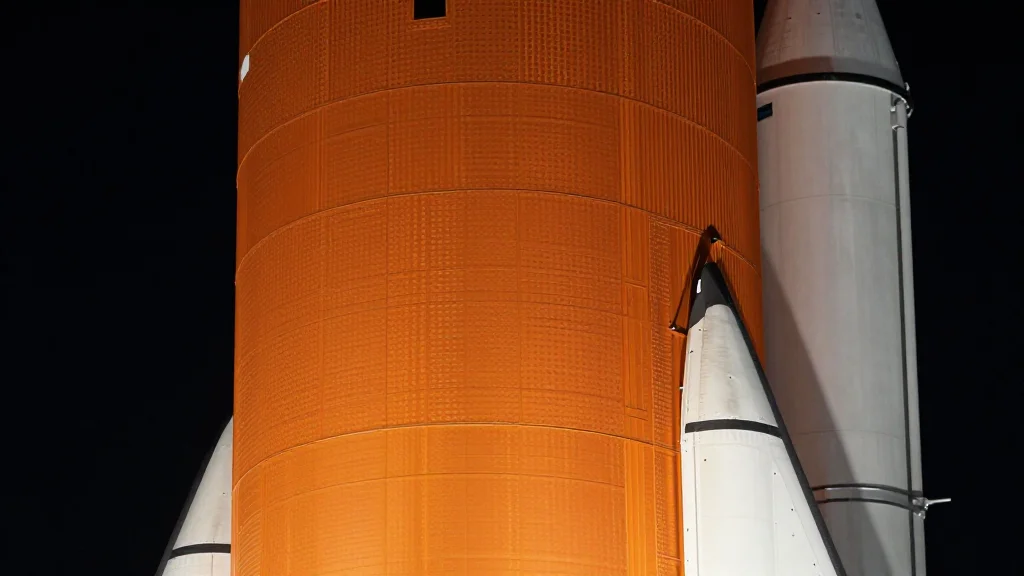
SpaceX Launches Improved Starship Rocket in Latest Development Milestone
SpaceX successfully conducted a test flight of the upgraded Starship V3 from its Boca Chica launch site on Friday. The vehicle featured a reinforced heat shield, upgraded Raptor engines, and a revised aerodynamic layout. The flight lasted roughly four minutes before a controlled termination was executed to protect the range. This milestone moves the company closer to its 2027 target for a crewed lunar landing.

SmallSat Europe Speaker Focus: Jenna Herrera, Rocket Lab
Rocket Lab’s Global Launch Services Manager Jenna Herrera is steering the company’s push into Europe, linking European agencies and commercial users with Rocket Lab’s launch sites in New Zealand and Virginia. The firm now offers the Electron small‑sat launcher and the...

SmallSat Europe Speaker Focus: Luis Gomes, AAC Clyde Space
AAC Clyde Space, a Glasgow‑based smallsat builder, secured the EPS‑Sterna contract with EUMETSAT in January 2026, lifting its order backlog to roughly SEK 1.1 billion (about $121 million). The company now projects 2026 revenue of SEK 475 million ($52 million), a 61 percent increase over 2025, and...
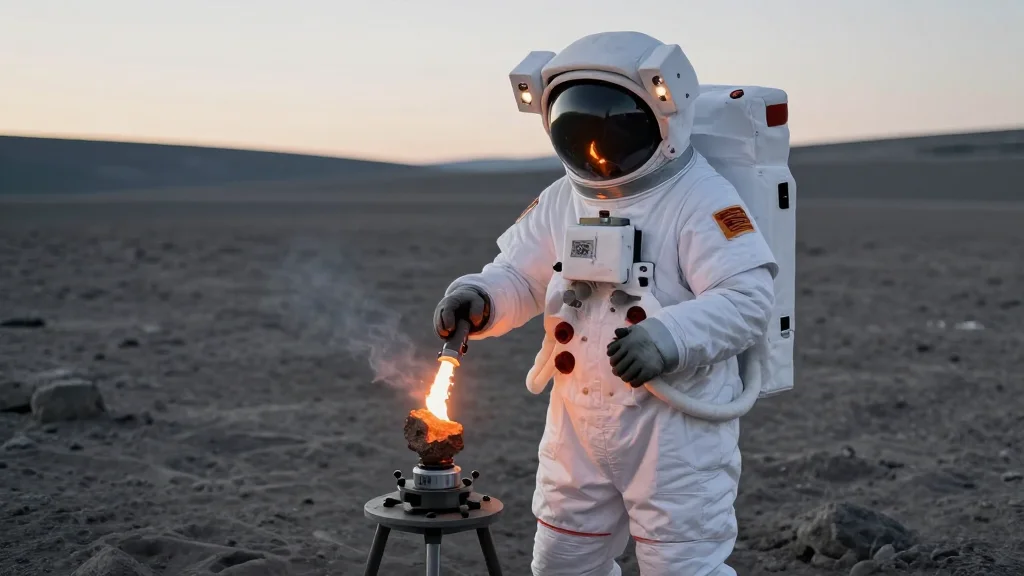
New Material Could Help NASA Melt Moon Rocks, Harness Lunar Resources
NASA researchers at the Glenn Research Center have identified a previously unknown scandium‑oxide‑based composite that can survive the extreme temperatures of molten lunar regolith, up to roughly 2,900 °F. The material resists corrosion from molten Moon dust and is significantly cheaper...
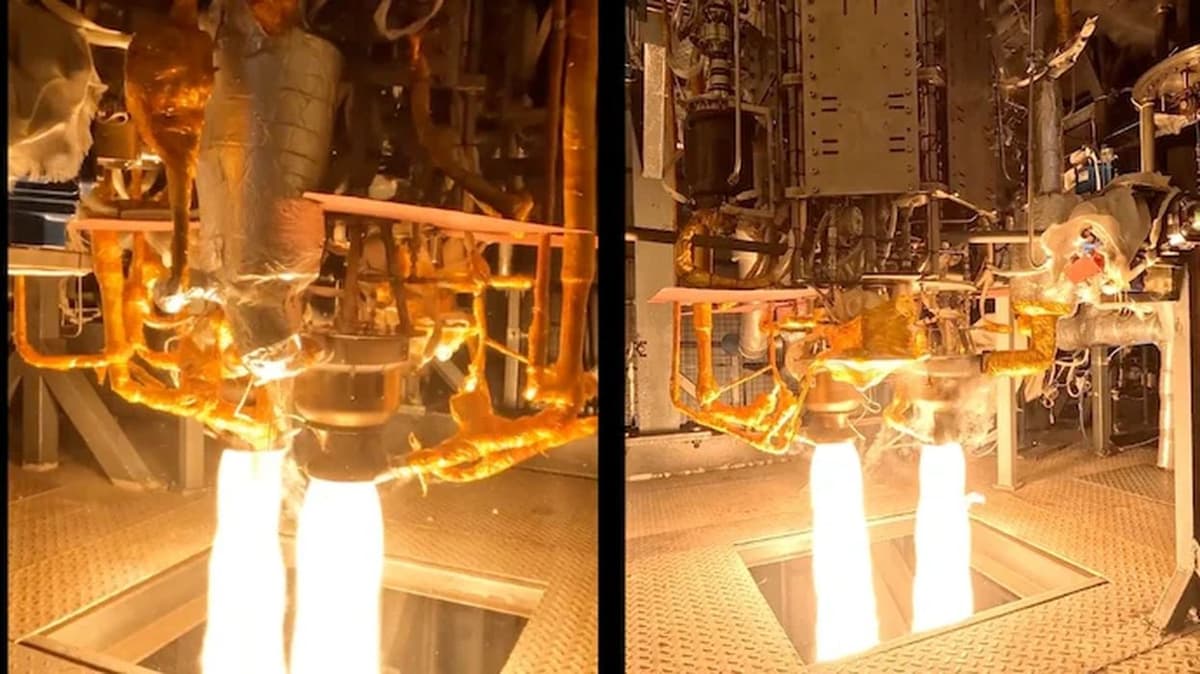
3D Printing Continues to Reshape Rocket Engine Design as Agnikul Tests New Engine
Agnikul, an Indian aerospace startup, successfully fired a fully 3D‑printed semi‑cryogenic rocket engine that uses super‑cooled liquid oxygen and conventional aviation fuel. The engine’s throttleability is designed to support a Falcon 9‑style reusable booster that can land after launch. 3D‑printing allowed...
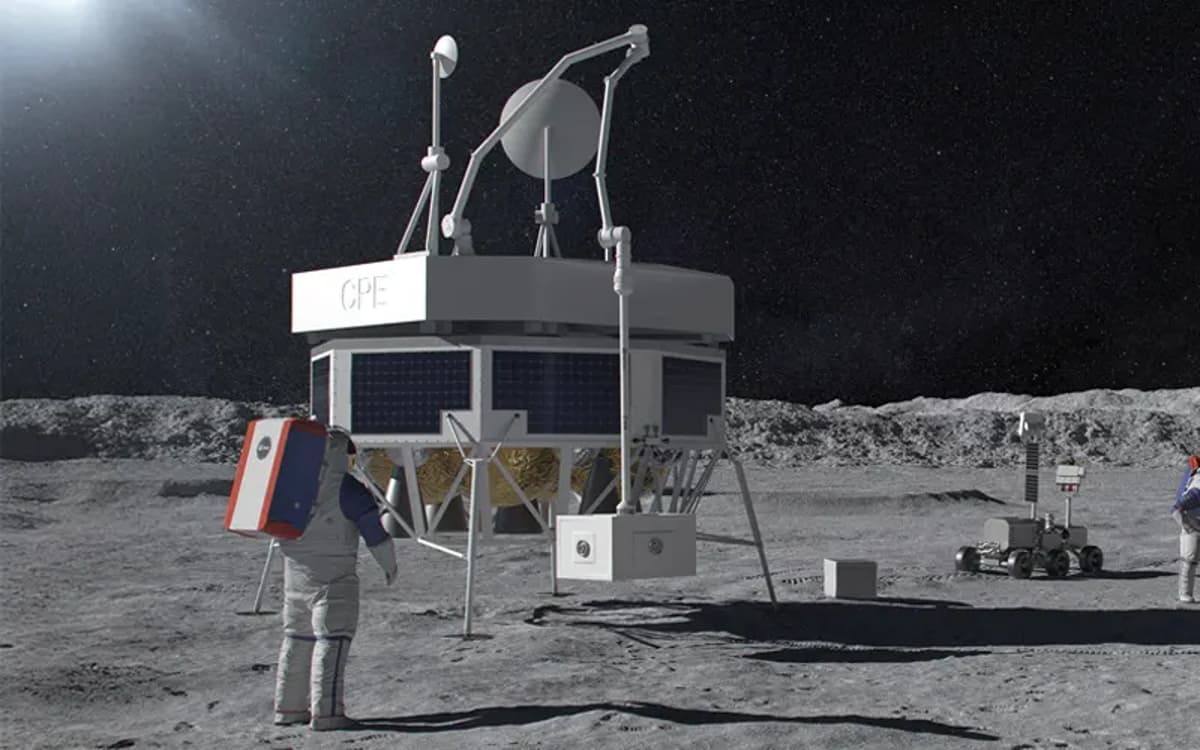
Redwire Delivers Argonaut Robotic Arm Prototype
Redwire has handed over a breadboard model of its MANUS robotic arm to the European Space Agency after a rigorous test campaign. The arm, built by Redwire’s Luxembourg subsidiary, can load and unload cargo, transfer power and collect lunar regolith....
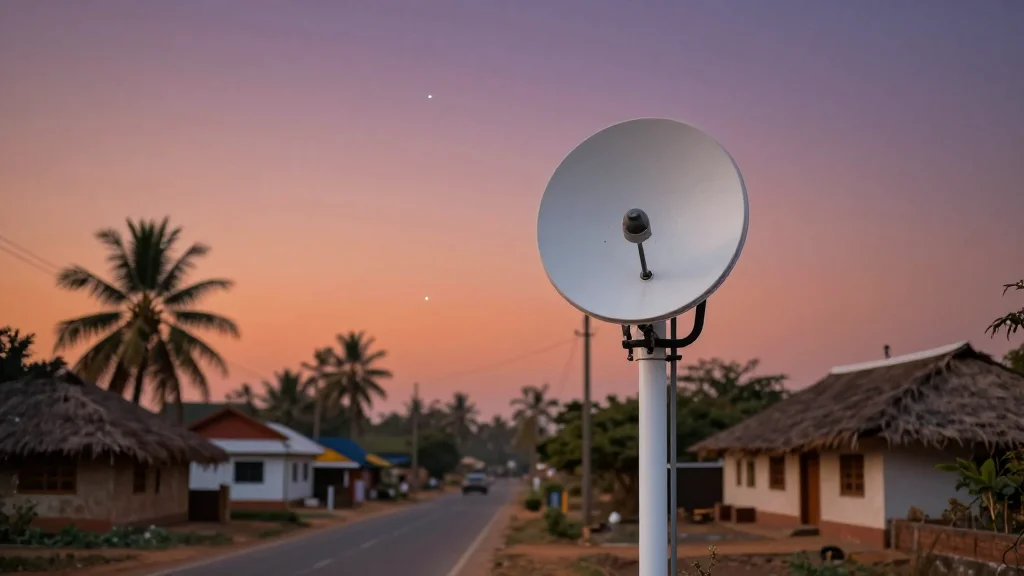
BSNL, Starlink Explore Partnership for Backhaul, Enterprise Business
BSNL and Elon Musk’s Starlink are in early talks to partner on satellite backhaul and enterprise services in India. The collaboration would let BSNL connect remote 4G/5G towers via Starlink’s Ku/Ka‑band satellites, speeding broadband rollout to the roughly 30,000 villages...
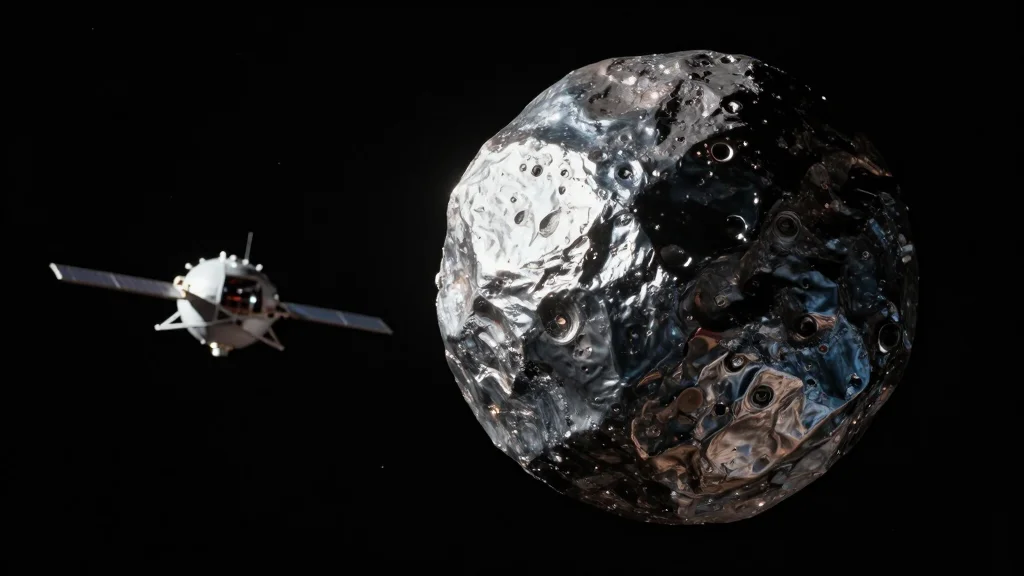
NASA's Psyche Flyby Accelerates Trek to Metal‑Rich Asteroid, Reviving Space Mining Talk
NASA's Psyche probe skimmed Mars at 2,864 miles on May 15, gaining roughly 1,000 mph and a 1‑degree orbital shift. The maneuver keeps the spacecraft on track for an August 2029 arrival at asteroid 16 Psyche, whose metal wealth is estimated in the...

NASA's One‑Legged LEAP Robot Aims to Sample Enceladus Plumes
NASA’s Innovative Advanced Concepts program is backing LEAP, a one‑foot, 2‑pound hopping robot that could travel 560 feet in a single leap to fly through Enceladus’ geysers. The concept, built on the SALTO prototype, promises a new way to collect subsurface‑ocean...

Scientists Want to Send a Roly-Poly Robot Filled with 'Dandelion Drones' To Investigate Hidden Tunnels on Mars
Scientists propose a pillbug‑inspired "roly‑poly" robot that can slip through skylights in Martian lava tubes and unleash thousands of tiny "dandelion" drones. The drones would ride either natural wind currents or an onboard fan, using piezoelectric polymer for power, to...

The Starlink Service that Can Revolutionise Mobile Connectivity in South Africa
SpaceX’s Starlink Mobile, detailed in its S‑1 filing, offers satellite‑to‑mobile connectivity that works directly with standard smartphones through partnerships with mobile network operators. As of 31 March 2026 the service supports roughly 7.4 million unique devices across 30 countries using a dedicated fleet...

Surprising Case for Nuclear Energy on the Moon
In August, U.S. Secretary of Transportation Sean Duffy, then acting NASA administrator, announced a goal to land a nuclear reactor on the Moon by 2030. The proposal, while ambitious, is gaining traction among space and energy experts who argue that...
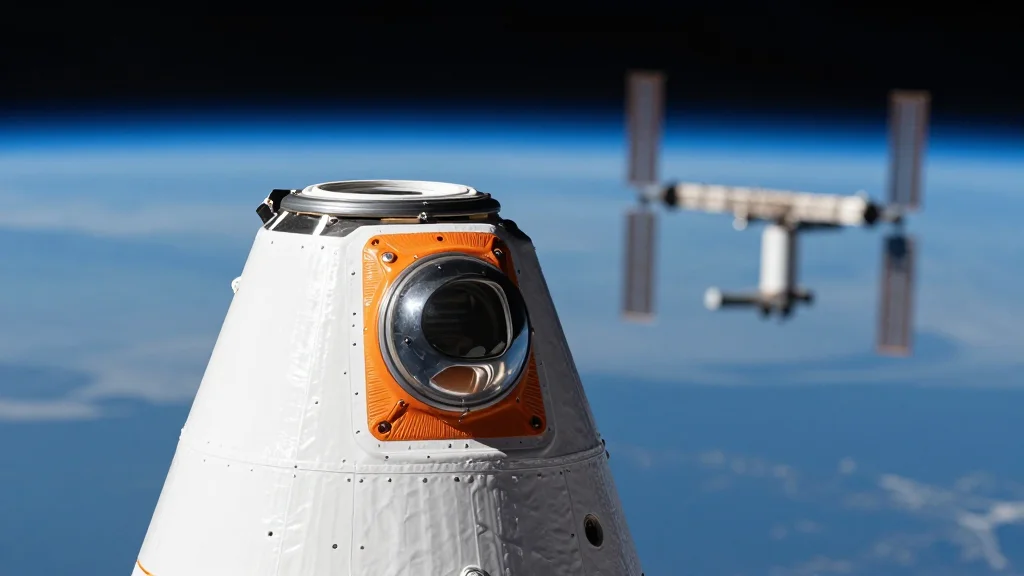
China Launches Shenzhou‑23 for Record One‑Year Stay on Tiangong
China launched the Shenzhou‑23 crewed spacecraft on May 24, 2026, sending commander Zhu Yangzhu, pilot Zhang Zhiyuan and payload specialist Li Jiaying to the Tiangong space station for a planned one‑year orbital stay. The mission sets a new duration record...
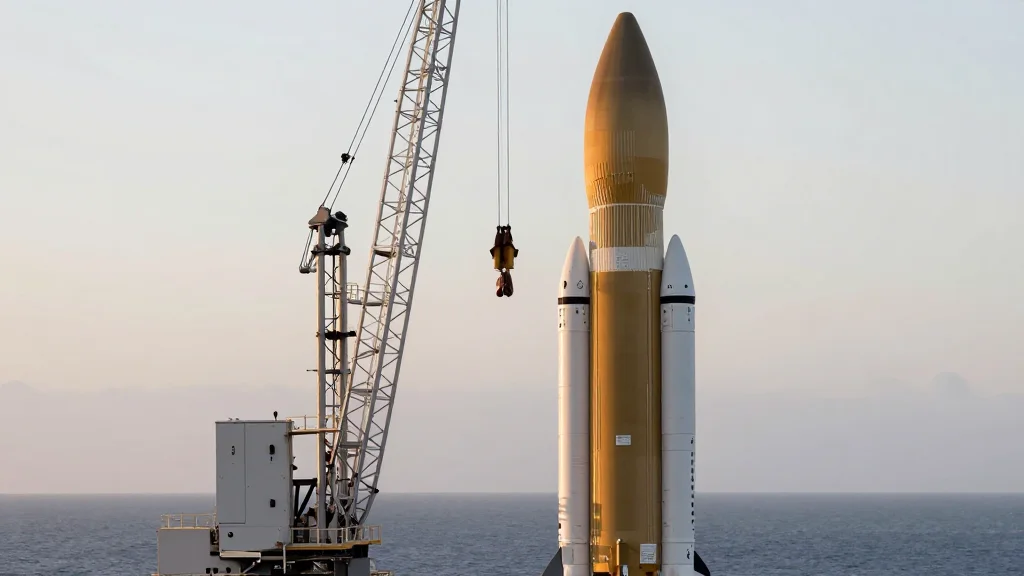
Blue Origin Secures $600 Million Florida Expansion and FAA Clearance for New Glenn
Florida Governor Ron DeSantis announced a $600 million expansion of Blue Origin’s Cape Canaveral campus, creating 500 high‑paying aerospace jobs. The Federal Aviation Administration cleared the New Glenn heavy‑lift rocket to fly again after an April upper‑stage anomaly, allowing the company to pursue...
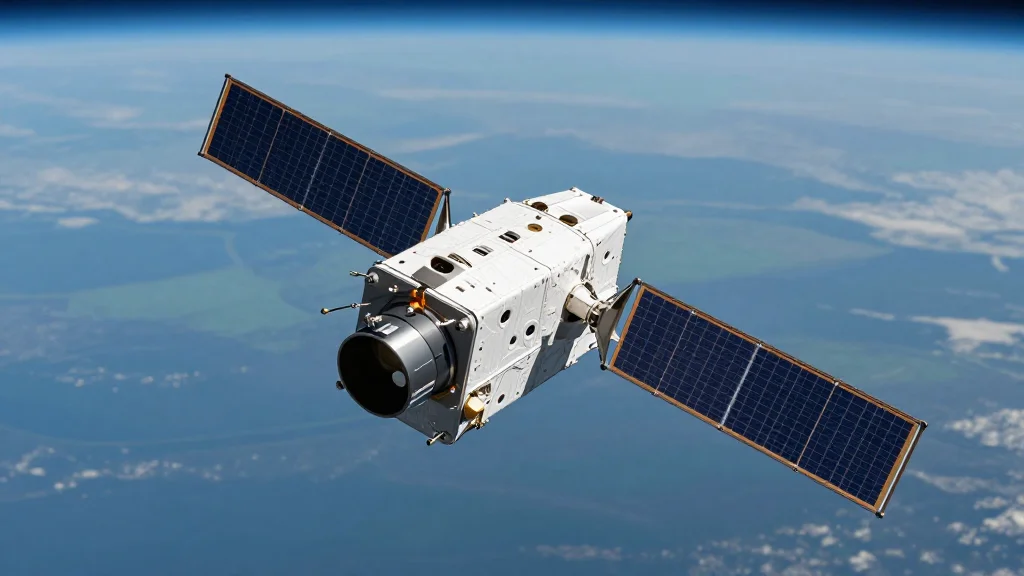
Planet Labs Boosts AI‑Enabled Pelican Constellation, Stock Rises 6.6%
Planet Labs announced the first‑light of its expanded AI‑enabled Pelican constellation, sending its shares up 6.6%. The move is positioned to unlock higher‑margin defense work and accelerate revenue growth toward a $744 million target by 2029.
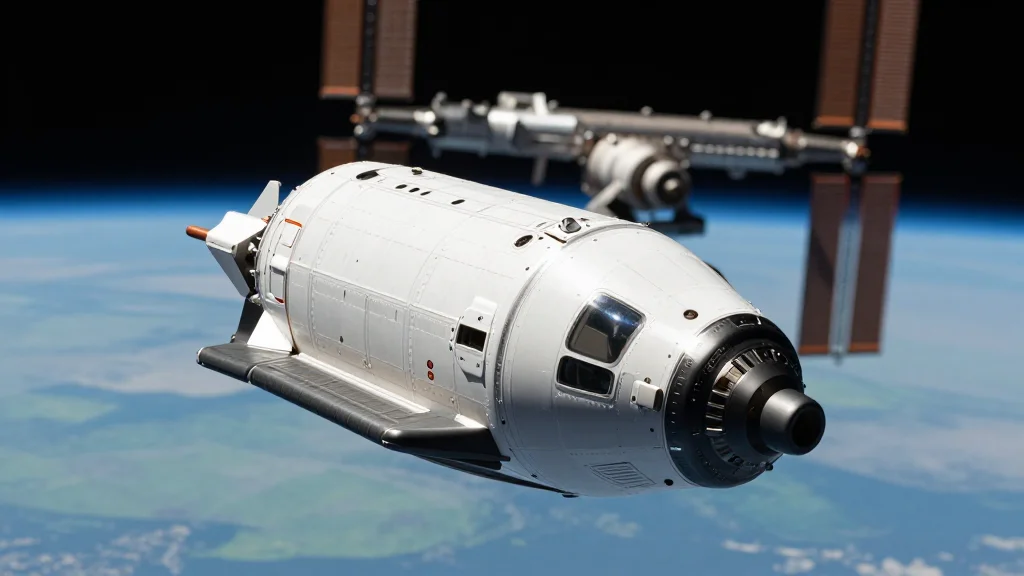
NASA Adds Six Crew‑Dragon Missions to SpaceX Contract, Extending ISS Crew Access to 2030
NASA announced a May 18 procurement filing to add six post‑certification Crew‑Dragon missions to its commercial crew contract with SpaceX, securing crew transport through late 2030. The move hedges against Boeing’s Starliner certification delays and keeps six‑month ISS rotations intact.
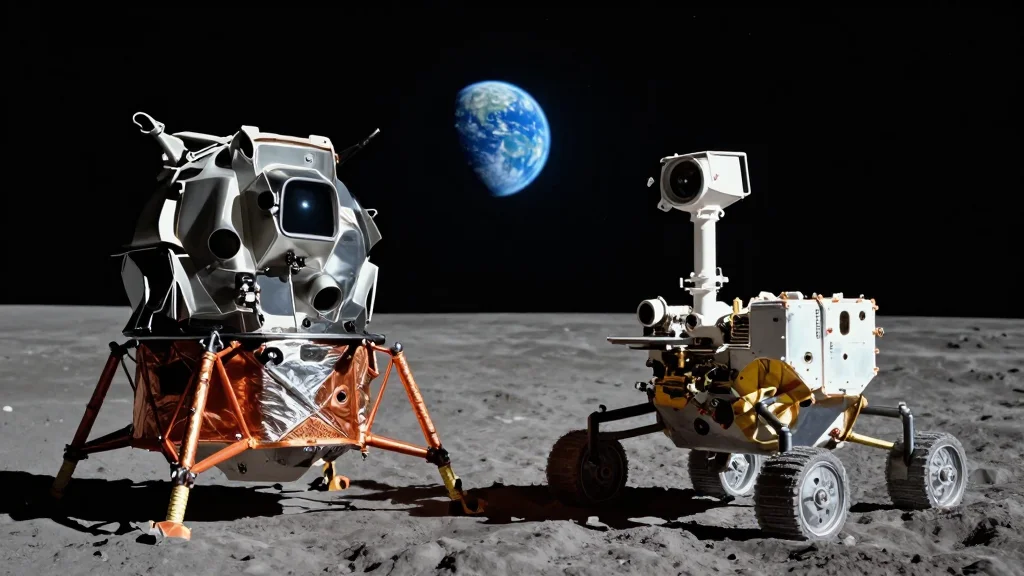
China Consolidates Lunar Programs Amid US Moon Race
China merges space programmes as race to the moon with US heats up The country releases further details about how it is ‘combining experiences and expertise’ from its crewed and uncrewed lunar missions https://t.co/aUIx8oO5sj via @scmpnews
NASA Streamlines Structure to Accelerate Artemis Lunar Push
NASA Administrator Jared Isaacman announced a sweeping internal realignment that consolidates directorates, shortens decision chains and puts the Artemis lunar program at the forefront. The restructuring promises cost savings without layoffs, aiming to deliver a Moon base, nuclear space reactor...
NASA Practically Eliminates Any Starliner Flights Before ISS Retires
NASA’s May 18 procurement filing adds up to six additional crewed flights for SpaceX, extending its commercial crew contract through late 2030. The extension covers three years of ISS operations at a cadence of one mission every six months, effectively crowding out...
China Launches Three Astronauts to Its Tiangong-3 Space Station
China successfully launched three astronauts aboard a Long March 2F rocket from Jiuquan to its Tiangong‑3 space station. The crew is slated to dock within 3.5 hours and begin a six‑month stay that could be extended to a year based on performance. One...
SpaceX Accuses AT&T, T‑Mobile, Verizon of Colluding to Block Starlink Mobile
SpaceX has publicly accused the three largest U.S. wireless carriers of colluding to impede its Starlink Mobile satellite broadband rollout. The claim follows SpaceX's recent $20 billion spectrum acquisition with EchoStar and comes as the carriers announce a joint venture to...
Anduril Wins Share of $1.8 B Space Force GEO Contract
Anduril Industries has been awarded a portion of the U.S. Space Force's $1.8 billion Andromeda program, a 10‑year effort to field autonomous satellites in geosynchronous orbit. The contract places the defense‑tech start‑up alongside established aerospace giants as the service seeks “neighborhood‑watch”...

This Zurich Startup Built a Four-Armed Robot for Space Stations. Each Astronaut Hour It Saves Is Worth $140,000.
Zurich‑based Orbit Robotics unveiled Helios, a four‑armed robot built for microgravity environments on space stations. The design replaces legs with two anchoring arms and two working arms, using tendon‑driven actuation to keep weight low while maintaining dexterity. Helios targets the...

Tumbleweed Mars Testing: Harnessing Wind Energy
The Tumbleweed Mars prototype, a wind‑driven rover without wheels or fuel, completed the first day of a ten‑day desert test in Chile’s Atacama Desert. Developed over a decade by TU Delft, ESA and Europlanet, the lightweight 8‑lb (3.5‑kg) elliptical device can...
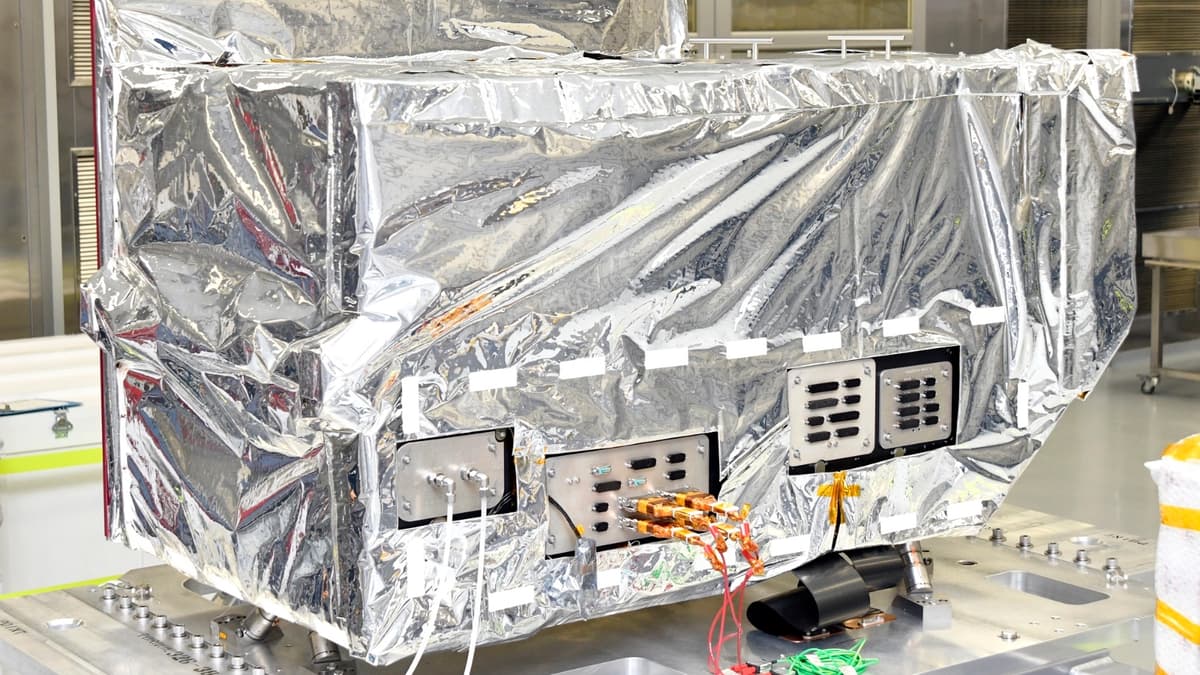
BAE Delivers Sensor Hardware for Space Force Satellite
BAE Systems has delivered the sensor subassembly and controller for the U.S. Space Force’s Next Generation Overhead Persistent Infrared Polar (NGP) programme, keeping the schedule for a 2028 launch. The hardware is part of Flight Unit 1, the first of two...

China Is Sending an Astronaut to Its Space Station for a Full Year — a National Record — as Beijing...
On May 24, 2026 China will launch Shenzhou‑23 on a Long March‑2F rocket, sending three astronauts to the Tiangong space station for a historic year‑long stay. The mission marks the longest Chinese crewed flight and includes Li Jiaying, the first...
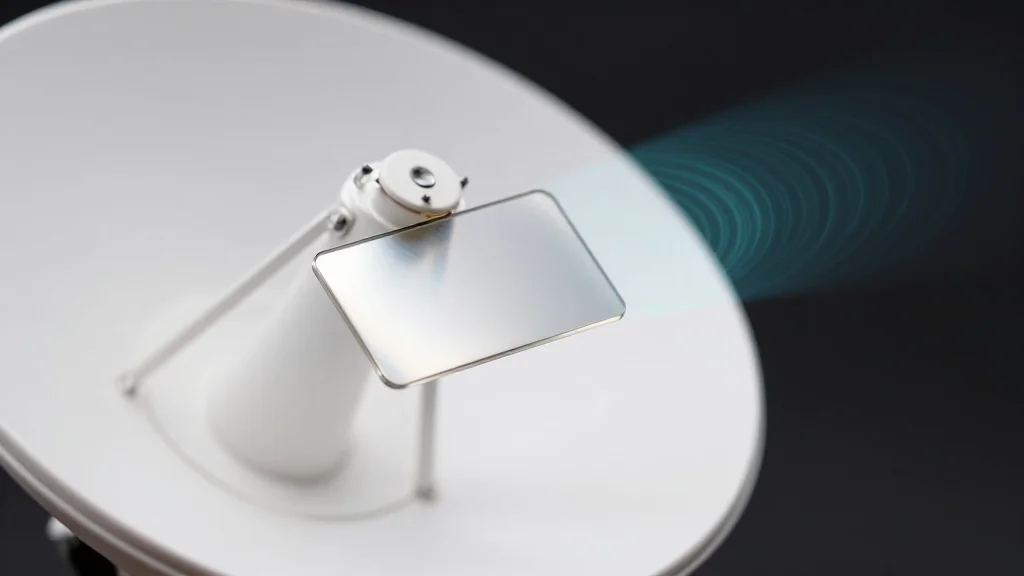
German Spin‑off Lepto Unveils 1‑µm Terahertz Filters to Lighten Satellite Payloads
Lepto GmbH, a German spin‑off from Empa, launched a one‑micrometer‑thin terahertz filter for satellite communications, promising lighter payloads and faster, more secure links. Founders Elena Mavrona and Erwin Hack say the custom‑fabricated, 3D‑printed frames enable scalable production as the company...
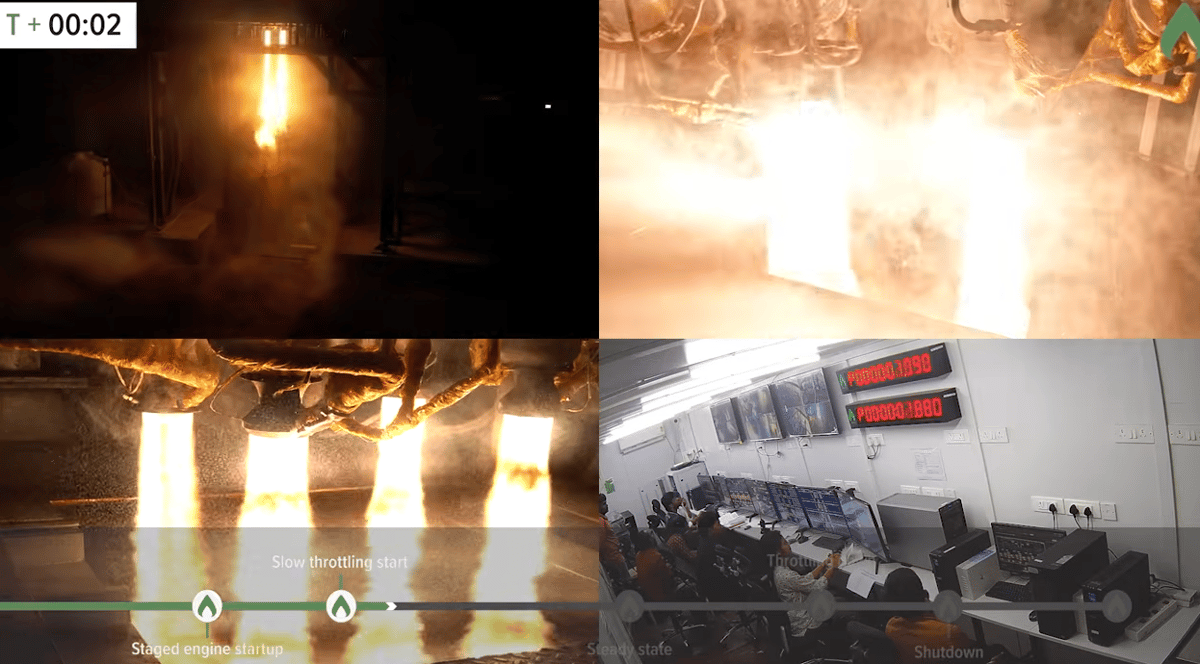
India’s First Four-Engine Cluster Firing Marks New Frontier for Agnikul Cosmos
Agnikul Cosmos, the Chennai‑based private launch firm, successfully fired four semi‑cryogenic, 3D‑printed rocket engines in a synchronized cluster—the first such test in India. The test required eight electric pumps, eight motors and eight independent speed‑control algorithms to operate in perfect...
SpaceX Files for $75 Bn IPO, Targeting $1.8 Trn Valuation as AI Push Eclipses Rocket Business
SpaceX has filed an S‑1 seeking to raise about $75 bn at a valuation near $1.8 trn. The filing shows $18.7 bn in revenue, a $2.6 bn operating loss, and a strategic shift toward AI, while its Starlink connectivity arm remains the only profit...
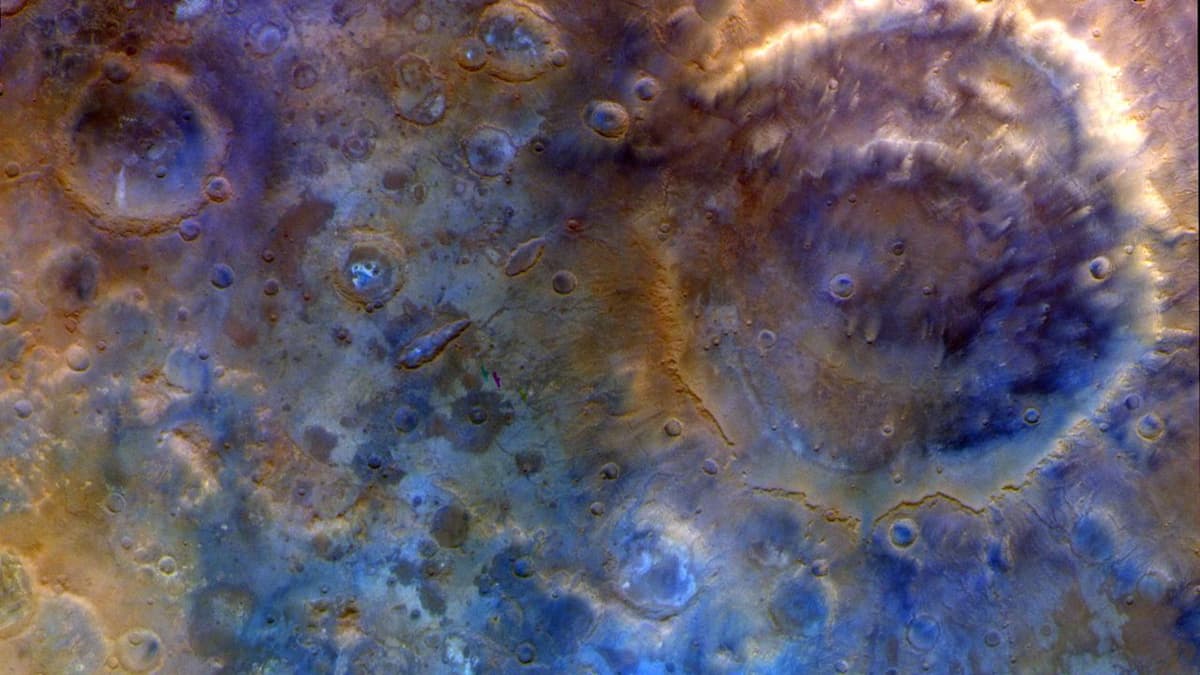
NASA Spacecraft Beams Back Blue Images of Mars on Its Way to a Metal Asteroid — Space Photo of the...
NASA’s Psyche spacecraft performed a close flyby of Mars on May 15, skimming 2,864 miles (4,609 km) above the surface and returning vivid color images of Huygens crater, the southern highlands, wind‑blown streaks and the south polar cap. The gravity‑assist maneuver added roughly...
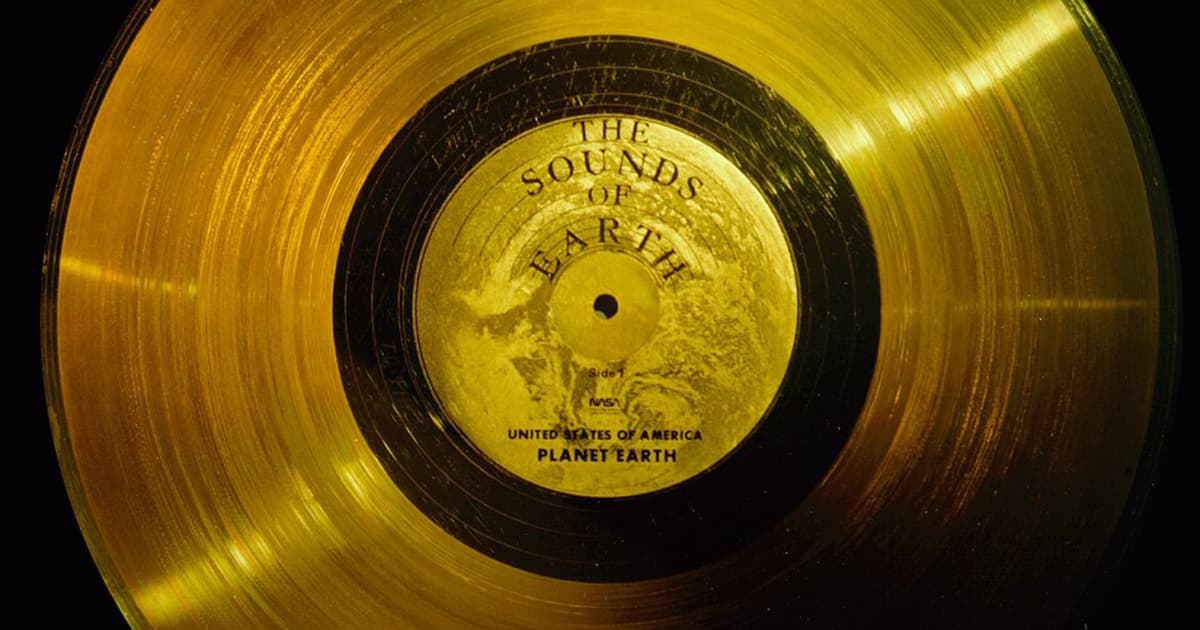
The Voyager Golden Record Carries Greetings in 55 Languages — a Deliberate Attempt to Send a Small Sample of Human...
NASA’s Jet Propulsion Laboratory turned off Voyager 1’s Low‑energy Charged Particles experiment in April 2026 to stretch the spacecraft’s dwindling power supply, signaling the final decade of active transmissions. The Voyager Golden Record, a 12‑inch gold‑plated copper disc launched in 1977, carries...

Before He Climbed the Ladder for the Last Time, the Final Astronaut to Walk on the Moon Knelt and Traced...
On December 14, 1972, Apollo 17 commander Gene Cernan knelt on the Moon and traced the letters “TDC” – the initials of his nine‑year‑old daughter Tracy – into the lunar dust. The gesture came just before he climbed the ladder for...
The Current State of GPS Following OCX with Dr. Sean Gorman, CEO of Zephr.xyz.
In this episode, Dr. Sean Gorman, CEO of Zephyr, explains the fundamentals of GNSS, the differences between GPS jamming and spoofing, and why the U.S. Space Force’s Next Generation Operational Control System (OCX) – a $6‑$7 billion ground‑segment upgrade for GPS...
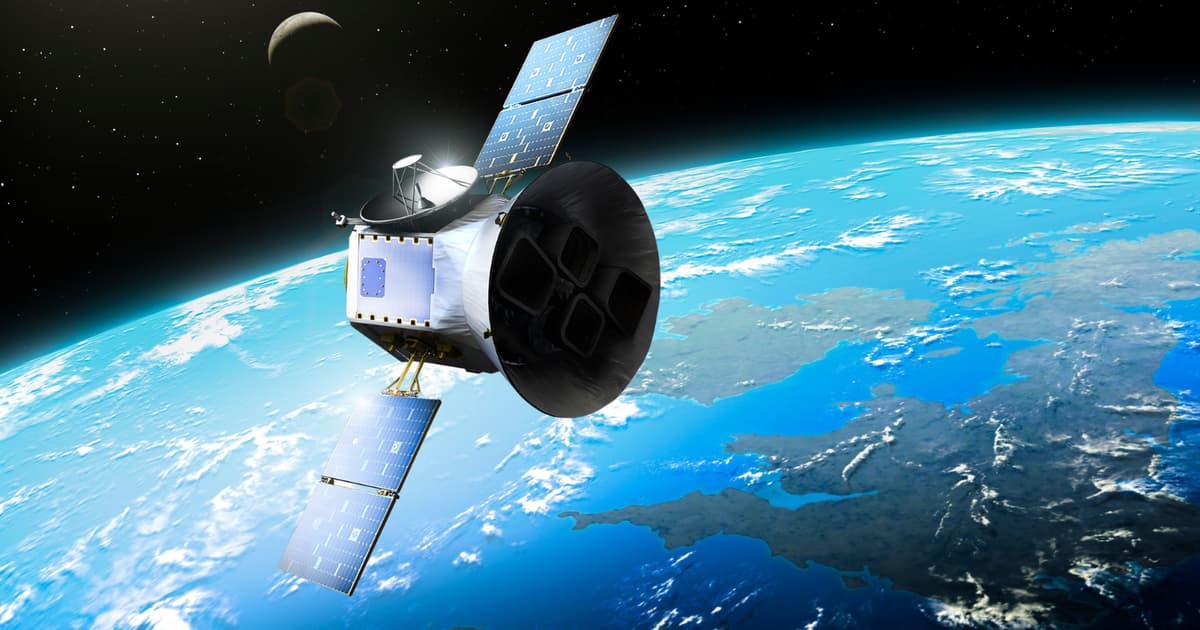
A NASA Satellite Launched in 1976 Carries a Carl Sagan–Designed Plaque Sealed Inside Its Core, Mapping Earth’s Continents 268 Million...
On 4 May 1976 NASA launched LAGEOS‑1, a 60‑cm brass‑aluminium sphere that serves as a passive laser‑ranging target for measuring Earth’s tectonic motion. Inside its core are two stainless‑steel plaques designed by Carl Sagan, each displaying three continental maps: Pangaea...

US Must Return to Moon to Counter ‘Belligerent’ China, Think Tank Warns
A new Mitchell Institute report warns that without a sustained American presence on the Moon, the United States could lose its strategic edge to a militarily‑driven Chinese space program. Beijing is advancing crewed lunar capabilities and plans an International Lunar...
Ukraine Reclaims 400 Km² After Cutting Off Russian Starlink Access
U.S. intelligence reports that Ukraine recaptured about 400 square kilometres of land after Ukrainian teams disabled thousands of illicit Starlink terminals used by Russian forces. The move disrupted Moscow’s command‑and‑control, shifting battlefield momentum in Kyiv’s favor.
Rocket Lab, AST SpaceMobile, Redwire, Honeywell, Boeing Lead Space‑Sector Trading Surge
MarketBeat’s stock screener singled out Rocket Lab, AST SpaceMobile, Redwire, Honeywell International and Boeing as the five space‑sector equities with the highest dollar trading volume over the past several days. The spotlight reflects growing investor interest in launch capabilities, satellite...

Full‑price Launches Would’ve Added $8B to SpaceX
Launching rockets would have been much more lucrative for SpaceX than Starlink, if they had paid full price for the launches: it would have been ~$8B of additional revenue for the space division last year (and over $5B of extra...

Atomic Oxygen in Low Earth Orbit Slowly Eats Spacecraft Surfaces, and the ISS Survives because Engineers Learned to Coat, Test,...
Atomic oxygen in low Earth orbit continuously erodes exposed spacecraft polymers, a problem first noticed when early satellites returned with scoured paint and brittle Kapton. NASA’s Glenn Research Center addressed the issue through the Materials International Space Station Experiment (MISSE),...
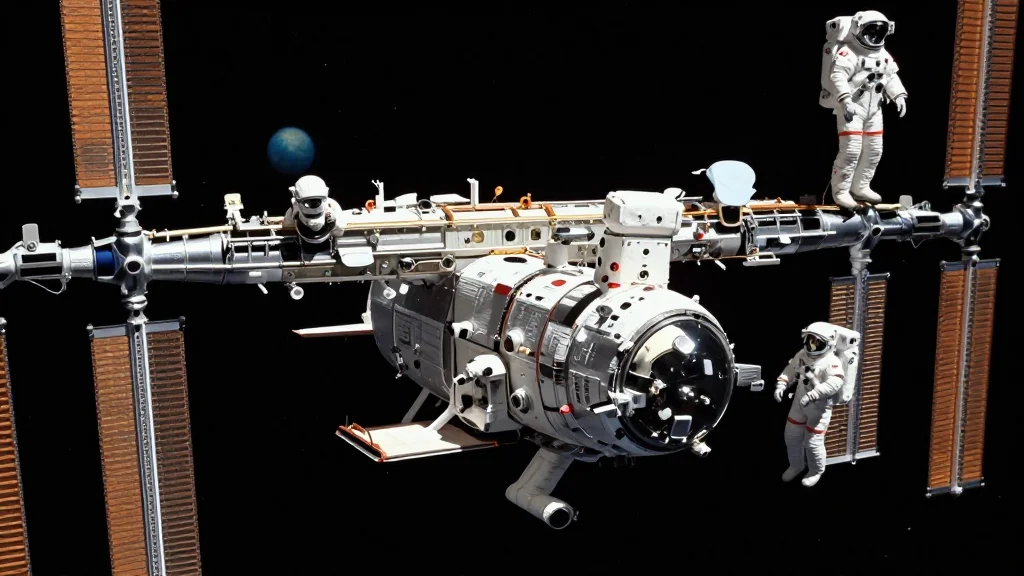
China Launches Shenzhou-23 with Hong Kong’s First Astronaut, Targeting Year‑Long Space Residency
China’s space agency will launch the Shenzhou-23 crewed mission on May 24, sending three astronauts—including Hong Kong’s first astronaut, Lai Ka‑ying—to the Tiangong space station. The flight will test a year‑long in‑orbit residency, a key milestone for China’s push toward...
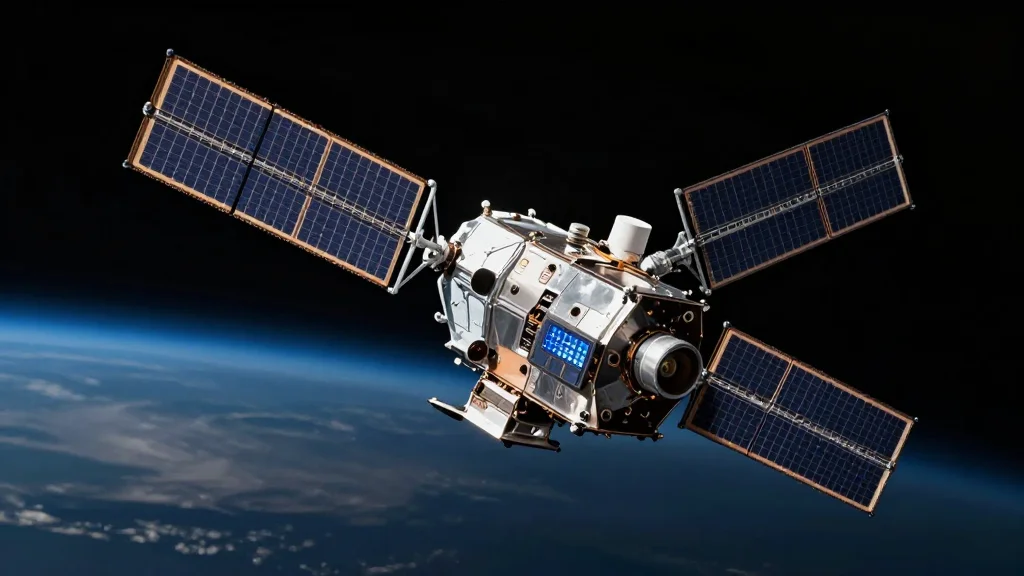
Rocket Lab Wins $90 Million U.S. Space Force Contract to Build First GEO Satellites
Rocket Lab Corp. has been awarded a $90 million contract by the U.S. Space Force’s Space Systems Command to design, manufacture, integrate and operate two geostationary satellites carrying the Heimdall space‑domain‑awareness payload. The deal launches Rocket Lab’s first GEO satellite production...
On the Space Show Twice This Week!
The Space Show is hosting two live Zoom panels to dissect SpaceX’s recent Starship/Superheavy test launch. A quick open‑lines show on Sunday, May 24, will feature the program’s board of advisors, who bring an engineering‑focused lens, while a longer session on...
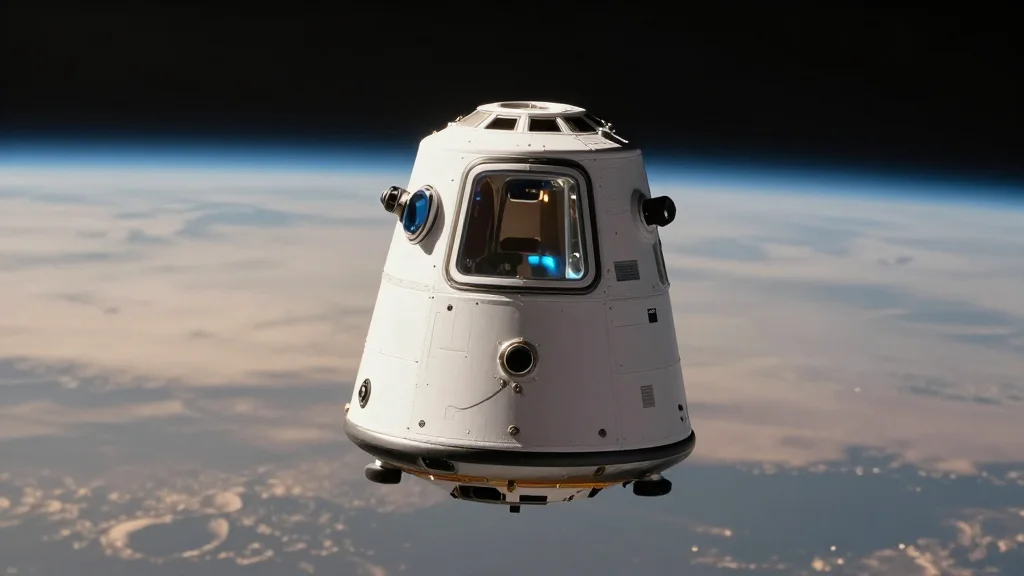
One of the Three Chinese Astronauts to Launch This Weekend Will Do a Yearlong Mission
China is set to launch the Shenzhou‑23 mission this weekend with three astronauts—Zhu Yangzhu, Zhang Zhiyuan and Li Jiaying. One crew member will be selected in orbit for a year‑long stay on the Tiangong‑3 space station, marking the nation’s first...
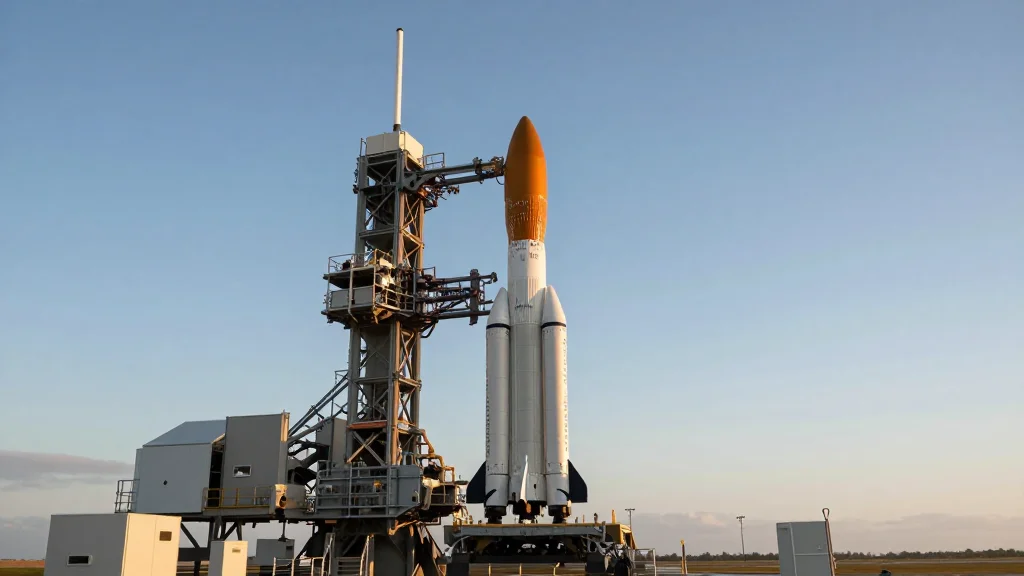
FAA Clears Blue Origin’s New Glenn for Flights After April Upper‑Stage Failure
The Federal Aviation Administration cleared Blue Origin’s New Glenn for further flights on Friday, ending a month‑long grounding caused by an off‑nominal thermal event in the rocket’s upper stage that burned up an AST SpaceMobile satellite. The clearance lets Bezos’s company...
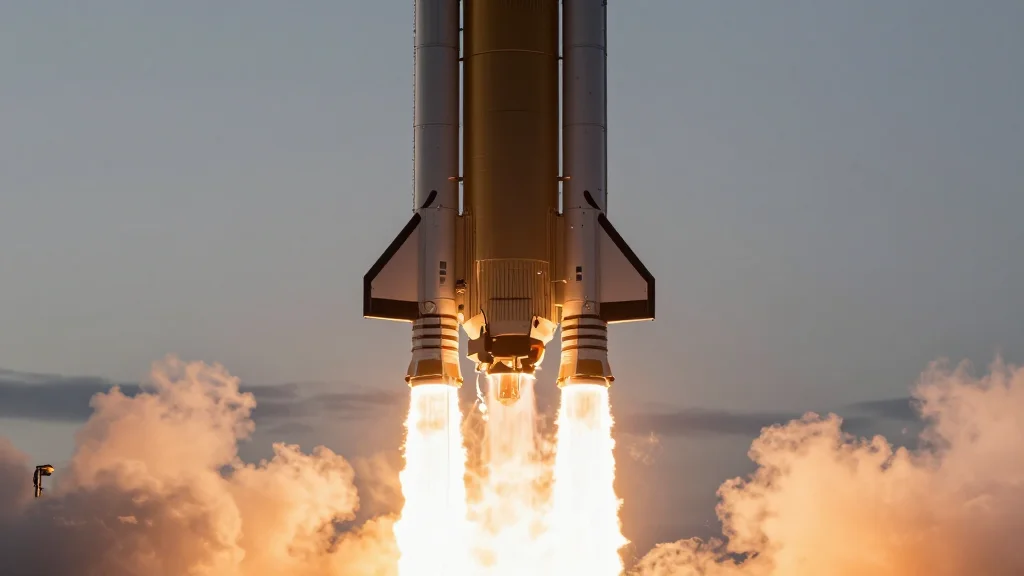
First Version‑3 Starship Launches with Raptor 3 Engines
Starship 12 recap: flight 12, with Super Heavy booster 19 and Ship 39, was launched on May 22 at 2230:20 UTC. It was the first version 3 Starship, with Raptor 3 engines. [1/n]
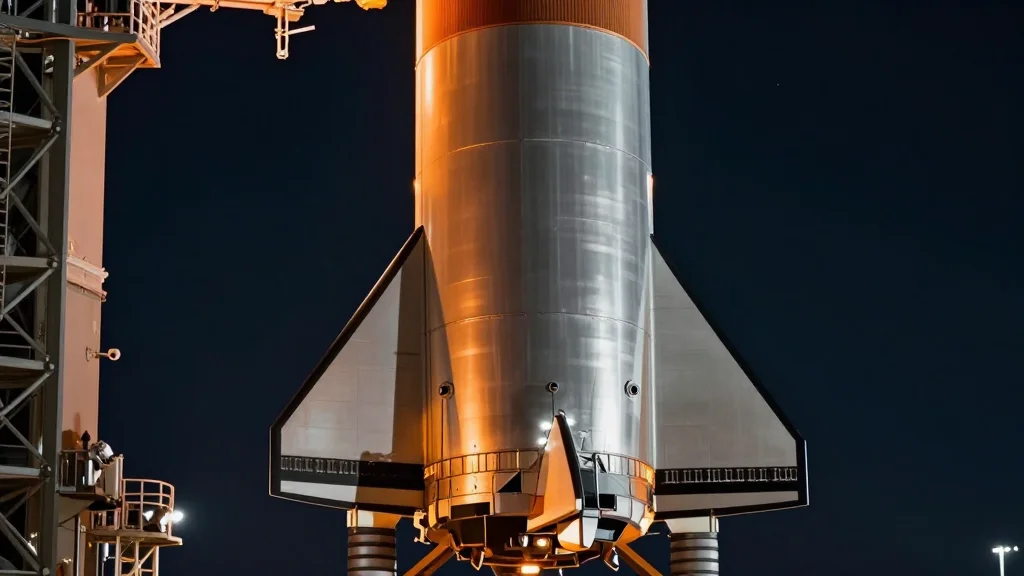
SpaceX Starship 12 Orbits Earth, Ends in Planned Fireball Splashdown in Indian Ocean
SpaceX launched Starship 12 from Texas on May 23, 2026, sending 20 mock Starlink satellites into orbit before the vehicle re‑entered over the Indian Ocean and ignited in a planned fireball splashdown. The flight, despite engine hiccups, demonstrated upgraded grid fins...
NASA Launches Agency‑Wide Reorganization to Slash Bureaucracy and Speed Missions
NASA announced a sweeping agency‑wide restructuring designed to trim bureaucracy and accelerate mission delivery. The plan includes opening a competition for the Jet Propulsion Laboratory’s management and aims to free resources lost to past cancellations and overruns.

China’s Chang’e-7 Mission to Survey Moon’s South Pole Ahead of Planned Crewed Landing
China’s space agency announced that the Chang’e‑7 lunar mission will launch in the second half of 2026, targeting the Moon’s south pole to study terrain, environment and resource distribution. The probe will employ a multi‑component architecture that includes orbiting, landing,...
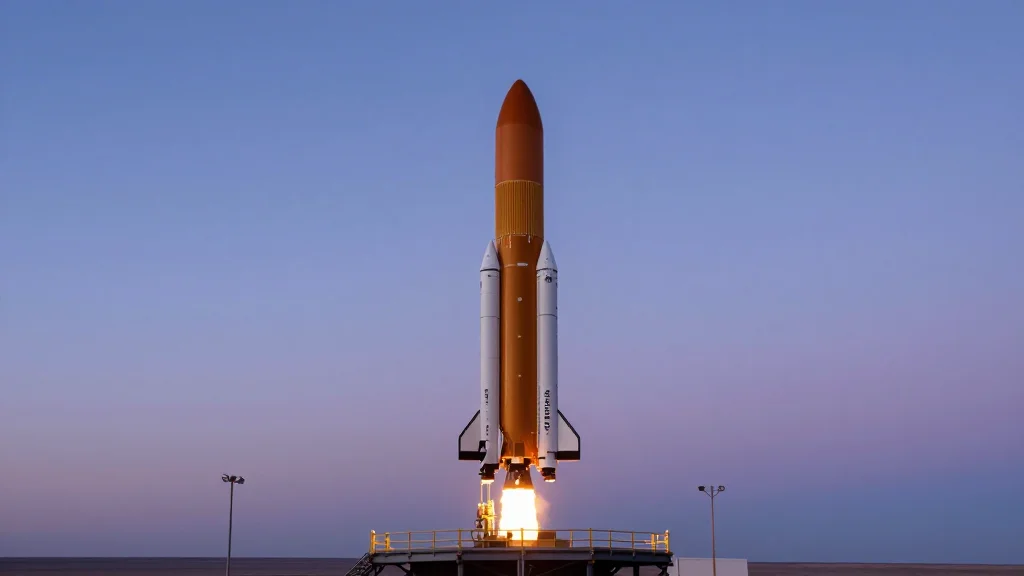
SpaceX’s Starship V3 Completes Inaugural Flight, Achieves Controlled Splashdown
SpaceX lifted off its upgraded Starship V3 from Starbase, Texas, at 6:30 p.m. EDT, deployed a test payload and, after more than an hour in space, executed a controlled vertical splashdown. The flight demonstrated the new Raptor 3 engines and hot‑stage system...
SpaceX Scrubs Starship V3 Launch, Then Flies Test Flight to Indian Ocean
SpaceX delayed Thursday’s Starship V3 launch after last‑minute pad problems, but the rocket lifted off on May 23, 2026, from Texas, carrying 20 mock Starlink satellites and reaching the Indian Ocean. The flight, the 12th test of the vehicle, highlighted...