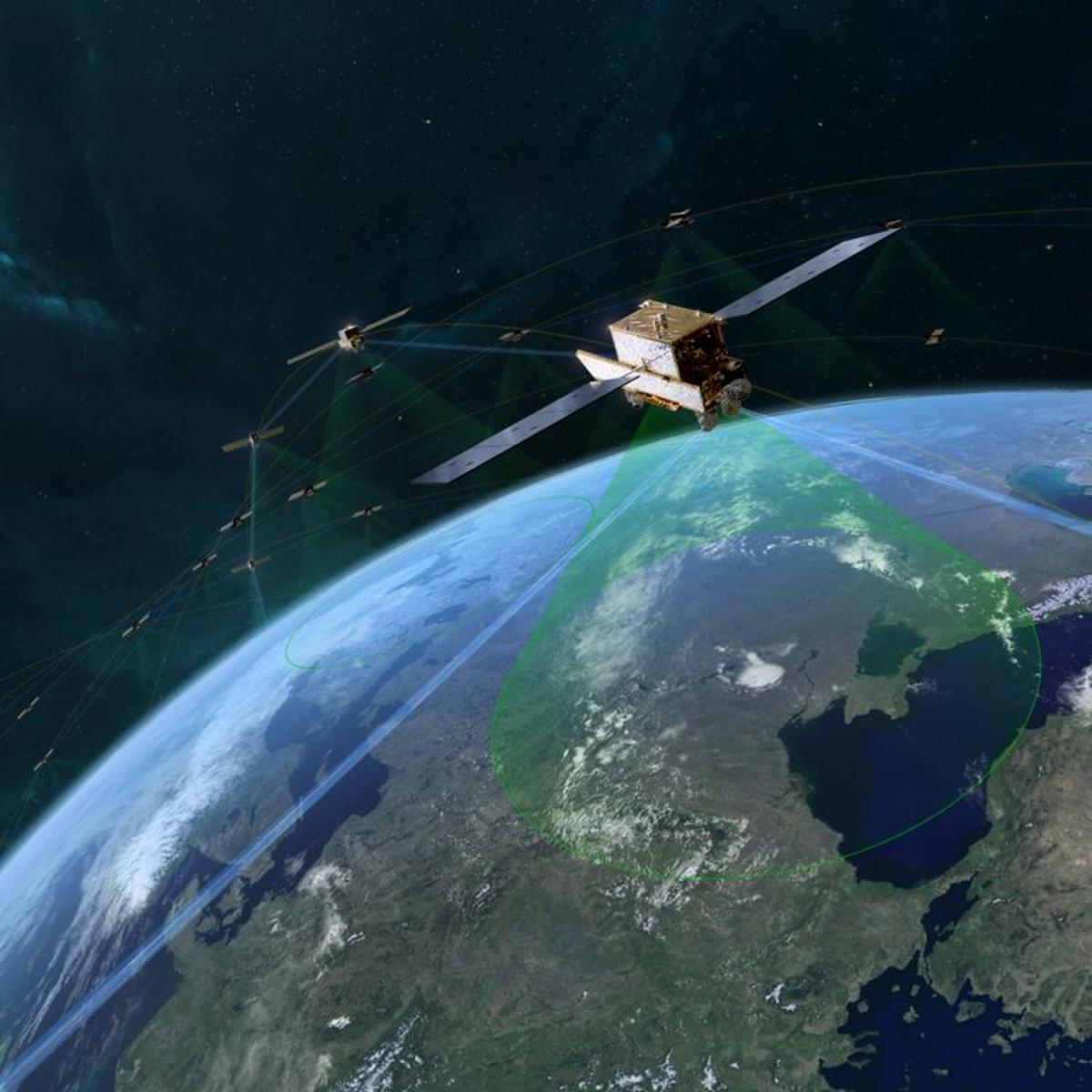
USSF Gives SpaceX $2.29 Billion for ‘Backbone’ of New Data Network
The U.S. Space Force’s Space Data Network (SDN) will serve as a low‑Earth‑orbit backbone for joint‑force data transport. Space Systems Command awarded SpaceX a $2.29 billion contract to build the SDN backbone, using its militarized Starshield satellites derived from Starlink. The contract requires a fully operational prototype by the end of 2027, with 13 satellites planned for 2026 and 21 for 2027. The award emphasizes competition and rapid prototyping to expand the U.S. industrial base while delivering resilient, high‑capacity communications.
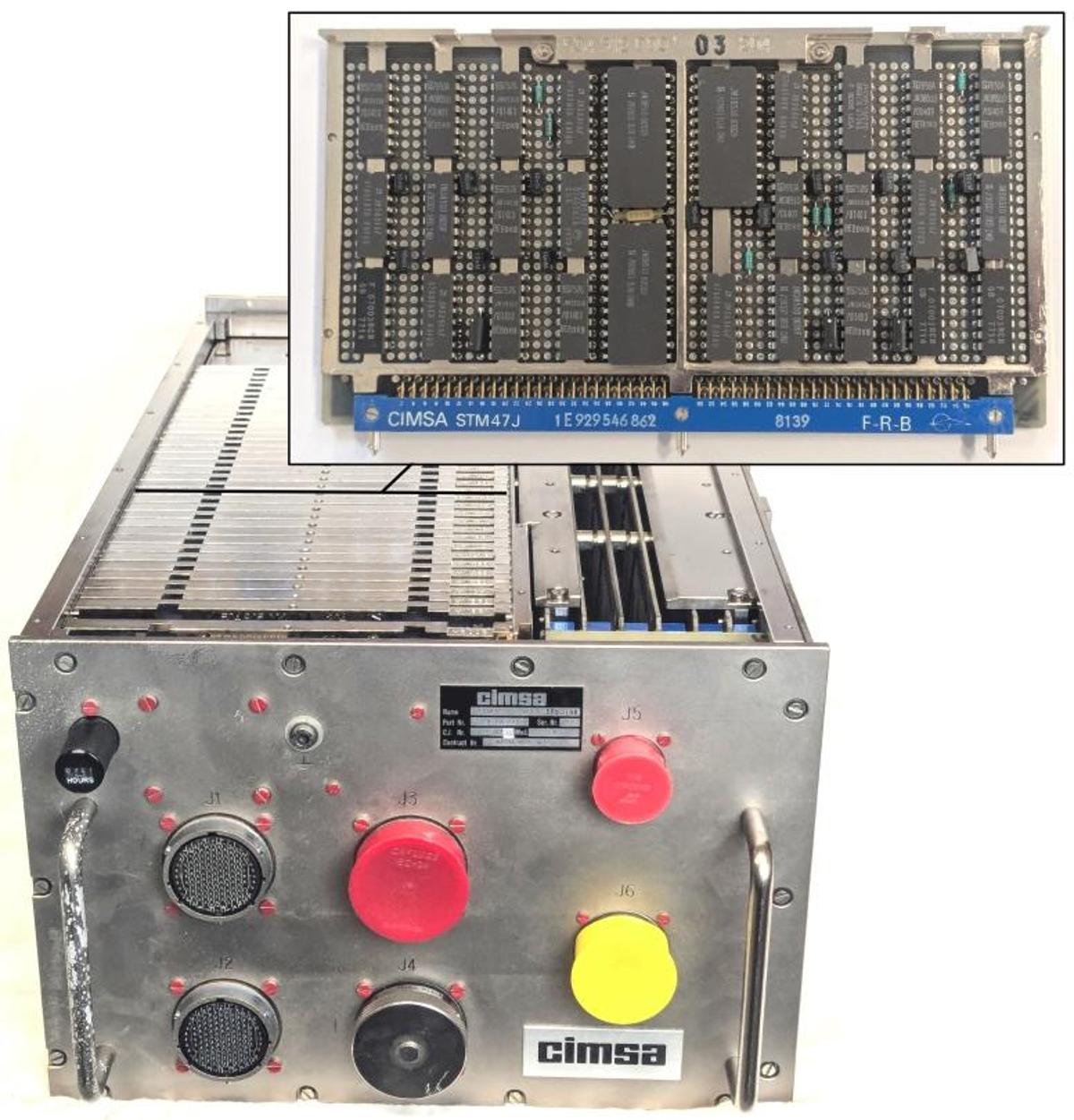
France's Forgotten Spacelab Computer Reveals Industry's Rise and Fall
Mighty Ken reverse-engineered my French minicomputer designed to control ESA's reusable Spacelab. It flew on 22 Shuttle missions (1983 - 1998) with astronauts like Owen Garriott and Cady Coleman. Spacelab was Europe's first space station, and so it was to...
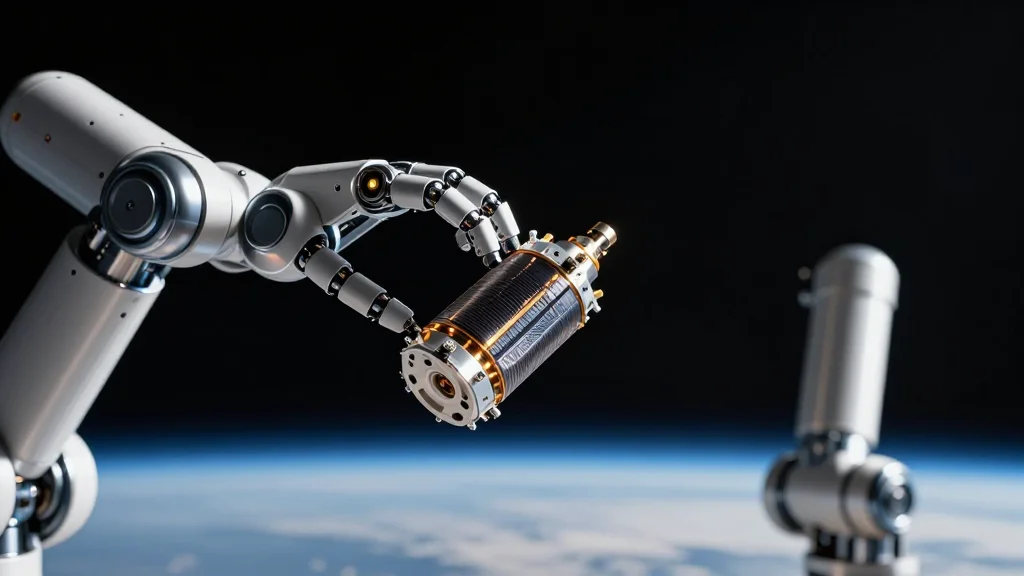
DARPA's Robotic Servicing Satellite Set for 2026 Launch
DARPA confirmed that its Robotic Servicing of Geosynchronous Satellites (RSGS) demonstrator will launch as early as summer 2026. The mission will test a highly dexterous robotic suite that can refuel, repair, and relocate GEO satellites, addressing fuel limits and space‑debris...
Author Correction: Satellite Megaconstellations Will Threaten Space-Based Astronomy
Nature published a correction to its December 2025 study on satellite megaconstellations, revealing that the original analysis used an incorrect Earth‑limb angle for the ARRAKIHS space telescope. The corrected minimum limb angle of 55.7° reduces the projected average satellite trails per...
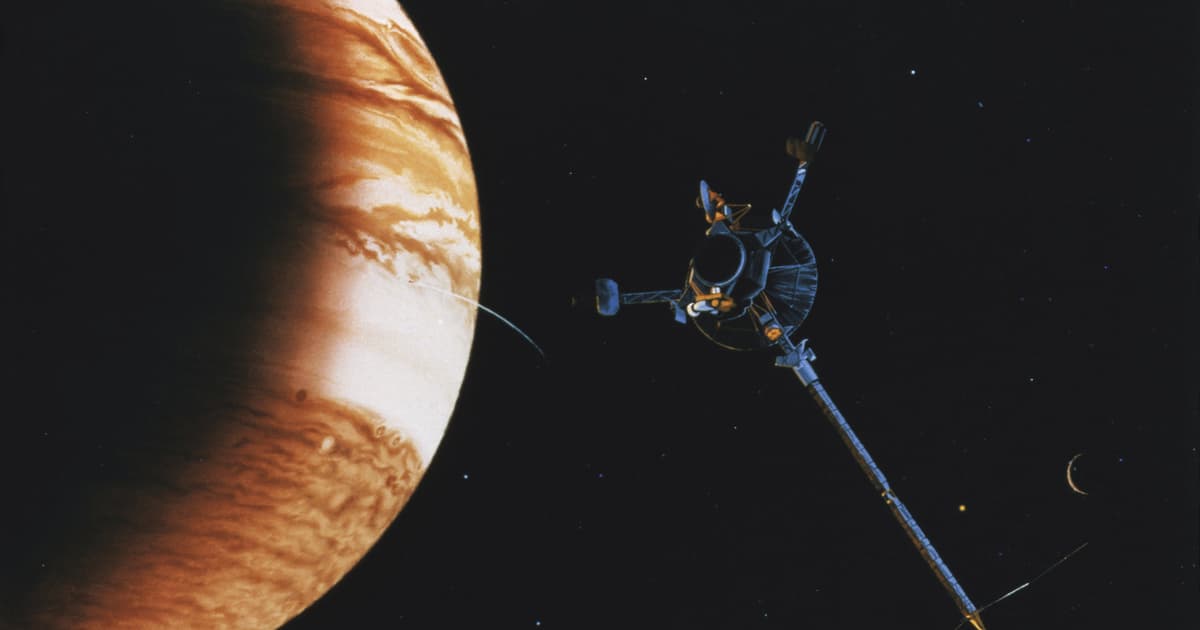
When the Galileo Spacecraft’s Main Antenna Failed to Unfurl on the Way to Jupiter, Engineers Salvaged the Mission by Rewriting...
NASA’s Galileo probe lost its 4.8‑metre high‑gain antenna in 1991, threatening the mission’s data return. Engineers responded by rewriting spacecraft software, adding aggressive data compression, and re‑architecting the Deep Space Network to combine multiple dishes. The low‑gain antenna, originally meant...
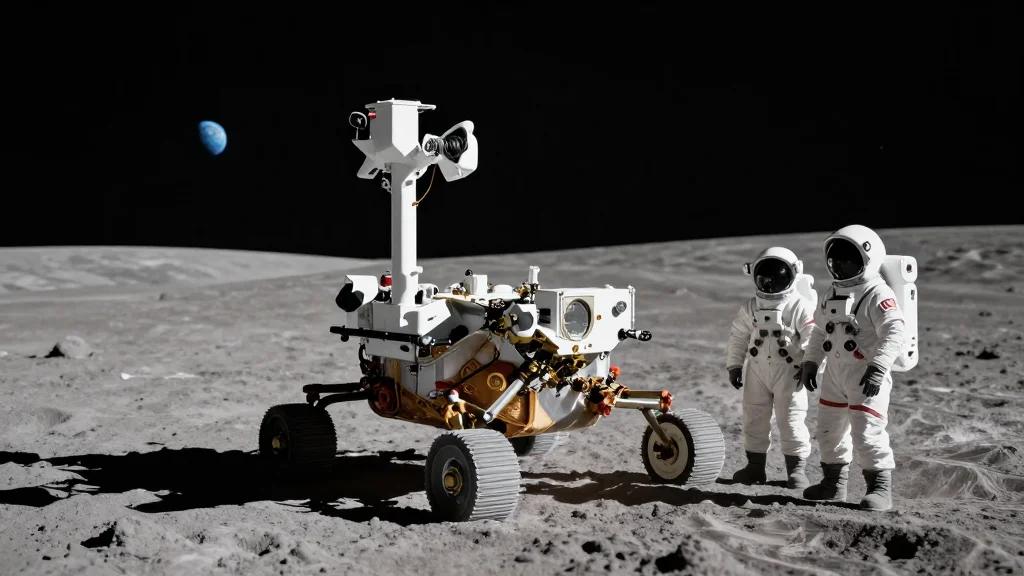
NASA’s Moon Base Plan Adds Two Rovers for Its Astronauts
NASA has awarded contracts worth about $220 million each to Lunar Outpost and Venturi Astrolab to build next‑generation lunar terrain vehicles (LTVs). The two rovers, each about one metric ton, will transport two astronauts and can navigate 20‑degree slopes, with autonomous...
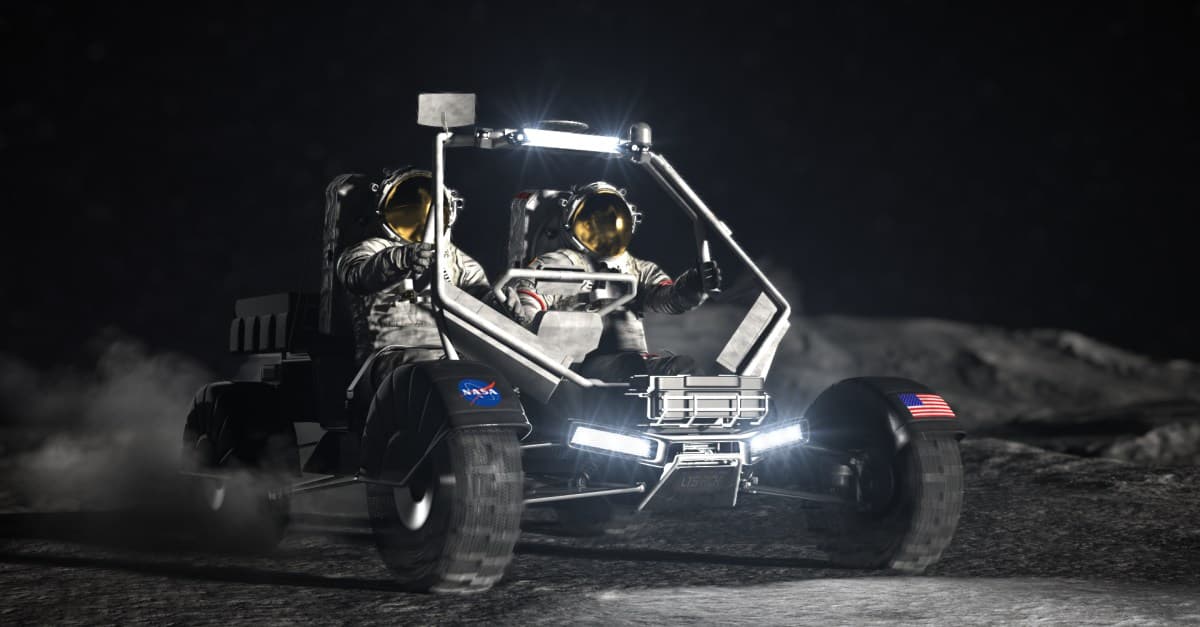
NASA’s Permanent Moon Base Plans Start with Three Missions This Year
NASA unveiled a trio of lunar missions slated for 2026‑27 that lay the groundwork for a permanent Moon base and the Artemis crewed landing in 2028. Moon Base I will launch in fall 2026 on Blue Origin’s Blue Moon Mark 1...
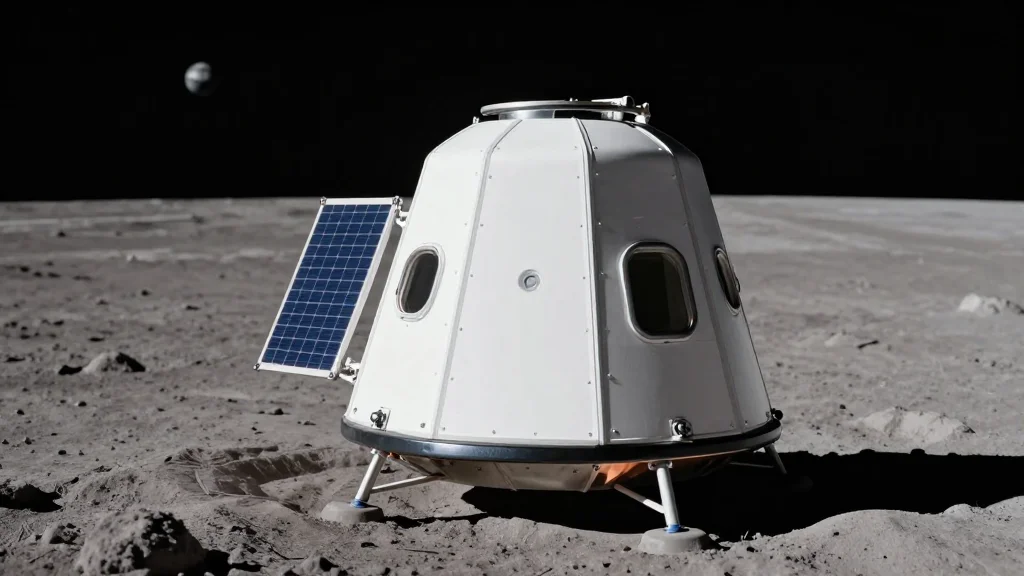
NASA Picks Blue Origin to Deliver Lunar Rovers to the Moon
NASA has awarded Blue Origin a minimum $188 million contract to deliver the first lunar terrain vehicles to the Moon’s South Pole. The agency also granted $219 million to Astrolab and $220 million to Lunar Outpost to build the rovers that Blue Origin...
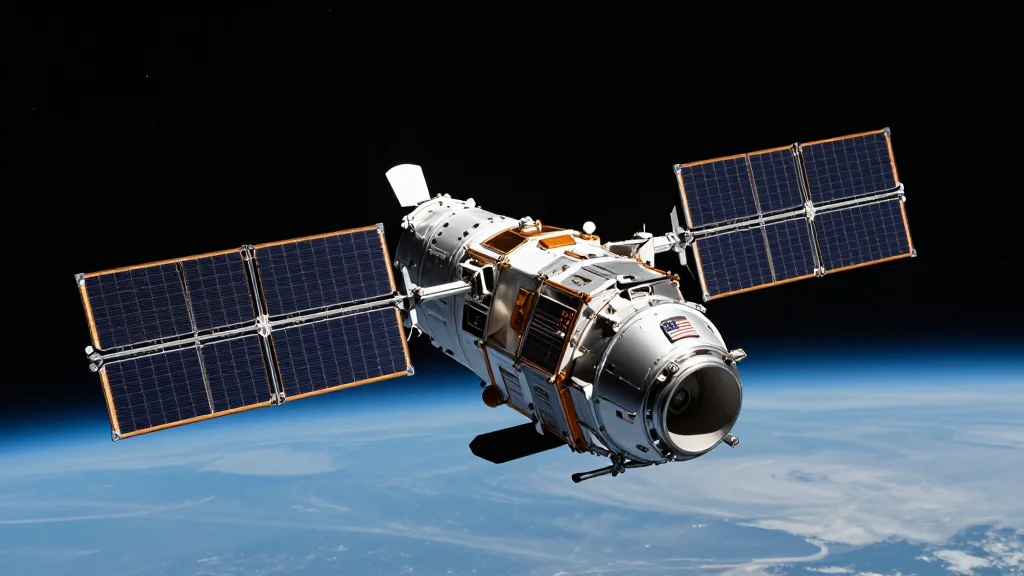
SpaceX Just Won a $2 Billion Contract to Make Satellites for the Space Force
SpaceX has been awarded a $2.29 billion fixed‑price contract by the U.S. Space Force to build satellites for its Space Data Network Backbone. The program envisions a low‑Earth‑orbit constellation that could number in the hundreds or thousands, delivering high‑speed communications to...
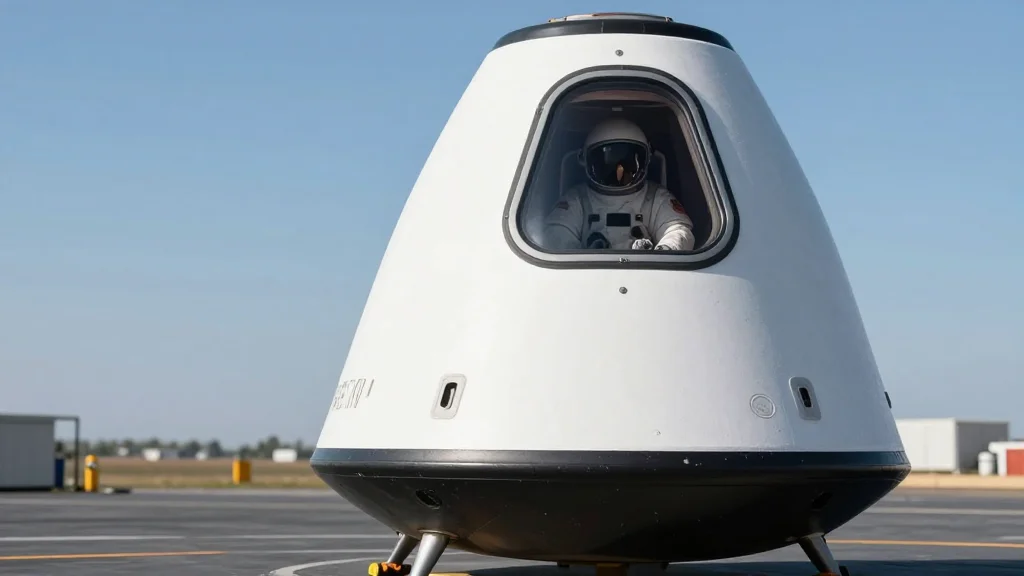
NASA to Announce Artemis III Crew, Provide Mission Progress Update
NASA will host a live event on June 9 at 11 a.m. EDT from Johnson Space Center to announce the four astronauts selected for the Artemis III test flight. The announcement will be streamed on NASA+ and YouTube, with limited in‑person and virtual...
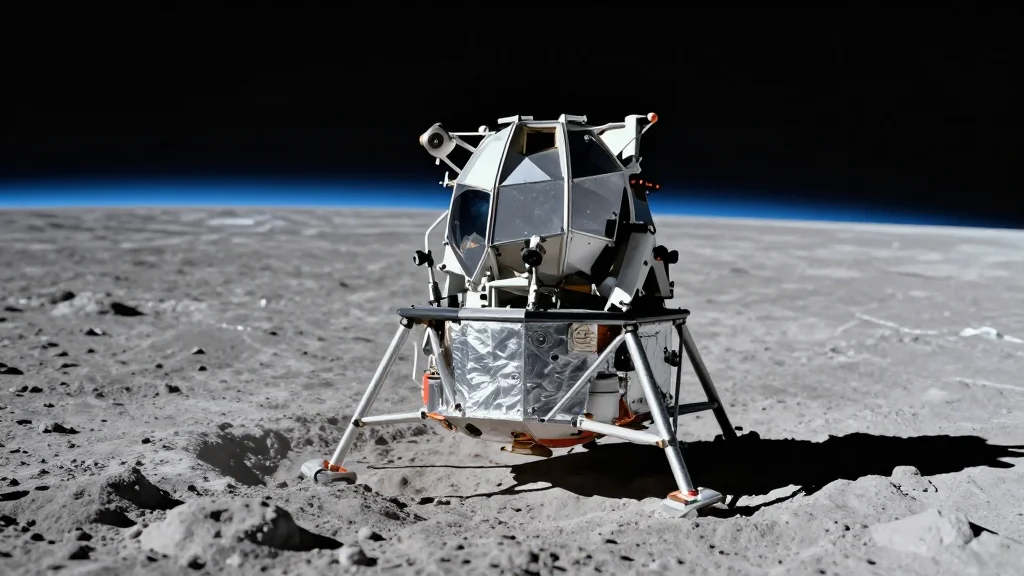
NASA Outlines New Program of Unmanned Missions to Moon
NASA unveiled an aggressive, unmanned lunar program designed to lay the groundwork for a future crewed base. The plan calls for up to 25 landings by 2029, beginning with four missions this year and adding new contracts for Blue Origin,...

NASA Takes Steps Toward Building Moon Base, Including Discussing a "Perimeter"
NASA announced contracts to build two one‑ton lunar rovers—Astrolab’s CLV‑1 and Lunar Outpost’s Pegasus—each funded with roughly $219 million and $220 million respectively, slated for delivery by 2028. Blue Origin secured a $280.4 million award to launch the rovers on its Blue Moon...
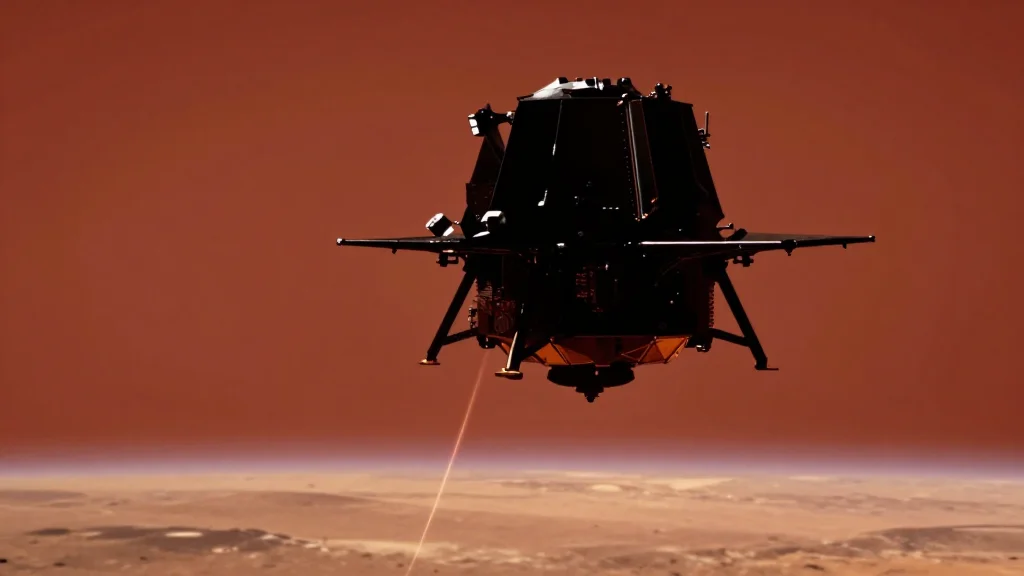
In 1999, NASA Lost a $125 Million Mars Spacecraft because of a Metric-versus-Imperial Mix-Up — the Kind of Conversion Mistake...
In December 1998 NASA launched the $125 million Mars Climate Orbiter to study Martian weather and support the Polar Lander. On 23 September 1999 the probe entered Mars orbit but a unit‑conversion error in navigation software dropped its trajectory 170 km lower than planned,...
Nasa Unveils Next Steps to Build Permanent Moon Base
NASA unveiled the next phase of its Ignition Moon Base program, outlining a roadmap that includes robotic landers, hopping drones, and crew transport vehicles to establish a permanent lunar outpost by 2032. The agency awarded contracts to Blue Origin, Intuitive...
Investors Flock to SpaceX IPO as Starlink Valuation Rockets Toward $1.75 Trillion
SpaceX filed its S‑1 this week, seeking a $1.75 trillion valuation that would make it the largest U.S. IPO ever. The filing highlights Starlink’s expanding broadband footprint, a $28.5 trillion addressable market and a $90 billion stake held by Antonio Gracias. Investors are...
NASA Selects Lunar Outpost to Deliver Next-Gen Crewed Lunar Terrain Vehicle for Artemis Astronauts and Moon Base
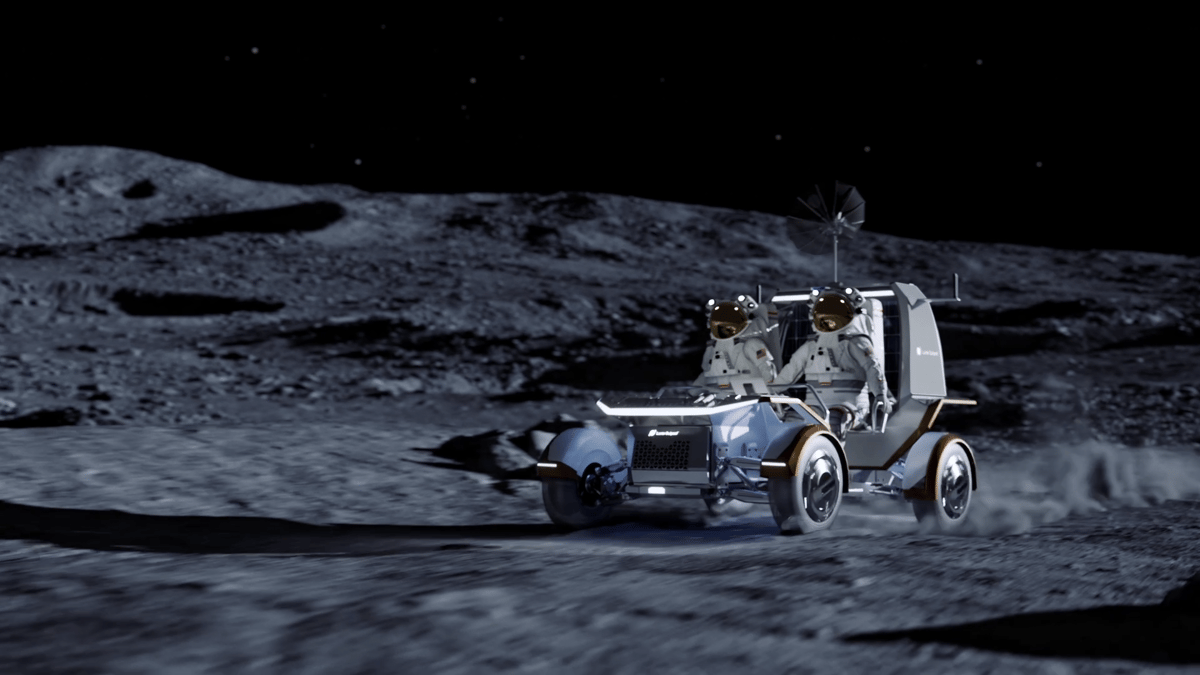
NASA has chosen Lunar Outpost’s Pegasus Lunar Terrain Vehicle as one of two providers under its High Achievability Mission task order, part of the Lunar Terrain Vehicle Services contract. The two‑seat, autonomous‑capable rover will support Artemis crews at the Moon’s...
Op-Ed: Commercial Demand in LEO Is Lacking. The Government Can Help.
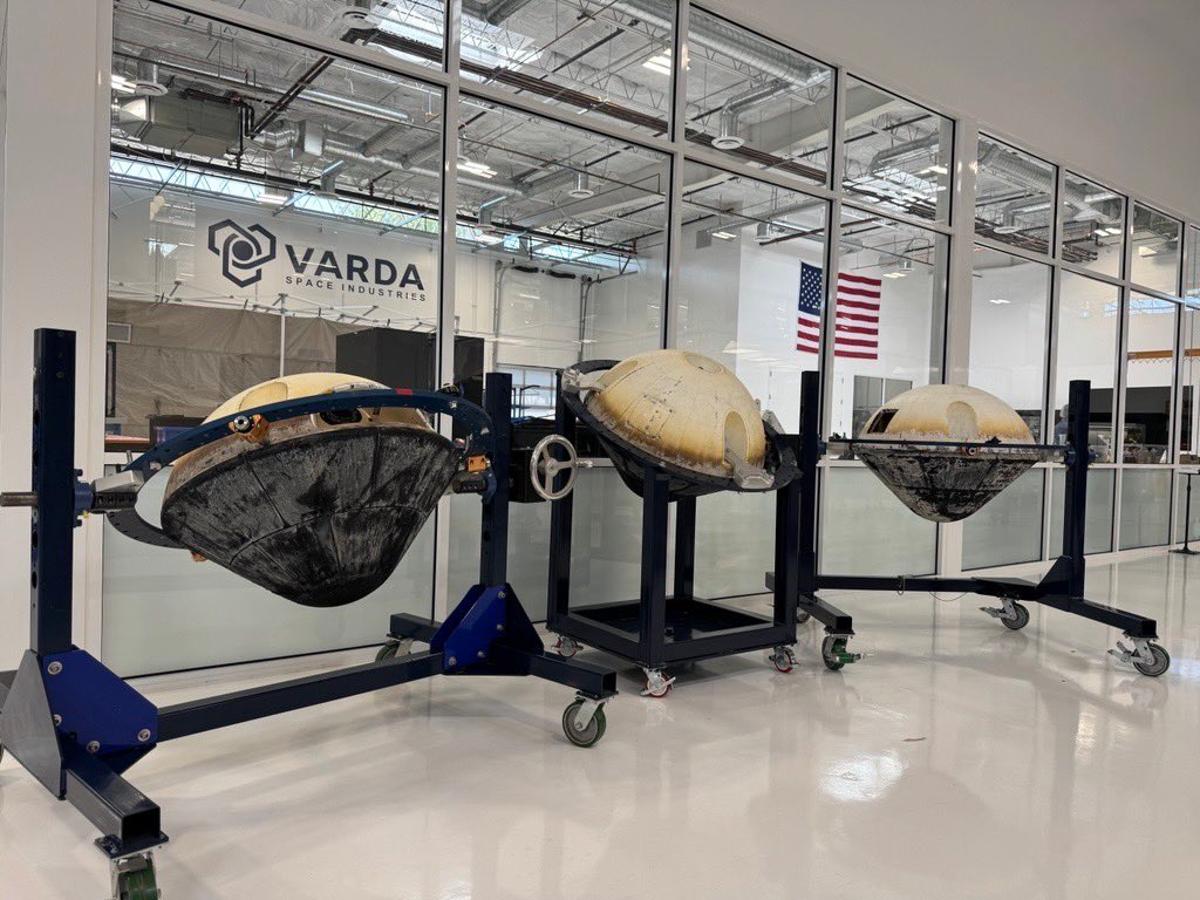
The op‑ed warns that commercial demand for low‑Earth‑orbit (LEO) activities remains weak, prompting NASA to retreat from fully funding free‑flying stations and instead finance a modest core module. Without a clear market for in‑space manufacturing, especially in biotech, the United...
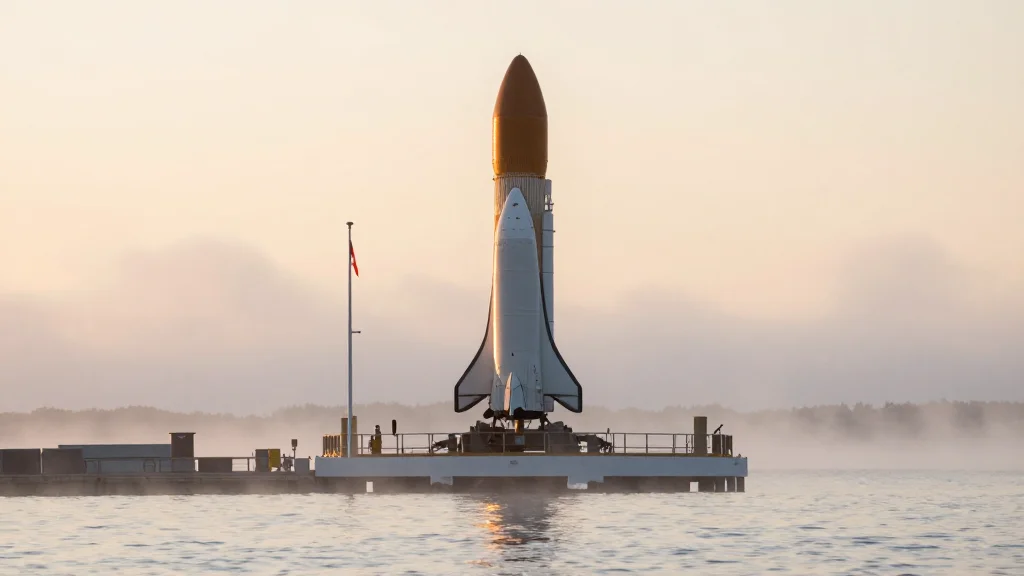
Maritime Launch Services Reports Q1 2026 Results, Anchored by $200M DND Spaceport Lease, Announces New Orbital Launch Agreement
Maritime Launch Services (MLS) posted its Q1 2026 results, marking its first revenue‑generating quarter after a landmark 10‑year lease with Canada’s Department of National Defence. The lease delivered a $200 million CAD ($148 million USD) payment, accounting for $921,649 CAD ($682 k USD) of the $946,603 CAD ($700 k USD) total...
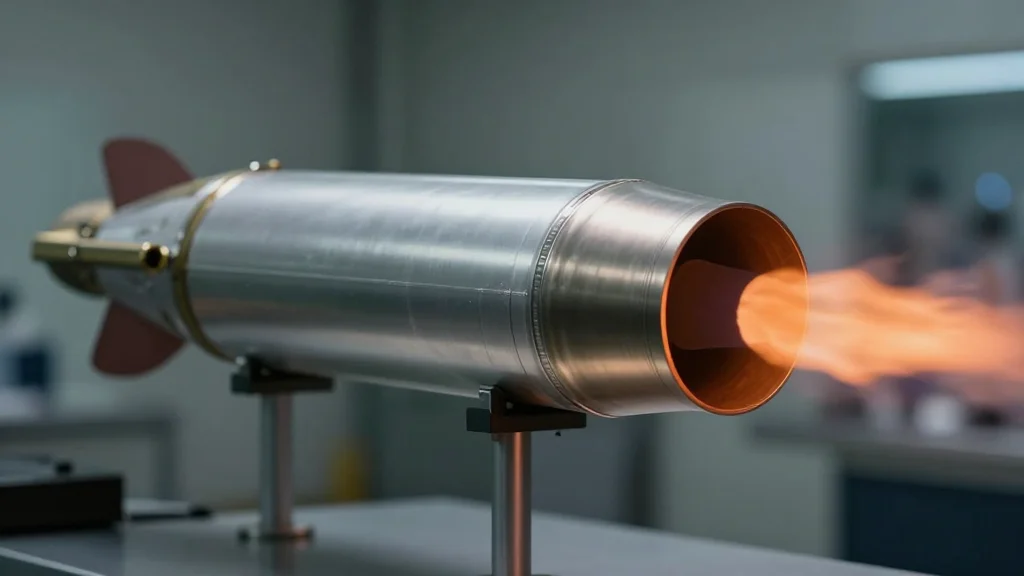
Voyager Wins $16.5 Million DARPA Contract to Give Solid-Fueled Rockets Variable Thrust
Voyager Technologies secured a $16.5 million contract from DARPA to develop variable‑thrust capability for solid‑fuel rocket motors. Over a 20‑month period the startup will create proof‑of‑concept hot‑fire tests, integrate structural health monitoring, and design scalable manufacturing processes. The effort targets all...
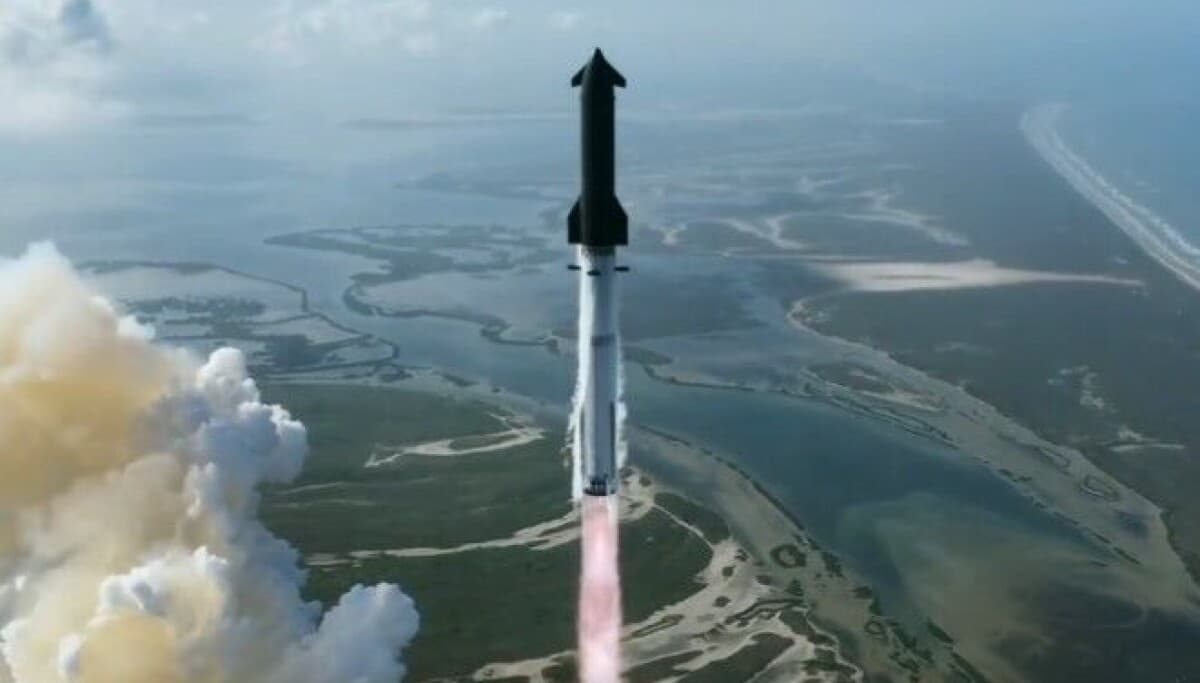
Starship Shows It Can Deploy Satellites, but Moon Mission Clock Still Ticks
SpaceX’s 12th Starship test lifted off on May 22, igniting all 33 Super Heavy Raptor 3 engines and deploying 20 Starlink simulators plus two modified satellites. A booster engine shutdown and a hot‑staging anomaly caused the Super Heavy to tumble and...
Brussels Plans to Ringfence Two-Thirds of EU Mobile-Satellite Spectrum for European Firms
The European Commission plans to allocate two‑thirds of the 2 GHz mobile‑satellite services (MSS) band exclusively to EU‑registered operators. This leaves US‑based Starlink and Amazon’s Project Kuiper able to compete for only the remaining one‑third of the spectrum. The reserved portion...

SpaceX’s Starship V3 Reaches Key Milestones Despite Booster Loss
SpaceX successfully flew the latest Starship‑Super Heavy configuration, dubbed Version 3, on May 22, completing a full suborbital trajectory and hitting all pre‑flight objectives. The vehicle’s first‑stage booster detached prematurely and was lost, but the Starship upper stage continued on schedule, executing...
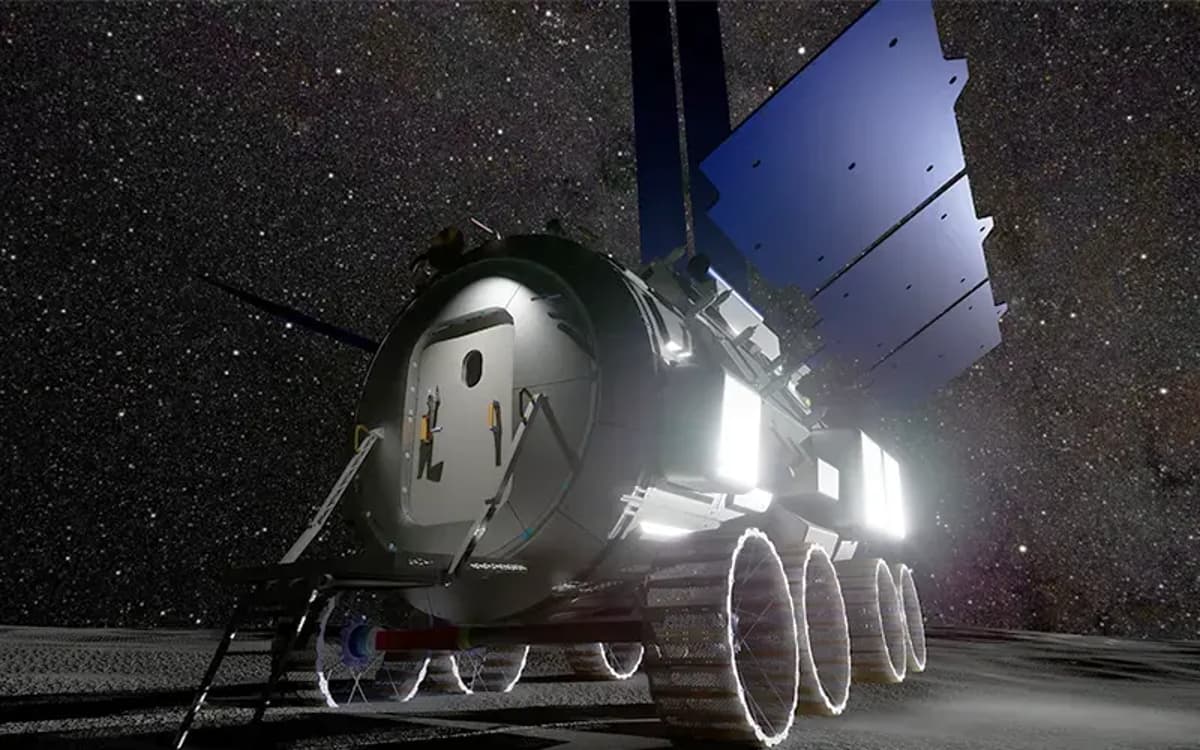
Italy’s Lunar Habitat Clears NASA System Requirements Review
The Italian Space Agency’s Multi‑Purpose Habitation (MPH) module passed NASA’s combined System Definition and System Requirements Review on 19 May 2026, clearing the way for a Preliminary Design Review in 2027. The first module is slated for launch in 2033, aligning with...
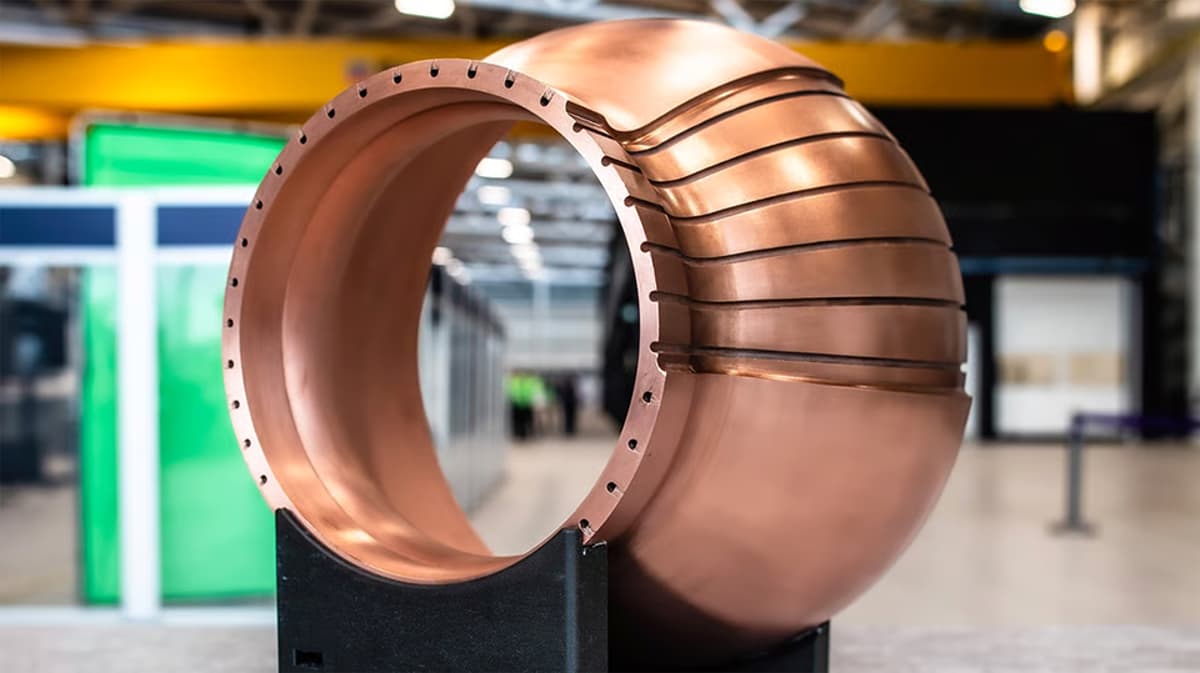
Pioneering High-Pressure Cold Spray Transforms Manufacturing of Complex Copper Rocket Nozzles
Engineers at Scotland's National Manufacturing Institute have demonstrated a high‑pressure cold spray process that builds large copper rocket nozzles layer by layer. The solid‑state method deposits up to 10 kg of copper per hour, eliminating melting‑related distortion and cutting lead times...

$11.4 Billion and Zero Churn: What SpaceX Said About Starlink’s Travel Industry Grip
SpaceX’s IPO prospectus shows Starlink generated $11.4 billion in 2025 revenue and has experienced zero churn among major airline and cruise customers since 2023. The service now powers carriers such as United, Southwest, British Airways, Lufthansa, Carnival and Royal Caribbean, delivering...

SmallSat Europe Speaker Focus: Daniele Dallari, PLD Space
PLD Space announced it raised a total of €210 million ($227 million) in 2026, yet it has not completed an orbital launch. The Spanish startup is preparing its two‑stage Miura 5 vehicle, capable of delivering up to 1,040 kg to low‑Earth orbit, with a...

SmallSat Europe Speaker Focus: Dr. Giuseppe Borghi, European Space Agency Φ-Lab
Dr. Giuseppe Borghi, who has led ESA’s Φ‑lab since 2020, is steering the agency’s open‑innovation hub toward AI‑driven Earth observation. The lab’s portfolio now spans geospatial foundation models, onboard AI, quantum computing and virtual‑reality tools that turn raw Sentinel‑2 imagery...
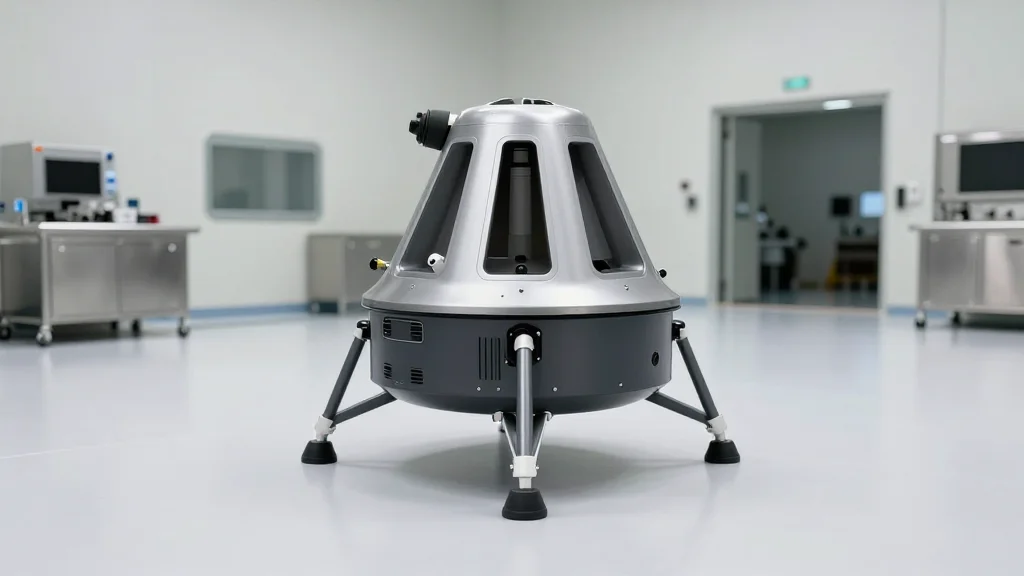
Firefly Aerospace Doubles Texas Campus to Accelerate Lunar Landers and Orbital Vehicles
Firefly Aerospace announced a near‑doubling of its Cedar Park, Texas campus to roughly 144,000 square feet, including a cleanroom four times larger than its previous one. The expansion is aimed at moving from single‑unit builds to a repeatable production line...
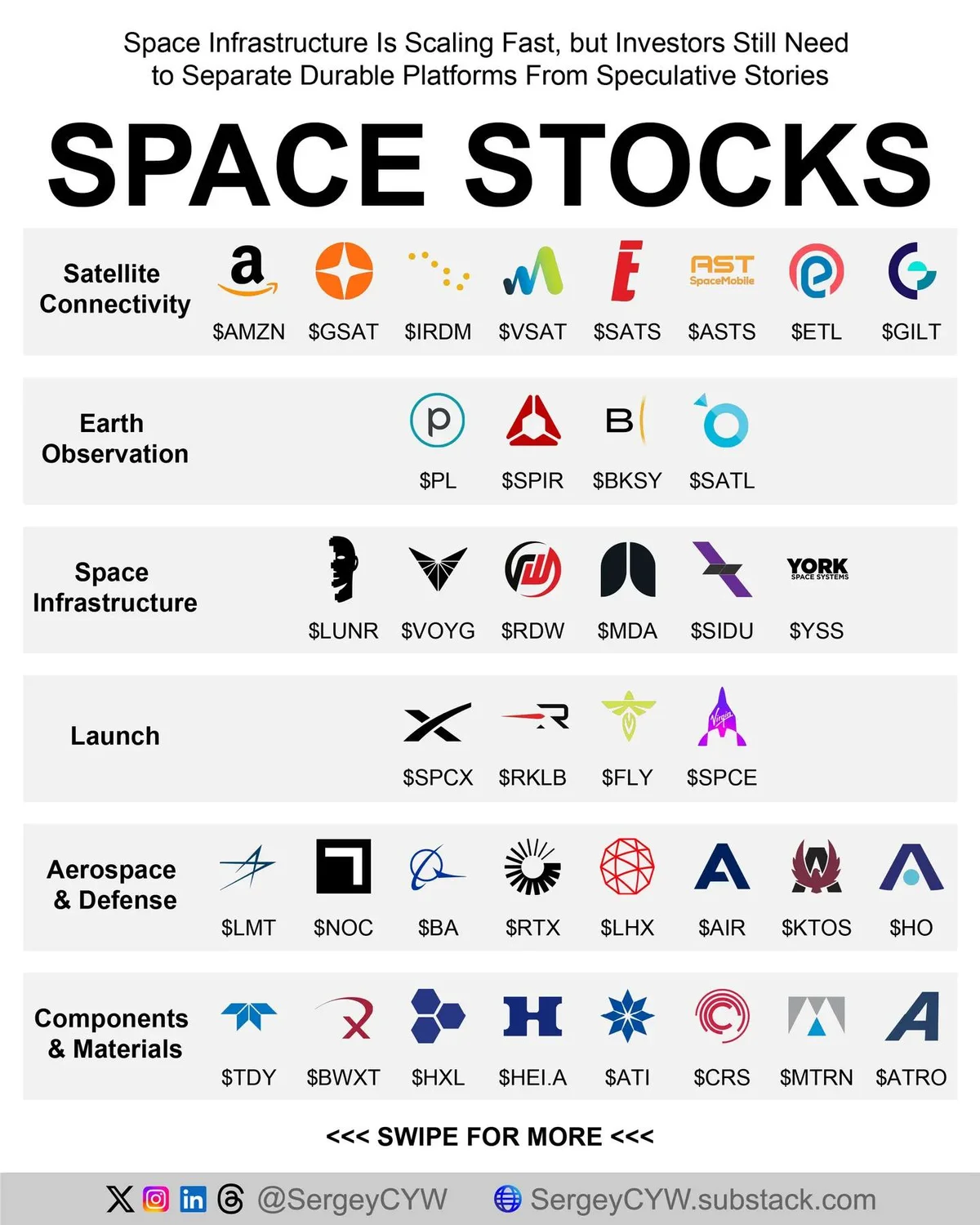
Space Infrastructure Booms; Investors Must Spot Real Value
Space Infrastructure Is Scaling Fast. But Investors Still Need to Separate Durable Platforms From Speculative Stories Fortune Business Insights estimates the global space infrastructure market at $160.97B in 2025, rising to $373.67B by 2034. Research and Markets also expects the market...
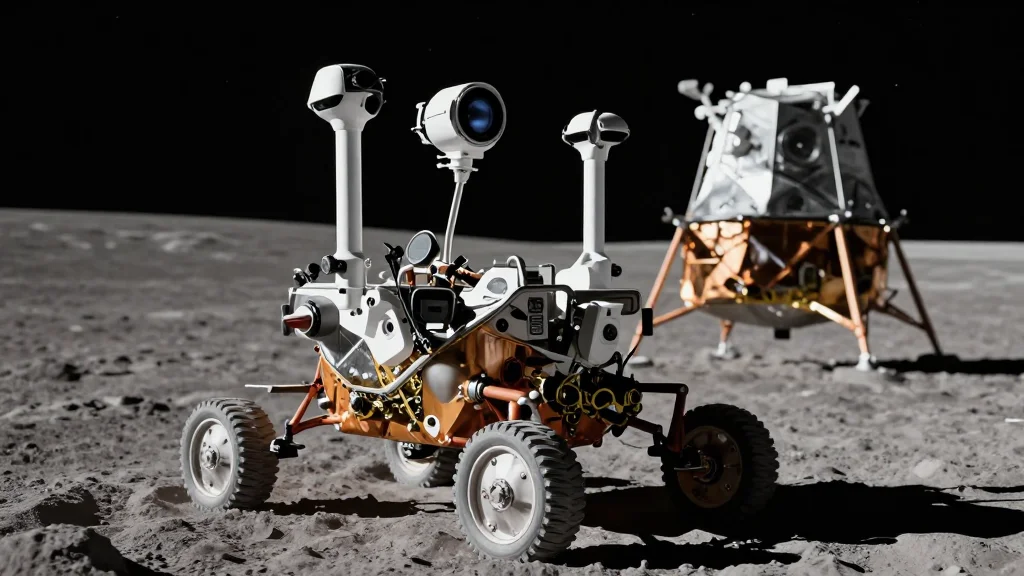
NASA Picks Astrolab, Lunar Outpost; Blue Origin to Deliver Rovers
At the NASA Moon Base event, NASA announced it selected Astrolab and Lunar Outpost for LTV (lunar rover) awards and Blue Origin to deliver those rovers to the Moon on its Blue Moon lander.
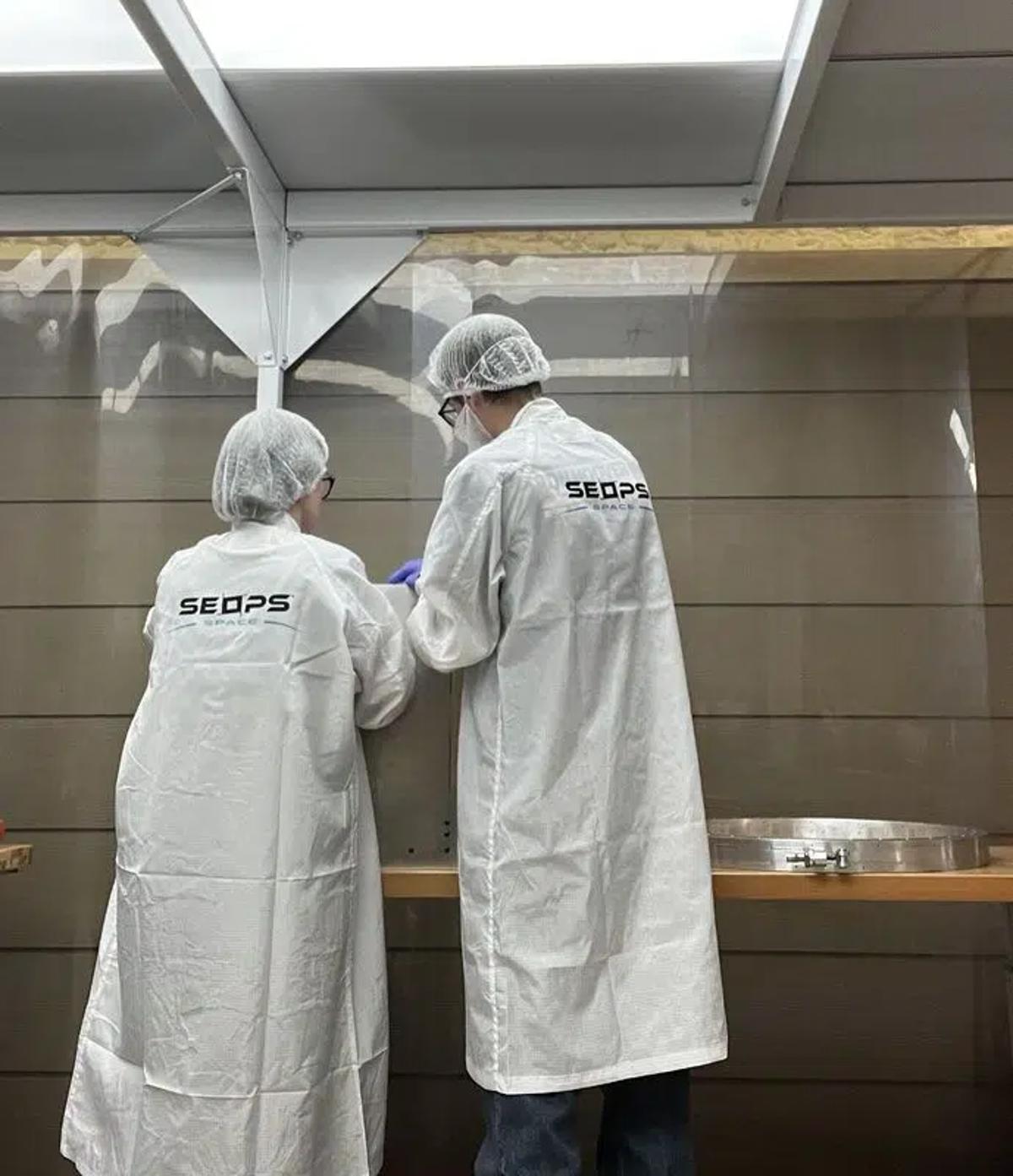
SEOPS Will Start Waymaker LEO Rideshares In 2028
SEOPS announced its Waymaker rideshare service for low‑Earth orbit, targeting a first launch on a SpaceX Falcon 9 in 2028. The offering features a custom payload adapter that can accommodate larger or irregularly shaped payloads and includes two months of post‑separation...
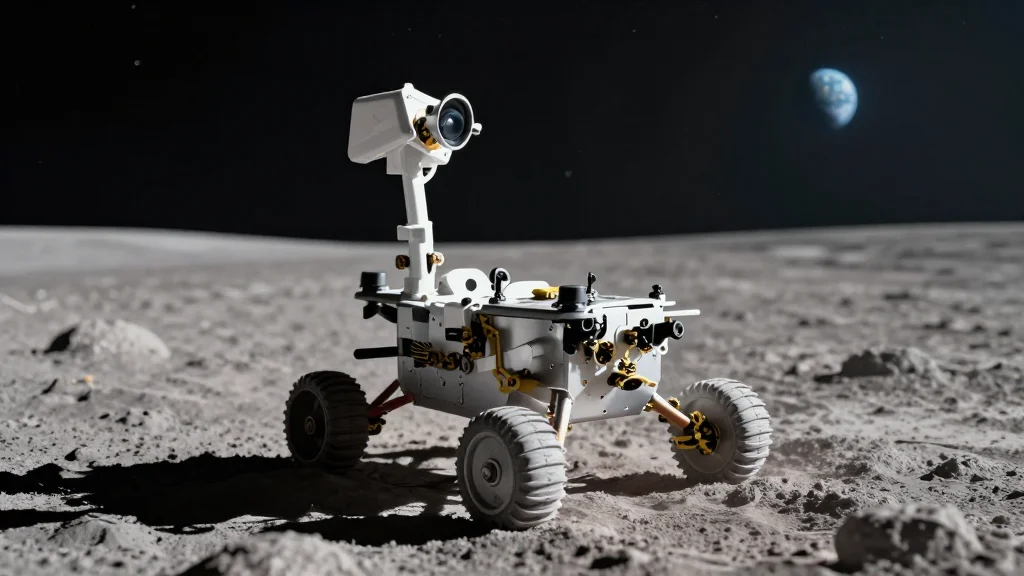
NASA Picks Astrolab, Lunar Outpost for 1‑ton Artemis Rovers
NASA has selected Astrolab and Lunar Outpost to build lunar rovers for the early Artemis missions. These will be approximately 1-ton vehicles with the capability to drive up to 200 km.
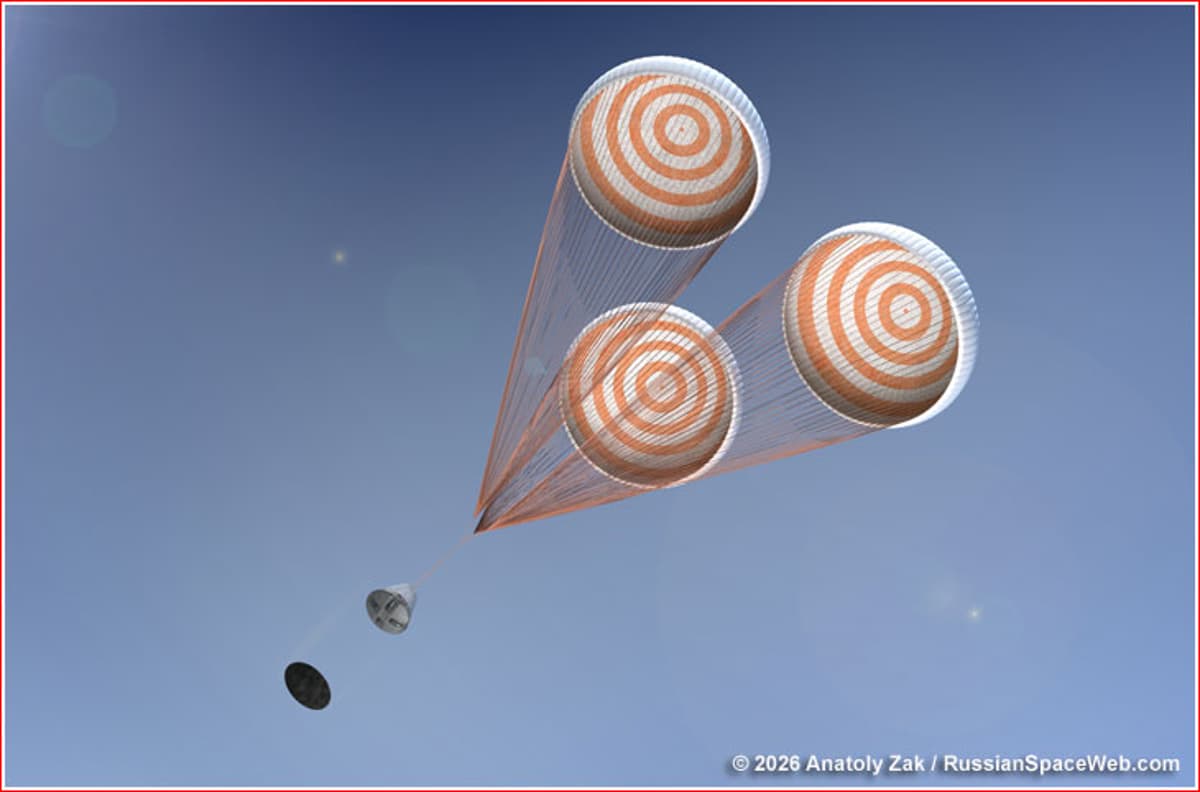
Inside the Next‑Gen Spacecraft Parachute System
Our exclusive longread on the design, operation and evolution of the parachute system of the new-generation spacecraft (subscription): https://t.co/DJXLghOrrU https://t.co/FkcsGP8Wsf

China Keeps Adding A Very Specific Type Of Space Debris
China is increasingly leaving entire rocket bodies in high Low Earth Orbit (600‑2000 km), adding roughly 252 metric tons of debris—about five times the mass of U.S. remnants in the same band. The practice contrasts with historic U.S. and Soviet launches, which...
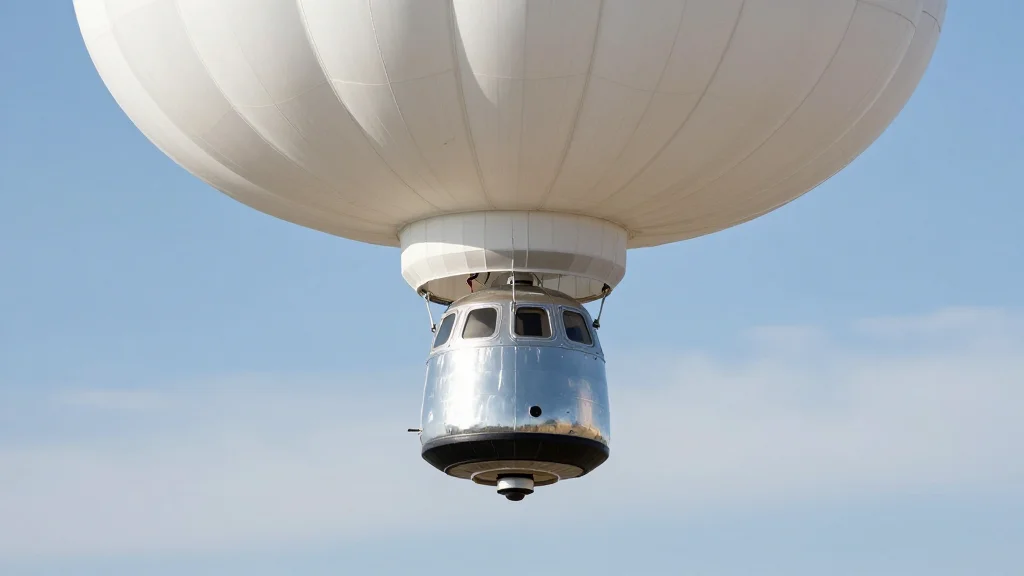
AnduraX to Fly India's First Private Re‑entry Vehicle Test in June 2026
AnduraX, an Andhra Pradesh‑based startup, will launch the ADM‑01 balloon‑drop test of its ARES reusable re‑entry vehicle in the first week of June 2026. The trial aims to validate flight dynamics, precision landing and GNC systems, positioning India for its...
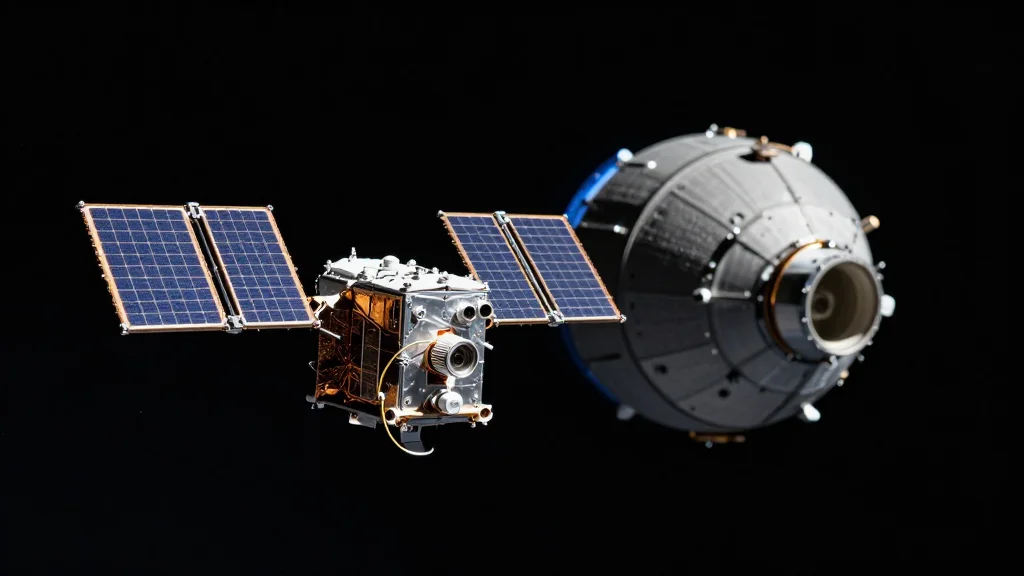
NASA Readies Mission to Reverse the Swift Observatory’s Skyfall
NASA is preparing a June launch of a robotic spacecraft, nicknamed LINK, to rendezvous with and re‑boost the aging Neil Gehrels Swift Observatory before it succumbs to atmospheric drag. The $30 million contract was awarded to Arizona‑based Katalyst Space Technologies, marking its...
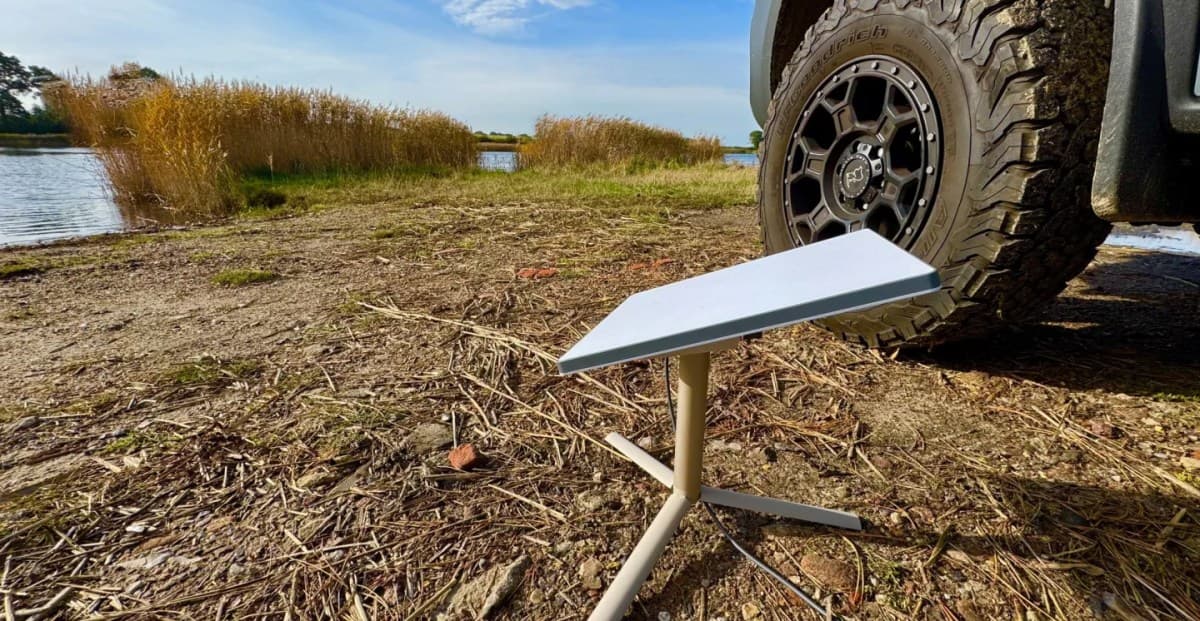
A Battery-Powered Starlink Mini Is Likely on the Way
SpaceX’s Starlink Mini appears poised for a battery‑integrated version, as recent firmware reveals a “DishBatteryStats” module that tracks charge level and charging state. The code also defines three power states, indicating the dish can run on USB‑C, its internal battery,...
Caltech Must Bid to Operate NASA Lab for First Time in Nearly 100 Years
NASA announced it will competitively bid the management of the Jet Propulsion Laboratory, a contract Caltech has held since 1958. The existing 10‑year agreement, worth up to $30 billion, ends on Sept. 30, 2028, prompting a formal request for proposals. Caltech says...

With Shortfall Doc, NASA Tells Industry What Civilian Space Needs Next
NASA released its 2026 Civil Space Shortfall Ranking, consolidating over 450 responses from industry, government and academia. The list pinpoints technology areas lacking development that are essential for upcoming exploration, science and other missions. By mapping these shortfalls, NASA intends...

Products and Services That Keep the Space Industry Running
The ancillary economy that supports rockets and satellites is emerging as one of the largest chapters of the space sector. While the global space‑technology market is projected to reach $770 bn by 2030, services such as ground‑station networks, propellant supply, testing,...
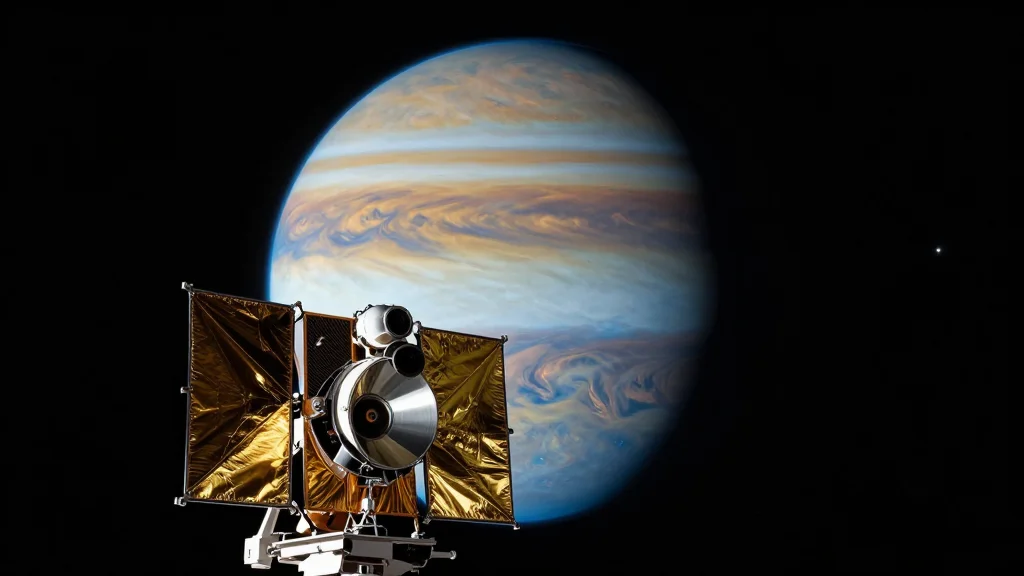
JWST Captures First Exoplanet Daily Weather Cycle, Upending a Decade of Atmospheric Data
The James Webb Space Telescope, using its NIRISS instrument, has observed a repeating daily weather cycle on the hot‑Jupiter WASP‑94Ab, revealing thick magnesium‑silicate clouds on its morning side and a clear, water‑rich evening side. The breakthrough suggests that a decade...
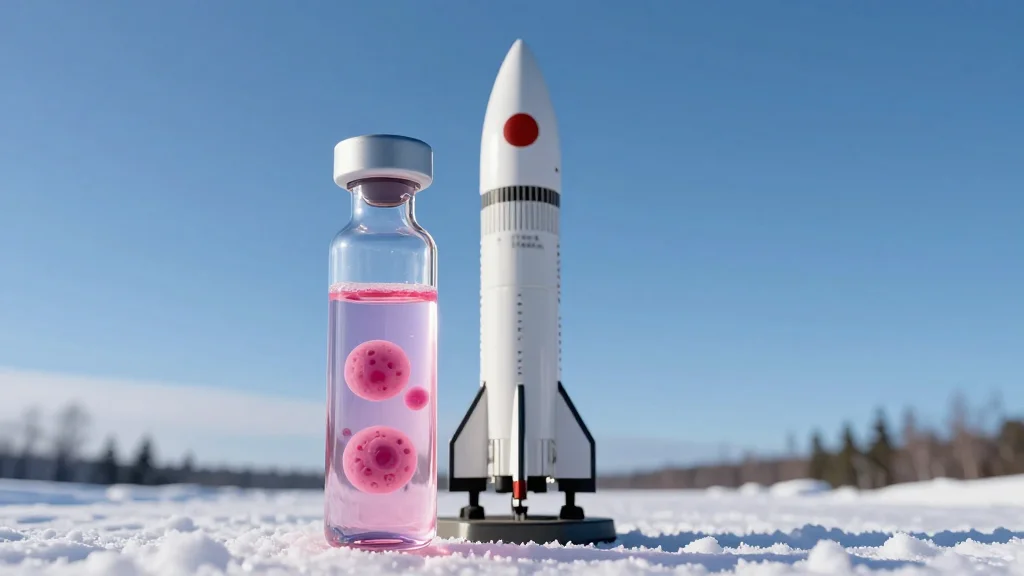
SPARK Microgravity to Launch Live Cancer Cells in Microgravity Test Flight
SPARK Microgravity is set to launch a micro‑payload containing live triple‑negative breast cancer cells aboard an SSC Space rocket from Esrange, Sweden, in May 2026. The mission, the company’s first oncology‑focused flight, seeks to prove that cancer cells can be...
May 25, 2026 Quick Space Links
Blue Origin confirmed a $600 million expansion of its New Glenn rocket factory in Florida, bolstering its launch‑vehicle production capacity. United Airlines has equipped 50 of its aircraft with SpaceX’s Starlink broadband, offering passengers free Wi‑Fi, while older planes still rely on...
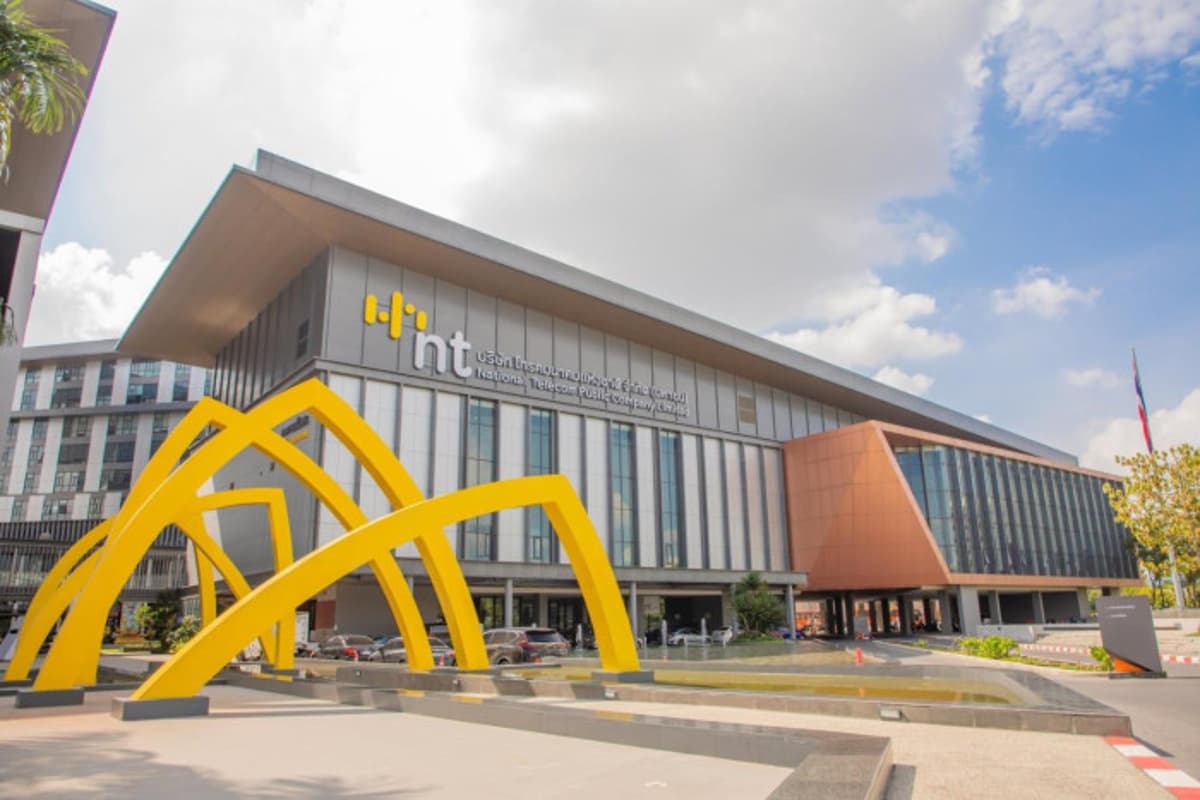
NT to Review Feasibility of Satellite Slot
National Telecom (NT) is racing to decide by year‑end whether to invest in a geostationary satellite for its 126°E orbital slot, a right it won for roughly $224,000. A feasibility review in June will weigh a $84 million build cost against...
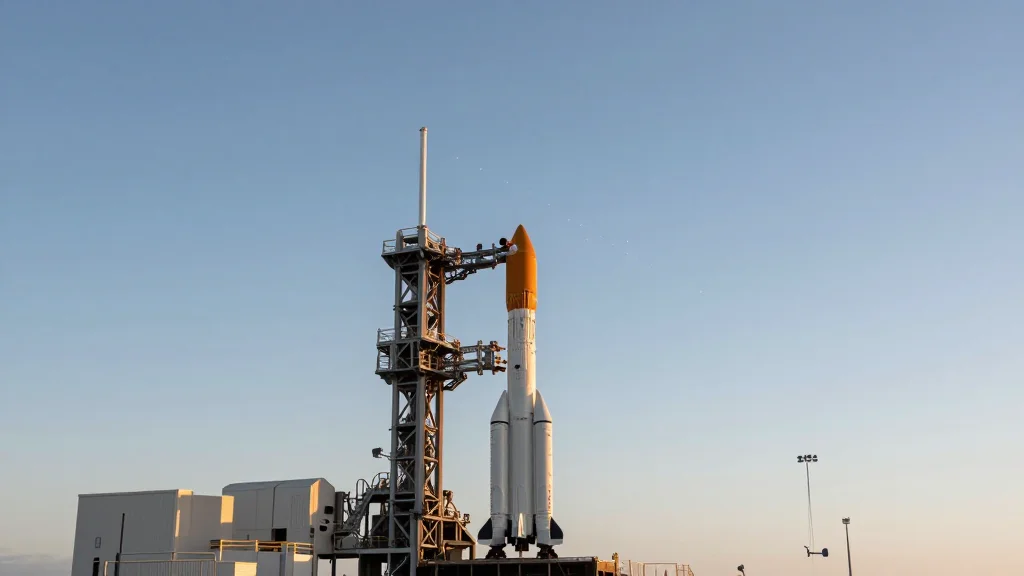
SpaceX Launches 29 Starlink V2 Mini Satellites on Falcon 9 From Cape Canaveral
SpaceX lifted off a Falcon 9 from Cape Canaveral on May 25, 2026, deploying 29 new Starlink V2 Mini satellites and bringing the constellation to over 10,000 spacecraft. The launch marked the company’s 60th orbital flight of the year and the...
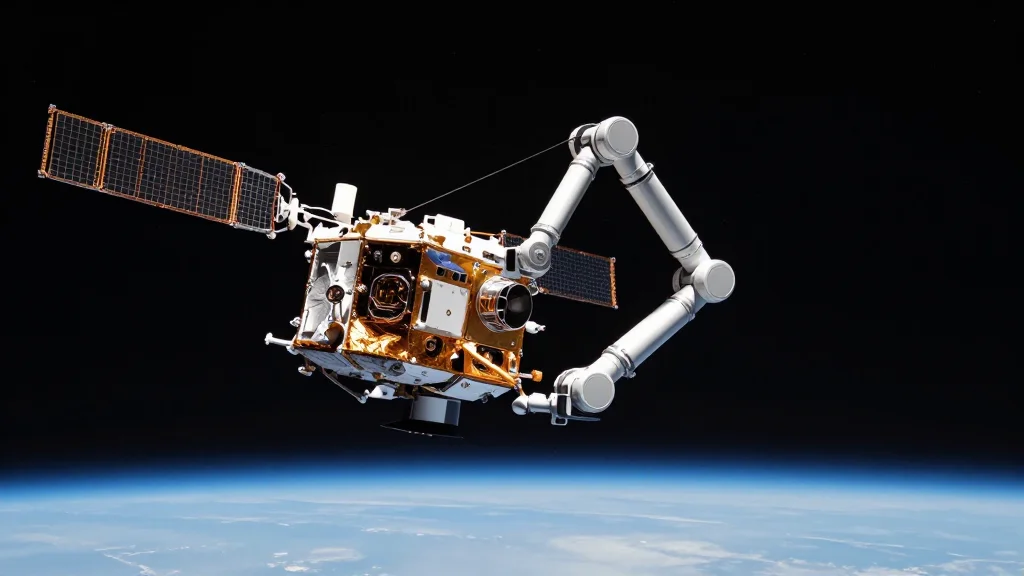
DARPA Readies Robotic Deep‑Space Repair Satellite for 2026 Launch
DARPA announced that its Robotic Servicing of Geosynchronous Satellites (RSGS) demonstrator will launch as early as summer 2026. The autonomous vehicle will use a highly dexterous robotic suite to refuel, upgrade and relocate GEO satellites, addressing fuel depletion and debris...

SmallSat Europe Speaker Focus: Stewart Marsh, Cambridge Consultants
Stewart Marsh, head of Satellite and Space at Cambridge Consultants, will speak on Day 1 of SmallSat Europe about the European small‑sat market outlook. Marsh’s team helped create Iridium’s Extreme Push‑to‑Talk service, which locks onto a satellite in under two seconds,...
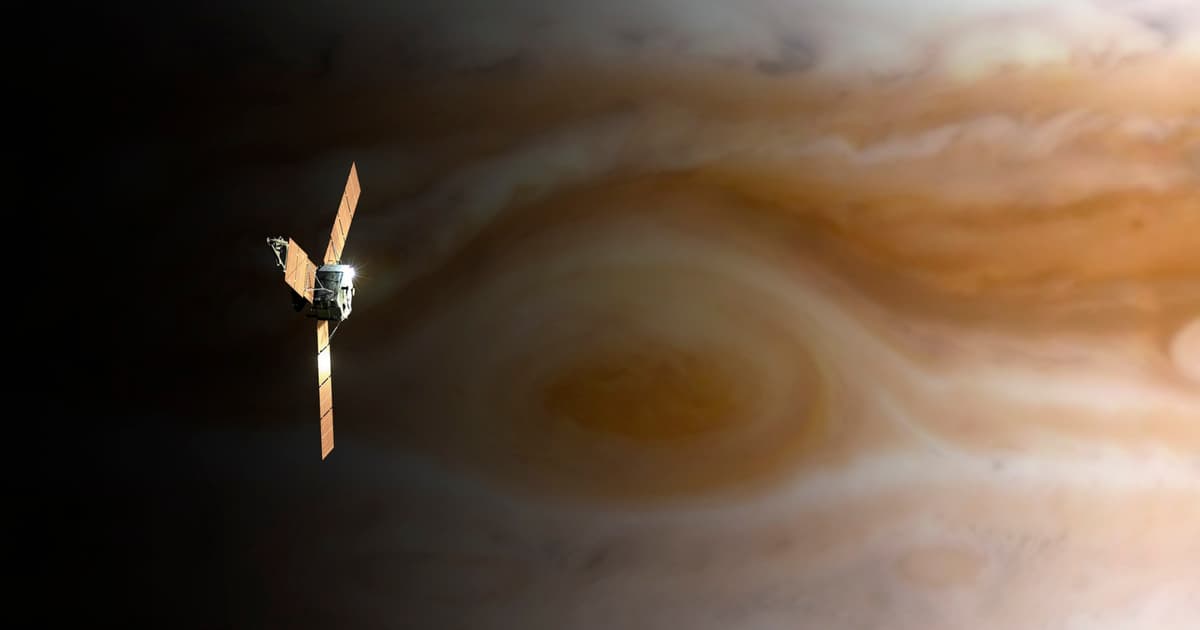
In 1995, NASA’s Galileo Spacecraft Sent a Probe Into Jupiter’s Atmosphere that Kept Transmitting for Just 58 Minutes as It...
On 7 December 1995 NASA’s Galileo spacecraft released a 339‑kg probe that plunged into Jupiter’s atmosphere at 47 km/s, transmitting data for 58 minutes before heat and pressure silenced it. The probe survived the extreme deceleration—over 200 g—and temperatures near 16,000 °C, deploying a parachute after...
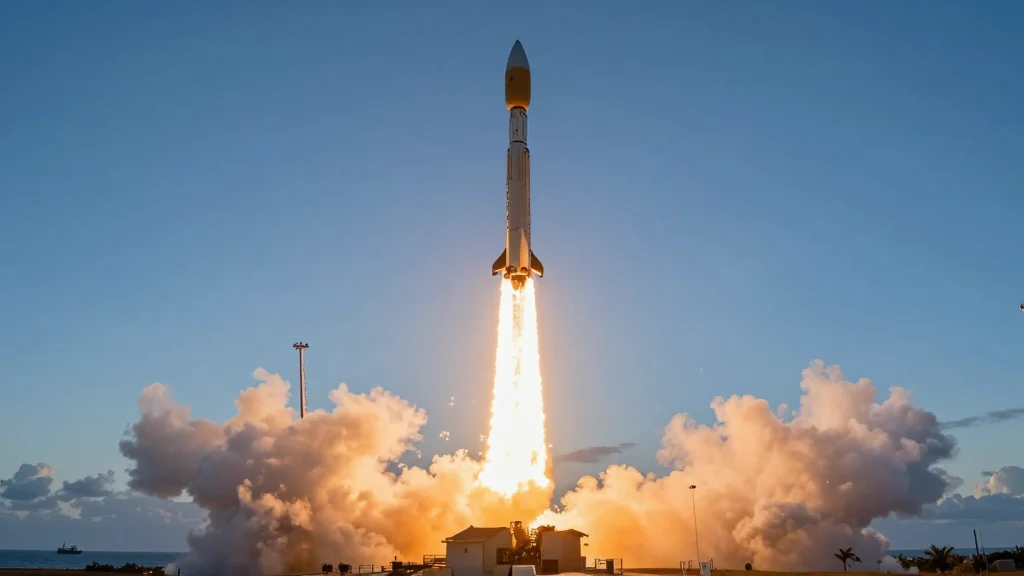
SpaceX Launches 29 Starlink Satellites on Memorial Day
SpaceX launched 29 additional Starlink satellites on Memorial Day from Cape Canaveral, bringing the constellation to more than 10,000 units in low‑Earth orbit. The mission marked SpaceX’s 60th orbital flight of 2024, comprising 59 Falcon 9 and one Falcon Heavy launches. The...
When a Soviet Rover Went Silent on the Moon in 1971, Scientists Assumed It Was Gone for Good — but...
In 1970 the Soviet Luna 17 mission delivered Lunokhod 1, the first rover on another world, equipped with a French‑built laser retroreflector. The rover went silent in September 1971 and its reflector was presumed lost for decades. High‑resolution images from NASA’s Lunar Reconnaissance...