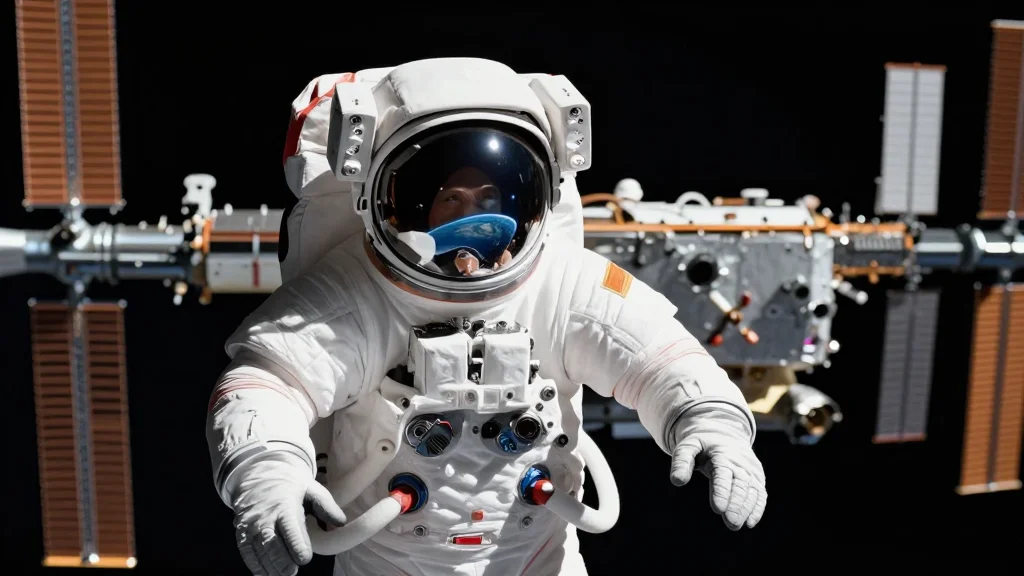
China Set for Latest Space Launch, with Hong Kong Astronaut Aboard
China’s Shenzhou‑23 mission will launch Sunday from Jiuquan, carrying three astronauts—including Hong Kong’s first astronaut, Lai Ka‑ying—to the Tiangong space station. The crew will conduct scientific experiments, extravehicular activities and a cargo transfer, while one member will remain aboard for a year‑long residency to study human health in extended microgravity. The mission underscores Beijing’s accelerating human‑spaceflight program, which is funded by billions of yuan in state investment. China has set a target to land a crewed mission on the Moon by 2030.
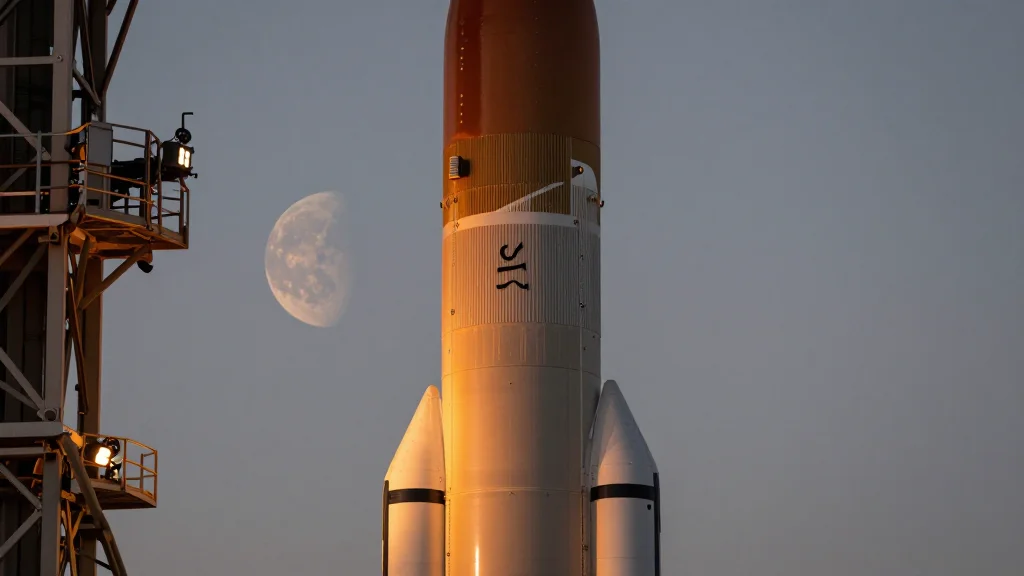
New Starship Completes First Successful Mission
SpaceX’s upgraded Starship completed its twelfth test flight, reaching orbit, deploying 20 mock Starlink satellites and two specialized payloads before splashing down in the Indian Ocean and exploding. The Super Heavy booster separated as planned but failed to execute its...
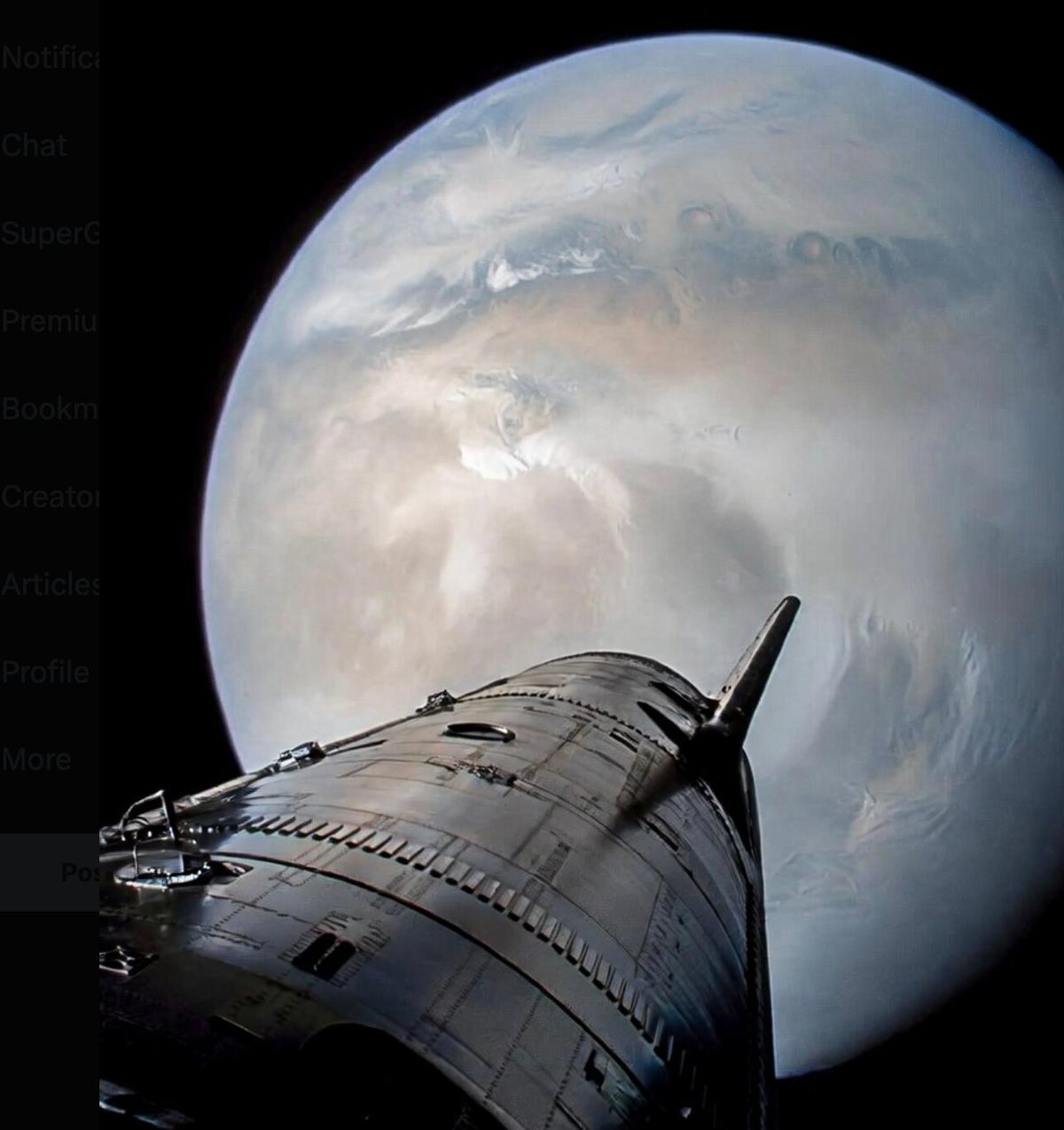
Mars-Venus-Phobos and Deimos Manned Flyby Mission Starting 2034
SpaceX’s Starship‑based crewed mission targets a 2034 launch window that leverages a rare Earth‑Venus‑Mars alignment. The plan calls for 10–15 on‑orbit refuelings, a Venus gravity‑assist, and a series of aerobraking maneuvers to reach Mars, followed by short stays at Phobos...
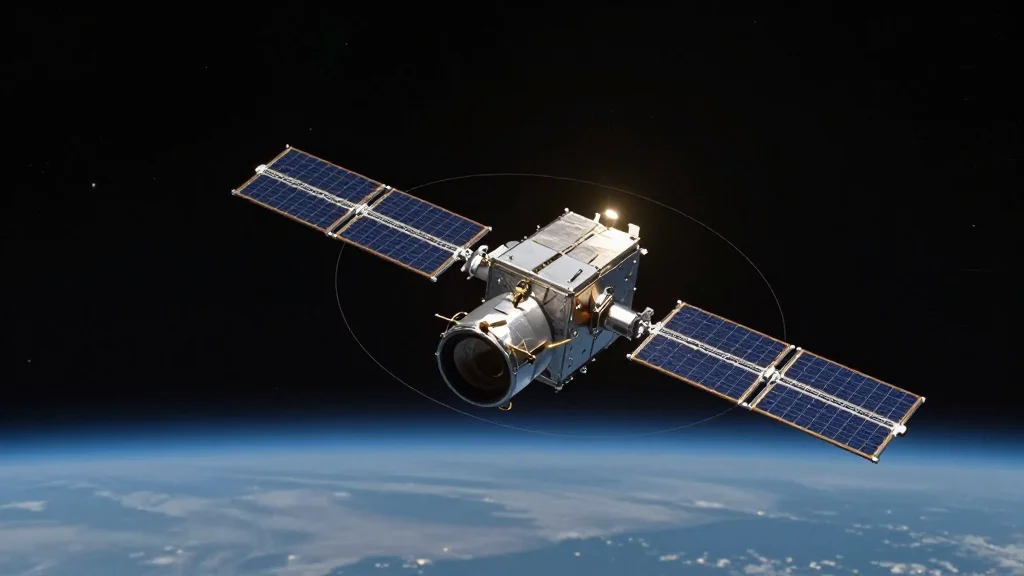
Starlink Launches Are Capitalized, Revenue Hinges on Subscribers
And just to be clear, launching Starlink satellites won't produce revenues directly, because internal launches are capitalized, those revenues will only accrue if Starlink attracts more subscribers
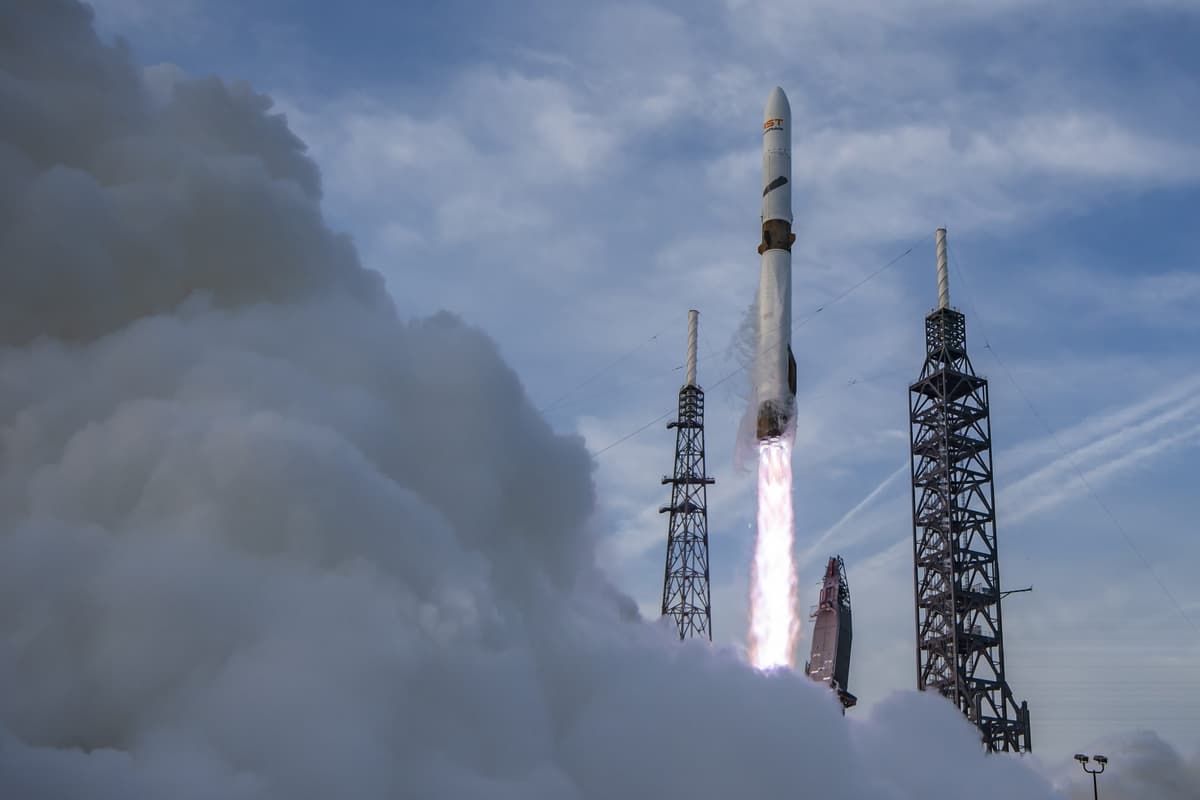
Blue Origin Completes Investigation Into New Glenn Launch Failure
Blue Origin has wrapped up the FAA‑led investigation into the New Glenn NG‑3 failure, allowing the heavy‑lift vehicle to fly again. The mishap stemmed from a cryogenic leak that froze a hydraulic line, throttling one BE‑3U engine during the second‑stage burn...

The Fuel-Saving Lunar Trajectory that Looks Like the Long Way Round Could Solve One of Crewed Moon Travel’s Most Awkward...
Researchers have identified a new Earth‑Moon transfer that threads through the L1 Lagrange point, shaving roughly 59 m/s of delta‑v from the best low‑energy routes described in the literature. The trajectory enters the lunar manifold from the far side, a counter‑intuitive...
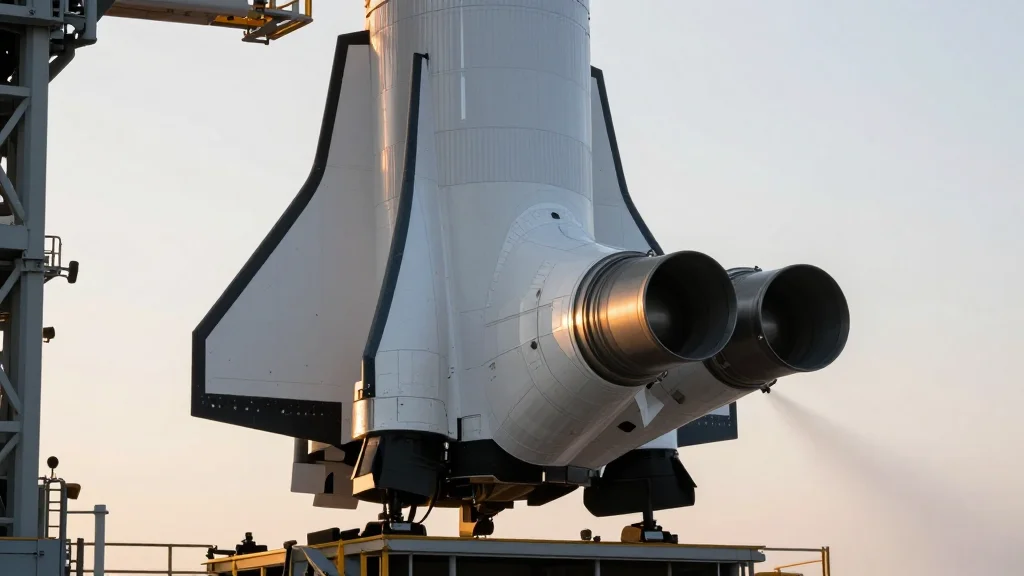
Hanwha Accelerates to Become Korea’s SpaceX with New Launch Vehicle Plans
Hanwha Aerospace announced an accelerated development program for a next‑generation launch vehicle, positioning itself as the private launch provider for South Korea. The conglomerate now controls the Nuri rocket, the upcoming KSLV‑III, and the entire engine supply chain, while the...
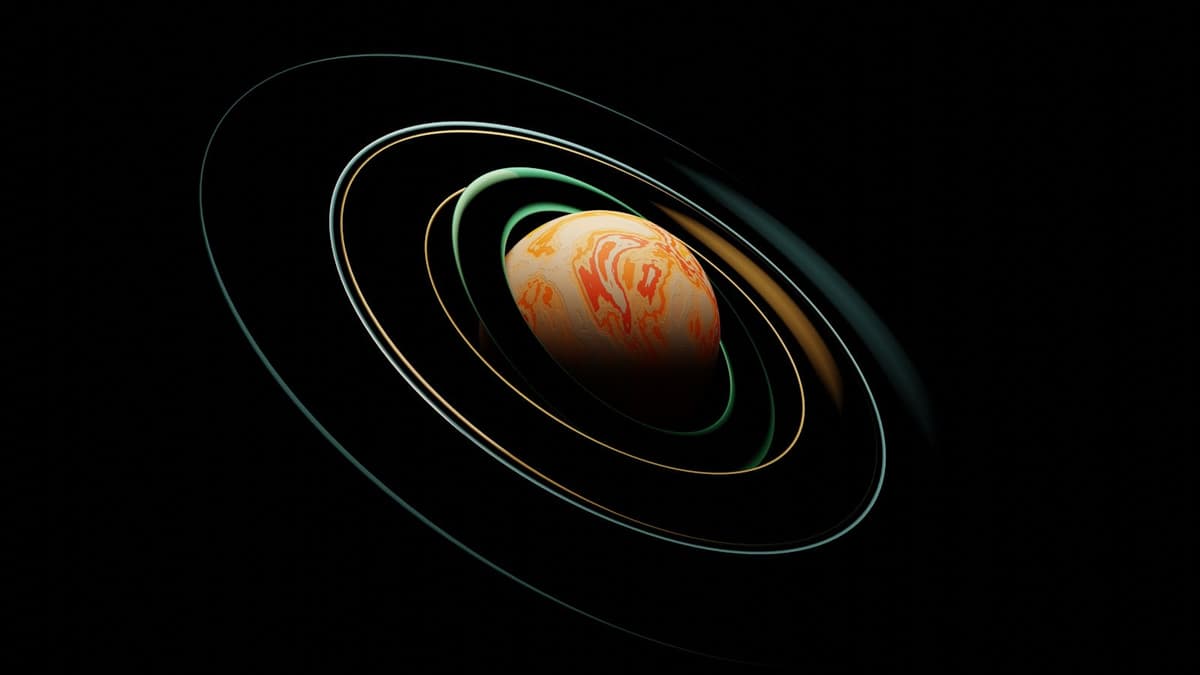
The Cassini Spacecraft Was Deliberately Flown Into Saturn in 2017 because NASA Refused to Risk Contaminating Enceladus, and in Its...
On September 15, 2017 NASA deliberately steered Cassini into Saturn’s atmosphere to eliminate any chance of contaminating the ocean‑bearing moon Enceladus. After 13 years of orbiting Saturn and revealing active geysers, subsurface oceans, and complex chemistry, the probe ran low...

Starship V 3.0 First Flight
SpaceX launched the Starship V 3.0 prototype on May 22, 2026, featuring the new Raptor 3 engines and a complete vehicle redesign. The first stage climbed successfully but suffered engine problems on descent, culminating in a planned splash‑down in the Gulf of Mexico. Ship 39...
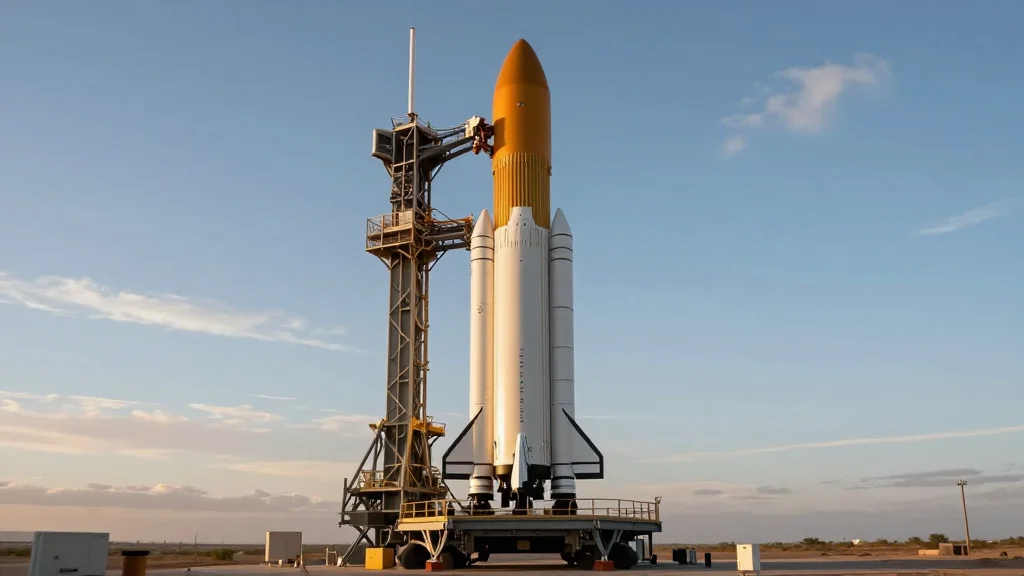
SpaceX's Upgraded Starship V3 Launches For First Time
SpaceX successfully launched the upgraded Starship V3 from a brand‑new pad at Starbase, Texas, deploying 22 dummy Starlink satellites and two instrumented payloads. The 40‑story vehicle completed a sub‑orbital cruise, survived the loss of one upper‑stage Raptor engine, and performed...
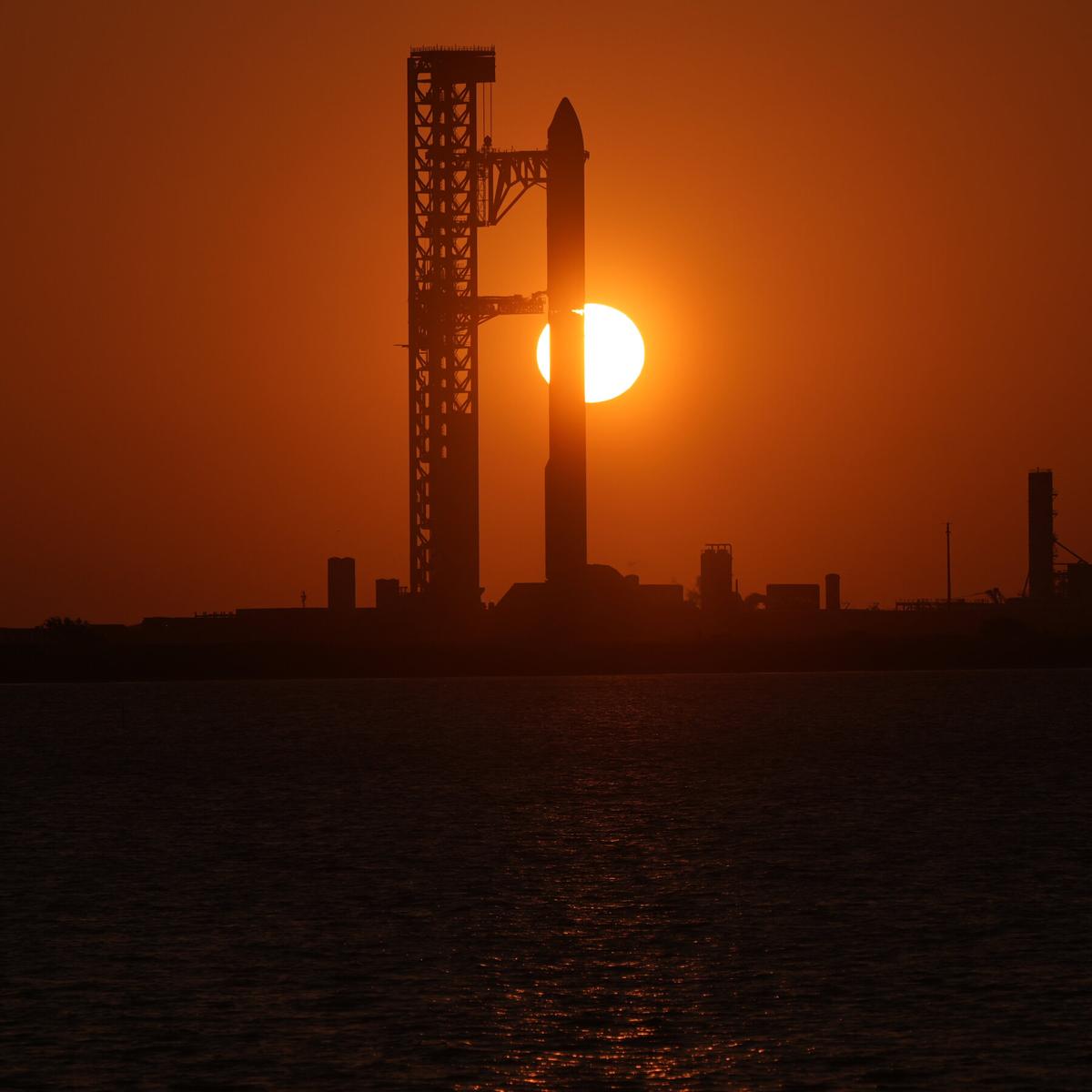
SpaceX Completes Mostly Successful Starship Rocket Flight
SpaceX’s Starship completed its 12th integrated test flight on May 22, 2026, reaching orbit and surviving re‑entry despite two engine failures. The upper‑stage spacecraft performed a simulated ocean landing over the Indian Ocean using only two of the planned three engines before...
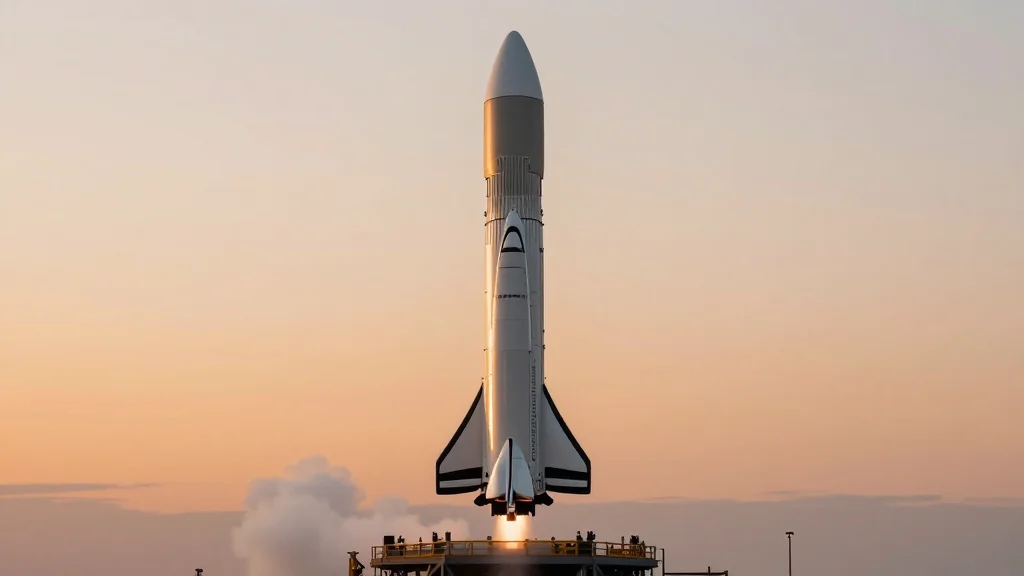
The National Space Society Congratulates SpaceX on Successful Starship Flight 12 Test
SpaceX successfully completed Starship Flight 12, the first integrated test of the next‑generation Version 3 Starship and Super Heavy booster, launching from the newly built Pad 2 at Starbase, Texas. The vehicle achieved lift‑off, ascent, stage separation and deployed 22 Starlink simulator payloads,...
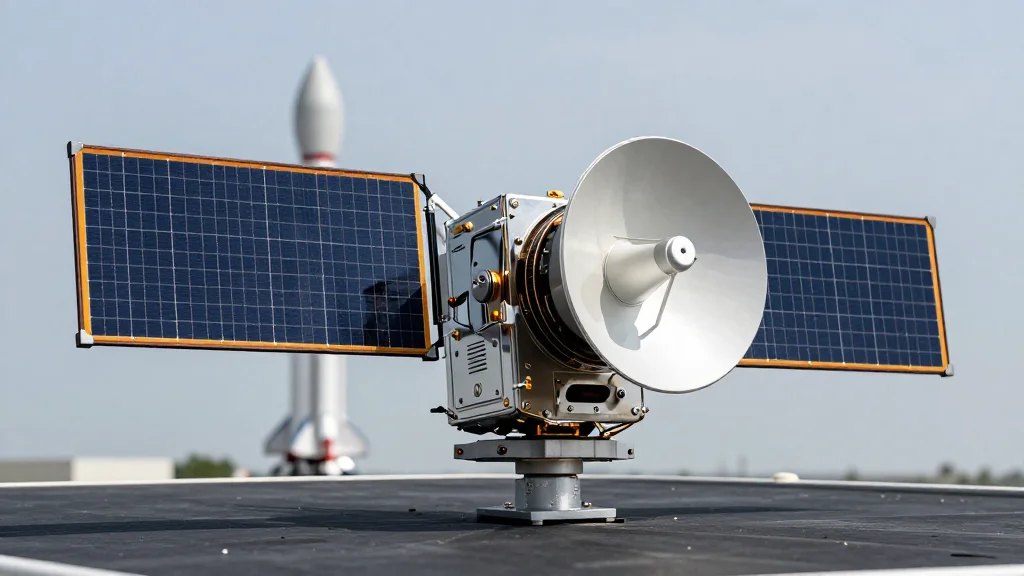
Vast Unveils 15 kW Satellite Bus Leveraging Haven‑1 Heritage
Vast introduced its Vast Satellite line, a 15 kW high‑power bus derived from Haven‑1 space‑station technology, securing an initial order for four satellites with an option for 200 more and planning a debut launch in late 2027. The move expands the...

Will We Really Put Data Centers in Space?
Major tech firms are eyeing orbital data centers (ODCs) as a way to sidestep terrestrial power bottlenecks and regulatory delays. The economic case hinges on SpaceX’s Starship achieving launch costs near $50 per kilogram, which would make space‑based solar power...

The Space Race to Create Gym Equipment for Future Astronauts
A British‑engineered exercise kit called HIFIm is being trialled on parabolic flights to simulate weightlessness for future astronauts. The device promises to shrink daily workout time from the current two‑hour regimen on the International Space Station to just 30 minutes,...
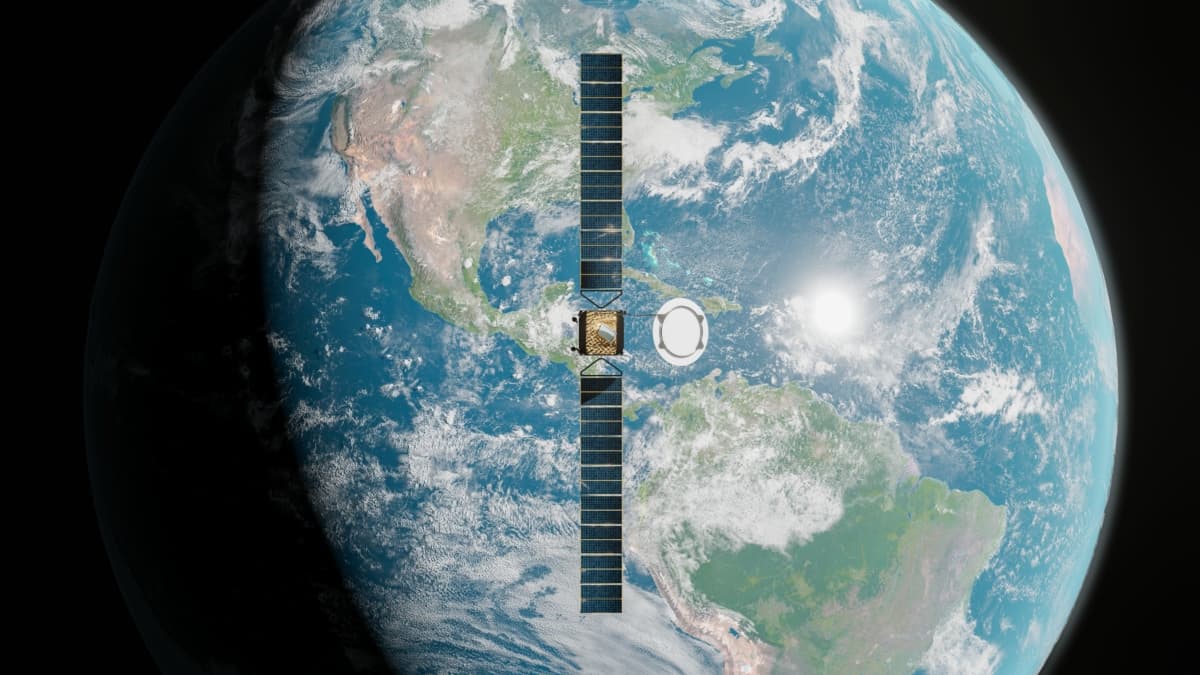
Space Force Awards Viasat, SES $437 Million for Military Satellite Network
The U.S. Space Force has awarded Viasat and SES a combined $437.6 million contract to build communications satellites for the Protected Tactical Satcom‑Global (PTS‑G) program. The first “Swarm 1” batch will consist of four smaller geostationary satellites—two per contractor—targeted for delivery by...
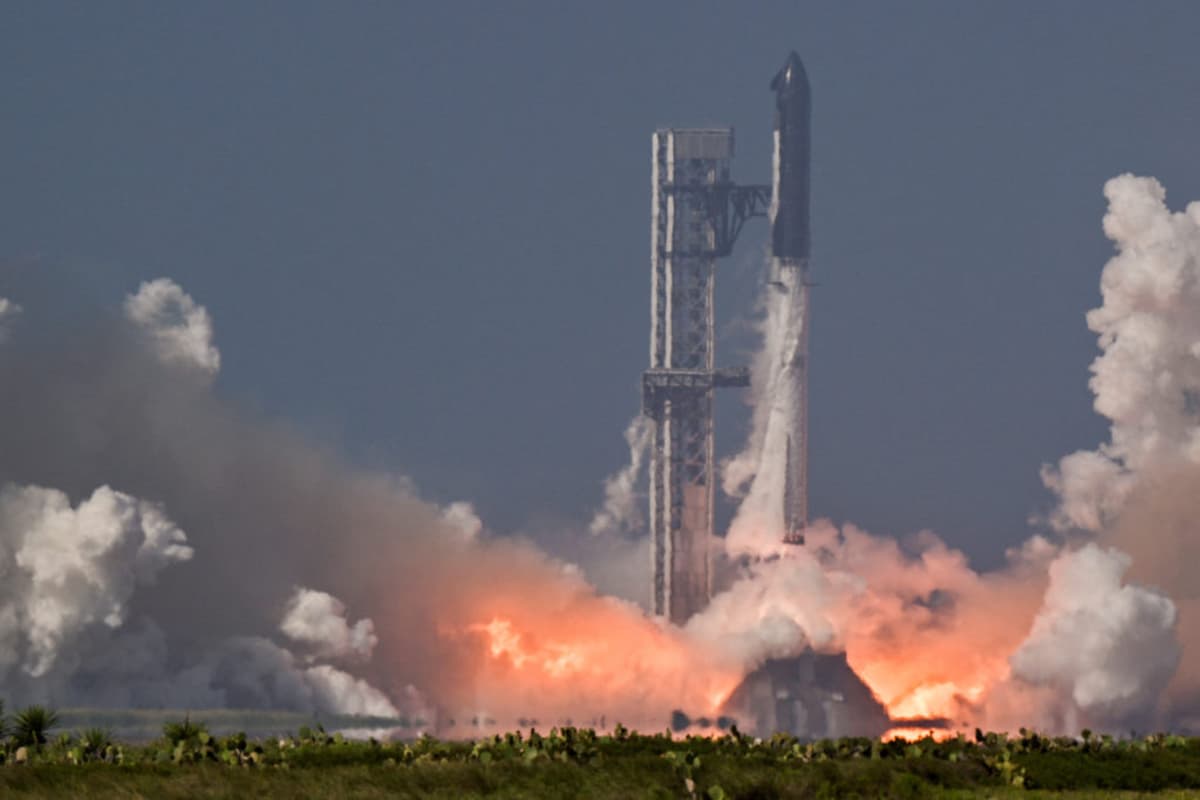
SpaceX Launches Its Biggest Starship Mega Rocket yet on Test Flight
SpaceX launched the upgraded Starship V3, its largest and most powerful iteration, from Texas on a test flight carrying 20 mock Starlink satellites. The 407‑foot vehicle features bigger grid fins, a larger fuel transfer line, and enhanced avionics, marking the...
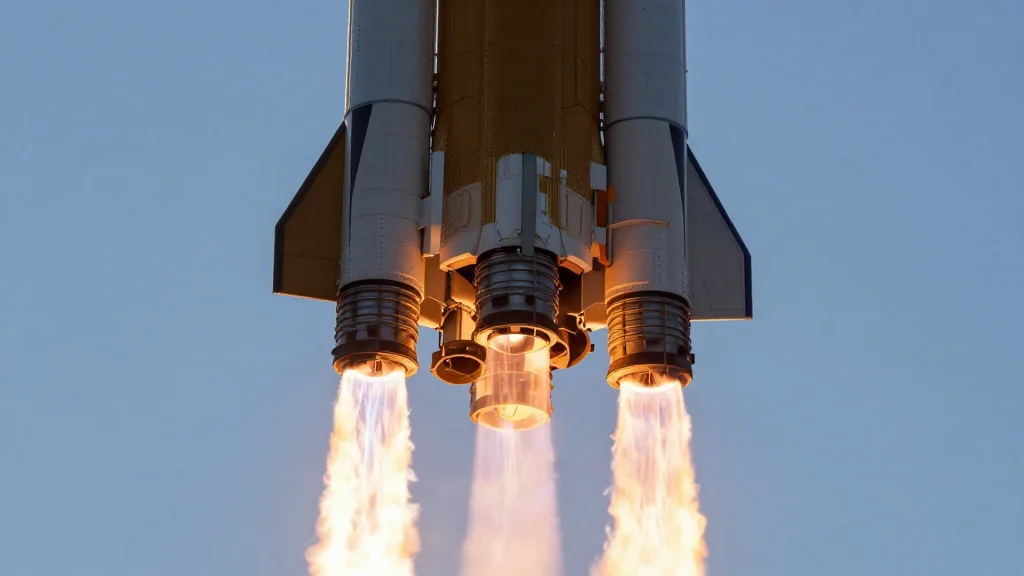
Six-Engine Ship Loses Engine, Super Heavy Boostback Cut Early
Looks like one of the six ship engines shut down shortly after ignition. Also premature shutdown of the Super Heavy boostback burn, although SpaceX did not plan a booster catch on this mission.
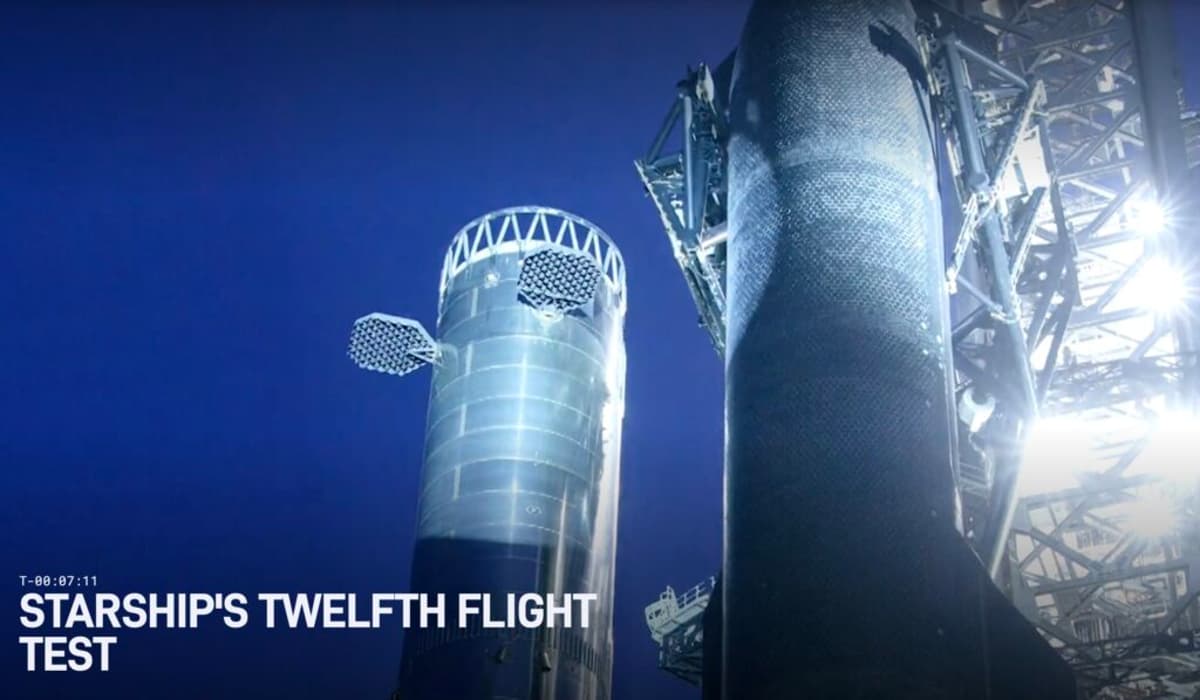
SpaceX Starship Flight 12 Good Launch and Simulated Landings
SpaceX is set to launch the twelfth flight test of its Starship system on Friday, May 22, with a 90‑minute window opening at 5:30 p.m. CT. The mission will debut next‑generation Starship and Super Heavy hardware, featuring an upgraded Raptor engine and a...
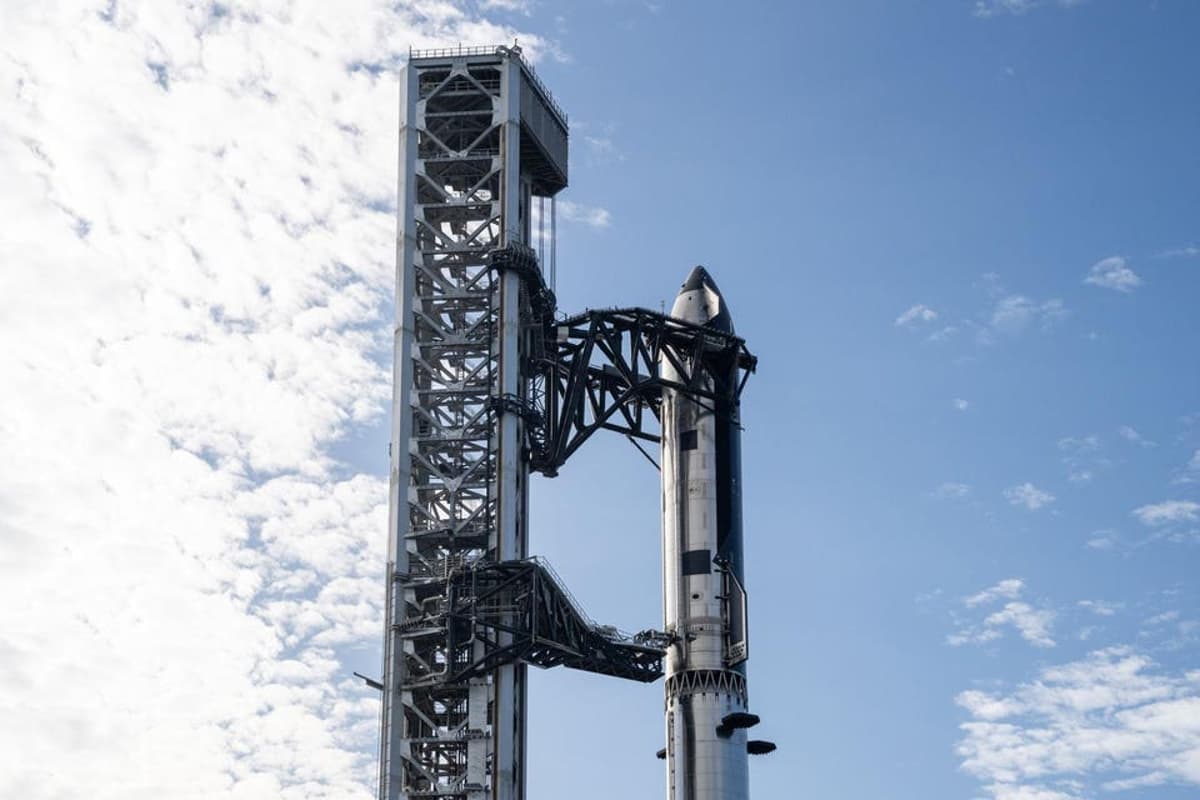
SpaceX Faces A Crucial Launch Test Ahead Of Its IPO
SpaceX submitted its long‑awaited IPO filing, positioning the company for a market debut that could value it in the trillions despite reporting $18 billion in revenue and nearly $5 billion in losses. Central to the offering is Starship, the fully reusable heavy‑lift...
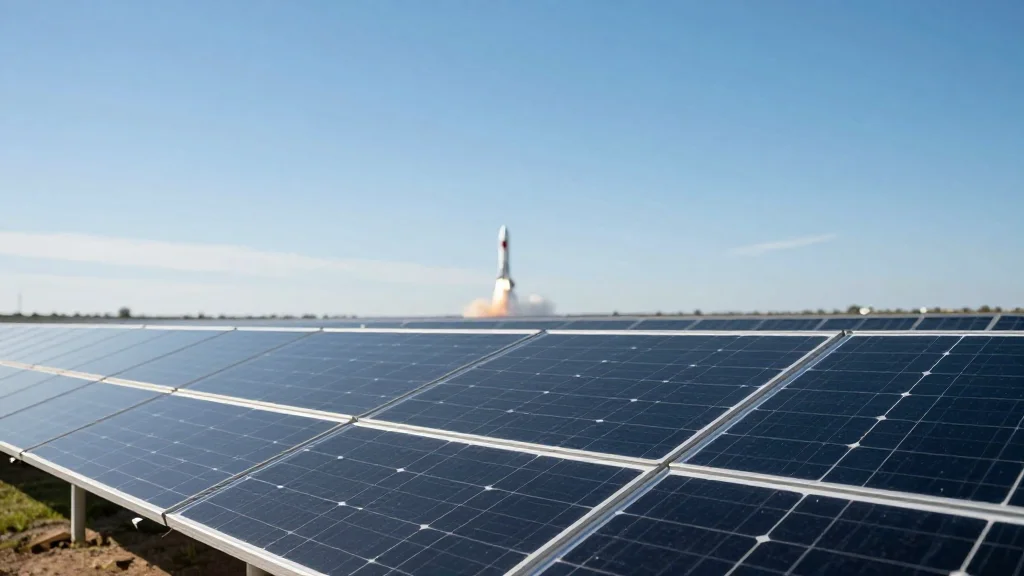
SpaceX Announces 10‑GW Solar Cell Factory in Texas to Power Starlink and Orbital AI Data Centers
SpaceX disclosed plans for a 10‑gigawatt solar cell plant in Bastrop, Texas, aimed at fueling its Starlink satellite network and future orbital AI data centers. The project, detailed in recent permit filings, underscores the company’s broader strategy to secure dedicated...
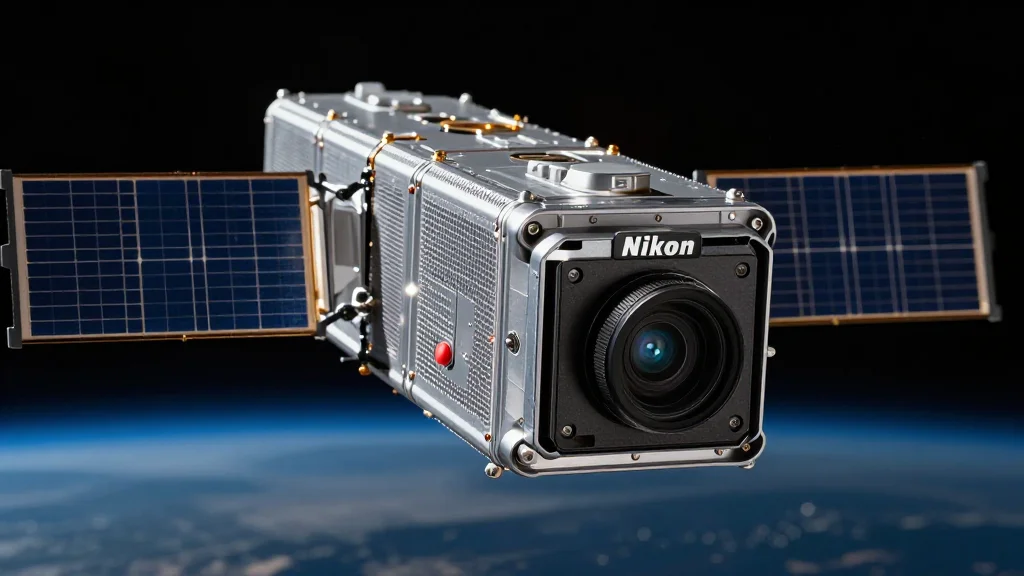
Axelspace to Launch Seven Nikon‑Equipped Earth‑Observation Satellites on SpaceX Falcon 9
Tokyo‑based Axelspace announced that seven Nikon‑equipped GRUS‑3 satellites will ride a SpaceX Falcon 9 from Vandenberg after July, creating a daily‑imaging constellation for commercial and defense customers. The launch expands Japan’s domestic EO capability and signals rising demand for medium‑resolution imagery.

SmallSat Europe Speaker Focus: Dr. Dietmar Pilz, European Space Agency
Dr. Dietmar Pilz, ESA’s Director of Technology, Engineering and Quality, oversees a workforce of over 950 staff and 200 contractors responsible for engineering support across all ESA missions. Under his leadership, the agency successfully recovered the PROBA‑3 Coronagraph after a...

NASA Administrator Jared Isaacman Workforce Message Signals a Mission-Centered Agency Realignment
On May 22, 2026 NASA Administrator Jared Isaacman issued a workforce message that reshapes the agency around mission delivery. The realignment moves all mission directorates to report directly to the administrator, merges several directorates into Human Spaceflight and Research & Technology units, and...
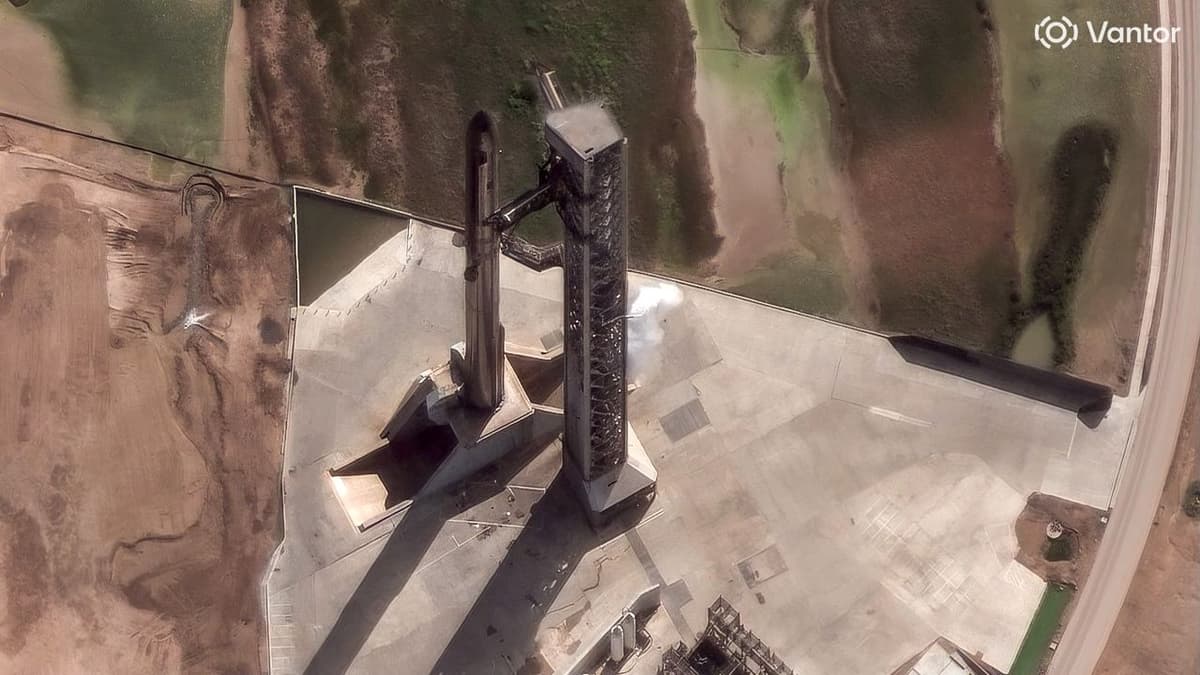
Starship V3 From Space: Satellite Snaps Amazing Photo of SpaceX Megarocket on the Pad
A Vantor WorldView Legion satellite captured a high‑resolution image of SpaceX’s 408‑foot Starship V3 on the launch pad at Starbase, Texas, on May 21, 2026. The launch was scrubbed minutes later due to technical issues, and SpaceX rescheduled the attempt for...
ST Engineering iDirect’s New CEO Kuppanna Talks Ground Tech’s Cloud-Native, Interoperable Future
ST Engineering iDirect appointed Sridhar Kuppanna as CEO, continuing the cloud‑native, software‑defined roadmap he helped craft as CTO. He outlined four strategic pillars: digital transformation to cloud‑native architecture, convergence of terrestrial and non‑terrestrial networks, standardization for interoperability, and AI‑driven automation....
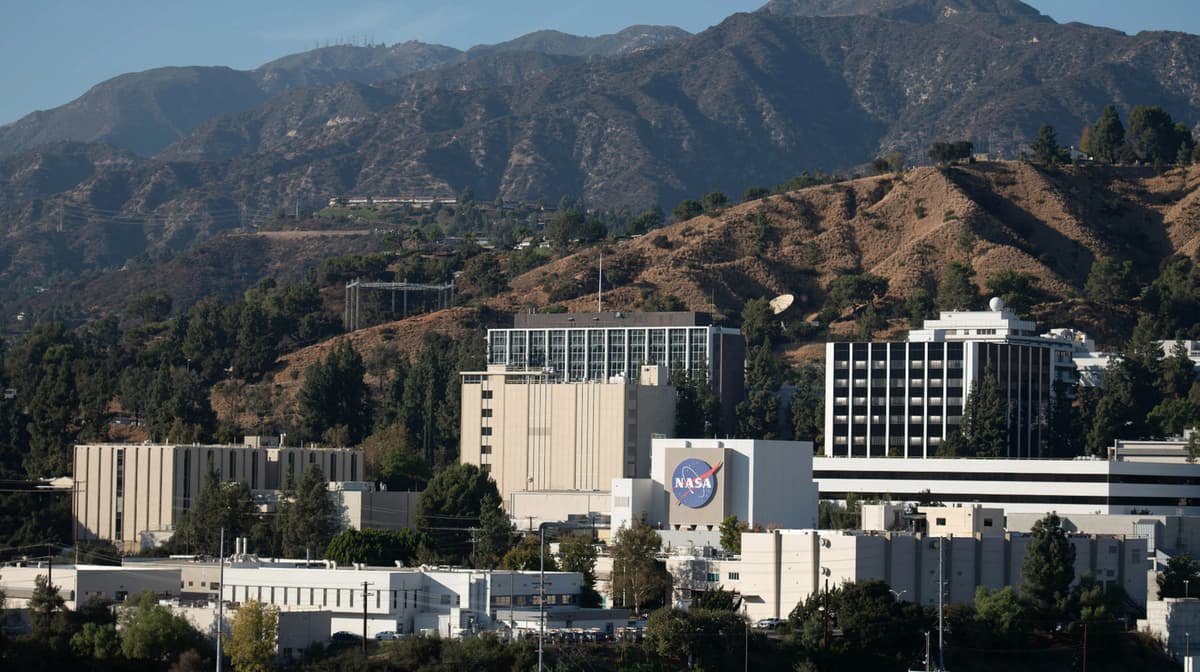
NASA Is Opening up Bids for Who Will Run the Jet Propulsion Laboratory
NASA announced it will solicit competitive bids to manage the Jet Propulsion Laboratory once Caltech’s 92‑year contract expires in 2028, marking the first open competition for the historic facility. The agency cites rapid growth in the U.S. space economy and...

CSA Releases 2025 State of the Space Sector Report: R&D Spending Surges as Broadcasting Continues Decline
The Canadian Space Agency’s 2025 State of the Space Sector Report shows the industry’s GDP contribution hit a record $3.8 billion CAD (≈$2.8 billion USD) in 2024, while total revenues slipped 1.2% to $5.0 billion CAD (≈$3.7 billion USD). R&D spending surged 48% year‑over‑year,...

JWST Detects Saturn‑Sized Exoplanet with Earth‑Like Temperature, Methane‑Rich Atmosphere
Astronomers using the James Webb Space Telescope have confirmed that TOI-199b, a Saturn‑sized world orbiting a star 330 light‑years away, has a surface temperature of about 175 °F and an atmosphere dominated by methane. The discovery marks the first detailed atmospheric...
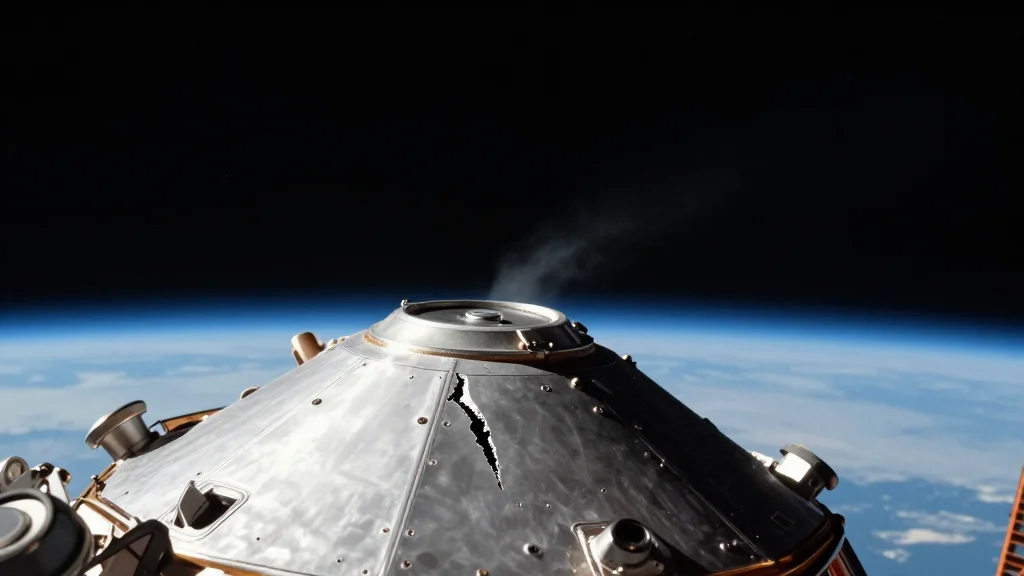
ISS Russian Segment Leaks Again, Prompting Fresh Safety Review
NASA announced Thursday that the International Space Station’s Russian PrK module has begun leaking atmosphere again, reviving worries about the aging orbital platform. The leak, traced to microscopic cracks in the module’s structure, comes despite sealant work completed earlier this...
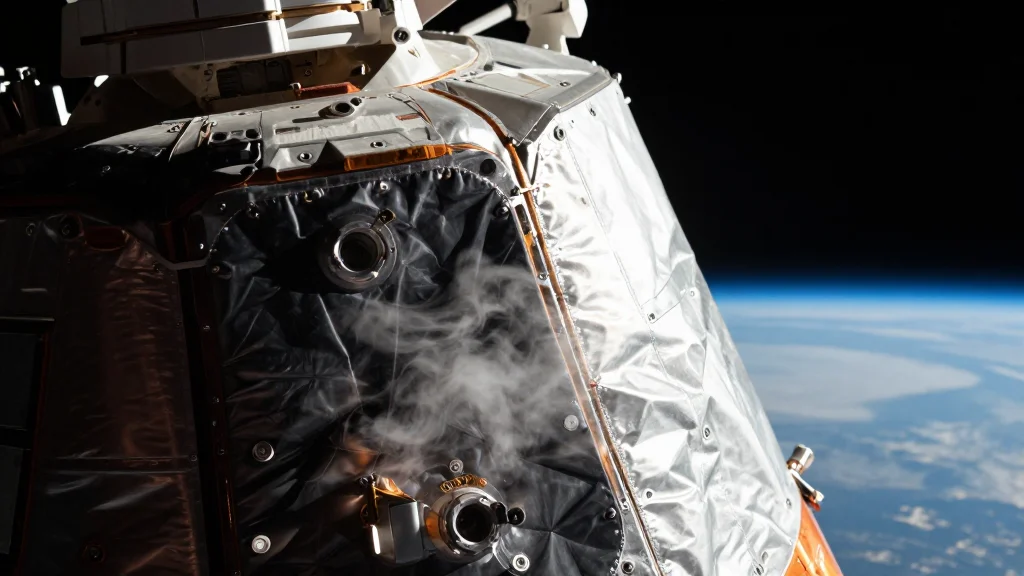
Zvezda Module on ISS Is Leaking Once Again
The Zvezda service module on the International Space Station has begun leaking air again, losing roughly one pound of atmosphere per day. The leak re‑emerged after recent repairs aimed at sealing stress fractures that appeared earlier this year. NASA confirmed...
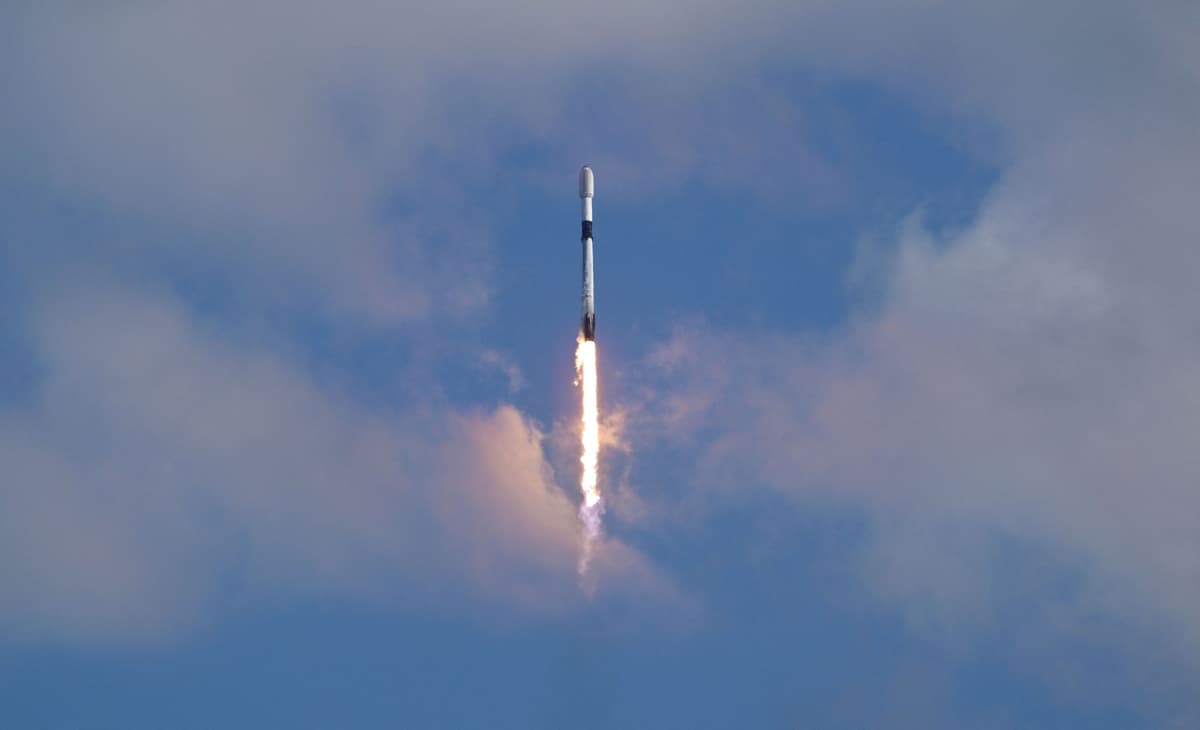
How SpaceX Is Making a Quiet Bet on Africa
SpaceX’s $1.75 trillion IPO prospectus reveals a quiet bet on Africa, positioning Starlink as a tool to bridge the continent’s digital divide. By sidestepping costly fiber and tower build‑outs, satellite internet could lower access costs for over 3 billion people. Yet affordability...

Rocket Lab Completes Ninth Launch Mission for Synspective
Rocket Lab successfully completed its ninth dedicated launch for Japan’s Earth‑observation firm Synspective, placing a new StriX synthetic‑aperture radar satellite into low‑Earth orbit. The mission, executed from the company’s New Zealand launch site, highlights the durability of the Rocket Lab‑Synspective partnership,...
NASA to Open Competition for JPL Management Contract
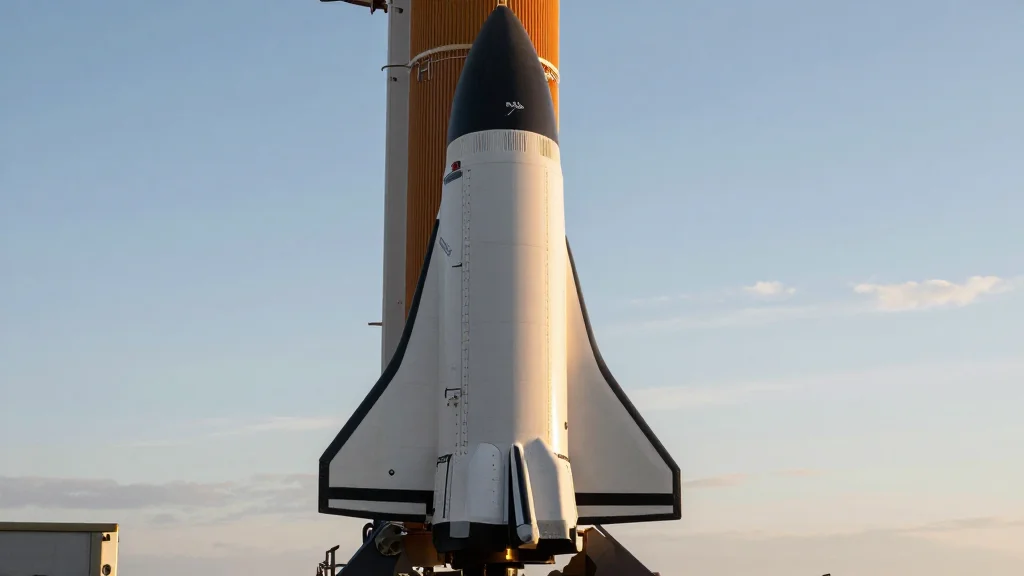
NASA also will compete the contract to manage JPL, a Federally Funded Research and Development Center (FFRDC) managed by Caltech since its founding by Caltech rocketeers. (https://t.co/zyxbijHkd1) NASA press release: https://t.co/WBd9Ta3OMq Current contract ends Sept 30, 2028.

Varda CEO Foresees Space-Based Medicine Moving From Research Novelty to Manufacturing Mainstream
Varda Space Industries announced its first public pharma partnership with United Therapeutics, aiming to fly a microgravity‑manufactured drug in 2027 and begin production the following year. CEO Will Bruey framed the deal as proof that space‑based manufacturing is moving from...

Exploring Next Steps for On-Orbit Data Centers
At ASCEND, Aerospace Corporation’s Kelley Litzner highlighted the growing need for orbital data centers to process the surge of space‑generated data. He argued that latency‑critical missions to the Moon, Mars, and deep‑space destinations will require on‑orbit compute and storage. While...

VLEO Gains Momentum as Space Force, Industry Weigh Dual-Use Potential
Very low Earth orbit (vLEO), ranging from 180‑250 km, is emerging as a dual‑use layer for defense and commercial missions, offering sharper imagery, lower latency, and efficient spectrum use. The U.S. Space Force is actively scouting a “killer app,” emphasizing low‑power...
Musk's SpaceX Scrubs Latest Test Launch of Massive Starship Rocket
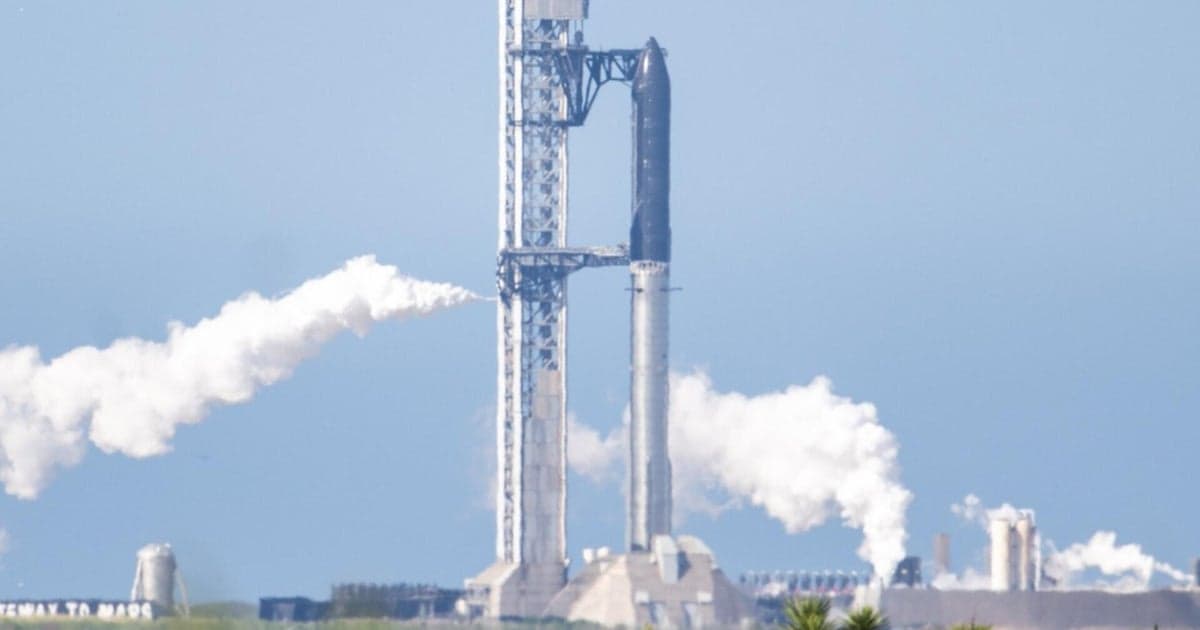
SpaceX postponed the scheduled launch of its full‑scale Starship prototype after a technical anomaly was detected moments before liftoff on Thursday. The massive, fully reusable vehicle is central to Elon Musk’s vision for lunar missions, Mars colonization, and commercial payload...

Viasat Demos D2D Services in Uzbekistan at GSMA Event
Viasat demonstrated direct‑to‑device (D2D) satellite messaging in Uzbekistan for the first time at the GSMA M360 Eurasia event. The trial used standard mobile handsets, proving that Viasat’s satellite can deliver 5G‑grade connectivity without a ground network. Viasat also outlined a...
SpaceX Launches 46th Starlink Mission, Adding 29 Broadband Satellites
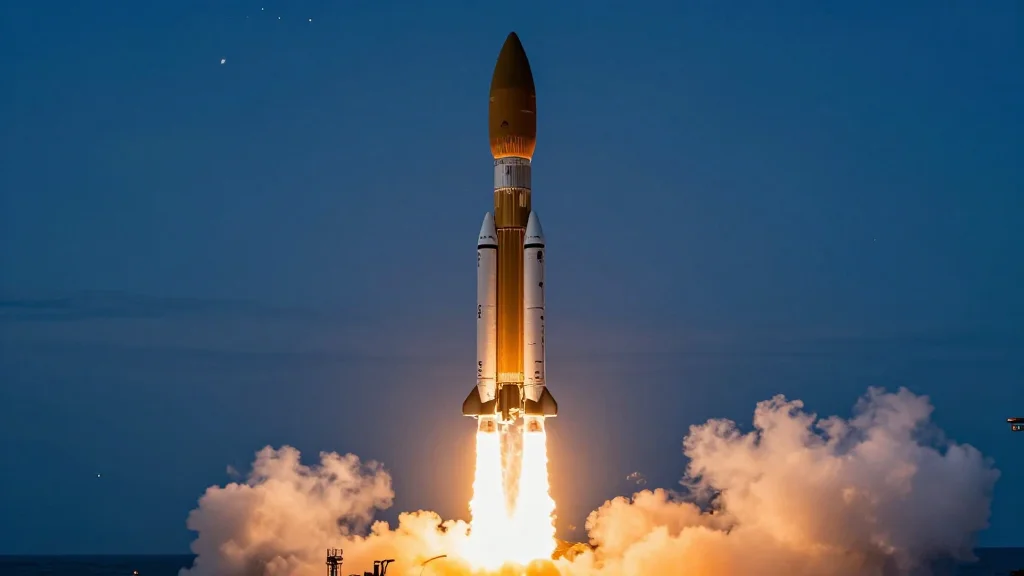
SpaceX lifted off a Falcon 9 from Cape Canaveral on May 21, 2026, delivering 29 new V2 Mini broadband satellites in its 46th Starlink mission, bringing the network to over 10,000 spacecraft. The launch demonstrates the company's steady launch cadence...

Leveraging AUKUS and Southern Geography: Building Australia’s Dual-Use Space Infrastructure for Strategic Resilience
The Deep Space Advanced Radar Capability (DARC) Site 1 in Western Australia is slated to reach full operational status by 2027, delivering early tracking data for AUKUS partners. Its location in the Pilbara region enables dual‑use functions such as commercial re‑entry...

May 22, 1969: Snoopy’s Closest Approach to the Moon
Apollo 10 served as the final dress rehearsal for the first Moon landing, launching on May 18, 1969. The crew named the Lunar Module “Snoopy” and on May 22 brought it within 9 miles (14.4 km) of the Sea of Tranquility, testing radar, flight‑control and docking...
SpaceX IPO Filing Casts Starlink Mobile as Future Wireless Challenger
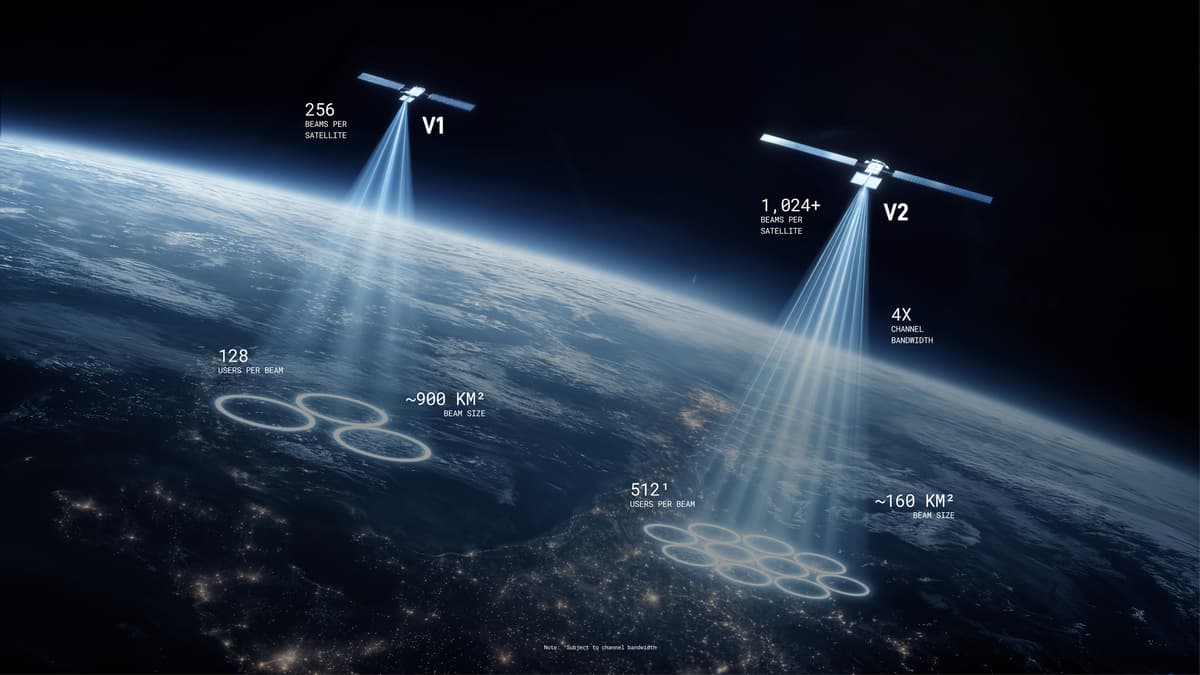
SpaceX’s IPO filing positions Starlink Mobile as a direct‑to‑smartphone service that could rival terrestrial carriers, not just a remote‑area backup. The prospectus cites $632 million in mobile connectivity revenue last year and projects a $740 billion total addressable market. Partnerships with T‑Mobile,...
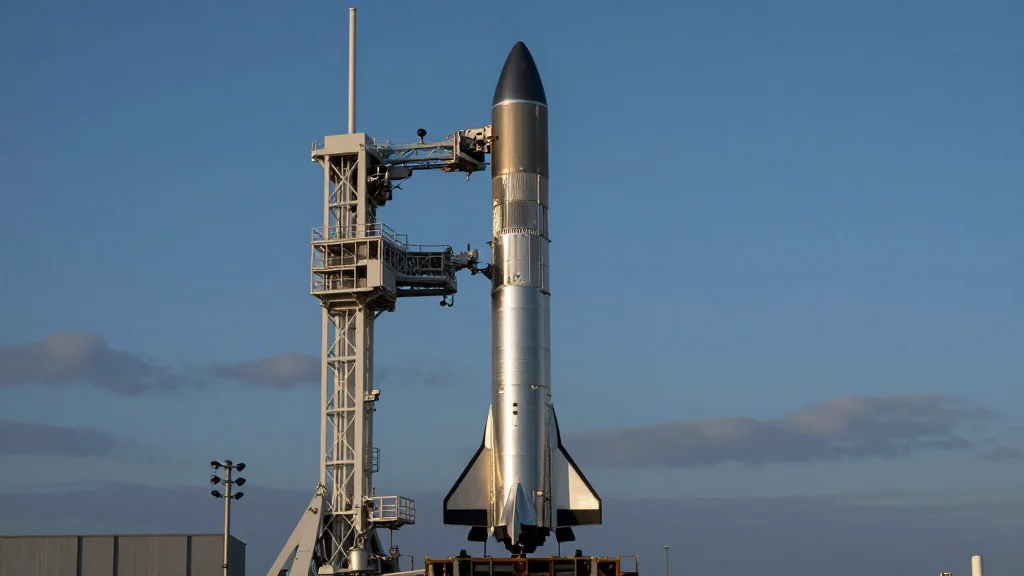
SpaceX Reschedules Starship IFT‑12 Launch for Tonight
SpaceX's website says they are "preparing to launch" Starship IFT-12 today, Friday, May 22, after yesterday's scrub. Same launch window (6:30-8:00 pm ET). https://t.co/WmDymzCeJd
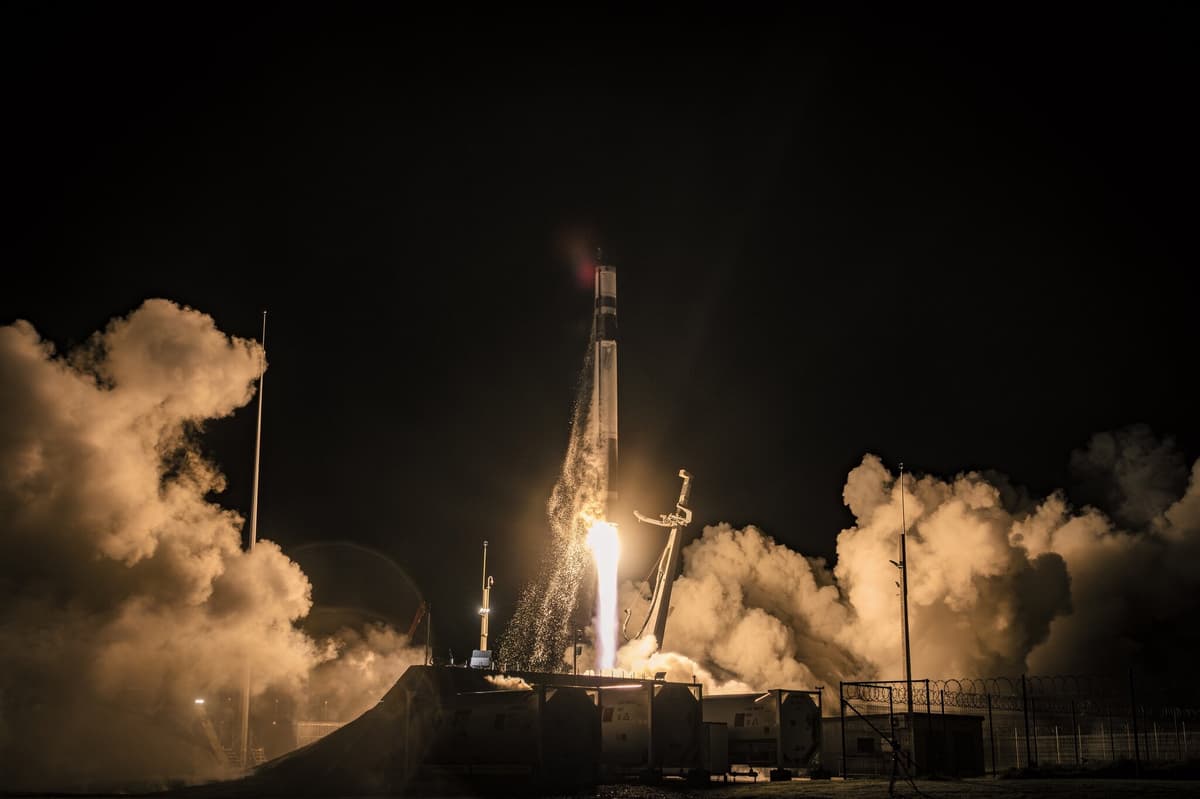
Rocket Lab Launches Ninth Synspective Satellite
Rocket Lab’s Electron rocket lifted off from New Zealand on May 22, delivering Synspective’s ninth StriX synthetic‑aperture‑radar satellite into a 572‑km orbit. The launch brings the total Electron missions to 88 and marks the ninth launch for Synspective this year, part of...
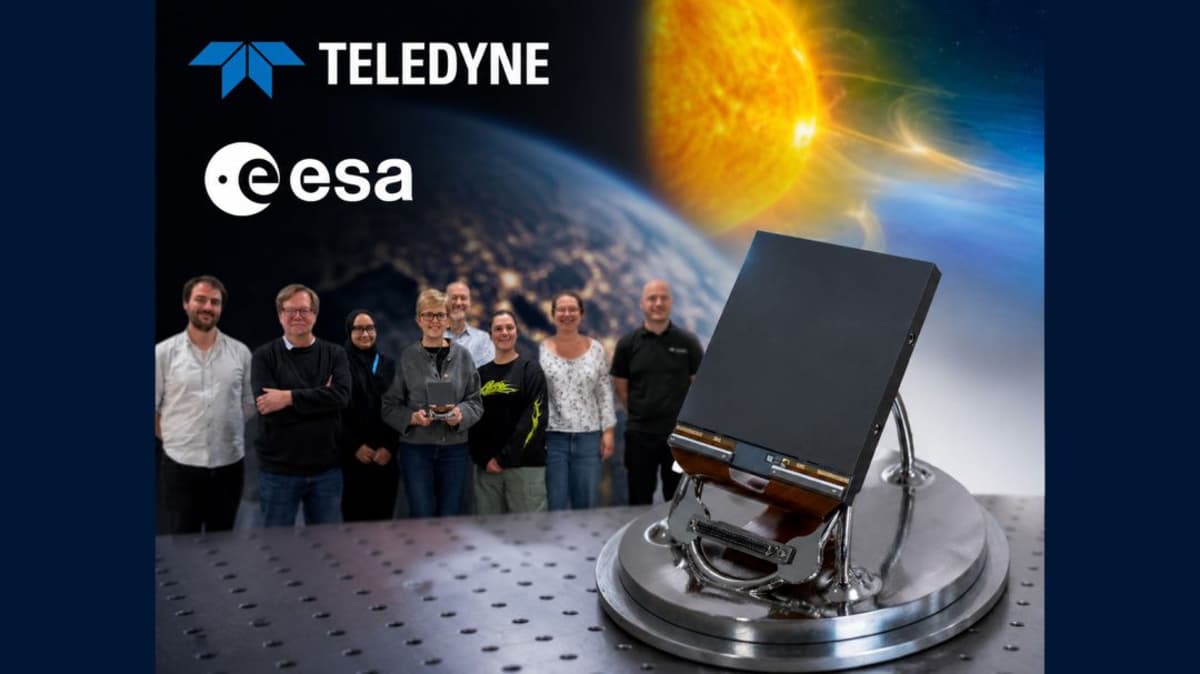
Teledyne CCD370 Sensors Launch on SMILE Mission
Teledyne Space Imaging has launched two CCD370 imaging sensors aboard ESA’s SMILE mission, which lifted off on a Vega‑C rocket from French Guiana on 19 May 2026. The sensors sit at the core of the Soft X‑ray Imager, capturing photons...
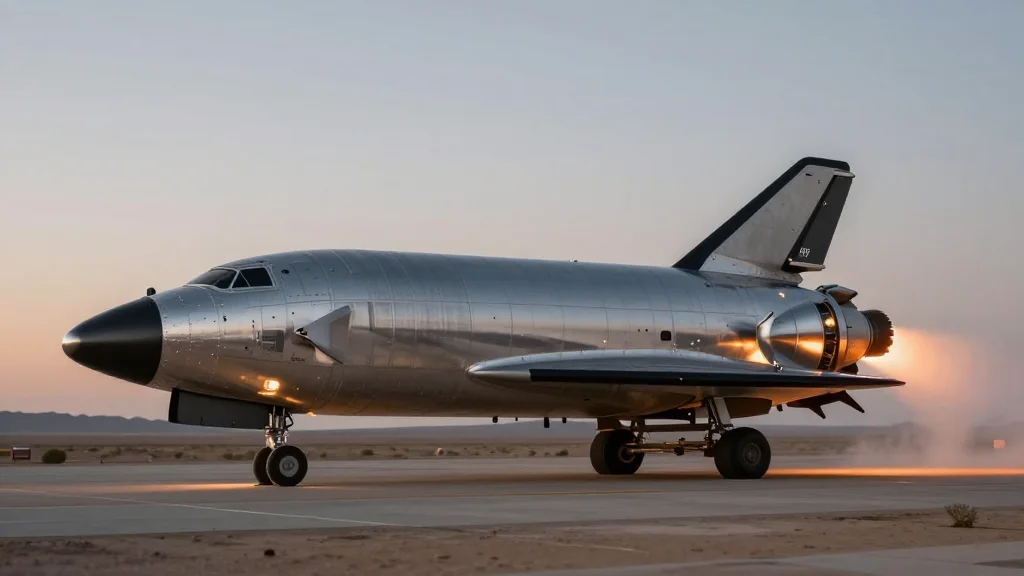
SpaceX Launches Upgraded Starship V3 Mega‑rocket From Texas
SpaceX lifted off its upgraded Starship V3 mega‑rocket from Starbase, Texas, in a debut flight that tests critical engineering upgrades for future moon and Mars missions. The launch, streamed live, is the first test of the new version’s engines and...
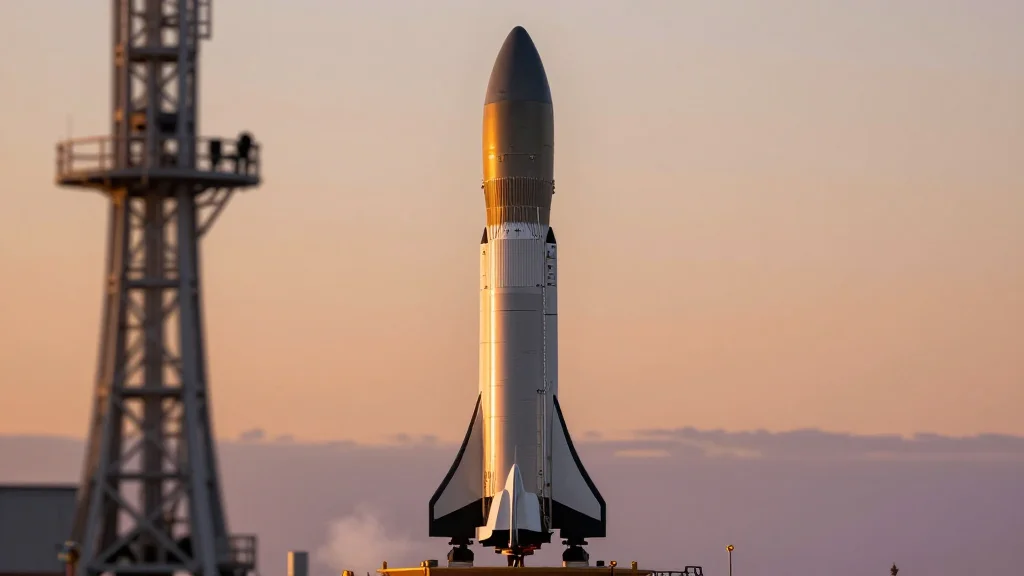
Countdown Glitch Delays World's Biggest Rocket as SpaceX Targets Friday Retry
SpaceX postponed the launch of its upgraded Starship V3 on May 21 after a hydraulic pin failed to retract, causing multiple countdown interruptions. The company now targets a Friday, May 22, 5:30 pm local (2230 GMT) launch from South Padre Island, Texas....

No Place Like Home
The article uses the iconic line “There’s no place like home” to frame a vivid tour of our solar system, anchored by the European Space Agency’s Rosetta spacecraft photo of a crescent Earth taken during its 2009 flyby. It contrasts...
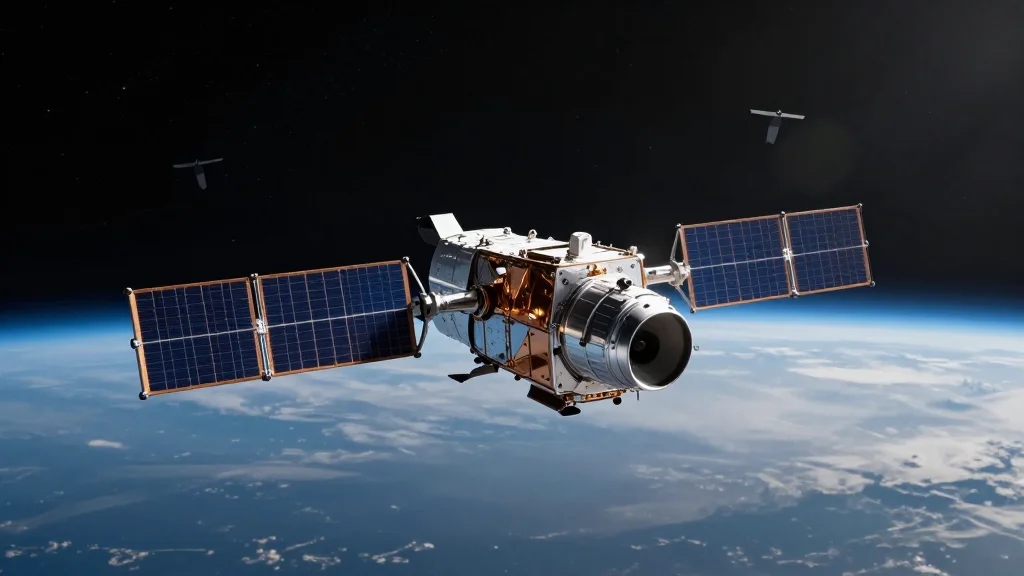
Starpath Global Expands Multi‑Orbital Leasing Network, Cutting Satellite Entry Costs
Starpath Global announced the expansion of its Satellite-as-a-Service platform, now backed by a virtual constellation of more than 100 satellites. The move lets commercial users and regional governments lease orbital capacity with minimal upfront capital, turning space access into an...